3H Safety Technology Co Limited.

Electrical Worker Clothing Material

-- Steady & Reliable Manufacturer --
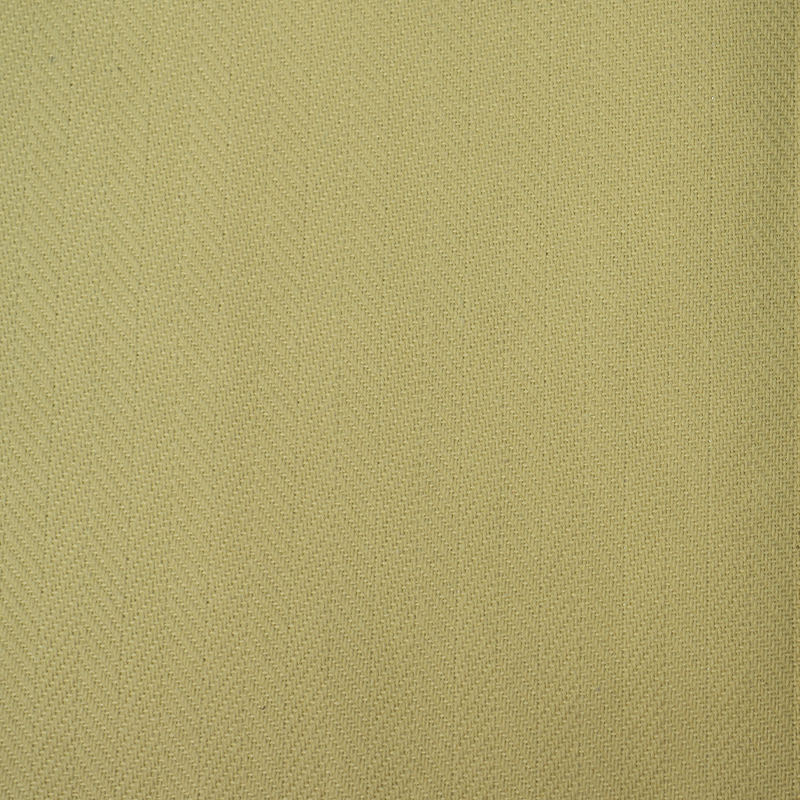
Product Introduction

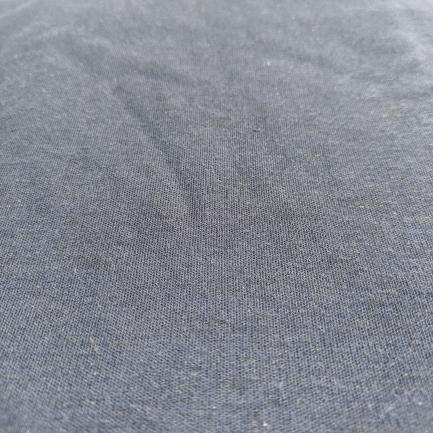
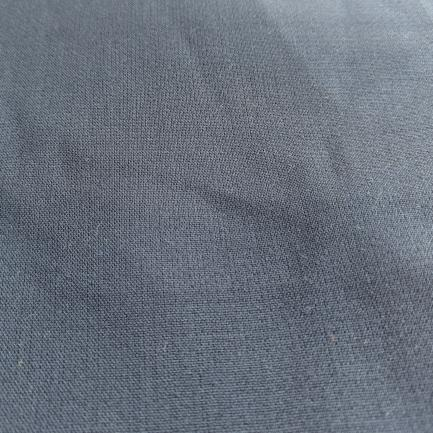
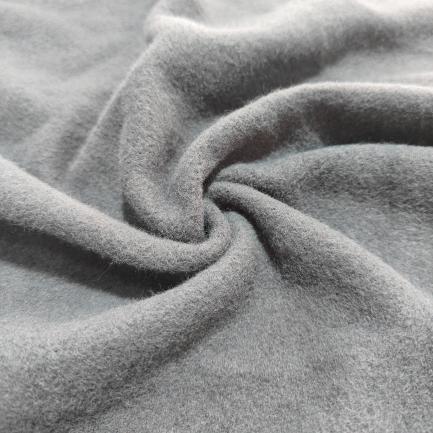
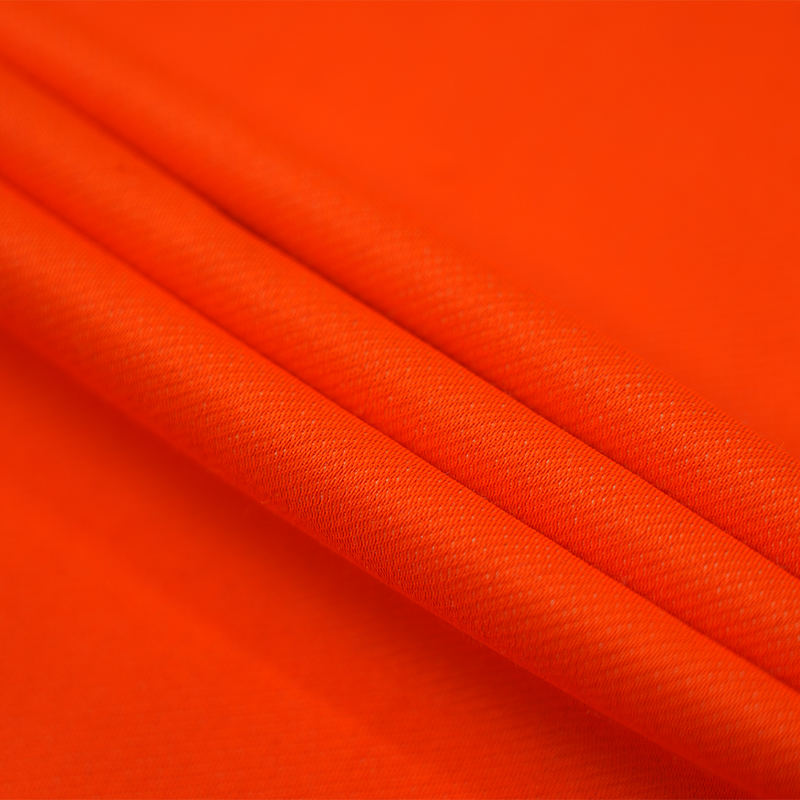
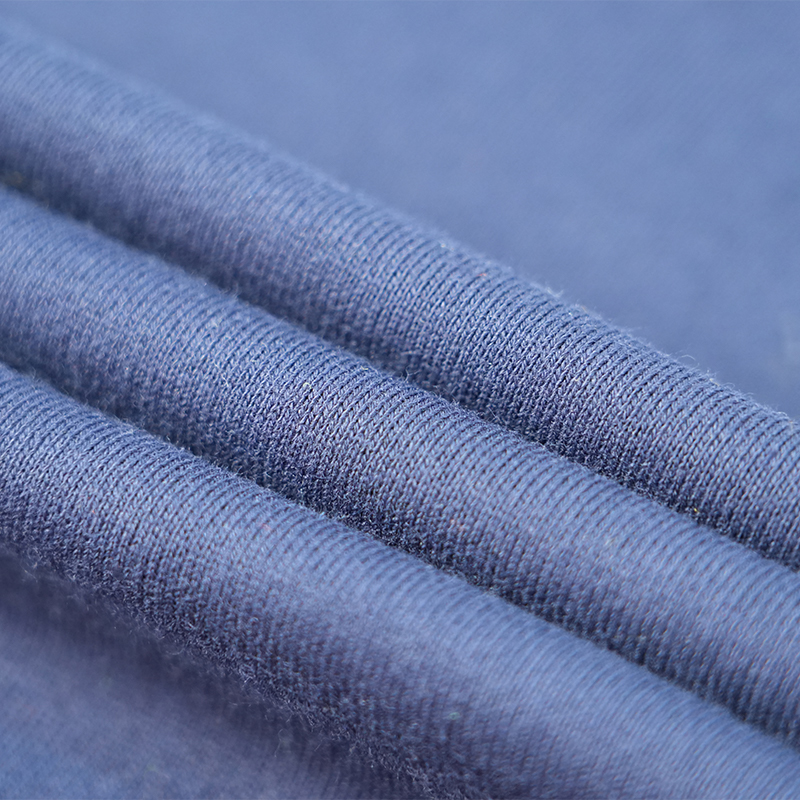
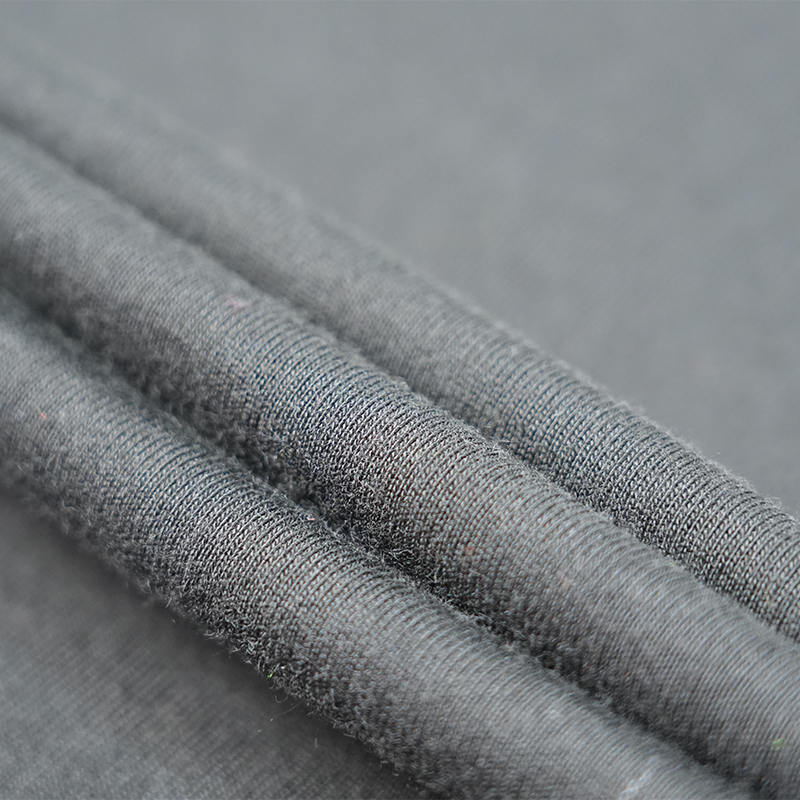
Electrical worker clothing material is the fabric base for shirts, trousers, coveralls and jackets worn by people who install, maintain and operate electrical systems. It is usually chosen for daily wear rather than for a single event: the fabric needs flame resistance and, where the risk assessment requires it, arc protection, while staying wearable through long shifts, frequent laundering and outdoor weather.

3H Safety Technology develops flame retardant functional fabrics under the 3H.Safeloya brand. For electrical trades, the relevant groups are arc protection fabrics referenced to NFPA 70E and ASTM F1506, flame retardant anti-static fabrics referenced to EN 11612 and EN 1149, and hi-vis versions for crews working outdoors or beside roads. Electricity is one of the industries listed in our supplier profile.

Buyers such as uniform program managers, garment factories and PPE distributors typically compare weight, fiber blend, hand feel, color stability and anti-static behavior, and decide whether woven or knitted structures suit each garment in the set. Weight, width and rating values differ by fabric and are provided on request instead of as general figures.

Development is based in Shanghai and the Nantong site handles production and testing. We can support custom fabric development, and OEM/ODM cooperation, samples and MOQ can be discussed after we understand your garment mix and annual volume.

Key Procurement Information
Product Type

Arc protection FR fabric, FR anti-static fabric, hi-vis FR fabric in woven and knitted forms

Material

Aramid, modacrylic and blended FR fibers; subject to selected fabric

Performance

Flame resistance, arc protection and anti-static behavior per applicable standard

Product Structure

Woven for shirts, trousers and coveralls; knitted for polos and base garments

Customization

Color, function and fabric configuration by project

Quality Control

Production and testing in Nantong; documents on request

MOQ

Available Upon Request; varies by fabric

OEM/ODM Services

Can be discussed by project; please contact us

Product Types & Buying Guide

Electrical workwear programs rarely use one fabric for every garment. This guide separates the fabric types by the role they play in an electrical uniform set.

Product Types
Arc Protection FR Fabric

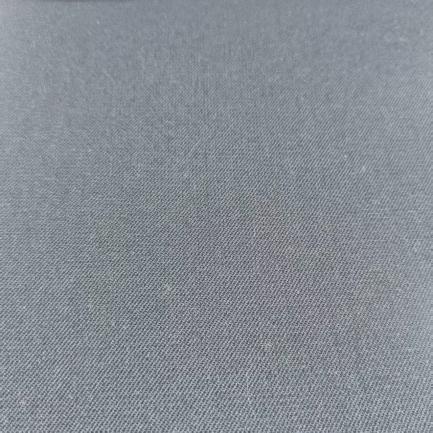
Flame retardant fabric with arc protection referenced to NFPA 70E and ASTM F1506. Used for outer garments in live-work and switching tasks.

Typical use: Substation, switchgear and live-work shells

FR Anti-Static Fabric

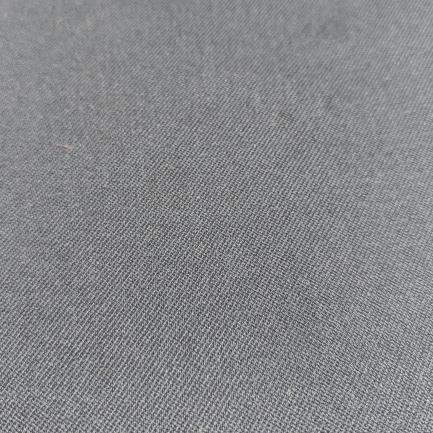
Flame retardant and anti-static fabric referenced to EN 11612 and EN 1149 for everyday maintenance wear.

Typical use: Routine maintenance in plants and power stations

Hi-Vis FR Fabric

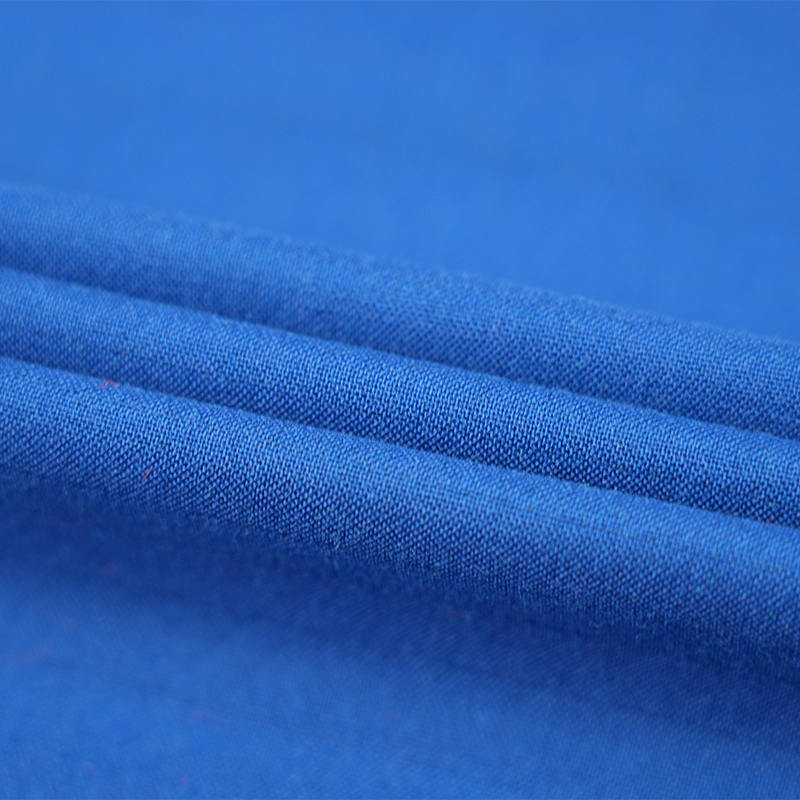
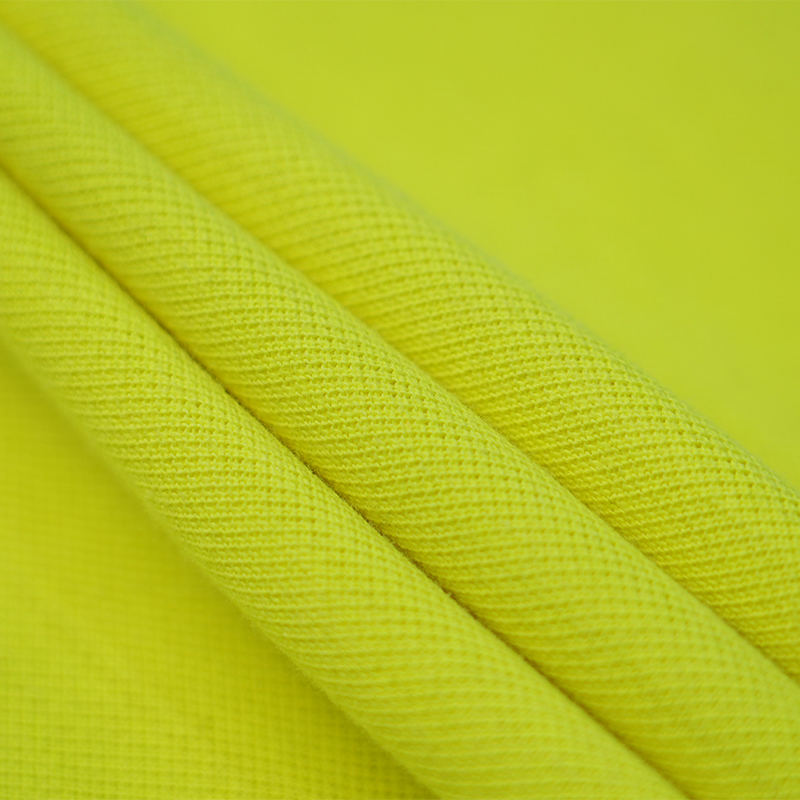
Flame retardant hi-vis fabric for crews who must be seen while working outdoors or near vehicles.

Typical use: Overhead line and roadside utility work

Knitted FR Anti-Static Hi-Vis

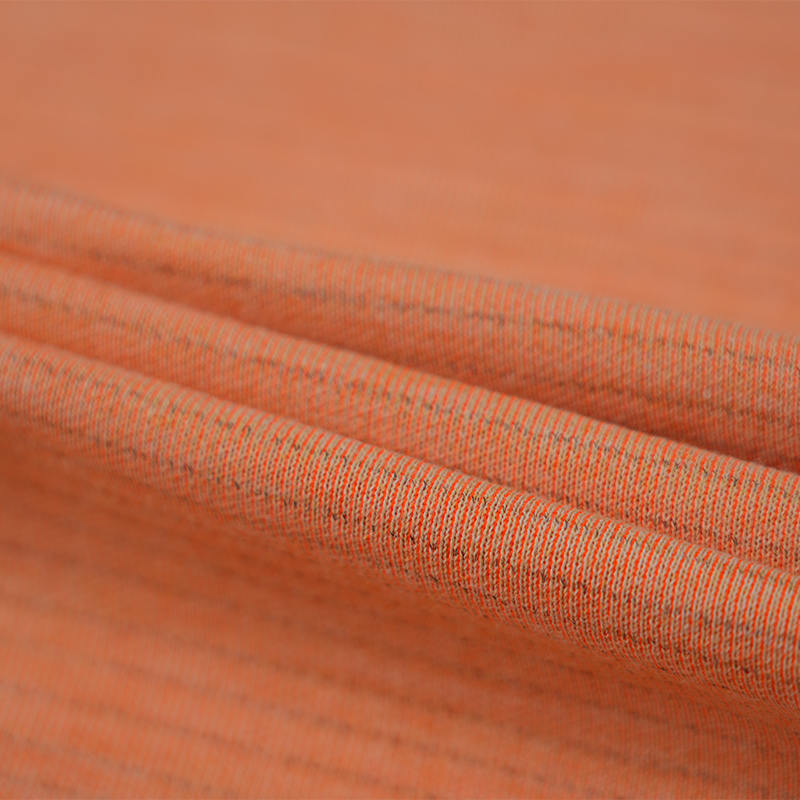
Knitted flame retardant anti-static hi-vis fabric for lighter, stretchier garments.

Typical use: Polo shirts, T-shirts and station wear

Key Features and Differences
Role in the uniform set
Arc protection fabrics suit outer shells; anti-static and knitted fabrics suit everyday and layering garments.
Structure
Woven fabrics give a firmer shell and durability; knitted fabrics give stretch and softer hand feel.
Function mix
Arc, anti-static and hi-vis can be combined in some fabrics; combination availability is confirmed per request.
Standards
NFPA 70E and ASTM F1506 relate to arc; EN 11612 relates to heat and flame; EN 1149 relates to electrostatic properties.
Buying Considerations
Hazard profile of the job

Separate live-work tasks from routine maintenance so that arc-rated fabric is used where it is needed.

Comfort over a full shift

Weight, structure and breathability affect compliance. Compare woven and knitted options for hot sites.

Anti-static requirement

Confirm whether an anti-static function is required by the site and which test method applies.

Visibility

Outdoor crews may need hi-vis shades; confirm class requirements for the final garment.

Laundry and lifetime

Industrial laundering shortens garment life; ask for post-wash performance data.

Supply continuity

Utility programs reorder for years. Confirm shade consistency and lot traceability.

Main Points for Buyers
1Assign arc-rated fabric only to roles that require it.
2Choose knitted fabrics for undershirts and polos worn under shells.
3Check anti-static function against the site's own rule.
4Plan hi-vis shades early since they affect fabric availability.
5Request reorder shade consistency in writing.
Buying Guide
Step 1
Map garments to roles. List shell, shirt, trouser and base garments, and note which carry arc or hi-vis requirements.
Step 2
Pick a fabric per garment. Use the type comparison to assign arc, anti-static, hi-vis or knitted fabrics.
Step 3
Sample and wear-test. Request swatches and, where possible, trial garments for comfort and laundering checks.
Step 4
Lock specifications. Fix weight, shade, test report and packaging before ordering for the full program.

Specifications & Customization

ParameterSpecificationBuyer Note
Product TypeArc protection FR; FR anti-static; hi-vis FR; knitted FR anti-static hi-visSelect per garment role
Base MaterialAramid, modacrylic and blended flame retardant fibersConfirmed per fabric
Fabric StructureWoven and knittedWoven for shells; knitted for light garments
Referenced StandardsNFPA 70E, ASTM F1506 (arc); EN 11612 (heat and flame); EN 1149 (electrostatic)As referenced in product listings
Anti-Static FunctionAvailable on selected fabricsSubject to Product Configuration
Hi-Vis FunctionAvailable on selected fabricsConfirm shade and class at garment level
Weight (gsm)Available Upon RequestVaries by fabric
WidthAvailable Upon RequestConfirm for cutting layout
ColorCustomizable; hi-vis shades availableConfirm per fabric
Test ReportsAvailable Upon RequestState standard and function needed
Order TermsMOQ: Available Upon Request. Samples: Please Contact Us for Details. Lead time: To Be ConfirmedSubject to Actual Requirements
Customization Options
Color matching to uniform programHi-vis shade optionsFunction combination (arc, anti-static)Woven or knitted selectionFiber blend selectionRoll packaging by order

Uniform programs often need several fabrics with matching shades. Send the garment list and expected quantities per garment so that fabrics can be proposed as a coordinated set.

Applications & Target Customers

1. Application Scenarios
Industry / ApplicationTypical UseRelevant Product Features
Power generation and distributionOperations and maintenance garmentsFlame resistance with arc and anti-static options
Utility line crewsOutdoor work near traffic and in low lightHi-vis flame retardant fabrics; arc protection where required
Plant electrical maintenanceElectricians in industrial facilitiesFR anti-static woven fabric for shirts and trousers
Gas stations and fuel facilitiesElectrical service on forecourt equipmentFlame retardant anti-static fabric; site rules apply
Coal miningElectrical upkeep for mine equipmentFlame retardant fabric; anti-static as site rules require
2. Target Customers
Uniform Program Managers

Need matched fabrics across shells, shirts and trousers with stable reorders.

Garment Manufacturers

Want woven and knitted fabrics from one source with consistent shade.

Distributors

Serve local utilities and contractors with documented fabrics.

Electrical Contractors

Buy through projects that name standards and test reports.

3. Suitable and Unsuitable Uses
Suitable Uses
  • Daily workwear for electricians and maintenance technicians
  • Arc-rated outer garments where a defined arc hazard exists
  • Hi-vis flame retardant garments for outdoor utility crews
  • Knitted base garments worn beneath flame retardant shells
Unsuitable Uses or Applications Requiring Additional Evaluation
  • Roles with arc incident energy beyond the tested rating of the fabric
  • Tasks requiring insulating gloves, hoods or face protection, which are separate PPE
  • Use with non-flame-retardant underwear or accessories
  • Sites with explosive atmosphere rules that need extra electrostatic evaluation
4. Selection Guidance
Application requirements

Define roles, tasks and the standards the end user requires.

Working environment

Consider indoor or outdoor work, climate and traffic exposure.

Performance requirements

Choose arc, anti-static or hi-vis functions per role.

Budget and order quantity

Share garment counts so shell and base fabrics can be quoted together.

5. Usage Notes
  • Check garments for burns, tears and worn areas before each shift
  • Wear flame retardant underlayers and socks where required
  • Do not remove or alter garments while working near energized equipment
  • Wash according to the care label and avoid unapproved additives
  • Replace garments when fabric shows heavy wear
  • Keep clean garments separate from oily or contaminated items

Advantages

01One supplier for several fabric roles

Arc protection, anti-static and hi-vis fabrics are available from one source. Shell and base layers can be matched in shade and quality.

Basis: Listings include arc protection, FR anti-static, hi-vis and knitted hi-vis fabrics.
Buyer benefit: Fewer vendors to qualify for a uniform program.
02Arc protection fabrics referenced to named standards

Arc fabrics are referenced to NFPA 70E and ASTM F1506 in product listings. This helps buyers align fabric choice with common electrical safety programs.

Basis: Listing: flame retardant and arc protection fabric for workwear and safety garments.
Buyer benefit: Clear starting point for specification writing.
03Woven and knitted structures

Both woven and knitted fabrics are produced. Garment makers can choose shell durability or knitted comfort per item.

Basis: Knitted flame retardant anti-static hi-vis fabric appears in the range alongside woven items.
Buyer benefit: Better wearer comfort without leaving the flame retardant range.
04Anti-static function on a flame retardant base

EN 1149 is referenced for anti-static fabrics. This is relevant for sites where static control is part of the dress code.

Basis: A flame retardant anti-static fabric referenced to EN 11612 and EN 1149 is listed.
Buyer benefit: Reduces the need for separate anti-static garments.
05Testing and production at Nantong

The Nantong site is described as the production and testing center, with development in Shanghai.

Basis: Supplier profile states this division of roles.
Buyer benefit: Easier follow-up on batches and test documents.
06Customization by project

Fabrics are developed to customer demand on a flame retardant base. Color and function can be discussed per program.

Basis: Supplier information lists customized services.
Buyer benefit: Fabrics can follow your uniform standard instead of the other way around.

Frequently Asked Questions

  • Q: Which fabric should I use for electricians' daily trousers?
  • A: A flame retardant anti-static woven fabric is a common choice, with arc protection added where tasks require it. Send the task list and we will suggest options.
  • Q: Do you offer hi-vis fabrics for utility crews?
  • A: Yes. Flame retardant hi-vis fabrics are available in woven and knitted forms. Confirm the required class and color for your region.
  • Q: Which standards do your electrical-use fabrics reference?
  • A: Listings reference NFPA 70E and ASTM F1506 for arc, EN 11612 for heat and flame, and EN 1149 for electrostatic properties. Compliance is confirmed per fabric with test reports.
  • Q: Can arc, anti-static and hi-vis be combined?
  • A: Some combinations are offered. Availability depends on the fabric, so please send your required functions for confirmation.
  • Q: What are the MOQ and sampling terms?
  • A: These vary by fabric and customization. Please contact us with fabric type and quantity for confirmed terms.
  • Q: Do you provide shade matching across shell and base fabrics?
  • A: Color customization is available. Matching across woven and knitted fabrics is confirmed during sampling.

Contact Us to Learn More

Tell us the garment types, hazard requirements and annual volume of your electrical workwear program. We will suggest fabrics for each role and arrange samples and documents.

To help us respond accurately, please include:

Garment list and roles
Arc, anti-static or hi-vis requirements
Woven or knitted preference
Target shade
Expected volume per fabric