 EN
EN 中文简体
中文简体 English
 русский
 Español
 Português
 عربى
عربى

Flame Retardant Fabrics For Different Materials OEM & ODM
PRODUCT CLASSIFICATION

Embracing Innovative Technology for a Secure Future
Suppliers Of Flame Retardant Fabrics For Different Materials
-
-
-
-
-
-
-
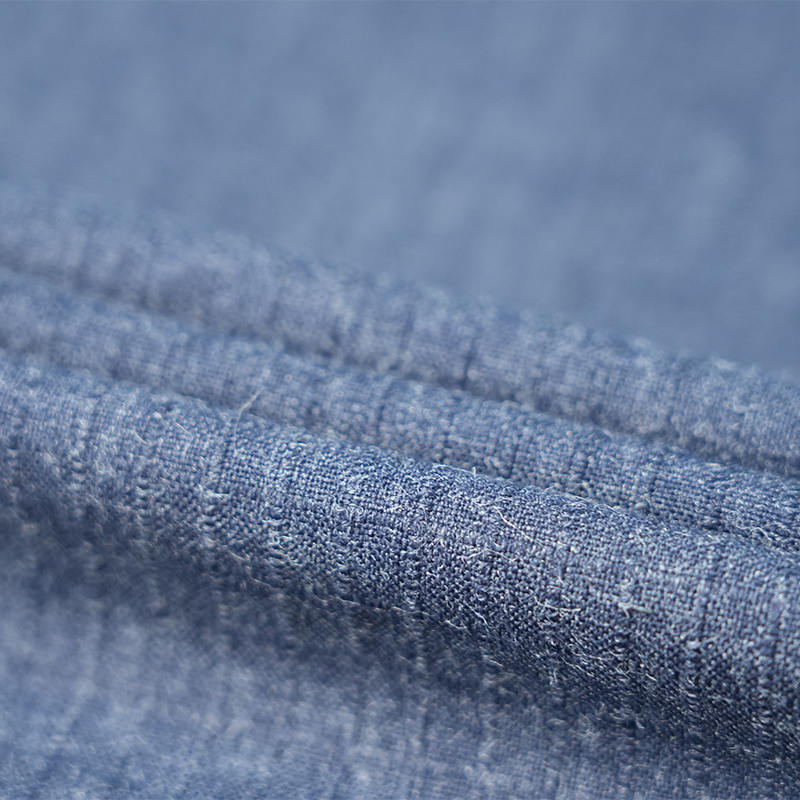
PFA-D12 Twill/Plain/Ripstop Electric Arc Protection FR fabric
-
-
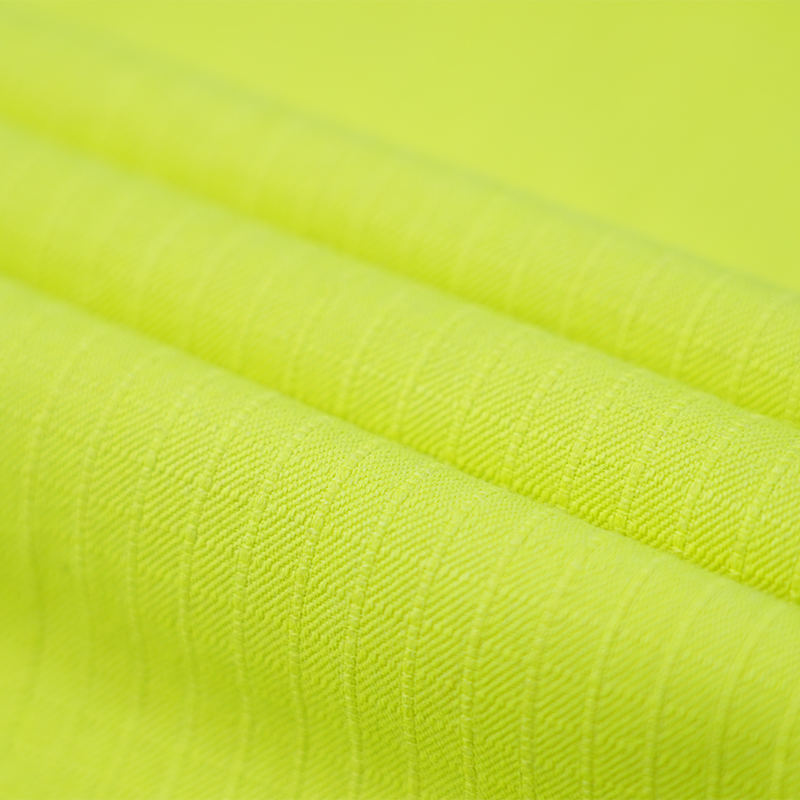
-
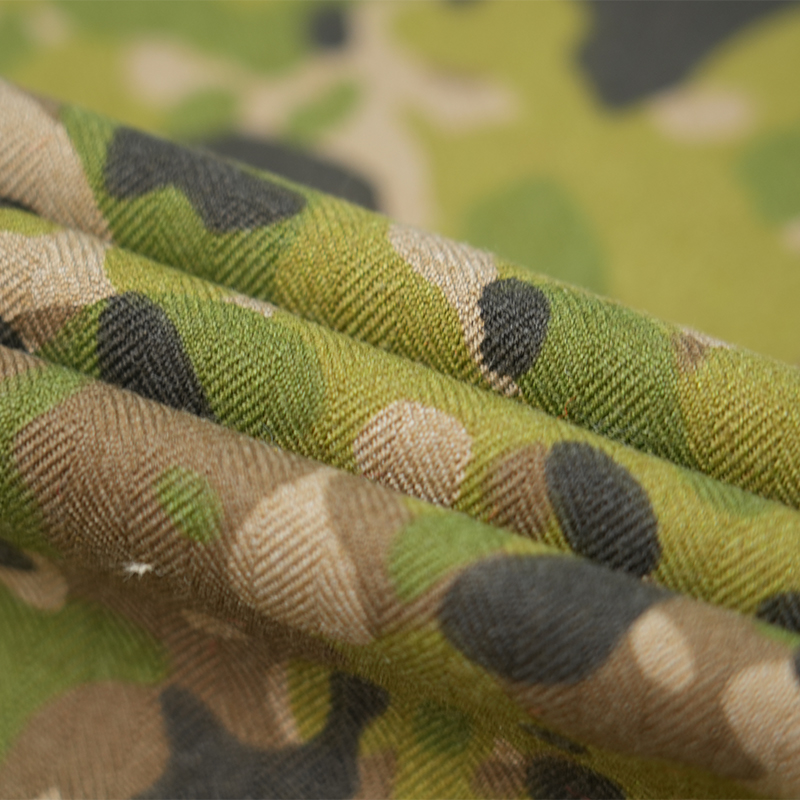
SSS-A02 Herringbone with Ripstop Military and police special protective fabrics
-
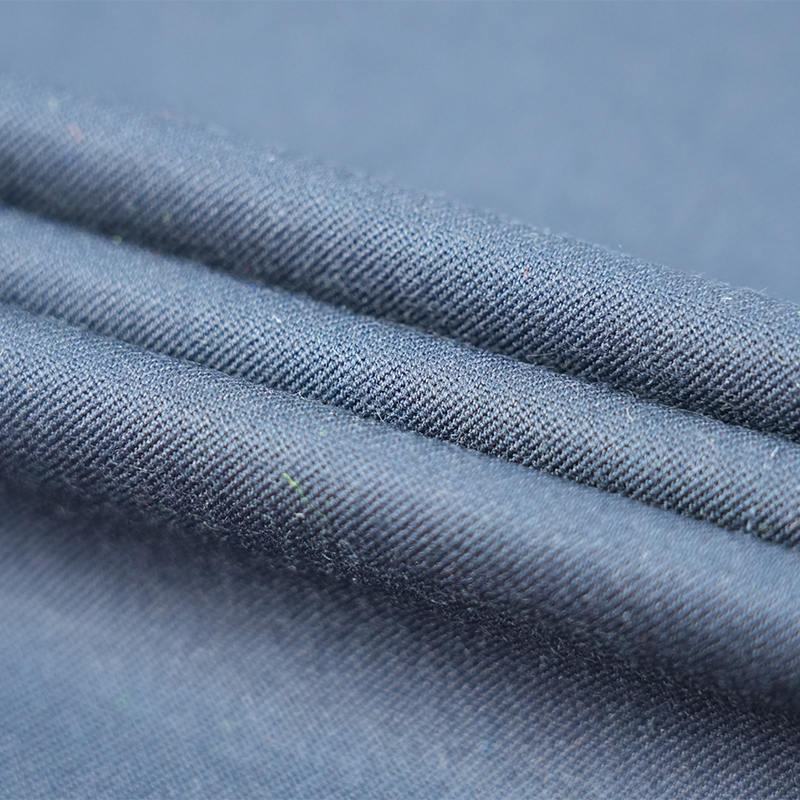
SSS-AD1 Twill Military and police special protective fabrics
-
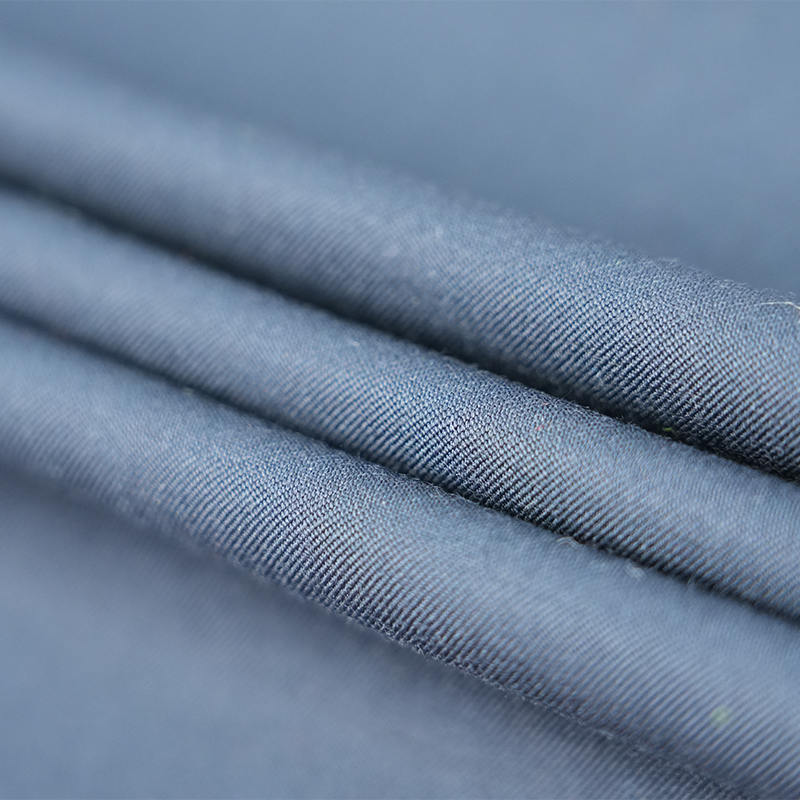
SSS-AD3 Twill Military and police special protective fabrics
-

-
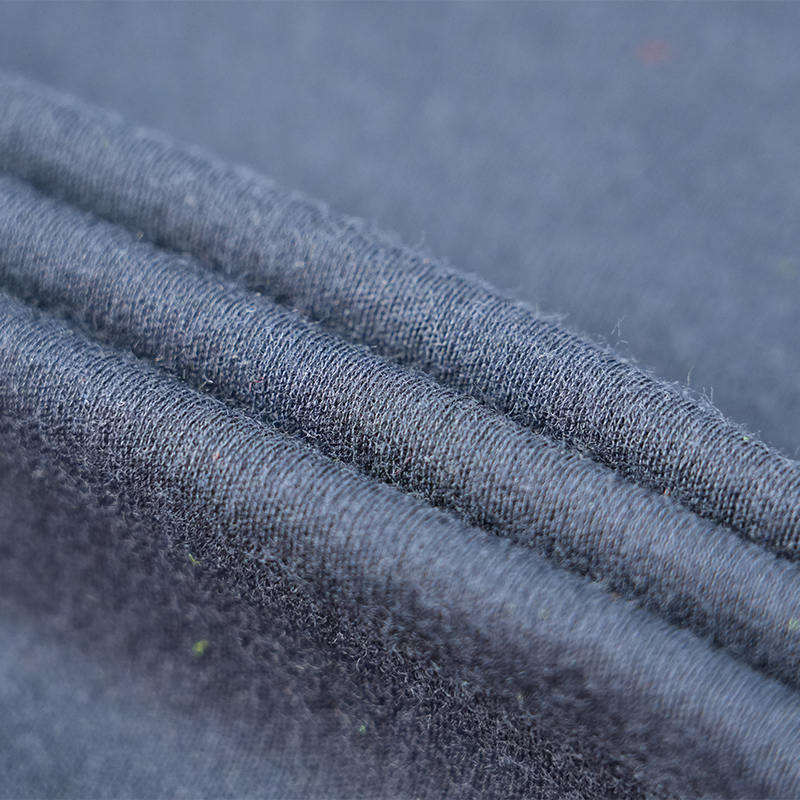
-
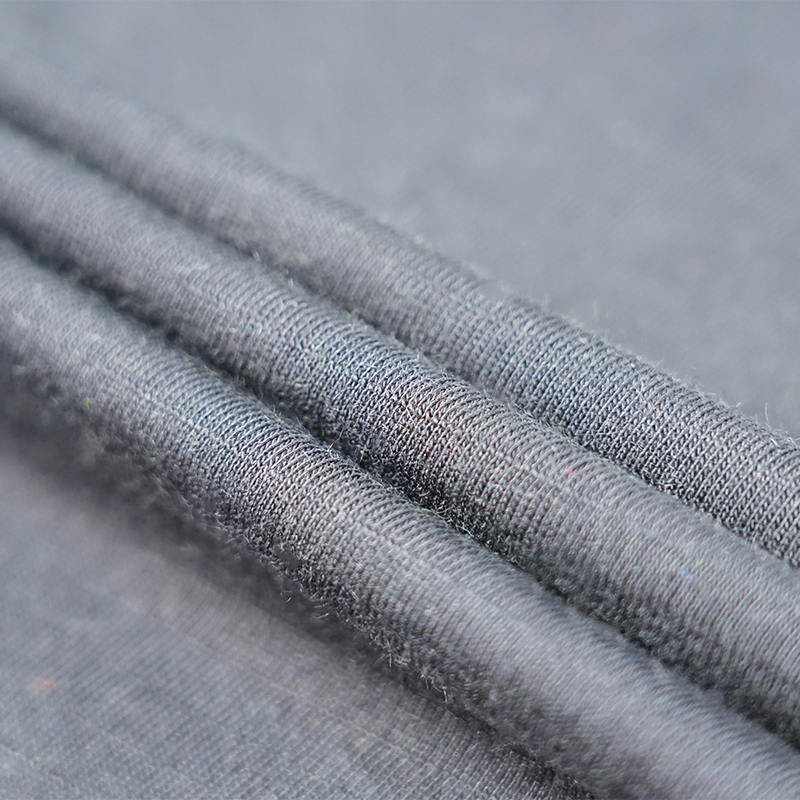
About Us
CUSTOMIZED FLAME RETARDANT
FABRICS MANUFACTURER
FABRICS MANUFACTURER
-
 0+
0+Enterprise establishment
-
 0+
0+Employees

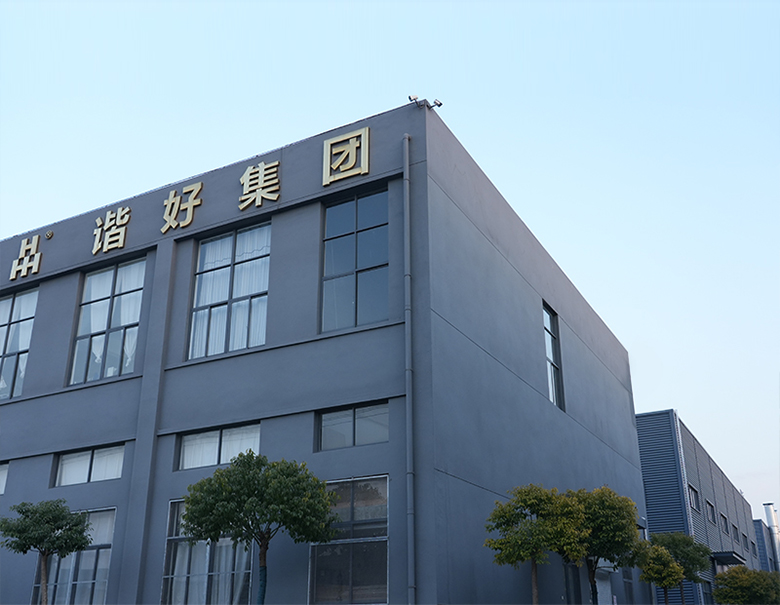
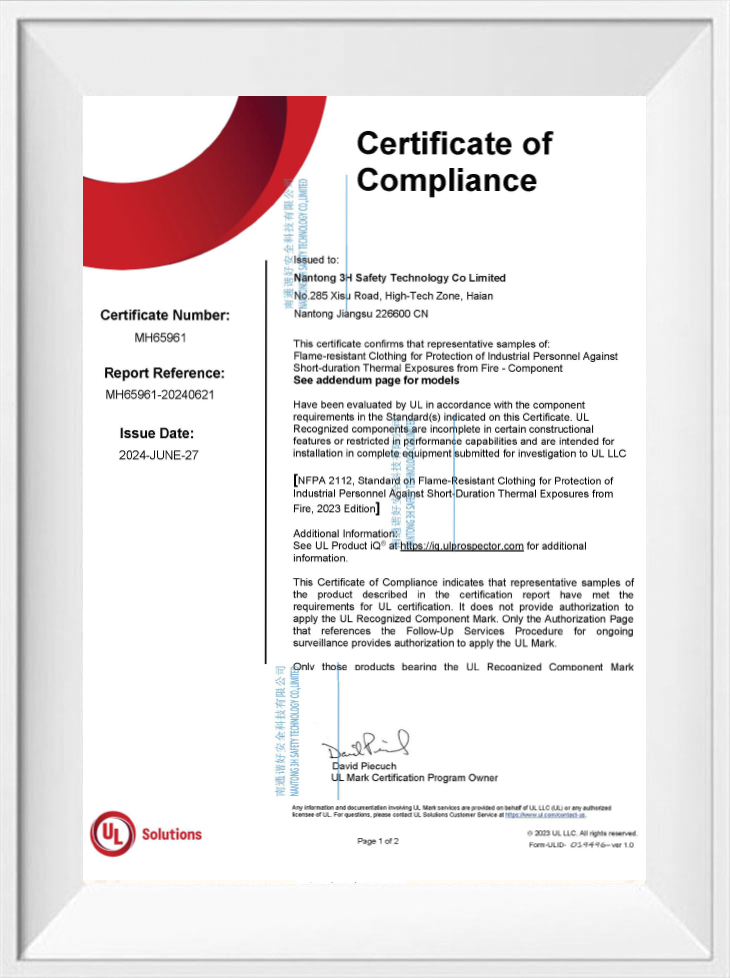
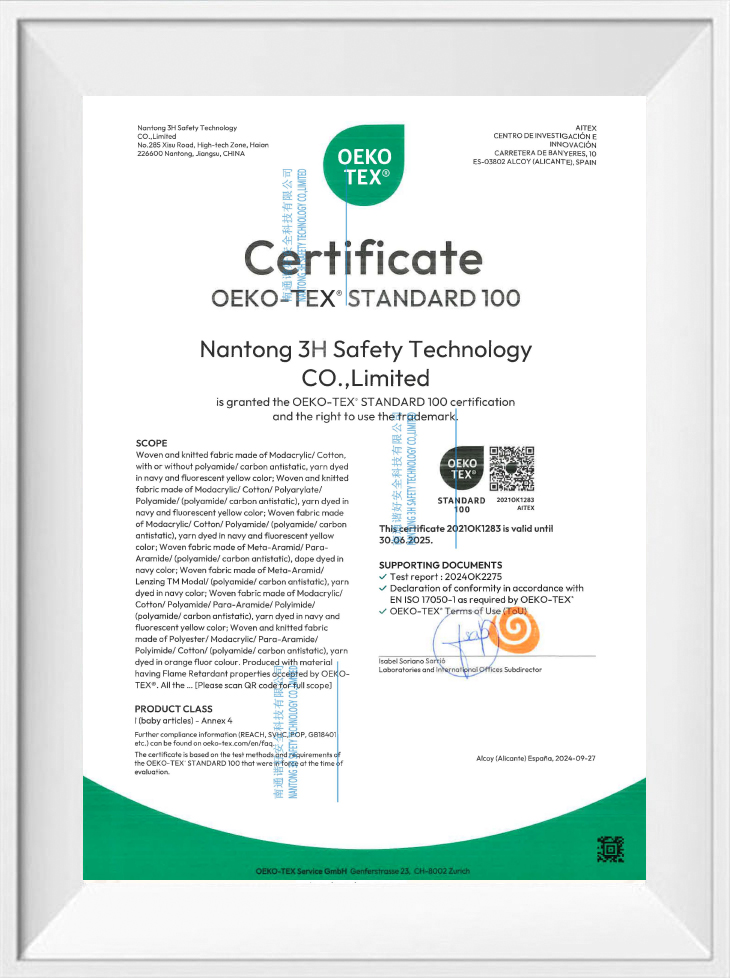
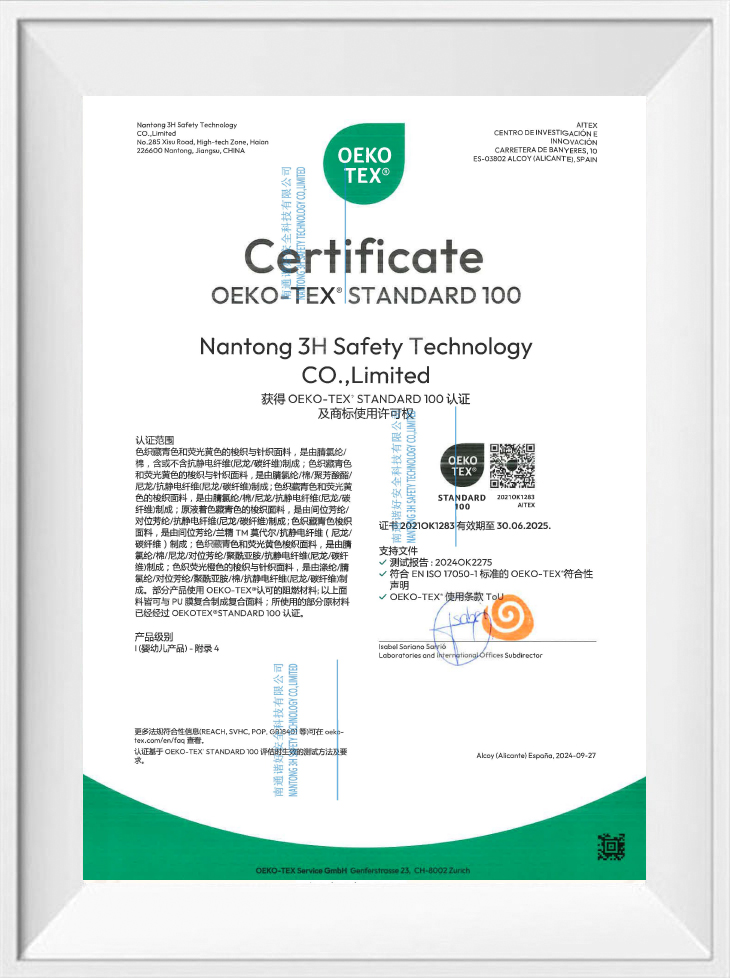
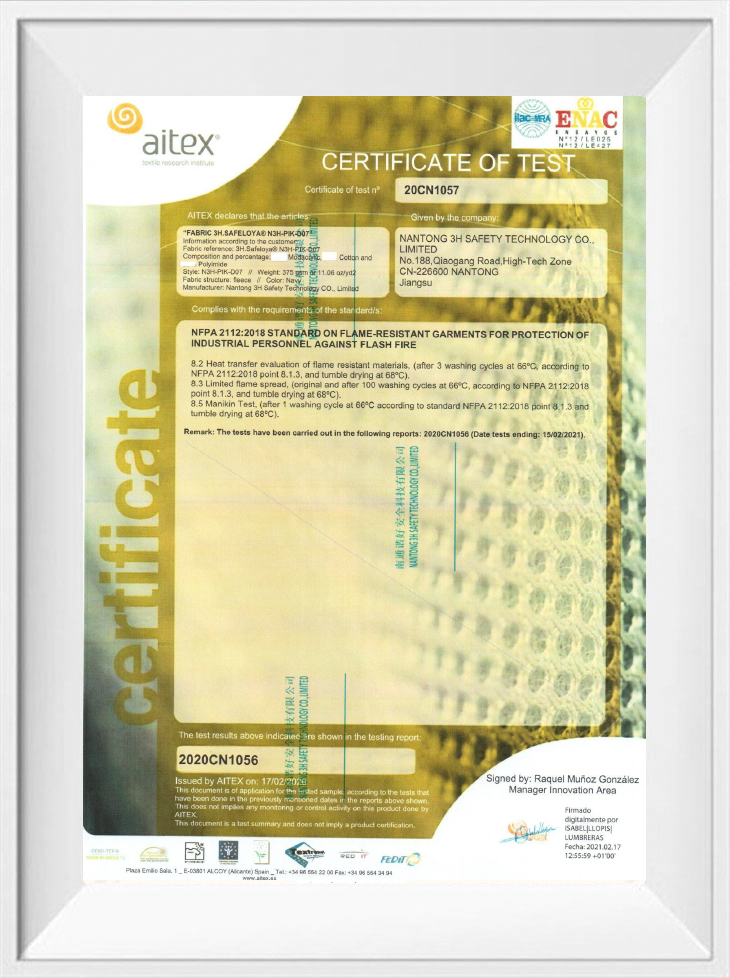
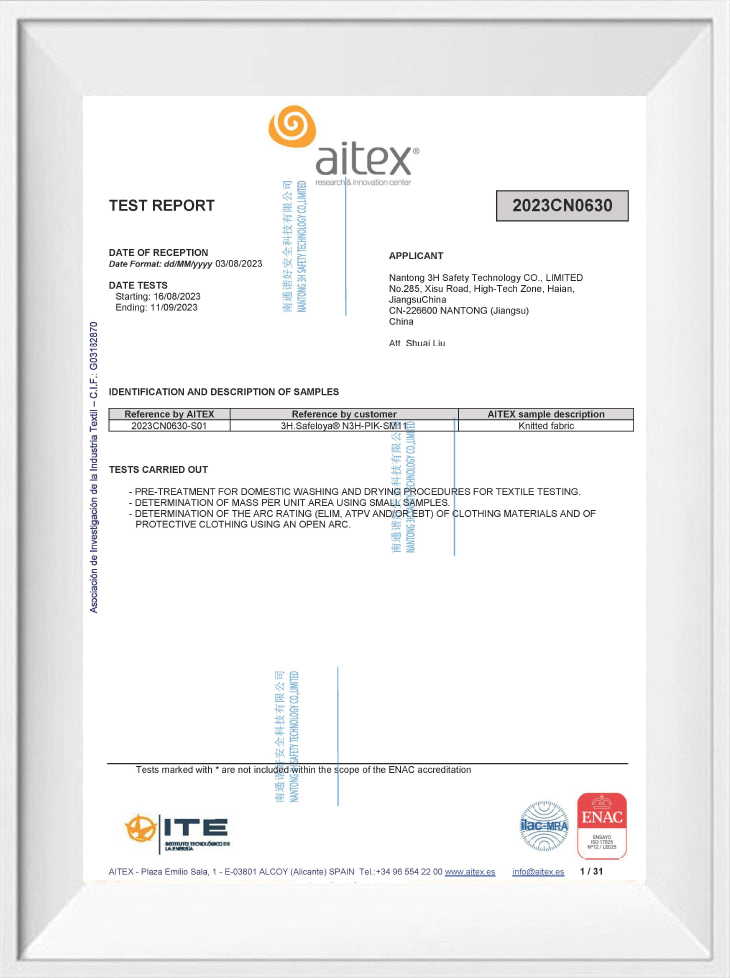
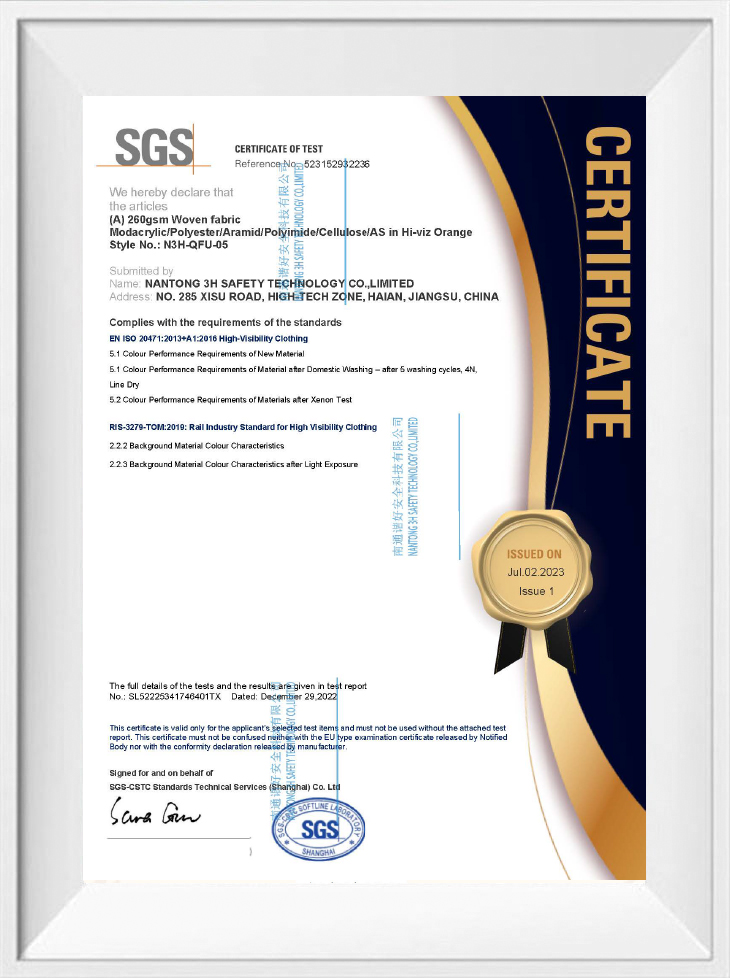
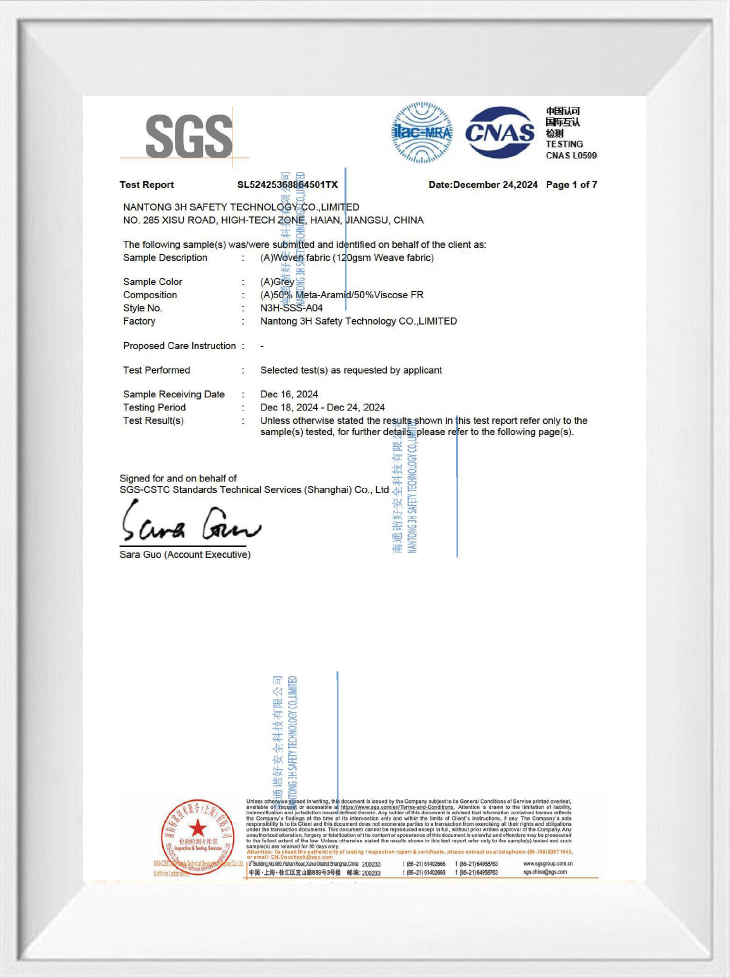
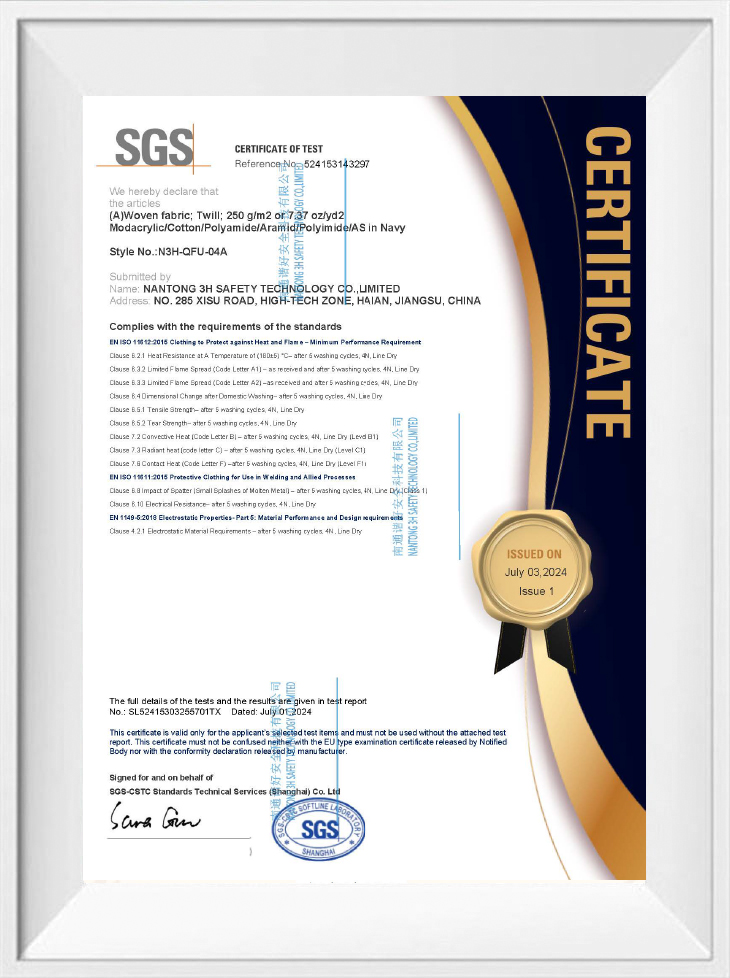
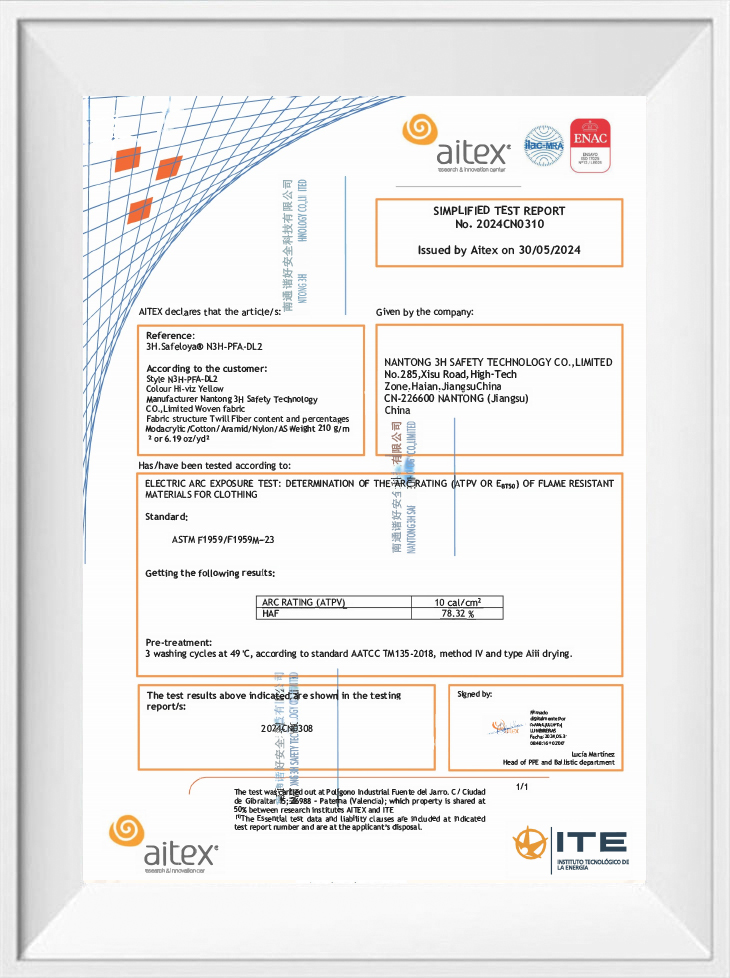
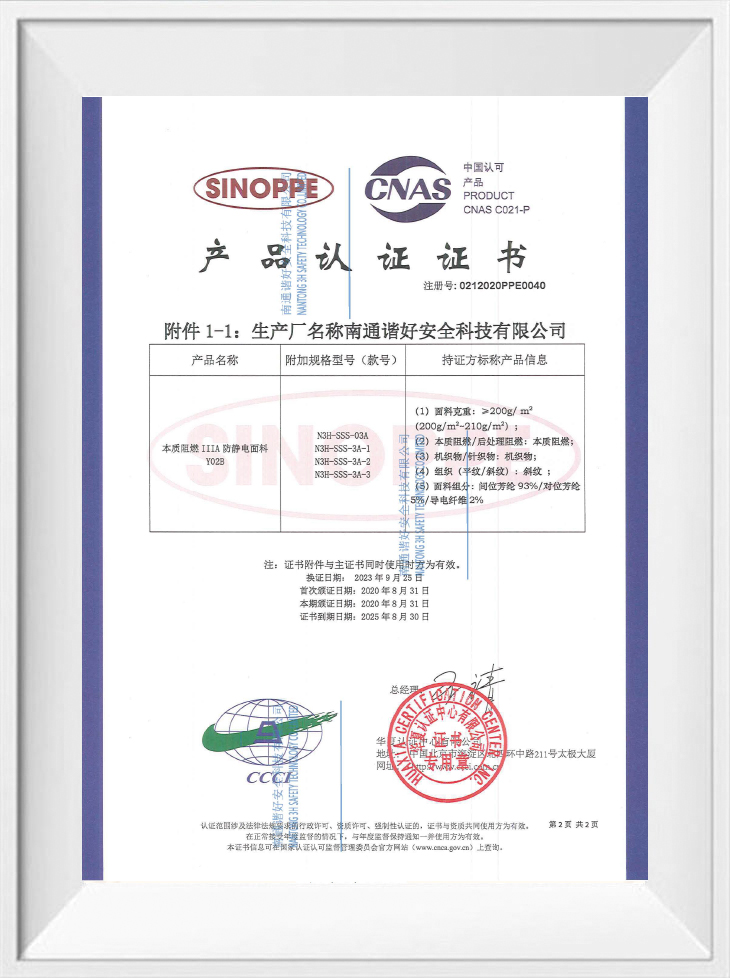
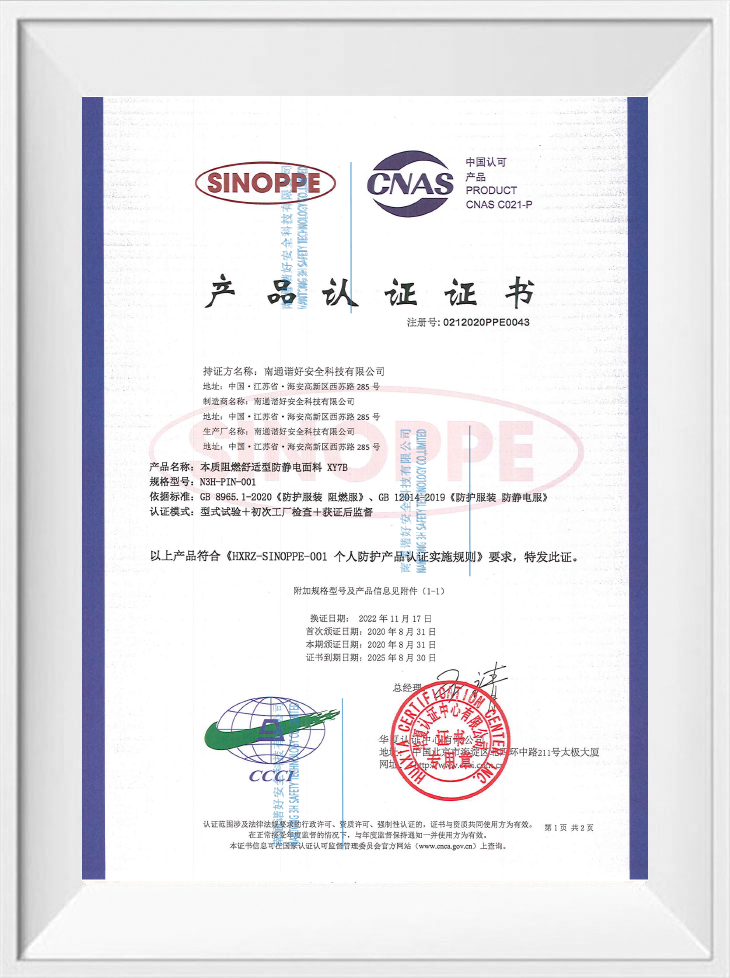
3H Safety Technology Co Limited is a functional fabric manufacturer based on flame retardancy, with the company's product brand "3H. Safeloya" ®". The company is committed to product research and development and fabric production, and adds multiple functions such as anti-static, arc proof, metal splash proof, and three proofing according to customer needs. As a professional OEM Suppliers Of Flame Retardant Fabrics For Different Materials and ODM Company Of Flame Retardant Fabrics For Different Materials in China, The product is widely used in various industries such as petroleum, petrochemical, chemical, gas station, power, coal mining, steel, metallurgy, and mechanical processing. The related products have been tested by authoritative testing institutions such as SGS in Switzerland, TUV in Germany, ITS in the UK, and the National Labor Protection Products Quality Supervision and Inspection Center, and have meet the requirements of domestic and international standards, including EN ISO 11611, EN ISO 11612, EN ISO 1149, EN 469, EN 373, EN 61482-1, ASTM F1959, ASTM F1891, NFPA 70E, NFPA 2112, ANSI 107, GB 8965.1, and GB 12014.
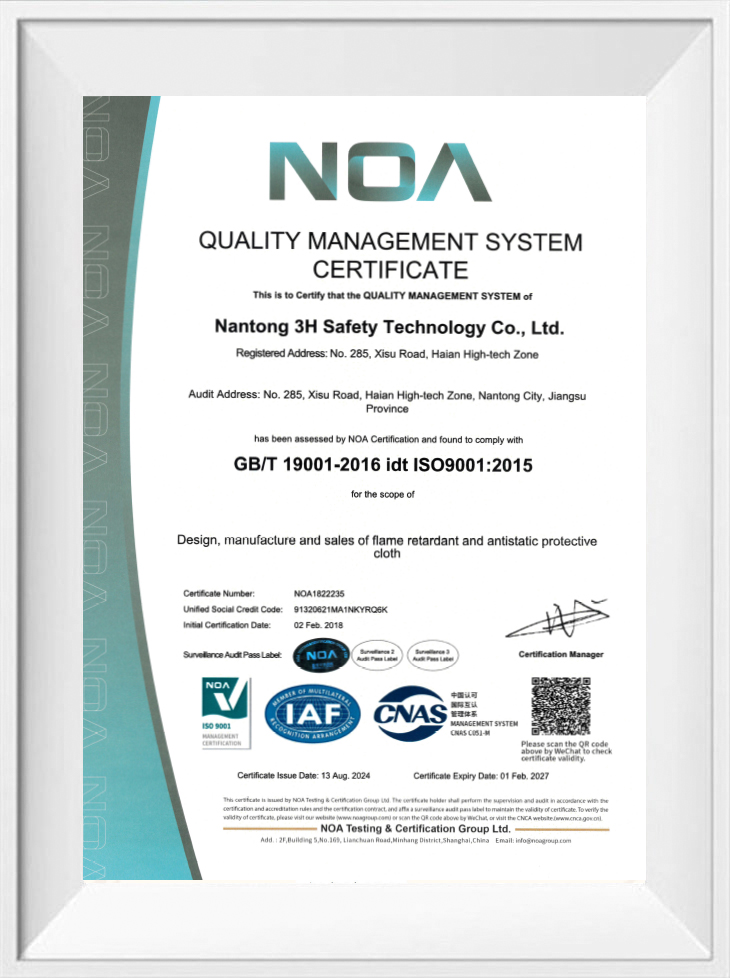
The company strictly requires comprehensive quality management, fully implements product lifecycle traceability in accordance with national regulations, achieves excellent product quality, environmental protection, and reliable hygiene, allowing customers and users to rest assured.
-
2026-09-16An electrical maintenance supervisor reviews the PPE list for an upcoming panel repair. The arc-rated coveralls in the locker room carry labels readi...
-
2026-09-09NFPA 2112 Meaning: What It Actually Means for FR Clothing NFPA 2112 governs flame-resistant clothing for industrial personnel who may face short-dura...
-
2026-09-02At 4:52 p.m., a pressure valve on a gas separation unit fails. The flash fire lasts less than three seconds, but in that window a worker's survival d...
-
2026-08-26At 2:30 a.m. in a petrochemical unit, a corroded flange seal fails. A vapor cloud drifts toward a hot pump, ignites, and flashes back across the wor...
Classification by fabric material Industry knowledge
1. Why Fiber Material Choice Shapes Flame Retardant Fabric Performance
Flame retardant fabric performance starts at the fiber level. The base material used, whether aramid, modacrylic, polyimide, or a blend of these fibers, determines how the fabric behaves under heat, how it feels against the skin, and how well it holds up through repeated washing and daily wear. Selecting the wrong material for a given job can mean sacrificing either protection or comfort, so understanding the differences between fiber types is a practical first step for procurement and safety teams alike.
3H Safety Technology Co Limited is a functional fabric manufacturer built around flame retardancy as its core specialty, offering products under the brand 3H Safeloya. The company focuses on continuous fabric research and production, developing multiple material lines and adding functions such as anti-static, arc protection, metal splash protection, and three-proofing based on customer needs.
2. Aramid-Based Flame Retardant Fabrics
(1) Aramid 3A Fabric
Aramid 3A Fabric is built from a combination of aramid fibers that offer inherent flame resistance directly through the fiber structure. This means the flame retardant property does not wash out or degrade significantly over time, making it a common choice for workwear requiring long-term durability under repeated industrial laundering.
(2) Aramid Blended Fabric
Aramid Blended Fabric combines aramid fiber with other materials to balance flame resistance with improved comfort, flexibility, or cost efficiency. This blending approach allows manufacturers to fine-tune fabric weight and hand feel while retaining core protective performance.
3. Modacrylic-Based Flame Retardant Fabrics
(1) Modacrylic And Cotton Fabric
Modacrylic And Cotton Fabric blends modacrylic fiber with natural cotton to combine flame resistance with the breathability and soft hand feel that cotton provides. This combination is often favored in environments where worker comfort over long shifts is a significant concern alongside safety requirements.
(2) Modacrylic Blended Fabric
Modacrylic Blended Fabric mixes modacrylic fiber with other synthetic or natural fibers to adjust properties such as moisture management, durability, and overall fabric weight, while maintaining a stable flame retardant baseline across the blend.
4. Polyimide and Elastic Fiber Fabrics
(1) Polyimide Blended Fabric
Polyimide Blended Fabric incorporates polyimide fiber, known for strong thermal stability, into a blended construction. This fiber type is often selected for applications where fabric needs to maintain structural integrity across a wide temperature range without significant degradation.
(2) Contains Elastic Fiber Fabric
Contains Elastic Fiber Fabric adds a small percentage of elastic fiber into a flame retardant blend, improving garment flexibility and freedom of movement. This is particularly useful for workwear designs requiring fitted cuts or frequent bending and reaching motions on the job.
5. Comparing Common Flame Retardant Fabric Materials
The table below summarizes the general characteristics of common flame retardant fabric material types to help buyers narrow their options based on priority factors.
| Material Type | Key Strength | Best Suited For |
|---|---|---|
| Aramid 3A Fabric | Long-term durability | Heavy industrial workwear |
| Aramid Blended Fabric | Balanced comfort and protection | General protective clothing |
| Modacrylic And Cotton Fabric | Breathability and softness | Long shift daily wear |
| Polyimide Blended Fabric | Thermal stability | High temperature range environments |
| Contains Elastic Fiber Fabric | Flexibility and mobility | Fitted or motion-intensive workwear |
6. Exploring New Material Blends
Beyond established fiber categories, fabric development continues to explore Other New Material Blends that combine emerging fibers with proven flame retardant bases. These new combinations are typically developed to address specific gaps, such as reducing overall fabric weight while maintaining protective performance, or improving moisture wicking in hot working environments.
Selecting among these material options generally follows a practical sequence:
- Identify the primary hazard the fabric must protect against.
- Determine how important comfort and breathability are for the specific job role.
- Consider whether flexibility or mobility is a significant factor in daily tasks.
- Review washing frequency and durability expectations for the garment.
- Match these priorities against the material types outlined above.
As a professional OEM Flame Resistant Fabric Supplier and ODM FR Fabric Company in China, 3H Safety Technology Co Limited works with customers across petroleum, petrochemical, chemical, gas station, power, coal mining, steel, metallurgy, and mechanical processing industries to match material selection with each application's specific demands.
7. Frequently Asked Questions
Q1: What is the main difference between Aramid 3A Fabric and Aramid Blended Fabric
Aramid 3A Fabric relies primarily on aramid fiber for durability, while Aramid Blended Fabric mixes aramid with other fibers to adjust comfort, weight, or cost while retaining core flame resistance.
Q2: Is Modacrylic And Cotton Fabric as protective as aramid based fabric
Modacrylic And Cotton Fabric provides solid flame retardant performance with added breathability, though the right choice depends on the specific hazard level and comfort priorities of the job.
Q3: Why would a fabric include polyimide fiber
Polyimide fiber is included to improve thermal stability, helping the fabric maintain structural integrity across a wider temperature range compared with some standard blends.
Q4: What does elastic fiber add to flame retardant fabric
Elastic fiber improves garment flexibility and range of motion, which is useful for workwear designs that require fitted cuts or frequent bending and reaching.
Q5: Can new material blends replace traditional aramid or modacrylic fabrics
New material blends are generally developed to address specific gaps, such as weight reduction or improved moisture management, rather than fully replacing established fiber categories across all applications.
Q6: How should a buyer decide which fabric material fits their needs
A buyer should evaluate the primary hazard, comfort requirements, mobility needs, and durability expectations together, then match those priorities against the strengths of each available material type.

CONTACT US
- Add:No. 285 Xisu Road, High tech Zone,
Hai'an City, Jiangsu Province - Tel:+86 15802151456(Mr Xu)/+86 13917381026(Mr An)
- E-mail:3h01@3hsafe.com
3h02@3hsafe.com
LATEST UPDATES
BE THE FIRST TO KNOW
For exclusive deals and latest offers, sign up by entering your email address below.
QUICK LINKS

