 EN
 中文简体
 English
 русский
 Español
 Português
 عربى


A purchasing team specs 600 FR coveralls for a refinery turnaround. Three years and dozens of industrial wash cycles later, part of that order no longer behaves the way it did on day one, and the replacement quotation lands on the same desk. That pattern is why buyers increasingly open the conversation with a different question: is the flame resistance inside the fibre, or is it a finish we have to maintain?
The short answer is that inherently flame retardant fabric carries its protection in the fibre chemistry itself. Aramid, modacrylic, polyimide and FR viscose resist ignition because of how their polymer chains are built, so laundering, abrasion and time thin a garment without stripping the flame resistance. Treated FR fabric, usually cotton or cotton/polyester carrying a topical finish, is often cheaper at the first order and easier to dye, but its protection sits in an added chemical that can be depleted.
That single difference drives everything that follows in a specification: how many wash cycles you can claim, which standards you can certify against, what the garment costs per year of service, and how disciplined your laundry has to be.
Content
- 1 The Difference Sits in the Fibre, Not on the Surface
- 2 Which Fibres Qualify as Inherently Flame Retardant
- 3 What Laundering Actually Does Over the Life of a Garment
- 4 Matching the Fabric to the Hazard and the Standard
- 5 What to Put in the Specification
- 6 Where Treated FR Still Wins
- 7 About the Manufacturer Behind This Guide
- 8 FAQ: Inherently Flame Retardant Fabric
- 8.1 Q1. What is inherently flame retardant fabric made of?
- 8.2 Q2. Is inherently flame retardant fabric better than treated FR fabric?
- 8.3 Q3. How many industrial washes does inherent FR fabric last?
- 8.4 Q4. Does aramid fabric melt or drip in an arc flash?
- 8.5 Q5. Which standards should FR fabric for oil and gas workwear meet?
- 8.6 Q6. Is inherent FR fabric worth the cost for FR high-visibility clothing?
The Difference Sits in the Fibre, Not on the Surface
Inherently flame retardant fibres contain aromatic rings in the polymer backbone, or halogenated comonomers in the case of modacrylic. When the fibre meets a flame, that structure promotes char formation and self-extinguishing behaviour instead of continued combustion, and it does not melt-drip the way untreated polyester or nylon does.
A useful number here is the limiting oxygen index, or LOI: the minimum oxygen concentration in air that will sustain combustion of the material. Most textile literature treats an LOI above roughly 26 as self-extinguishing in air. Untreated cotton sits near 18 and standard polyester near 20, which is why both need help. Aramid, modacrylic, FR viscose and polyimide are already above that line.
Treated FR fabrics take a different route. Cotton or cotton/polyester is impregnated with a flame retardant chemistry, typically a THPC-urea system cured with ammonia or a phosphorus-based finish, and the protection behaves like a finite chemical reserve inside the fibre. Those finishes can be durable and test very well when new. The real question is what happens at wash 40, not wash 1.
| Attribute | Inherently flame retardant fabric | Treated flame retardant fabric |
|---|---|---|
| Source of protection | Built into the fibre polymer | Topical chemical finish on cotton or a blend |
| Laundering behaviour | Protection does not wash out | Finish depletes over repeated washing |
| Sensitivity to wash chemistry | Low for the FR property itself | Bleach, softeners and wrong detergents attack the finish |
| Verification after washing | Tested after laundering with no finish to reapply | Must be re-tested and the laundry process controlled |
| Colour and print range | Narrower; dyeing high-performance fibres is harder | Wide shade range, prints and brand colours are practical |
| Hand feel at low weight | Drier hand, more weight for a given protection level | Softer and lighter at low weights |
| First-order cost per metre | Higher | Lower |
| Lifecycle cost | Usually lower per year of service | Depends on how often garments are replaced |
Which Fibres Qualify as Inherently Flame Retardant
The shortlist is smaller than most catalogues suggest. These are the fibre families that carry flame resistance by nature rather than by treatment:
- Meta-aramid: LOI around 29, comfortable against skin, blends well with antistatic fibres; the workhorse of oil, gas and electrical workwear.
- Para-aramid: higher tensile and cut resistance, typically blended for arc flash and molten metal splash protection.
- Modacrylic: an acrylonitrile copolymer with halogen comonomers, self-extinguishing and unusually dyeable, which makes it the backbone of FR high-visibility clothing.
- Polyimide: very high LOI in the region of 38, chosen for extreme heat and molten metal exposure.
- FR viscose: a cellulosic fibre with the flame retardant built into the spinning dope, valued for softness and moisture management in blended fabrics.
- PBI and oxidized PAN: specialty fibres for military, aerospace and high-heat applications where cost is secondary.
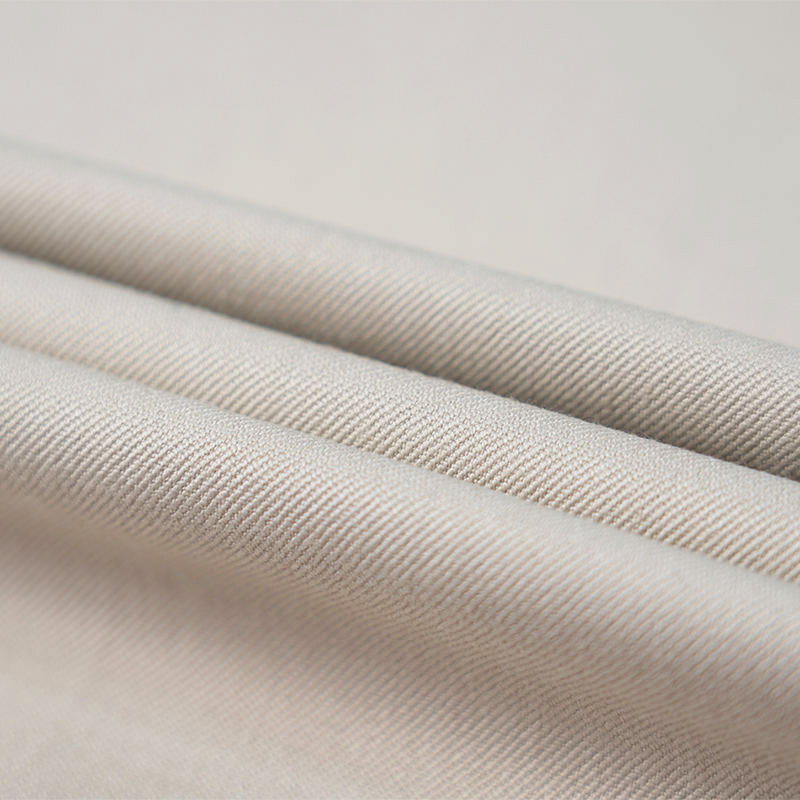
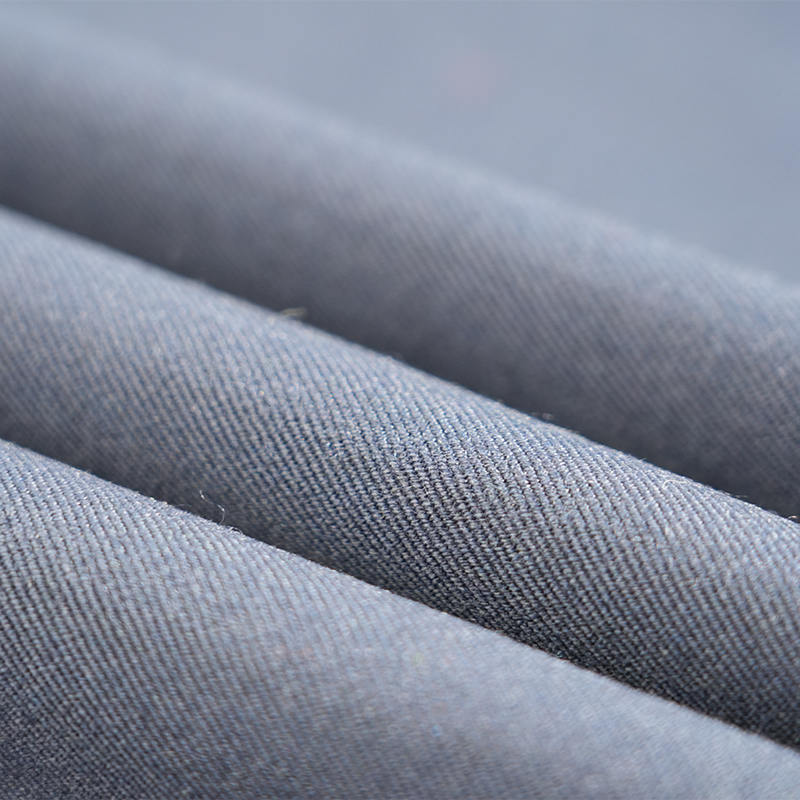
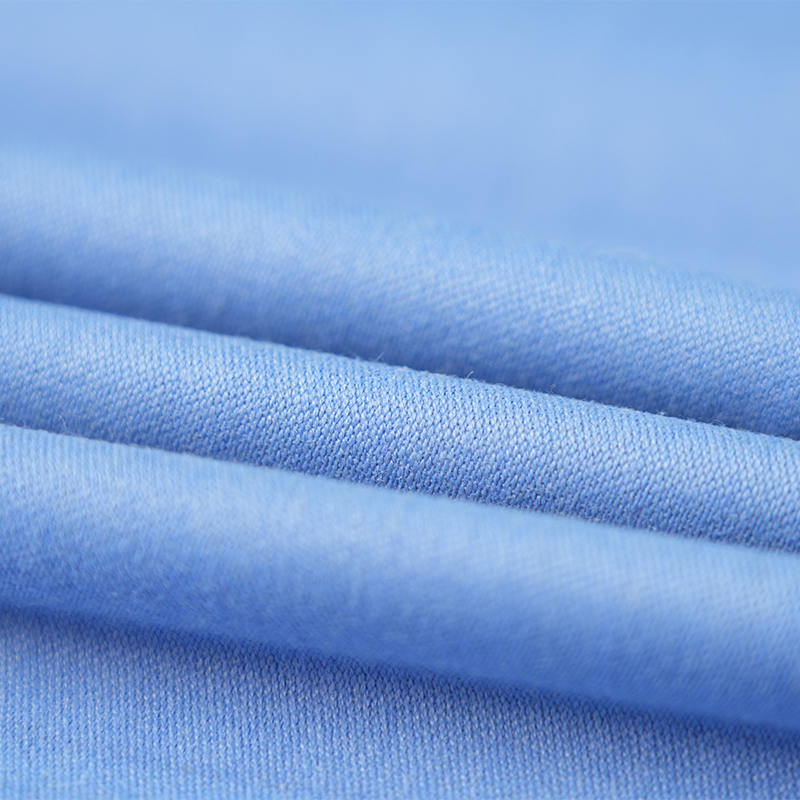
 Aramid 3A Flame-Retardant FabricThis aramid fabric is customizable for anti-static and arc protection and fits industrial garments needing FR performance that survives laundering.View Product →
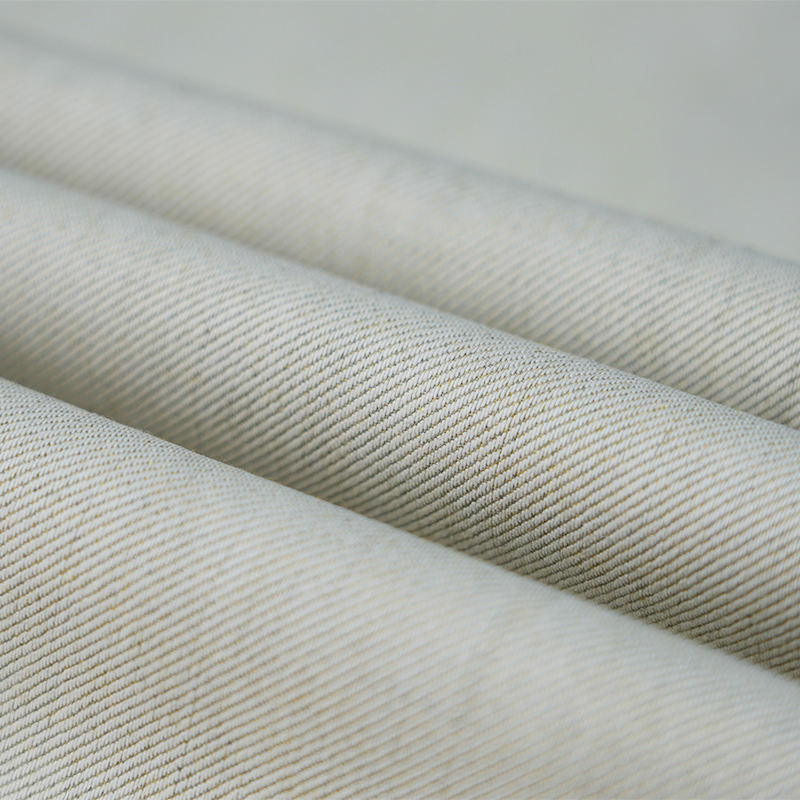
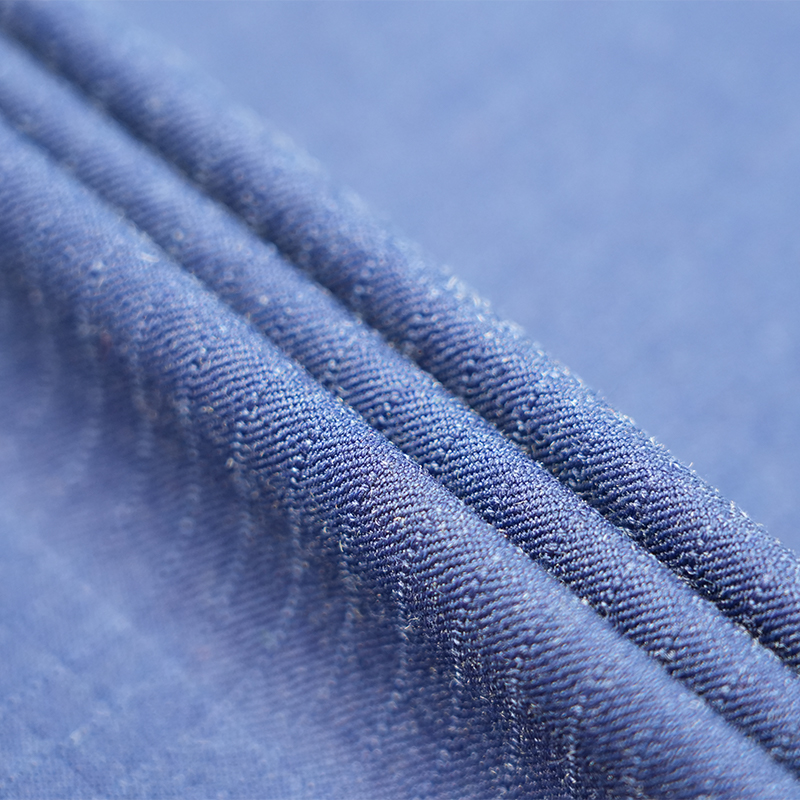
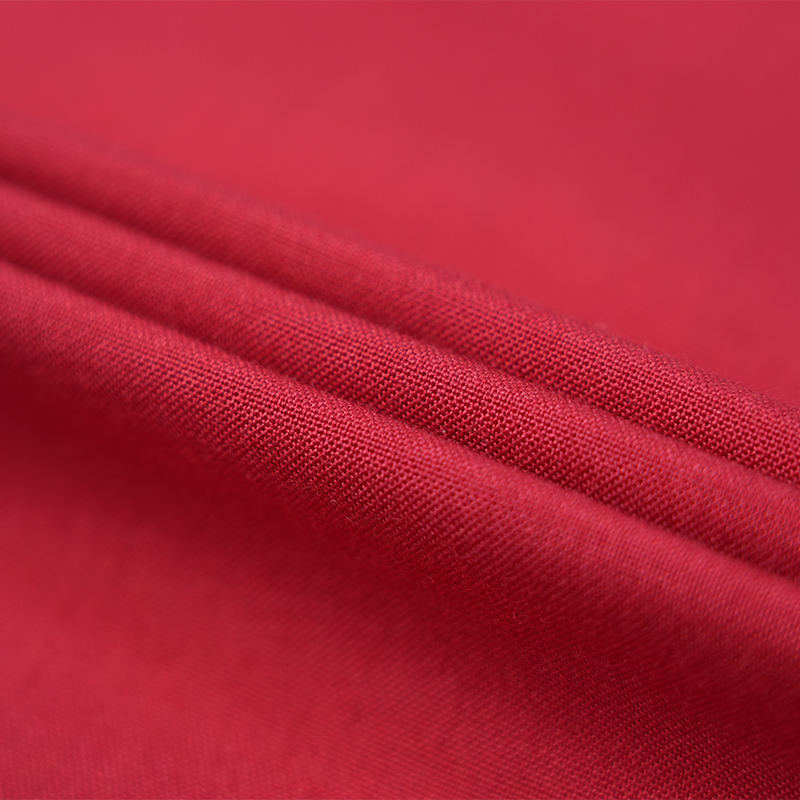
 Modacrylic Blended FR Fabric RangeThis modacrylic-blended FR fabric category covers woven and knitted options with customizable anti-static and arc protection for industrial workwear requiring durable flame resistance.View Product →
What Laundering Actually Does Over the Life of a Garment
NFPA 2112, the standard behind most industrial flash fire garments, requires materials to be tested after 25 industrial laundering cycles, run to a recognised industrial wash procedure, or after five home washings. That requirement exists precisely because flame retardant finishes can be removed by a wash room that uses the wrong chemistry. Inherently FR fabrics are not exempt from re-testing, but they have nothing to reapply and nothing to deplete.
Inherent FR is not indestructible. Oil contamination makes any fabric easier to ignite, physical damage opens gaps in coverage, and repairs with the wrong thread or patch can undo a good garment. The advantage is narrower and more precise than marketing usually admits: the flame resistance itself does not depend on wash chemistry, softener choice or bleach discipline.
Matching the Fabric to the Hazard and the Standard
Inherent FR is a property, not a certification. The certificate comes from the standard the fabric is tested to, and the same fibre can pass one test and fail another depending on weight, weave and construction.
| Standard | What it covers | Typical end use |
|---|---|---|
| EN ISO 11611 | Protective clothing for welding and allied processes | Welding, machinery, steel |
| EN ISO 11612 | Heat and flame protection, coded A1/A2, B, C, D, E, F | General industrial heat exposure |
| EN 1149-5 | Electrostatic dissipative clothing | Chemical, gas station, oil and gas |
| EN 61482-1-1 and EN 61482-1-2 | Arc flash protection by open arc and box test | Electrical work, utilities |
| ASTM F1959 | Arc rating of materials, expressed as ATPV or EBT | Arc-rated garments worldwide |
| NFPA 2112 | Industrial flash fire protective clothing | Oil, gas, petrochemical |
| EN 469 | Protective clothing for firefighters | Fire and rescue |
| ANSI 107 | High-visibility apparel and retroreflective performance | Road, rail, utilities, FR high-vis |
| GB 8965.1 and GB 12014 | Chinese flame retardant and antistatic protective clothing | Domestic Chinese market |
For electrical work, the number that matters is the arc rating, not the fibre name. A 7 oz aramid blend and a 9 oz blend from the same fibre family can sit in different PPE categories. Our note on how arc-rated flame retardant fabric works walks through the test logic behind ATPV values.
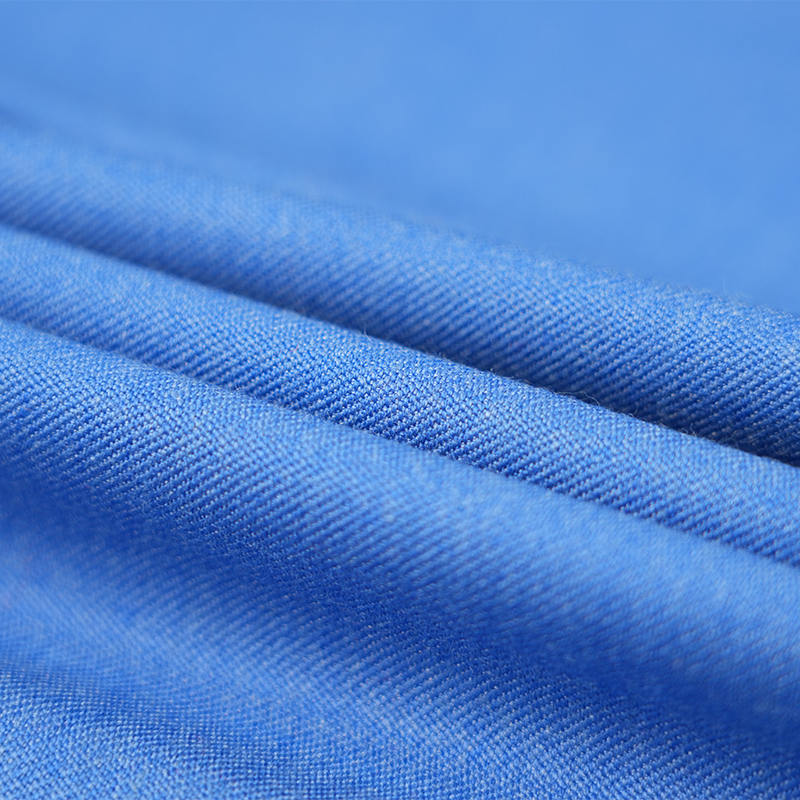
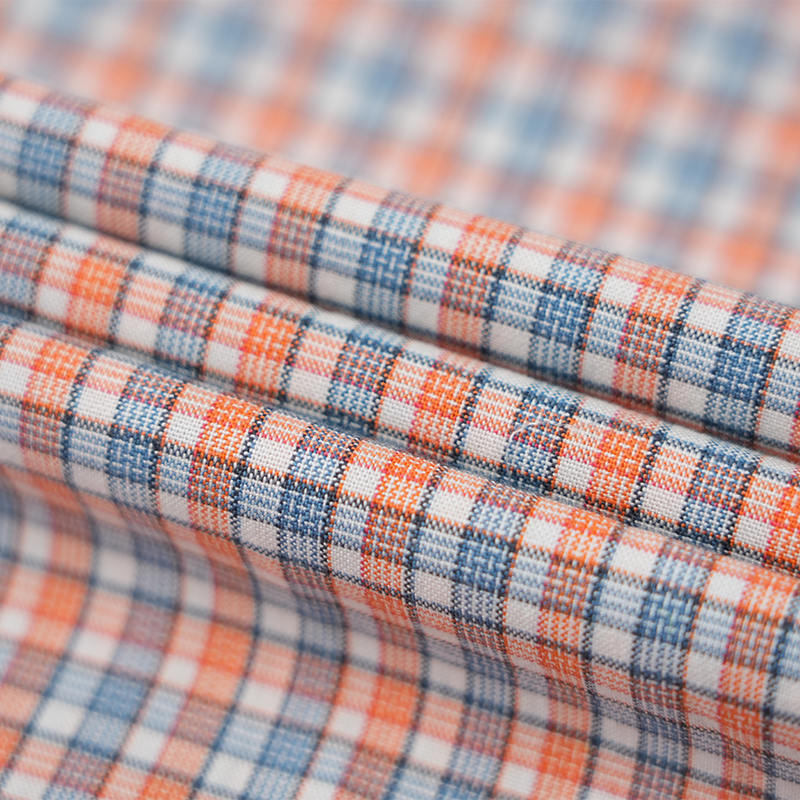
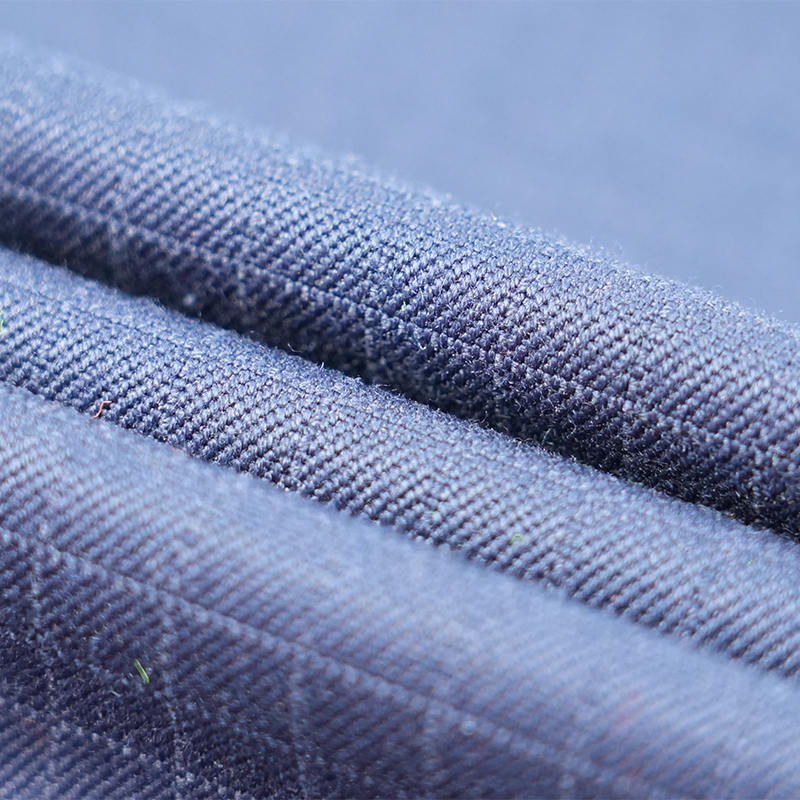 Electric Arc Protection FR Fabric RangeArc-rated FR fabric category with twill, ripstop, and plain options tested to EN 61482, suited to power industry garments where ATPV and comfort matter.View Product →
In oil, gas and petrochemical work, the flash fire scenario is the design case rather than the arc scenario, and thermal protection has to hold up after repeated industrial laundering. The engineering behind FR fabric for oil and gas protection is a useful reference when you are writing the technical annex of a tender.
What to Put in the Specification
If you are writing the buying document rather than reading one, these are the fields that prevent arguments later:
- Hazard profile and the primary standard the fabric must meet, with the performance level, not just the standard number.
- FR route and the reason for it: inherent, treated, or a justified mix across garment types.
- Laundering validation: the wash procedure, the number of cycles, and whether the supplier's data was generated on the same construction you are buying.
- The full function stack required on top of FR: antistatic, arc, molten metal splash, three-proof finish, high visibility.
- Fabric weight and comfort targets for the climate and the shift length on site.
- Colour fastness and, for high-visibility garments, retroreflective performance after washing.
- Traceability pack: fibre lot, test reports, batch identification and a sample approved before bulk.
Where Treated FR Still Wins
Inherent FR is not automatically the better answer for every order. Treated cotton blends remain competitive when the priority is a specific brand colour, an unusual print, a very soft low-weight hand feel, or a small trial order with a short lead time. Treated fabrics also often win on first-order price, which matters for companies buying against a one-year budget rather than a five-year cost of ownership.
About the Manufacturer Behind This Guide
3H Safety Technology Co Limited is a functional fabric manufacturer based on flame retardancy, with the company's product brand "3H. Safeloya" ®. The company is committed to product research and development and fabric production, and adds multiple functions such as anti-static, arc proof, metal splash proof, and three proofing according to customer needs. The product is widely used in various industries such as petroleum, petrochemical, chemical, gas station, power, coal mining, steel, metallurgy, and mechanical processing.
The related products have been tested by authoritative testing institutions such as SGS in Switzerland, TUV in Germany, ITS in the UK, and the National Labor Protection Products Quality Supervision and Inspection Center, and have met the requirements of domestic and international standards, including EN ISO 11611, EN ISO 11612, EN ISO 1149, EN 469, EN 373, EN 61482-1, ASTM F1959, ASTM F1891, NFPA 70E, NFPA 2112, ANSI 107, GB 8965.1, and GB 12014. The company strictly requires comprehensive quality management, fully implements product lifecycle traceability in accordance with national regulations, and achieves excellent product quality, environmental protection, and reliable hygiene, allowing customers and users to rest assured.
FAQ: Inherently Flame Retardant Fabric
Q1. What is inherently flame retardant fabric made of?
It is made from fibres whose polymer structure resists ignition: meta-aramid, para-aramid, modacrylic, polyimide, FR viscose and specialty fibres such as PBI. No topical flame retardant finish is required to make them self-extinguishing.
Q2. Is inherently flame retardant fabric better than treated FR fabric?
For long-life industrial workwear that is laundered often, usually yes, because the protection cannot wash out. For short runs, unusual brand colours or prints, and the lowest first-order price, treated FR fabric can still be the better commercial choice.
Q3. How many industrial washes does inherent FR fabric last?
There is no fixed expiry for the FR property. NFPA 2112 requires materials to be tested after 25 industrial laundering cycles or five home washings, and inherent fibres typically continue to perform far beyond that point as long as the fabric itself is not damaged.
Q4. Does aramid fabric melt or drip in an arc flash?
Aramid fibres carbonise and char rather than melting, so they do not produce the molten drips associated with untreated polyester or nylon. That char behaviour is one reason aramid blends dominate arc-rated and flash fire garments.
Q5. Which standards should FR fabric for oil and gas workwear meet?
Most specifications combine NFPA 2112 or EN ISO 11612 for heat and flame, EN 1149-5 for static dissipation, and EN ISO 11611 where welding is involved. Arc-rated versions add ASTM F1959 or EN 61482-1-1 ratings.
Q6. Is inherent FR fabric worth the cost for FR high-visibility clothing?
It depends on how often the garment is washed and replaced. Modacrylic-based inherent FR high-vis fabrics hold both the flame resistance and the fluorescent colour longer through repeated laundering, which often offsets the higher metre price over the garment's life.