 EN
 中文简体
 English
 русский
 Español
 Português
 عربى



A 480 V motor control centre, a maintenance window that is already running late, and a technician racking a breaker out by hand. Nothing in that picture looks violent until the arc establishes. An arc flash occurs when fault current crosses an air gap between two energised conductors, or between a conductor and earthed metal, and the resulting plasma column keeps burning long enough to release concentrated thermal energy into the space around it. Three things have to be true at the same time: voltage is present, the insulation that normally keeps conductors apart has been bridged or degraded, and the available fault current is high enough to sustain the arc rather than let it self-extinguish in a few milliseconds.
Content
- 1 The Short Answer: Five Conditions That Have to Line Up
- 2 Where Arc Flash Actually Happens: Six Recurring Situations
- 3 Why the Enclosure Changes the Outcome
- 4 How Much Energy Is Actually Released
- 5 The Measures That Actually Cut the Probability
- 6 From the Risk Assessment to the Fabric on the Worker's Back
- 7 Frequently Asked Questions About Arc Flash
The Short Answer: Five Conditions That Have to Line Up
Strip away the incident reports and the conditions that produce an arc flash come down to a short list.
- Live parts are exposed, reachable, or become reachable during the task. Bus bars, breaker terminals and cable lugs all qualify — including equipment that is switched off but still fed from a generator, a UPS or a back-feed.
- The insulation between conductors has failed or been bridged. Ageing cable, cracked bushings, moisture tracking, conductive dust and simple mechanical damage all remove the barrier.
- Enough fault current is available to ionise air and hold the arc. Dry air needs roughly 3 kV per millimetre to break down at standard conditions, but once metal vapour enters the gap that figure collapses dramatically.
- A path through air exists, even a short one. Withdrawing a breaker, a loose lug or a dropped tool creates the gap; the arc does the rest.
- The protective device does not clear the fault fast enough. A fault cleared in two cycles and one cleared in two seconds are the same event with very different outcomes.
CDC/NIOSH arc flash awareness material compresses all of this into two situations: working on or near an energised circuit, and electrical equipment failure. Everything below is a variation on those two.
Where Arc Flash Actually Happens: Six Recurring Situations
Field investigations and the equipment categories that dominate arc flash studies point to the same handful of scenarios.
- Racking and switching operations. Inserting or withdrawing a breaker, or operating a disconnect under load, brings two contacts together across a very small gap. Misalignment, a worn mechanism or a mechanical failure is enough to start the arc.
- Insulation failure. Cable terminations that have been overheated, cracked epoxy bushings, contaminated insulators and water ingress in outdoor cabinets all let current travel where it was never meant to.
- Loose or corroded connections. A high-resistance joint heats up, carbonises the insulation around it, and fails later — often days after the maintenance visit that created it.
- Foreign objects and dropped tools. A spanner, a forgotten test lead or a steel tape measure across live bus bars creates the fault instantly.
- Conductive contamination and moisture. Metal dust in a machining or foundry area, salt spray on a coastal site, or condensation after a long shutdown can track across surfaces that still look clean.
- Improper installation or undocumented modification. Wrong torque on a lug, missing phase barriers, or wiring added by a previous contractor leaves a fault waiting for the right conditions.
None of these is a single cause. Arc flash is a sequence, and interrupting any link in it stops the event.
Why the Enclosure Changes the Outcome
The same electrical fault produces different injuries depending on where it happens. A fault inside a steel enclosure converts energy into pressure; the same fault on an open bus releases radiant heat and sound over a much wider area.
| Location | Typical trigger | What the worker experiences |
|---|---|---|
| Enclosed low-voltage switchgear | Racking a breaker, loose lug, contamination | Energy becomes a pressure wave and molten metal spray, focused toward the open side of the enclosure |
| Cable termination or joint | Moisture, thermal ageing, poor workmanship | Starts as a slow thermal fault, then escalates while the panel is open for testing |
| Motor terminal box | Loose connection, insulation breakdown | Small volume, high pressure; covers can be blown clear of the machine |
| Open bus or overhead conductor | Foreign object, wildlife, insulation failure | Radiant heat and sound spread freely, and the arc can travel along the conductor |
| Battery and DC systems | Tool contact, corroded intercell links | DC arcs do not self-extinguish at current zero, so they can persist far longer |
How Much Energy Is Actually Released
Incident energy is measured in calories per square centimetre (cal/cm²) at a stated working distance. NFPA 70E historically defined four arc flash PPE categories with minimum arc ratings of 4, 8, 25 and 40 cal/cm². Current editions select PPE directly from a calculated incident energy, but those four thresholds remain the clearest way to picture the scale.
Distance matters as much as current. Incident energy falls off roughly with the square of the distance from the arc, which is the physical reason approach boundaries and remote racking exist in the first place.
For the garment itself, the governing number is the arc rating. ATPV is the incident energy at which there is a 50% probability of a second-degree burn through the fabric; EBT is the energy at which the fabric breaks open. The lower of the two is the arc rating, measured under ASTM F1959 or EN 61482-1-2 and stated on the label.
The Measures That Actually Cut the Probability
- De-energise and verify. Lockout/tagout with a live-dead-live test removes the first condition entirely, and it is the only control that removes the hazard rather than managing it.
- Operate remotely. Racking and switching from outside the arc boundary keeps people out of the energy path.
- Run an arc flash study. IEEE 1584-based calculations set the boundary and the incident energy at each point of the system.
- Match maintenance to the environment. Thermal imaging, torque checks and cleaning address the contamination and loose-connection triggers directly.
- Use PPE rated for the calculated energy, worn as designed — no rolled sleeves and no meltable synthetic layers underneath the arc-rated garment.
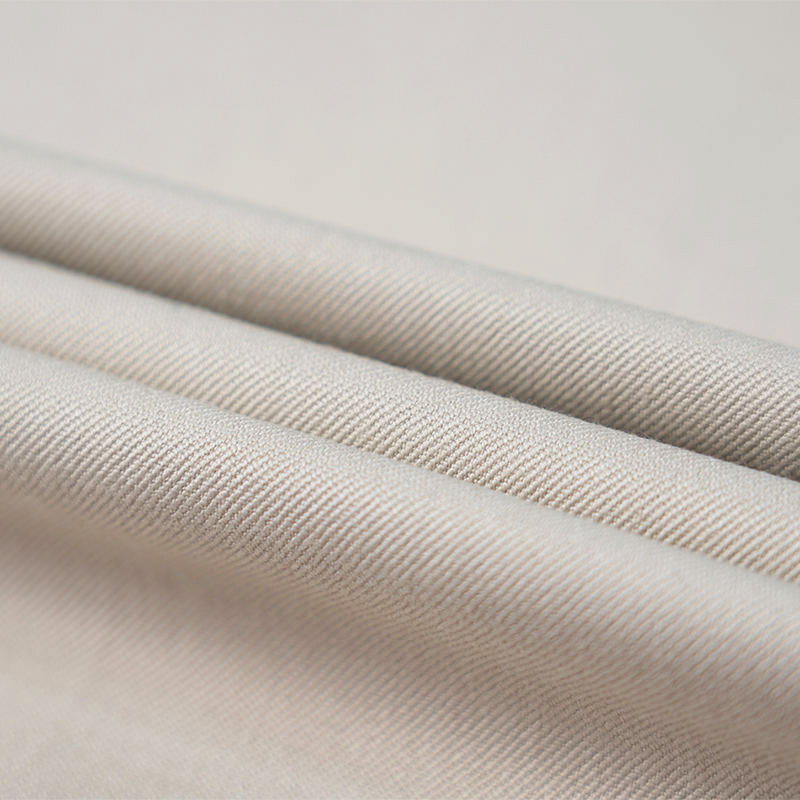
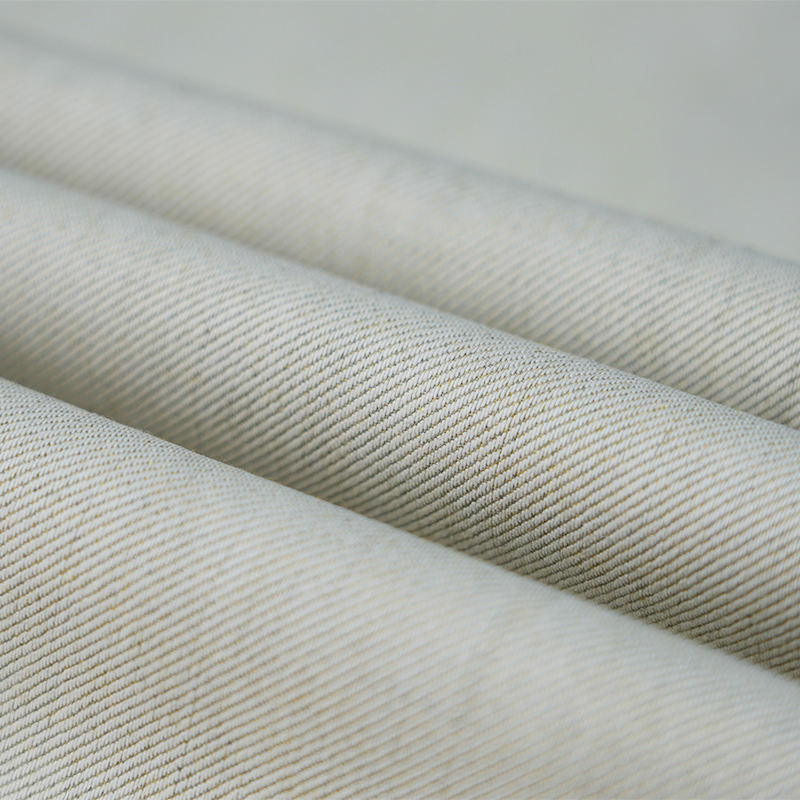
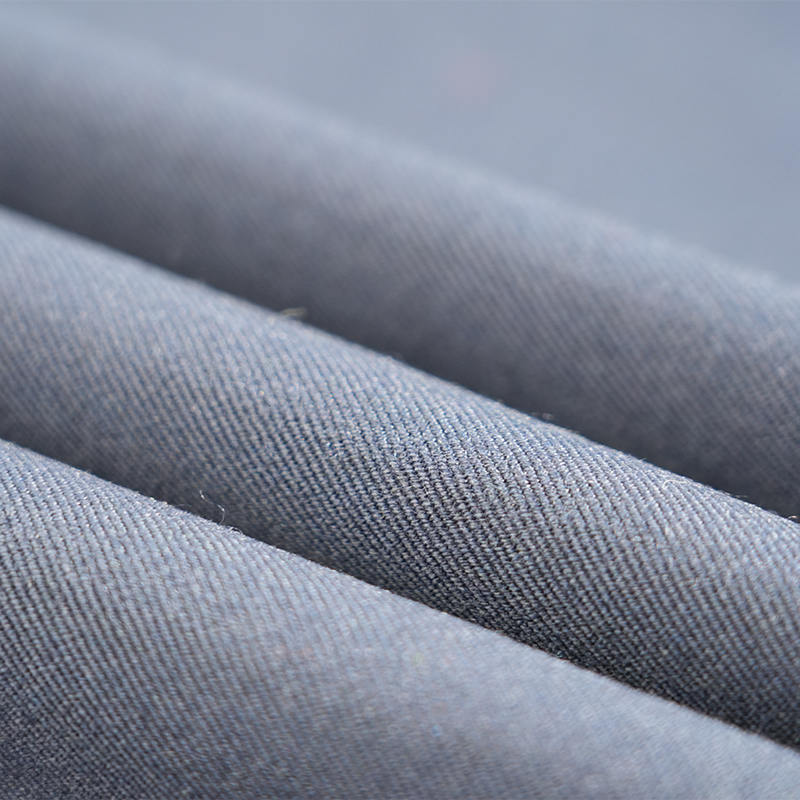
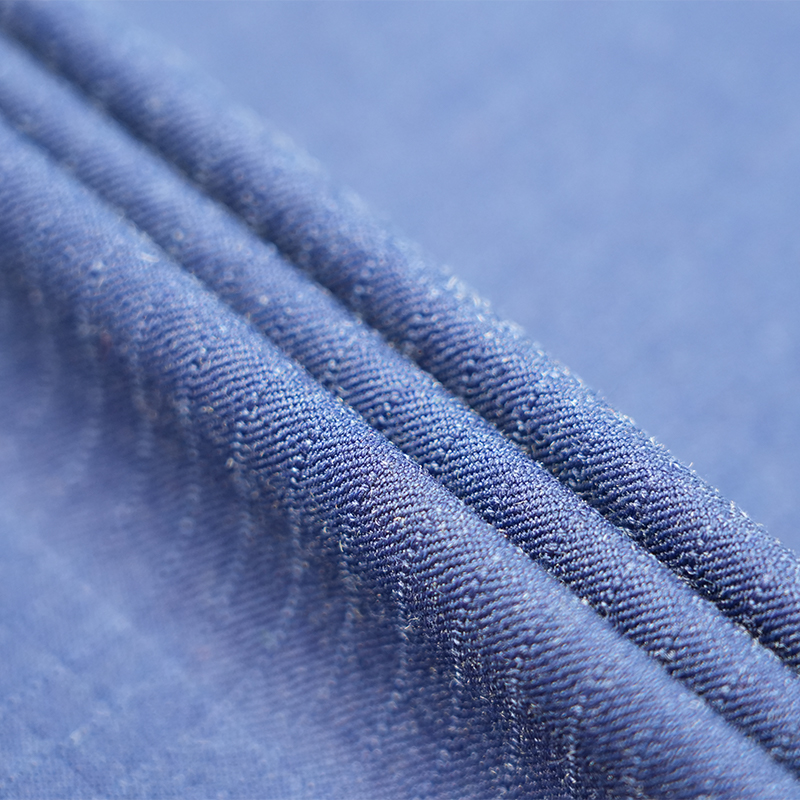
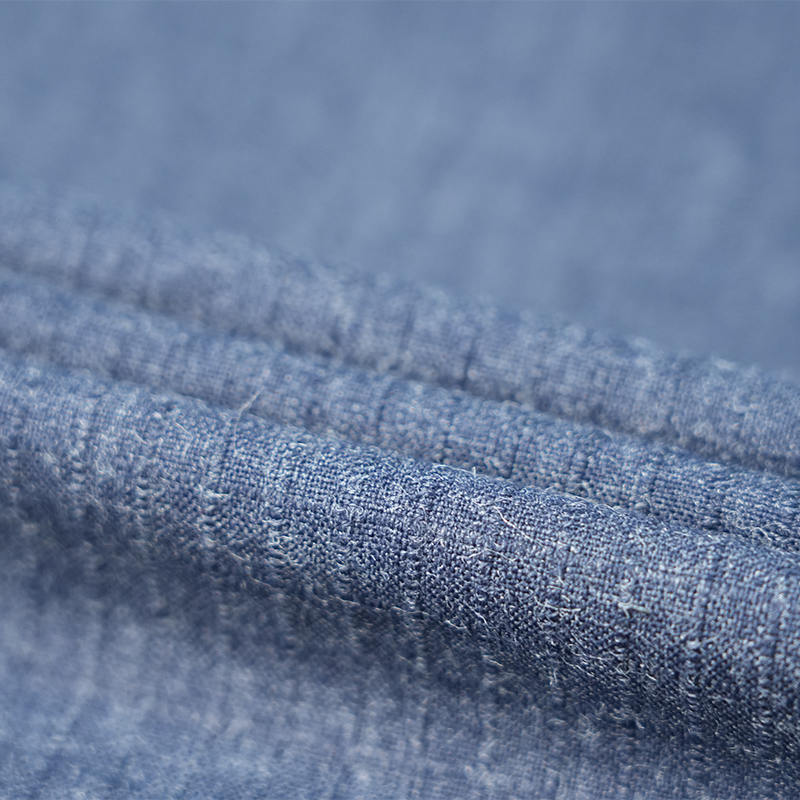
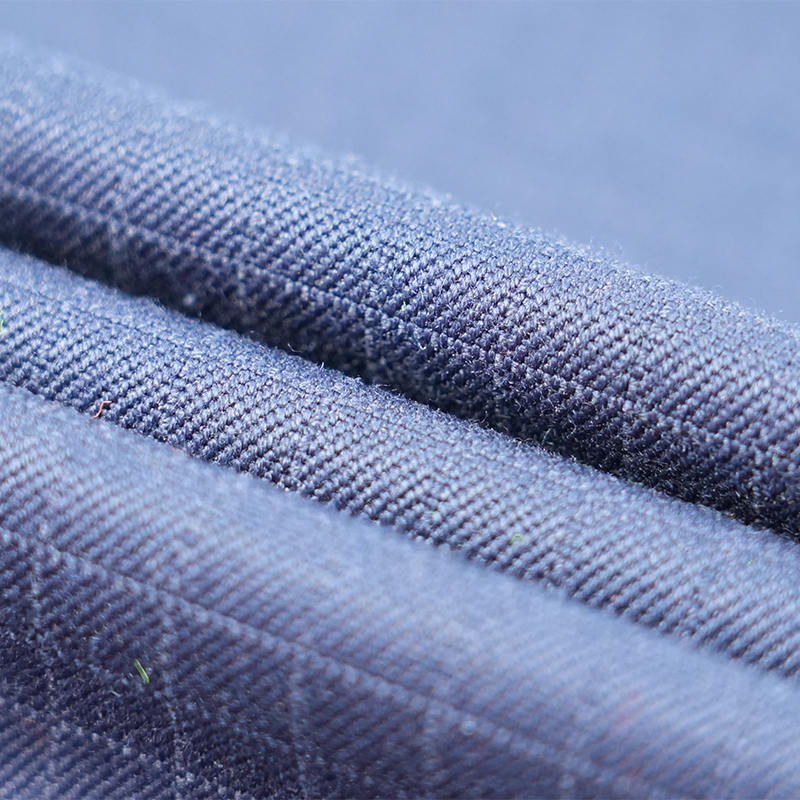 Electric Arc Protection Flame-Retardant Fabrics for Power IndustryCategory of arc-rated FR fabrics with twill, plain, and ripstop options, relevant for selecting materials that preserve thermal protection after laundering and industrial wear.View Product →
From the Risk Assessment to the Fabric on the Worker's Back
The last line of defence is the fabric. An arc-rated garment does not prevent an arc flash; it buys the wearer the seconds needed to escape a second-degree burn. Fabric choice, weight and layering decide whether that protection survives repeated laundering and years of industrial wear.
3H Safety Technology Co Limited is a functional fabric manufacturer based on flame retardancy, with the company's product brand "3H. Safeloya" ®. The company is committed to product research and development and fabric production, and adds multiple functions such as anti-static, arc proof, metal splash proof, and three proofing according to customer needs. The product is widely used in various industries such as petroleum, petrochemical, chemical, gas station, power, coal mining, steel, metallurgy, and mechanical processing. The related products have been tested by authoritative testing institutions such as SGS in Switzerland, TUV in Germany, ITS in the UK, and the National Labor Protection Products Quality Supervision and Inspection Center, and have met the requirements of domestic and international standards, including EN ISO 11611, EN ISO 11612, EN ISO 1149, EN 469, EN 373, EN 61482-1, ASTM F1959, ASTM F1891, NFPA 70E, NFPA 2112, ANSI 107, GB 8965.1, and GB 12014. The company strictly requires comprehensive quality management, fully implements product lifecycle traceability in accordance with national regulations, achieves excellent product quality, environmental protection, and reliable hygiene, allowing customers and users to rest assured.
Buyers who want to go one level deeper into how an arc-rated fabric is constructed, and why fibre blend and weave decide how much heat the wearer absorbs, will find a useful starting point in this explanation of what arc-rated flame retardant fabric actually is. For specifications, standard coverage and the difference between aramid blends and modacrylic blends, working with a custom flame retardant fabric manufacturer from the design stage usually saves a round of re-testing later.
 PFA-D42 Twill/Ripstop Electric Arc Protection FR FabricArc-rated flame-retardant fabric in twill/ripstop, offering thermal and anti-static protection for power, petrochemical, and live-working protective gear.View Product →
Frequently Asked Questions About Arc Flash
Human interaction with energised equipment. Racking a breaker, testing live terminals or working near exposed conductors accounts for most reported incidents, with equipment failure the second broad category.
Yes. Back-feeds, second supplies, stored energy and isolation errors are all documented causes. Only verified lockout/tagout with a live-dead-live test confirms the absence of voltage.
Usually a fraction of a second, but that is long enough to cause fatal burns. Duration is set by how quickly the upstream protective device clears the fault.
Arc flash is the thermal radiation and light; arc blast is the pressure wave, noise and molten metal debris from the same event. Enclosed equipment intensifies the blast effect.
The category follows the calculated incident energy at the working distance, not the nominal voltage. NFPA 70E now expects PPE to be selected from that incident energy value directly, with 4, 8, 25 and 40 cal/cm² as the historical thresholds.
NFPA 70E expects a review at intervals not exceeding five years, and immediately after any change to the supply, the protective devices or the way the equipment is operated.