 EN
EN 中文简体
中文简体 English
 русский
 Español
 Português
 عربى
عربى

A 480 V switchgear inspection can expose an electrician to incident energy well above the 1.2 cal/cm² that marks the onset of a second-degree burn. That is why arc flash clothing ratings exist, and why the number printed on a garment label, rather than its colour, weight or price, decides whether that garment belongs in the room.
Arc ratings are measured in cal/cm² and reported as ATPV or EBT. Everything else that gets discussed in a specification meeting, including NFPA 70E categories, IEC test classes and layering questions, is built on top of those two values. The sections below explain how the numbers are produced, what they do and do not cover, and the points where arc-rated fabric specifications usually go wrong.
Content
- 1 What an Arc Flash Clothing Rating Actually Measures
- 2 The Arc Rating Scale and PPE Categories
- 3 ATPV vs EBT: Why the Lower Number Wins
- 4 How Arc Ratings Are Tested: Open Arc and Box Tests
- 5 Layers, Air Gaps, and Why Ratings Do Not Add Up
- 6 Reading the Label: Six Procurement Checks
- 7 Matching Arc Ratings to Real Industrial Hazards
- 8 Where the Rating Is Built: Fabric Supply and Traceability
- 9 Frequently Asked Questions About Arc Flash Clothing Ratings
- 9.1 Q1: What does an arc flash clothing rating actually measure?
- 9.2 Q2: What is the difference between ATPV and EBT in arc flash clothing ratings?
- 9.3 Q3: How many cal/cm² do I need for an arc flash PPE category?
- 9.4 Q4: Is FR clothing the same as arc-rated clothing?
- 9.5 Q5: Do two 8 cal/cm² layers add up to 16 cal/cm²?
- 9.6 Q6: What is the difference between IEC 61482-1-1 and IEC 61482-1-2 Class 1 and Class 2?
What an Arc Flash Clothing Rating Actually Measures
An arc rating describes the incident thermal energy a fabric can withstand before the heat passing through it would cause a second-degree burn on unprotected skin. The unit is cal/cm², meaning calories of incident energy per square centimetre of fabric surface. The value belongs to the tested material or assembly, which is why two fabrics with similar weight and fibre content can carry noticeably different ratings.
Two numbers can appear next to each other on a garment label:
- ATPV (Arc Thermal Performance Value) is the incident energy at which there is a 50 percent probability of a second-degree burn behind the fabric, judged against the Stoll curve burn criterion.
- EBT (Energy of Breakopen Threshold) is the incident energy at which the fabric breaks open and forms a hole, allowing heat to reach the skin directly.
When a laboratory reports both, the lower value becomes the published arc rating. If the label reads ATPV 8 cal/cm², the material held heat transfer to the burn criterion at that energy and did not break open at it.
One distinction saves a great deal of trouble during procurement: flame resistant is not the same as arc rated. A fabric can pass a vertical flame test and still carry no arc rating at all, because arc-rated materials must additionally be tested to ASTM F1959 and labelled under ASTM F1506. If a supplier cannot quote a cal/cm² figure together with the test method behind it, the garment is not a verified arc-rated product.
The Arc Rating Scale and PPE Categories
Arc ratings are not pass or fail. They sit on a continuous scale, and the correct level is the one that stays above the incident energy calculated at the working distance, the figure produced by an IEEE 1584 arc flash study. The scale below shows the reference points most often quoted during specification reviews.
For many years NFPA 70E translated that scale into PPE Categories 1 through 4, each with a minimum arc rating for the complete clothing system. Plenty of site procedures still use the category language, even though the 2018 edition shifted the emphasis towards incident energy analysis.
| PPE category (legacy reference) | Minimum arc rating of the system | Typical configuration |
|---|---|---|
| Category 1 | 4 cal/cm² | Single arc-rated shirt and trousers in a light weight |
| Category 2 | 8 cal/cm² | Single heavier layer or a light two-layer system |
| Category 3 | 25 cal/cm² | Two-layer system with an arc-rated outer layer |
| Category 4 | 40 cal/cm² | Multi-layer system or an arc flash suit |
The practical difference between the two approaches is the direction of the calculation. Under the category method an engineer chooses a category first; under incident energy analysis the study produces the number and the clothing follows it. Both routes demand the same discipline: never round the required rating down to the nearest garment that happens to be in the warehouse.
ATPV vs EBT: Why the Lower Number Wins
Heavier arc-rated fabrics are almost always labelled with ATPV, because heat transfer reaches the burn criterion before the material tears. Lighter constructions, especially in the 4 to 8 cal/cm² range, can break open first, and those fabrics are labelled with EBT. An EBT label does not mean weaker protection; it means the limiting failure mode is mechanical rather than thermal, and the protective limit is the point where the fabric opens.
Two habits keep this clear across a supply chain:
- Write both the number and the test method into the purchase specification, for example "arc rating not less than 8 cal/cm², determined by ASTM F1959".
- Keep the test report in the technical file, so the rating can be traced to a specific construction and production batch.
A single-layer garment and a multi-layer assembly are also different products from a rating standpoint. A shirt rated 8 cal/cm² on its own does not automatically produce an 8 cal/cm² system once it is worn under a jacket, because the assembly has its own test result.
How Arc Ratings Are Tested: Open Arc and Box Tests
Arc rating tests fall into two families. The open arc panel test places a fabric specimen at a fixed distance from copper electrodes, strikes an arc of controlled current and duration, and measures the heat passing through the specimen with calorimeters mounted behind it. The reported result is an ATPV or EBT value in cal/cm².
The box test constrains the arc inside an enclosure and produces a pass or fail outcome at a defined current. It does not generate a cal/cm² number, which is why the two families of results cannot be converted into each other.
| Test route | Standard | Reported result | Where it is used |
|---|---|---|---|
| Open arc panel test | ASTM F1959 / F1959M | ATPV or EBT in cal/cm² | Basis for ASTM F1506 garment labelling in North America |
| Open arc panel test | IEC 61482-1-1 | ATPV or EBT and incident energy limit in cal/cm² | European and international arc-rated garments |
| Box test | IEC 61482-1-2 | Class 1 (4 kA) or Class 2 (7 kA), pass or fail, 500 ms arc | European garment, glove and head protection specifications |
When a European buyer asks for "Class 1 arc protection" and a North American buyer asks for "8 cal/cm²", they are describing different measurement systems for the same hazard. Both requests can be correct. They simply answer different questions, and garments for international projects frequently carry both results on the label.
Layers, Air Gaps, and Why Ratings Do Not Add Up
A frequent assumption is that two layers rated 8 cal/cm² combine into 16 cal/cm². They do not. A multi-layer assembly is tested as a system, and the result is not the arithmetic sum of the individual fabrics, even though adding layers does raise the protection level.
Air gaps do real work. A slightly loose outer layer that traps an air space between itself and the layer beneath reduces heat transfer and improves measured performance, which makes garment fit and design part of the protection rather than a comfort detail.
Underlayers deserve the same attention. Meltable fibres such as polyester, nylon, polypropylene or spandex should not be worn next to the skin under arc-rated clothing, because they can melt and adhere to skin during an arc event. That rule belongs in the site clothing policy, not only in the purchase order.
Reading the Label: Six Procurement Checks
Most problems with arc-rated clothing surface during audits rather than accidents. Six checks cover the majority of them.
- The label states a value in cal/cm². "FR" or "flame retardant" on its own is not an arc rating.
- The test method behind the value is documented, whether ASTM F1959, IEC 61482-1-1 or an IEC 61482-1-2 class.
- The required rating is matched to the incident energy at the working distance, without rounding down.
- The whole garment system is considered, including hi-vis vests, rainwear and any layer worn over the arc-rated garment.
- Laundering, repair and replacement rules are written down, because contamination and unapproved repairs can reduce real-world performance.
- The supplier provides batch-level test reports and traceability, so the rating can still be verified months after delivery.
Fabric construction is where those numbers are set in the first place. Fibre blend, weave and weight determine whether a material reaches 8 cal/cm² in a single layer, and a closer look at what arc protection flame retardant fabric is built from helps explain why two visually similar fabrics behave so differently under test.
Matching Arc Ratings to Real Industrial Hazards
Arc-rated clothing rarely faces a single hazard in isolation. The same garment may sit under a welding hood, near a molten metal pour or on a road-facing crew, and the fabric has to satisfy several standards at once.
In power generation, transmission and distribution, the governing references are EN 61482-1, ASTM F1959, ASTM F1891 and NFPA 70E. Ratings of 8 to 25 cal/cm² are common for switching, testing and maintenance tasks, with higher values reserved for live work and switching cabinets with high available fault current.
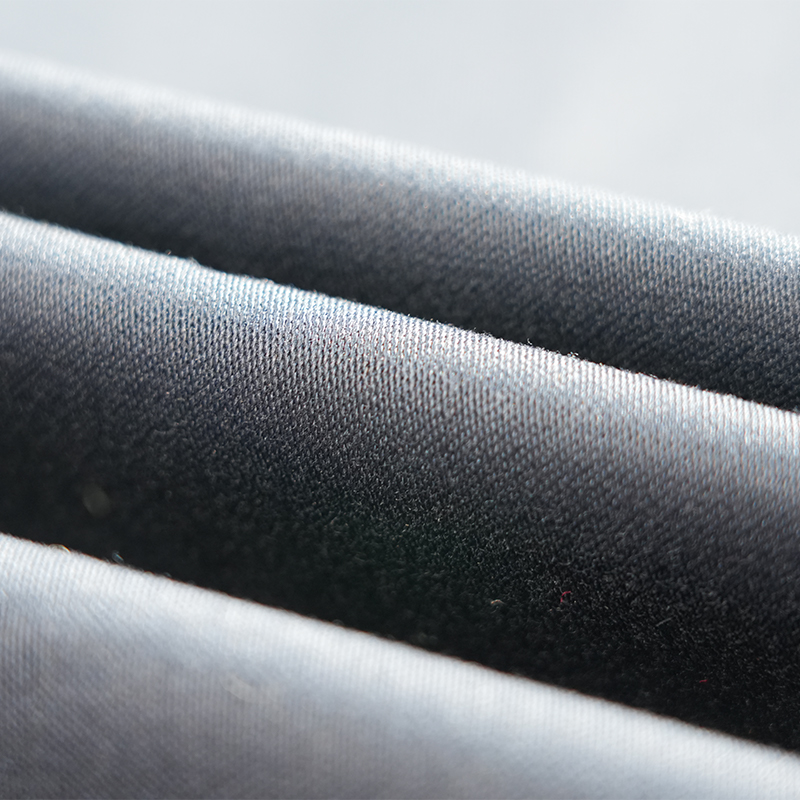
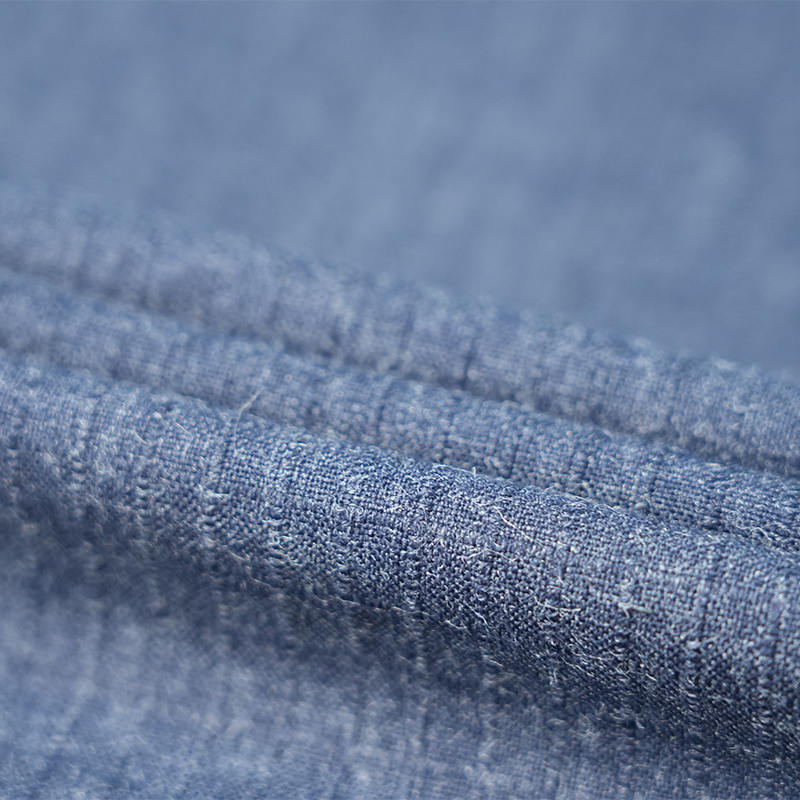
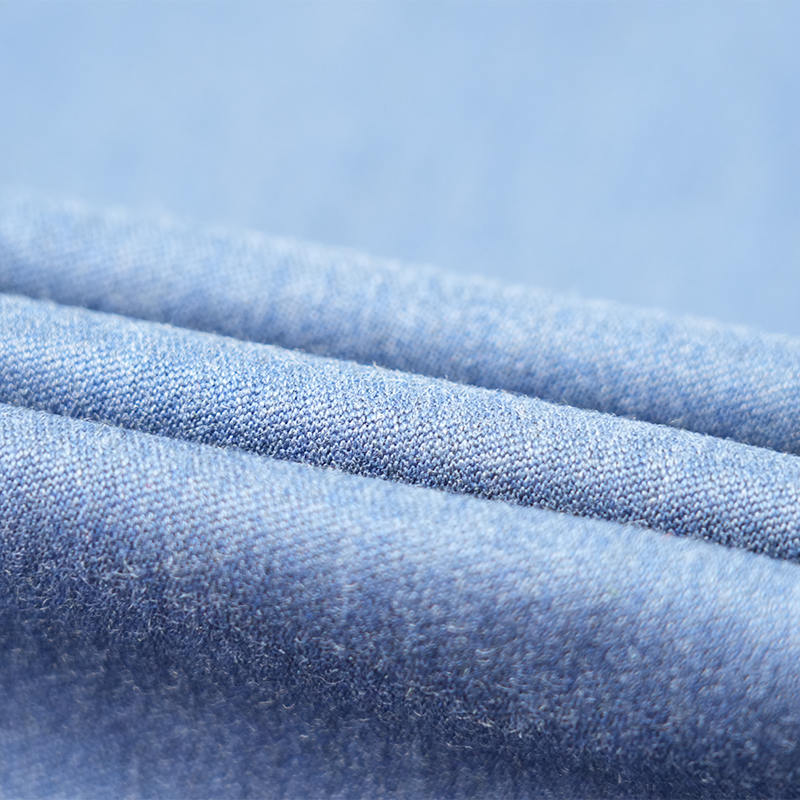 PFA-D22 Twill Electric Arc Protection FR fabricColor: Color customized Weight: 180gsm-300gsm Weave: Twill Full width: 150cmView Product →
In petroleum, petrochemical, chemical and gas station environments, the hazard profile mixes arc exposure with flash fire, so NFPA 2112 and EN ISO 11612 are usually written into the same specification as the arc rating. Anti-static performance under EN ISO 1149 or GB 12014 is often added, because static discharge itself can be the ignition source.
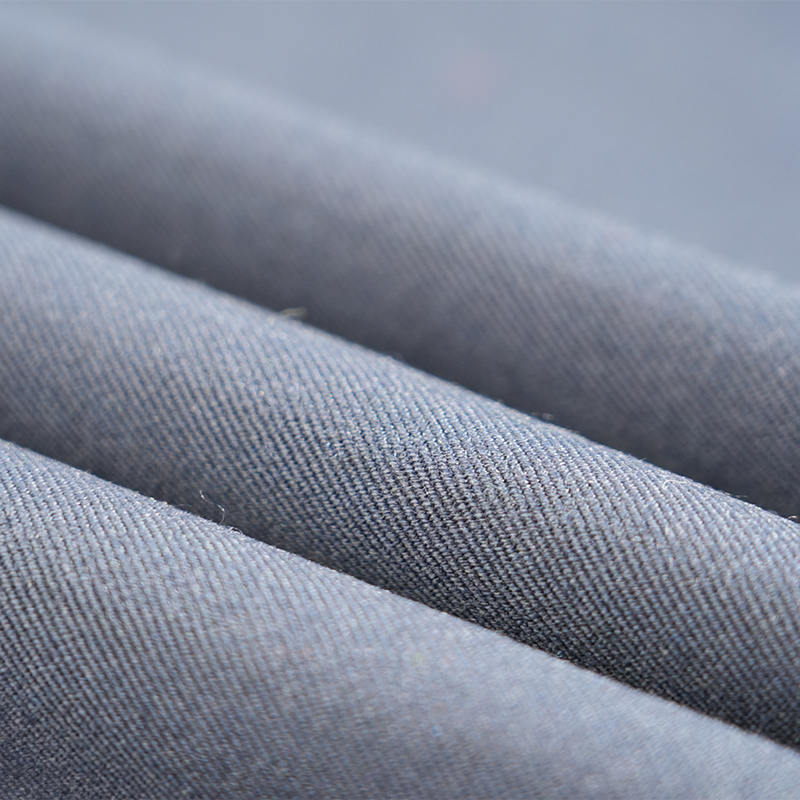
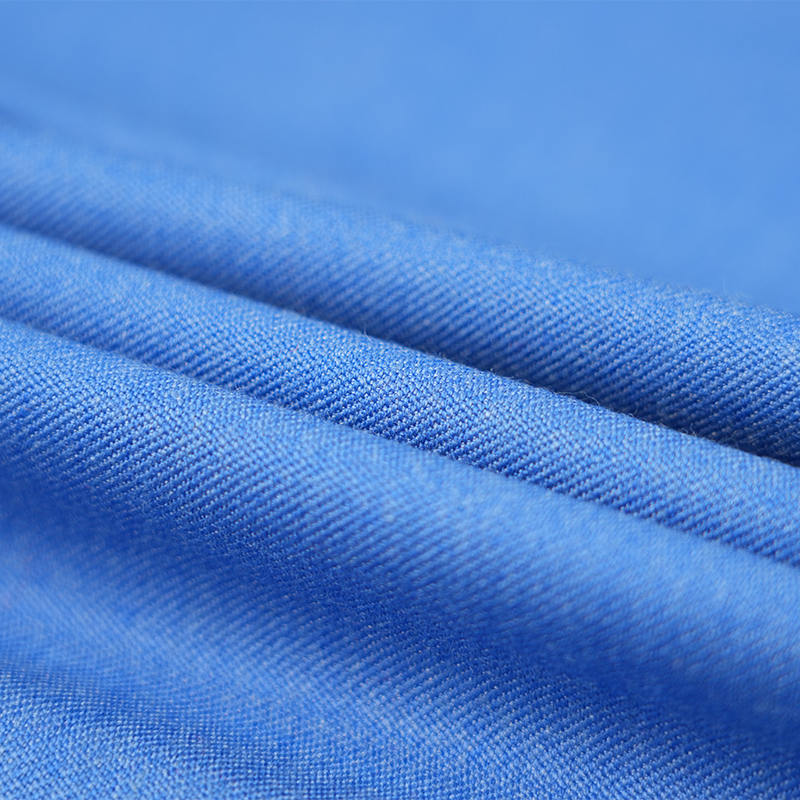
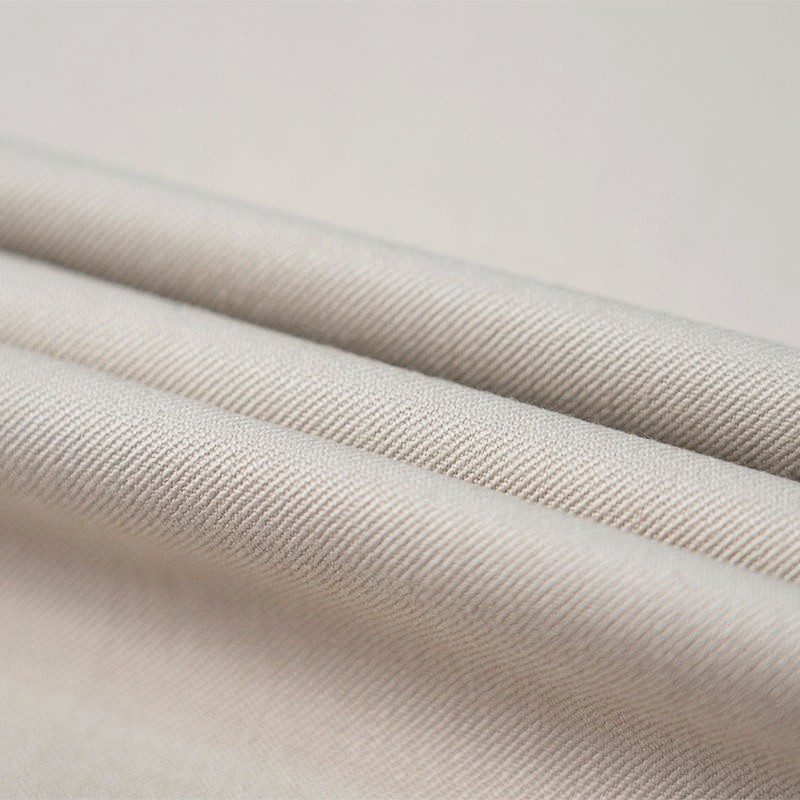 Aramid blended FR FabricWith national standard GB8965.1-2020 B grade GB12014 certificate. Permanent flame retardant, anti-static, and high temperature resistant. No shrinkage and melting phen...View Product →
Welding and mechanical processing call for EN ISO 11611, molten metal handling for EN 373 and the molten metal performance codes of EN ISO 11612, and outdoor or road-facing crews for ANSI 107 high visibility that must stay flame resistant after every wash cycle. Combining a 4 to 8 cal/cm² arc rating with high visibility and anti-static behaviour in one fabric is one of the more demanding briefs in the market.
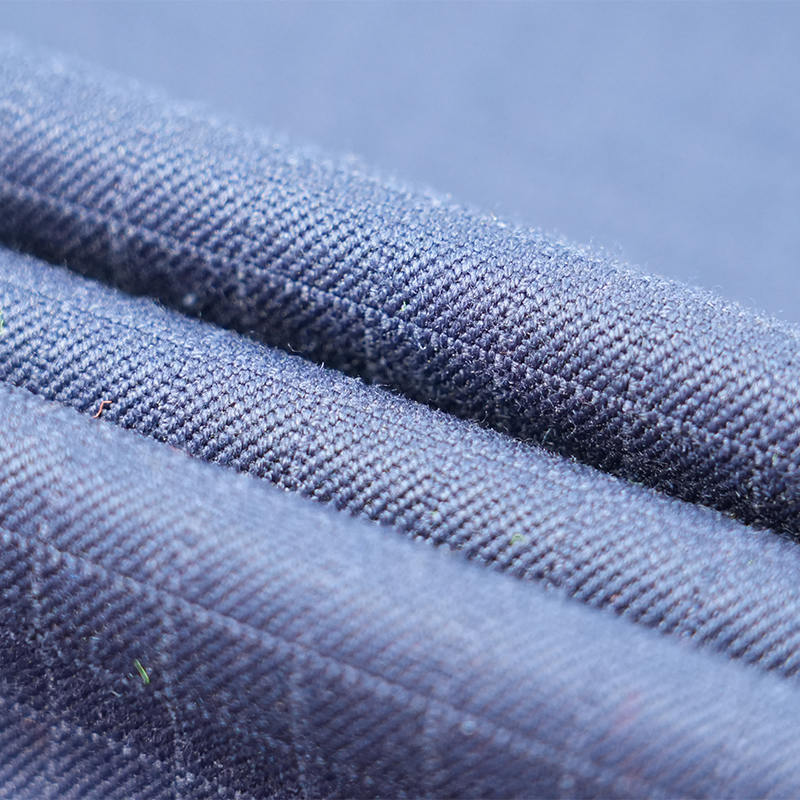
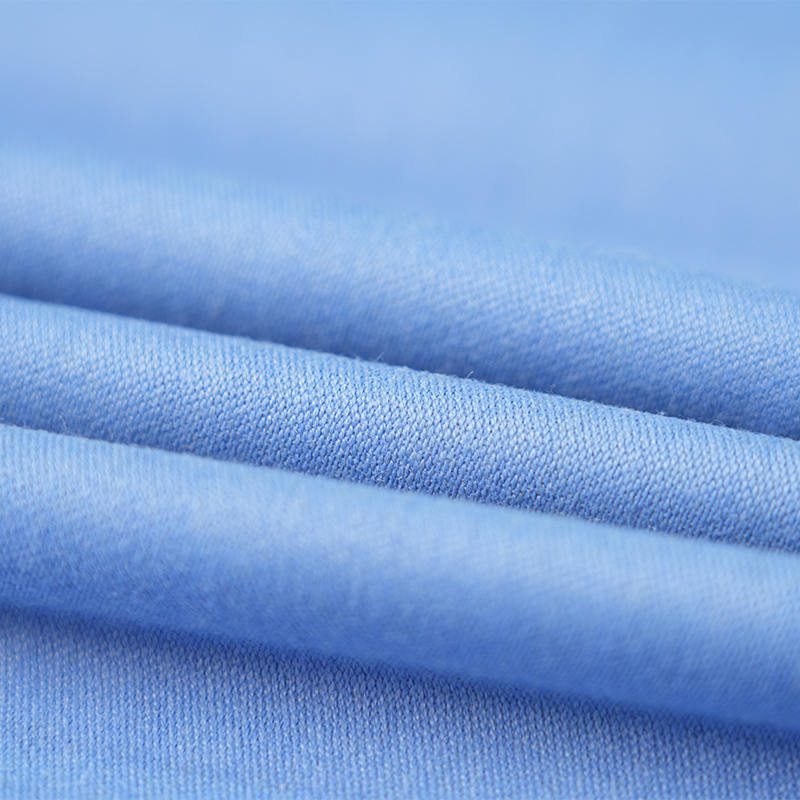
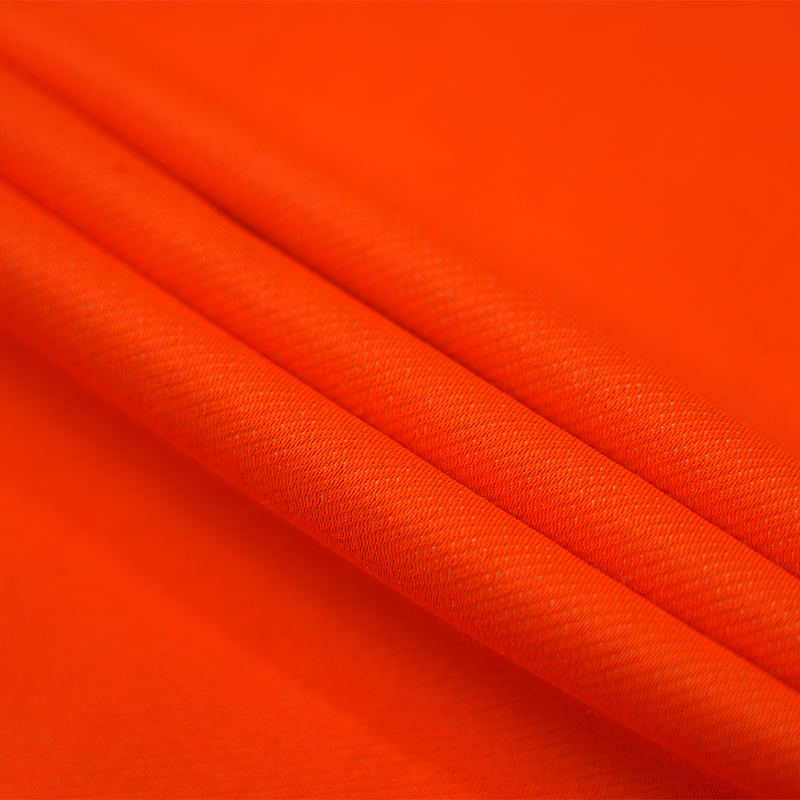 QFU-05 Modacrylic/Polyester/Cellulose/Super fiber/Anti-static FR Hi-Vis FabricColor: Color customized Weight: 230gsm/260gsm/300gsm Weave: WOVEN Full width: 150cmView Product →
Where the Rating Is Built: Fabric Supply and Traceability
Behind every certified cal/cm² figure is a fabric producer who can hold that performance from batch to batch. 3H Safety Technology Co Limited is a functional fabric manufacturer based on flame retardancy, operating under the product brand 3H. Safeloya®. The company focuses on product research and development and fabric production, and adds functions such as anti-static, arc protection, molten metal splash resistance and three-proof finishing to suit customer requirements. Its fabrics are used across petroleum, petrochemical, chemical, gas station, power, coal mining, steel, metallurgy and mechanical processing industries.
Related products have been tested by authoritative testing institutions including SGS in Switzerland, TUV in Germany, ITS in the United Kingdom and the National Labor Protection Products Quality Supervision and Inspection Center, and meet the requirements of standards such as EN ISO 11611, EN ISO 11612, EN ISO 1149, EN 469, EN 373, EN 61482-1, ASTM F1959, ASTM F1891, NFPA 70E, NFPA 2112, ANSI 107, GB 8965.1 and GB 12014. Product lifecycle traceability is implemented in line with national regulations, which keeps quality, environmental and hygiene performance consistent and verifiable for buyers. More background on the manufacturer and its fabric range is available on the 3H Safety Technology homepage.
Frequently Asked Questions About Arc Flash Clothing Ratings
Q1: What does an arc flash clothing rating actually measure?
A1: It measures the incident thermal energy a fabric can take before enough heat passes through to cause a second-degree burn, expressed in cal/cm². The value comes from laboratory testing on the finished material, not from fibre content or fabric weight.
Q2: What is the difference between ATPV and EBT in arc flash clothing ratings?
A2: ATPV is the energy at which heat transfer reaches the burn criterion. EBT is the energy at which the fabric breaks open and forms a hole. The lower of the two values is published as the arc rating.
Q3: How many cal/cm² do I need for an arc flash PPE category?
A3: The requirement comes from the incident energy at the working distance, calculated in an IEEE 1584 study. Legacy NFPA 70E categories start at 4, 8, 25 and 40 cal/cm², and the requirement should never be rounded down.
Q4: Is FR clothing the same as arc-rated clothing?
A4: No. A fabric can pass a vertical flame test and carry no arc rating at all. Arc-rated garments are tested to ASTM F1959 and labelled under ASTM F1506, which is why the cal/cm² value and its test method matter.
Q5: Do two 8 cal/cm² layers add up to 16 cal/cm²?
A5: No. Multi-layer assemblies are tested as a single system and the result is not the arithmetic sum of the fabrics, although extra layers and trapped air do raise the protection level.
Q6: What is the difference between IEC 61482-1-1 and IEC 61482-1-2 Class 1 and Class 2?
A6: IEC 61482-1-1 is an open arc panel test that reports a cal/cm² value. IEC 61482-1-2 is a box test that reports Class 1 at 4 kA or Class 2 at 7 kA over a 500 ms arc, as a pass or fail result.