 EN
EN 中文简体
中文简体 English
 русский
 Español
 Português
 عربى
عربى

A buyer for an oil terminal recently held three quotations for the same 260 g/m² orange workwear fabric. Each supplier described the product in identical words: fire retardant material. Only one could produce an EN ISO 11612 report showing the performance codes the end user had specified, and only one could explain what happens to the fabric after fifty industrial wash cycles. The other two looked the same on paper and were a warranty claim waiting to happen.
That is the difficulty with shopping for fire retardant materials: the phrase describes a property, not a specification. Two fabrics can both be called fire retardant and still behave completely differently in an arc flash, under molten metal splash, or after a year of laundering.
The sequence that works is straightforward: define the hazard, then the test standard, then the performance code, then the fiber system, then the construction and the tolerances you are willing to accept. Everything below follows that order.
Content
- 1 Map the Hazard Before You Look at Fabrics
- 2 Inherent Versus Treated: the Difference Shows Up After Washing
- 3 Fiber Families Behind Fire Retardant Materials
- 4 How Multi-Layer FR Systems Are Built
- 5 Reading the Test Report
- 6 Matching Fire Retardant Materials to Specific Industries
- 7 Specification Details That Cause Claims Later
- 8 Who Makes These Fabrics
- 9 Frequently Asked Questions About Fire Retardant Materials
Map the Hazard Before You Look at Fabrics
Selection starts with what the wearer is actually exposed to. A petrochemical operator near a pump seal faces flash fire, a substation electrician faces arc flash, and a foundry worker faces molten metal splash. Those are three different tests, three different performance codes and often three different fiber systems.
| Workplace hazard | Governing test or standard | What the report must state | Fiber route commonly used |
|---|---|---|---|
| Flash fire in oil, gas and petrochemical work | NFPA 2112, supported by ASTM F1930 manikin testing | Predicted total body burn, capped at 50% against a 3 cal/cm² exposure | Aramid blends, modacrylic and cotton blends |
| Electric arc | IEC 61482-1-1 or ASTM F1959; IEC 61482-1-2 box test | Arc rating (ATPV or ELIM) in cal/cm², or APC class 1 / 2 | Aramid and FR viscose blends |
| Welding and allied processes | EN ISO 11611 | Class 1 or Class 2 | Aramid, FR-treated workwear fabrics |
| Molten metal splash | EN ISO 11612, codes D and E | D1 to D3 for aluminium, E1 to E3 for iron | Wool blends, aramid, FR viscose |
| Radiant, convective and contact heat | EN ISO 11612, codes B, C and F | The heat transfer index for each code claimed | Aramid and polyimide blends |
| Structural firefighting | EN 469 | Heat and flame performance levels for the whole assembly | Aramid outer shell with membrane and thermal liner |
The standard number and the performance code are not interchangeable. A fabric certified to EN ISO 11612 with only code A resists ignition, but that says nothing about how much radiant heat it blocks, how it copes with molten iron, or how much contact heat it resists. Buying on the standard number alone is the most common sourcing error in this category.
Inherent Versus Treated: the Difference Shows Up After Washing
Fire retardant materials reach their performance in one of two ways. Inherently FR fibers contain the flame retardant chemistry inside the polymer itself, so protection is a permanent property of the fiber. Treated fabrics use a finish applied to a conventional fiber, usually cotton or a cotton blend, and the finish sits on the fiber rather than inside it.
Inherent FR generally survives laundering predictably. Treated cotton costs less and often feels softer against the skin, but its protection depends on the finishing chemistry and the laundry regime it meets in service. Before approving a treated fabric for a high-use programme, ask the mill these questions:
- Which standard verified the FR property after laundering, and how many cycles were tested?
- Was laundering carried out to a defined method such as ISO 6330, or to an in-house procedure?
- What water hardness, pH and detergent chemistry does that certification assume?
- Does industrial laundering with bleach or high-temperature drying void the claim?
For high-hazard roles with frequent industrial laundering, inherent FR is the lower-risk route. For low-hazard workwear with a limited number of wash cycles, a treated fabric can be the more economical choice, provided the care instructions are followed and the FR property is re-verified at defined intervals.
Fiber Families Behind Fire Retardant Materials
Once the hazard and the code are settled, the fiber system becomes an engineering trade-off between protection, comfort, colour and cost.
| Fiber family | How FR is achieved | Where it performs well | What to watch |
|---|---|---|---|
| Aramid, meta and para | Inherent in the polymer chain | Arc flash, flash fire, welding, radiant heat; does not melt | Higher cost; para-aramid needs UV and abrasion considered; limited dye range |
| Modacrylic | Inherent, self-extinguishing | Flash fire, hi-vis garments, soft hand, good colour | Softens at comparatively low temperature, so it is usually blended or placed behind a barrier |
| Polyimide | Inherent, very high LOI, no melting or dripping | High radiant heat, foundry, heavy industry | Natural gold shade limits colour matching; cost |
| FR viscose | FR additive built into the regenerated cellulose fiber | Comfort, moisture management, blending with aramid | Wet strength and shrinkage must be checked in the final construction |
| FR-treated cotton | Chemistry applied to the fiber during finishing | Welding and general workwear at lower cost | Durability of the finish depends heavily on laundry practice |
| Blends with antistatic yarn | Aramid, modacrylic and FR viscose combined; carbon-core yarn for static control | Arc and flash fire garments that also need antistatic behaviour | Blend ratio drives both performance and price; keep it fixed between lots |
LOI is a laboratory indicator rather than a garment rating. Values above roughly 26 usually correspond to self-extinguishing behaviour in air, which is why aramid and modacrylic dominate protective workwear. The number that governs your order, however, is the one printed in the test report for the finished fabric at the specified weight, colour and construction. High-visibility versions add a further layer of complexity, because the fluorescent shade and the FR base fabric have to be tested together.
How Multi-Layer FR Systems Are Built
Not every fire retardant material is a single cloth. Firefighter turnout gear and some high-end flash fire garments are assemblies, and each layer does a different job.
The outer shell takes the abuse: flame contact, abrasion, molten metal and sharp edges. The moisture barrier stops water and chemical penetration while letting vapour escape. The thermal liner, usually an FR needle felt or knit, provides the insulation that buys escape time. When an assembly is used, the certification belongs to the assembly, so substituting one layer without re-testing invalidates the claim for the garment.
Reading the Test Report
Ask for test reports on the fabric you are buying, not on the fiber it contains. A valid report names the fabric reference, mass per unit area, colour and test date. The standards that appear most often in industrial enquiries include:
- EN ISO 11611 for welding and allied processes
- EN ISO 11612 for protection against heat and flame, with codes A to F
- EN 469 for structural firefighting clothing
- IEC 61482-1-1 and IEC 61482-1-2 for electric arc, covering open arc rating and the box test
- ASTM F1959 for arc rating of materials and ASTM F1891 for arc flash rainwear
- NFPA 70E for selecting arc-rated clothing in the workplace and NFPA 2112 for industrial flash fire
- EN 1149 for antistatic behaviour
- ANSI 107 for high-visibility garments
- GB 8965.1 and GB 12014 for flame retardant and antistatic clothing in the Chinese market
Independent laboratory work matters here, because a fabric can only be compared fairly when the same method, the same exposure and the same conditioning have been applied. If your application is electrical work, our overview of arc protection flame retardant fabric explains how open arc ratings and box test results are read side by side.
Matching Fire Retardant Materials to Specific Industries
Electric power and electrical maintenance
Arc-rated garments usually rely on aramid or aramid blends, often with FR viscose for comfort and a carbon-core yarn for static control. Garments worn as part of a layered system must be arc rated individually, and daily-wear layers count. Confirm the arc rating against the calculated incident energy at the task, not against the site average.
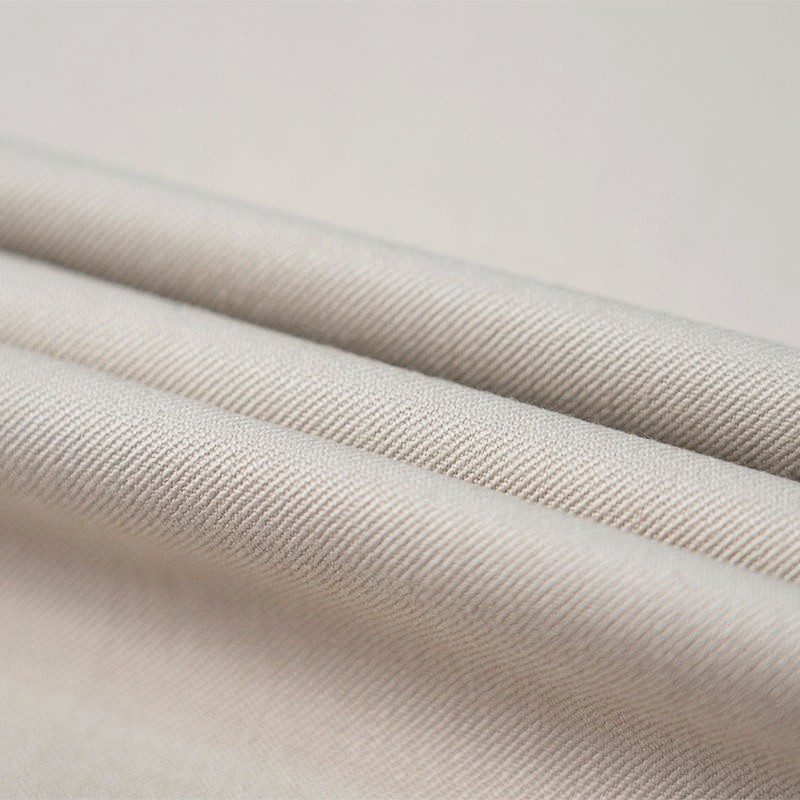
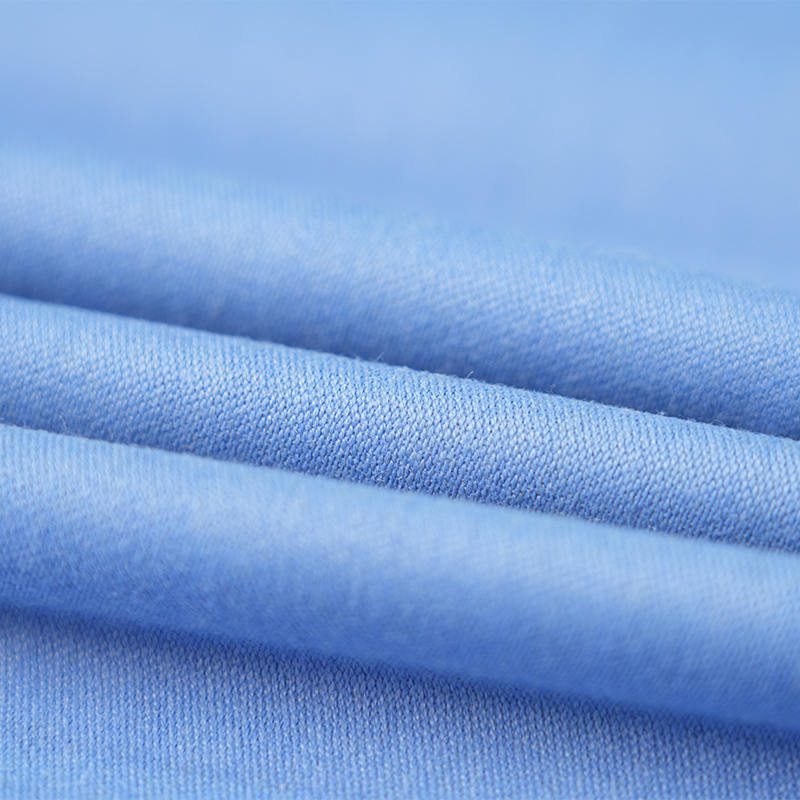
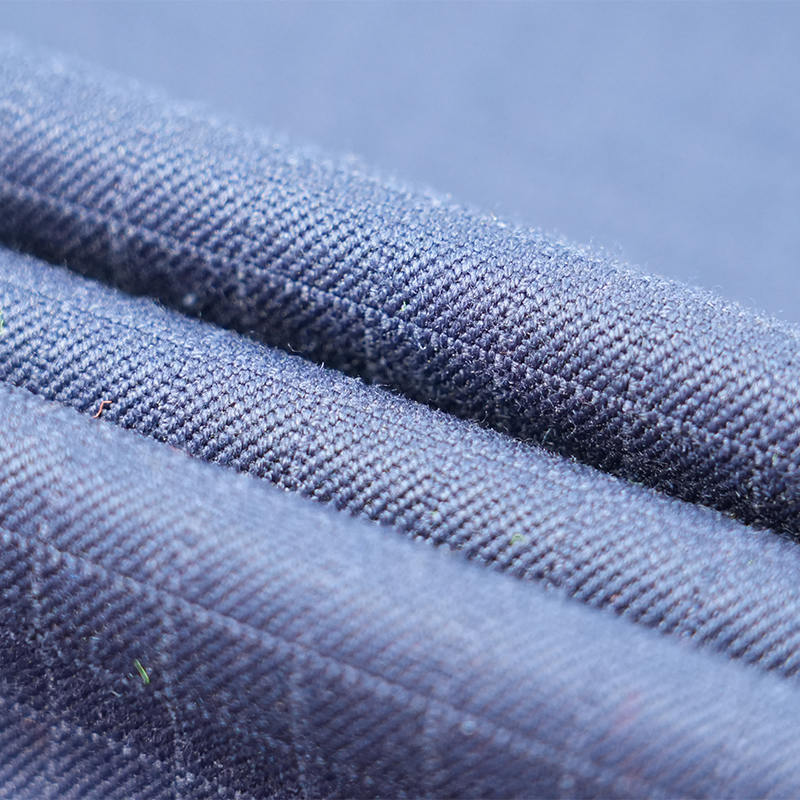 Electric Arc Protective FR Fabric ManufacturersQFU-02 Twill Electric Arc Protection FR fabricView Product →
Oil, gas and petrochemical
Flash fire protection is the primary requirement, so NFPA 2112 or EN ISO 11612 with the relevant heat codes is the baseline. Weight matters for comfort in hot climates, but going lighter reduces insulation. Aramid and modacrylic blends in the 200 to 260 g/m² range are a common compromise, with antistatic behaviour added where hydrocarbon vapours are present.
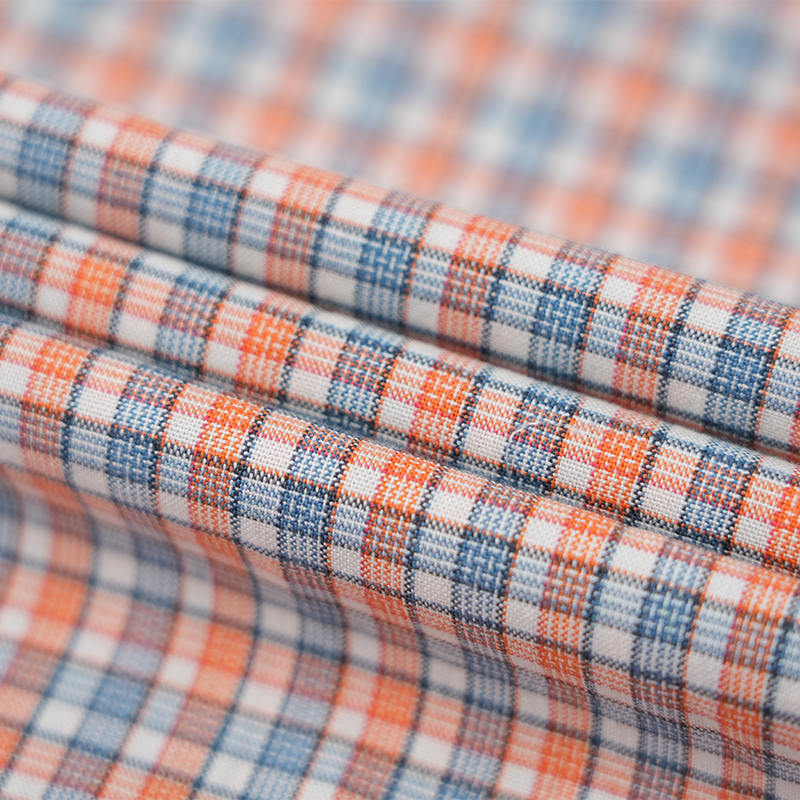
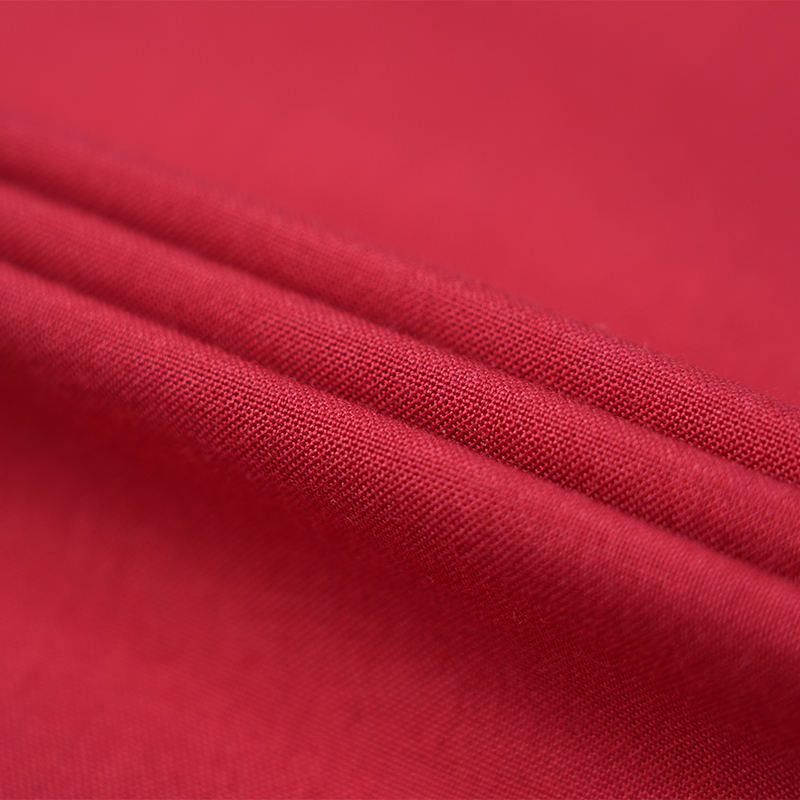 FR fabric for Oil & Gas Protection ManufacturersAramid IIIA FR FabricView Product →
Welding, steel and machinery
Welding fabrics need to resist spatter and short-duration flame contact while staying flexible enough for kneeling and reaching. Heavier weights and sateen or twill constructions handle spatter better than light plain weaves. Where molten metal splash is also present, check the D and E codes rather than assuming good welding performance covers it.
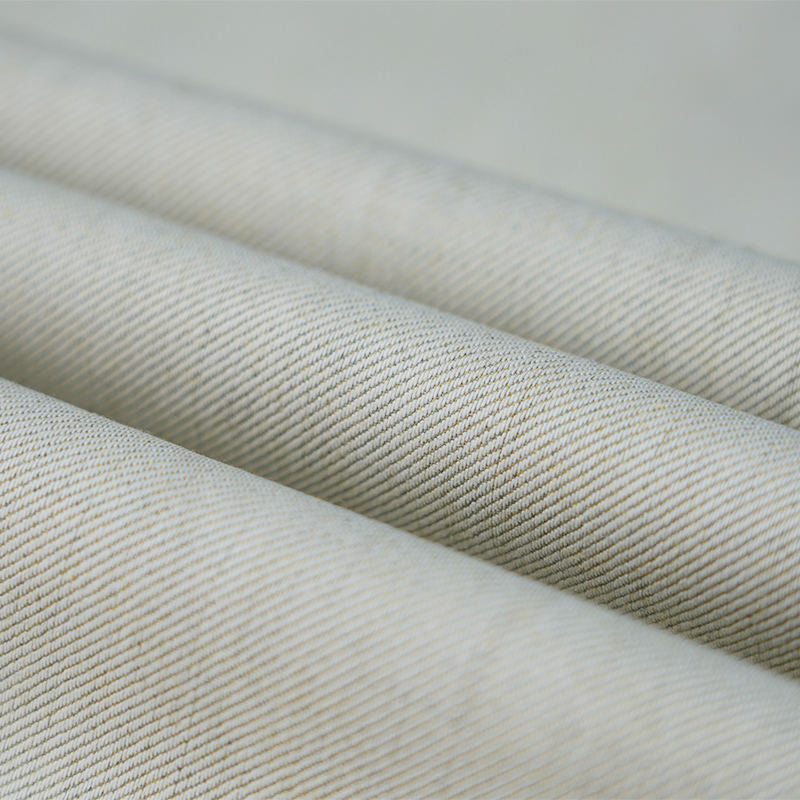
 FR welding protective fabric for Welding and Machinery ManufacturersAMT-T03 high performance FR welding protective fabricView Product →
Specification Details That Cause Claims Later
Most disputes are not about flame spread. They are about the properties nobody wrote into the purchase order:
- Mass per unit area, usually agreed within plus or minus 5%, with the test method and the stage of measurement clearly stated.
- Shrinkage after a defined number of washes, not the raw fabric figure.
- Colourfastness to light, rubbing, perspiration and industrial laundering, especially on hi-vis combinations.
- Tensile and tear strength in both warp and weft, and again after laundering.
- Antistatic performance, where static control comes from a conductive yarn that has to survive washing.
- Shade consistency between lots, a genuine issue with aramid and modacrylic blends on repeat orders.
- Traceability, including batch records, fiber lot numbers and retained test reports.
Who Makes These Fabrics
3H Safety Technology Co Limited is a functional fabric manufacturer based on flame retardancy, working under its product brand 3H. Safeloya ®. The company focuses on product research and development and fabric production, adding functions such as anti-static, arc protection, metal splash protection and three-proofing according to customer requirements.
Its fabrics are used across petroleum, petrochemical, chemical, gas station, power, coal mining, steel, metallurgy and mechanical processing industries. Related products have been tested by institutions including SGS in Switzerland, TUV in Germany, ITS in the UK and the National Labor Protection Products Quality Supervision and Inspection Center, and meet the requirements of standards such as EN ISO 11611, EN ISO 11612, EN 1149, EN 469, EN 373, EN 61482-1, ASTM F1959, ASTM F1891, NFPA 70E, NFPA 2112, ANSI 107, GB 8965.1 and GB 12014. Quality management covers full product lifecycle traceability, so buyers can trace a batch back through its records.