 EN
 中文简体
 English
 русский
 Español
 Português
 عربى


A maintenance technician racks a 480 V breaker with the panel door open. A tool slips, two phases bridge, and for roughly a tenth of a second the air inside the enclosure becomes a plasma arc. He survives the fault. The untreated cotton shirt under his work jacket does not, and the burns that follow reach both forearms and his chest.
That sequence — the electrical event starting the fire, and the clothing on the body deciding how far it spreads — sits behind most serious arc flash injuries. The arc alone rarely decides the outcome. What decides it is how much thermal energy reaches skin, how long it keeps arriving, and whether the fabric in between resists ignition or quietly adds fuel.
The conclusion comes first: arc flash injury prevention is an energy-matching problem, not a "fireproof clothing" problem. Calculate the incident energy at the working distance, choose a clothing system whose arc rating exceeds that value, then protect the margin through layering, laundering and inspection discipline.
Content
- 1 What an Arc Flash Injury Actually Looks Like
- 2 The Number That Decides the Outcome: Incident Energy
- 3 How Hot, How Fast, and Why Clothing Keeps Burning
- 4 Arc-Rated Is Not the Same as Flame-Resistant
- 5 Where the Protection Is Actually Built
- 6 Specifying Fabric Without Overbuying
- 7 Behind the Fabric: 3H Safety Technology
- 8 Arc Flash Injury: Frequently Asked Questions
- 8.1 Q1. What incident energy causes an arc flash burn?
- 8.2 Q2. Is arc-rated clothing the same as flame-resistant clothing?
- 8.3 Q3. What is the difference between ATPV and EBT?
- 8.4 Q4. Can arc flash protective clothing be washed at home?
- 8.5 Q5. What should be worn under arc-rated FR clothing?
- 8.6 Q6. Does arc-rated fabric expire?
What an Arc Flash Injury Actually Looks Like
An arc flash injures in four ways at once, and the burn is usually the mechanism that determines survival and recovery time.
- Radiant and convective burns. Energy arrives at exposed skin in a fraction of a second. Arc-rated clothing tests exist specifically to keep that energy below the second-degree burn threshold at the skin surface.
- Ignited or melting clothing. Untreated cotton, polyester blends and ordinary workwear can ignite or melt and keep burning after the arc has extinguished — the usual route by which a survivable flash becomes a major burn.
- Molten metal and shrapnel. Vaporised conductor material and fragments of enclosures and tools travel with the blast.
- Pressure, noise and optical radiation. Blast pressure and extreme sound levels cause secondary injuries, and the ultraviolet and infrared output can damage eyes at a distance.
Burn injuries dominate the casualty figures reported in electrical safety literature, and of those four mechanisms, only one is directly influenced by the fabric supplier.
The Number That Decides the Outcome: Incident Energy
Incident energy is measured in calories per square centimetre (cal/cm²). The reference point used throughout arc flash literature is the Stoll curve, which places the onset of a second-degree burn at roughly 1.2 cal/cm² for very short exposures. Everything above that threshold is a question of how much tissue is destroyed.
NFPA 70E turns that physics into four arc-rated PPE categories, and the spacing between them is generous:
Two consequences follow for buyers. A garment rated to 8 cal/cm² is safe to 8 only as part of the specified system — with the layers, fit and care that earned the rating. And the jump from Category 2 to Category 4 is a factor of five, which is why one catalogue number rarely fits an entire site.
How Hot, How Fast, and Why Clothing Keeps Burning
The commonly cited peak temperature of an electric arc is about 19,400 °C, several times the surface temperature of the sun. Delivered for 0.1 s, a small fraction of that energy already exceeds the burn threshold at skin. Duration matters as much as temperature: incident energy is power multiplied by time, so a slower protective device can turn a Category 2 task into a Category 4 exposure without any change to the fabric.
The figure that should drive a purchase decision is therefore not peak temperature but total energy delivered to the body. That is why arc ratings are quoted in cal/cm² rather than degrees, and why two fabrics with similar fibre content can carry very different ratings once weight, weave and finishing are accounted for.
Arc-Rated Is Not the Same as Flame-Resistant
Flame-resistant describes behaviour: the material self-extinguishes and does not melt or drip. Arc-rated is narrower and harder to earn — the fabric has been exposed to a controlled electric arc and given a number that a buyer can compare against a calculation.
ASTM F1959 produces two values. ATPV is the incident energy at which there is a 50% probability of a second-degree burn through the fabric; EBT is the energy at which the fabric breaks open. The lower of the two becomes the arc rating on the label. How those tests are run, and what a usable lab report should contain, is covered in this walkthrough of arc flash testing and ratings.
| Standard | What it covers | What the buyer receives |
|---|---|---|
| ASTM F1959 | Arc rating of materials using an open-arc panel test | ATPV or EBT in cal/cm² |
| IEC 61482-1-1 | Equivalent open-arc method used in European markets | ATPV or EBT in cal/cm² |
| IEC 61482-1-2 | Box test with a directed arc at 4 kA or 7 kA | Class 1 or Class 2 garment classification |
| NFPA 70E | Workplace electrical safety programme and PPE selection | Required arc rating for a task |
| EN ISO 11612 | Heat and flame protective clothing, not an arc rating | Code letters for heat, splash and flame behaviour |
Note the trap in the last row. EN ISO 11612 appears on many datasheets but says nothing about arc performance; a welding jacket can satisfy it and still be the wrong garment for switching work.
Where the Protection Is Actually Built
An arc-rated system works as an assembly, not as a single hero fabric. Heavy-duty arc suits typically stack three functional layers with air gaps between them, and each layer has a different job.
For daily wear the trade-off is weight against mobility. Heavier shells and additional layers raise the arc rating but also raise heat stress, and a garment the crew refuses to wear in July protects nobody. Construction — twill versus ripstop, fabric density, and whether the fibre is inherently flame resistant — determines how much of that rating survives fifty industrial washes.
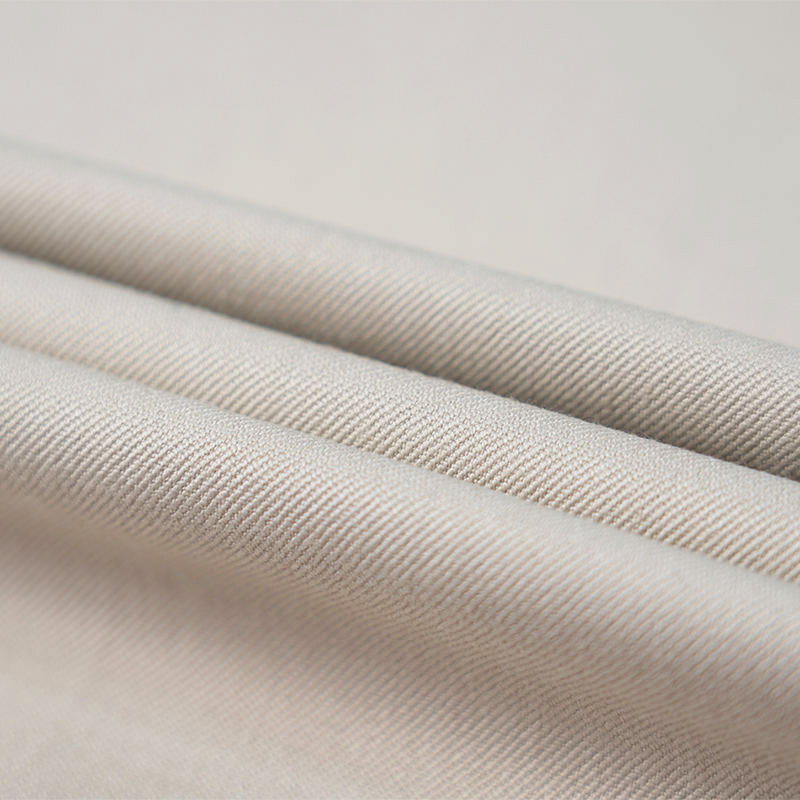
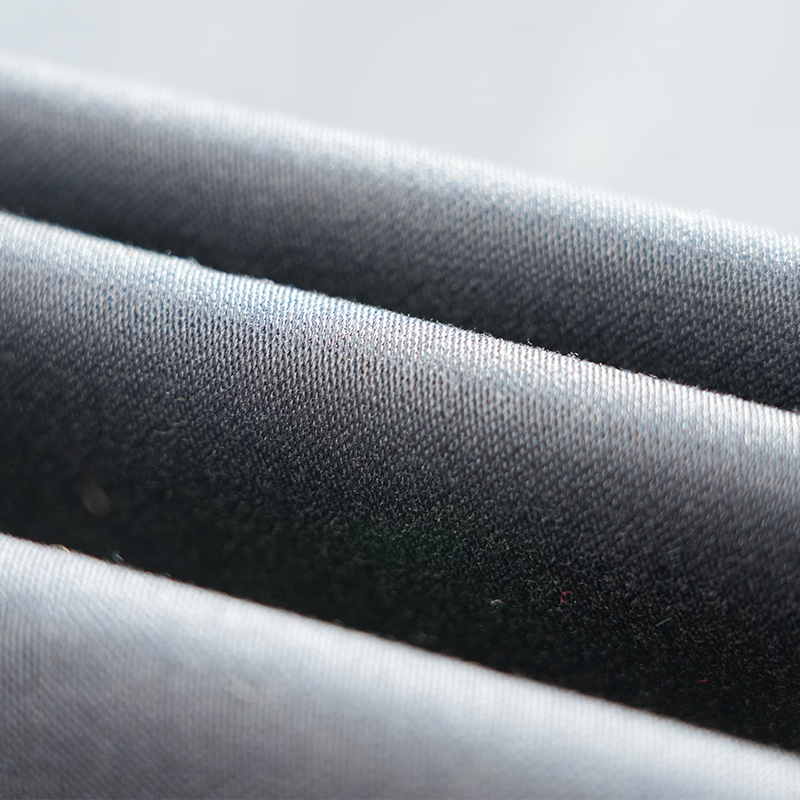
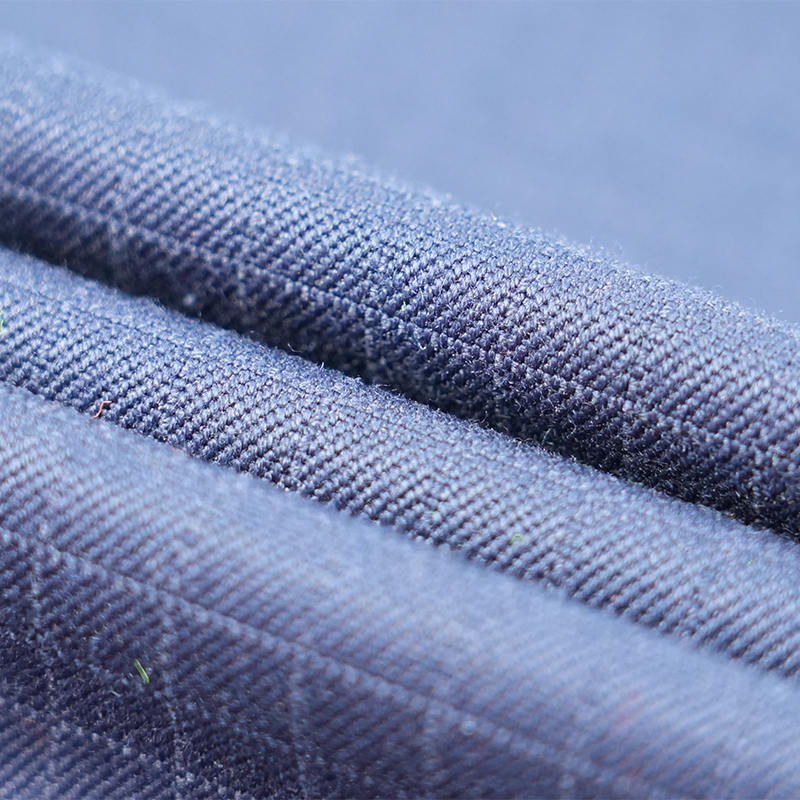 Electric Arc Protection FR Fabric RangeBrowse arc-rated flame-retardant fabrics in twill, ripstop, and plain constructions, tested to EN 61482 and suited to power and high-risk workwear.View Product →
Specifying Fabric Without Overbuying
Most over-specification comes from choosing PPE by habit rather than by the study. A workable sequence looks like this:
- Obtain the incident energy calculation for each task, at the real working distance.
- Add margin for the layers actually worn, and confirm the rating applies to the finished garment rather than the greige fabric.
- Apply the non-melting rule to base layers, buttons, zips and logos — anything that sits against skin.
- Check laundering instructions and how many cycles the protection survives in your laundry, not the lab's.
- Match secondary hazards: anti-static performance in explosive atmospheres, molten metal splash in foundries, high visibility for roadside crews.
Two fabric routes cover most of that demand. Aramid-based twill and ripstop shells hold their arc rating through repeated washing and are the default for utility and switching work where a Category 2 system is enough.
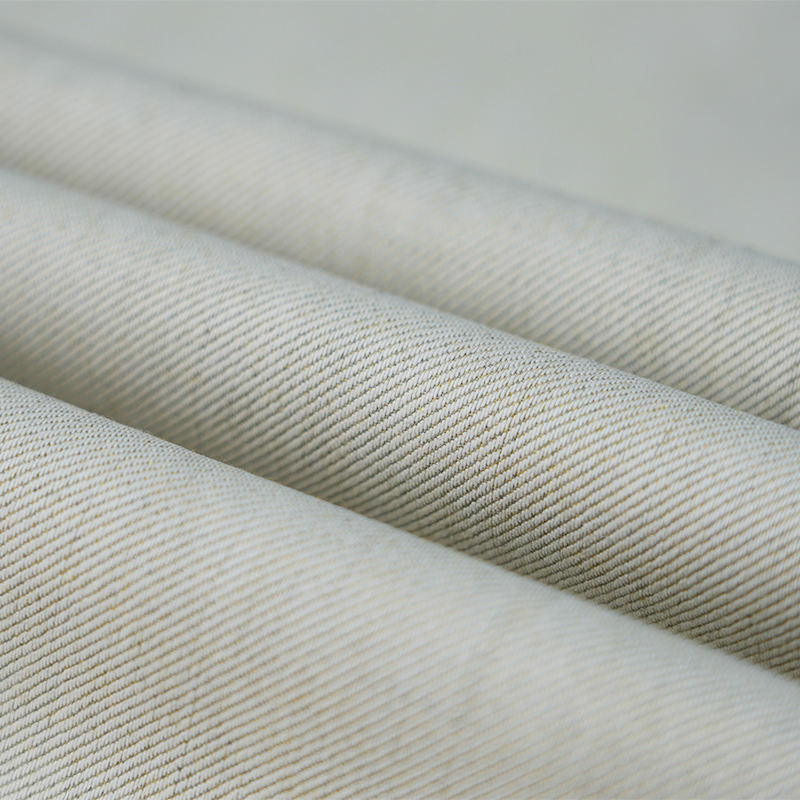
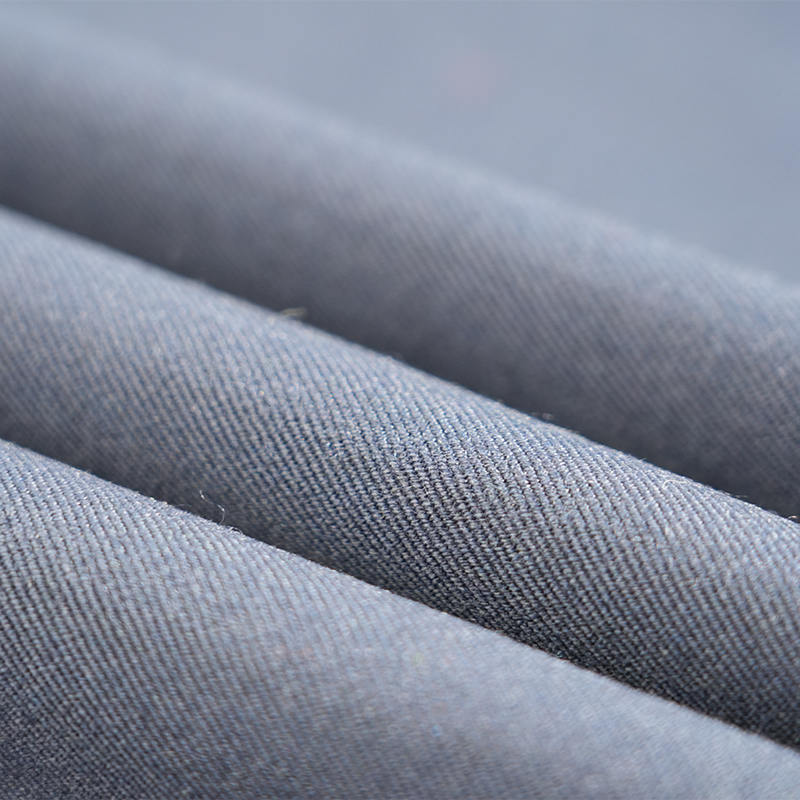
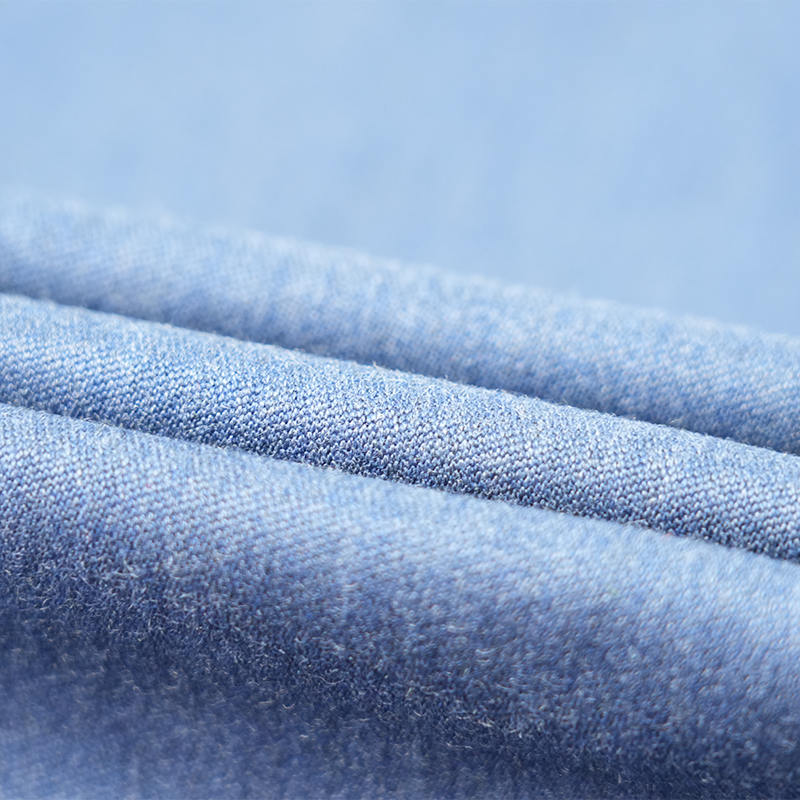 PFA-D22 Twill Electric Arc Protection FR FabricModacrylic-aramid twill with permanent antistatic fiber, 180–300 gsm, for substation, high-voltage line, petrochemical, and welding protective clothing.View Product →
Where the calculation lands higher, or where flash fire and chemical exposure overlap with the electrical hazard, aramid IIIA constructions are usually the more economical answer than stacking extra layers.
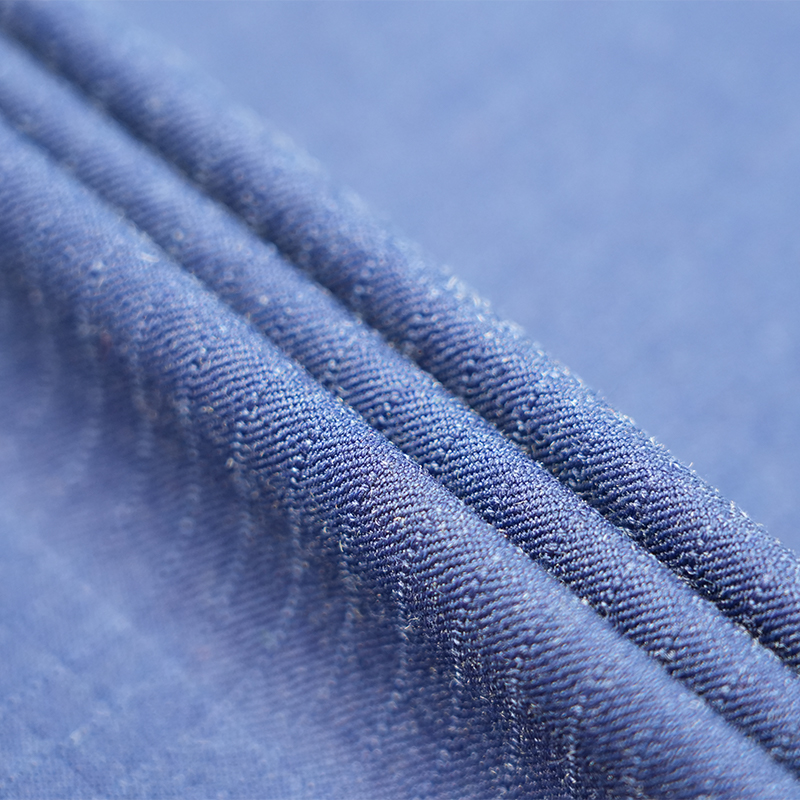
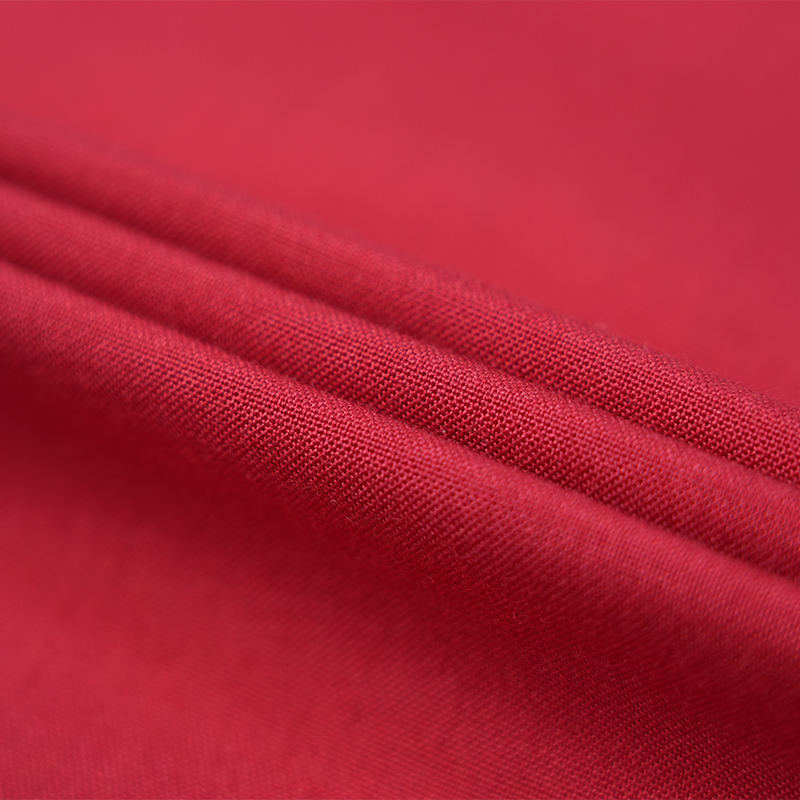 Aramid IIIA Flame-Retardant Protective FabricMeta-aramid, para-aramid, and antistatic carbon fiber in 150–220 gsm twill, plain, or ripstop, meeting EN ISO 11612 and NFPA 2112 for oil and gas workwear.View Product →
Behind the Fabric: 3H Safety Technology
3H Safety Technology Co Limited is a functional fabric manufacturer based on flame retardancy, with the company's product brand "3H. Safeloya" ®. The company is committed to product research and development and fabric production, and adds multiple functions such as anti-static, arc proof, metal splash proof, and three proofing according to customer needs.
Products are widely used in petroleum, petrochemical, chemical, gas station, power, coal mining, steel, metallurgy and mechanical processing industries. Related products have been tested by authoritative institutions including SGS in Switzerland, TUV in Germany, ITS in the UK and the National Labor Protection Products Quality Supervision and Inspection Center, and meet domestic and international standards such as EN ISO 11611, EN ISO 11612, EN ISO 1149, EN 469, EN 373, EN 61482-1, ASTM F1959, ASTM F1891, NFPA 70E, NFPA 2112, ANSI 107, GB 8965.1 and GB 12014.
The company applies comprehensive quality management and implements product lifecycle traceability in line with national regulations, targeting consistent quality, environmental protection and reliable hygiene so that customers and end users can specify with confidence.
For procurement teams, the practical starting point is the paperwork rather than the swatch: certification and test reports should name the standard, the test laboratory and the value obtained, and they should match the article number on the purchase order.
Arc Flash Injury: Frequently Asked Questions
Q1. What incident energy causes an arc flash burn?
Literature based on the Stoll curve puts second-degree burn onset at about 1.2 cal/cm² for very short exposures. Because real exposures last 0.1 s or more, most safety programmes treat that figure as the floor and specify arc-rated clothing well above it.
Q2. Is arc-rated clothing the same as flame-resistant clothing?
No. Flame-resistant only describes self-extinguishing behaviour. Arc-rated fabric has additionally been tested against a controlled electric arc and carries an ATPV or EBT value in cal/cm² that can be compared with an incident energy calculation.
Q3. What is the difference between ATPV and EBT?
ATPV is the energy at which there is a 50% probability of a second-degree burn through the fabric. EBT is the energy at which the fabric breaks open. The lower figure becomes the arc rating printed on the garment label.
Q4. Can arc flash protective clothing be washed at home?
Sometimes, but only if the care label allows it. Home laundering with chlorine bleach, fabric softener or heavy detergent residue can degrade performance. Industrial laundering with documented cycle counts is the safer route for any FR clothing programme.
Q5. What should be worn under arc-rated FR clothing?
Non-melting base layers. Wool, silk, aramid and treated cotton are acceptable; polyester, nylon and other synthetics can melt into the skin and are generally excluded by NFPA 70E-based programmes.
Q6. Does arc-rated fabric expire?
The fabric does not expire on a calendar date, but the garment can become non-compliant. Contamination, holes, heavy abrasion, reflective trim damage or a documented arc or flash exposure are all grounds for withdrawal from service.