 EN
EN 中文简体
中文简体 English
 русский
 Español
 Português
 عربى
عربى

An electrical maintenance supervisor reviews the PPE list for an upcoming panel repair. The arc-rated coveralls in the locker room carry labels reading "ATPV 8.2 cal/cm²" and "EBT 6.4 cal/cm²," but what do those numbers actually mean, and how were they produced? Arc flash testing is the laboratory process behind every arc rating on a garment label. Understanding how it works helps safety professionals compare fabrics, plan PPE purchases, and respond to auditors who ask how the number on the label was verified.
Content
- 1 What Is Arc Flash Testing?
- 2 How Arc Rating Is Measured
- 3 Arc Rating and PPE Categories
- 4 Incident Energy and Working Distance
- 5 Standards, Test Cycles, and Compliance
- 6 Choosing a Fabric for Arc Flash Protection
- 7 The Manufacturer Behind the Fabric
- 8 Frequently Asked Questions
- 8.1 Q1: What is arc flash testing?
- 8.2 Q2: What does ATPV mean in an arc rating test?
- 8.3 Q3: What is the difference between ATPV and EBT?
- 8.4 Q4: How often should an arc flash study be updated?
- 8.5 Q5: What standards cover arc flash protective clothing?
- 8.6 Q6: Can arc-rated FR fabric be customized for different industries?
What Is Arc Flash Testing?
Arc flash testing measures how a fabric or multilayer fabric system responds to the intense thermal energy released by an electric arc. The test result, called the arc rating, is expressed in calories per square centimeter (cal/cm²). It indicates the maximum incident energy a material can block before the wearer would receive a second-degree burn.
Arc testing is not the same as flammability testing. A standard flame test evaluates ignition behavior and burn rate. An arc test simulates an electrical fault with heat flux far higher than a typical flame source, which is why a fabric can pass a simple flame test yet still fail to protect against an arc event. Arc testing is required for:
- Single-layer fabrics used in shirts, coveralls, and trousers
- Multilayer systems such as coats with thermal liners
- Arc-rated accessories like balaclavas, hoods, and face shields
How Arc Rating Is Measured
The primary test method for fabrics is ASTM F1959, which determines the arc rating of materials and fabric assemblies. In this method:
- A conditioned fabric sample is mounted in a test frame at a defined distance from a calibrated arc source.
- The arc exposes the fabric to a precisely measured amount of incident energy.
- Copper calorimeter sensors behind the fabric measure the heat passing through it.
- The test is repeated at increasing energy levels to map how the fabric responds.
Two metrics dominate the test report:
- ATPV (Arc Thermal Performance Value): the highest incident energy at which the predicted second-degree burn threshold is not exceeded for at least 50% of the test samples.
- EBT (Energy Breakopen Threshold): the incident energy at which the fabric ruptures, creating an opening that exposes the skin.
The published arc rating is the lower of ATPV and EBT. If a fabric breaks open before the burn threshold, the breakopen value governs because an open fabric offers no protection.
| Term | Meaning |
|---|---|
| ATPV | Highest incident energy before the predicted burn threshold is exceeded in 50% of samples |
| EBT | Incident energy at which the fabric breaks open |
| Arc rating | The lower of ATPV and EBT, expressed in cal/cm² |
| Incident energy | Heat energy delivered to a surface during an arc event, in cal/cm² |
Arc Rating and PPE Categories
NFPA 70E groups arc-rated PPE into categories with minimum arc rating requirements. These categories simplify routine selection, but the underlying values come directly from arc flash testing:
| PPE Category | Minimum Arc Rating (cal/cm²) |
|---|---|
| Category 1 | 4 |
| Category 2 | 8 |
| Category 3 | 25 |
| Category 4 | 40 |
The category approach works well for common tasks, but the most accurate method remains a facility-specific arc flash study that calculates actual incident energy for each equipment location. When the study result exceeds the category minimum, the study result takes priority.
Incident Energy and Working Distance
Arc flash testing also feeds into the engineering studies used to label switchgear and set approach boundaries. Incident energy drops as the distance from the arc increases, following a roughly inverse-square relationship, although the exact curve depends on system voltage, fault current, and protective device clearing time.
The chart above illustrates the general trend: increasing the working distance significantly reduces the heat energy reaching a worker. This is why arc flash boundaries in NFPA 70E are distance-based, and why live-front work on high-fault-current equipment requires both higher-rated PPE and more conservative approach tactics.
Arc flash studies must use facility-specific data: actual transformer ratings, conductor lengths, protective device settings, and fault current values. Generic tables can overstate or understate the hazard, which is why a documented study is the recommended path under NFPA 70E.
Standards, Test Cycles, and Compliance
Several standards govern arc flash testing and the use of arc-rated products. The most relevant are summarized below:
| Standard | Scope |
|---|---|
| ASTM F1959 | Determines arc rating of fabrics and fabric assemblies |
| ASTM F1891 | Performance specification for arc-rated clothing |
| NFPA 70E | Workplace electrical safety, including the five-year study review requirement |
| EN 61482-1 | Arc flash protective clothing test methods (open arc and box test) |
| GB 8965.1 | Chinese standard for flame-retardant protective clothing |
NFPA 70E Article 130.5 requires an arc flash risk assessment that documents either the incident energy for specific equipment or the PPE category. The assessment must be reviewed at least every five years, and sooner after major modifications such as a transformer replacement, feeder upgrade, or change in protective device settings. The fabric arc rating itself does not expire as long as the fiber blend, fabric construction, and weight remain unchanged; however, the system study that determines your PPE requirements must stay current.
Understanding the difference between fabric-level testing and system-level studies is essential. Fabric-level testing tells you what a material can block; a system study tells you what the equipment can actually deliver. Both are required for a compliant electrical safety program. For a practical look at how fabric choices affect real protection, see our guide to arc protection flame retardant fabric.
Choosing a Fabric for Arc Flash Protection
Arc rating alone does not determine whether a fabric suits a workforce. While the rating must meet or exceed the incident energy from the study, real-world performance depends on additional factors:
- Fiber composition: aramid, modacrylic, FR viscose, and polyimide blends behave differently under arc exposure and through repeated laundering.
- Fabric weight and weave: a denser twill or ripstop construction generally raises the arc rating but also adds weight and potential heat stress.
- Layering strategy: a lightweight base layer under an arc-rated outer shell can raise the total system rating compared with a single-layer garment.
- Additional functions: anti-static, water/oil repellency, and high-visibility treatments are often required for specific work environments.
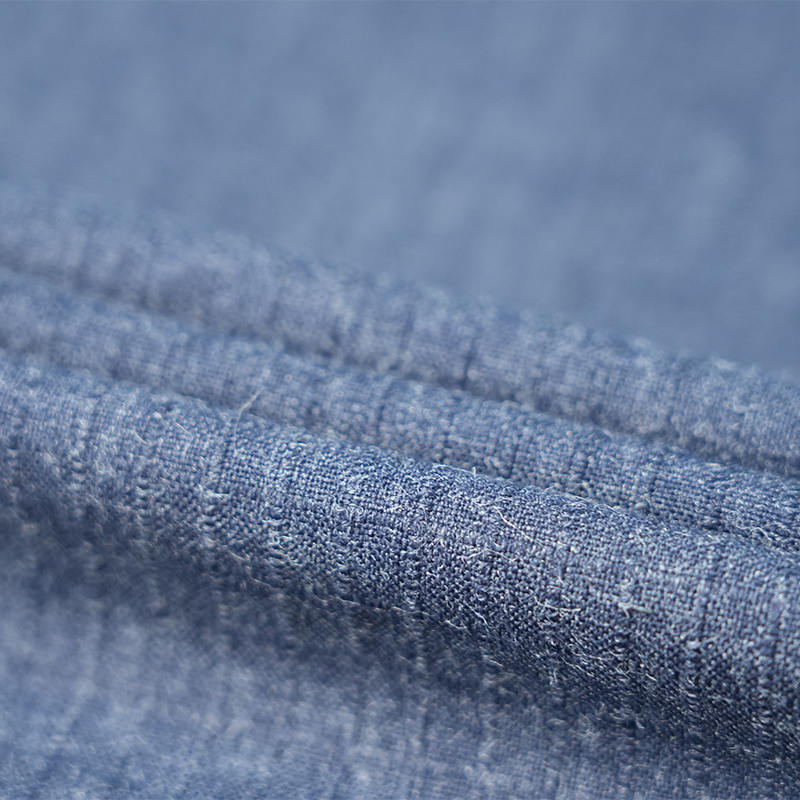 PFA-D12 Modacrylic Blend Arc Rated Twill, Plain, or Ripstop FabricThis fabric supports arc protection with dual EN certifications and a composite flame-retardant system. It appears here as a candidate for utility workwear, with customizable weight and weave options for balancing protection and durability.View Product →
For example, an aramid-based twill or ripstop construction in the 290–320 g/m² range is a common choice for utility and switchgear maintenance uniforms, balancing arc rating with durability for daily wear.
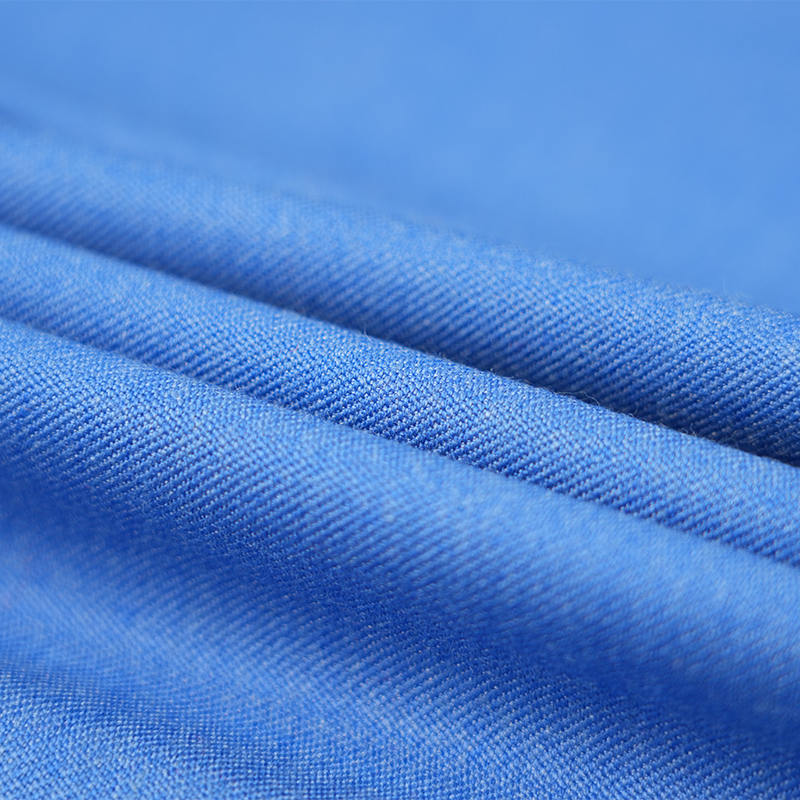 PFA-D42 Aramid Blended Arc Resistant Ripstop FabricDesigned for high-voltage environments, this fabric offers arc and thermal protection per EN standards using aramid or modacrylic blends. Its dense weave suits combined spark or molten metal hazards, making it relevant for switchgear maintenance.View Product →
Where spark or molten metal hazards coexist with electrical risk, a fabric with a denser weave and a higher weight may be needed to resist both threats.
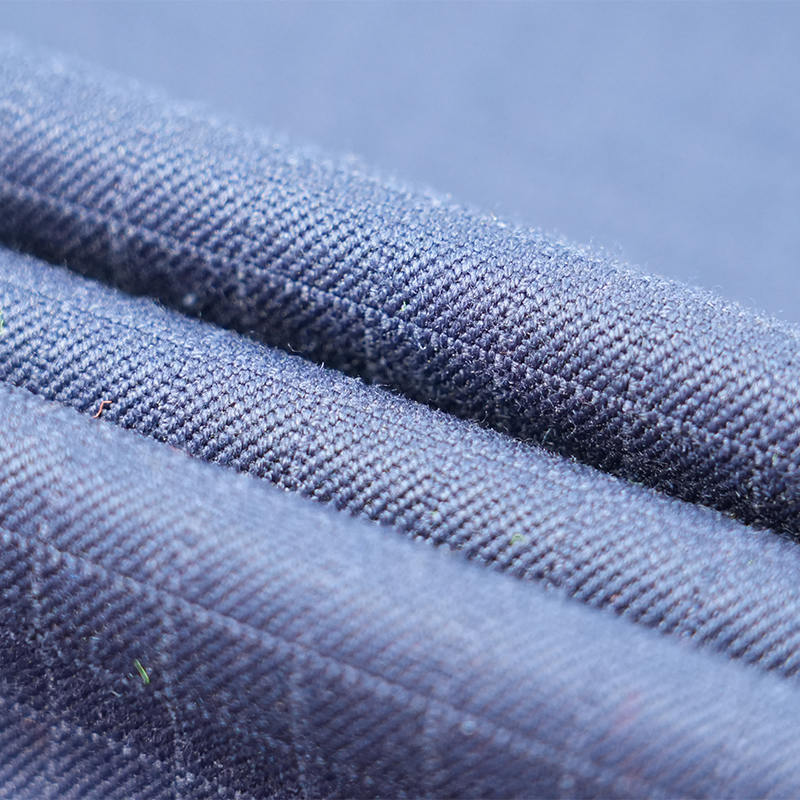 QFU-02 Twill Arc Protection Fabric with Anti-Static PropertiesThis twill fabric provides arc and flame protection with high ATPV/ELIM values and anti-drip performance. Included in a discussion of heavier options, it is suited for power grid maintenance and high-voltage operations where moisture management and comfort matter.View Product →
Modacrylic-based blends are also popular because they combine effective arc protection with good moisture management for warm-climate operations.
Before finalizing a fabric, request the arc test report and verify that the reported rating corresponds to the exact fabric construction, weight, and finishing process you plan to purchase. Small differences, such as a softer hand finish or a slightly looser weave, can shift the arc rating outside the acceptable range. You can browse our full range of electric arc protection FR fabrics to compare available constructions and certifications.
The Manufacturer Behind the Fabric
3H Safety Technology Co Limited is a functional fabric manufacturer based on flame retardancy, with the company's product brand "3H. Safeloya®". The company is committed to product research and development and fabric production, and adds multiple functions such as anti-static, arc proof, metal splash proof, and three proofing according to customer needs. The products are widely used in petroleum, petrochemical, chemical, gas station, power, coal mining, steel, metallurgy, and mechanical processing industries.
The related products have been tested by authoritative testing institutions such as SGS in Switzerland, TUV in Germany, ITS in the UK, and the National Labor Protection Products Quality Supervision and Inspection Center, and have met the requirements of domestic and international standards, including EN ISO 11611, EN ISO 11612, EN ISO 1149, EN 469, EN 373, EN 61482-1, ASTM F1959, ASTM F1891, NFPA 70E, NFPA 2112, ANSI 107, GB 8965.1, and GB 12014.
The company strictly requires comprehensive quality management, fully implements product lifecycle traceability in accordance with national regulations, achieves excellent product quality, environmental protection, and reliable hygiene, allowing customers and users to rest assured.
Frequently Asked Questions
Q1: What is arc flash testing?
A1: Arc flash testing measures how a fabric withstands the thermal energy of an electric arc and produces an arc rating in cal/cm², typically according to ASTM F1959.
Q2: What does ATPV mean in an arc rating test?
A2: ATPV, or Arc Thermal Performance Value, is the highest incident energy at which the fabric prevents a predicted second-degree burn in at least half of the test samples.
Q3: What is the difference between ATPV and EBT?
A3: ATPV is the burn threshold value; EBT is the energy level at which the fabric breaks open. The lower of the two is used as the official arc rating.
Q4: How often should an arc flash study be updated?
A4: NFPA 70E requires review at least every five years, or sooner after major modifications such as transformer upgrades or breaker setting changes.
Q5: What standards cover arc flash protective clothing?
A5: The main standards are ASTM F1959, ASTM F1891, and NFPA 70E in North America, EN 61482-1 in Europe, and GB 8965.1 in China.
Q6: Can arc-rated FR fabric be customized for different industries?
A6: Yes. Fiber blend, weight, weave, and added functions such as anti-static, high-visibility, or metal splash protection can all be tailored to specific work environments.