 EN
EN 中文简体
中文简体 English
 русский
 Español
 Português
 عربى
عربى
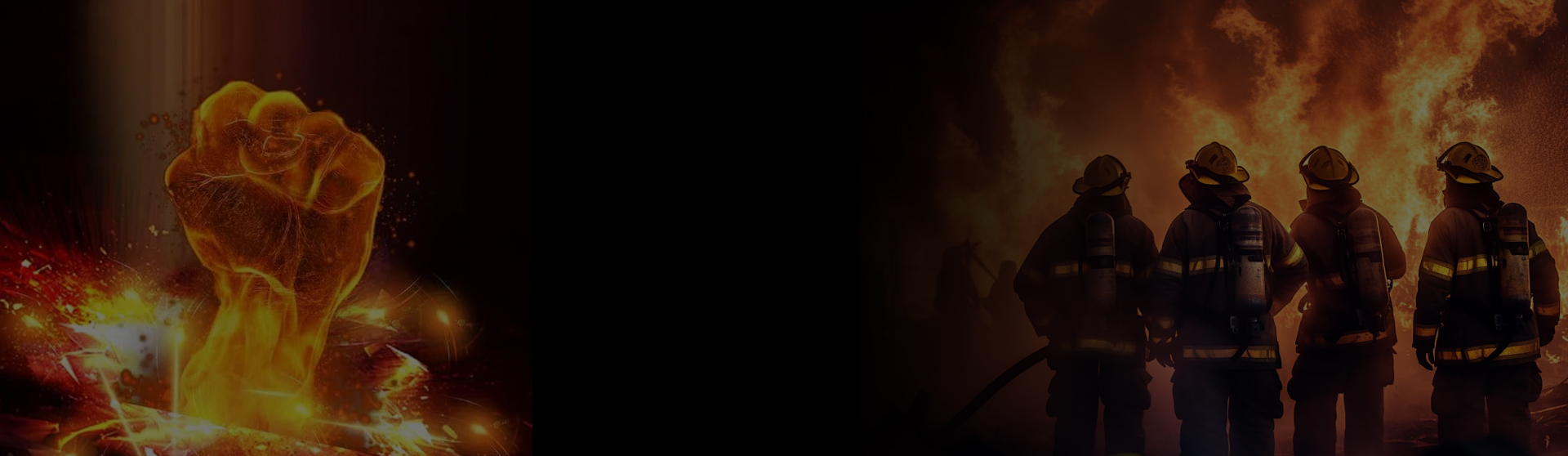

An arc protection suit is an engineering decision, not an inventory item. Its arc rating—the number in cal/cm² printed on the label—must be equal to or greater than the incident energy of the job, and the fabric must be tested to recognized standards such as ASTM F1959, NFPA 70E, or EN 61482. Get these fundamentals right, and the suit can reduce an arc flash event to survivable burns. Get them wrong, and the suit becomes a false promise.
To understand why, consider the physics of the hazard. An electric arc fault can produce core temperatures up to 35,000 °F (19,400 °C) and release intense radiant heat, pressure, and molten metal in milliseconds. A worker near the arc can absorb 4, 8, 25, or even 40 cal/cm² of incident energy—enough to ignite ordinary workwear and cause fatal burns. This guide explains what an arc protection suit does, how arc ratings work, what standards govern selection, and how fabric construction affects real-world performance.
Content
- 1 What Is an Arc Protection Suit and How Does It Work?
- 2 ATPV and EBT: The Arc Rating Numbers That Matter
- 3 NFPA 70E PPE Categories and Minimum Arc Ratings
- 4 Standards That Define Arc Protection Performance
- 5 How to Choose the Right Arc Protection Suit
- 6 Fabric Construction: How Arc Protection Layers Are Built
- 7 Maintenance, Inspection, and Replacement
- 8 Frequently Asked Questions About Arc Protection Suits
- 8.1 Q1. What does ATPV mean on an arc protection suit label?
- 8.2 Q2. What is the difference between flame resistant (FR) and arc-rated clothing?
- 8.3 Q3. What cal/cm² rating do I need for my electrical job?
- 8.4 Q4. Can cotton underwear be worn under an arc protection suit?
- 8.5 Q5. Which standards certify arc protection suits?
- 8.6 Q6. How often should an arc protection suit be replaced?
What Is an Arc Protection Suit and How Does It Work?
An arc protection suit is a set of arc-rated garments worn together—typically a coat and bib overall, or a one-piece coverall—accompanied by an arc-rated balaclava or hood, face shield, and gloves. Unlike ordinary flame-resistant (FR) clothing, which may self-extinguish but has no measured heat-blocking value, an arc-rated suit is tested specifically for electric arc exposure and labeled with a rating in cal/cm².
When exposed to an arc, the outer fabric does not melt, drip, or ignite and continue burning. Instead, it forms a stable char layer that reflects and absorbs a portion of the thermal energy. Multi-layer systems add an insulating air gap that further slows heat transfer to the skin. The complete ensemble usually includes:
- Arc-rated coat and trouser or coverall
- Arc-rated balaclava or full hood with transparent visor
- Rubber insulating gloves worn with leather protectors
- Arc-rated wristlets for high-energy tasks
- Hard hat and arc-rated face shield where head protection is required
The practical effect is simple: a properly rated suit turns an unpredictable hazard into a controlled outcome. The difference between arc-rated and flame-resistant clothing is covered in more detail in our article on arc protection flame retardant fabric.
NFPA 70E PPE Categories and Minimum Arc Ratings
NFPA 70E-2021 groups arc flash PPE into four categories to simplify selection when an incident energy analysis is not available. Each category specifies a minimum arc rating for the clothing system:
When an incident energy analysis is available, the suit must be rated above the calculated incident energy—for example, an 8 cal/cm² exposure requires a clothing system rated at least 8 cal/cm². Above 40 cal/cm², NFPA 70E treats the situation as beyond the protective range of PPE alone and requires de-energizing, remote racking, or other engineering controls.
| PPE Category | Minimum Arc Rating | Example clothing system |
|---|---|---|
| Category 1 | 4 cal/cm² | Long-sleeve FR shirt and FR pants |
| Category 2 | 8 cal/cm² | FR coverall, or FR shirt and FR pants |
| Category 3 | 25 cal/cm² | FR shirt and pants plus FR coverall, or double-layer system |
| Category 4 | 40 cal/cm² | Arc-rated jacket and bib overall over an FR base layer |
Standards That Define Arc Protection Performance
Arc-rated clothing is specified against a family of standards, depending on the region and the hazard. The table below summarizes the references most frequently cited in tenders and certification documents.
| Standard | Region | Scope | Key requirement / output |
|---|---|---|---|
| ASTM F1959/F1959M | United States | Arc rating test method for fabrics | ATPV or EBT in cal/cm² |
| NFPA 70E | United States | Electrical workplace safety | Clothing arc rating ≥ incident energy |
| EN 61482-1-2 | Europe | Arc protection clothing test | Box test, Class 1 / Class 2 |
| EN ISO 11612 | Europe | Heat and flame protective clothing | Limited flame spread and heat resistance |
| GB 8965.1 | China | Flame-retardant protective clothing | Thermal performance requirements |
For complete systems, ASTM F1891 (arc-rated rainwear) and NFPA 2112 (flash fire) may also apply when workers face combined hazards such as arc flash plus flash fire in oil and gas operations.
How to Choose the Right Arc Protection Suit
Start with the hazard, not the garment. The selection process should follow five steps:
- Determine incident energy. Use an arc flash risk assessment (IEEE 1584) to obtain the incident energy in cal/cm² at each panel and working distance.
- Select the PPE category. If no analysis is available, use the NFPA 70E table method and the applicable PPE category.
- Verify the arc rating. The clothing system rating (the lower of ATPV or EBT) must be greater than or equal to the incident energy.
- Check for dual hazards. Oil and gas sites commonly add flash fire protection (NFPA 2112); outdoor work may require high-visibility fabrics (ANSI 107); welding tasks introduce EN ISO 11611 requirements.
- Evaluate comfort and user acceptance. Weight, breathability, moisture management, and cut affect whether workers will wear the suit correctly all shift.
The fabric behind the suit determines most of these properties. 3H Safety Technology Co Limited is a functional fabric manufacturer based on flame retardancy, with the product brand "3H. Safeloya®". The company develops and produces arc-rated fabrics in aramid 3A, aramid blend, and modacrylic blend constructions, and adds functions such as antistatic, arc protection, molten metal splash protection, and three-proofing according to customer needs. Its materials are used across the petroleum, petrochemical, chemical, gas station, power, coal mining, steel, metallurgy, and mechanical processing industries. Related products have been tested by SGS (Switzerland), TÜV (Germany), ITS (United Kingdom) and the National Labor Protection Products Quality Supervision and Inspection Center, and meet EN ISO 11611, EN ISO 11612, EN ISO 1149, EN 469, EN 373, EN 61482-1, ASTM F1959, ASTM F1891, NFPA 70E, NFPA 2112, ANSI 107, GB 8965.1 and GB 12014. The company operates strict quality management, environmental compliance, and full product lifecycle traceability, giving customers documented, batch-traceable materials.
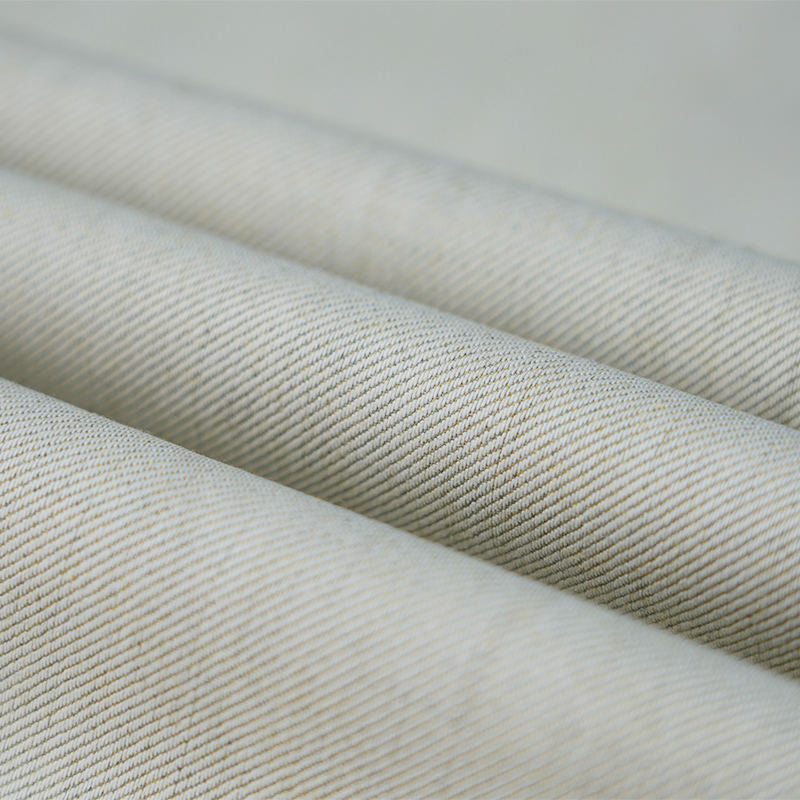
For suit manufacturers, a clean and consistent shell fabric is the starting point for garment certification. The PFAD22 twill electric arc protection fabric from 3H Safety is one such construction, offered as a proven base for downstream arc testing.
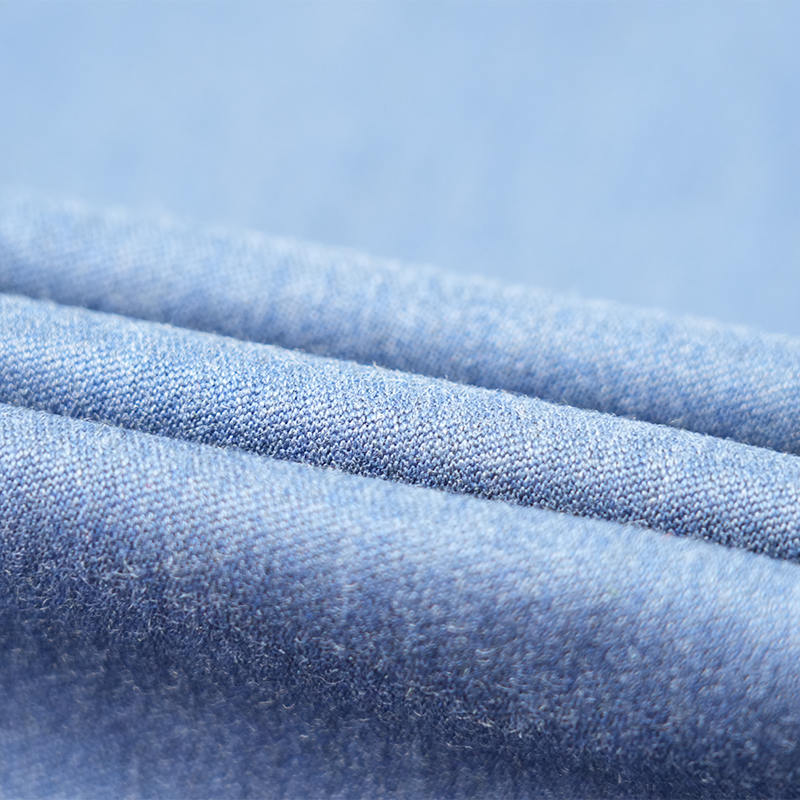 PFA-D22 Twill Electric Arc Protection FR FabricThis twill-woven fabric blends modacrylic, aramid, polyimide, and antistatic fibers to offer arc protection, flame retardancy, and antistatic safety. Available in customizable colors and weights from 180 to 300 gsm, it suits high-risk work in power, petrochemical, and metallurgy industries.View Product →
Fabric Construction: How Arc Protection Layers Are Built
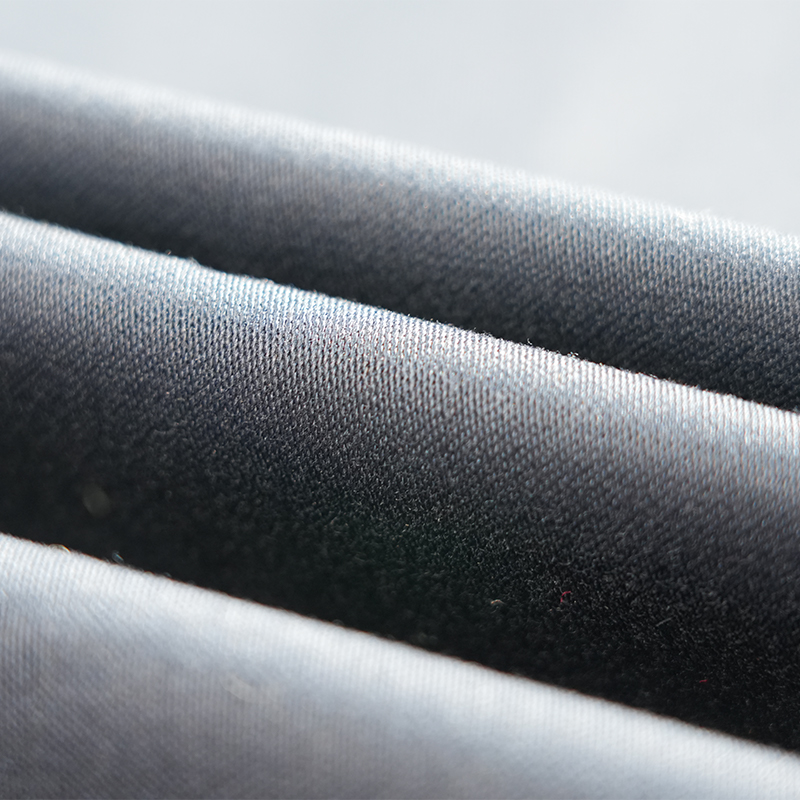
Arc-rated fabrics are engineered at the fiber, yarn, and weave levels. Meta-aramid, para-aramid, and modacrylic fibers are common because they carbonize instead of melting. Aramid blends with FR viscose and small amounts of antistatic fibers offer a good balance of arc performance, comfort, and washing durability; modacrylic blends provide a cost-effective alternative with strong char formation.
Single-layer fabrics are usually twill, ripstop, or sateen weaves with controlled weight—typically 200 to 400 g/m² depending on the target arc rating. Multi-layer systems sandwich a thermal liner between the outer shell and an inner layer of soft, FR-treated or aramid knit fabric. The trapped air is as important as the fibers themselves: every millimeter of air gap reduces transmitted heat. The diagram below shows the typical exploded structure of a multi-layer arc-rated fabric system.
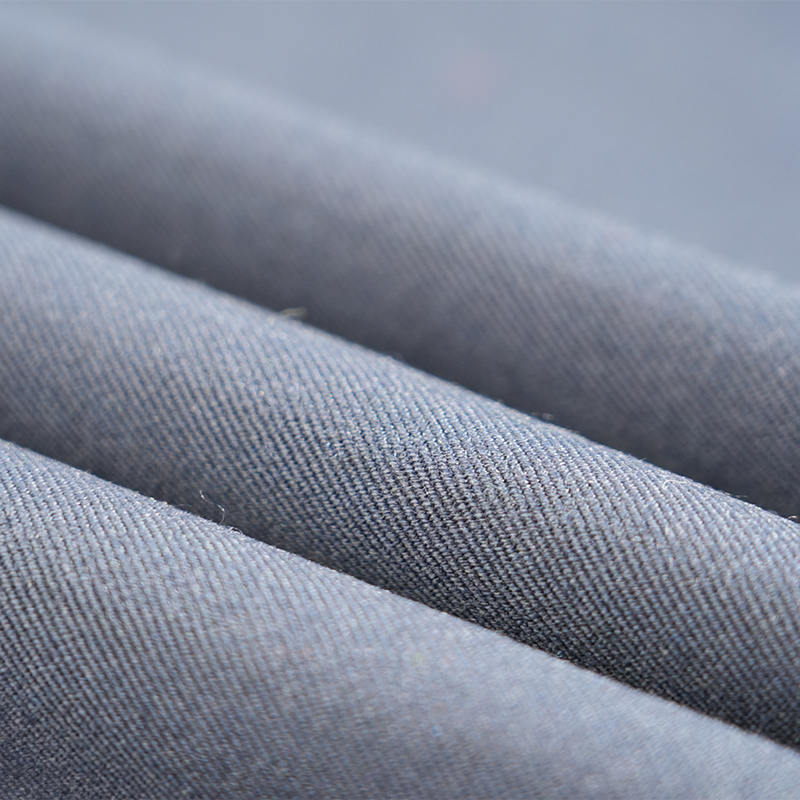
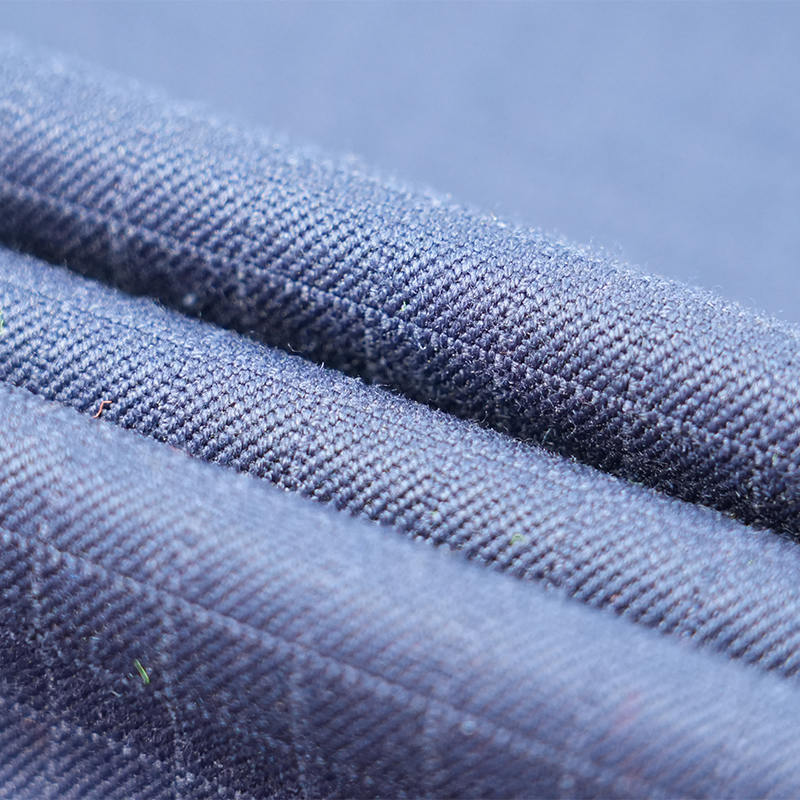
Among the constructions available from 3H Safety, the PFAD12 twill/plain/ripstop electric arc protection fabric and the QFU04A twill ripstop electric arc protection fabric are designed for different weight and wear requirements, and both are built for downstream certification to the standards listed above.
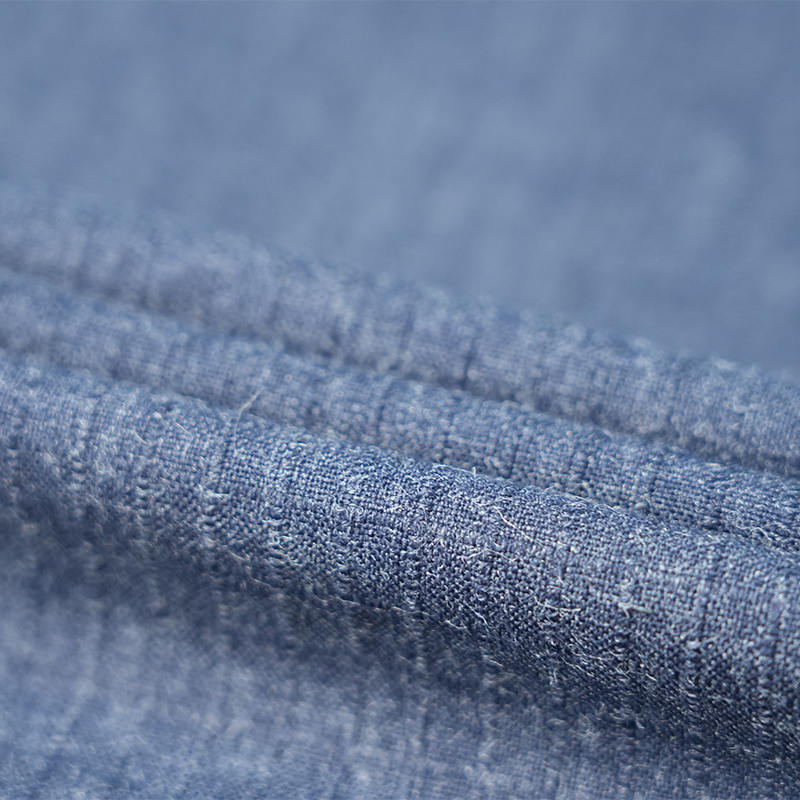 PFA-D12 Electric Arc Protection Fabric in Twill, Plain, or RipstopThis lightweight 150–220 gsm fabric meets both EN 61482-1-2 box test and EN 61482-1-1 open arc requirements. Its composite blend of modacrylic, cotton, polyacrylate, nylon, and antistatic fiber provides balanced protection, anti-drip performance, and comfort for certifiable arc-rated garments.View Product →
 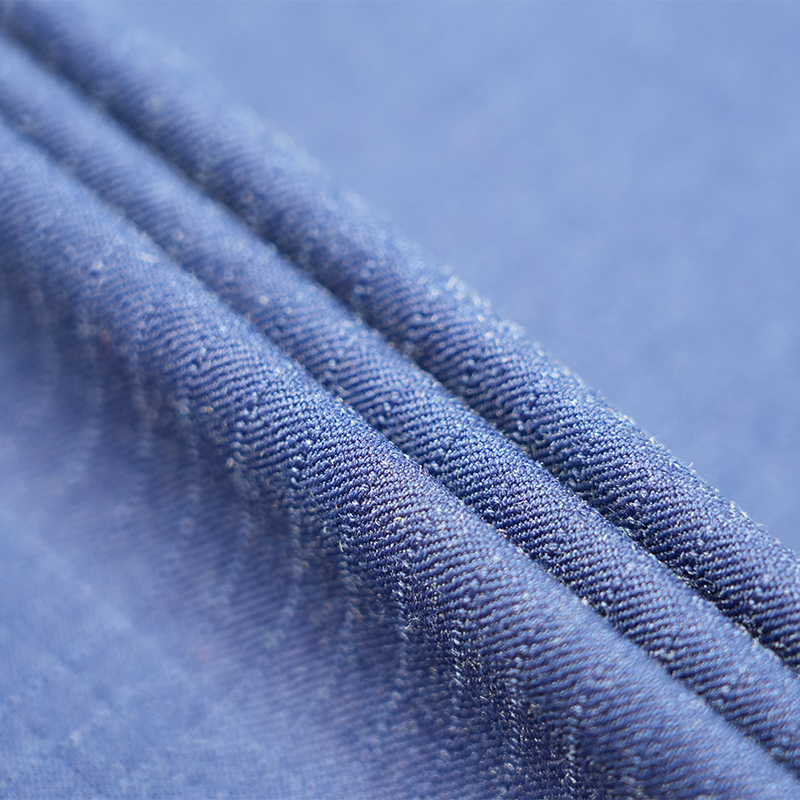 QFU-04A Twill Ripstop Electric Arc Protection FR FabricA heavier 250 gsm composite fabric with a twill weave and ripstop jacquard layer, combining aramid, polyimide, modacrylic, nylon, and antistatic fiber. It passes EN 61482-1-2 and EN 61482-1-1 standards and offers enhanced tear resistance and thermal protection for demanding electrical work.View Product →
Maintenance, Inspection, and Replacement
An arc protection suit only protects when it is in good condition and worn correctly. Follow the manufacturer's washing instructions; repeated industrial laundering can gradually reduce the arc rating. Inspect the suit before every use and remove it from service immediately if any of these defects appear:
- Charring, holes, tears, or broken threads
- Damaged zippers, snaps, or hook-and-loop closures
- Stiffness, discoloration, or shrinkage that affects fit
- Contamination by oil, grease, or flammable residues
NFPA 70E also prohibits flammable underlayers such as polyester or nylon beneath arc-rated outerwear unless the underlayer itself is arc-rated or made entirely of natural fibers. Keep the original test reports and batch certificates for traceability—this is where a manufacturer with full lifecycle documentation, such as 3H Safety, makes compliance easier for the end user.
Frequently Asked Questions About Arc Protection Suits
Q1. What does ATPV mean on an arc protection suit label?
ATPV stands for Arc Thermal Performance Value. It is the incident energy in cal/cm² at which a fabric is predicted to produce a 50% chance of a second-degree burn, measured per ASTM F1959. The higher the ATPV, the more energy the suit is expected to block.
Q2. What is the difference between flame resistant (FR) and arc-rated clothing?
Flame-resistant clothing resists ignition and self-extinguishes, but it is not necessarily tested against electric arcs. Arc-rated clothing is tested per ASTM F1959 or IEC 61482 and carries a cal/cm² rating. NFPA 70E requires arc-rated clothing for electrical work, not just FR clothing.
Q3. What cal/cm² rating do I need for my electrical job?
The suit rating must equal or exceed the incident energy on the equipment label from your arc flash risk assessment (IEEE 1584). Without a study, use the NFPA 70E table method: PPE Category 2 requires at least 8 cal/cm², while Category 4 requires at least 40 cal/cm².
Q4. Can cotton underwear be worn under an arc protection suit?
NFPA 70E requires that the layer closest to the skin be arc-rated or made of natural fiber such as cotton or wool unless the outer layer is arc-rated. Melting synthetics like polyester or nylon undergarments must never be worn, because they can melt into the skin and worsen burn injuries.
Q5. Which standards certify arc protection suits?
Key references are ASTM F1959 (arc rating test), NFPA 70E and ASTM F1891 (US requirements), IEC 61482 (international test methods), and EN ISO 11612 or GB 8965.1 for heat-and-flame performance. Always request independent test reports from accredited labs such as SGS, TÜV, ITS, or national quality centers.
Q6. How often should an arc protection suit be replaced?
There is no universal calendar life. Inspect the suit before every use; replace it if you find charring, holes, broken threads, damaged zippers, stiffness, or loss of colorfastness. Follow the manufacturer's laundering instructions, because improper washing or industrial washing beyond the tested limits can reduce the arc rating.