 EN
EN 中文简体
中文简体 English
 русский
 Español
 Português
 عربى
عربى

A well-control event does not announce itself. On drilling and well servicing locations, a gas kick can reach an ignition source in seconds and produce a flash fire that lasts one to three seconds — long enough to change everything. NIOSH data shows that workers in oil and gas extraction are fatally injured at a rate roughly seven times higher than the U.S. all-worker average. In many of those incidents, flame resistant clothing is the only barrier between the worker and severe burn injury.
Flame resistant (FR) clothing is engineered to self-extinguish, resist thermal shrinkage, and reduce burn injury when a flash fire, electric arc, or molten metal splash occurs. OSHA has cited oil and gas operators when FR clothing was not supplied despite known flash fire hazards, and the Bureau of Land Management requires flame resistant clothing to cover both the upper and lower body during drilling, well servicing, and production operations, with the outermost layer always flame resistant.
For EHS managers, procurement teams, and workwear distributors, the practical consequence is clear: every FR clothing purchase for oil and gas operations is a risk decision written in fabric. The rest of this guide explains which standards, fabric technologies, and purchasing criteria separate a genuinely protective garment from one that only looks the part.
Content
- 1 Why Regular Workwear Fails and FR Clothing Does Not
- 2 FR Standards: The Minimums That Matter in Oil and Gas
- 3 Choosing the Right FR Fabric for Oil and Gas Environments
- 4 How a Multi-Functional FR Fabric Is Engineered
- 5 A Fabric Manufacturer You Can Audit
- 6 Procurement Checklist for Oil and Gas FR Clothing
- 7 FAQ: FR Clothing for Oil and Gas
- 7.0.1 What does flame resistant clothing actually do?
- 7.0.2 Is FR clothing required by OSHA for oil and gas workers?
- 7.0.3 What is a safe ATPV rating for oil and gas FR garments?
- 7.0.4 Does FR fabric prevent static electricity?
- 7.0.5 Can FR clothing be washed at home?
- 7.0.6 How do I know if an FR garment is still protective?
Why Regular Workwear Fails and FR Clothing Does Not
The main threat in an oil and gas flash fire is not the fireball itself — it is what the garment does when it ignites or melts. In a flash fire, heat flux can exceed 84 kW/m² and gas temperatures can exceed 1,000°C (1,800°F). Thermoplastic fibers such as untreated polyester and polypropylene melt, drip, and fuse onto skin. Cotton, while non-melting, can ignite and keep burning after the exposure ends. FR fabrics behave differently: they self-extinguish when the ignition source is removed and form an insulating char barrier that slows heat transfer, giving the wearer precious seconds to escape.
Three ways ordinary workwear becomes a hazard
- Melt-and-drip behavior of synthetic blends tightens on the skin and increases burn depth.
- Continued burning after the flash turns the garment into an additional fuel source.
- Thermal shrinkage restricts movement and slows evacuation during an emergency.
The practical takeaway for site operators: if the risk assessment identifies flash fire, arc flash, or combustible gas exposure, the baseline clothing requirement should be FR, not ordinary coveralls.
FR Standards: The Minimums That Matter in Oil and Gas
Certification is the only honest shortcut in FR purchasing. A fabric can look and feel identical whether it is flame resistant or not, so performance is verified by standardized tests performed by accredited laboratories. The following standards are the most commonly referenced in oil and gas tenders.
| Standard | Hazard covered | Key requirement to check |
|---|---|---|
| NFPA 2112 | Industrial flash fire | Self-extinguishing; predicted body burn no more than 50% in the ASTM F1930 manikin test; thermal shrinkage no more than 10% |
| NFPA 70E | Electrical arc flash | Minimum arc rating per PPE category: HRC 1 = 4 cal/cm², HRC 2 = 8, HRC 3 = 25, HRC 4 = 40 |
| ASTM F1959 | Arc rating test method | ATPV or EBT value in cal/cm² must be reported on garment labels |
| EN ISO 11612 | Heat and flame protection | Limited flame spread plus defined performance levels for radiant and convective heat |
| EN ISO 11611 | Welding and allied processes | Resistance to small molten metal splashes and limited flame spread |
| ANSI/ISEA 107 | High-visibility clothing | For FR hivis garments, FR performance and visibility treatment must be verified on the same fabric |
For oil and gas locations in North America, NFPA 2112 is the dominant flash fire benchmark, while EN ISO 11612 is widely referenced in Europe, the Middle East, and Asia. Electrical work adds NFPA 70E and IEC 61482 to the picture.
Fig. 1 — Minimum arc ratings required by NFPA 70E for each PPE category. The jump from HRC 3 to HRC 4 is why fabric selection and garment layering must be decided together.
Choosing the Right FR Fabric for Oil and Gas Environments
FR performance starts at the fiber level. Three fabric families dominate oil and gas FR programs, and the right choice depends on the hazard profile, local climate, expected garment life, and cost targets.
Aramid blended fabrics
Aramid blended fabrics are the workhorses of the midstream and downstream segments. They balance heat protection with mechanical durability and are available in twill or ripstop constructions in weights from 200 to 320 g/m². When antistatic fiber is included, the fabric also satisfies EN ISO 1149-5 and GB 12014 requirements for classified hazardous areas.
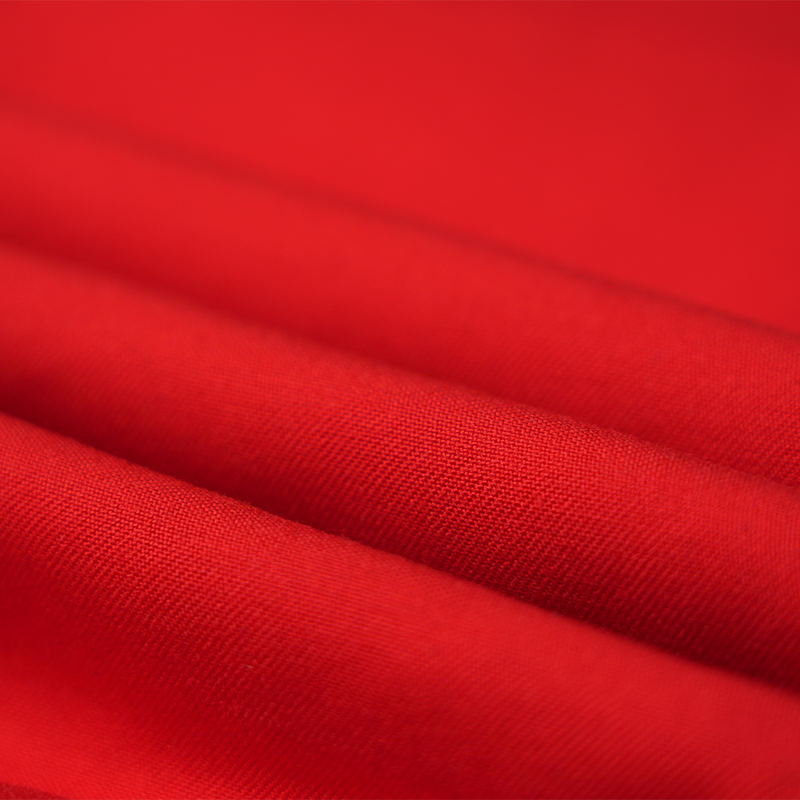
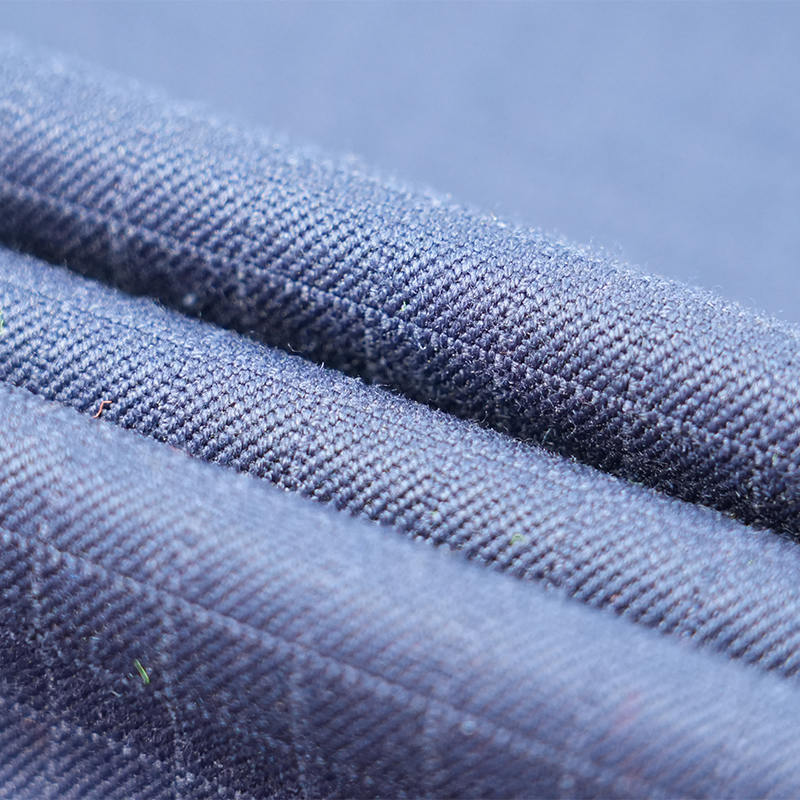
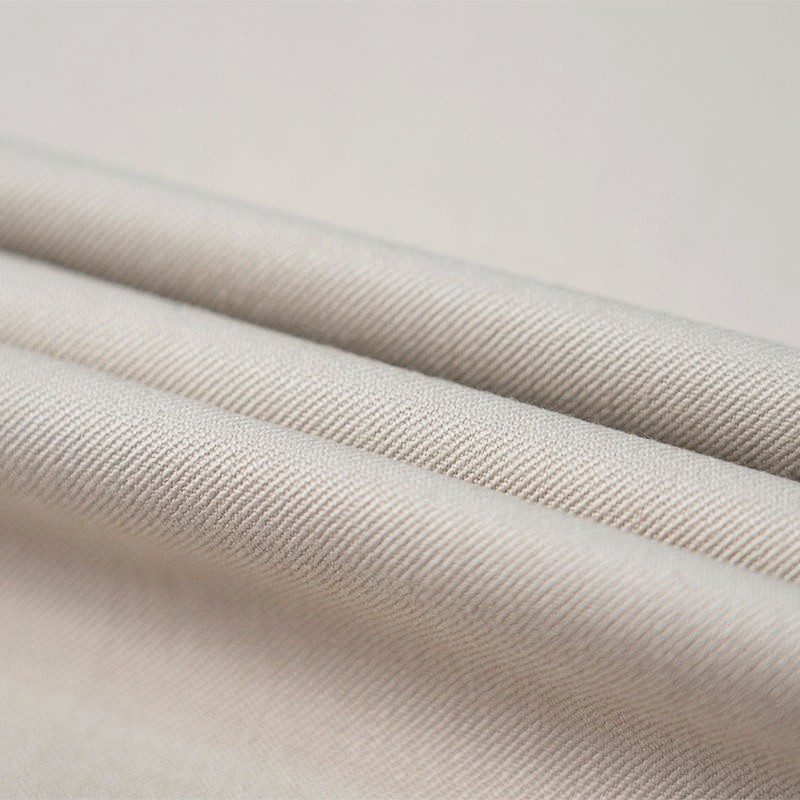 Aramid Blended FR Fabric with Antistatic Properties for Petrochemical UseThis flame-retardant fabric blends aramid fibers with an antistatic component, offering permanent FR protection and comfort. It meets GB standards and suits harsh high-temperature upstream environments where flash fire risk is high, making it a strong choice for protective workwear.View Product →
Aramid IIIA fabrics
Aramid IIIA blends add para-aramid reinforcement and an antistatic component to a meta-aramid matrix. The result is very high tensile strength, low thermal shrinkage, and a high arc rating per unit weight. For upstream sites where flash fire is the dominant scenario, this family is a strong first choice.
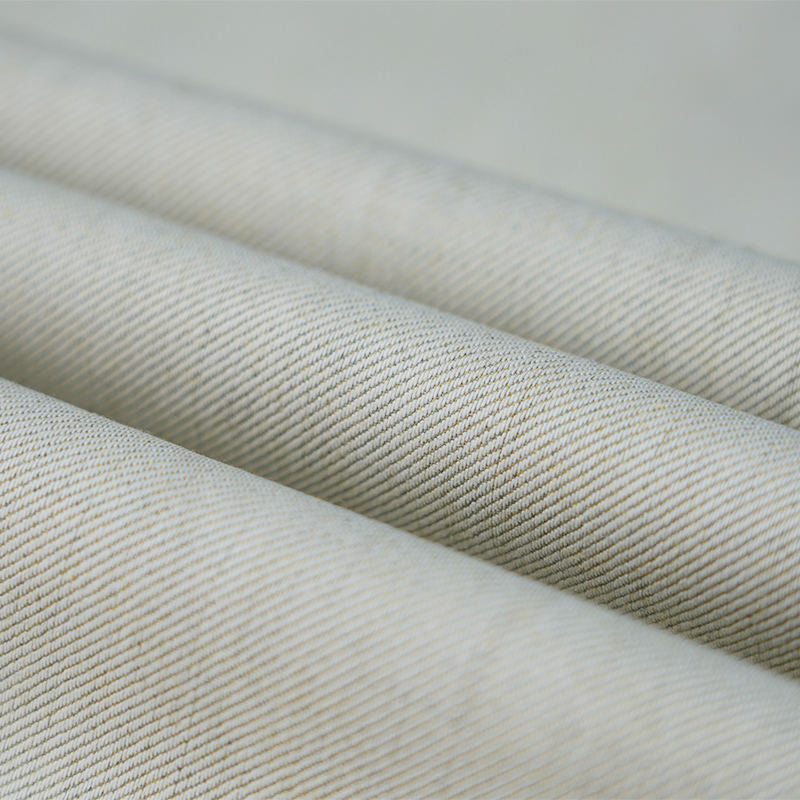
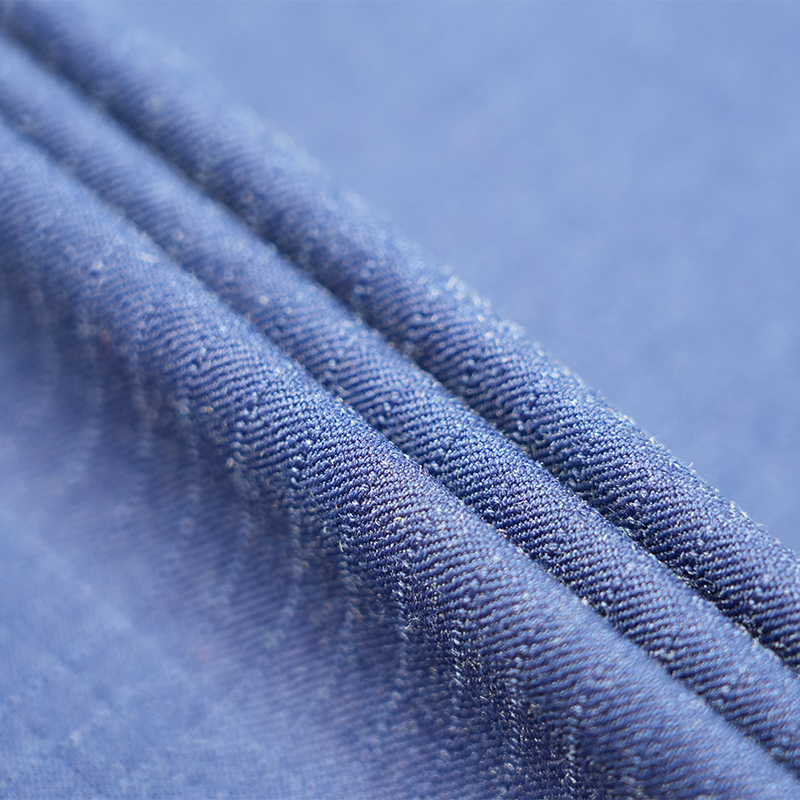
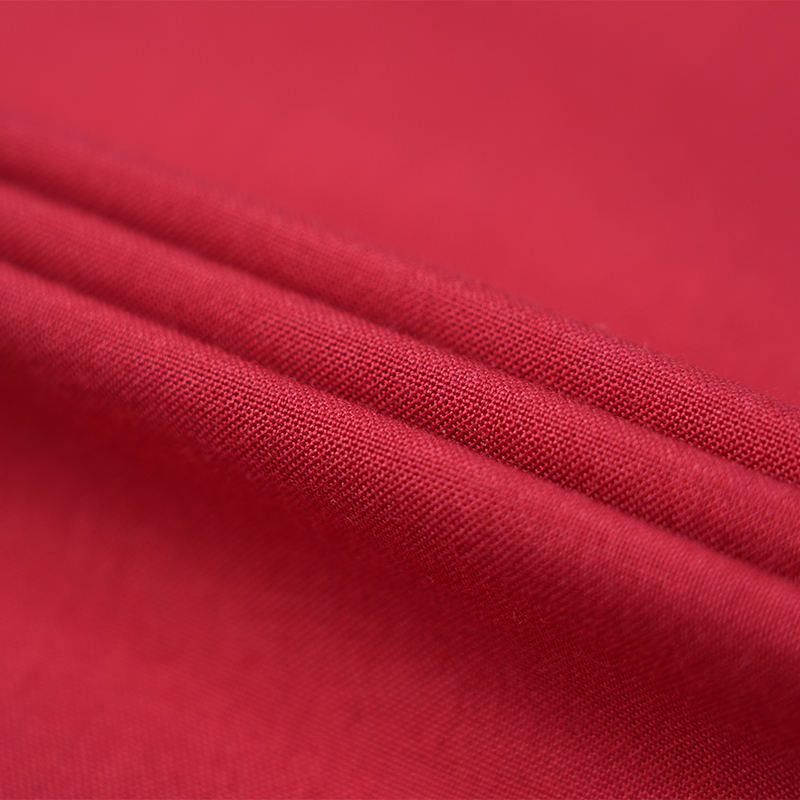 Aramid IIIA FR Fabric with Para-Aramid Reinforcement and Antistatic FiberCombining meta-aramid, para-aramid, and carbon fiber, this fabric provides high tensile strength, low thermal shrinkage, and effective static dissipation. Ideal for oil and gas upstream sites facing flash fires, it delivers durable, permanent flame retardancy suited to demanding operations.View Product →
Modacrylic blended fabrics
Modacrylic blends are common in lighter-weight FR clothing and FR high-visibility garments. They behave well under repeated laundering, hold color yield, and their non-melting behavior suits arc flash programs. Many suppliers add moisture management finishes to reduce heat stress outdoors in summer.
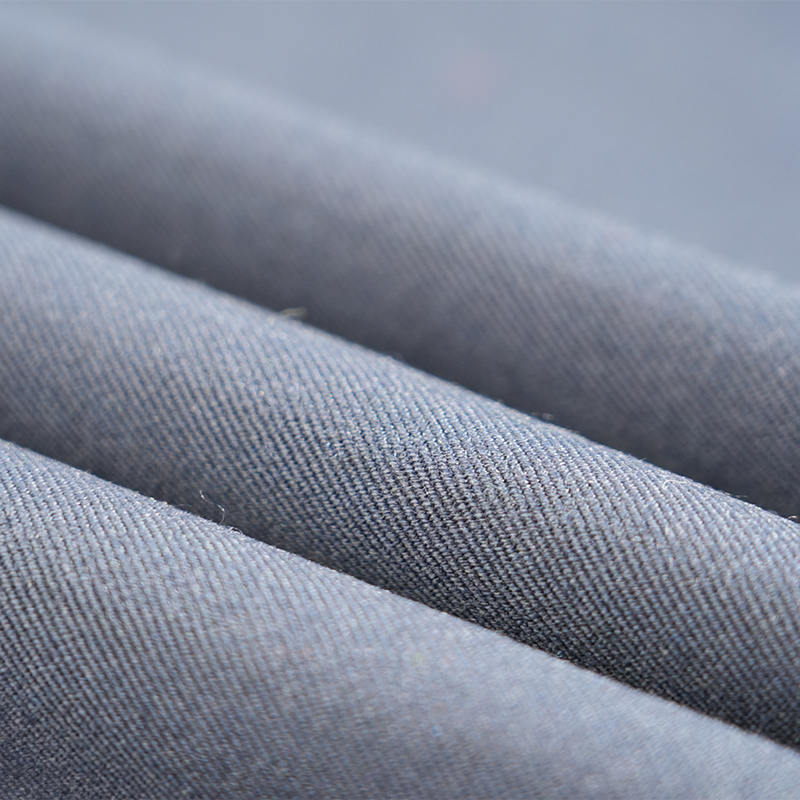
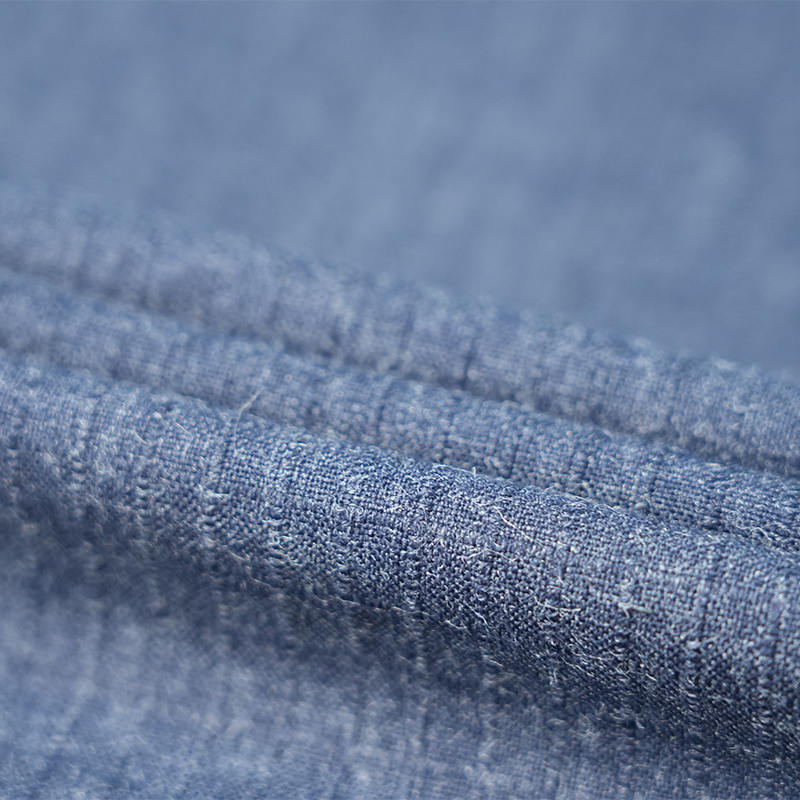
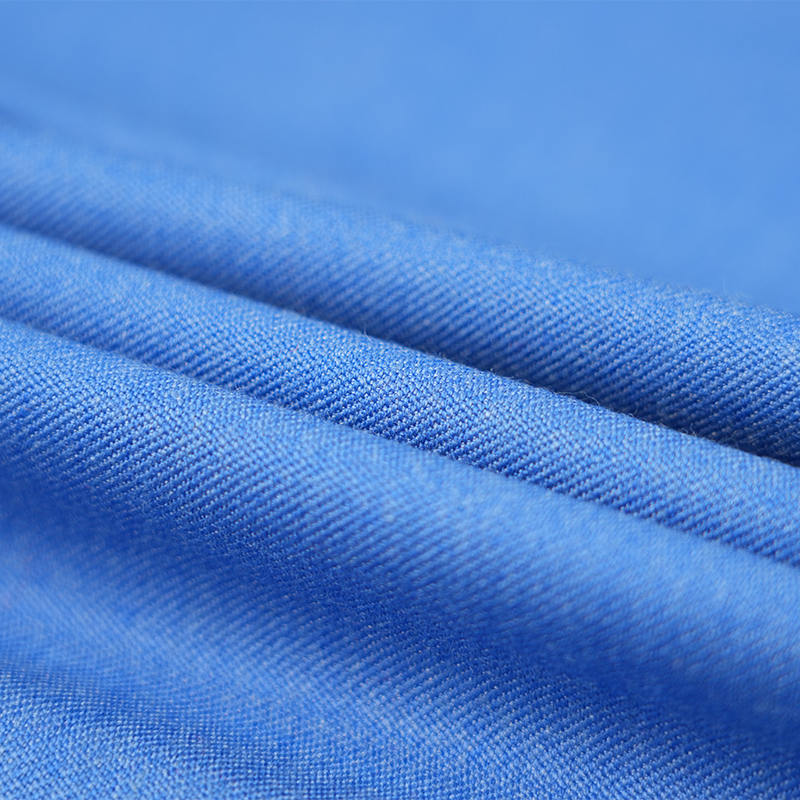
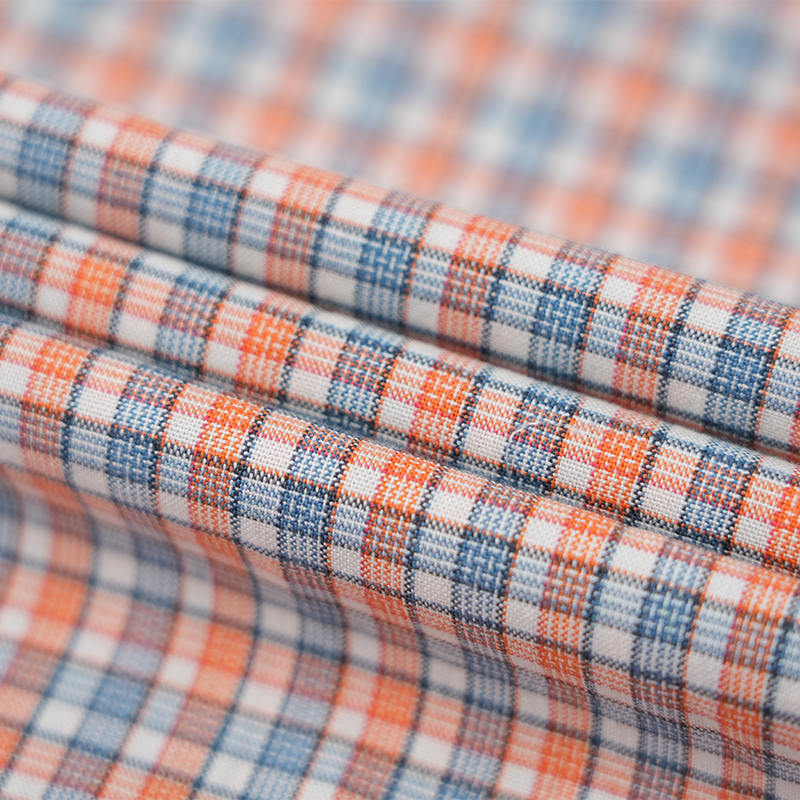 Modacrylic Blended FR Fabric with Anti-Static and Moisture ManagementThis modacrylic blend offers reliable flame retardancy, anti-static protection, and comfort for workwear in power and oil industries. It resists heat transfer, maintains color fastness, and wicks moisture, making it suitable for arc flash programs and extended outdoor wear.View Product →
Fig. 2 — General trade-off between Aramid IIIA and modacrylic blends across five selection criteria. Ratings reflect typical product profiles, not a specific certified value.
No single fabric family wins on every criterion. Aramid IIIA tends to lead on protection and durability; modacrylic blends lead on comfort and upfront cost. The site risk assessment should define which axis matters most.
If you want to understand how the char barrier forms on a fiber level, read our technical article on how FR fabric for oil and gas protection builds a reliable thermal protection barrier.
How a Multi-Functional FR Fabric Is Engineered
A complete FR garment system for oil and gas can combine up to three layers — outer FR shell, thermal barrier, and comfort lining. Each layer must itself meet the relevant FR requirements, because wearing one non-FR layer underneath negates the protection of the outer garment. The diagram below shows a typical construction: the outer shell resists flame spread and abrasion; the middle layer blocks convective and radiant heat; the inner layer manages moisture and wearer comfort.
Fig. 3 — Simplified layered construction of a multi-functional FR garment system for oil and gas. Layer composition varies by standard and climate.
Beyond flame resistance, oil and gas buyers increasingly request multifunctional fabrics: antistatic performance for hazardous area compliance, arc flash ratings for electrical tasks, high-visibility coloring for proximity to vehicles and machinery, and durable water, oil, and stain repellent finishes. These functions are added at the fiber blend and finishing stage, which is why working with a fabric manufacturer rather than only a garment seller gives more control over the final specification.
A Fabric Manufacturer You Can Audit
3H Safety Technology Co Limited is a customized flame retardant fabrics manufacturer based in Nantong, China, with the product brand 3H.Safeloya®. The company focuses on FR fabric research, development, and production, and adds antistatic, arc flash protection, molten metal splash protection, and three-proofing (water, oil, stain) functions according to customer needs. Its fabrics are used across petroleum, petrochemical, chemical, gas station, power, coal mining, steel, metallurgy, and machining industries. Products have been tested by SGS (Switzerland), TÜV (Germany), ITS (UK), and the National Labor Protection Products Quality Supervision and Inspection Center, and meet EN ISO 11611, EN ISO 11612, EN ISO 1149, EN 469, EN 373, EN 61482-1, ASTM F1959, ASTM F1891, NFPA 70E, NFPA 2112, ANSI 107, GB 8965.1, and GB 12014. The company enforces full lifecycle traceability and strict quality management, so customers can audit performance from fiber to finished fabric.
Procurement Checklist for Oil and Gas FR Clothing
Use the following checklist when evaluating FR fabric and garments for oil and gas tenders:
- Confirm the site hazard — flash fire, arc flash, welding splash, or a combination.
- Review the test certificate — look for accredited laboratory results, not only marketing claims.
- Specify the standard set — NFPA 2112, NFPA 70E, EN ISO 11612, or local GB standards.
- Check the arc rating on the label — ATPV or EBT in cal/cm² must match the site hazard category.
- Verify antistatic fiber — required for classified hazardous areas (EN ISO 1149, GB 12014).
- Plan for layering — every layer worn must be FR, and all layers must be compatible.
- Estimate lifecycle cost — fabric weight, abrasion resistance, and laundering stability determine replacement intervals.
- Ask for batch traceability — fabric rolls must be traceable from finishing to final garment.
These points apply whether you buy finished FR coveralls or commission custom FR fabric for your own garment line. In both cases, the fabric is the part you cannot see but must trust.
FAQ: FR Clothing for Oil and Gas
What does flame resistant clothing actually do?
FR clothing self-extinguishes when the ignition source is removed and forms an insulating char layer that reduces heat transfer, giving the wearer critical time to evacuate.
Is FR clothing required by OSHA for oil and gas workers?
OSHA requires protection where a flash fire hazard exists, and has issued citations in the oil and gas sector when flame resistant clothing was not provided.
What is a safe ATPV rating for oil and gas FR garments?
NFPA 70E sets minimum arc ratings from 4 cal/cm² (HRC 1) to 40 cal/cm² (HRC 4); for flash fire, garments should also pass the NFPA 2112 full-system test.
Does FR fabric prevent static electricity?
Not by itself. Antistatic fibers must be blended into the fabric during construction to meet standards such as EN ISO 1149 and GB 12014.
Can FR clothing be washed at home?
Follow the manufacturer's care instructions; industrial laundering with low-sudsing detergent and no chlorine bleach normally preserves FR performance longest.
How do I know if an FR garment is still protective?
Inspect for damage, excessive soiling, and label readability before each use, and retire the garment when the original certification labeling is no longer legible.