 EN
EN 中文简体
中文简体 English
 русский
 Español
 Português
 عربى
عربى


If you specify protective clothing for workers in oil, gas, electrical, or welding environments, you have certainly encountered the terms "fire retardant" and "fire resistant" — and likely wondered whether they mean the same thing. The short answer is no, and the difference matters for safety, compliance, and cost. Fire-resistant materials offer inherent, permanent protection because the fiber itself does not readily burn. Fire-retardant materials are treated with chemicals that slow ignition and flame spread. This article explains how to distinguish them, which standards apply, and how to choose the right solution for your industry.
Content
- 1 What Does Fire Resistant Mean?
- 2 What Does Fire Retardant Mean?
- 3 Fire Retardant vs Fire Resistant: Practical Selection for Protective Clothing
- 4 Industry Standards and Certifications
- 5 Frequently Asked Questions
- 5.1 Q1: What is the difference between flame retardant and flame resistant workers?
- 5.2 Q2: Are fire retardant fabrics safe for repeated use in high heat?
- 5.3 Q3: What standard covers arc flash protection for electrical workers?
- 5.4 Q4: Can I wash fire retardant clothing with regular detergent?
- 5.5 Q5: Is fire retardant fabric more expensive than normal workwear?
- 5.6 Q6: How do I know which type I need for my industry?
- 6 Conclusion
What Does Fire Resistant Mean?
Fire-resistant fabrics are manufactured from fibers that are inherently difficult to ignite. Aramid (e.g., Nomex, Kevlar), modacrylic, and polyimide are common examples. These fibers maintain their structure under high heat and do not melt or drip. The protection is built into the molecular chain of the polymer, meaning it will not wash out, wear off, or degrade over time. Fire-resistant materials are the preferred choice for applications where long-term durability and consistent protection are critical, such as electric arc flash protection for utility workers or firefighter turnout gear.
| Property | Fire Resistant (Inherent) | Fire Retardant (Treated) |
|---|---|---|
| Protection origin | Inside the fiber | Chemical coating or additive |
| Wash durability | Permanent (exceeds 100 washes) | May diminish after repeated laundering |
| Typical LOI (Limiting Oxygen Index) | 28–32% | 22–26% |
| Cost per yard | Higher | Lower |
| Common fibers | Aramid, modacrylic, polyimide | Cotton, rayon, polyester (with FR finish) |
What Does Fire Retardant Mean?
Fire-retardant fabrics start with fibers that are normally flammable (cotton, polyester, rayon) and are later treated with chemical compounds that inhibit ignition. These treatments work through endothermic degradation (releasing water vapor), thermal shielding (forming a char layer), or gas-phase dilution. The primary advantage of fire-retardant fabrics is cost: they are significantly less expensive than inherently fire-resistant materials, making them suitable for single-use or limited-life garments, such as temporary welding blankets or low-frequency exposure coveralls. However, the protection can degrade over time due to repeated washing, exposure to UV light, or abrasion. Many flame-retardant chemicals also raise environmental and health concerns, leading to stricter regulations in some markets.
How Flame Retardant Treatments Work
- Endothermic decomposition: Chemicals like aluminum trihydrate release water when heated, cooling the material.
- Char formation: Phosphorus-based compounds create a carbonaceous layer that insulates the fiber from heat and oxygen.
- Radical quenching: Halogenated compounds (now largely restricted) interrupt the combustion chain reaction in the gas phase.
The European standard EN ISO 11612 (protective clothing against heat and flame) classifies fabrics based on limited flame spread, convective heat transfer, and radiant heat performance. Both inherently fire-resistant and treated fire-retardant fabrics can meet this standard, but the durability and consistency of performance differ.
Fire Retardant vs Fire Resistant: Practical Selection for Protective Clothing
The choice between fire retardant and fire resistant directly affects worker safety, compliance, and total cost of ownership. Here are the key decision factors:
- Exposure frequency and duration: For workers who face thermal hazards daily (e.g., electrical utility workers, firefighters), inherent fire-resistant fabrics provide reliable protection that will not fade. For occasional tasks (e.g., maintenance welding once a month), treated fire-retardant fabrics may be cost-effective.
- Laundry and maintenance regime: If garments are industrially laundered weekly, fire-retardant finishes may lose effectiveness after 25–50 cycles. Inherent fabrics maintain performance for 100+ washes.
- Combined hazards: Many industries require multi-functional textiles. For example, a worker in a petrochemical refinery may need both arc flash protection (ASTM F1959) and flash fire protection (NFPA 2112). Inherent fabrics can integrate anti-static and arc-proof properties without compromising the base protection.
- Regulatory and certification requirements: Some standards explicitly require inherently flame-resistant materials. For instance, NFPA 70E for electrical safety recommends AR (arc rated) clothing; many AR fabrics are inherently fire resistant. For oil and gas, NFPA 2112 allows both types, but durability is often evaluated.
3H Safety Technology Co Limited is a functional fabric manufacturer based on flame retardancy, with the company's product brand "3H. Safeloya" ®". The company is committed to product research and development and fabric production, and adds multiple functions such as anti-static, arc proof, metal splash proof, and three proofing according to customer needs. The product is widely used in various industries such as petroleum, petrochemical, chemical, gas station, power, coal mining, steel, metallurgy, and mechanical processing. The related products have been tested by authoritative testing institutions such as SGS in Switzerland, TUV in Germany, ITS in the UK, and the National Labor Protection Products Quality Supervision and Inspection Center, and have meet the requirements of domestic and international standards, including EN ISO 11611, EN ISO 11612, EN ISO 1149, EN 469, EN 373, EN 61482-1, ASTM F1959, ASTM F1891, NFPA 70E, NFPA 2112, ANSI 107, GB 8965.1, and GB 12014. The company strictly requires comprehensive quality management, fully implements product lifecycle traceability in accordance with national regulations, achieves excellent product quality, environmental protection, and reliable hygiene, allowing customers and users to rest assured.
For example, in the oil & gas protection category, 3H offers aramid blended FR fabrics that combine inherent flame resistance with anti-static properties for high-risk environments. For electrical workers, the 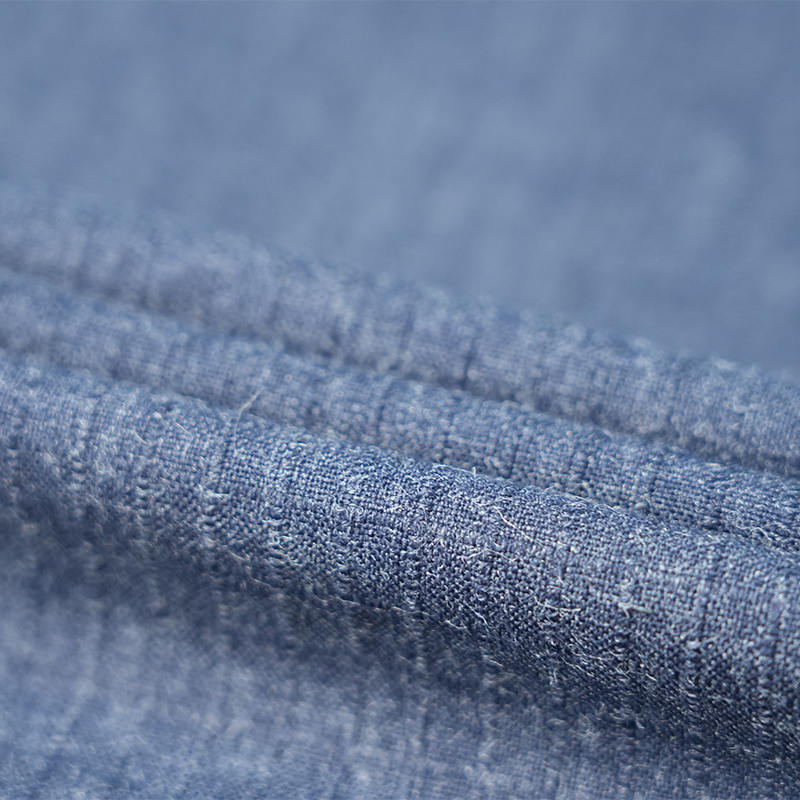 PFA-D12 Twill/Plain/Ripstop Electric Arc Protection FabricThis fabric offers dual EN arc certification and arc ratings up to 25 cal/cm², making it essential for electrical workers needing certified protection against arc flash hazards. Its composite flame retardant system with anti-static fibers ensures reliable performance.View Product → series (PFAD12) delivers arc ratings up to 25 cal/cm² and is certified to ASTM F1959. Meanwhile, for welding operations, the
 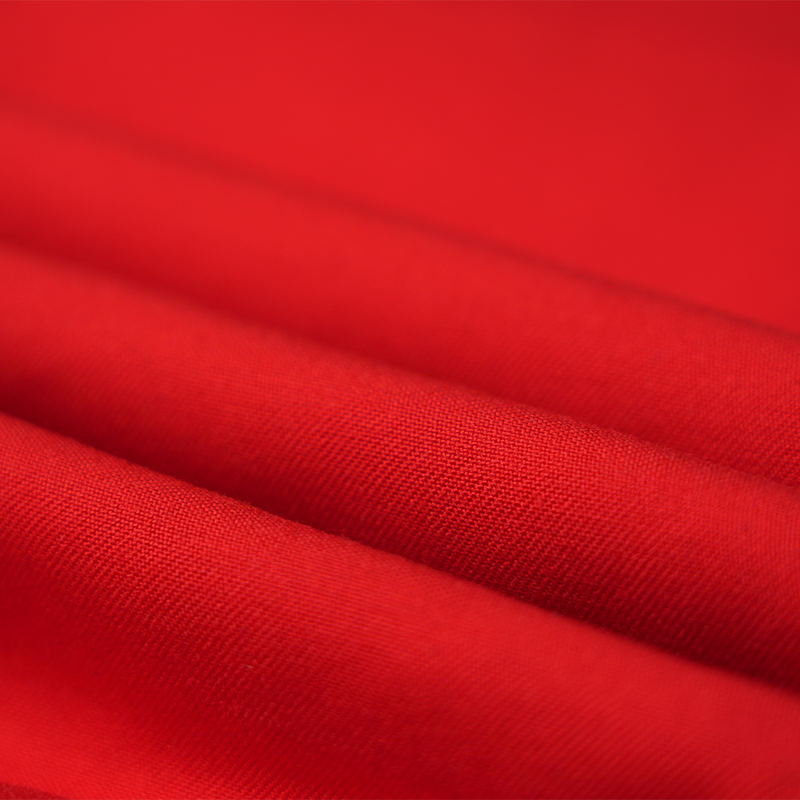 AMT-T03 High Performance FR Welding Protective FabricDesigned for welding operations, this fabric meets EN ISO 11611 and EN 11612 standards. It provides permanent flame retardancy, high temperature resistance, self-extinguishing properties, and comfort with breathability, ideal for harsh conditions.View Product → provides metal splash protection meeting EN ISO 11611.
Industry Standards and Certifications
Understanding which standard applies to your industry is essential to selecting between fire retardant and fire resistant textiles. Below is a quick reference of major standards and the type of fabric each normally requires.
| Standard | Scope | Common Fabric Type |
|---|---|---|
| EN ISO 11611 | Welding and allied processes | Fire retardant or fire resistant |
| EN ISO 11612 | Protection against heat and flame | Both |
| EN 61482-1 / ASTM F1959 | Electric arc protection | Usually fire resistant (inherent) |
| NFPA 704E | Electrical safety in the workplace | Arc-rated, often fire resistant |
| NFPA 2112 | Industrial flash fire | Both, but durability matters |
| EN 1149 / GB 12014 | Anti-static | Added function on either type |
When a fabric is labeled as "flame retardant" but not "flame resistant," check whether the finish is durable to the expected number of washes. Many fabric suppliers provide a "durability statement" based on ISO 6330 laundering methods.
Frequently Asked Questions
Q1: What is the difference between flame retardant and flame resistant workers?
Flame resistant (FR) fabrics are inherently non-ignitable; flame retardant fabrics are chemically treated to slow fire. The former lasts the garment's life; the latter may degrade with washing.
Q2: Are fire retardant fabrics safe for repeated use in high heat?
For repeated high-heat exposure, inherently fire resistant fabrics are safer because their protection does not wash out. Fire retardant finishes can break down under extreme or repeated thermal stress.
Q3: What standard covers arc flash protection for electrical workers?
The main standards are ASTM F1959 (fabric arc rating) and NFPA 70E (safety requirements). Most compliant fabrics are inherently fire resistant aramid blends with arc ratings from 4 to 40 cal/cm².
Q4: Can I wash fire retardant clothing with regular detergent?
Yes, but avoid fabric softeners and bleach. Many fire retardant finishes survive 25–50 washes if washed correctly. Inherent FR fabrics can be washed over 100 times with no loss of protection.
Q5: Is fire retardant fabric more expensive than normal workwear?
Fire retardant workwear costs 2–5 times more than untreated workwear, but it is generally cheaper than inherently fire resistant options. For long-term use, FR treated may require more frequent replacement.
Q6: How do I know which type I need for my industry?
Check your risk assessment: daily exposure to arc/flash fires? Choose inherent FR. Occasional welding or low-frequency heat? Treated FR may be adequate. Refer to standards NFPA 704E, NFPA 2112, or EN 11612 for guidance.
Conclusion
Choosing between fire retardant and fire resistant materials is not a technical nuance — it is a safety decision with real consequences. Fire resistant fabrics offer inherent, permanent protection ideal for high-frequency, high-risk work environments. Fire retardant fabrics provide a cost-effective solution for lower exposure scenarios, provided the finish is maintained. Manufacturers like 3H Safety Technology Co Limited offer both categories, with certified products spanning EN, ASTM, and NFPA standards, enabling safety managers to match the fabric to the hazard without compromise. Always verify the durability of the finish and the validity of the certification before making your selection.