 EN
 中文简体
 English
 русский
 Español
 Português
 عربى


Hold a match under untreated cotton canvas and the fabric keeps glowing long after the flame is gone. That behaviour, sustained afterglow followed by a slow hot burn, is the reason flame retardant cotton exists, and the reason two quotations for the same "FR cotton" can differ by a factor of three while both samples look identical on a hanger.
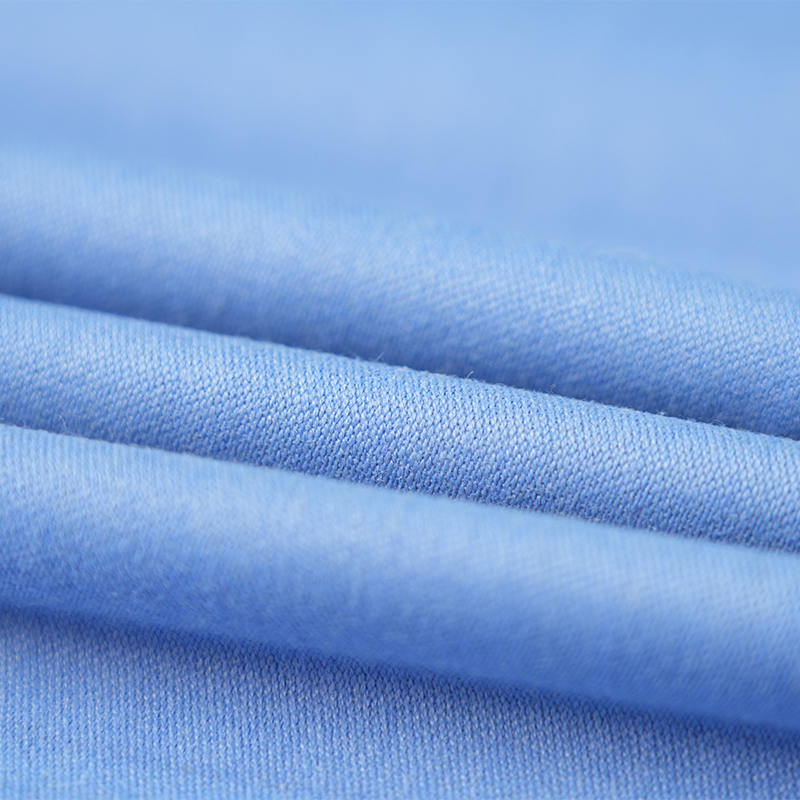
The working answer first: flame retardant cotton is cotton whose burning behaviour has been deliberately changed, either by a durable chemical finish cured into the fibre or by blending cotton with inherently FR fibres. It stays breathable and comfortable, it dominates welding, oil and gas and electrical workwear, and it is not fireproof. What separates a sound fabric from a risky one is not the word "FR" on the label but the test report behind it: char length, afterflame time, heat transfer, and above all how much of that performance survives fifty industrial washes.
Content
- 1 Why Cotton Burns, and What a Finish Actually Changes
- 2 Treated Cotton or Inherent Blend? Four Options Compared
- 3 Reading the Test Report: Which Numbers Actually Matter
- 4 Where Flame Retardant Cotton Works, and Where It Does Not
- 5 Wash Durability: The Specification Everyone Forgets
- 6 A Practical Sourcing Checklist
- 7 The Manufacturer Behind the Fabric
- 8 Frequently Asked Questions About Flame Retardant Cotton
- 8.1 Q1. What is flame retardant cotton made of?
- 8.2 Q2. Is flame retardant cotton fireproof?
- 8.3 Q3. How many washes does FR cotton keep its protection?
- 8.4 Q4. Which standards should FR cotton meet for industrial workwear?
- 8.5 Q5. Can flame retardant cotton be used for arc flash protection?
- 8.6 Q6. Is FR cotton or aramid better for welding?
Why Cotton Burns, and What a Finish Actually Changes
Cotton is almost pure cellulose. Heated past roughly 300 degrees Celsius it decomposes into flammable volatiles that feed the flame, leaving a glowing char behind. Untreated cotton has a limiting oxygen index (LOI) of about 18 percent, while air contains 21 percent oxygen, so it ignites readily and keeps burning.
A durable FR finish interrupts that sequence in two ways: it lowers the temperature at which the fibre decomposes, and it steers the chemistry toward char and water instead of flammable gas. Commercial systems are phosphorus based, typically THP (tetrakis hydroxymethyl phosphonium) cured with ammonia, or a phosphonopropionamide resin cured in the mill. Applied well, the finish lifts LOI into the high twenties, bonds inside the fibre rather than sitting on the surface, and survives dozens to well over a hundred industrial wash cycles.
The alternative is to skip the chemistry and blend instead. Modacrylic and aramid fibres are inherently flame resistant, so a cotton blend inherits protection that cannot be washed out. Breeding is a third route: USDA ARS researchers have developed cotton lines with fire resistance built in through genetics rather than treatment, but these are not yet a mainstream PPE supply.
One point buyers consistently underestimate: FR cotton still chars, shrinks and stiffens under sustained flame. Its job is to stop combustion and buy escape time, not to make a garment fireproof.
Treated Cotton or Inherent Blend? Four Options Compared
Most sourcing decisions come down to four routes. They are not interchangeable, and the cheapest is usually the one that fails after a season of laundering.
| Route | How protection is added | Wash durability | Hand and weight | Typical use | Main sourcing risk |
|---|---|---|---|---|---|
| Durable finish on 100% cotton | Phosphorus chemistry cured into the fibre | 50 to 100+ industrial washes when processed correctly | Soft, breathable, 200 to 350 gsm | Welding, general industry, utilities | Finish quality varies; bleach and softener shorten life |
| Topical or non-durable finish | Surface padding or spray | Washes out in a few cycles | Stiff when new, then plain cotton | Low-cost coveralls | Product no longer meets the standard after washing |
| Cotton and modacrylic blend | Inherently FR fibre carries the protection | Lasts the garment's life | Slightly lower strength, good colour retention | Hi-vis, oil and gas, general workwear | Blend ratio must be tightly controlled |
| Cotton and aramid blend | Inherent aramid fibre | Lasts the garment's life | Rougher hand, higher cost | Flash fire, arc-rated clothing | Cost and lead time |
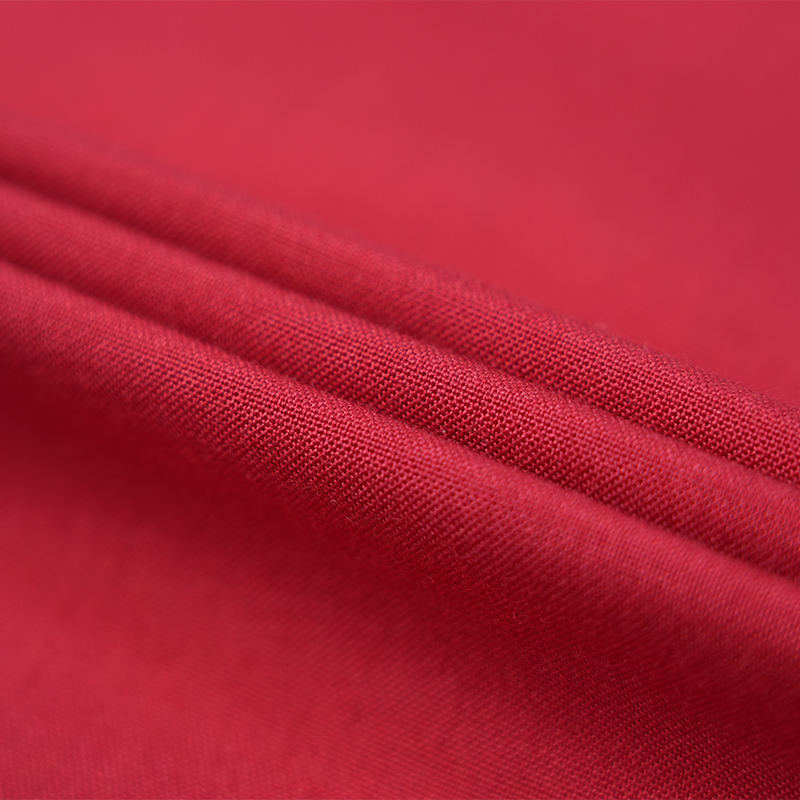
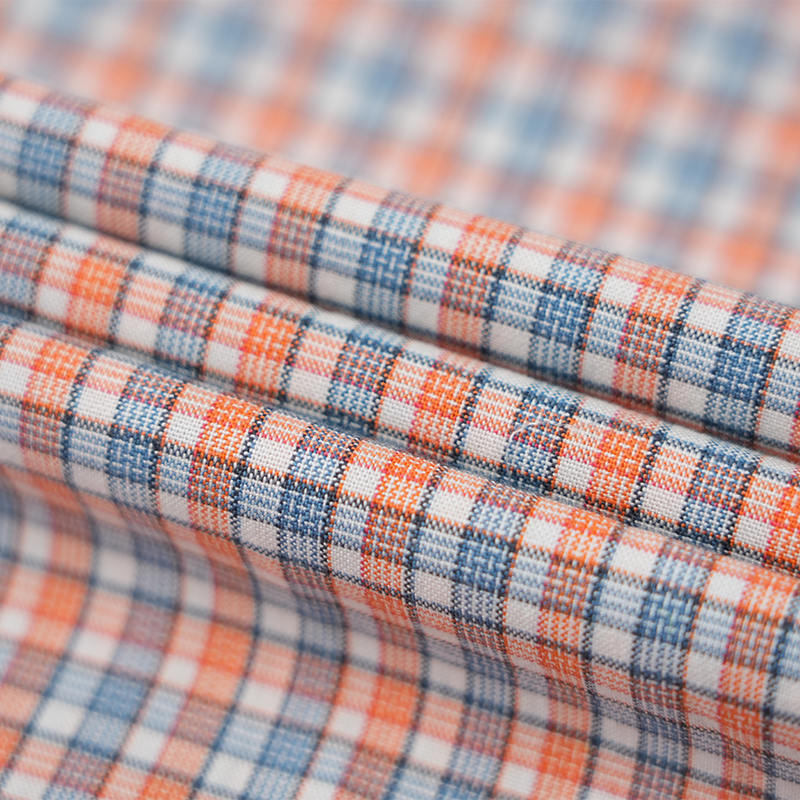 Modacrylic and Cotton Flame-Retardant FabricsFor programs needing cotton comfort with durable, wash-resistant flame protection, this range covers woven twill and knitted FR constructions.View Product →
Where a program needs both the comfort of cotton and protection that cannot be laundered away, a modacrylic and cotton construction is usually the pragmatic middle path.
Reading the Test Report: Which Numbers Actually Matter
Enquiry emails often ask for "EN ISO 11612 certified fabric" without naming a performance level. That standard is a menu of codes, and a fabric can hold A1 while failing everything else.
- A1 and A2: limited flame spread from surface and edge ignition. Char length, afterglow and no hole formation are the pass criteria.
- B, C and F: convective heat, radiant heat and contact heat, each reported at a measured level.
- D and E: molten aluminium and molten iron splash, largely the domain of wool and aramid rather than cotton.
- EN ISO 11611: welding and allied processes, Class 1 or Class 2 depending on the hazard.
- NFPA 2112 with ASTM D6413: flash fire, with typical pass criteria of 100 mm char length or less and 2 seconds afterflame or less.
- EN 61482-2 and ASTM F1959: arc rating, expressed as ATPV or ELIM in cal/cm2.
An "FR" tag says nothing about which of these a fabric holds. Ask for the report naming the exact fabric code, weight and shade, check the standard version, and confirm the report belongs to the mill you are buying from rather than to a sample it once handled.
Where Flame Retardant Cotton Works, and Where It Does Not
Welding and metal fabrication
Heavy cotton sateen in the 350 to 450 gsm range is the traditional choice. It resists spatter adhesion better than thermoplastic synthetics, does not melt into the skin, and passes EN ISO 11611 comfortably. It is also the least expensive compliant option for a fabrication shop, which is why it remains the volume fabric in that sector.
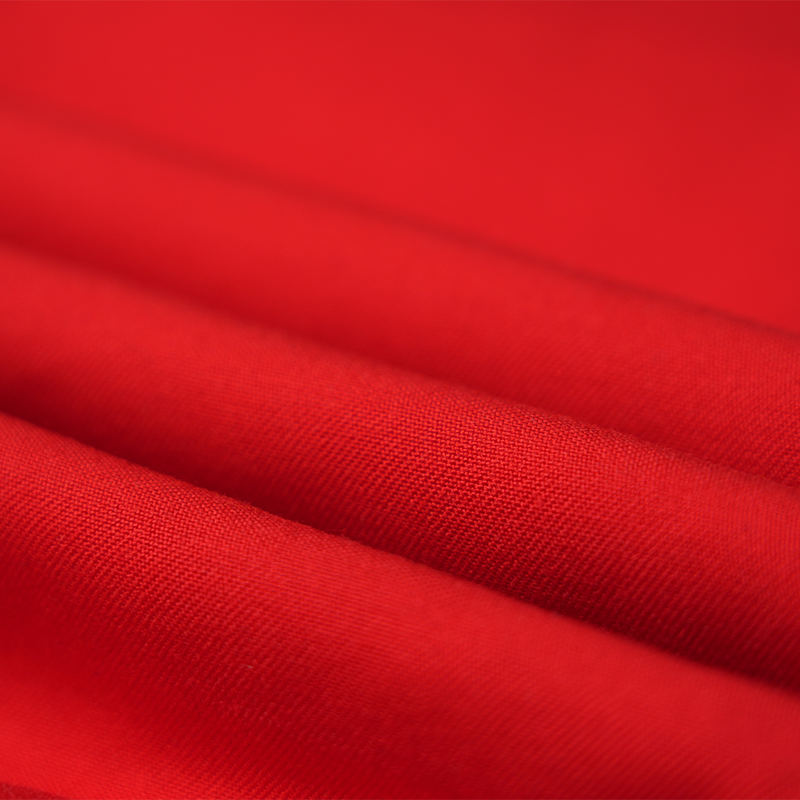
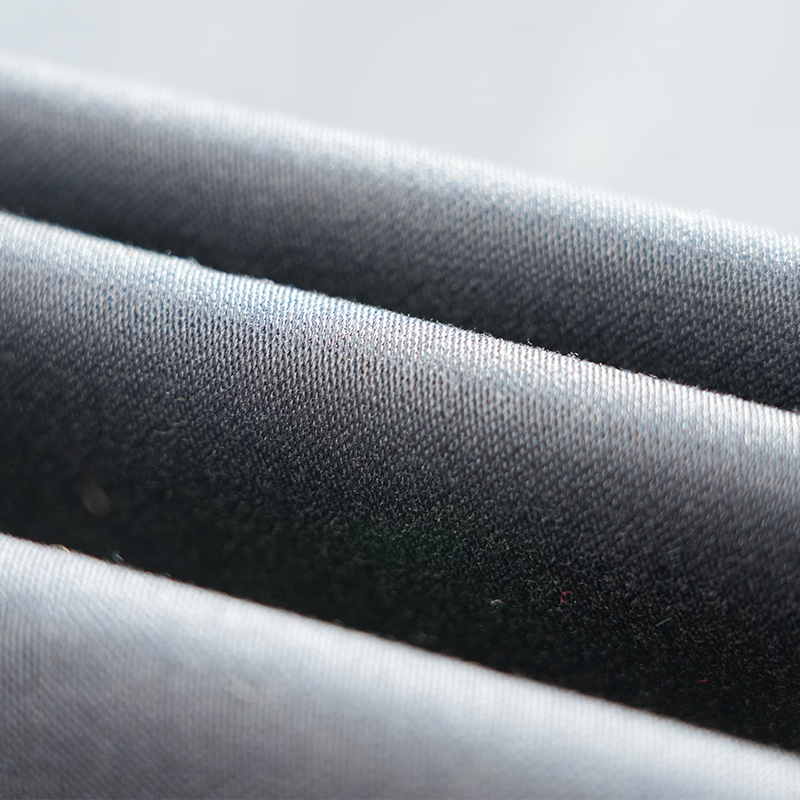 AFT-H02 Sateen FR Welding Protective FabricA 340 gsm sateen welding fabric with EN ISO 11611 compliance, offering a softer drape and cotton comfort for fabrication-shop protection.View Product →
Oil, gas and petrochemical
Flash fire governs here, so NFPA 2112 or EN ISO 11612 convective and radiant heat performance matters more than spatter resistance. Treated cotton works, but many operators move to aramid-blended fabric because the protection is intrinsic and therefore easier to guarantee across a large laundry contract.
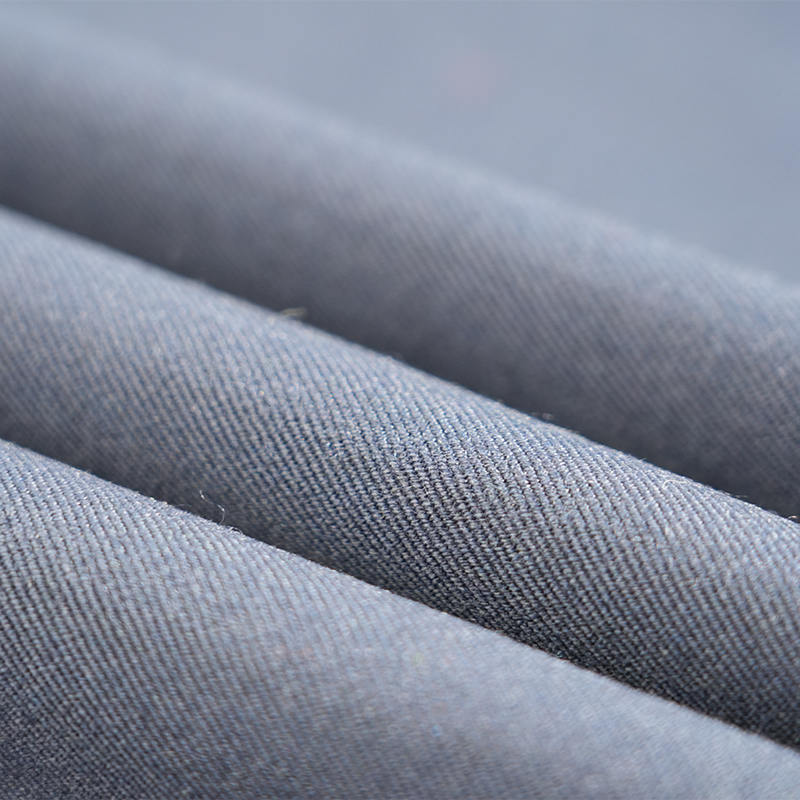
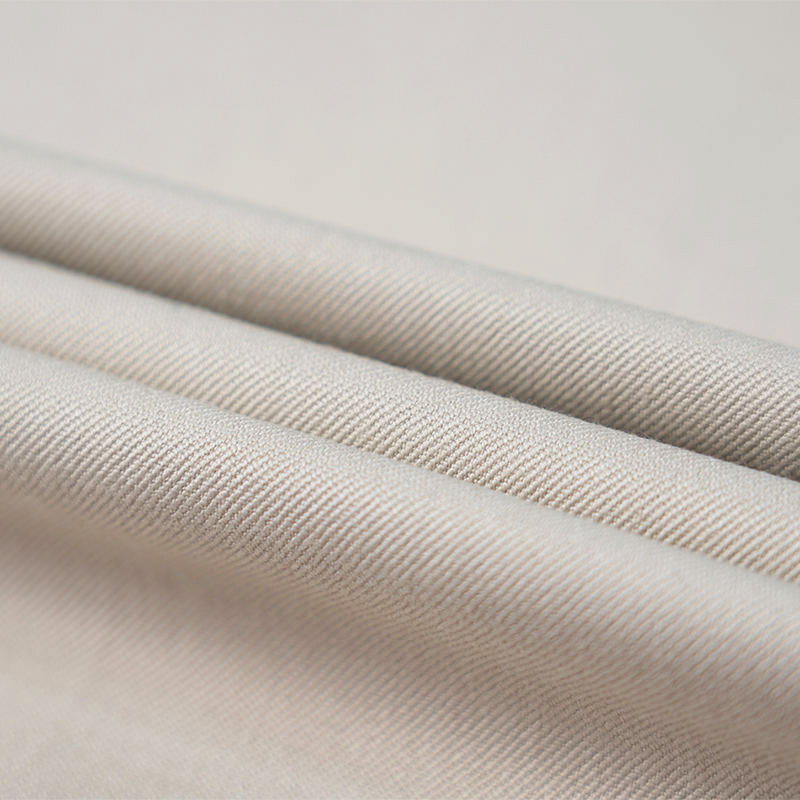 Aramid Blended Flame-Retardant Protective FabricA permanently flame-retardant, anti-static aramid blend for oil and gas and high-temperature roles where protection must survive repeated laundering.View Product →
Electrical work and molten metal
These are the two places where plain FR cotton usually falls short. Arc ratings above roughly 8 cal/cm2 normally require aramid blends, or heavier FR cotton in a specific construction; molten metal splash calls for D and E rated fabrics in wool or aramid, because cotton chars through too quickly.
Wash Durability: The Specification Everyone Forgets
A treated FR cotton shirt can pass every flame test on delivery and be useless six months later. Chlorine bleach, high alkalinity, optical brighteners, fabric softener residue and over-drying all attack the finish, and an industrial laundry running ISO 15797 is far harsher than a home wash under ISO 6330.
- Ask the mill for retention data after 25, 50 and 100 wash cycles, with the test method named.
- Exclude chlorine bleach and softener from the laundry protocol; both degrade the finish quickly.
- Repair with FR thread and FR patches, since a polyester patch on an FR cotton jacket is itself a burn hazard.
- Keep a retained sample of every delivery and re-test annually, or after any detergent or process change.
A Practical Sourcing Checklist
- Name the standard and the specific code, not just the standard number.
- Match fabric weight to hazard: 200 to 250 gsm for general workwear, 350 gsm and above for welding and molten metal.
- Agree shrinkage tolerance before production. Two to three percent after five washes is a normal expectation for pre-shrunk FR cotton; more than that distorts garment sizing.
- Check shade consistency where hi-vis requirements apply, since a batch-to-batch colour shift can invalidate the certified garment.
- Ask about skin-contact chemistry: pH, formaldehyde and Oeko-Tex or GB 18401 compliance for next-to-skin use.
- Verify traceability from greige roll to finished batch, so a failed garment can be traced back to a lot.
- Run a pilot order through your own laundry before committing to volume.
The Manufacturer Behind the Fabric
3H Safety Technology Co Limited is a functional fabric manufacturer based on flame retardancy, with the company's product brand "3H. Safeloya" (R). The company is committed to product research and development and fabric production, and adds multiple functions such as anti-static, arc proof, metal splash proof, and three proofing according to customer needs. The product is widely used in various industries such as petroleum, petrochemical, chemical, gas station, power, coal mining, steel, metallurgy, and mechanical processing.
Related products have been tested by authoritative testing institutions such as SGS in Switzerland, TUV in Germany, ITS in the UK, and the National Labor Protection Products Quality Supervision and Inspection Center, and have met the requirements of domestic and international standards, including EN ISO 11611, EN ISO 11612, EN ISO 1149, EN 469, EN 373, EN 61482-1, ASTM F1959, ASTM F1891, NFPA 70E, NFPA 2112, ANSI 107, GB 8965.1 and GB 12014. The company strictly requires comprehensive quality management and implements product lifecycle traceability in accordance with national regulations, which is what makes a wash-retention claim auditable rather than promotional. Details are published on the company profile page and the certificate page.
Frequently Asked Questions About Flame Retardant Cotton
Q1. What is flame retardant cotton made of?
Most FR cotton is 100% cotton treated with a phosphorus-based finish cured into the fibre. Blended versions add modacrylic or aramid fibre so the protection is inherent. The fabric is still cotton in hand and breathability, only the burning behaviour changes.
Q2. Is flame retardant cotton fireproof?
No. It resists ignition and self-extinguishes once the flame source is removed, but sustained heat still chars the fabric and eventually breaks through. Treat FR cotton as escape time, not as immunity.
Q3. How many washes does FR cotton keep its protection?
A well-processed durably finished cotton typically holds its flame retardant performance through 50 to 100 industrial wash cycles. Non-durable finishes wash out within a handful of cycles, and chlorine bleach can destroy either one.
Q4. Which standards should FR cotton meet for industrial workwear?
EN ISO 11612 for heat and flame, EN ISO 11611 for welding, NFPA 2112 for flash fire, and EN 61482-2 or ASTM F1959 for arc ratings. Always request the report with the specific performance codes attached.
Q5. Can flame retardant cotton be used for arc flash protection?
Yes, but the rating usually depends on weight and blending. Plain cotton rarely reaches high ATPV values, so aramid blends or heavier FR cotton constructions are the common choice above roughly 8 cal/cm2.
Q6. Is FR cotton or aramid better for welding?
Heavy FR cotton sateen is usually the better value for spatter-heavy welding because it resists molten droplets and does not melt. Aramid wins where radiant heat, repeated laundering or combined arc hazards dominate.