 EN
EN 中文简体
中文简体 English
 русский
 Español
 Português
 عربى
عربى

Flame Resistant Fabric OEM & ODM
Home / Product
PRODUCT CLASSIFICATION

Embracing Innovative Technology for a Secure Future
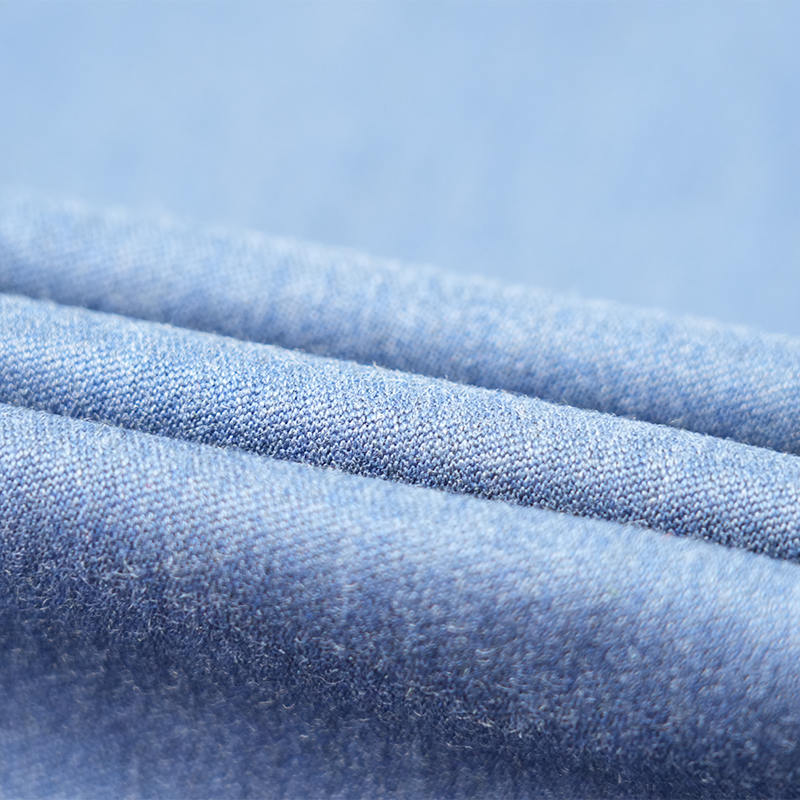
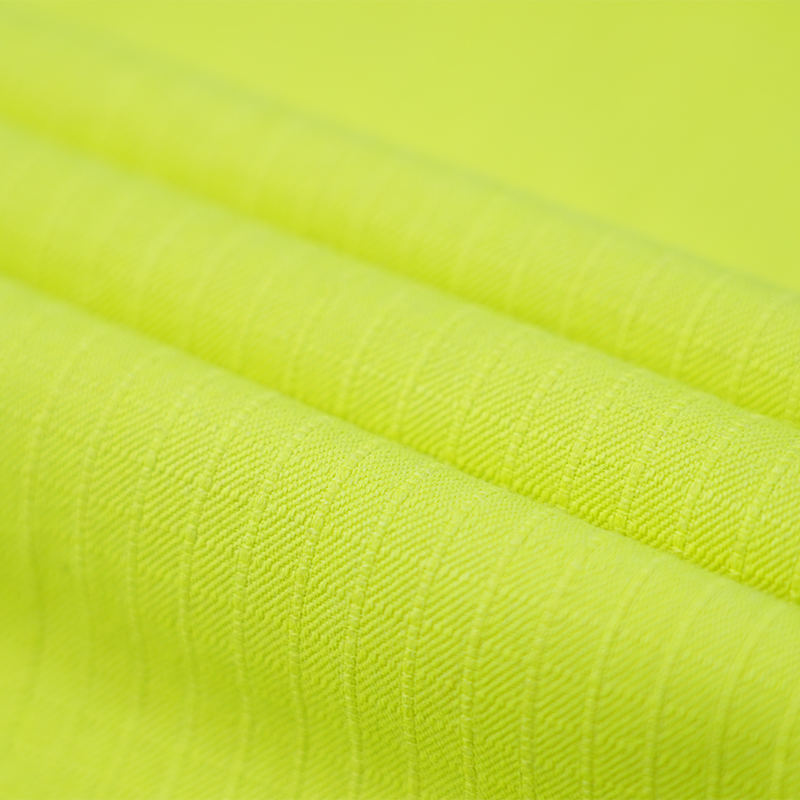
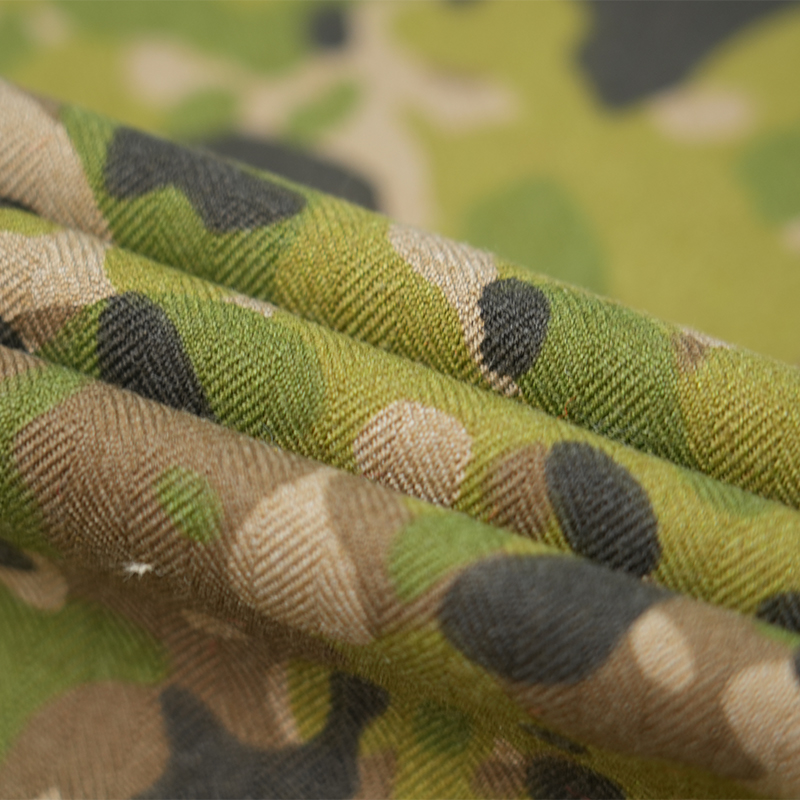
About Us
CUSTOMIZED FLAME RETARDANT
FABRICS MANUFACTURER
FABRICS MANUFACTURER
-
 0+
0+Enterprise establishment
-
 0+
0+Employees

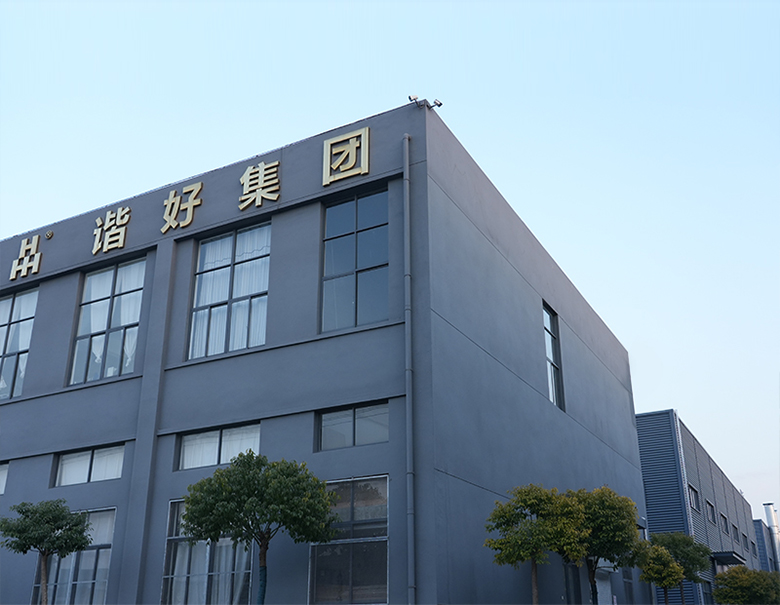
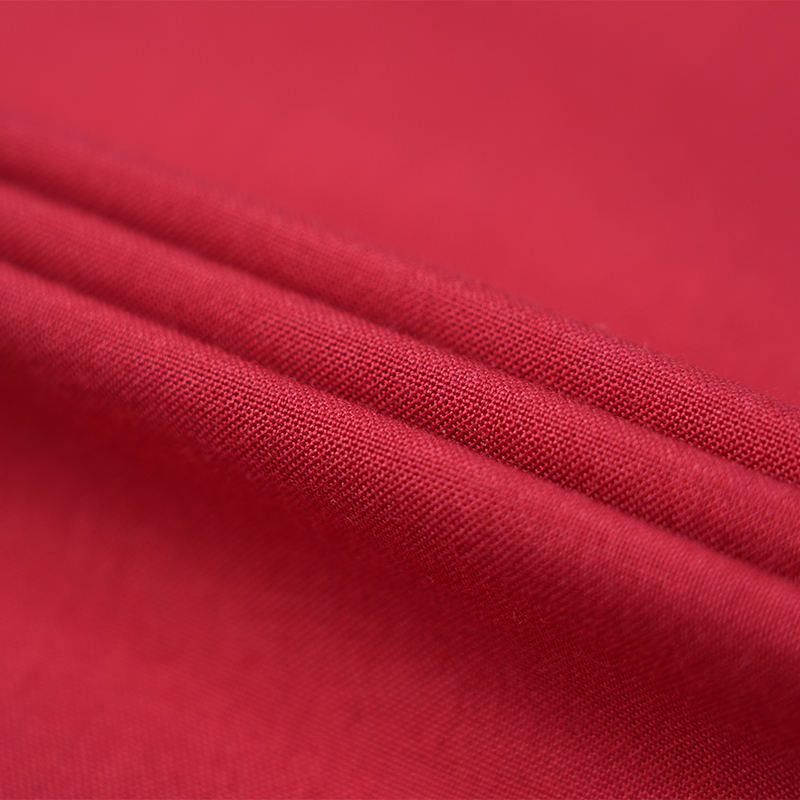
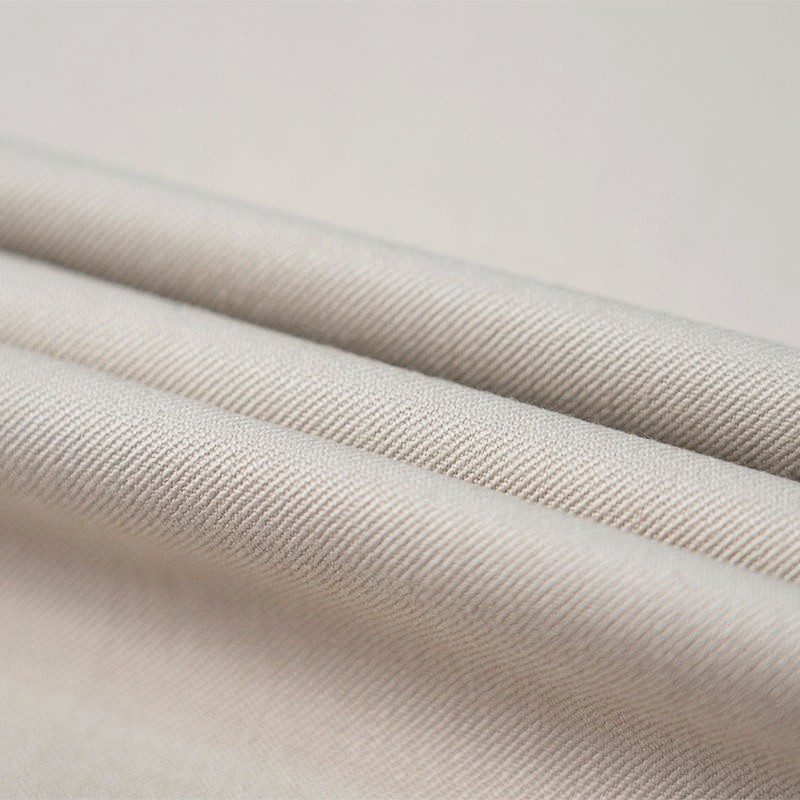
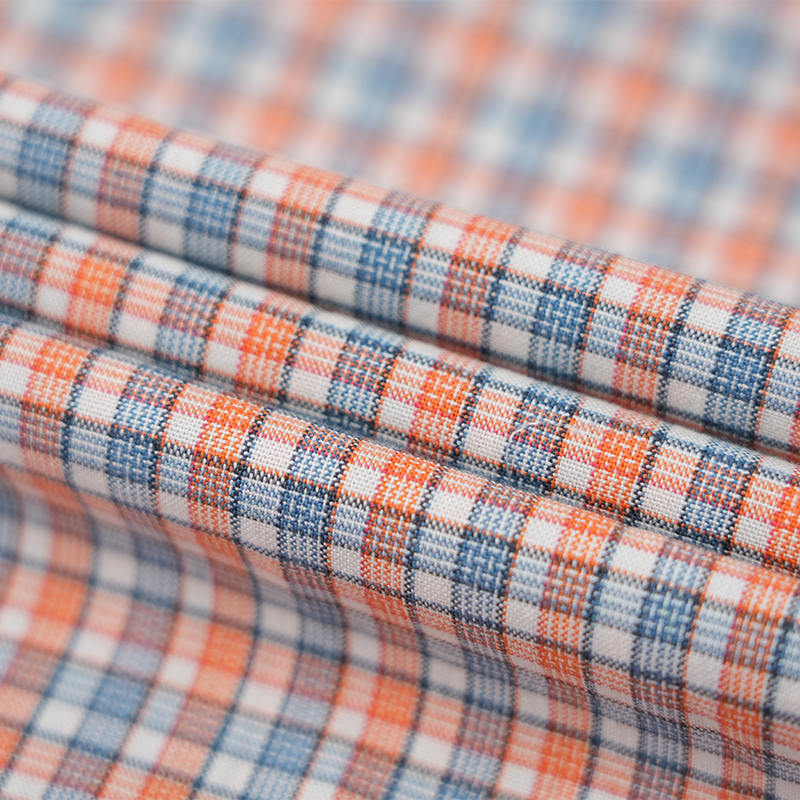
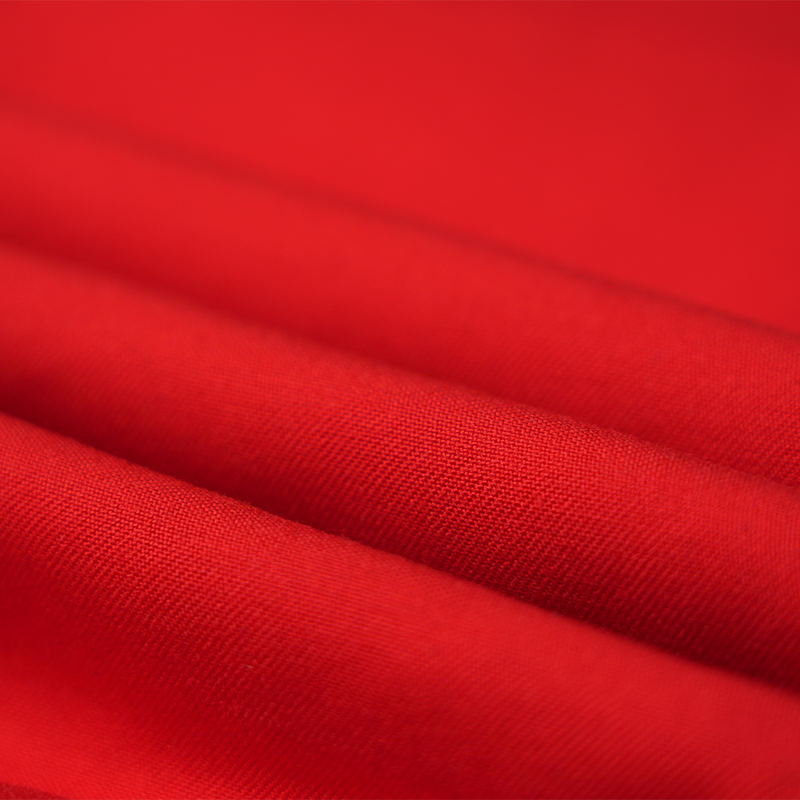
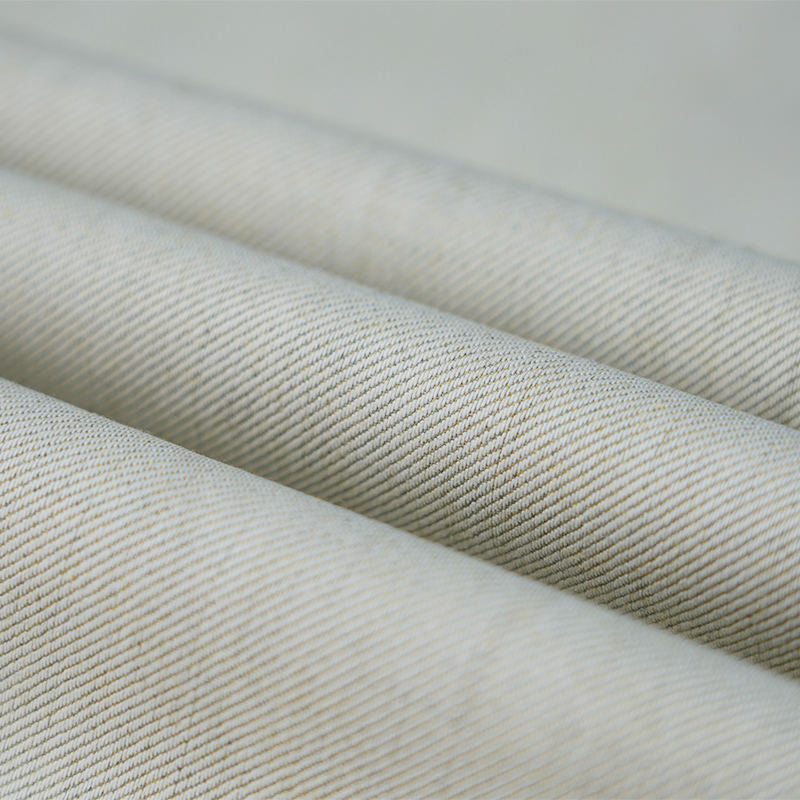
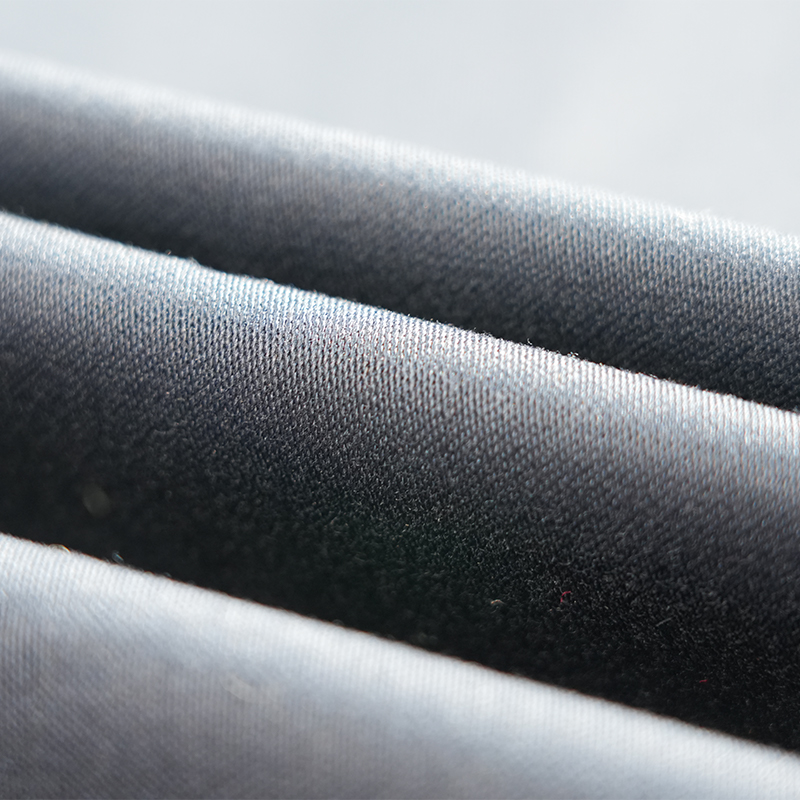
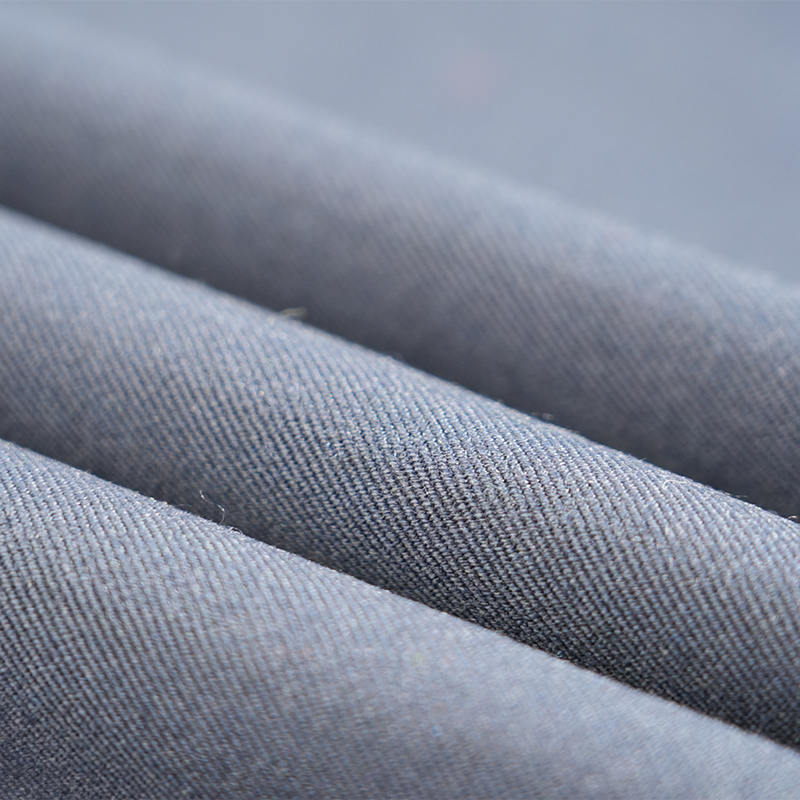
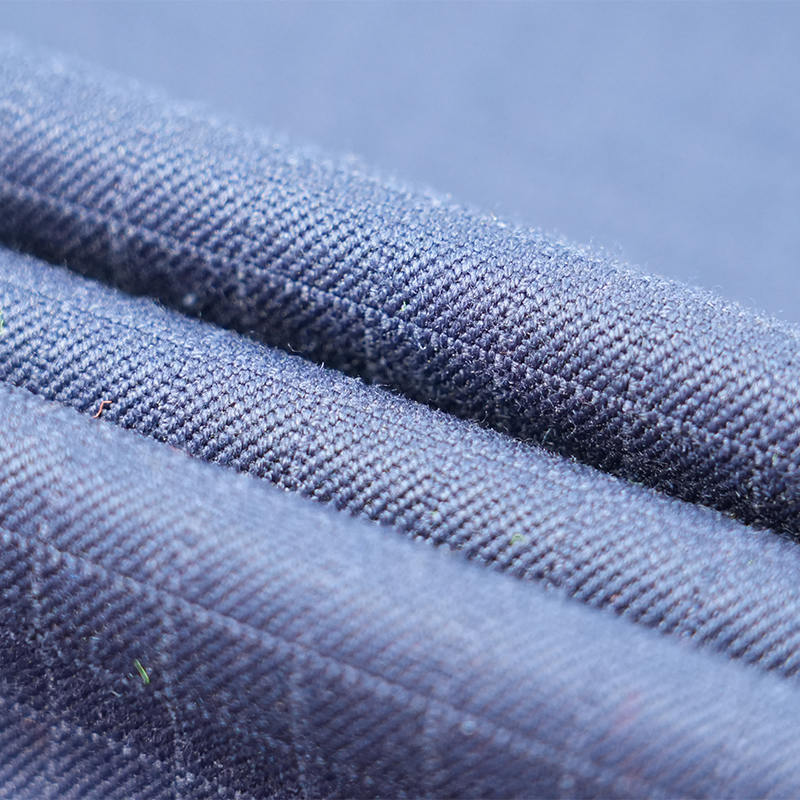
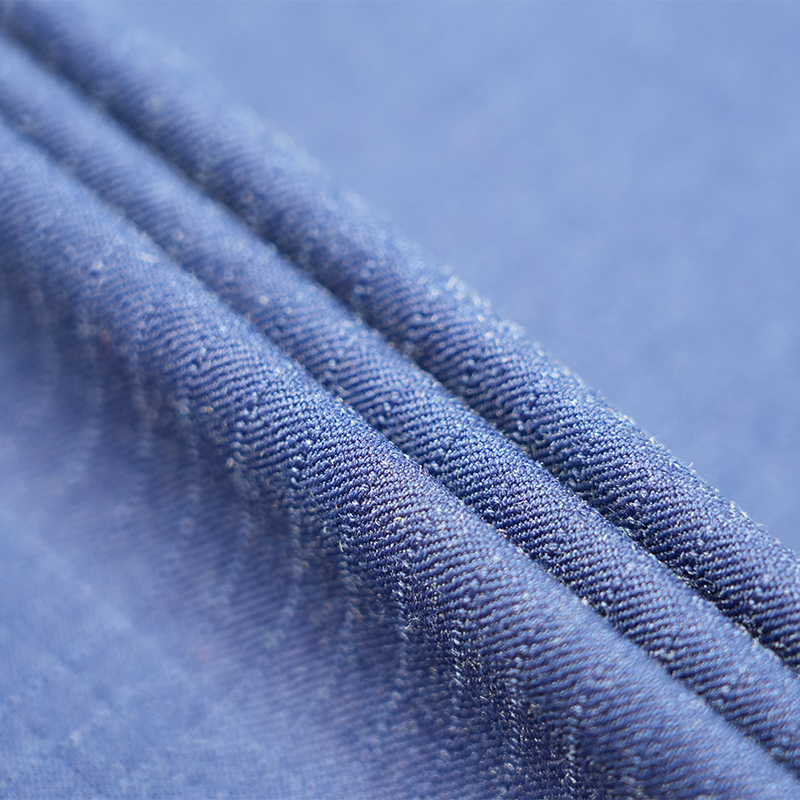
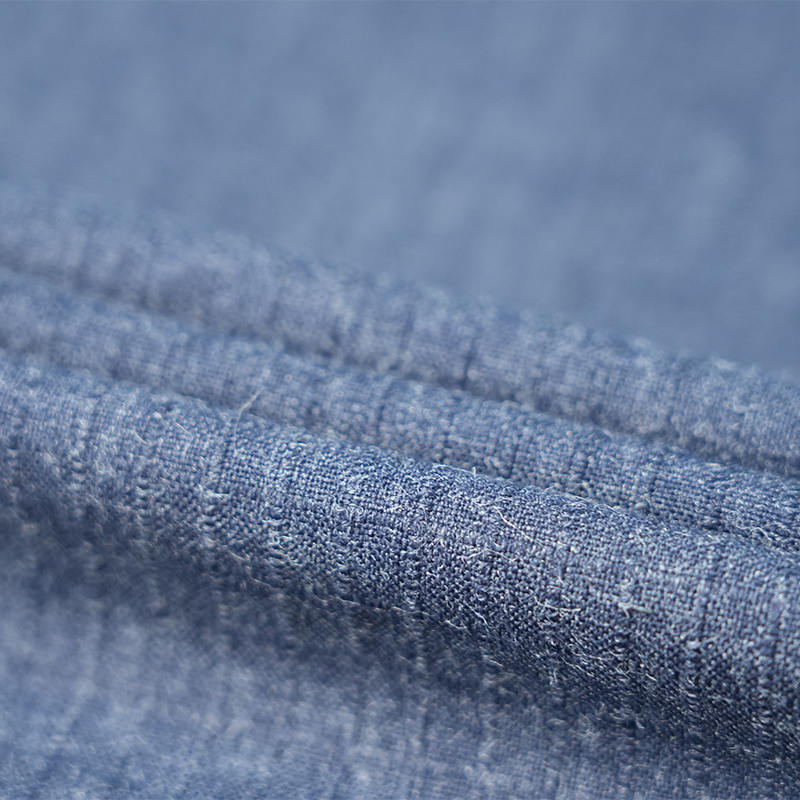
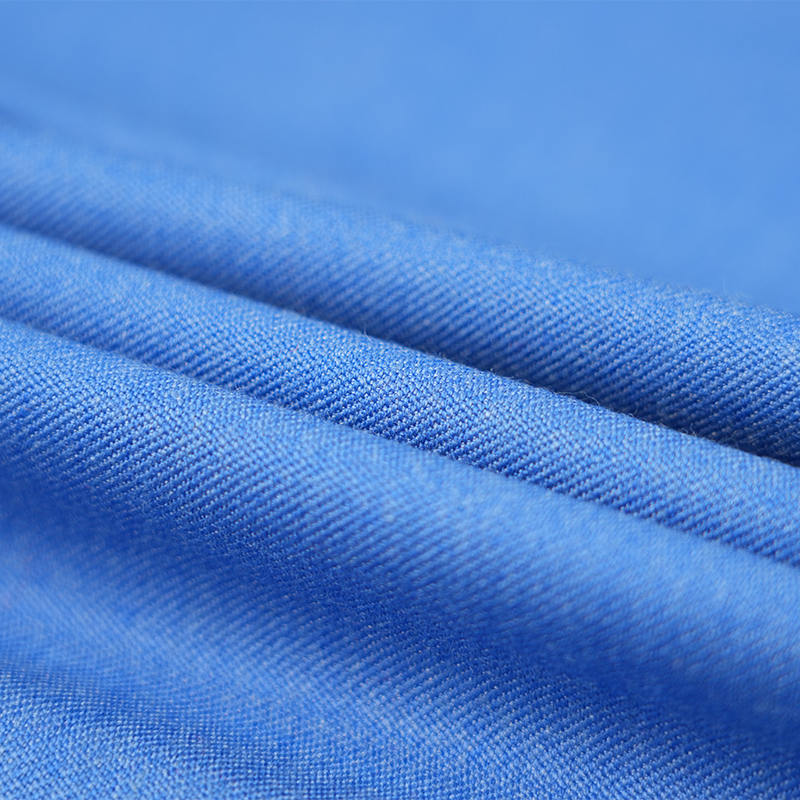
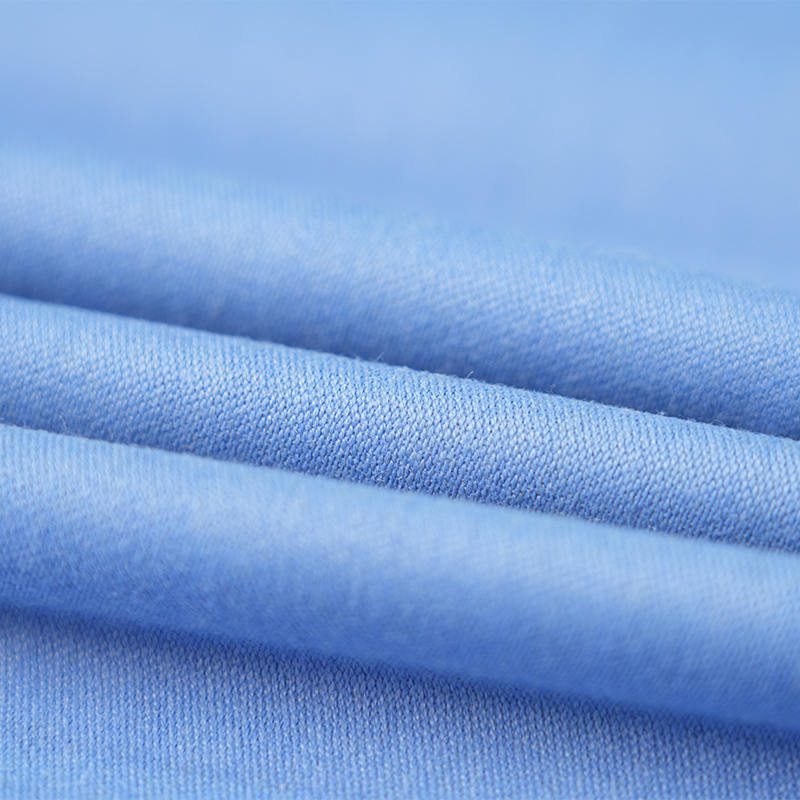
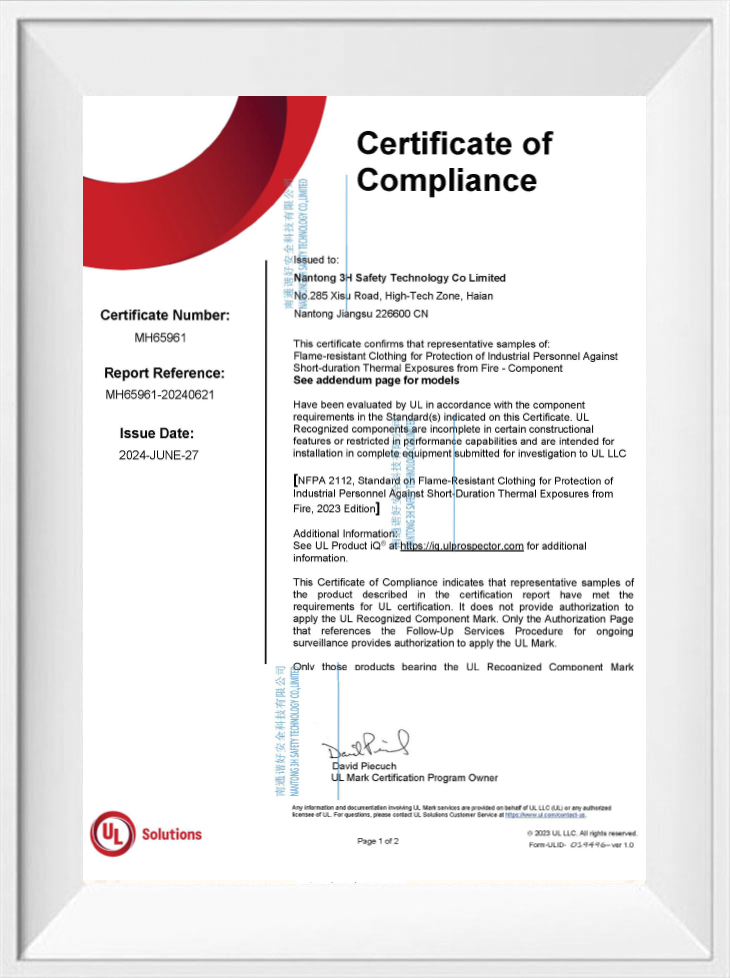
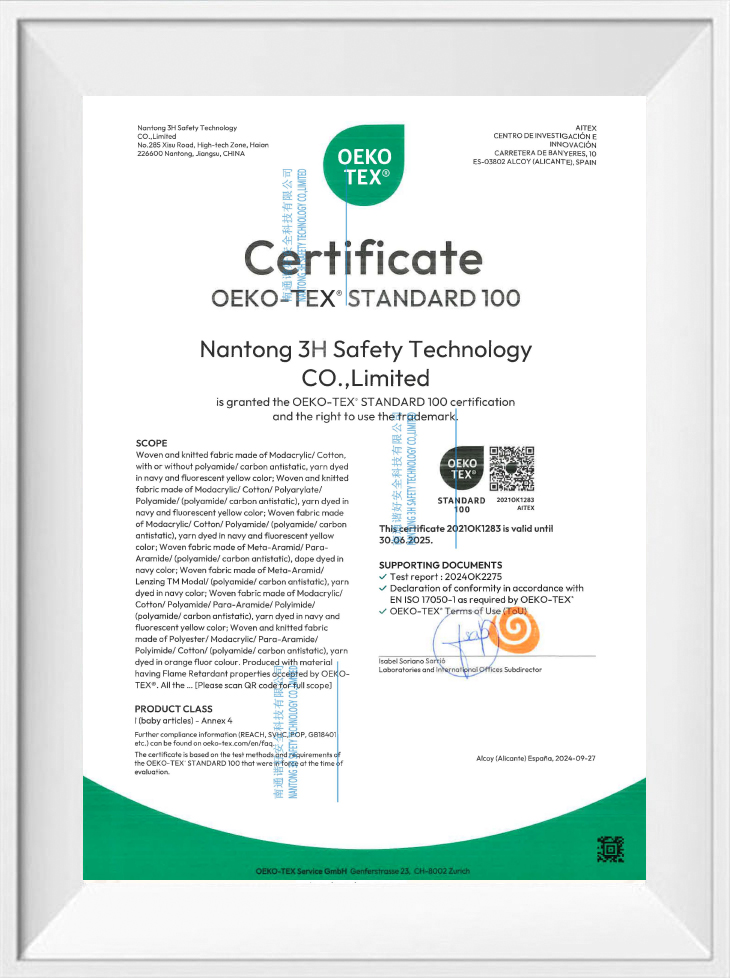
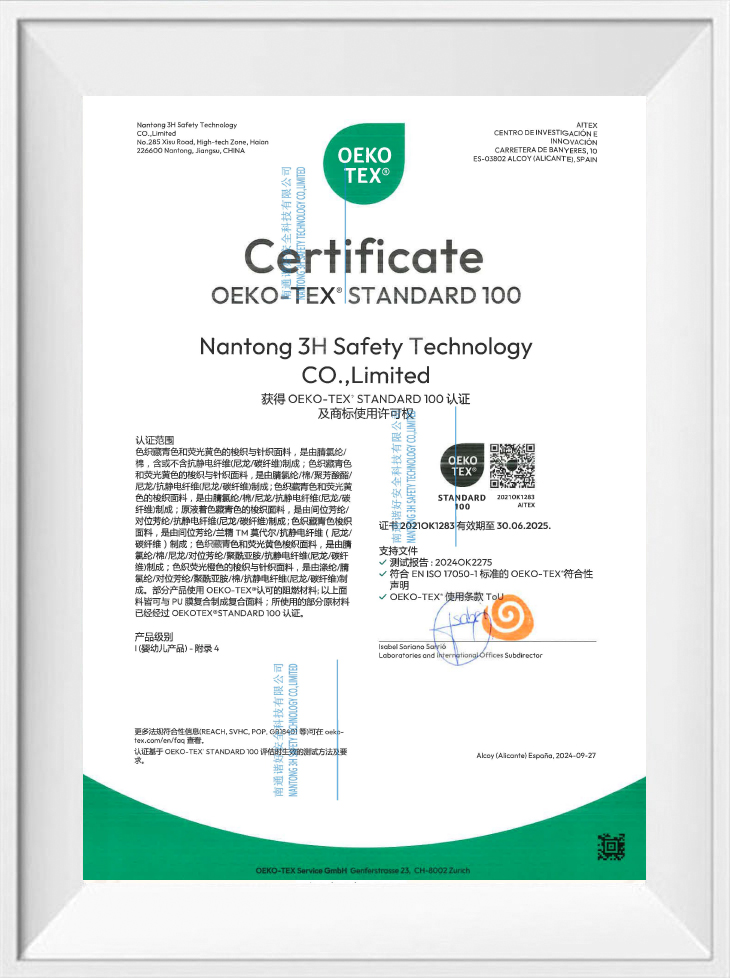
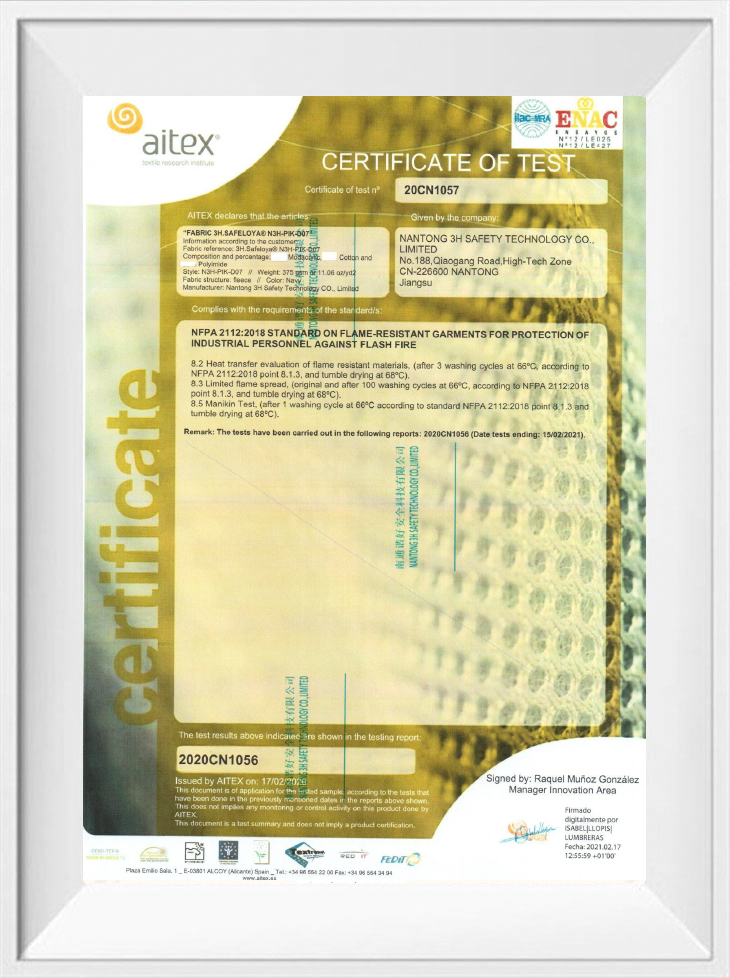
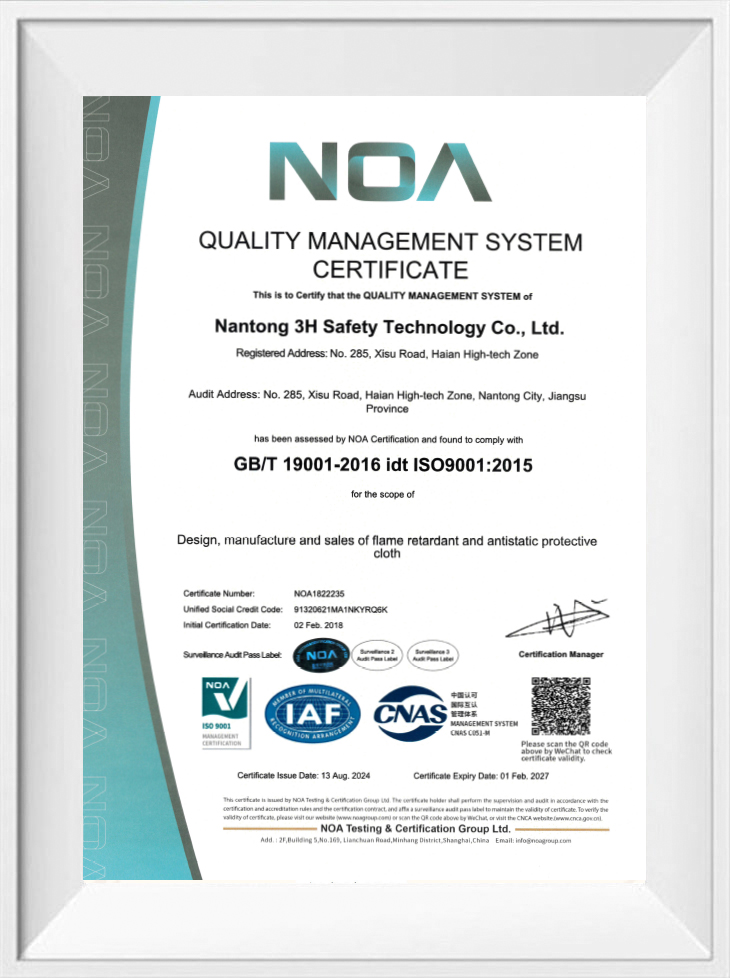
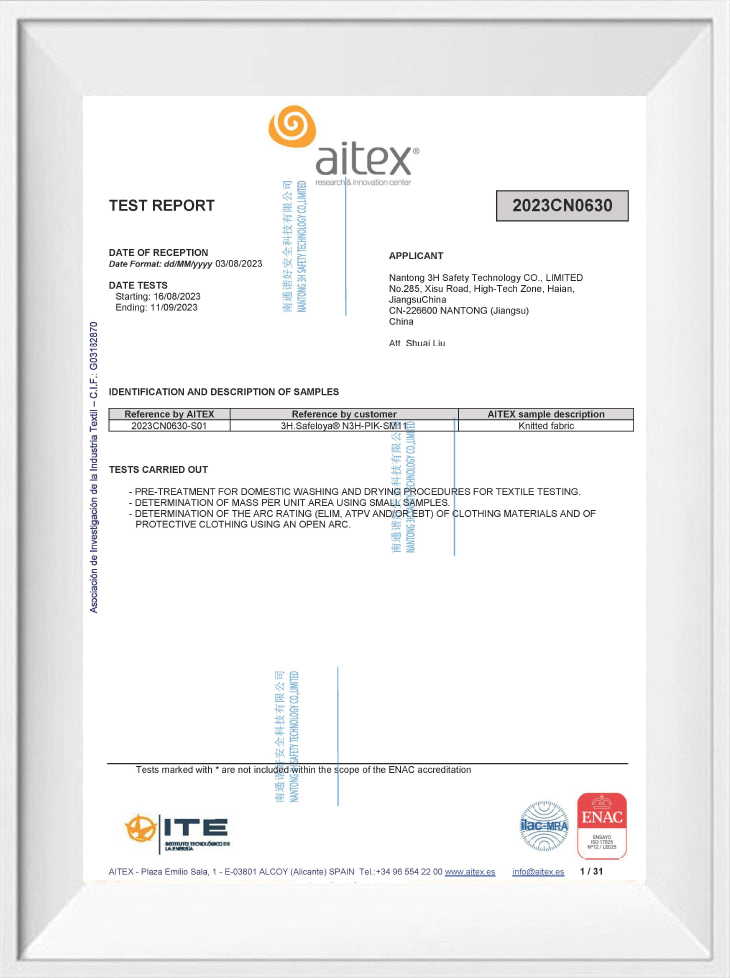
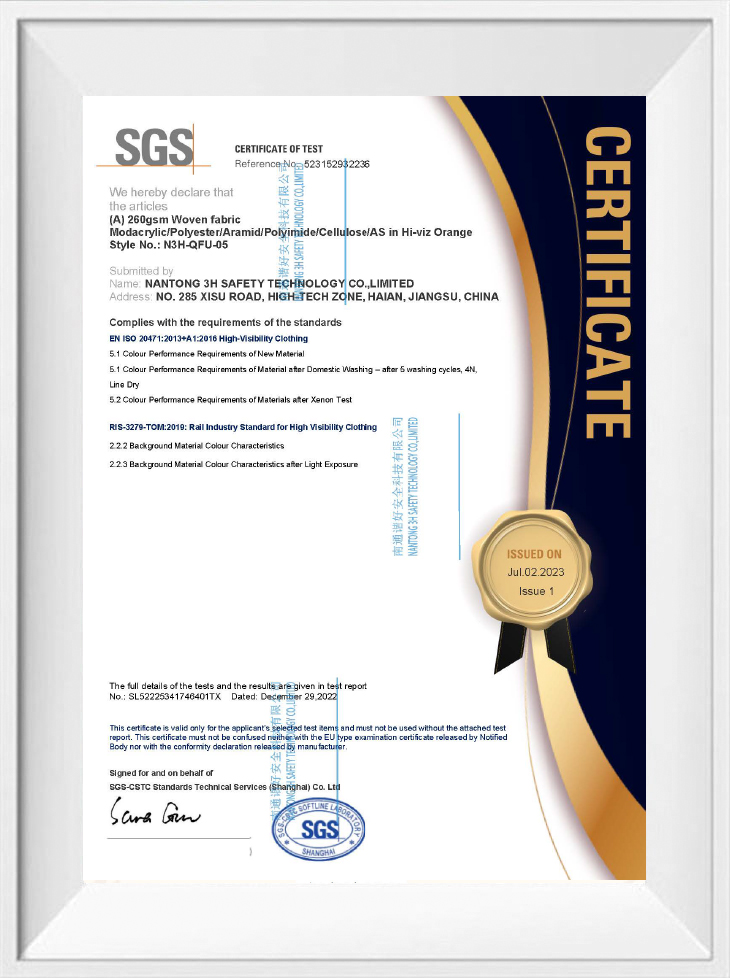
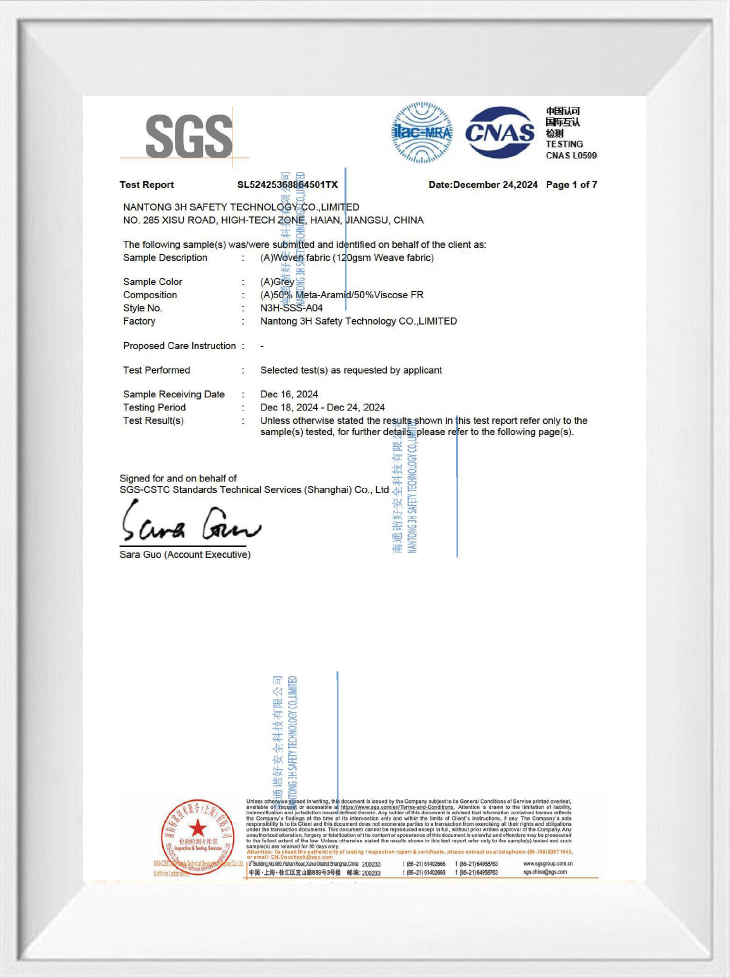
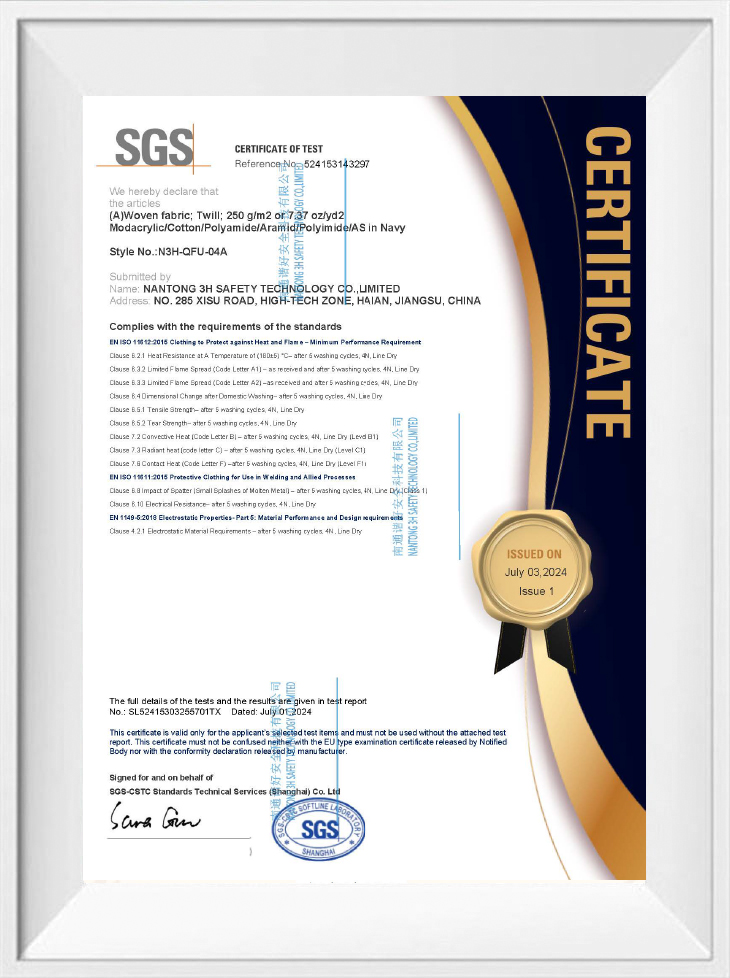
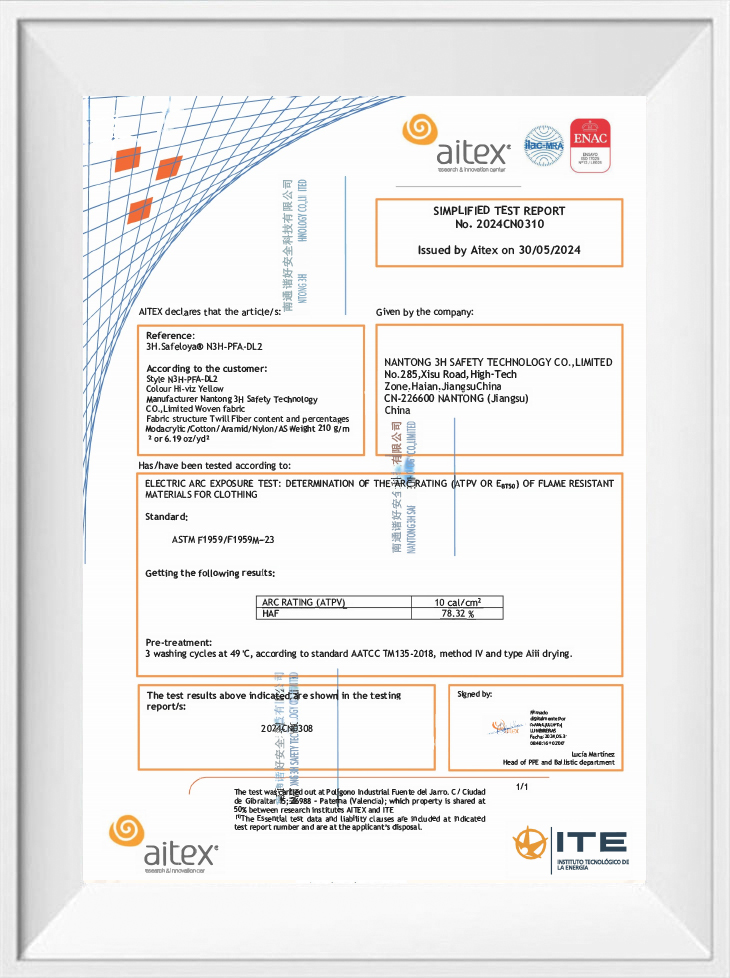
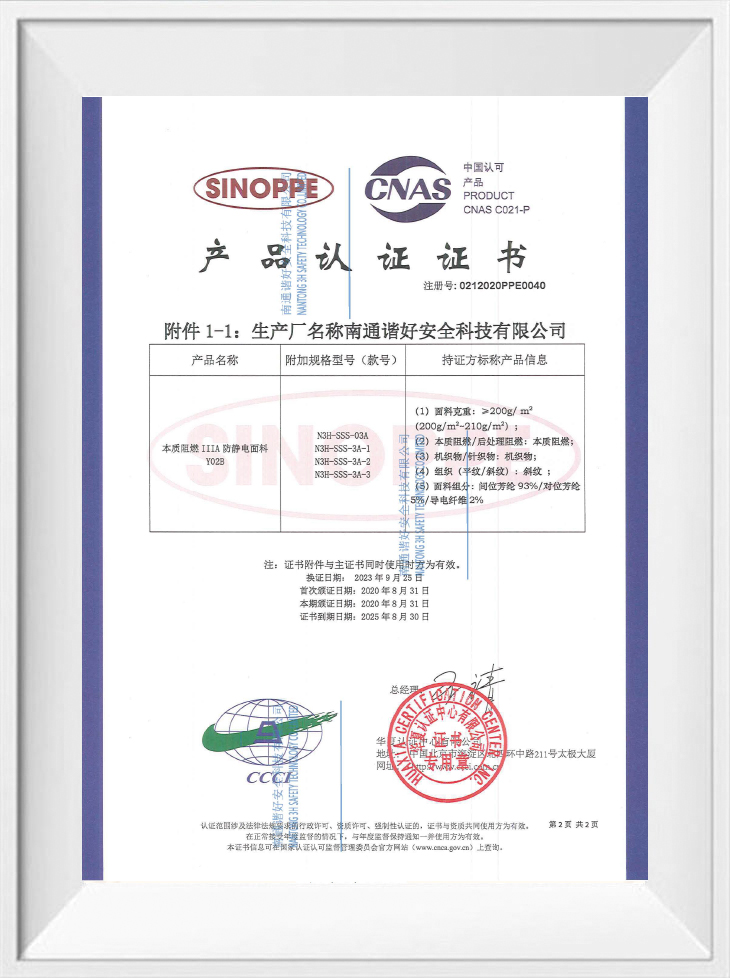
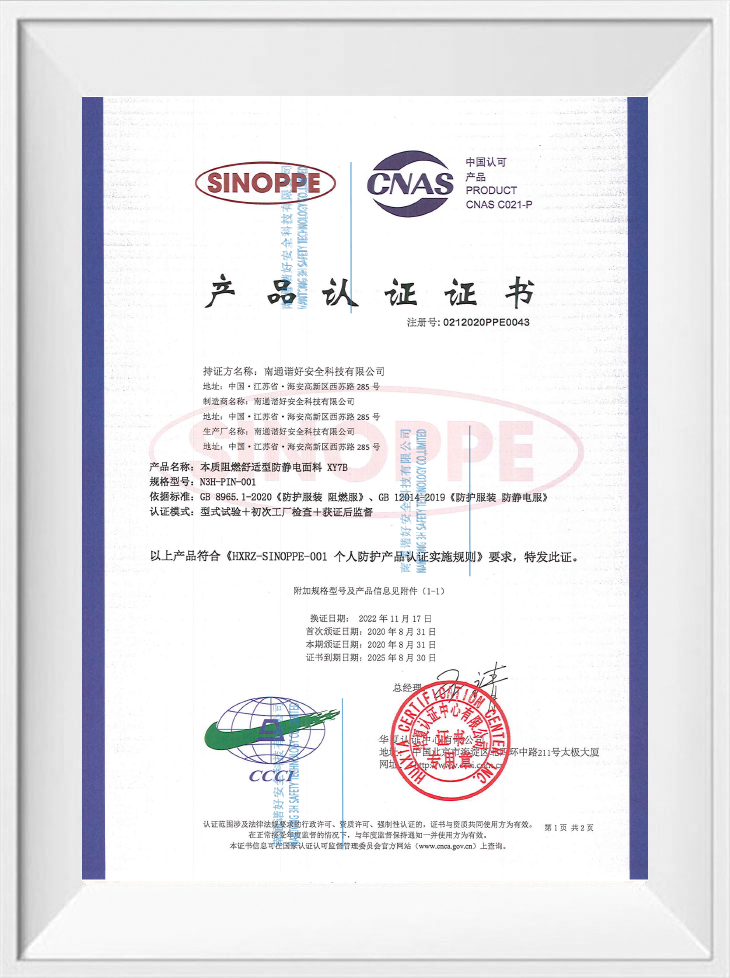
3H Safety Technology Co Limited is a functional fabric manufacturer based on flame retardancy, with the company's product brand "3H. Safeloya" ®". The company is committed to product research and development and fabric production, and adds multiple functions such as anti-static, arc proof, metal splash proof, and three proofing according to customer needs. As a professional OEM Flame Resistant Fabric Suppliers and ODM FR Fabric Company in China, The product is widely used in various industries such as petroleum, petrochemical, chemical, gas station, power, coal mining, steel, metallurgy, and mechanical processing. The related products have been tested by authoritative testing institutions such as SGS in Switzerland, TUV in Germany, ITS in the UK, and the National Labor Protection Products Quality Supervision and Inspection Center, and have meet the requirements of domestic and international standards, including EN ISO 11611, EN ISO 11612, EN ISO 1149, EN 469, EN 373, EN 61482-1, ASTM F1959, ASTM F1891, NFPA 70E, NFPA 2112, ANSI 107, GB 8965.1, and GB 12014.
The company strictly requires comprehensive quality management, fully implements product lifecycle traceability in accordance with national regulations, achieves excellent product quality, environmental protection, and reliable hygiene, allowing customers and users to rest assured.
-
2026-09-16An electrical maintenance supervisor reviews the PPE list for an upcoming panel repair. The arc-rated coveralls in the locker room carry labels readi...
-
2026-09-09NFPA 2112 Meaning: What It Actually Means for FR Clothing NFPA 2112 governs flame-resistant clothing for industrial personnel who may face short-dura...
-
2026-09-02At 4:52 p.m., a pressure valve on a gas separation unit fails. The flash fire lasts less than three seconds, but in that window a worker's survival d...
-
2026-08-26At 2:30 a.m. in a petrochemical unit, a corroded flange seal fails. A vapor cloud drifts toward a hot pump, ignites, and flashes back across the wor...
Product Industry knowledge
1. Understanding Flame Resistant Fabric and Its Core Purpose
Flame Resistant Fabric, commonly referred to as FR Fabric, is a textile engineered to resist ignition, self-extinguish quickly, and avoid melting or dripping when exposed to heat or open flame. Unlike ordinary textiles treated with a temporary surface coating, genuine FR Fabric is designed so that its flame resistant properties remain effective through repeated washing and long-term wear. This makes it a foundational material for protective clothing worn in industries where workers face daily exposure to heat, sparks, arc flash, or flash fire hazards.
3H Safety Technology Co Limited is a functional fabric manufacturer built on flame retardancy as its core specialty, offering products under the brand 3H Safeloya. The company focuses on fabric research, development, and production, incorporating additional functions such as anti-static, arc protection, metal splash protection, and three-proofing performance based on specific customer requirements.
2. How Flame Resistant Fabric Actually Works
(1) Inherent Flame Resistance
Inherent FR fabrics achieve flame resistance through the chemical structure of the fiber itself. The flame retardant property is built into the polymer during fiber production, meaning it cannot wash out or wear away over the life of the garment. This category typically maintains performance even after hundreds of industrial wash cycles.
(2) Treated Flame Resistance
Treated FR fabrics start as natural or synthetic fibers, such as cotton, which are then chemically treated to gain flame resistant characteristics. When properly engineered, treated fabrics can also deliver durable performance across the garment's service life, particularly when paired with correct laundering procedures.
3. Key Performance Standards Buyers Should Know
Performance of FR Fabric is generally measured through vertical flame testing, which checks after-flame time, char length, and whether the fabric continues to burn once the ignition source is removed. A well-engineered FR Fabric will self-extinguish within a few seconds and show minimal char length, reducing the risk of burn injury even under direct flame exposure.
| Fabric Type | Flame Resistance Source | Typical Use Case |
|---|---|---|
| Inherent FR Blend | Fiber structure | Long-term industrial workwear |
| Treated Cotton FR | Chemical treatment | Comfort-focused daily wear |
| Arc Rated FR Fabric | Fiber structure plus design | Electrical and power industry |
| Metal Splash Resistant FR | Specialized weave and coating | Metallurgy and steel processing |
4. Industries That Depend on FR Fabric Every Day
FR Fabric is widely used across sectors where flame, heat, or electrical arc hazards are part of routine operations. The following list outlines common industries relying on this material:
- Petroleum and petrochemical processing
- Chemical manufacturing plants
- Gas station and fuel handling operations
- Power generation and utility work
- Coal mining operations
- Steel and metallurgy production
- Mechanical processing and heavy equipment work
As a professional OEM Flame Resistant Fabric Supplier and ODM FR Fabric Company in China, 3H Safety Technology Co Limited supports these industries with fabric solutions tailored to each specific hazard profile, rather than offering a single generic product across all applications.
5. Choosing the Right FR Fabric for Your Application
(1) Match Fabric to the Primary Hazard
A worker facing arc flash risk requires different fabric weight and construction compared with someone exposed primarily to molten metal splash. Identifying the dominant hazard first helps narrow fabric selection significantly.
(2) Consider Additional Protective Functions
Many work environments involve more than one hazard at once. Adding anti-static or three-proofing functions to a base FR Fabric can address combined risks, such as static discharge near flammable vapors alongside general flame exposure.
(3) Evaluate Comfort and Durability Together
Workers who find protective clothing uncomfortable are more likely to modify or misuse it. Balancing breathability, weight, and flexibility with flame resistant performance improves both comfort and consistent daily wear.
6. Frequently Asked Questions
Q1: What is the difference between flame resistant and fireproof fabric
Flame resistant fabric resists ignition and self-extinguishes quickly, while no everyday textile is truly fireproof, since extreme or prolonged flame exposure can still damage any material.
Q2: How long does FR Fabric protection last
Inherent FR fabric typically maintains protective performance for the full service life of the garment, while treated fabric performance depends on proper care and washing practices.
Q3: Can FR Fabric be washed like regular clothing
Most FR Fabric can be laundered using standard industrial or home washing methods, though avoiding fabric softeners and bleach helps preserve flame resistant performance over time.
Q4: Is FR Fabric heavier than regular workwear fabric
Modern FR Fabric has become progressively lighter through improved fiber engineering, allowing many products to offer flame protection without the bulk associated with older generations of protective textiles.
Q5: Can additional protective functions be added to FR Fabric
Yes, functions such as anti-static protection, arc protection, and metal splash resistance can be integrated into a base FR Fabric depending on the specific working environment and customer requirements.
Q6: What industries require FR Fabric most often
Petroleum, petrochemical, chemical processing, gas stations, power generation, coal mining, steel, metallurgy, and mechanical processing are among the industries where FR Fabric use is most common due to daily flame and heat exposure risks.

CONTACT US
- Add:No. 285 Xisu Road, High tech Zone,
Hai'an City, Jiangsu Province - Tel:+86 15802151456(Mr Xu)/+86 13917381026(Mr An)
- E-mail:3h01@3hsafe.com
3h02@3hsafe.com
LATEST UPDATES
BE THE FIRST TO KNOW
For exclusive deals and latest offers, sign up by entering your email address below.
QUICK LINKS
Copyright © 3H Safety Technology Co Limited. All Rights Reserved. China Flame Resistant Fabric Suppliers Custom FR Fabric Company

