 EN
EN 中文简体
中文简体 English
 русский
 Español
 Português
 عربى
عربى

A loading-rack operator at a fuel terminal pulls a standard PVC rain jacket over an arc-rated coverall when the weather turns. The rain stays out. The problem is what happens in the seconds after a flash fire: PVC is a thermoplastic, and it softens and can melt at temperatures far below those a flash fire produces. A shell that melts onto skin adds a contact burn on top of the thermal exposure the coverall underneath was specified to survive.
That scenario explains why flame resistant rain gear is a product category of its own rather than a colour option on a waterproof jacket. The short answer: FR rain gear has to satisfy two standards families at once — rainwear performance (EN 343 in Europe, ASTM F1891 and ASTM F2733 in North America) and flame, heat or arc protection (EN ISO 11612, EN ISO 11611, EN 61482-2, ASTM F1959). A garment that meets only one of them gives you either a dry worker in a melting shell or a heat-safe worker soaked through. Fabric construction, membrane choice and seam sealing decide which of those two you actually receive.
Content
- 1 Why Flame Resistant Rain Gear Is a Separate Product Category
- 2 The Two Standards Sets Your Specification Has to Cover
- 3 How an FR Rain Shell Is Actually Built
- 4 Waterproofing, Breathability and Comfort: Where the Trade-offs Sit
- 5 Hi-Vis, Antistatic and Arc Requirements Usually Arrive Together
- 6 Specifying and Sourcing FR Rain Gear Fabric Without Surprises
- 7 Frequently Asked Questions About Flame Resistant Rain Gear
- 7.1 Q1. What is flame resistant rain gear?
- 7.2 Q2. Is arc-rated rainwear required for electrical work?
- 7.3 Q3. What does EN 343 3:3 mean on a rain jacket?
- 7.4 Q4. Do FR properties wash out of rain gear?
- 7.5 Q5. Can rain gear be both hi-vis and flame resistant?
- 7.6 Q6. What should I check on a supplier's FR rainwear test report?
Why Flame Resistant Rain Gear Is a Separate Product Category
Two failure modes drive every specification. The first is thermal: a non-FR shell worn as the outermost layer becomes the first material the heat reaches, and thermoplastics such as PVC or ordinary nylon can ignite, melt and drip. NFPA 70E, the US standard for electrical safety in the workplace, treats the outer layer as part of the protective system, which is why rainwear worn over arc-rated clothing in an arc-flash environment is expected to be arc rated as well.
The second failure is quieter and more common: water ingress. A jacket that wets out after forty minutes of driving rain soaks the base layers, drops core temperature on a cold site, and reduces grip and dexterity exactly when the work demands both. Cold, wet hands on a valve or a tool is a safety event waiting to happen, and it is the reason rainwear performance standards exist in parallel with FR standards.
There is also a manufacturing trap. Some suppliers take an FR fabric, coat it, and reuse a standard rain jacket pattern with ordinary thermoplastic zips, plastic cuff adjusters, nylon hook-and-loop closures and non-FR reflective tape. Each of those details can compromise the finished assembly, even when the shell fabric itself passes every test. When you evaluate a supplier, ask what happens to the trims, not only to the fabric.
The Two Standards Sets Your Specification Has to Cover
Tender documents often name a single standard, and that is where problems start. A rain suit should be specified against one rainwear standard and at least one heat, flame or arc standard, with the test method edition written into the document so that certificates can be compared fairly.
| Standard | What it covers | What to verify |
|---|---|---|
| EN 343 | Rain protection: waterproofness and breathability classes | Class 3:3 where heavy rain and physical work combine |
| EN ISO 11612 | Heat and flame protective clothing | Performance codes for flame spread, convective and radiant heat |
| EN ISO 11611 | Welding and allied processes | Relevant where spatter or molten droplets are present |
| EN 61482-2 / ASTM F1959 | Arc-rated clothing and arc rating of materials | ATPV or ELIM value in cal/cm² matched to the task |
| EN ISO 20471 / ANSI 107 | High-visibility clothing and retroreflective performance | Retroreflection retained after your laundering programme |
| EN 1149-5 | Antistatic properties for flammable atmospheres | Antistatic performance combined with FR, not instead of it |
| ASTM F1891 / F2733 | US specifications for arc and flame resistant rainwear | One garment tested for both rain and flame performance |
What EN 343 classes mean on a spec sheet
EN 343 scores waterproofness and breathability separately, each from 1 to 3, and a garment is written as "EN 343 3:3" or similar. Waterproofness is measured as hydrostatic head resistance, breathability as water-vapour resistance (Ret). Reading the two numbers together matters: a 3:1 garment keeps out a storm but traps sweat, while a 1:3 garment breathes well and soaks through in sustained rain.
Practical reading: class 3 waterproofness corresponds to roughly 13,000 Pa, class 2 to about 5,000 Pa and class 1 to about 800 Pa. For breathability, class 3 requires a Ret of 20 m²·Pa/W or lower, class 2 sits between 20 and 40, and class 1 is above 40. A utility crew working in steady rain and climbing structures should be looking at 3:3, then confirming that the same fabric also carries an arc rating.
How an FR Rain Shell Is Actually Built
A functional FR rain garment is a three-layer assembly. The outer shell is usually an aramid, modacrylic, polyimide or FR viscose blend that carries the flame and heat performance. Behind it sits either an FR polyurethane coating or a laminated FR membrane that provides the hydrostatic head. An inner liner — often an FR knit or mesh — protects the membrane from abrasion and keeps the garment from feeling clammy against the skin.
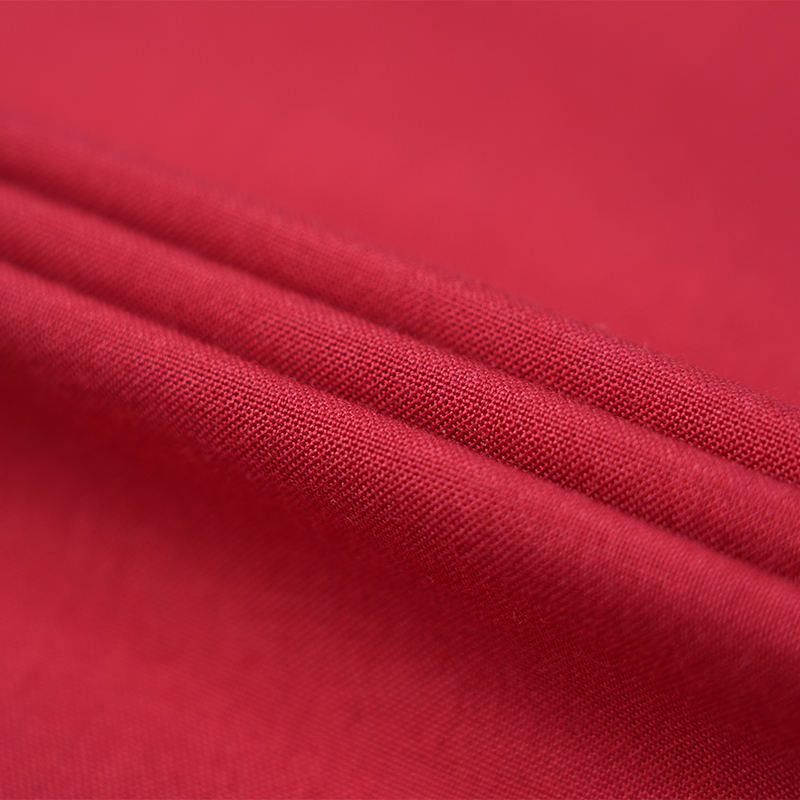
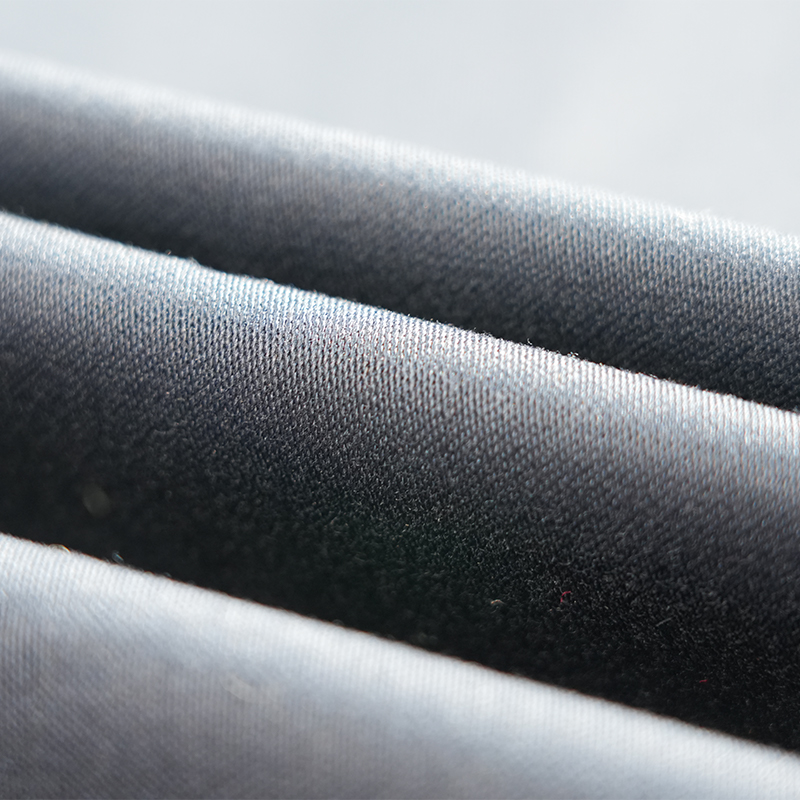
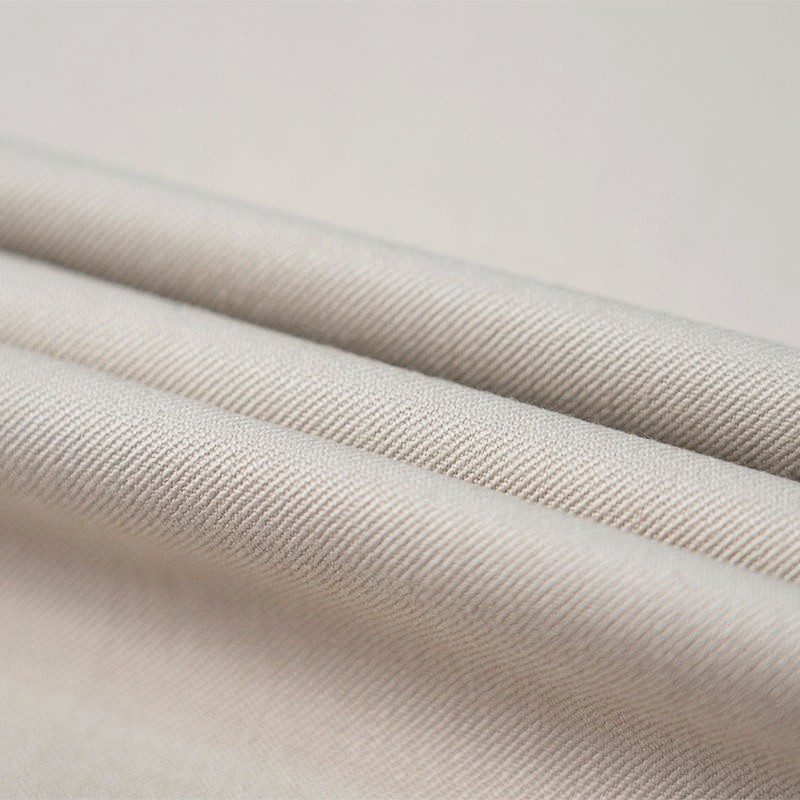 Aramid blended FR FabricWith national standard GB8965.1-2020 B grade GB12014 certificate. Permanent flame retardant, anti-static, and high temperature resistant. No shrinkage and melting phen...View Product →
Coatings and membranes trade off differently. An FR PU coating is cost-efficient, robust against abrasion and simple to seam-seal, but it limits breathability. A laminated FR membrane costs more and needs more careful handling during cutting and taping, yet it delivers a much lower Ret value, which matters for anyone working hard in the rain. For oil, gas and petrochemical sites where flash fire is the governing hazard, aramid-blended shells are a common starting point because the flame resistance is inherent to the fibre rather than applied as a finish.
Two details decide whether the assembly works in service: seam sealing and trims. Every stitch line is a hole in the waterproof barrier, so seams are heat-sealed with FR tape of a defined width, and the tape itself has to pass flame-spread testing. Zips should be metal or FR-rated plastic, closures should avoid untreated nylon, and any retroreflective tape must be an FR grade. A test report for the fabric alone tells you nothing about the finished garment.
Waterproofing, Breathability and Comfort: Where the Trade-offs Sit
Buyers rarely get to optimise all variables. The chart below compares three common approaches — a plain PVC or nylon rain suit, an FR-treated polyester/cotton shell with a PU coating, and an aramid-blend shell with a laminated FR membrane — across the properties that matter on site.
Movement is the other half of comfort. Kneeling to inspect a flange or climbing a ladder in a stiff coated shell is slow and tiring, which is why weft-stretch FR fabrics have gained ground in multi-purpose rain garments. The stretch itself has to be engineered carefully: elastane melts, so the yarn content and the finished fabric must still pass flame-spread and arc testing as a system rather than being assumed safe because the base blend is FR.
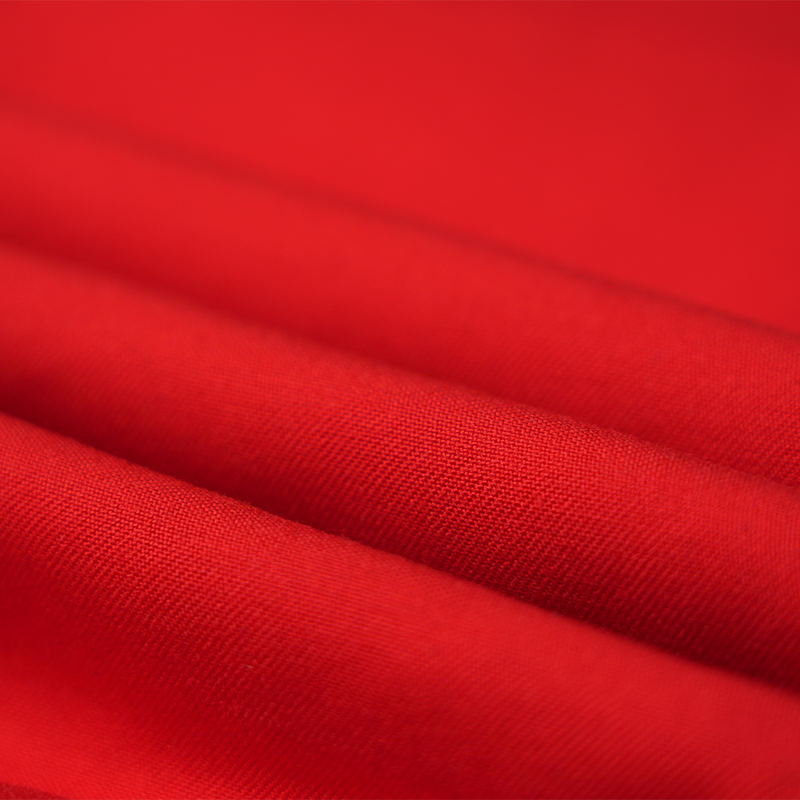
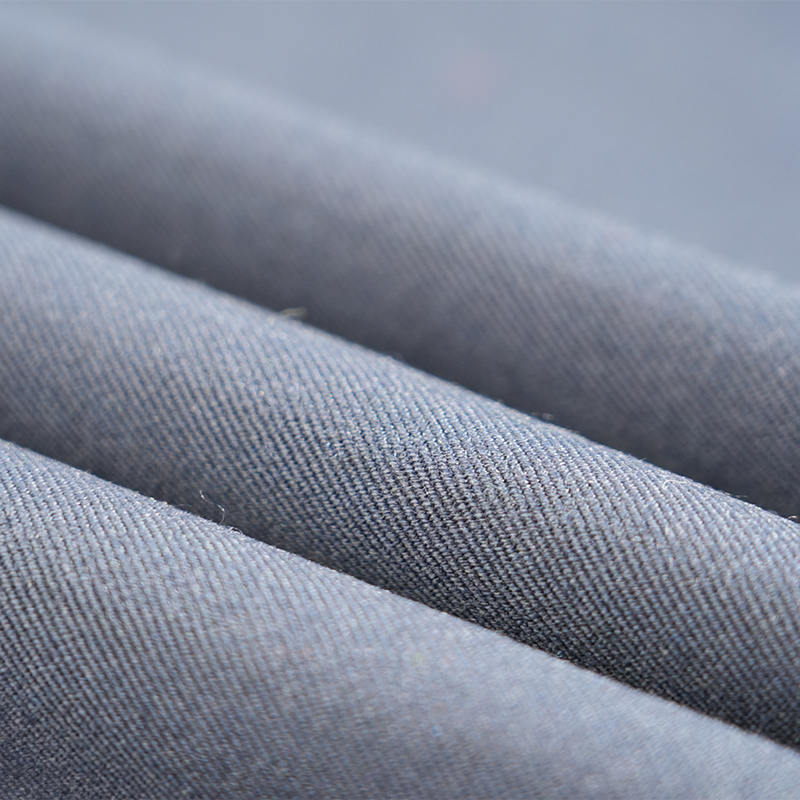
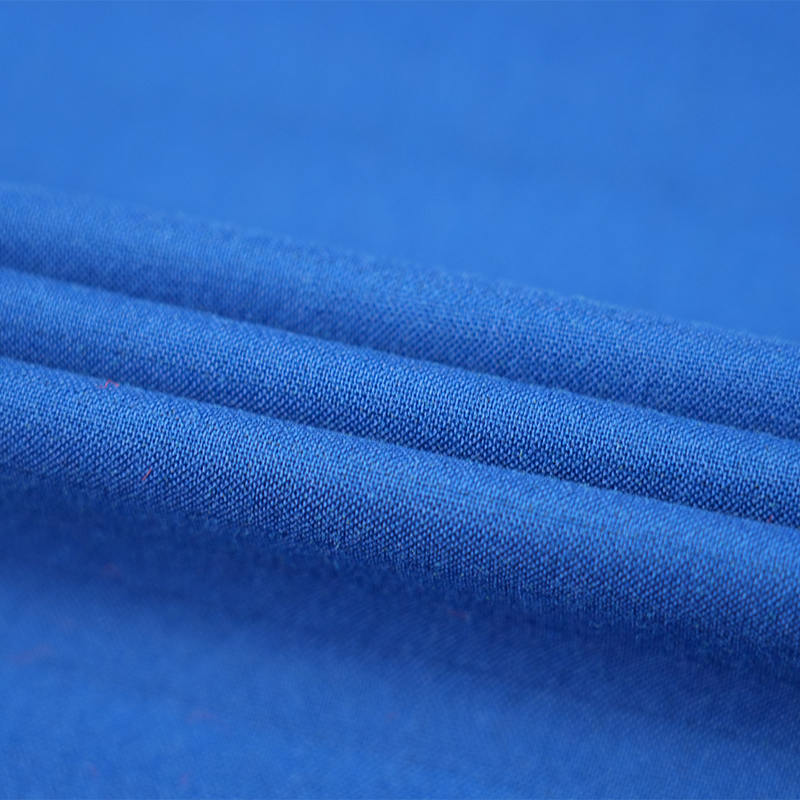 SSS-A01 Aramid/FR Viscose/Spandex/As FR Weft-Stretch FabricColor: Color customized Weight: customized Weave: twill Full width: 150cmView Product →
Laundering decides the lifetime cost. Ask how the fabric behaves after an industrial wash programme — commonly tested against ISO 15797 — and require a retest after the number of cycles you actually run each year. Inherent FR fibres such as aramid and modacrylic hold their performance through repeated washing, while FR finishes applied to cotton can degrade. Shrinkage tolerance, colour fastness and retroreflective tape performance should all be re-verified after the same cycle count.
Hi-Vis, Antistatic and Arc Requirements Usually Arrive Together
Rain gear is often the outermost layer of a system that has to be seen, has to be safe in a flammable atmosphere, and sometimes has to survive an arc. Utility crews, rail maintenance teams, road works and fuel terminals typically combine EN ISO 20471 class 2 or 3, or ANSI 107 in the US, with EN ISO 11612 and an arc rating. Where fuels or solvents are handled, EN 1149-5 antistatic performance is added on top.
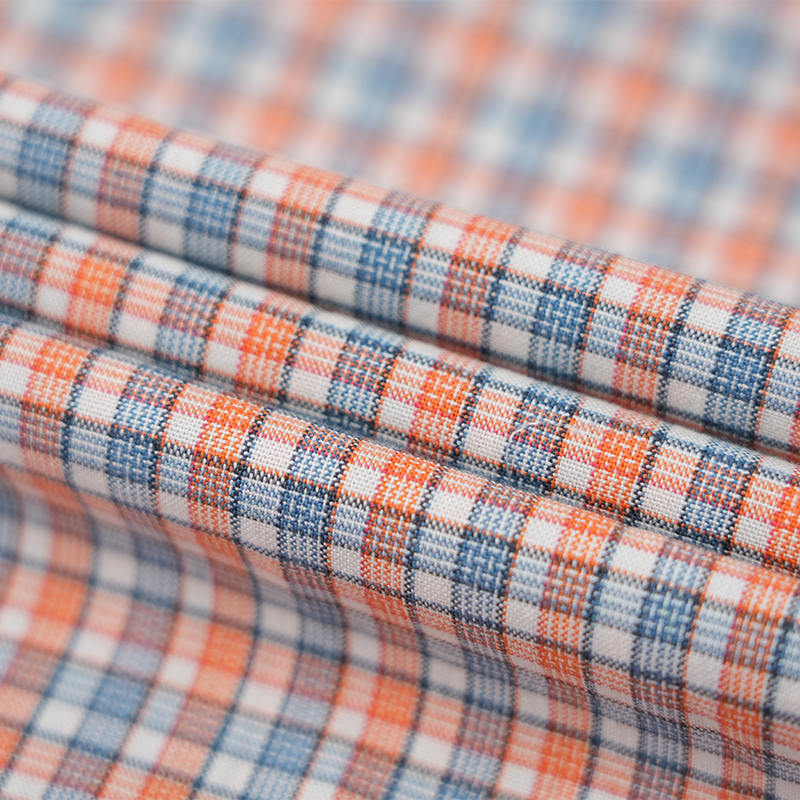
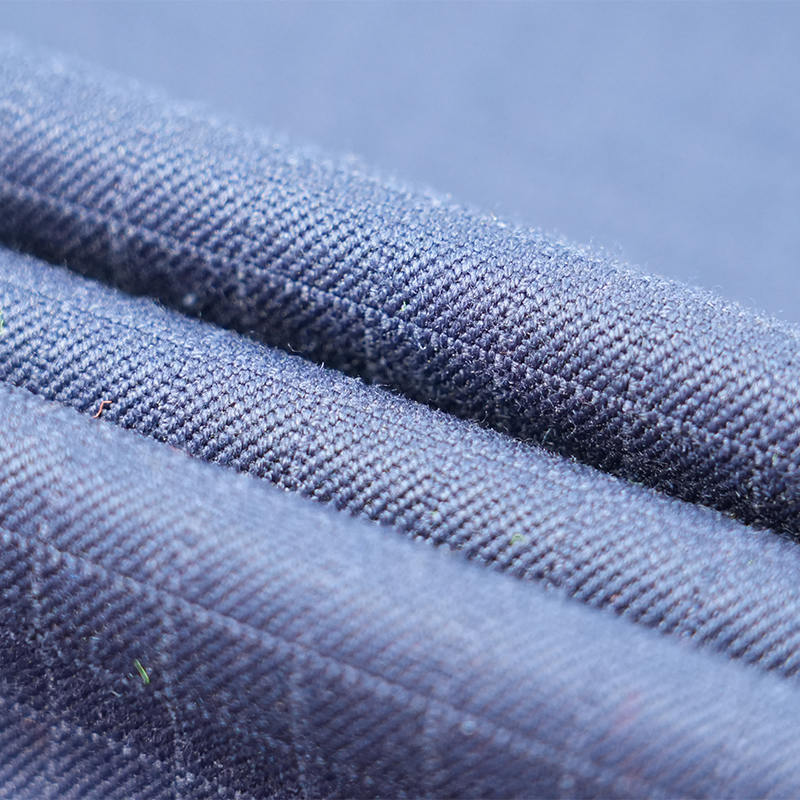
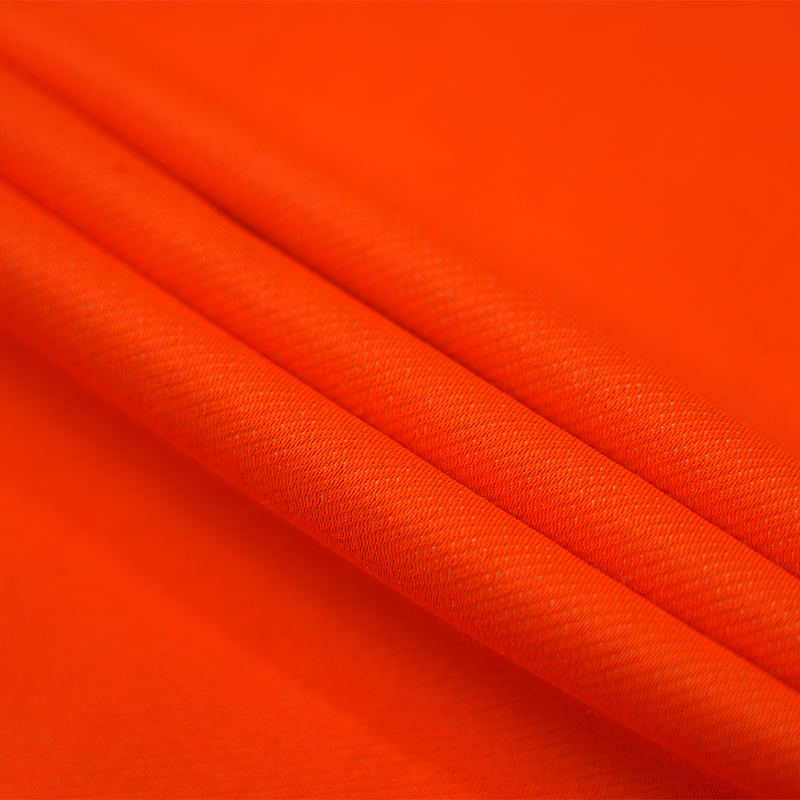 QFU-05 Modacrylic/Polyester/Cellulose/Super fiber/Anti-static FR Hi-Vis FabricColor: Color customized Weight: 230gsm/260gsm/300gsm Weave: WOVEN Full width: 150cmView Product →
Stacking functions is not simply additive. Retroreflective tape changes the way heat moves across the surface, coatings affect static dissipation, and an antistatic grid can influence drape and weight. That is why combined-performance fabrics are tested as a finished system — flame spread, heat transfer, surface resistance and retroreflection after washing — instead of being approved function by function.
Specifying and Sourcing FR Rain Gear Fabric Without Surprises
A specification that survives the first rainy season usually follows the same sequence:
- Complete the hazard assessment first: rain intensity, task duration, arc incident energy, welding spatter, and whether a flammable atmosphere is present.
- Name both standards families, with test method editions, so certificates from different suppliers can be compared.
- Define the seam sealing method, tape width and FR grade, and state that seams must be sealed after every stitch line.
- List the approved trims: FR zips, FR thread, FR retroreflective tape, and no unapproved thermoplastic hardware.
- Fix the laundering programme and require retesting after the agreed number of industrial wash cycles.
- Request per-batch test reports rather than a single type test issued years ago.
- Ask for product lifecycle traceability from roll or batch number to the finished garment.
- Run a wearer trial in real weather before full rollout, and record feedback on fit, weight and drying time.
The same discipline applies to firefighting and rescue protective fabrics, where rain, radiant heat and abrasion have to be handled by one assembly.
3H Safety Technology Co Limited is a functional fabric manufacturer based on flame retardancy, with the company's product brand "3H. Safeloya" ®. The company is committed to product research and development and fabric production, and adds multiple functions such as anti-static, arc proof, metal splash proof, and three proofing according to customer needs. The product is widely used in various industries such as petroleum, petrochemical, chemical, gas station, power, coal mining, steel, metallurgy, and mechanical processing. The related products have been tested by authoritative testing institutions such as SGS in Switzerland, TUV in Germany, ITS in the UK, and the National Labor Protection Products Quality Supervision and Inspection Center, and have met the requirements of domestic and international standards, including EN ISO 11611, EN ISO 11612, EN ISO 1149, EN 469, EN 373, EN 61482-1, ASTM F1959, ASTM F1891, NFPA 70E, NFPA 2112, ANSI 107, GB 8965.1, and GB 12014. The company strictly requires comprehensive quality management, fully implements product lifecycle traceability in accordance with national regulations, achieves excellent product quality, environmental protection, and reliable hygiene, allowing customers and users to rest assured.
Frequently Asked Questions About Flame Resistant Rain Gear
Q1. What is flame resistant rain gear?
It is outer rainwear built from FR fabrics, FR membranes and FR trims, so it keeps rain out without adding a melting thermoplastic layer over your FR clothing. A compliant garment is tested against both a rainwear standard and a heat, flame or arc standard.
Q2. Is arc-rated rainwear required for electrical work?
Where an arc-flash hazard exists and the rain garment is the outermost layer, it should be arc rated. The arc rating (ATPV or ELIM) has to match the incident energy of the task, and NFPA 70E treats the outer layer as part of the protective system.
Q3. What does EN 343 3:3 mean on a rain jacket?
It means the highest class for both waterproofness and breathability: a hydrostatic head of at least about 13,000 Pa and a Ret value of 20 m²·Pa/W or lower. It is the rating to look for when crews work hard in sustained rain.
Q4. Do FR properties wash out of rain gear?
Inherent FR fibres such as aramid, modacrylic and FR viscose keep their performance through repeated industrial laundering. FR finishes applied to cotton can fade with washing, so always ask for test data after the laundering cycle count your site actually uses.
Q5. Can rain gear be both hi-vis and flame resistant?
Yes. FR hi-vis fabrics combine an FR base fabric with FR retroreflective tape tested to EN ISO 20471 or ANSI 107. Confirm that retroreflection and flame spread are both verified after washing, and that antistatic performance is included if fuels are handled.
Q6. What should I check on a supplier's FR rainwear test report?
Check the standard and edition tested, hydrostatic head and Ret values, flame spread and heat transfer codes, the arc rating in cal/cm², the number of laundering cycles applied before testing, and the issuing laboratory.