 EN
 中文简体
 English
 русский
 Español
 Português
 عربى


Two swatches arrive in the same courier box. Both are sold as flame retardant textiles, both come with a vertical burn test report, and the quoted prices sit close together. One is a treated cotton twill; the other is an aramid blend. Two years of industrial laundering later, one still chars and self-extinguishes the way it did in the laboratory, while the other has drifted towards the edge of its own specification.
That gap is the whole subject of textile flame retardant selection. Performance is fixed by three things — fibre chemistry, fabric construction and the finishing route — and confirmed by a fourth: whether the certificate in the folder actually covers the weight, the colour and the standard version you are buying.
Content
- 1 What a flame retardant textile actually does
- 2 Inherent versus treated flame retardant textiles
- 3 Match the standard to the hazard, not the other way round
- 4 Construction, weight and the layers behind the number
- 5 What to verify before the order is confirmed
- 6 Cost, comfort and the trade-offs buyers feel later
- 7 About 3H Safety Technology Co Limited
- 8 Frequently asked questions
- 8.1 Q1. Will a flame retardant textile stop a fire?
- 8.2 Q2. What is the difference between flame retardant and flame resistant fabric?
- 8.3 Q3. Does FR workwear lose its protection after washing?
- 8.4 Q4. How many industrial washes should FR fabric survive?
- 8.5 Q5. What does arc rating or ATPV in cal/cm² mean?
- 8.6 Q6. Should I specify EN ISO 11612 or NFPA 2112?
What a flame retardant textile actually does
Flame retardant fabrics are not fireproof, and a supplier who implies otherwise deserves a second look. What a well-built textile flame retardant system does is resist ignition, slow the spread of flame, and stop burning once the ignition source is removed. Three mechanisms do most of the work: a char layer that insulates the polymer beneath it, non-flammable gases that dilute oxygen at the flame front, and endothermic decomposition that pulls heat out of the reaction.
The screening number mill technicians reach for first is the limiting oxygen index (LOI) — the minimum oxygen concentration at which a material keeps burning. Air is roughly 21% oxygen, so a fibre whose LOI sits comfortably above that figure tends to self-extinguish on its own.
Two cautions. First, LOI is a laboratory screen, not a compliance result — pass or fail comes from the standard's own test method. Second, a high LOI says nothing about comfort or durability; it only tells you the fibre resists sustained combustion.
Inherent versus treated flame retardant textiles
Inherent FR
Aramid, modacrylic, polyimide and FR viscose carry the protection inside the polymer, so laundering does not remove it.
Treated FR
A phosphorus-nitrogen finish, back coating or padding system is applied to cotton or a blend; durability depends on how well that chemistry is bonded to the fibre.
The practical consequence is a durability question, not a marketing one. Cross-linked treatments on cotton can survive dozens of industrial wash cycles; simple topical coatings can be compromised in a handful. If your tender simply says "flame retardant fabric", you have said almost nothing about which of these you will receive.
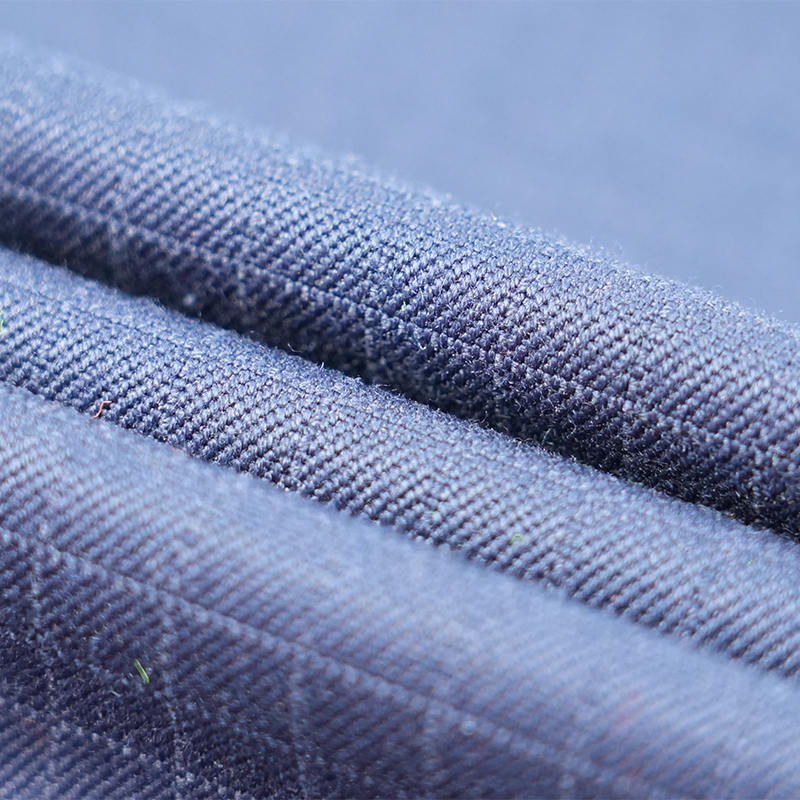
Blends are where most workwear programmes land. Modacrylic and cotton at roughly 65/35 gives a soft hand, good colour fastness for high-visibility work and dependable FR behaviour at moderate cost. Aramid blends trade some comfort and budget for higher heat resistance and better dimensional stability in welding and petrochemical tasks.
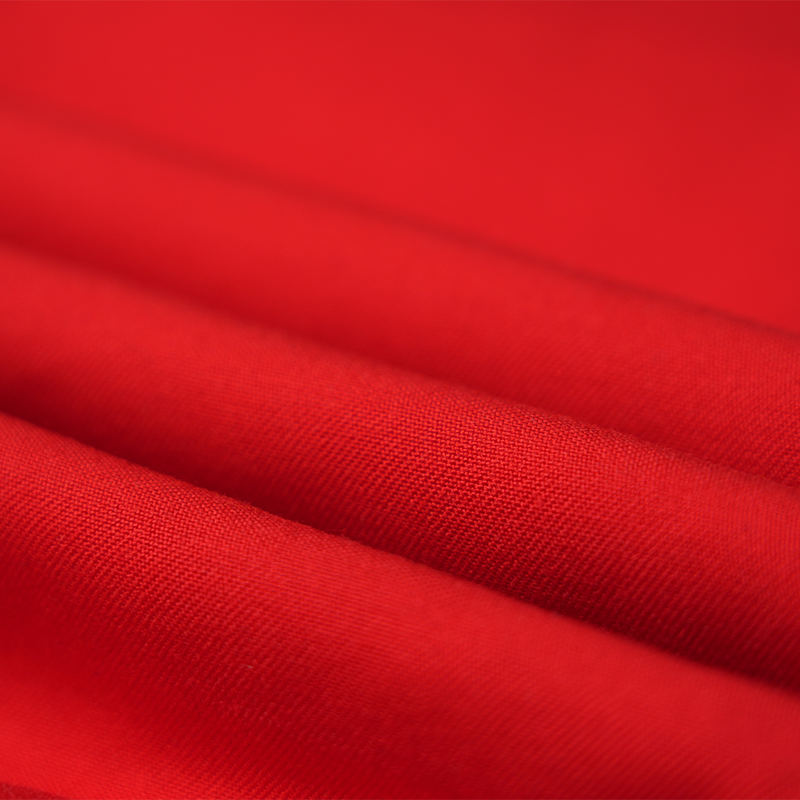
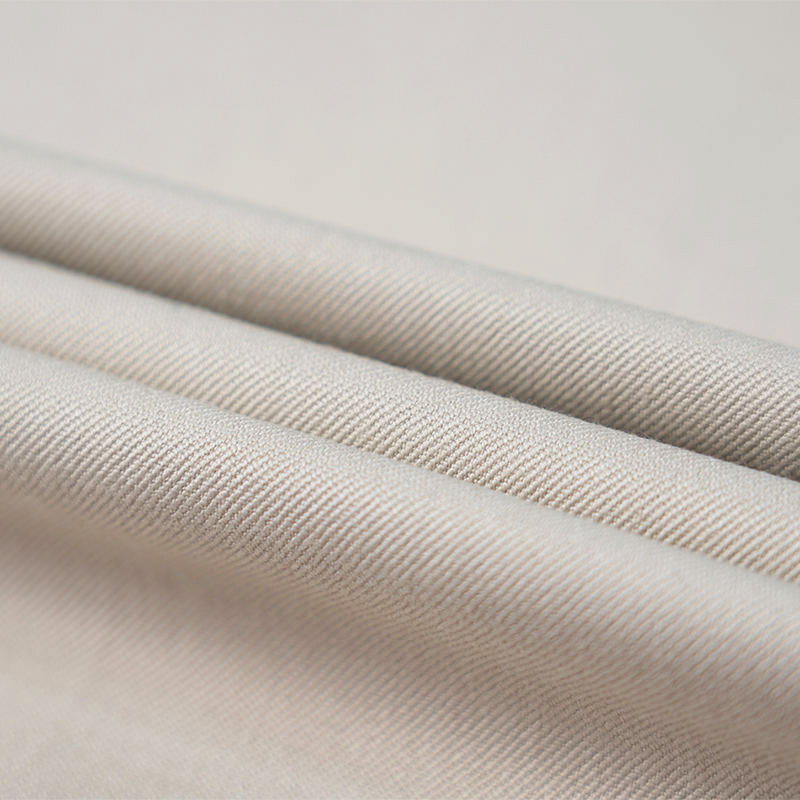 Aramid blended FR fabrics for protective workwearExplore aramid-blend FR fabrics with tailored spinning options for heat resistance and dimensional stability in welding and petrochemical workwear.View Product →
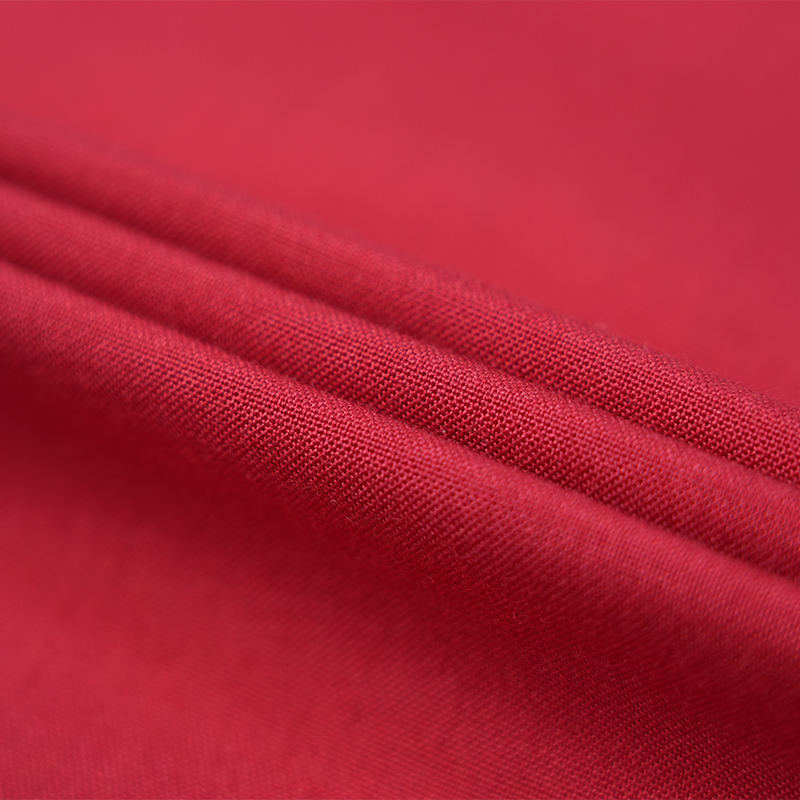
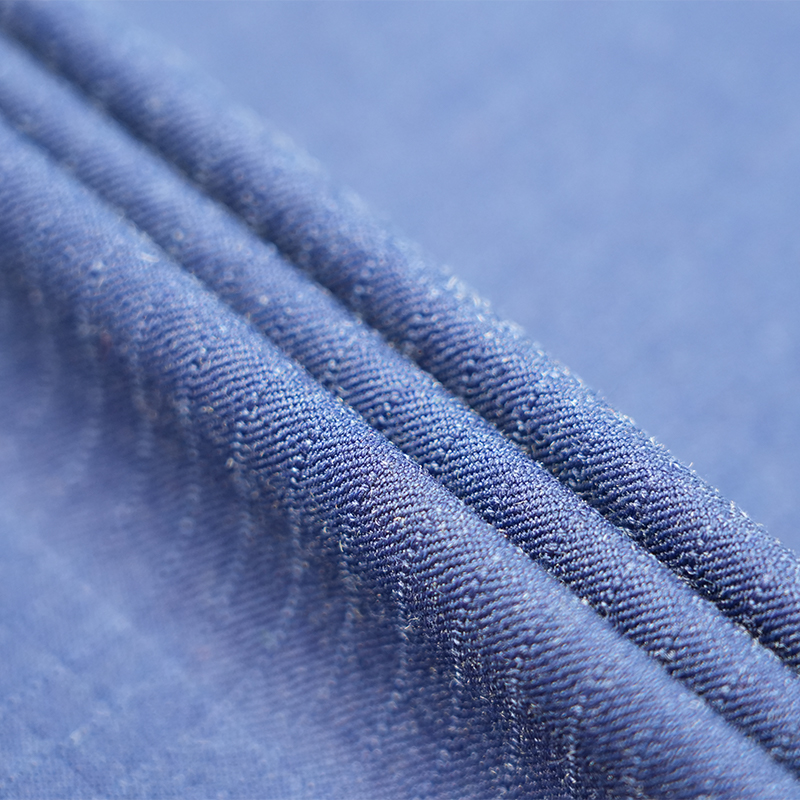
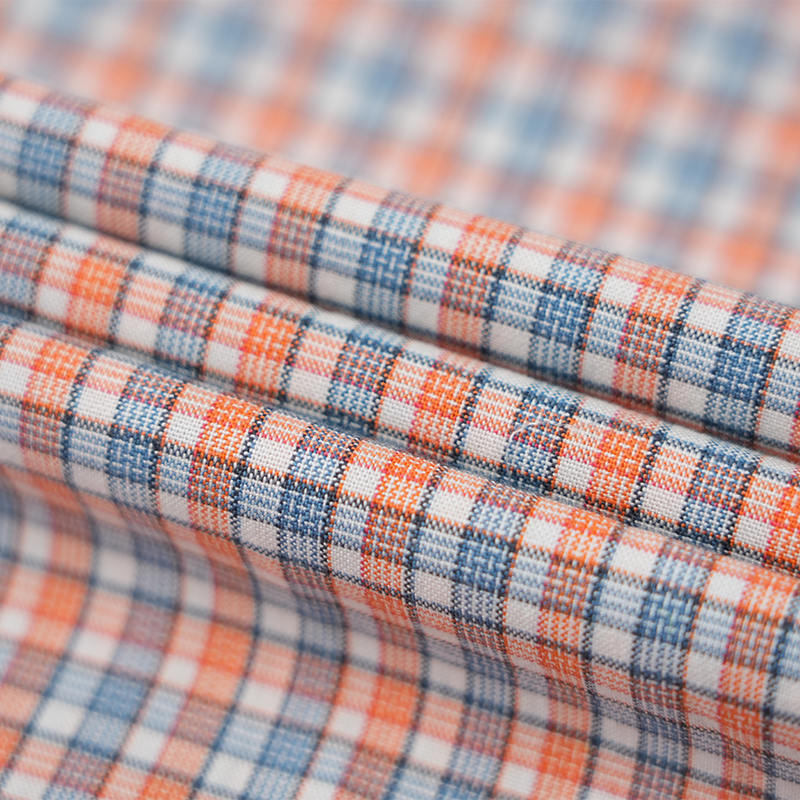 Modacrylic and cotton FR fabric rangeView modacrylic/cotton FR fabrics combining flame retardancy with breathability, plus knitted options and optional anti-static or arc protection for industrial workwear.View Product →
Match the standard to the hazard, not the other way round
Start from the hazard, then choose the standard, then choose the fabric. Buyers who work backwards from a fabric sample usually pay for performance they do not need — or miss the one code the risk assessment requires. Molten metal shows why the detail matters: under EN ISO 11612, resistance to molten aluminium and molten iron is tested and coded separately (codes D and E) using the EN ISO 9185 method, and a fabric that performs well against one metal is not automatically strong against the other. Older references to EN 373 point at the same underlying assessment, so read the code on the report, not just the standard number.
| Standard | Hazard covered | What buyers usually check |
|---|---|---|
| EN ISO 11611 | Welding and allied processes | Splatter resistance, radiant heat, small molten drops |
| EN ISO 11612 | Industrial heat and flame | Codes A to F: flame spread, convective and radiant heat, molten metal, contact heat |
| EN 61482-1 / ASTM F1959 | Electric arc | Arc rating (ATPV or Ebt) in cal/cm² |
| NFPA 70E | Arc flash workplace practice | Arc rating against calculated incident energy |
| NFPA 2112 | Industrial flash fire | Three-second flash fire exposure, thermal shrinkage, no melting drip |
| EN 1149 series | Electrostatic discharge | Surface resistance, charge decay, garment design |
| ANSI/ISEA 107 | High visibility | Colour, retroreflection, combined FR performance |
| GB 8965.1 / GB 12014 | China FR clothing and anti-static | Domestic compliance for projects inside China |
One more point on arc-rated textiles: the useful figure is the arc rating, measured under ASTM F1959 or IEC 61482-1-1 and then compared with the incident energy calculated for the task. A fabric with a high LOI can still carry a modest arc rating if it is thin.
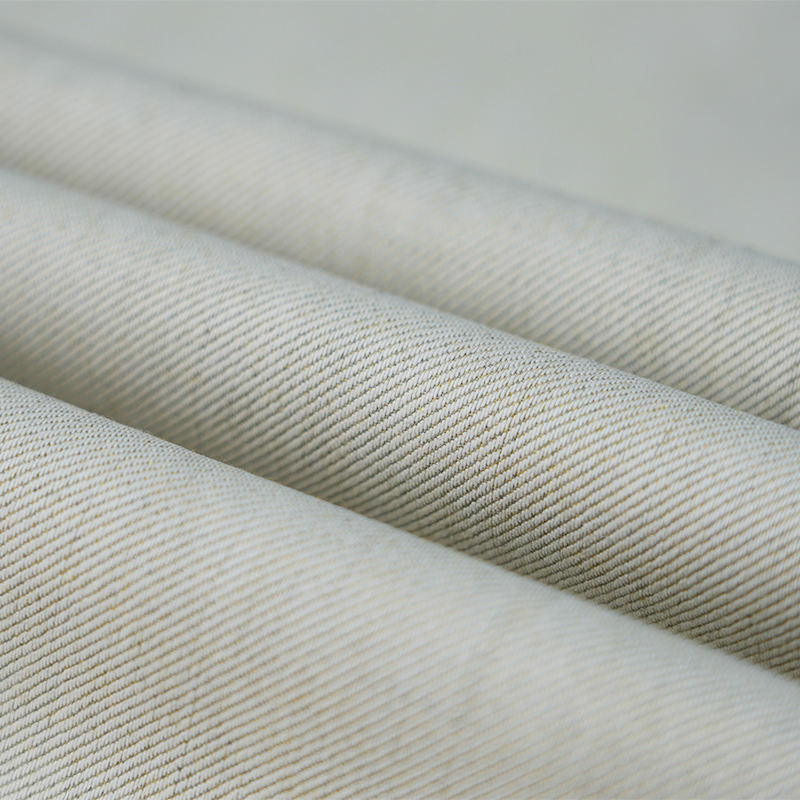
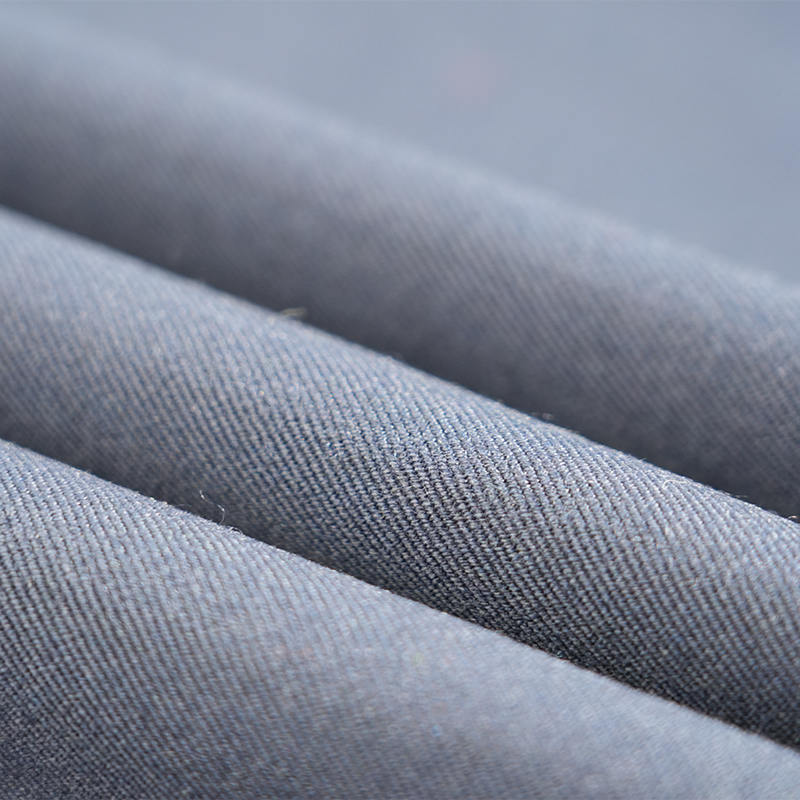 AMT Twill molten metal splash FR fabricAMT Twill FR fabric for foundry and metalworking workwear, with EN ISO 11612 D and E molten metal splash protection and anti-drip performance.View Product →
Construction, weight and the layers behind the number
A fibre does not protect anyone until it becomes a garment. A 150 to 200 g/m² FR shirt fabric and a 350 g/m² welding shell may share the same chemistry and behave completely differently under radiant heat. Firefighting and rescue garments add a moisture barrier and a thermal liner, and each layer has its own job.
Checks worth writing into the specification: weight tolerance between lots, residual shrinkage after industrial washing, and the performance of seams, zippers, reflective tape and thread. Trims are the most common weak point in an otherwise compliant garment.
What to verify before the order is confirmed
Read the paperwork as carefully as you read the sample.
- Scope of the certificate: fabric code, weight, colour and standard version — one shade does not automatically cover another.
- Test report age and the issuing laboratory, matched against the test house named by the mill.
- Laundering claim: how many cycles, and by which method (ISO 6330 for domestic, EN ISO 15797 for industrial).
- Batch consistency across shrinkage, shade, hand feel and finish add-on.
- Traceability from roll to production batch and test record.
- Skin safety — pH, formaldehyde and restricted substances, especially for next-to-skin knits.
Reputable mills publish this material openly. 3H Safety keeps its certification and test documentation in one place so buyers can confirm which standard versions are currently in scope before a purchase order is raised.
Cost, comfort and the trade-offs buyers feel later
Aramid content is the single biggest cost driver in FR workwear fabric, which is why so many "aramid-rich" offers turn out to be blends. There is nothing wrong with a blend — modacrylic and cotton has protected utility and refining crews for decades — but the price should match the fibre content and the certificate should match the claim.
Comfort trade-offs surface later. Heavier, stiffer fabrics get removed in hot weather, and a garment left in the locker protects nobody. Weight, air permeability and moisture management belong in the same conversation as LOI and arc rating. The cheapest route to compliance is usually the fabric people will actually keep wearing.
About 3H Safety Technology Co Limited
3H Safety Technology Co Limited is a functional fabric manufacturer built around flame retardancy, operating under the product brand "3H. Safeloya"®. The company focuses on product research and development and fabric production, adding anti-static, arc protection, molten metal splash protection and three-proof finishing according to customer requirements. Its fabrics are used across petroleum, petrochemical, chemical, gas station, power, coal mining, steel, metallurgy and mechanical processing environments.
Related products have been tested by SGS in Switzerland, TUV in Germany, ITS in the UK and the National Labor Protection Products Quality Supervision and Inspection Center, and meet requirements in standards including EN ISO 11611, EN ISO 11612, EN 1149, EN 469, EN 373, EN 61482-1, ASTM F1959, ASTM F1891, NFPA 70E, NFPA 2112, ANSI 107, GB 8965.1 and GB 12014. Quality management covers full product lifecycle traceability, so a roll can be followed back to its production and test records. Further detail is available in the company profile.
Frequently asked questions
Q1. Will a flame retardant textile stop a fire?
No textile stops a fire. A properly specified flame retardant fabric resists ignition, limits flame spread and self-extinguishes once the heat source is removed, which buys escape and response time.
Q2. What is the difference between flame retardant and flame resistant fabric?
Flame retardant usually describes a treatment or additive that interrupts combustion; flame resistant describes a material such as aramid whose resistance is built into the fibre. Either route can meet the same standard.
Q3. Does FR workwear lose its protection after washing?
Inherent FR fibres do not lose protection through laundering. Treated fabrics depend on the chemistry and the wash regime, so follow the care label and check the number of laundering cycles stated in the certificate.
Q4. How many industrial washes should FR fabric survive?
The claim should come from the certificate, not from the sales conversation. Domestic testing follows ISO 6330, industrial laundering follows EN ISO 15797, and the certified cycle count must cover your garment's planned service life.
Q5. What does arc rating or ATPV in cal/cm² mean?
ATPV is the incident energy at which a fabric has a 50% probability of transmitting enough heat to cause a second-degree burn. It is measured under ASTM F1959 and compared with calculated incident energy under NFPA 70E.
Q6. Should I specify EN ISO 11612 or NFPA 2112?
It depends on the market and the hazard. EN ISO 11612 covers European industrial heat and flame requirements, NFPA 2112 addresses US flash fire exposure, and arc protection is handled separately through arc rating standards.