 EN
EN 中文简体
中文简体 English
 русский
 Español
 Português
 عربى
عربى

Content
- 1 NFPA 2112 Meaning: What It Actually Means for FR Clothing
- 2 What Is the NFPA 2112 Standard?
- 3 How Is NFPA 2112 Compliance Tested?
- 4 NFPA 2112 vs. NFPA 70E vs. ASTM F1506
- 5 Who Needs NFPA 2112 Compliance?
- 6 Choosing NFPA 2112 Compliant FR Fabric
- 7 Structure of an NFPA 2112 Flash Fire Garment
- 8 NFPA 2112 FAQ
- 8.1 Q1: What does NFPA 2112 mean for flame-resistant clothing?
- 8.2 Q2: Is NFPA 2112 the same as NFPA 70E?
- 8.3 Q3: What industries require NFPA 2112 FR fabric?
- 8.4 Q4: How is NFPA 2112 compliance tested?
- 8.5 Q5: What is the difference between NFPA 2112 and ASTM F1506?
- 8.6 Q6: Can NFPA 2112 FR fabric be washed and maintained?
NFPA 2112 Meaning: What It Actually Means for FR Clothing
NFPA 2112 governs flame-resistant clothing for industrial personnel who may face short-duration thermal exposures from fire — most commonly flash fire. In short, it defines how a flame-resistant garment must perform when suddenly engulfed in flames, and it requires that both the fabric and the finished garment pass specific tests before the NFPA 2112 label can appear. The practical result: FR clothing that meets NFPA 2112 gives workers a measurable layer of protection against the kind of sudden fire that can occur in oil and gas, petrochemical, or chemical processing operations.
Understanding the meaning behind NFPA 2112 is especially important for safety buyers because it affects garment selection, maintenance, and lifecycle decisions. A fabric that looks fire-resistant but does not pass the standard's heat performance and char tests may fail in a real emergency.
What Is the NFPA 2112 Standard?
The National Fire Protection Association (NFPA), based in the United States, publishes NFPA 2112. Its complete title is "Standard on Flame-Resistant Clothing for Protection of Industrial Personnel Against Short-Duration Thermal Exposures from Fire." It is an active standard that is periodically revised to reflect advances in fabric technology and incident data.
NFPA 2112 focuses on flash fire, which is a sudden, short-duration fire caused by the ignition of flammable vapors, gases, or dust. These events might last only a few seconds, but they generate high heat and radiant energy. The purpose of the standard is to make sure that flame-resistant workwear used in these environments performs consistently under those conditions.
What the Standard Covers
- Performance requirements for FR fabrics and finished garments
- Test methods for flame resistance, heat transfer, and durability
- Garment labeling and certification requirements
- Third-party testing and compliance verification
How Is NFPA 2112 Compliance Tested?
Compliance is determined through a set of laboratory tests. A fabric sample — and later the finished garment — must meet the standard's acceptance limits. The main tests address afterflame, char length, and melting and dripping behavior.
When an FR fabric is exposed to a flame for a specified period, it must stop burning quickly after the flame source is removed. That time is called afterflame. The fabric should also limit how far the burn spreads, known as char length. Finally, the fabric must not melt or drip, because melted material can stick to the skin and cause severe burns.
These limits are averages for fabric samples. The standard also requires finished garments to pass flame exposure tests, and the complete label must be verified by a third-party certification body. That is why a seat-of-the-pants look at a fabric swatch is not enough to confirm compliance.
NFPA 2112 vs. NFPA 70E vs. ASTM F1506
The three standards are often confused, but they address different hazards. Choosing the wrong one can leave a workplace under-protected. The table below shows how they differ.
| Standard | Primary Hazard | Covers Fabric / Garment? | Typical Application |
|---|---|---|---|
| NFPA 2112 | Flash fire | Both fabric and finished garment | Oil and gas, petrochemical, chemical processing |
| NFPA 70E | Arc flash | Primarily garment and PPE | Electrical utilities, electricians, maintenance |
| ASTM F1506 | Arc flash and flash fire | Fabric only | Arc-rated FR textile materials used in workwear |
NFPA 2112 is the standard to reference when flash fire is the main danger. NFPA 70E and ASTM F1506 are more relevant when arc flash risk is present. Many industrial sites need dual compliance, and some fabrics are designed to meet both sets of requirements. The radar chart below offers a quick coverage comparison.
Who Needs NFPA 2112 Compliance?
NFPA 2112 is not a legal requirement in every country, but it becomes mandatory when a hazard assessment identifies flash fire risk and a company chooses to base its FR program on the standard. In the United States, OSHA does not list NFPA 2112 by name for every industry, yet it is widely adopted as the benchmark in high-risk settings.
Industries That Commonly Reference NFPA 2112
- Oil and gas extraction, refineries, and pipelines
- Petrochemical and chemical processing plants
- Gas distribution and storage facilities
- Industrial maintenance and turnaround contractors
Buyers in these sectors usually look for FR garments that already carry the NFPA 2112 label. They also check whether the fabric supplier can provide certified test reports and product traceability.
Choosing NFPA 2112 Compliant FR Fabric
Picking the right FR fabric for a flash fire program starts with a clear hazard assessment. Then the review moves to fiber composition, fabric weight, comfort, durability after repeated laundering, and whether the fabric also needs to pass other standards. For example, someone working near both electrical panels and flammable gases may require a fabric that satisfies NFPA 2112 as well as NFPA 70E and ASTM F1506.
3H Safety Technology Co Limited is a functional fabric manufacturer based on flame retardancy, with the company's product brand "3H. Safeloya®". The company is committed to product research and development and fabric production, and adds multiple functions such as anti-static, arc proof, metal splash proof, and three proofing according to customer needs. Their products are widely used in various industries such as petroleum, petrochemical, chemical, gas station, power, coal mining, steel, metallurgy, and mechanical processing. The related products have been tested by authoritative testing institutions such as SGS in Switzerland, TUV in Germany, ITS in the UK, and the National Labor Protection Products Quality Supervision and Inspection Center, and have met the requirements of domestic and international standards, including EN ISO 11611, EN ISO 11612, EN ISO 1149, EN 469, EN 373, EN 61482-1, ASTM F1959, ASTM F1891, NFPA 70E, NFPA 2112, ANSI 107, GB 8965.1, and GB 12014.
For oil and gas operations that need flash fire protection, fabric choice often comes down to three material families:
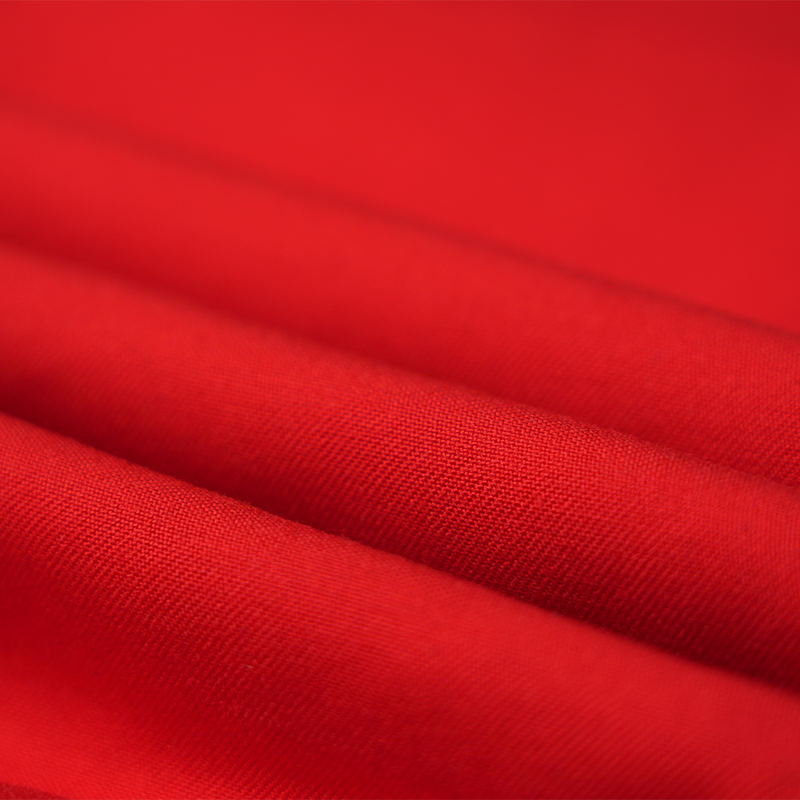
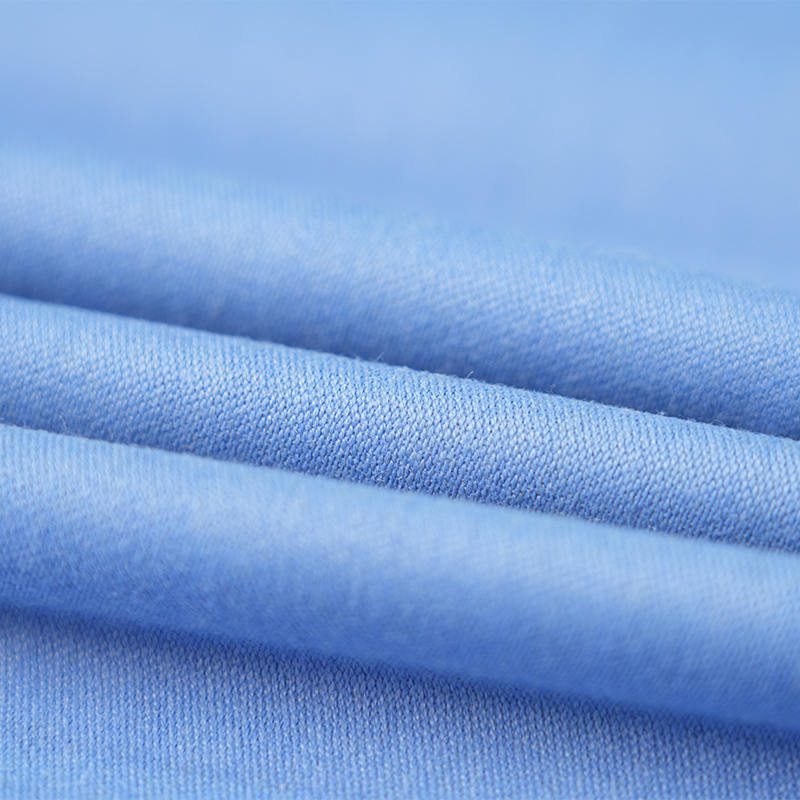
 Aramid Blended FR Fabric for Oil and Gas Flash Fire ProtectionThis fabric combines inherent flame resistance, strength, and comfort, certified to GB8965.1-2020 B grade. It provides permanent protection against flames and static, with high breathability and wear resistance for harsh environments.View Product →
Aramid blended FR fabrics offer a good balance of inherent flame resistance, strength, and comfort. They are a common choice when the work environment also involves mechanical wear or repeated laundering.
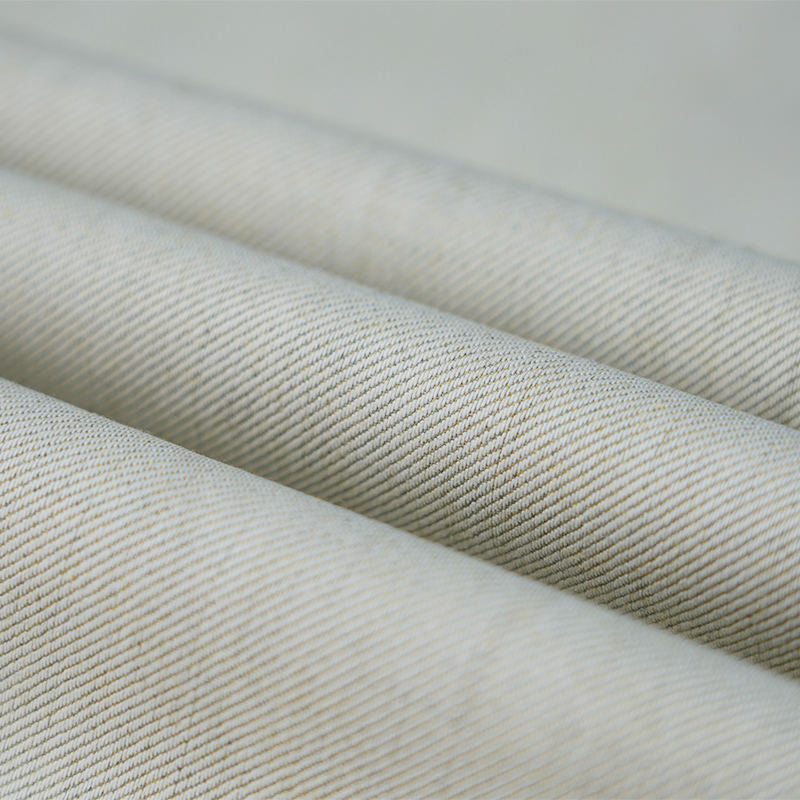
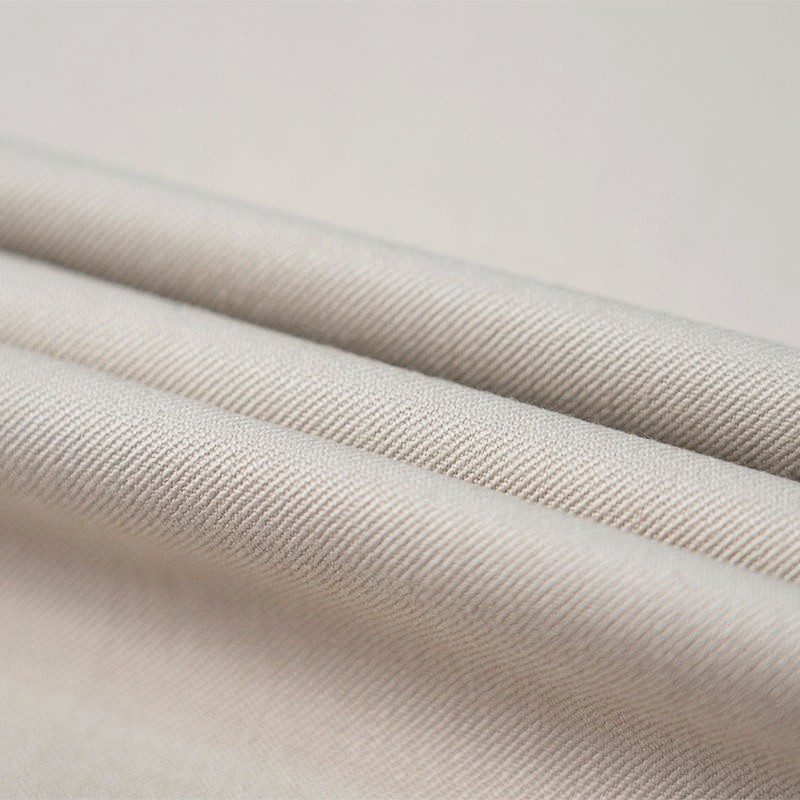
 Modacrylic Blended FR Fabric for Comfortable Thermal ProtectionOffering excellent flame retardancy and anti-static properties, this fabric is soft and comfortable. Its moisture-wicking and colorfast features make it suitable for extended wear in oil and gas workwear.View Product →
Modacrylic blended FR fabrics are known for their soft feel and good drapability while maintaining reliable thermal protection. They suit applications where worker comfort and mobility matter as much as burn protection.
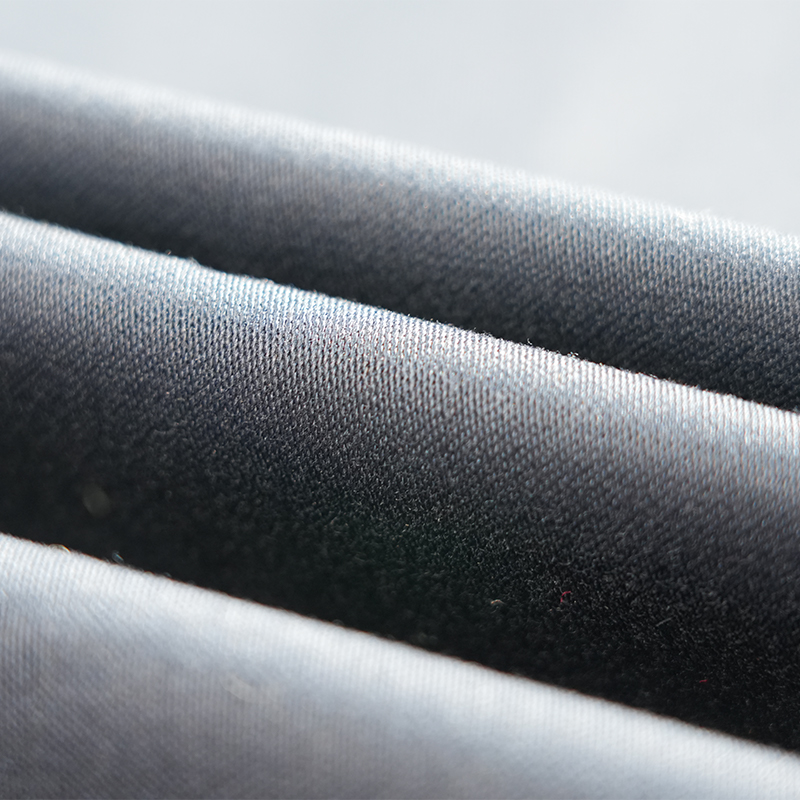
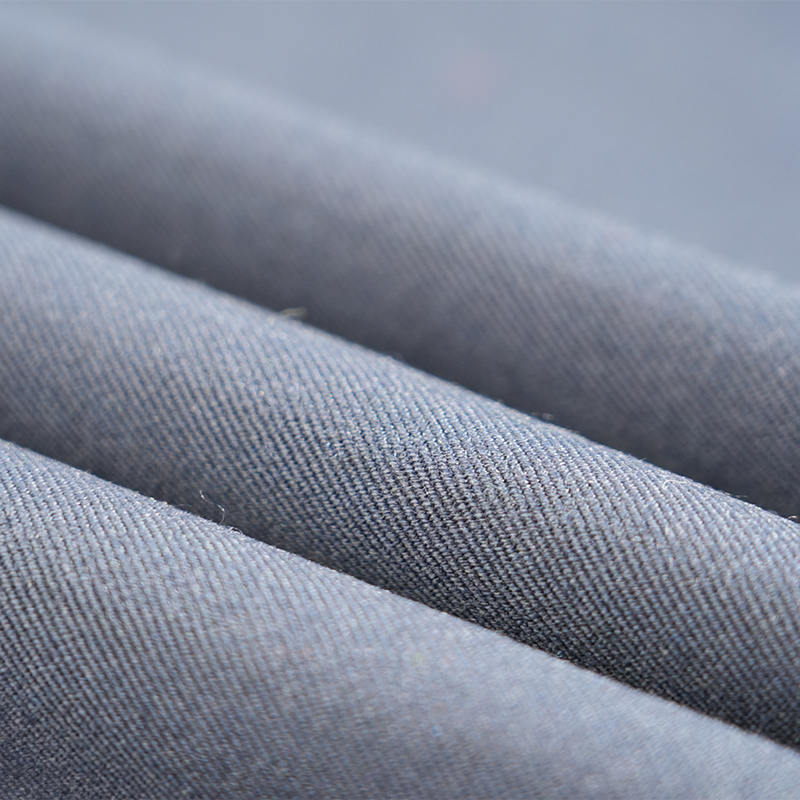
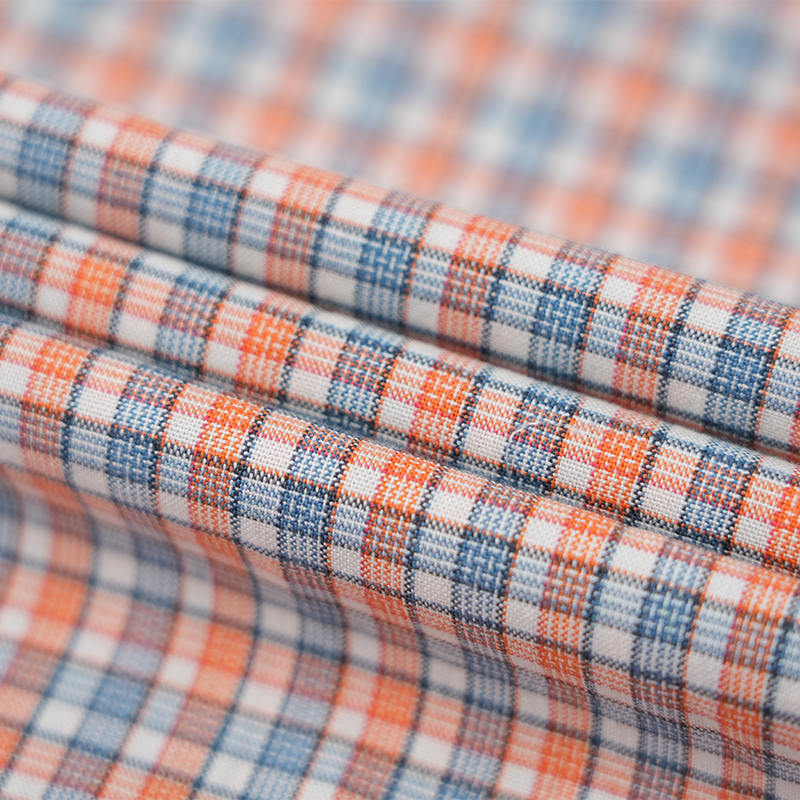
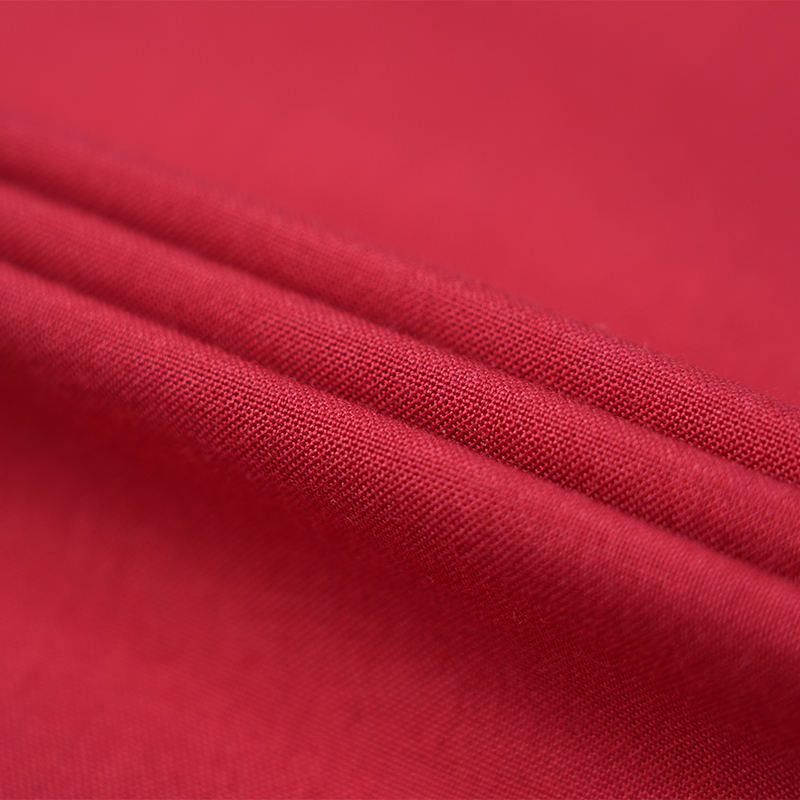 Aramid IIIA FR Fabric with Antistatic and High StrengthBlending meta-aramid, para-aramid, and carbon fiber, this fabric delivers permanent flame retardancy, superior strength, and static dissipation. It meets multiple standards, ideal for demanding oil and gas applications.View Product →
Aramid IIIA FR fabrics combine high-performance inherently FR fibers with antistatic and arc protection capabilities. They are frequently specified where the textile must meet multiple standards at the same time.
To get a clearer picture of how FR fabric for oil and gas protection behaves in high-risk environments, this article provides a practical thermal protection barrier overview. For those who also work with electrical hazards, understanding what arc protection flame retardant fabric means can help align dual-standard requirements.
Structure of an NFPA 2112 Flash Fire Garment
The performance of a finished garment depends on how its layers are combined. A typical NFPA 2112 garment may include an outer FR shell, an insulating layer, and a comfort lining. Each layer contributes different protective functions during a flash fire event.
NFPA 2112 FAQ
Q1: What does NFPA 2112 mean for flame-resistant clothing?
NFPA 2112 sets the performance requirements for flame-resistant clothing used in flash fire environments. It covers the fabric, the finished garment, and labeling.
Q2: Is NFPA 2112 the same as NFPA 70E?
No. NFPA 2112 addresses flash fire protection. NFPA 70E covers electrical safety and arc flash. Many facilities require both standards.
Q3: What industries require NFPA 2112 FR fabric?
Oil and gas, petrochemical, chemical processing, refining, and gas distribution operations typically require NFPA 2112 compliant FR fabric.
Q4: How is NFPA 2112 compliance tested?
Tested through laboratory methods measuring afterflame, char length, heat transfer, and melting behavior. Third-party certification verifies results.
Q5: What is the difference between NFPA 2112 and ASTM F1506?
NFPA 2112 focuses on flash fire. ASTM F1506 specifies arc-rated FR textile materials. They cover different hazards and are sometimes used together.
Q6: Can NFPA 2112 FR fabric be washed and maintained?
Yes. The garment label includes care instructions. Proper laundering is essential to preserve FR performance and maintain standard compliance.