 EN
EN 中文简体
中文简体 English
 русский
 Español
 Português
 عربى
عربى

At 4:52 p.m., a pressure valve on a gas separation unit fails. The flash fire lasts less than three seconds, but in that window a worker's survival depends on a single layer of engineered textile. Fire retardant fabrics are made for exactly this scenario: they resist ignition, slow flame spread, and create the critical extra seconds that separate serious injury from a safe escape. This guide explains what fire retardant fabrics are, how treated and inherently FR materials compare, which standards matter, and how to choose a fabric you can trust beyond the certificate.
Content
- 1 What Exactly Are Fire Retardant Fabrics?
- 2 Inherently Flame Resistant or Chemically Treated: What Buyers Should Compare
- 3 Performance Data: How Fire Retardant Fibers Compare
- 4 Standards That Define a Safe Fire Retardant Fabric
- 5 Where Fire Retardant Fabrics Are Used
- 6 How to Choose Fire Retardant Fabric: A Buyer's Checklist
- 7 Frequently Asked Questions
- 7.0.1 Q1: What is the difference between FR and fire retardant fabric?
- 7.0.2 Q2: What is the best fire retardant fabric for workwear?
- 7.0.3 Q3: Does washing affect fire retardant fabric?
- 7.0.4 Q4: What standards apply to fire retardant clothing?
- 7.0.5 Q5: Is fire retardant fabric safe and comfortable to wear?
- 7.0.6 Q6: How much does fire retardant fabric cost?
What Exactly Are Fire Retardant Fabrics?
Fire retardant fabrics are textiles engineered to resist ignition and limit the spread of flames. When exposed to intense heat, the fabric forms a charred layer that acts as a thermal barrier, slowing heat transfer to the skin and giving the wearer valuable escape time.
The protective mechanism depends on the fiber. Inherently flame-resistant fibers such as aramid, modacrylic, and polyimide carry flame retardancy inside the polymer chain itself, so they stop burning when the heat source is removed. Chemically treated fabrics receive a flame-retardant finish that suppresses combustion, but that finish can weaken over time with washing and wear.
This difference is not a laboratory detail. It changes the lifecycle cost, the laundering protocol, and the standard you can declare on the garment label.
Typical three-layer construction of a thermal protective garment system: outer FR shell, moisture barrier, and thermal liner.
Inherently Flame Resistant or Chemically Treated: What Buyers Should Compare
| Property | Inherently FR fabrics | Chemically treated FR fabrics |
|---|---|---|
| Flame retardancy source | Built into the polymer structure of the fiber | Chemical finish applied to the fabric surface |
| Laundering durability | Retains protection after repeated industrial washing | Protection can decline as the finish wears off |
| Typical fibers | Aramid, modacrylic, polyimide | Cotton, polyester, viscose blends |
| Typical applications | Arc flash, firefighting, oil and gas workwear | Welding protection, light-duty FR garments |
| Fabric hand feel | Soft and breathable, improves with washing | Can be stiff depending on the finish and resin |
| Relative cost | Higher initial price per meter | Lower initial price per meter |
Treated fabrics remain a valid choice for light-duty FR workwear and disposable garments because of their lower entry price. But in heavy industries where workers face flash fires, arc flashes, or molten metal, inherently FR fabrics usually deliver better long-term economy, because they keep their protection through hundreds of industrial wash cycles. Paying a little more per meter often costs less than replacing failed garments early.
Performance Data: How Fire Retardant Fibers Compare
The Limiting Oxygen Index (LOI) indicates how much oxygen a material needs to keep burning. Air contains about 21 percent oxygen, so a fiber with an LOI above 25 will not continue to burn on its own once the ignition source is removed. The chart below shows typical LOI values compiled from widely cited textile reference data.
Typical LOI values of common textile fibers. Higher LOI means better flame resistance.
Fabric selection is not decided by LOI alone. Comfort, washing durability, tensile strength, and cost all affect the final choice. The radar chart below offers a directional comparison of three common FR fabric groups across five practical criteria.
Radar scores are directional guidance for fabric selection, not standardized test results.
Aramid blends normally lead in thermal protection and durability. Modacrylic blends provide a strong balance of comfort and wash resistance, which makes them popular for arc flash workwear. Treated cotton offers the lowest entry cost for moderate heat hazard environments.
Standards That Define a Safe Fire Retardant Fabric
Fire retardant fabric is only as credible as the standards behind it. A reliable manufacturer tests its materials through independent laboratories and publishes clear values. Buyers should always confirm that the fabric meets the standard required for the specific hazard in their workplace.
| Standard | Region / scope | Main evaluation focus |
|---|---|---|
| EN ISO 11612 | Europe, heat and flame | Flame spread, heat transfer, dimensional stability |
| EN ISO 11611 | Europe, welding | Flame spread, molten metal splash behavior |
| EN 61482-1-2 | Europe, arc flash | Arc rating (ATPV or EBT) |
| ASTM F1959 | United States, arc flash | Arc thermal performance value (ATPV) |
| NFPA 2112 | United States, flash fire | Mannequin burn percentage, fabric integrity |
| NFPA 70E | United States, electrical safety | Selection of arc-rated clothing and PPE |
| GB 8965.1 | China, FR protective clothing | Flammability, thermal protective performance |
Multi-standard compliance also creates practical advantages:
- One fabric can cover several industries and export markets.
- Arc ratings and heat transfer values allow direct comparison between suppliers.
- Independent testing by SGS, TUV, ITS, or national certification centers reduces compliance risk.
3H Safety Technology Co Limited, a functional fabric manufacturer based on flame retardancy, is a case in point. Its product brand "3H. Safeloya®" covers aramid blends, modacrylic blends, and polyimide blends for industrial protective clothing. The company adds anti-static, arc proof, metal splash proof, and three-proof functions according to customer requirements. Products are tested through Swiss SGS, German TUV, UK ITS, and the National Labor Protection Products Quality Supervision and Inspection Center, and meet EN ISO 11611, EN ISO 11612, EN ISO 1149, EN 469, EN 373, EN 61482-1, ASTM F1959, ASTM F1891, NFPA 70E, NFPA 2112, ANSI 107, GB 8965.1, and GB 12014.
Where Fire Retardant Fabrics Are Used
Oil, Gas, and Petrochemical Operations
Flash fires and jet fires are the dominant hazards on well sites and in refineries. Aramid and modacrylic blends with anti-static protection are the usual choice for coveralls. The fabric needs a predictable thermal barrier and stable performance through repeated exposure to oil, sweat, and industrial laundering. 3H supplies FR fabric designed for oil and gas protection with both aramid and modacrylic constructions. A more detailed look at how the thermal barrier works in practice is available in this technical analysis of FR fabric for oil-gas protection.
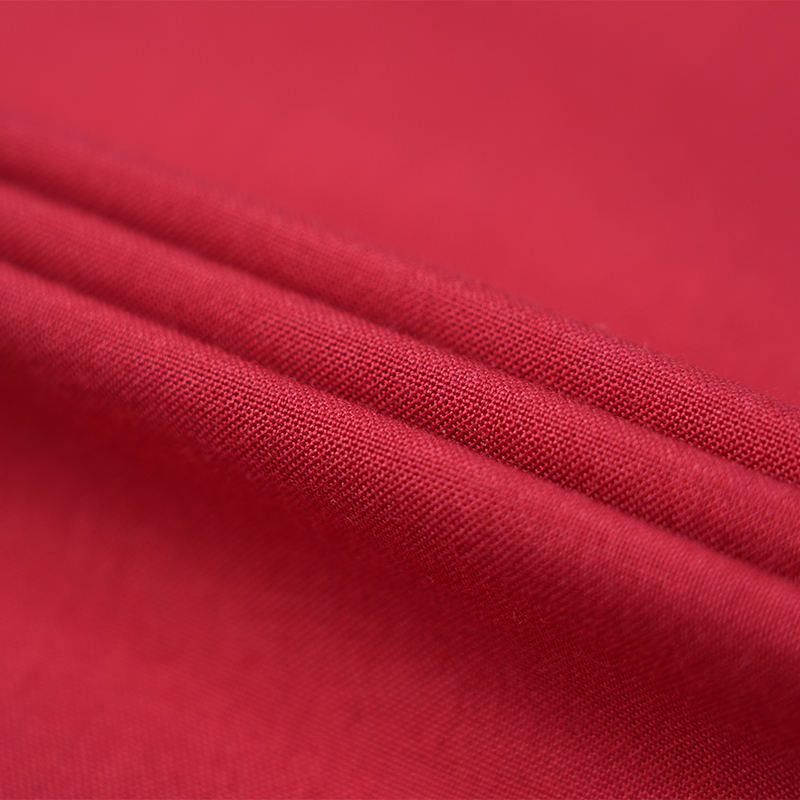 Custom FR fabric for Oil & Gas Protection Manufacturers, OEM/ODM Factory3H Safety Technology Co Limited is China OEM/ODM FR fabric for Oil & Gas Protection manufacturers and FR fabric for Oil & Gas Protection ...View Product →
Electrical Utilities and Arc Flash
Arc flash incidents release enormous heat in milliseconds. FR fabric for this application is rated by its arc thermal performance value under ASTM F1959, and the fabric must be matched to the calculated incident energy of the specific electrical task. Electric arc protection FR fabrics are constructed with close weaves and smooth surfaces to withstand the explosive plasma without breaking open.
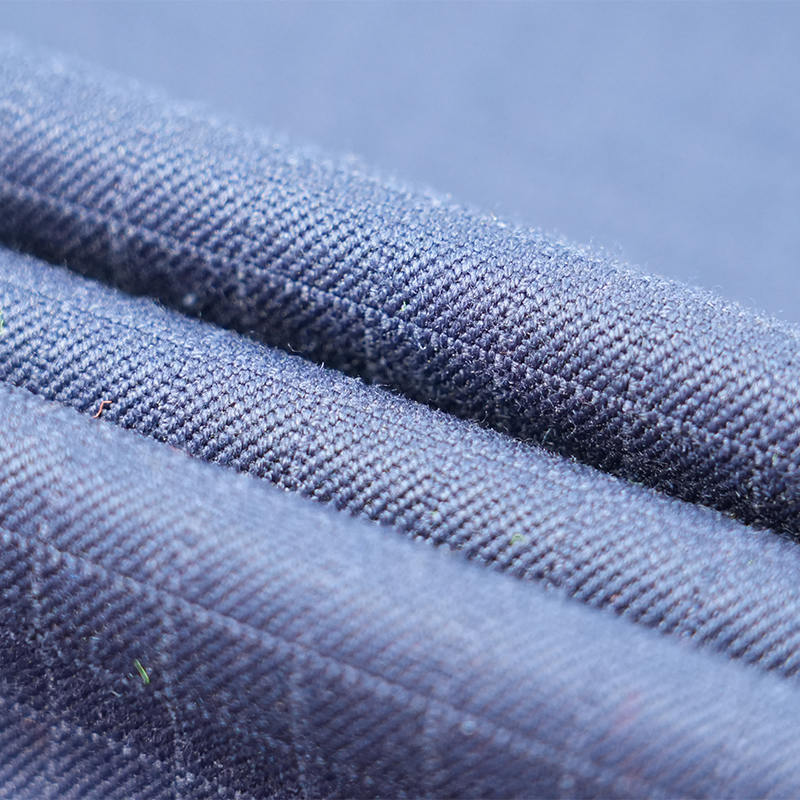 Electric Arc Flash Protective FR Fabric Manufacturers, Factory3H Safety Technology Co Limited is China arc flash protective fabric manufacturers and electric arc protection FR fabric factory, Profess...View Product →
Welding and Metal Processing
In steel plants and fabrication shops, molten metal splash and radiant heat demand tight-weave sateen or twill constructions that resist metal adhesion. FR welding protective fabrics are tested to EN ISO 11611 and typically combine high fabric weight with low surface fuzz to shed hot sparks.
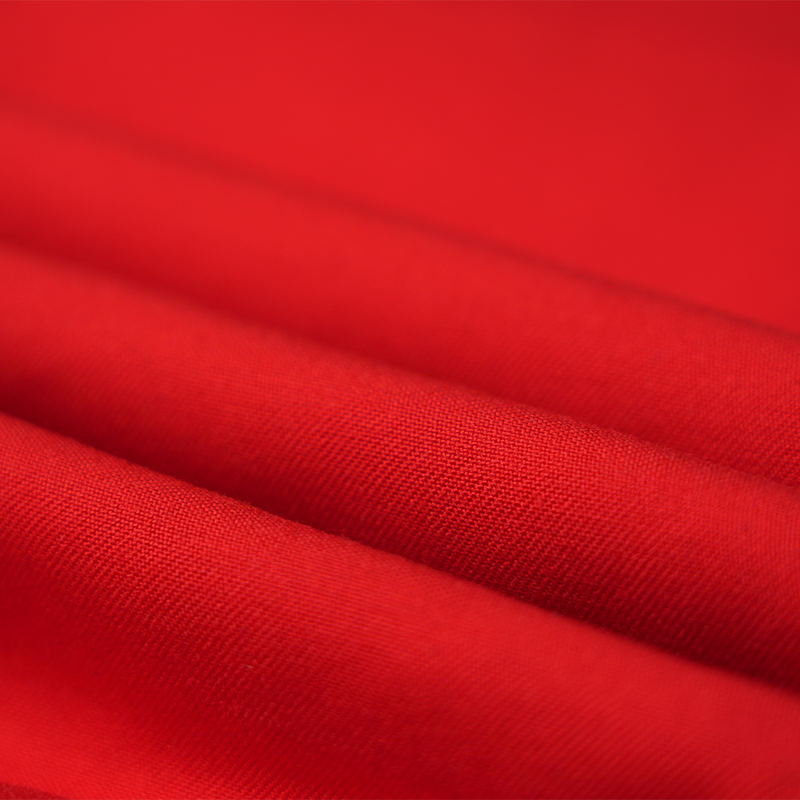 Custom FR welding protective fabric for Welding and Machinery Manufacturers, OEM3H Safety Technology Co Limited is China OEM/ODM FR welding protective fabric for Welding and Machinery manufacturers and FR welding prot...View Product →
Firefighting, Rescue, and Specialized Roles
Fire suits, proximity suits, high-visibility FR garments, military and police tactical clothing, and FR knit base layers all rely on fire retardant fabrics with specific mechanical and thermal properties designed for each role.
How to Choose Fire Retardant Fabric: A Buyer's Checklist
- Define the hazard first. Identify whether workers face flash fire, arc flash, welding sparks, or molten metal splash.
- Select the applicable standard. Use the required standard to set your acceptance criteria before comparing prices.
- Check the laundry plan. Ask for test reports after 50, 100, or more industrial wash cycles.
- Review the complete datasheet. You need arc rating, LOI, fabric weight, tear strength, and shrinkage.
- Verify third-party certification. Prefer supplier reports from SGS, TUV, ITS, or authorized national centers.
- Compare cost over garment lifetime. A lower price per meter does not always mean a lower cost per wearing day.
For buyers who need a custom solution, working directly with a manufacturer shortens development time. 3H Safety Technology Co Limited focuses on flame retardant fabric research and production, adding functions such as anti-static, arc proof, metal splash proof, and three-proofing according to customer needs. Its fabrics serve the petroleum, petrochemical, chemical, gas station, power, coal mining, steel, metallurgy, and mechanical processing industries. This kind of application-based product range makes it easier for garment makers and distributors to find the right material without starting from scratch.
The company strictly applies comprehensive quality management and full product lifecycle traceability, in line with national regulations, giving customers and end users confidence in every batch of fabric delivered.
Frequently Asked Questions
Q1: What is the difference between FR and fire retardant fabric?
FR stands for flame resistant or flame retardant depending on the context. In practice, FR fabric means a textile that protects against flame, either through inherently FR fibers or through a chemical finish. Both are commonly called fire retardant fabrics.
Q2: What is the best fire retardant fabric for workwear?
The best choice depends on the hazard. Aramid blends offer the highest thermal protection and durability. Modacrylic blends balance comfort and arc protection. Treated cotton is the most economical option for light-to-moderate hazards.
Q3: Does washing affect fire retardant fabric?
Inherently FR fabrics maintain their performance through industrial laundering. Chemically treated fabrics can lose retardancy over time, so follow the care label and re-test periodically where the standard requires it.
Q4: What standards apply to fire retardant clothing?
Key standards include EN ISO 11612 for heat and flame, EN ISO 11611 for welding, EN 61482-1 and ASTM F1959 for arc flash, NFPA 2112 for flash fire, NFPA 70E for electrical safety, and GB 8965.1 for China.
Q5: Is fire retardant fabric safe and comfortable to wear?
Modern FR fabrics are designed for breathability and moisture management. Modacrylic and FR viscose blends have a cotton-like hand feel, while aramid fabrics have improved significantly in softness over the years.
Q6: How much does fire retardant fabric cost?
Treated cotton and polyester are cheaper per meter, while inherently FR fibers cost more. However, the total cost per wearing day is often lower for inherent FR fabrics because they last longer and need fewer replacements.