 EN
EN 中文简体
中文简体 English
 русский
 Español
 Português
 عربى
عربى
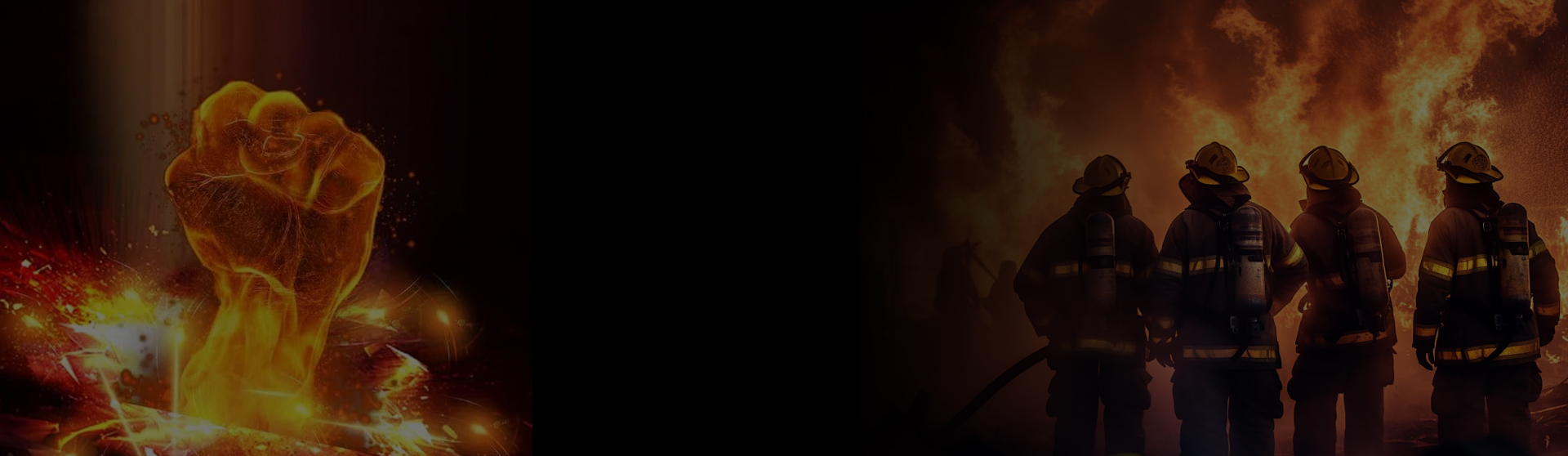

At 2:30 a.m. in a petrochemical unit, a corroded flange seal fails. A vapor cloud drifts toward a hot pump, ignites, and flashes back across the work area. The event lasts less than a second. Workers caught in the flash zone are singed but alive. Their coveralls blistered and discolored, but the fabric refused to keep burning.
Fire retardants do not make materials fireproof. They make them difficult to ignite and slow to burn by interrupting the combustion cycle at a physical or chemical level. This article explains the science behind fire retardants, how these mechanisms apply to protective fabrics, and what to verify before buying FR workwear.
Content
- 1 What fire needs: the combustion cycle
- 2 Four mechanisms: how fire retardants break the cycle
- 3 How FR fabrics work at the fiber level
- 4 Standards: how FR performance is verified
- 5 Choosing the right FR fabric: what to inspect first
- 6 Frequently asked questions
- 6.1 Q1: What is the difference between flame resistant and flame retardant workwear?
- 6.2 Q2: Does fire retardant fabric lose protection after repeated washing?
- 6.3 Q3: Can the same FR fabric protect against flash fire and electric arc?
- 6.4 Q4: What does ATPV mean in arc-rated clothing?
- 6.5 Q5: Does FR fabric protect against molten metal splash?
- 6.6 Q6: How do I verify that FR workwear meets required safety standards?
What fire needs: the combustion cycle
Fire is a self-sustaining chemical chain reaction. Heat drives pyrolysis — the thermal breakdown of a material into volatile fuel gases. Those gases mix with oxygen from the surrounding air, ignite, and release more heat. The heat drives further pyrolysis, creating more fuel, and the fire continues until one of the three components is removed: heat, fuel, or oxygen. Fire retardants are engineered to remove exactly one of these components, or to interrupt the chain reaction itself.
A fire burns when three elements are present simultaneously: fuel, oxygen, and an ignition source. Remove any one of the three and the fire stops. Fire retardant chemistry is simply a targeted way of removing one of them — before or during a fire.
Four mechanisms: how fire retardants break the cycle
Fire retardant chemistry is usually divided into physical and chemical action, which together cover four practical mechanisms.
1. Cooling
Endothermic compounds absorb heat as they decompose, drawing energy away from the fuel surface. When heat is removed faster than the fire generates it, pyrolysis slows and ignition is delayed. Aluminum trihydroxide and some phosphorus formulations work this way.
2. Dilution
Certain retardants release non-combustible gases — water vapor, carbon dioxide, ammonia — as they break down. These gases dilute the flammable fuel gas mixture and displace oxygen near the surface, pushing the local atmosphere below the concentration needed for combustion.
3. Char formation
Phosphorus-based systems promote carbon cross-linking in the solid phase. The result is a carbonaceous char layer on the surface of the material. This char insulates the substrate from heat, blocks oxygen, and traps volatile gases that would otherwise feed the flame.
4. Radical quenching
Gas-phase retardants release reactive species that attach to the high-energy hydrogen and hydroxyl radicals in the flame. These radicals are responsible for the branching chain reaction that makes fire sustain itself. Removing them extinguishes the flame front before it spreads.
Air contains about 21 percent oxygen. A material with an LOI above 28 will normally self-extinguish in air once the ignition source is removed, which is why most flame retardant fabrics are engineered to reach this range.
How FR fabrics work at the fiber level
How do these principles translate into yarn and cloth? There are two routes.
Inherently flame resistant fibers build the mechanism into the polymer chain. Meta-aramid fibers char and swell when heated, forming a protective crust rather than melting or dripping. Modacrylic fibers contain nitrogen, which releases flame-suppressing gases during decomposition. Polyimide fibers offer extremely high LOI values and maintain structural integrity at extreme temperatures.
Chemically treated fabrics, on the other hand, start with a standard fiber — usually cotton or viscose — and apply a durable phosphorus-based finish. When the finish is exposed to heat, it reacts with the cellulose to produce a cross-linked char structure. This is the same solid-phase barrier mechanism, created on the surface rather than built into the polymer.
In a flash fire, the sequence is fast. The fabric surface begins to char almost immediately. Char thickness grows, heat influx to the skin is reduced, and the fabric retains its physical integrity — meaning it does not break open, melt, or shrink against the skin. The combination of char formation and an insulating air layer is what gives the wearer those extra seconds to escape.
Heat release curves from instrumented mannequin testing show the practical difference: an ordinary fabric releases energy quickly in a sharp peak, while an FR fabric develops a slower, lower, and later heat release — buying critical escape time.
Standards: how FR performance is verified
Protective chemistry only matters if it can be verified. International standards translate the four mechanisms into measurable performance requirements that buyers can check.
| Standard | Application area | Core requirement |
|---|---|---|
| EN ISO 11612 | Heat and flame protective clothing | Limited flame spread; heat transfer limits; no melting |
| EN ISO 11611 | Welding and allied processes | Resistance to flame, metal spatter, and radiant heat |
| NFPA 2112 | Industrial flash fire | No melting; char length and heat transfer limits |
| NFPA 70E / ASTM F1959 | Electric arc protection | Arc rating (ATPV or EBT) |
| EN 469 | Structural firefighting | Thermal protection and liquid penetration resistance |
Manufacturers must be able to prove compliance through third-party testing. 3H Safety Technology Co Limited, a functional fabric manufacturer based on flame retardancy, builds this into its product development. Its brand, 3H. Safeloya®, covers fabrics developed for petroleum, petrochemical, chemical, gas station, power, coal mining, steel, metallurgy, machining, and similar industries. The company adds anti-static, arc resistant, metal splash resistant, and three-proofing functions according to customer needs, and its products have been tested by SGS, TUV, ITS, and the National Labor Protection Products Quality Supervision and Inspection Center. Tested fabrics meet EN ISO 11611, EN ISO 11612, EN ISO 1149, EN 469, EN 373, EN 61482-1, ASTM F1959, ASTM F1891, NFPA 70E, NFPA 2112, ANSI 107, GB 8965.1, and GB 12014.
To understand how these standards translate into a real thermal barrier in high-risk oil and gas environments, this technical review explains the layered behavior of FR fabrics used in upstream operations.
Choosing the right FR fabric: what to inspect first
What should a safety officer or buyer check before specifying FR fabric? Five things.
Define the hazard first
Flash fire, electric arc, welding spatter, and molten metal splash each require different test standards and different fabric constructions. A flash-fire fabric is not automatically an arc-rated fabric.
Verify the fiber system
Inherent FR fibers such as aramid, modacrylic, and polyimide provide lifetime protection. Chemically treated fabrics rely on a finish that may age, so confirm the expected lifetime and re-certification cycle.
Review the test numbers
Compare LOI, char length, afterflame time, and arc rating (ATPV). For oil and gas exposure, an aramid blended FR fabric engineered for oil and gas workwear is a common starting point. For electrical tasks, the PFAD12 twill and ripstop arc protection fabric is tested to arc standards.
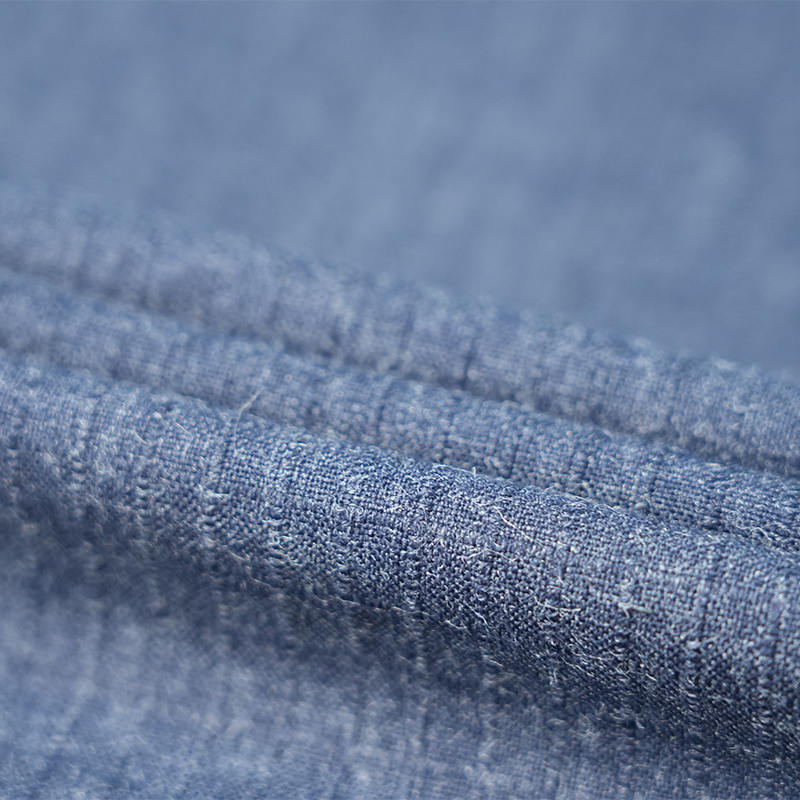 PFA-D12 Twill/Plain/Ripstop Electric Arc Protection FR fabric Suppliers, Wholesa3H Safety Technology Co Limited is China OEM/ODM PFA-D12 Twill/Plain/Ripstop Electric Arc Protection FR fabric suppliers and company, Pro...View Product →
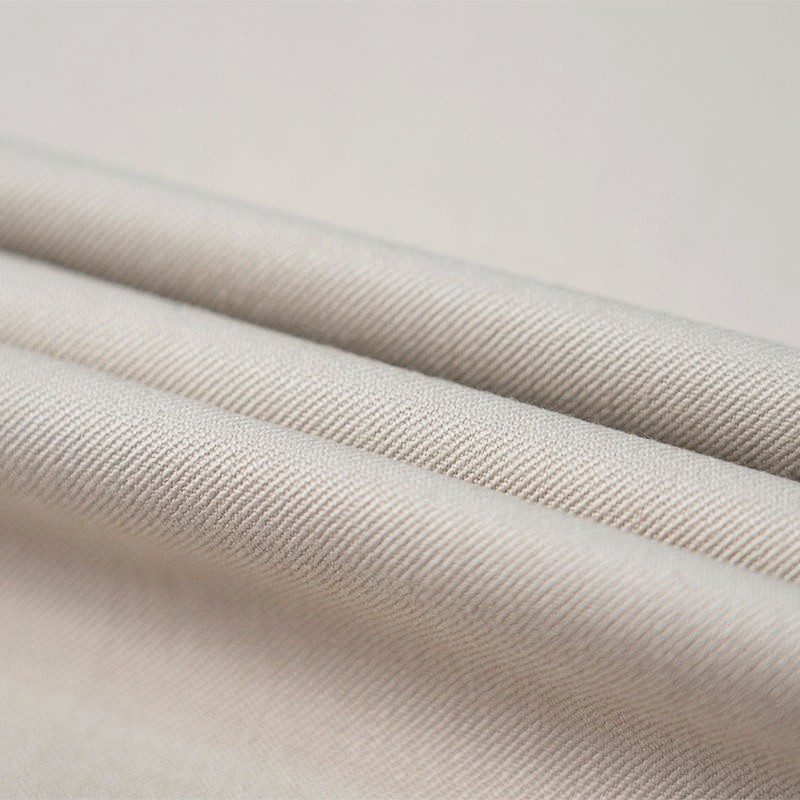 Aramid blended FR Fabric Suppliers, Wholesale Company - 3H Safety Technology Co 3H Safety Technology Co Limited is China OEM/ODM Aramid blended FR Fabric suppliers and company, Professional wholesale Aramid blended FR...View Product →
Check comfort and visibility
A worker in a hot climate will not wear a stiff jacket. Fabric weight, air permeability, and moisture management matter. Where visibility is a requirement, the PIKSM11 FR high-visibility fabric combines luminance with flame retardancy.
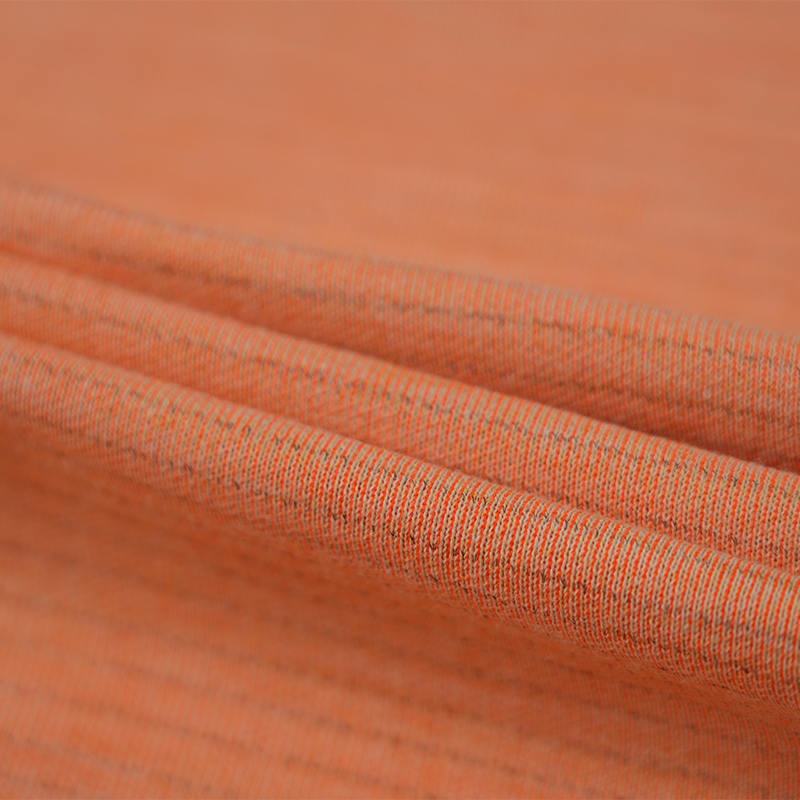 PIK-SM11 Modacrylic/Polyester/Cellulose/Super fiber FR Hi-Vis Fabric Suppliers, 3H Safety Technology Co Limited is China OEM/ODM PIK-SM11 Modacrylic/Polyester/Cellulose/Super fiber FR Hi-Vis Fabric suppliers and compa...View Product →
Confirm laundering durability
Industrial laundering, abrasion, and UV exposure all affect FR performance. Ask the supplier for test data after the expected number of wash cycles, and follow the manufacturer's care instructions.
Demand traceability
A reliable manufacturer maintains full product lifecycle traceability and can provide test reports from accredited laboratories. Browse the complete range of tested FR fabric categories on our product index to compare options.
Frequently asked questions
Q1: What is the difference between flame resistant and flame retardant workwear?
Flame resistant describes a fiber's inherent ability to resist ignition and burning, while flame retardant describes chemical treatments applied to otherwise flammable fibers. Both can meet the same protective standards when properly engineered and tested.
Q2: Does fire retardant fabric lose protection after repeated washing?
Inherent FR fibers like aramid and modacrylic retain their flame resistance for the life of the garment. Chemically treated cotton can lose performance over time, so follow the manufacturer's care instructions and re-certify treated products after the expected number of wash cycles.
Q3: Can the same FR fabric protect against flash fire and electric arc?
Yes, if the fabric is separately tested and certified for both hazards. Check for both NFPA 2112 and ASTM F1959 or EN 61482-1 compliance on the label before assuming dual protection.
Q4: What does ATPV mean in arc-rated clothing?
ATPV stands for Arc Thermal Performance Value. It is the highest incident energy, in calories per square centimeter, at which the fabric predicts less than 50 percent probability of second-degree burn. A higher ATPV means greater arc protection.
Q5: Does FR fabric protect against molten metal splash?
Not automatically. Molten metal splash requires specific fabric structures and finishes tested to EN ISO 11611 and EN 373. A standard flash-fire FR fabric may not hold molten metal without additional protection.
Q6: How do I verify that FR workwear meets required safety standards?
Check the garment label for the standard and protection level, request third-party test reports from accredited labs such as SGS, TUV, or ITS, and confirm that the fabric manufacturer follows a traceable quality management system.