 EN
EN 中文简体
中文简体 English
 русский
 Español
 Português
 عربى
عربى

A safety manager at an oil terminal once placed two FR coveralls side by side. Both carried the same label — flame resistant — yet one felt like dense cotton and the other had the dry, wool-like hand of a technical fiber. Same job, same standard, same tag. Her question was a fair one: what is FR clothing made of, and does the material really change the protection?
Yes — it changes everything. FR clothing is made from one of two material families: inherently flame-resistant fibers, where the flame resistance is built into the polymer itself, or treated fabrics, where a flammable base fabric such as cotton or viscose receives a chemical flame-retardant finish. The chosen family determines how long protection lasts after repeated laundering, how the garment behaves in a flash fire or electric arc, how comfortable it is across an eight-hour shift, and whether it can meet standards such as NFPA 2112, NFPA 70E, EN ISO 11612, or EN ISO 11611.
Material selection also changes the buying decision. A well-made treated-cotton coverall can be a sensible, economical choice in some welding applications, while an aramid or modacrylic blend is usually the safer call where flash fire and electric arc are realistic hazards. The sections below walk through the fibers, the blends, and the questions worth asking before you order.
Content
- 1 How Flame-Resistant Materials Resist Ignition
- 2 Inherently Flame-Resistant Fibers
- 3 FR-Treated Fabrics: Protection Added After Weaving
- 4 Why Most FR Workwear Is a Blend
- 5 Matching the FR Material to the Hazard and the Standard
- 6 Care, Lifespan and the Real Buying Criteria
- 7 FR Clothing Materials: Frequently Asked Questions
How Flame-Resistant Materials Resist Ignition
All flame-resistant materials work on the same principle: they limit burning. When exposed to flame or high heat, FR fibers form a char layer that insulates the fabric underneath, restricts oxygen, and reduces the release of combustible gases. That is why FR fabrics are described as self-extinguishing — remove the ignition source and the flame stops rather than spreading across the garment.
A practical way to compare fibers is the Limiting Oxygen Index (LOI): the minimum oxygen concentration required to sustain combustion. Normal air contains about 21% oxygen, so a fiber with an LOI below 21 burns easily in air, while a fiber above 21 will not keep burning once the ignition source is removed. Cotton sits around 18.5, modacrylic around 29, and meta-aramid around 32. Those few points explain most of the behavior you will see in a fabric burn test — and most of the price difference too.
Inherently Flame-Resistant Fibers
Inherently FR fibers are engineered at the polymer stage: the fiber itself will not support combustion, so protection does not wash out and does not fade after sunlight, wear, or industrial laundering.
Aramid — the Thermal Workhorse
Aramid fibers appear in two main forms. Meta-aramid offers strong heat stability, good flex resistance and a soft textile hand, which makes it the backbone of most arc flash and flash fire garments. Para-aramid brings very high tensile strength and cut resistance, so it is often blended with meta-aramid to add mechanical toughness. Aramid does not melt or drip; it chars and holds its structure at high temperatures. If you are specifying arc-rated or NFPA 2112 garments, start by comparing aramid 3A fabric options from suppliers who can publish arc ratings and third-party test reports.
 Custom Aramid 3A Fabric Manufacturers, OEM/ODM Factory3H Safety Technology Co Limited is China OEM/ODM Aramid 3A Fabric manufacturers and Aramid 3A Fabric factory, Professional customized Ara...View Product →
Modacrylic — Self-Extinguishing Comfort
Modacrylic filaments are inherently self-extinguishing and have a cotton-like hand, which makes them popular for daily-wear FR clothing in oil, gas and utility work. Modacrylic is almost always blended with cellulose fibers such as cotton or FR viscose to improve moisture absorption; the blend is engineered so the modacrylic suppresses burning while the cellulose delivers breathability and a stable garment feel. The result is one of the most common workwear fabric families on the market.
Polyimide and Other High-Performance Fibers
Where the thermal demand is extreme — firefighting, molten metal, arcing with very high incident energy — polyimide, polybenzimidazole and pre-oxidized acrylic fibers provide the highest LOI values available in commercial textiles. A polyimide-blended FR fabric, for instance, keeps its integrity at very high temperatures and is often specified in multi-layer systems that a single fabric cannot manage. These fibers cost more, so they are reserved for genuine high-heat hazards rather than general workwear.
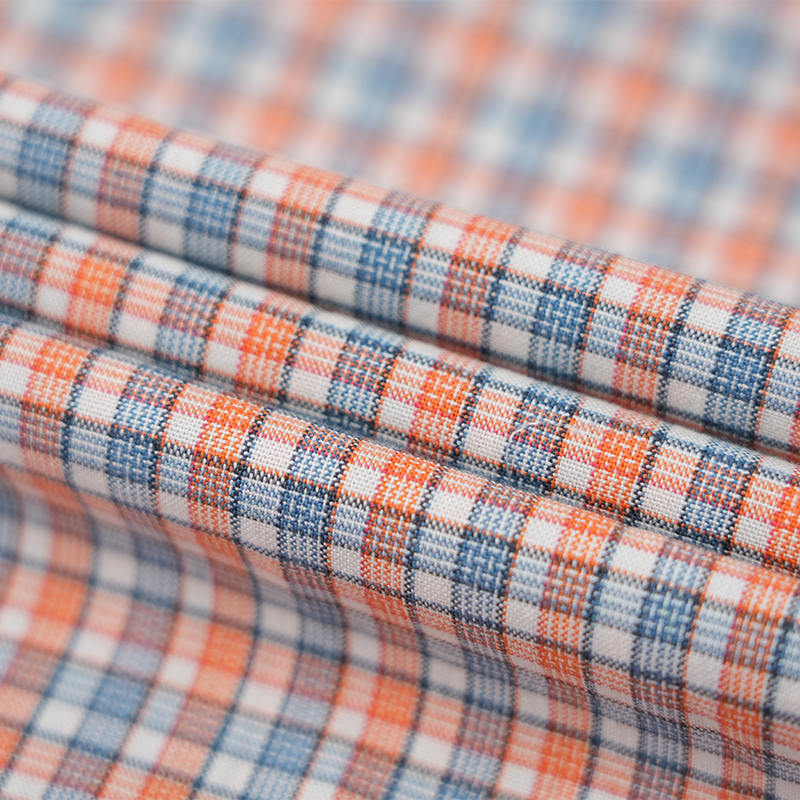 Custom Polyimide Blended Fabric Manufacturers, OEM/ODM Factory3H Safety Technology Co Limited is China OEM/ODM Polyimide Blended Fabric manufacturers and Polyimide Blended Fabric factory, Professiona...View Product →
FR-Treated Fabrics: Protection Added After Weaving
The second family begins with a normal, flammable fiber and adds flame-retardant chemistry during finishing. These fabrics protect well when new, but the protection is finite and depends on care.
FR-Treated Cotton
Cotton finished with a phosphorus-based flame-retardant treatment is common in welding and general-industry FR wear. It breathes, feels familiar, and can carry a respectable arc rating. The limitation is durability: chlorine bleach, mineral build-up and aggressive washing gradually weaken the finish, so the garment must be re-tested or replaced according to the care label. For light, intermittent heat exposure, treated cotton is an economical entry point.
FR-Treated Viscose and Regenerated Cellulose
Viscose with flame-retardant additives behaves similarly to FR cotton but offers a smoother surface and slightly more consistent protection. It is frequently blended with modacrylic or aramid to raise comfort while keeping the system FR. Some suppliers call these "regenerated FR" fibers because the additive is embedded during fiber production rather than simply coated on the yarn — a middle ground between treated and inherent chemistry.
What to Ask Before Buying Treated FR
Ask for a certificate that states flame resistance after a defined number of industrial launderings, not only on new fabric. Standards such as EN ISO 11612 test fabrics after repeated washing cycles precisely because the finish weakens over time. If the supplier can only show a new-fabric test, treat long-term performance claims with caution.
Why Most FR Workwear Is a Blend
Very few FR garments are made from 100% of a single FR fiber. Blending lets a manufacturer balance four things: protection, comfort, durability and price. Modacrylic/cotton blends combine self-extinguishing fibers with cellulose breathability; aramid/FR viscose blends combine thermal stability with a softer hand; and almost every FR blend adds a small percentage of antistatic filament to control static charges in explosive atmospheres.
The chart explains why blends outperform single-fiber fabrics in real workwear: even flammable cotton can be lifted above 21% oxygen with FR chemistry, while inherently FR fibers sit comfortably higher and keep that value for the garment's entire service life. The practical benefits of engineered FR fabrics — fewer early replacements, consistent certification, and lower total cost per year of service — become clear once you compare laundering life rather than up-front price.
Matching the FR Material to the Hazard and the Standard
No single material is right for every job. The correct choice follows the hazard first, then the fiber, then the construction.
Flash Fire — Oil, Gas and Petrochemical
In flash-fire zones, garments are certified to NFPA 2112 or EN ISO 11612 and must limit predicted body burn. Modacrylic/cotton and aramid/FR viscose blends dominate because they balance protection with the comfort needed for long shifts; for light oil and gas duty, a modacrylic-blended FR fabric made for oil and gas protection offers a cost-effective, soft-hand alternative. The fabric architecture matters as much as the fiber, so it is worth reading how FR fabric for oil and gas protection builds a reliable thermal protection barrier before you finalize a specification.
Modacrylic Blended Flame Retardant Fabric Suppliers, Company3H Safety Technology Co Limited is China modacrylic flame retardant fabric suppliers and modacrylic blended fr fabric company, Profession...View Product →
Electric Arc — Utilities and Electrical Maintenance
Arc-rated clothing is tested for arc rating in cal/cm² under ASTM F1959 and selected against NFPA 70E or EN 61482-1. Meta-aramid systems are the reference for arc performance; modacrylic blends with a verified arc rating are used where comfort is the priority. If you are new to the subject, how arc-rated FR fabrics are built and tested explains the link between fiber chemistry, fabric weight and arc rating.
Heat, Flame and Welding
Welding demands resistance to flame spread and molten metal droplets per EN ISO 11611. FR-treated cotton suits lighter welding duties; aramid-based sateen and twill constructions extend service life in heavy welding and machining. A smooth, dense surface sheds molten metal better than a loose knit. GB 8965.1 covers flame-retardant workwear and is frequently referenced in China's steel, metallurgy and machinery industries.
| Hazard | Typical FR materials | Key standards | What the test measures |
|---|---|---|---|
| Flash fire / hydrocarbon | Modacrylic-cotton, aramid-FR viscose | NFPA 2112, EN ISO 11612 | Predicted body burn, after-flame time, char length |
| Electric arc | Meta-aramid blends, arc-rated modacrylic | ASTM F1959, NFPA 70E, EN 61482-1 | Arc rating in cal/cm² |
| Welding and machinery | FR-treated cotton, aramid welding fabrics | EN ISO 11611 | Flame spread, molten metal droplet behavior |
| Molten metal splash | Aramid/wool blends, smooth dense weaves | EN ISO 11612 (D3), EN 373 | Metal adhesion and heat transfer |
| Antistatic zones | FR blends with carbon antistatic filament | EN ISO 1149, GB 12014 | Surface resistance and charge decay |
3H Safety Technology Co Limited is a functional fabric manufacturer based on flame retardancy, with the product brand 3H. Safeloya. The company develops and produces FR fabrics and adds functions such as anti-static, arc proof, metal splash proof, and three proofing (water, oil and soil resistance) according to customer needs. Its products serve the petroleum, petrochemical, chemical, gas station, power, coal mining, steel, metallurgy and mechanical processing industries. Related products have been tested by SGS (Switzerland), TUV (Germany), ITS (UK) and the National Labor Protection Products Quality Supervision and Inspection Center, and meet EN ISO 11611, EN ISO 11612, EN ISO 1149, EN 469, EN 373, EN 61482-1, ASTM F1959, ASTM F1891, NFPA 70E, NFPA 2112, ANSI 107, GB 8965.1 and GB 12014. Strict comprehensive quality management and full product lifecycle traceability give buyers and end users confidence in consistent quality, environmental safety and hygiene.
Care, Lifespan and the Real Buying Criteria
Whatever the material, poor care is the fastest way to lose FR protection. Chlorine bleach can destroy treated finishes quickly and can degrade aramid fibers as well. Use mild detergents, avoid fabric softeners that leave flammable residues, and follow the washing temperature on the garment label. Garments certified to NFPA 2112 must maintain protection through at least 100 industrial launderings; ask the supplier how the fabric performed after 100 washes, not just when new.
Use this checklist when you compare bids:
- Identify the hazard and the required standard first — fabric second.
- Demand third-party test reports from an accredited laboratory such as SGS, TUV, ITS or a national testing center.
- Compare the arc rating or thermal performance of the actual fabric construction, not the generic fiber name.
- Check service life: treated cotton may need replacement sooner than an aramid or modacrylic blend.
- Order a sample garment and run it through your own industrial laundry program before committing to volume.
FR Clothing Materials: Frequently Asked Questions
What does "FR" stand for in clothing?
"FR" stands for flame resistant and is also commonly used for flame retardant. Flame-resistant clothing is made from materials that resist ignition and self-extinguish, so the fabric does not continue burning after the flame source is removed.
Is FR clothing made of cotton?
Yes, but with a catch. Untreated cotton burns easily because its LOI is about 18.5, below the 21% oxygen in air. Cotton becomes "FR cotton" through a chemical flame-retardant finish; it is comfortable and affordable, but the protection weakens with chlorine bleach and repeated laundering.
What is aramid and why is it used in FR clothing?
Aramid is a high-performance synthetic fiber family (meta-aramid and para-aramid) that is inherently heat-resistant. It does not melt, chars instead of burning, and keeps its strength at high temperatures, which is why aramid blends dominate arc flash, flash fire and firefighting clothing.
What is the difference between inherent FR and treated FR?
Inherent FR fibers have flame resistance built into the polymer, so protection lasts the garment's whole life. Treated FR fabrics are made from flammable base fibers with a chemical finish; protection is good when new but degrades with washing, especially when chlorine bleach is used.
Does FR clothing lose its protection after washing?
It depends on the material. Inherent FR keeps its performance for the garment's life; treated FR gradually loses performance, especially with chlorine bleach and high-temperature washing. Always follow the care label and ask for test results after 50 and 100 industrial launderings.
Which standard should FR clothing meet?
Match the standard to the hazard: NFPA 2112 or EN ISO 11612 for flash fire and heat, ASTM F1959 / NFPA 70E for electric arc, EN ISO 11611 for welding, and EN ISO 1149 or GB 12014 where antistatic performance is required.