3H Safety Technology Co Limited.

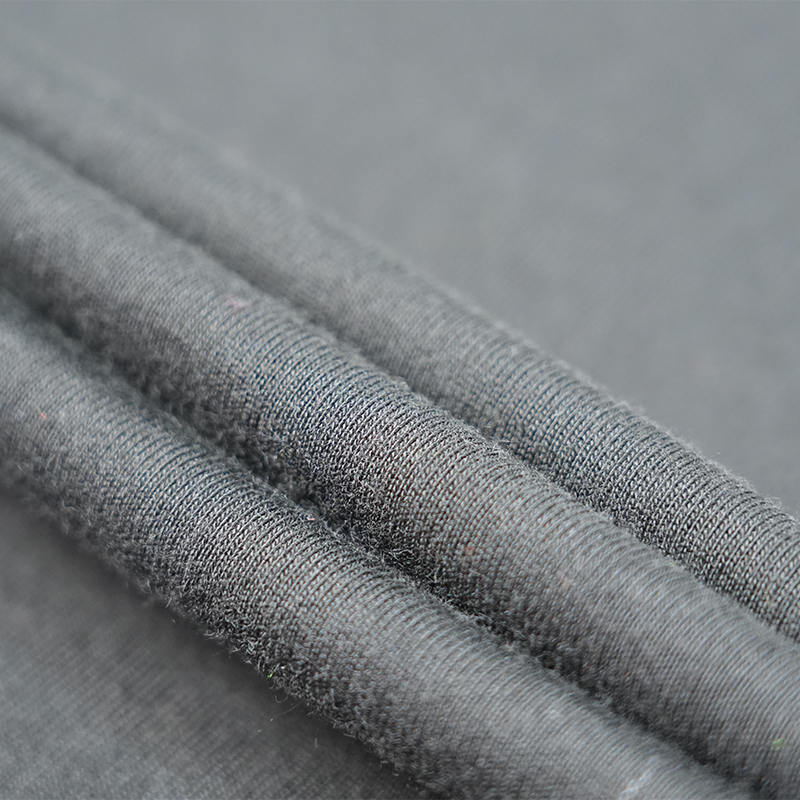
Firefighter Uniform Material

-- Steady & Reliable Manufacturer --

Product Introduction

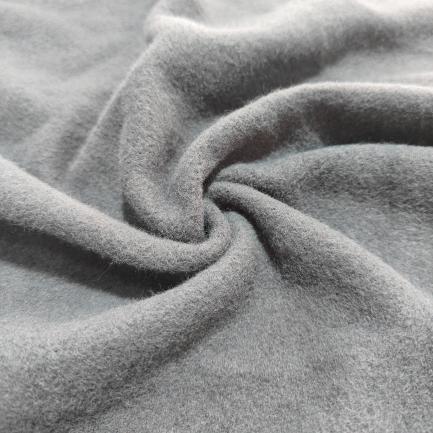
Firefighter uniform material covers the flame retardant fabrics used in protective clothing for fire and rescue personnel, from outer shells to station and duty wear. Because the hazards include flame, radiant heat and rough handling, buyers look for heat resistant fibers, stable shrinkage and documented performance against the standard of their market. Typical buyers are garment manufacturers, tender suppliers and distributors serving fire services and industrial brigades.

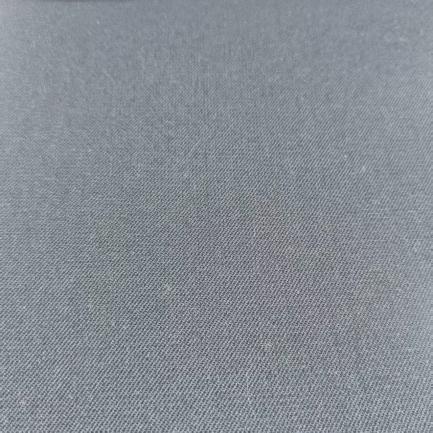
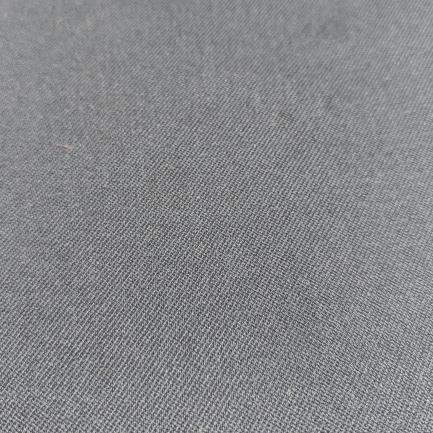
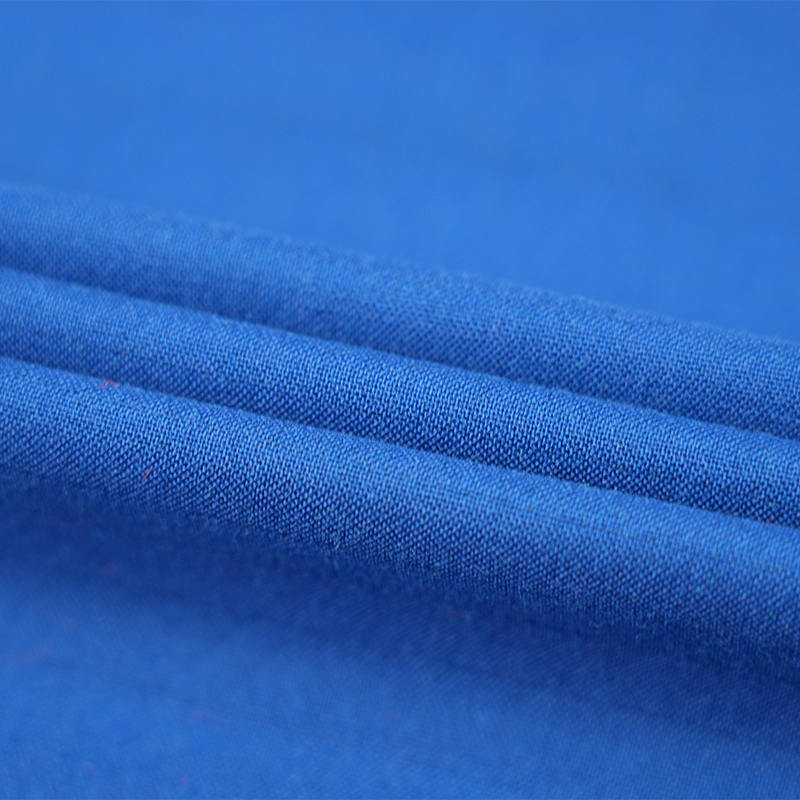
3H Safety Technology lists an aramid flame retardant fabric referenced to EN 11612, EN 469 and NFPA 2112 for workwear, firefighter and military PPE. The range also includes flame retardant anti-static hi-vis fabrics for firefighter and military workwear, offered in woven and knitted forms. Firefighting is one of the industries named in our supplier profile.

Typical comparison points for fabric buyers are fiber type, weight, thermal performance evidence, color options, wash durability and test reports. A complete structural firefighting garment is a layered system that also involves moisture barrier and thermal liner components, so confirm the layer role of each fabric before ordering. Weight, width and performance values are provided on request.

We support custom development from Shanghai, with production and testing in Nantong. OEM/ODM cooperation, samples and MOQ can be discussed once we know your garment layer, target standard and volume.

Key Procurement Information
Product Type

Aramid FR fabric, FR anti-static hi-vis fabric, knitted FR anti-static hi-vis fabric

Material

Aramid and blended flame retardant fibers; subject to selected fabric

Performance

Heat and flame performance per EN 11612, EN 469 or NFPA 2112 as referenced

Product Structure

Woven for outer garments; knitted for station wear and base layers

Customization

Color, function and configuration by project

Quality Control

Production and testing center in Nantong; reports on request

MOQ

Available Upon Request

OEM/ODM Services

Can be discussed by project

Product Types & Buying Guide

Firefighter garments are built from several fabric roles. This guide helps you separate the fabric types by the garment role they are intended for.

Product Types
Aramid FR Fabric

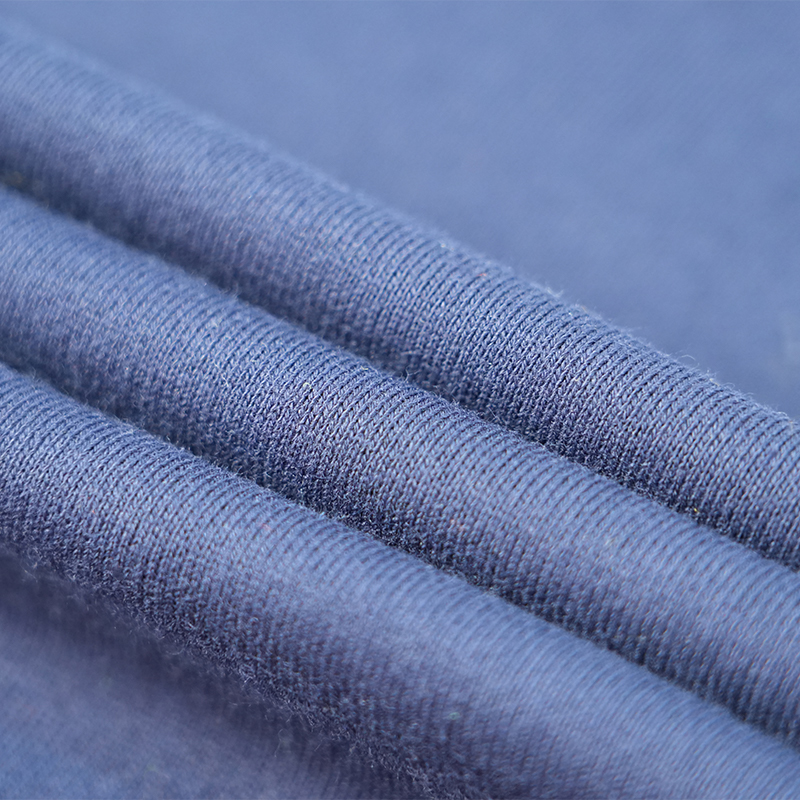
Aramid flame retardant fabric referenced to EN 11612, EN 469 and NFPA 2112. Intended for outer garments requiring heat and flame performance.

Typical use: Firefighter and military workwear shells

FR Anti-Static Hi-Vis Woven

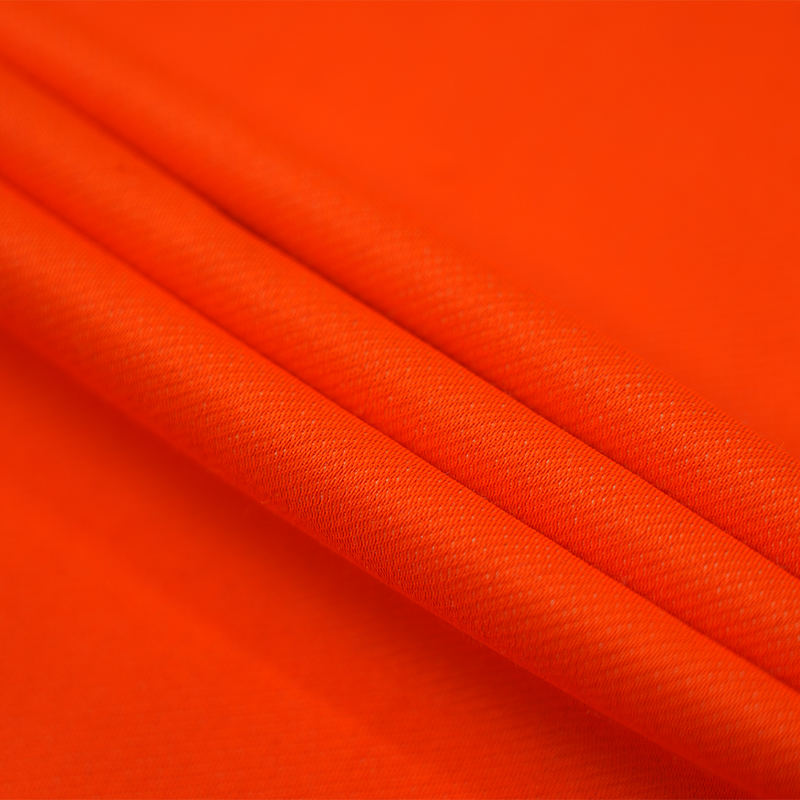
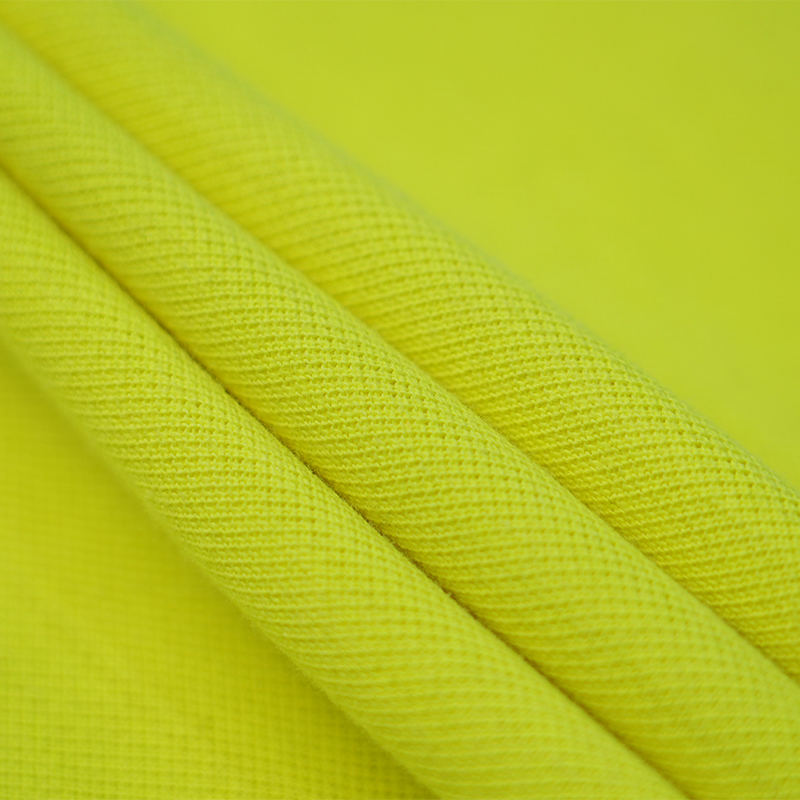
Flame retardant, anti-static, hi-vis woven fabric for firefighter and military workwear.

Typical use: Duty uniforms, rescue and roadside tasks

Knitted FR Anti-Static Hi-Vis

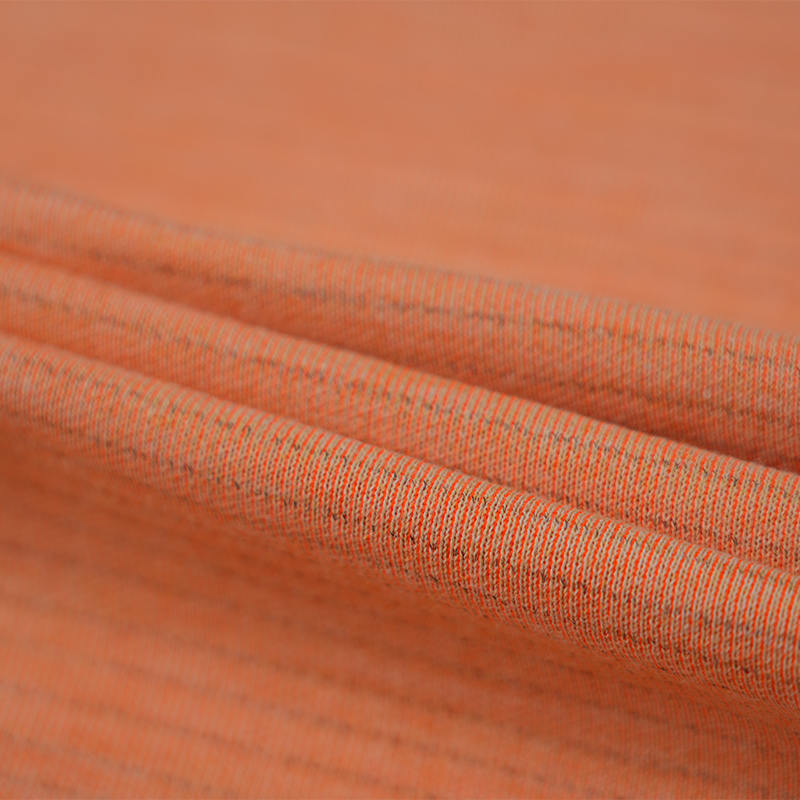
Knitted flame retardant anti-static hi-vis fabric for lighter garments.

Typical use: Station wear, T-shirts and base garments

Key Features and Differences
Heat performance
Aramid fabric is selected where heat and flame performance is the main requirement; blended fabrics are compared on weight and cost.
Garment role
Outer shell, duty wear and base garments need different weight and structure; confirm layer role before sampling.
Visibility
Hi-vis fabrics support rescue work near roads; fire-ground garments may use other colors per local standards.
Static control
Anti-static fabrics are relevant to fuel, gas and hazardous-material response duties.
Buying Considerations
Target standard

Name EN 469, NFPA 2112 or a national standard so that the right fabric group is proposed.

Layer role

Shell, liner and base fabrics are not interchangeable. State which layer the fabric is for.

Weight and mobility

Heavier fabrics increase thermal protection but add load for the wearer.

Color and hi-vis

Check agency color rules and hi-vis requirements before ordering.

Shrinkage and wash

Ask for dimensional change and post-wash performance data.

Documentation

Tenders often require test reports and traceable batch records.

Main Points for Buyers
1State the standard and the garment layer in the first inquiry.
2Do not use a base-layer fabric in a shell role.
3Check local color rules for fire services.
4Ask for shrinkage data before cutting patterns.
5Plan for test report and batch traceability in the contract.
Buying Guide
Step 1
Identify the standard and layer. Write down EN 469 or other standard and the layer each fabric will serve.
Step 2
Compare fabric types. Use the comparison to shortlist aramid, woven hi-vis or knitted options.
Step 3
Request samples and reports. Ask for swatches, weight, width and test reports.
Step 4
Pilot garments. Make sample garments for wear and wash trials before a bulk order.

Specifications & Customization

ParameterSpecificationBuyer Note
Product TypeAramid FR; FR anti-static hi-vis woven; knitted FR anti-static hi-visSelect by garment role
Base MaterialAramid and blended flame retardant fibersConfirmed per fabric
Fabric StructureWoven and knittedWoven for shells; knitted for light garments
Referenced StandardsEN 11612, EN 469, NFPA 2112 for the aramid fabricAs referenced in product listings
Anti-Static FunctionAvailable on selected fabricsSubject to Product Configuration
Hi-Vis FunctionAvailable on selected fabricsConfirm color and class
Weight (gsm)Available Upon RequestVaries by fabric
WidthAvailable Upon RequestConfirm for cutting layout
ColorCustomizableSubject to fabric and quantity
Test ReportsAvailable Upon RequestState standard when requesting
Order TermsMOQ: Available Upon Request. Samples: Please Contact Us for Details. Lead time: To Be ConfirmedSubject to Actual Requirements
Customization Options
Color options by projectAramid or blended selectionAnti-static configurationHi-vis configurationWoven or knitted selectionPackaging by order

Please tell us which layer of the garment the fabric will serve, the standard to be met and the color rules of your customer so that suitable fabrics can be proposed.

Applications & Target Customers

1. Application Scenarios
Industry / ApplicationTypical UseRelevant Product Features
Fire and rescue servicesOuter garments and duty uniformsAramid fabric referenced to EN 469; hi-vis options for duty wear
Industrial fire brigadesPlant emergency teamsFlame retardant fabrics suited to petrochemical and steel sites
Military and special unitsWorkwear and field garmentsFlame retardant anti-static hi-vis fabrics listed for military workwear
Rescue and emergency responseRoadside and incident responseHi-vis flame retardant fabric
Oil and gas emergency crewsResponse where fuel is presentAnti-static flame retardant fabric
2. Target Customers
Garment Manufacturers

Produce firefighter and rescue garments and need stable fabric for pattern and quality control.

Government Tender Suppliers

Require named standards, reports and batch traceability.

Importers and Distributors

Serve fire services and industrial brigades with documented fabrics.

PPE Brand Owners

Develop firefighter uniform lines with custom color.

3. Suitable and Unsuitable Uses
Suitable Uses
  • Outer shells and duty uniforms made from flame retardant fabric
  • Station wear and base garments using knitted flame retardant fabric
  • Industrial fire brigade garments for petrochemical or steel sites
  • Projects that name EN 469 or related standards for the fabric
Unsuitable Uses or Applications Requiring Additional Evaluation
  • Full structural firefighting garments that need a validated multi-layer system
  • Use as moisture barrier or thermal liner, which are different components
  • Exposure beyond the performance level evidenced in the test report
  • Applications where certification of the finished garment is required without garment-level testing
4. Selection Guidance
Application requirements

Identify duty type: structural, wildland, industrial brigade or station wear.

Technical specifications

Compare fiber, weight and test evidence across shortlisted fabrics.

Performance requirements

Match heat, flame and static control needs to the fabric function.

Budget and order quantity

Share expected annual meters to discuss terms.

5. Usage Notes
  • Inspect garments for burns, thin spots and seam damage after each response
  • Clean contaminated garments according to the manufacturer's care label
  • Do not use unapproved bleaches or finishes
  • Dry away from direct heat sources
  • Retire garments that fail inspection
  • Store clean and dry out of sunlight

Advantages

01Aramid fabric referenced to firefighting standards

An aramid flame retardant fabric is listed for firefighter and military use. It is referenced to EN 469 along with EN 11612 and NFPA 2112.

Basis: Product listing names EN 11612, EN 469 and NFPA 2112.
Buyer benefit: A clear candidate fabric for tenders citing these standards.
02Hi-vis and anti-static in one flame retardant fabric

Woven and knitted fabrics combine flame retardant, anti-static and hi-vis functions for firefighter and military workwear.

Basis: Two listings cover woven and knitted FR anti-static hi-vis fabrics.
Buyer benefit: Reduces separate visibility layers for duty garments.
03Woven and knitted options

Shell garments and lighter garments can be made from the same supplier's range.

Basis: Knitted and woven fabrics both appear in the product listings.
Buyer benefit: Easier sourcing for complete uniform sets.
04Firefighting among served industries

Firefighting is named alongside petroleum, chemical and steel in our supplier information.

Basis: Supplier profile lists firefighting as an application field.
Buyer benefit: Familiarity with the industry's documentation habits.
05Production and testing in one group

Nantong serves as production and testing center with development in Shanghai.

Basis: Supplier profile describes this division.
Buyer benefit: Clear responsibility for batch quality.
06Customization by project

Fabrics can be developed on a flame retardant base for customer demand.

Basis: Customized services listed in supplier information.
Buyer benefit: Color and function can follow agency specifications.

Frequently Asked Questions

  • Q: Which of your fabrics is referenced to EN 469?
  • A: The aramid flame retardant fabric is referenced to EN 11612, EN 469 and NFPA 2112 in our listing. Please request the test report for the exact performance level.
  • Q: Can I use your fabrics for a full structural firefighting garment?
  • A: Our fabrics can serve specific layers. A full garment depends on the complete layer system and its certification, so please tell us which layer you need.
  • Q: Do you offer knitted fabrics for station wear?
  • A: Yes. Knitted flame retardant anti-static hi-vis fabric is available for lighter garments.
  • Q: What colors are available?
  • A: Colors are customizable, subject to fabric and quantity. Please send your color requirements.
  • Q: What MOQ and lead time apply to firefighter uniform fabric?
  • A: These depend on the fabric and customization. Please contact us for confirmed terms.
  • Q: Can you provide samples and test reports?
  • A: Yes, on request. Please state the standard and intended garment layer.

Contact Us to Learn More

If you are sourcing firefighter uniform material, tell us the standard, garment layer and quantity. We will propose fabrics and arrange samples and test documents.

To help us respond accurately, please include:

Target standard (EN 469 or other)
Garment layer
Color requirement
Expected quantity
Sample and report needs