3H Safety Technology Co Limited.

Flame Retardant Coverall Material

-- Steady & Reliable Manufacturer --
Product Introduction

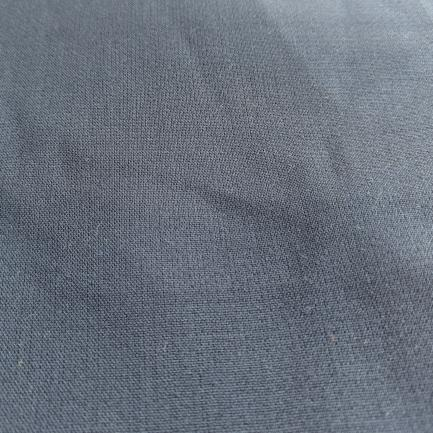
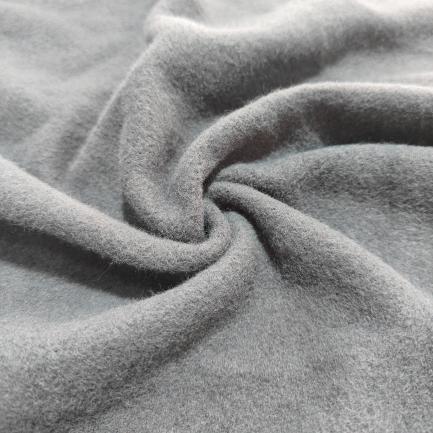
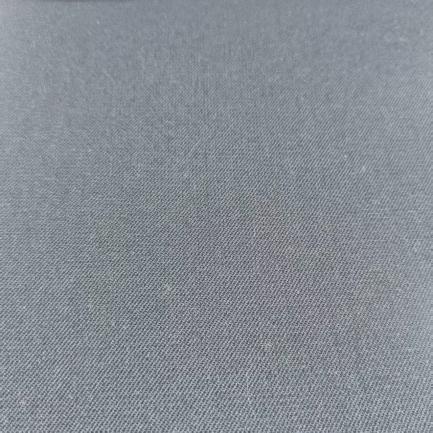
Flame retardant coverall material is the fabric used to make one-piece protective garments that cover the torso, arms and legs of industrial workers. Because a coverall has no waistline gap, it is often the preferred garment for welding bays, oil and gas sites and maintenance shutdowns. For the buyer, the fabric must resist flame, hold up to repeated laundering and cut cleanly into large pattern pieces.

3H Safety Technology supplies functional flame retardant fabrics under the 3H.Safeloya brand. Our coverall-related listings include a flame retardant, anti-static, welding protection and molten metal splash fabric for workwear and safety coveralls, a flame retardant arc protection hi-vis fabric for safety coveralls, and a flame retardant fabric referenced to EN 11612 and EN 1149 with anti-static function.

Coverall makers usually compare weight, fabric width, shrinkage, seam performance, color range and the standards required by the end customer. Because coveralls are single garments, every component also counts: thread, zippers, snaps and reflective tape need to be flame retardant too. Weight, width and test data are available upon request for each fabric.

Product development is carried out in Shanghai, while Nantong is the production and testing center. Custom fabric development is available, and OEM/ODM cooperation, samples and MOQ can be discussed once we know your coverall style, target standard and annual volume.

Key Procurement Information
Product Type

FR anti-static welding fabric, FR arc hi-vis fabric, FR anti-static fabric for coveralls

Material

Flame retardant blended fibers; fiber content subject to selected fabric

Performance

Flame resistance with anti-static, welding or arc function per product listing

Product Structure

Woven constructions typical for coveralls; confirm per fabric

Customization

Color, hi-vis and functional configuration by project

Quality Control

Nantong production and testing center; reports on request

MOQ

Available Upon Request

OEM/ODM Services

Can be discussed by project

Product Types & Buying Guide

A coverall fabric is judged on how it sews, wears and launders as much as on its flame rating. The groups below follow the coverall-related fabrics in our range.

Product Types
FR Anti-Static Welding and Metal Splash Fabric

Flame retardant fabric with anti-static, welding protection and molten metal splash function, listed for workwear and safety coveralls.

Typical use: Welding bays, foundry-adjacent and fabrication work

FR Arc Protection Hi-Vis Fabric

Flame retardant fabric with arc protection and hi-vis color for safety coveralls.

Typical use: Electrical and outdoor utility coveralls

FR Anti-Static Fabric (EN 11612 / EN 1149)

Flame retardant fabric with anti-static function for general industrial coveralls.

Typical use: Oil, gas, chemical and maintenance coveralls

Key Features and Differences
Main function
Welding and metal splash fabrics focus on hot particles; arc fabrics focus on electrical hazards; anti-static fabrics focus on static control.
Visibility
Hi-vis shades are offered on selected fabrics; standard shades suit indoor and in-plant use.
Weight and hand feel
Heavier fabrics resist abrasion and spatter but are warmer; confirm weight against site climate.
Standards referenced
Product listings reference EN 11612 and EN 1149 for the anti-static type; other functions are confirmed per fabric.
Buying Considerations
Primary hazard

Name the main hazard (welding, arc, static, flash fire) so the right function is selected first.

Fabric width and layout

A coverall uses large pattern pieces. Confirm usable width for cutting efficiency.

Shrinkage and seams

Check dimensional change after washing and seam performance with your thread.

Components

Zippers, thread, labels and tape must be flame retardant.

Color and hi-vis

Confirm shade requirements and whether reflective tape is applied at garment level.

Quantities

Coverall programs are often tender-based; confirm MOQ and sampling early.

Main Points for Buyers
1Select the fabric by main hazard before comparing price.
2Check usable width against your pattern layout.
3Test shrinkage and seam strength on a pilot coverall.
4Specify flame retardant thread and zippers.
5Plan reflective tape placement with the fabric shade.
Buying Guide
Step 1
Define the hazard and standard. Write the main hazard, secondary hazards and the standard your customer cites.
Step 2
Choose the fabric group. Use the comparison to select welding, arc or anti-static coverall fabric.
Step 3
Sample and make a pilot garment. Request swatches or sample meters, sew a coverall and test wash it.
Step 4
Place a trial order. Confirm color, width and packaging, then move to production quantities.

Specifications & Customization

ParameterSpecificationBuyer Note
Product TypeFR anti-static welding and metal splash fabric; FR arc hi-vis fabric; FR anti-static fabricSelect by main hazard
Base MaterialFlame retardant fiber blendsFiber content confirmed per fabric
Fabric StructureWoven (typical); confirm per fabricConfirm for coverall use
Referenced StandardsEN 11612 and EN 1149 for the anti-static fabric; arc fabric referenced to NFPA 70EAs referenced in product listings
Functional OptionsAnti-static, welding protection, molten metal splash, arc protection, hi-visSubject to Product Configuration
Weight (gsm)Available Upon RequestVaries by fabric
Usable WidthAvailable Upon RequestConfirm for pattern layout
ShrinkageAvailable Upon RequestAsk for post-wash data
ColorCustomizable; hi-vis shades on selected fabricsConfirm per fabric
PackagingAvailable Upon RequestRoll packing by order
Order TermsMOQ: Available Upon Request. Samples: Please Contact Us for Details. Lead time: To Be ConfirmedSubject to Actual Requirements
Customization Options
Coverall color matchingHi-vis shade optionsFunction combinationFabric width planningRoll length and packingPrivate fabric development

Tell us the coverall style, size range and hazards, and we will suggest fabric weight and width. Items such as roll length and packaging are confirmed per order.

Applications & Target Customers

1. Application Scenarios
Industry / ApplicationTypical UseRelevant Product Features
Welding and fabricationCoveralls for welders and fittersAnti-static and welding protection fabric
Foundry and steel plantsFurnace-side and casting support workMolten metal splash function, subject to requirement
Oil, gas and petrochemicalMaintenance and turnaround coverallsFR anti-static fabric referenced to EN 11612 and EN 1149
Electrical maintenanceUtility and substation coverallsArc protection hi-vis fabric
Coal miningSurface and underground work coverallsFlame retardant fabric; anti-static as site rules require
2. Target Customers
Coverall Manufacturers

Need woven fabric with stable width, shrinkage and shade across rolls.

Safety Wear Brands

Develop coverall lines with custom colors and added functions.

Industrial Distributors

Supply plants and contractors with documented coverall fabric.

Project Buyers

Source for shutdown, turnaround or tender-based coverall programs.

3. Suitable and Unsuitable Uses
Suitable Uses
  • One-piece coveralls for welding, maintenance and process work
  • Flame retardant anti-static coveralls for oil, gas and chemical sites
  • Hi-vis arc protection coveralls for utility crews
  • Programs needing a uniform fabric across several coverall sizes
Unsuitable Uses or Applications Requiring Additional Evaluation
  • Primary hazards outside the fabric's tested function, such as high arc incident energy
  • Heavy molten metal pouring that needs specialized aluminized garments
  • Use with non-flame-retardant trims or underlayers
  • Sites with additional chemical liquid protection requirements; confirm separately
4. Selection Guidance
Application requirements

Define the main hazard and the garment standard cited by the customer.

Working environment

Consider heat, climate and laundering method.

Performance requirements

Choose function, weight and hi-vis options together.

Budget and order quantity

Share annual volume so fabric and terms can be matched.

5. Usage Notes
  • Check coveralls for burns, spatter marks and worn seams before use
  • Close zippers and fasteners fully during work
  • Wash according to the care label and avoid unapproved additives
  • Do not wear over melting synthetic underwear
  • Repair only with flame retardant materials
  • Store clean and dry

Advantages

01Fabric options for coverall hazards

The range includes welding, metal splash, arc and anti-static fabrics for coveralls. A coverall maker can serve different customers without changing supplier.

Basis: Listings name safety coveralls for welding, arc and anti-static fabrics.
Buyer benefit: Fewer suppliers to manage across coverall lines.
02Arc protection with hi-vis

A flame retardant arc protection hi-vis fabric is listed for safety coveralls.

Basis: Listing: FR, arc protection, hi-vis fabric for workwear and safety coverall PPE.
Buyer benefit: Supports utility coverall tenders that require visibility.
03EN 11612 and EN 1149 anti-static fabric

A flame retardant fabric with anti-static function is referenced to EN 11612 and EN 1149.

Basis: Listing: FR and anti-static EN 11612, EN 1149 fabric for workwear.
Buyer benefit: A standard-backed starting point for oil, gas and chemical coveralls.
04Production and testing at Nantong

Development is in Shanghai and production and testing are handled in Nantong.

Basis: Supplier profile states the roles of both sites.
Buyer benefit: Consistent lots for pattern cutting.
05Customization by project

Fabrics are developed to customer demand on a flame retardant base.

Basis: Supplier information lists customization.
Buyer benefit: Color and function can follow your coverall specification.
06Documentation on request

Test reports and certificate copies can be supplied on request.

Basis: ISO 9001, ISO 14001 and ISO 45001 are listed on third-party supplier profiles; copies available upon request.
Buyer benefit: Smoother customer approval.

Frequently Asked Questions

  • Q: Which fabric is suitable for welding coveralls?
  • A: A flame retardant, anti-static fabric with welding protection is listed for workwear and safety coveralls. Please share the welding process and we will confirm the best fit.
  • Q: Do you have fabric for molten metal splash?
  • A: A fabric with molten metal splash function is listed. The protection level depends on the requirement and test method, so please send it for confirmation.
  • Q: Can the coverall fabric be hi-vis?
  • A: Yes. A flame retardant arc protection hi-vis fabric is available for safety coveralls.
  • Q: What fabric width is available?
  • A: Width is Available Upon Request and varies by fabric. Tell us your pattern layout and we will confirm.
  • Q: Which standards apply to your coverall fabrics?
  • A: Our anti-static coverall fabric is referenced to EN 11612 and EN 1149; arc fabric to NFPA 70E. Reports are provided per fabric.
  • Q: What MOQ and sample terms apply to coverall fabric?
  • A: MOQ and sample terms depend on fabric and customization. Please contact us with your quantity.

Contact Us to Learn More

Send us your coverall style, main hazard and annual volume. We will suggest suitable flame retardant coverall fabrics and arrange samples and test documents.

To help us respond accurately, please include:

Coverall style and size range
Main hazard and standard
Hi-vis or color requirement
Needed width and weight
Quantity and delivery plan