 EN
EN 中文简体
中文简体 English
 русский
 Español
 Português
 عربى
عربى


In high-risk industrial environments such as welding, smelting, casting, and steel structure processing, molten metal splash is one of the most common and dangerous safety hazards. The instantly splashing high-temperature metal droplets can reach temperatures of hundreds or even thousands of degrees Celsius, easily causing severe burns upon contact with the skin. Therefore, whether flame-retardant molten metal splash protective fabric can truly protect against high-temperature metals is a question of great concern to many companies and workers.
Under the premise of correct selection and standardized use, flame-retardant molten metal splash protective fabric can effectively resist the damage caused by molten metal splashes.
1. The protective principle of flame-retardant molten metal splash protective fabric
The core function of flame-retardant molten metal splash protective fabric is not to "completely isolate high temperatures," but to provide the ability to delay, block, and disperse heat within a critical time frame, giving the body a safe buffer time.
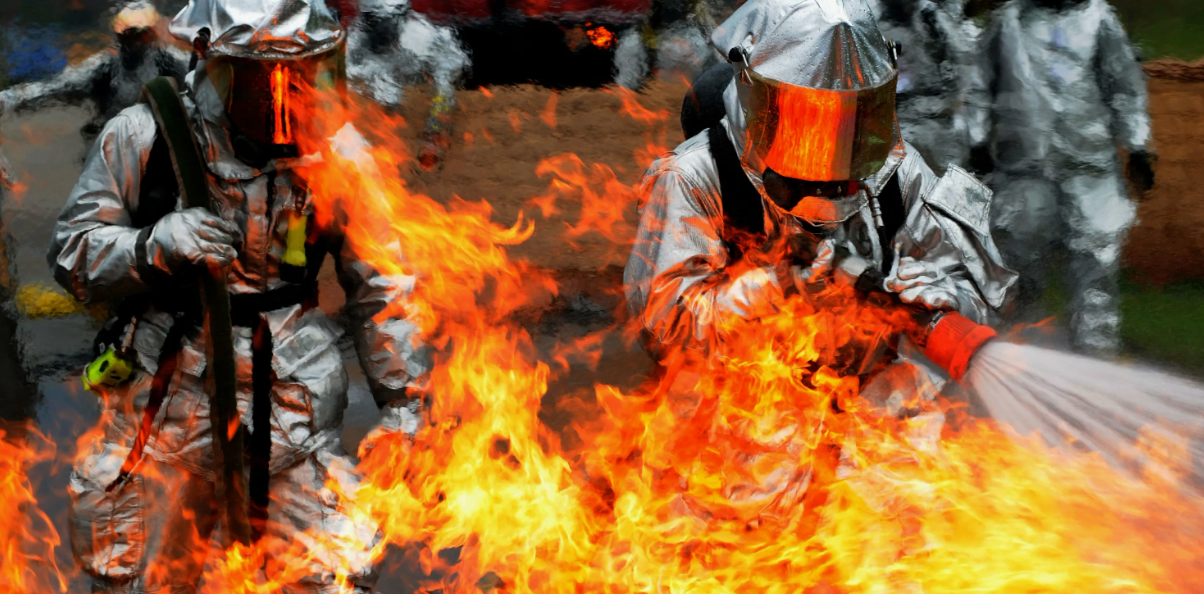
When molten metal splashes contact the fabric surface, high-performance metal splash fabric usually exhibits the following reaction characteristics:
Does not continue to burn: Even after contact with high-temperature metal, the fabric will not ignite or spread flames.
Does not melt or drip: Avoids the fabric melting and adhering to the skin, causing secondary injury.
Forms a thermal insulation barrier: Quickly disperses heat through the fiber structure and fabric density.
Delays heat transfer: Reduces the speed at which instantaneous high temperatures are conducted to the inner layer and skin.
These characteristics work together to enable flame-retardant molten metal splash protective fabric to play a crucial safety protection role in high-risk working conditions.
2. The essential difference from ordinary flame-retardant fabrics
It needs to be clarified that not all flame-retardant fabrics are suitable for molten metal splash protection. Ordinary flame-retardant fabrics are more designed for flames, heat sources, or short-term high temperatures, while the impact of molten metal splashes is more concentrated and intense, placing higher demands on the fabric.
The following table provides a direct comparison between the two:
| Comparison Item | FR Molten Metal Splash Protective Fabric | General Flame-Retardant Fabric |
| Primary Protection | Molten metal splash + high-temperature impact | Open flame or heat source |
| Fabric Reaction | Non-flammable, non-melting, no dripping | May char or soften |
| Resistance to Metal Adhesion | Molten metal is less likely to adhere | Easily penetrated by molten metal |
| Typical Applications | Metallurgy, welding, casting | General industrial protection |
| Safety Level | Higher | Medium |
Therefore, FR molten metal splash protective fabric, which is truly used in high-temperature metal splash environments, has significantly higher structural design and performance standards than ordinary flame-retardant fabrics.
3. Practical Protection Effectiveness in High-Temperature Metal Environments
In practical applications, the value of flame-retardant molten metal splash protective fabrics is primarily demonstrated during "accident moments." When metal splashes occur, the fabric can block direct contact for crucial seconds, preventing immediate skin exposure to extremely high temperatures.
Especially in scenarios with dense welding sparks and random splashing of molten metal droplets, this type of metal splash fabric significantly reduces the following risks:
Severe burns and scalds
Chain reactions caused by clothing ignition
Deep tissue damage caused by molten metal penetrating clothing
This is why flame-retardant molten metal splash protective fabrics are considered a "basic line of defense" in personal protective equipment in metallurgy, heavy industry, and high-temperature manufacturing.
4. Which Industries Must Use This Type of Protective Fabric?
Flame-retardant molten metal splash protective fabrics are not "optional," but almost a necessity in the following industries:
Steel smelting and continuous casting operations
Metal welding and cutting workstations
Foundry, die-casting, and heat treatment workshops
Heavy machinery manufacturing
Metal processing and repair industries
In these environments, even short-term exposure poses a significant risk of high-temperature splashing, and ordinary work clothes cannot provide sufficient protection.
5. Key Considerations for Choosing Flame-Retardant Molten Metal Splash Protective Fabrics
To truly achieve protective effects, proper selection is crucial. When choosing, companies should focus on the following points:
Clearly determine if it is designed for molten metal splash protection
Not all flame-retardant fabrics are FR molten metal splash protective fabrics; their suitability for specific working conditions must be confirmed.
Fabric structure and thickness
A reasonable fabric density and layered structure help improve heat insulation and impact resistance.
Durability and reusability
In industrial environments, the fabric needs to maintain stable protective performance after multiple uses.
Compatibility with other protective equipment
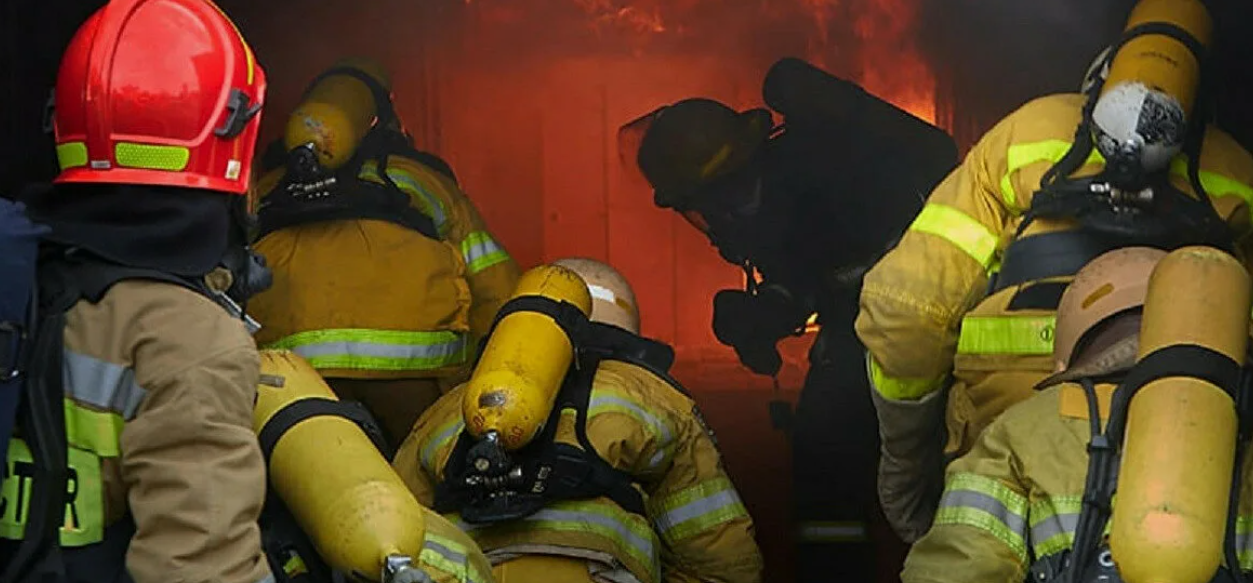
Such as the overall design of protective clothing, protective gloves, protective aprons, etc., to form a complete protection system.
Flame-retardant molten metal splash protective fabrics can effectively protect against high-temperature metal splashes, but the premise is to select a metal splash fabric that truly meets the needs of molten metal protection and use it correctly in the appropriate work environment. It is not a "universal heat insulation material," but an important industrial protection solution that provides a buffer and protection for life safety at critical moments.