 EN
 中文简体
 English
 русский
 Español
 Português
 عربى

EN 469 Fabric
-- Steady & Reliable Manufacturer --
Product Introduction
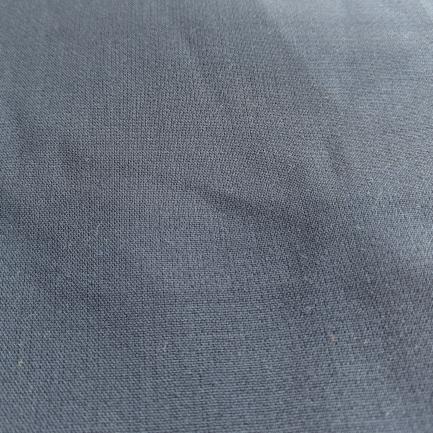
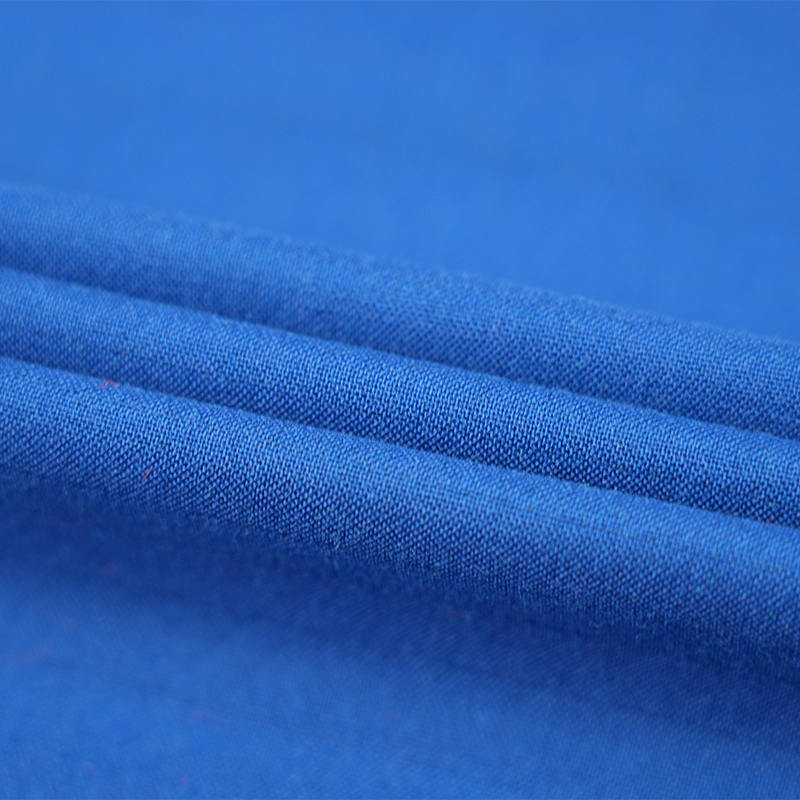
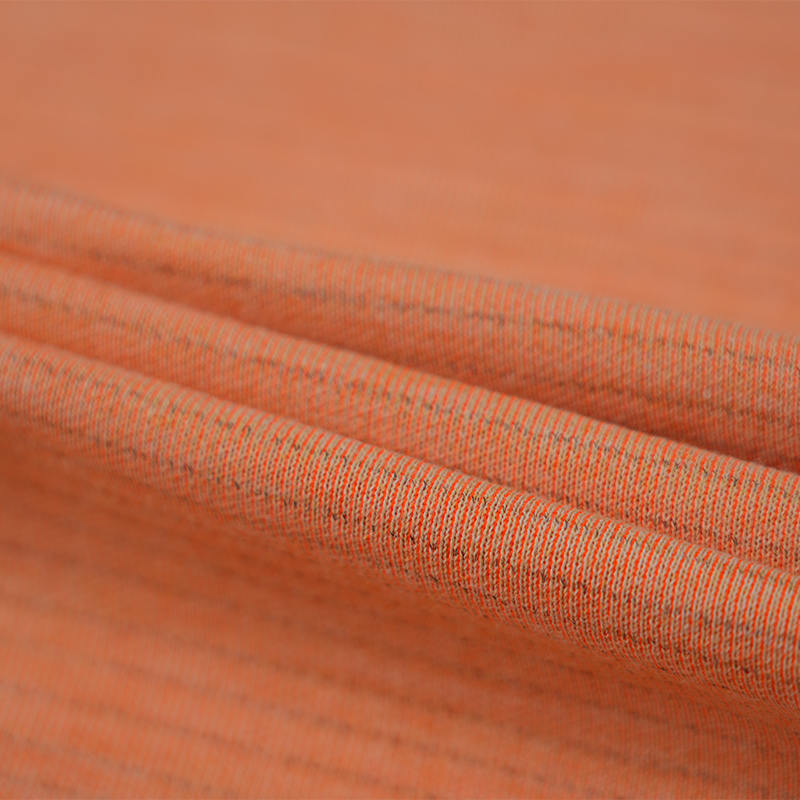
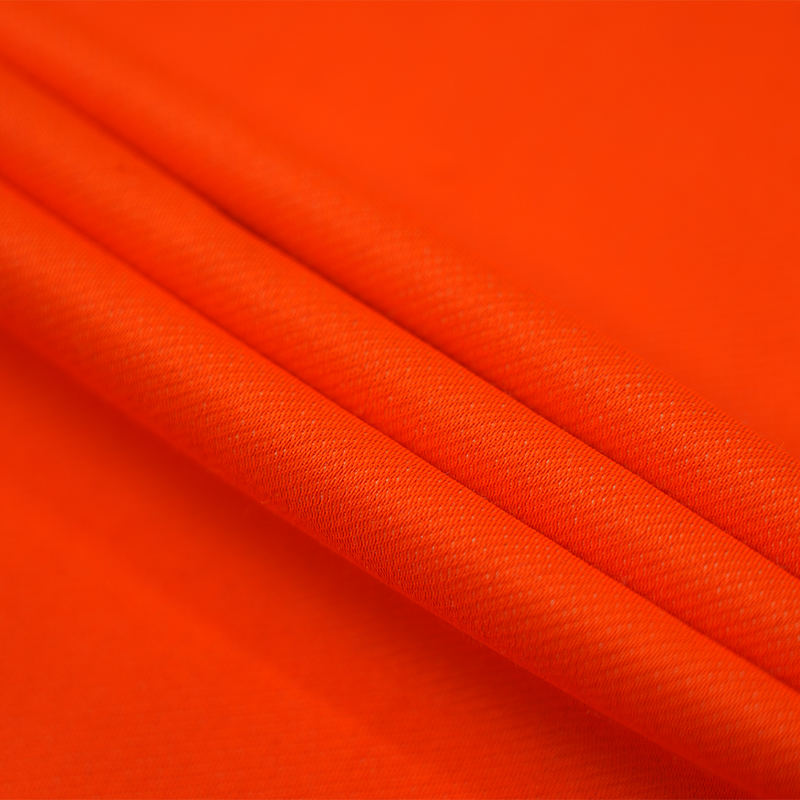
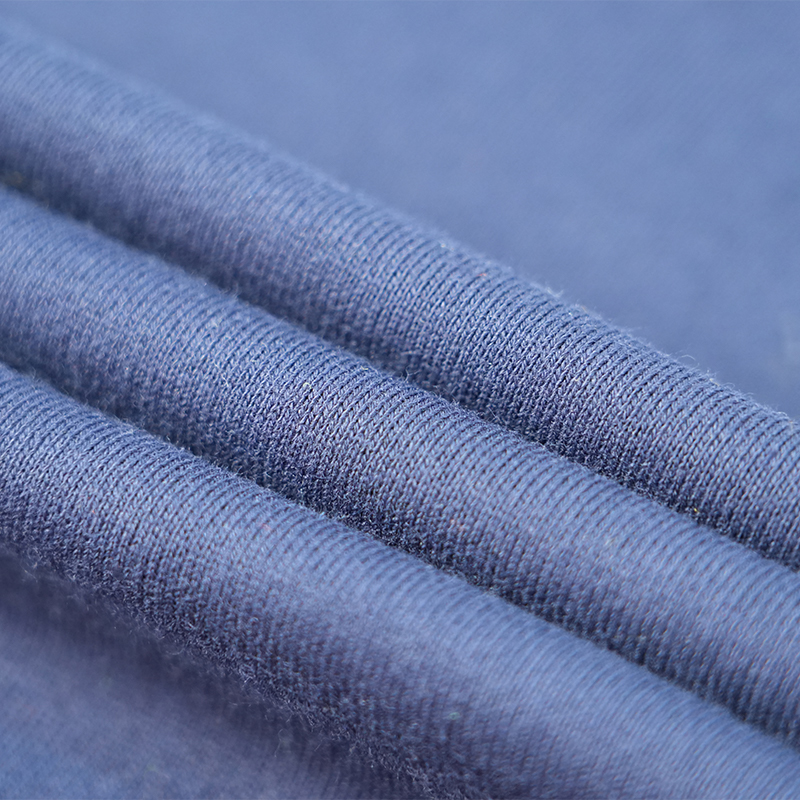
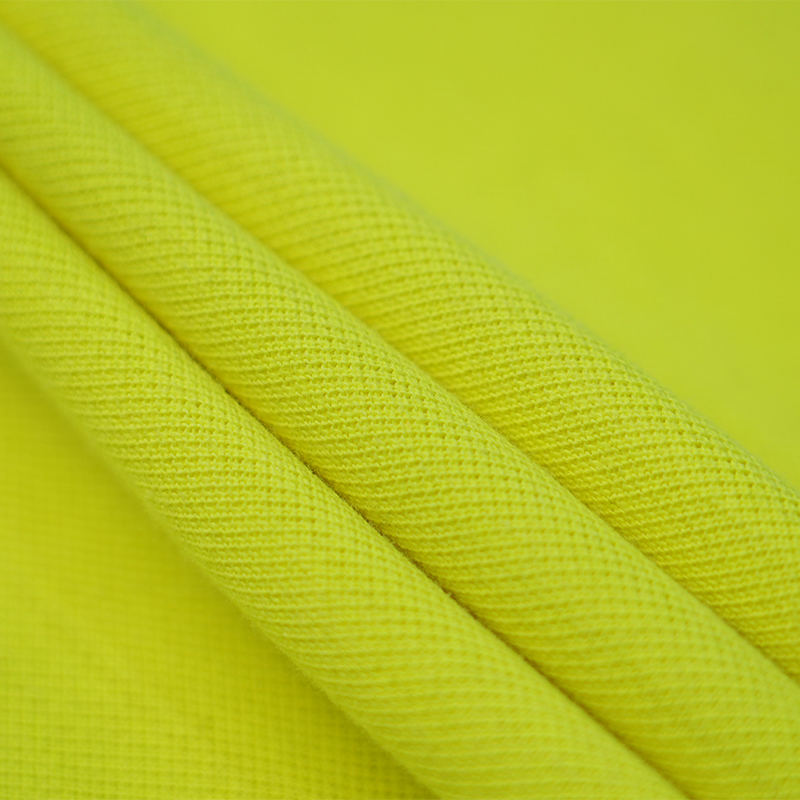
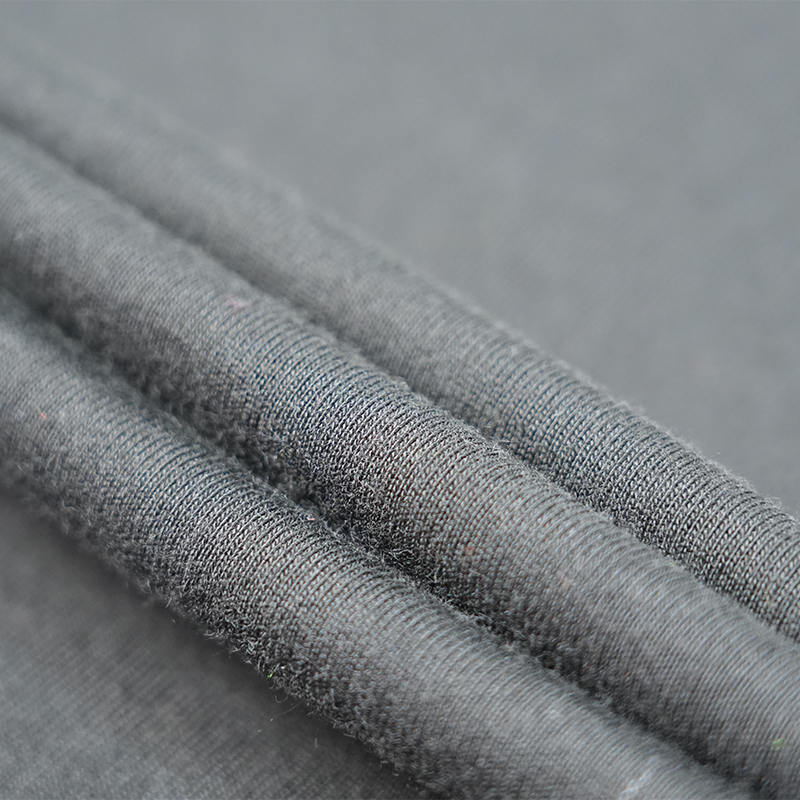
EN 469 fabric refers to textile materials used in firefighters' protective clothing, where garments must resist flame spread, heat transfer and other hazards of structural firefighting. 3H Safety Technology Co Limited produces functional flame retardant fabrics under the 3H Safeloya brand, and EN 469 is listed among the standards that its related products have been tested to meet.
On the 3H website, the Firefighting and Rescue protective fabrics category currently holds 2 items, and related aramid based fabrics sit in the Aramid 3A and Aramid blended material groups. The Military and police special protective fabrics category adds herringbone and ripstop constructions for tough field wear.
Buyers are firefighting garment manufacturers, rescue service suppliers, uniform distributors and tender buyers. They usually check outer shell fabric composition, weight, colour, flame spread data, heat resistance and how the fabric will be combined with a moisture barrier and thermal liner. EN 469 certifies the complete garment, so layer details should be agreed with the garment maker. Colour fastness, shrinkage and tear strength deserve extra attention for outer shells, because firefighting garments face abrasion, heat and repeated washing. 3H can discuss fibre, weave and colour with garment makers, and the final layer composite should be confirmed with the certifying test house.
3H supports OEM and ODM development and follows life cycle traceability. MOQ, sample terms and lead time are to be confirmed for each fabric, so please contact us for details.
Product Type
Firefighting and rescue protective fabrics for outer layers
Material
Aramid based and aramid blended constructions
Performance
Flame and heat resistance data against EN 469 test methods; values available upon request
Product Structure
Outer shell fabric; liner and barrier layers to be confirmed with the garment maker
Quality Control
Life cycle traceability; third-party testing of related products
OEM/ODM and MOQ
OEM and ODM supported; MOQ and samples to be confirmed
Specifications & Customization
Only items confirmed by 3H are given as facts. Other values are marked for confirmation.
| Parameter | Specification | Buyer Note |
| Product Type | Firefighting and rescue protective fabric | 2 items in category |
| Material | Aramid 3A; aramid blended | Blend ratios available upon request |
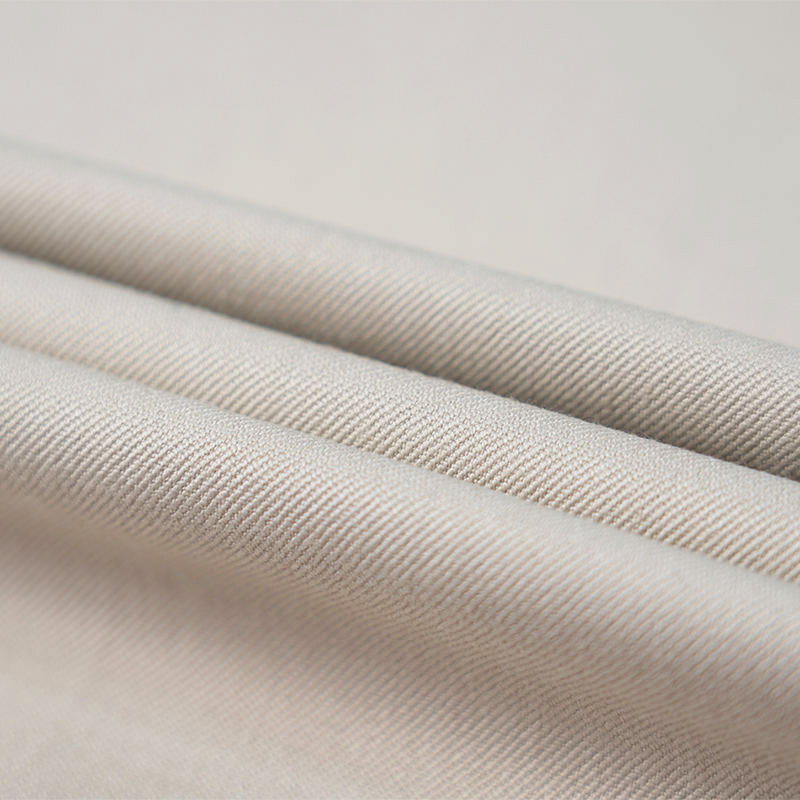
| Weave | Ripstop, herringbone with ripstop and others | Depends on code |
| Weight (g/m2) | Available upon request | Depends on code |
| Width | Available upon request | Customizable |
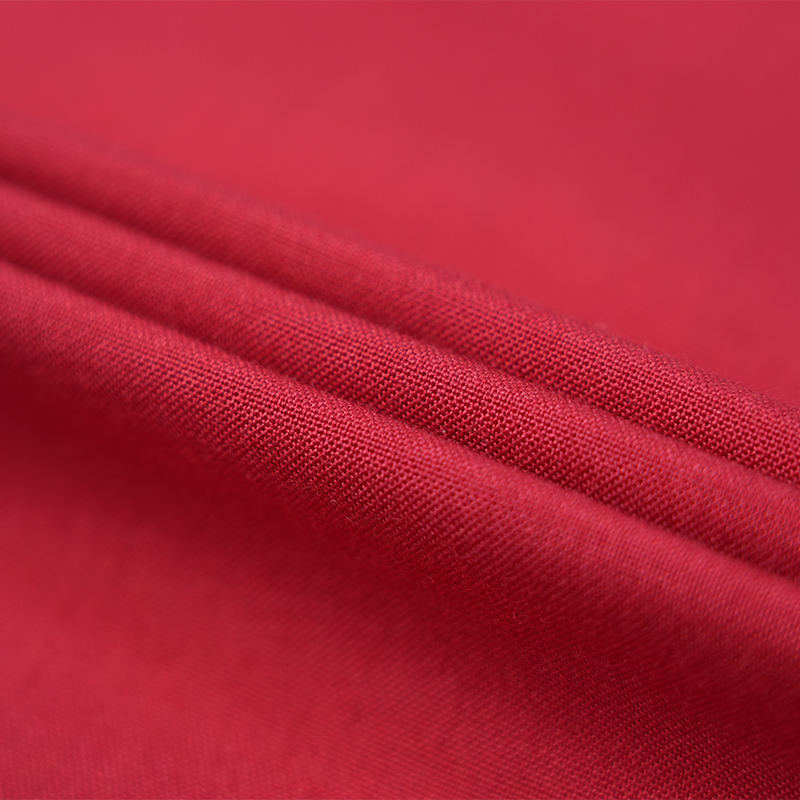
| Colour | Customizable | Shade approval to be confirmed |
| Related Standards | EN 469 listed among tested standards | Garment certification separate |
| Added Functions | Anti-static, three-proof options | Subject to actual requirements |
| Packaging | To Be Confirmed | Please contact us for details |
Customization Options
Material Customization
Choose Aramid 3A or aramid blended bases.
Structure
Ripstop or herringbone constructions where available.
Colour Options
Colour development for fire service uniforms.
Functional Configurations
Add anti-static or three-proof functions when needed.
OEM and ODM Services
Own-design production or development support.
Packaging Customization
To be agreed per order.
Applications & Target Customers
Application Scenarios
| Industry / Application | Typical Use | Relevant Product Features |
| Fire services | Outer shell for structural firefighting garments | Aramid based fabrics, flame resistance |
| Rescue teams | Technical rescue clothing | Ripstop structure for durability |
| Industrial fire brigades | Garments for plant emergency teams | FR fabric with anti-static option |
| Military and police | Special protective uniforms | Herringbone ripstop fabrics |
| Uniform tenders | Public procurement programmes | Documented standards listed |
Target Customers
Firefighting garment makers
Need outer shell fabric consistent with their composite design.
Rescue equipment suppliers
Need tough fabrics in specific colours.
Distributors
Need stable supply for fire service customers.
Tender buyers
Need documents to support compliance review.
Suitable and Unsuitable Uses
Suitable Uses
Outer shell layers for firefighting and rescue garments
Industrial fire brigade clothing
Uniform programmes needing aramid based protection
Tough field clothing for special protective wear
Unsuitable Uses or Applications Requiring Additional Evaluation
Fabric alone does not give EN 469 compliance
Garments for chemical or gas-tight use need other standards
Extreme hazard levels need extra layers
Markets with special approvals need document checks
Selection Guidance
Application requirements: Define structural or technical rescue use
Technical specifications: Compare fibre, weave and weight
Working environment: Consider heat, wear and washing
Budget and order quantity: Balance aramid grade with volume
Usage Notes
Incoming check: Inspect shade and defects
Garment making: Follow composite layer design
Use environment: Match garment level to hazard
Storage: Keep clean and dry
Maintenance: Wash per label and inspect for wear
Retirement: Replace garments with heat damage
Advantages
EN 469 among listed standards
EN 469 appears in the standards list that 3H states for its related products. Buyers can request item-level documents.
Buyer benefit: Helps supplier screening for fire service tenders.
Aramid fabric groups
The site separates Aramid 3A and aramid blended fabrics, with 1 and 7 items. This lets buyers compare pure and blended options.
Buyer benefit: Clear route to the right fibre base.
Tough structures
SSS-A02 offers herringbone with ripstop construction. A ripstop structure is a common way to limit tear spread in field wear.
Buyer benefit: Better tear resistance for field use.
Optional functions
Anti-static and three-proof functions can be added on request. Functions are specified with the fabric order, so they can be tested together with the outer shell.
Buyer benefit: Covers combined hazards.
OEM and ODM support
3H supports production to a garment maker's own design and development support from the beginning. Outer shell colour and construction can be agreed to suit the composite layer plan.
Buyer benefit: Reduces redesign when the garment is tested.
Traceability
3H applies product life cycle traceability under national regulations. A fire service buyer can trace an outer shell roll back to its fabric code and documents.
Buyer benefit: Easier audit trails for tenders.
Frequently Asked Questions
- Q: Does EN 469 certify the fabric or the garment?
- A: EN 469 covers the complete garment. Fabric data supports it, and the garment maker is responsible for final certification.
- Q: Which fabrics do you have for firefighting?
- A: The Firefighting and Rescue category contains 2 items, with aramid based options also in the material groups. Contact us to match a code to your design.
- Q: Do you supply moisture barriers and liners?
- A: Our website focuses on outer FR fabrics. Please contact us for details on other layers.
- Q: Can you make ripstop fabric?
- A: Ripstop and herringbone with ripstop constructions are listed, for example SSS-A02.
- Q: Do you provide OEM and ODM?
- A: Yes. 3H supports production to a garment maker's own design and development support from the beginning.
- Q: What are the MOQ and lead time?
- A: They are to be confirmed for each aramid or ripstop fabric. Please contact us with your colour and volume.
Contact Us to Learn More
Send us your target performance level, fabric layer plan and colour needs, and we will suggest suitable aramid based fabrics. E-mail: 3h01@3hsafe.com.
Garment performance level
Layer structure
Colour needs
Estimated quantity