 EN
 中文简体
 English
 русский
 Español
 Português
 عربى

Flash Fire Protective Clothing Fabric
-- Steady & Reliable Manufacturer --
Product Introduction
Flash fire protective clothing fabric is textile material engineered to ignite slowly, self-extinguish when the flame is removed, and char instead of melting during short, intense fire exposure. 3H Safety Technology Co Limited manufactures such functional FR fabrics under the 3H Safeloya brand for petroleum, petrochemical, chemical, gas station, power, coal mining, steel, metallurgy and mechanical processing users.
The main design choice is between inherent FR fibres and treated base fabrics. 3H's descriptions favour inherent constructions where protection must last through repeated washing, and its range includes aramid, modacrylic, polyimide blended and elastic fibre fabrics, with knitted and weft-stretch options for greater comfort.
Buyers include protective clothing brands, safety distributors, garment factories and industrial purchasers. They commonly compare fibre type, weight, char length and after-flame performance, shrinkage under heat, comfort and washing behaviour. EN ISO 11612 and NFPA 2112 are listed among standards for related products. Because flash fire exposure is brief but severe, buyers also look at how the fabric behaves after the flame is removed, how much it shrinks under heat and whether it stays comfortable through a full shift. 3H can supply swatches so these points are checked before bulk orders.
3H offers OEM and ODM support and keeps life cycle traceability for each product. MOQ, samples and lead time depend on the selected fabric and are to be confirmed, so please contact us for details.
Product Type
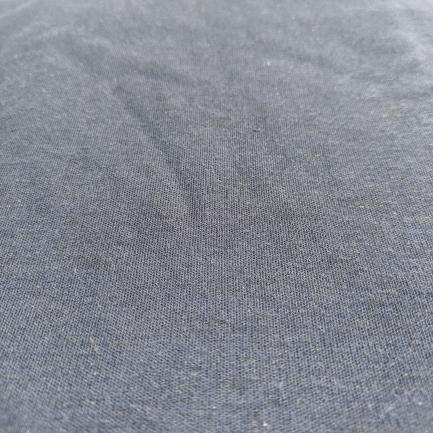
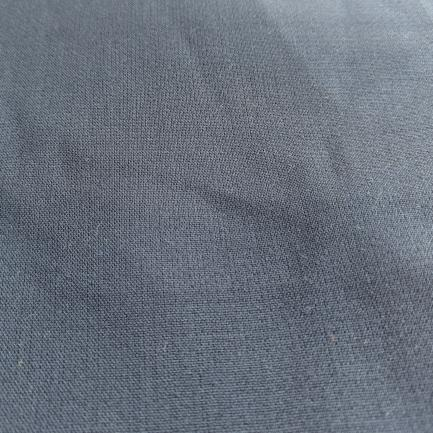
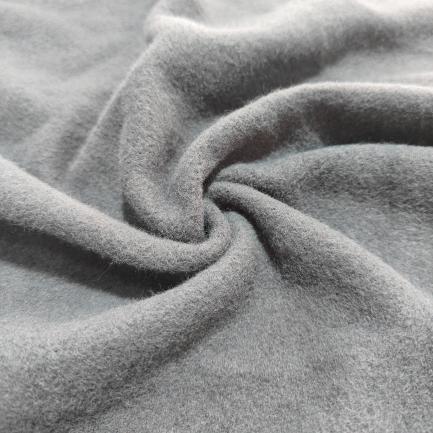
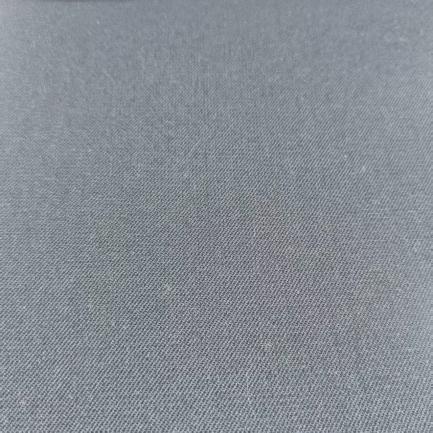
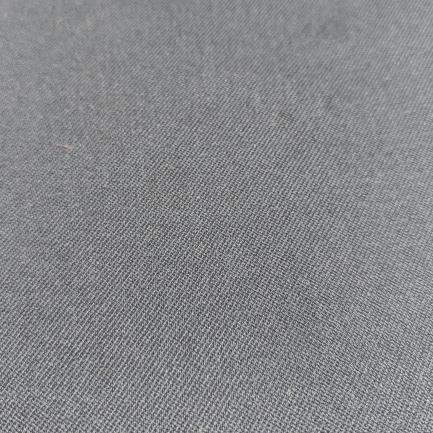
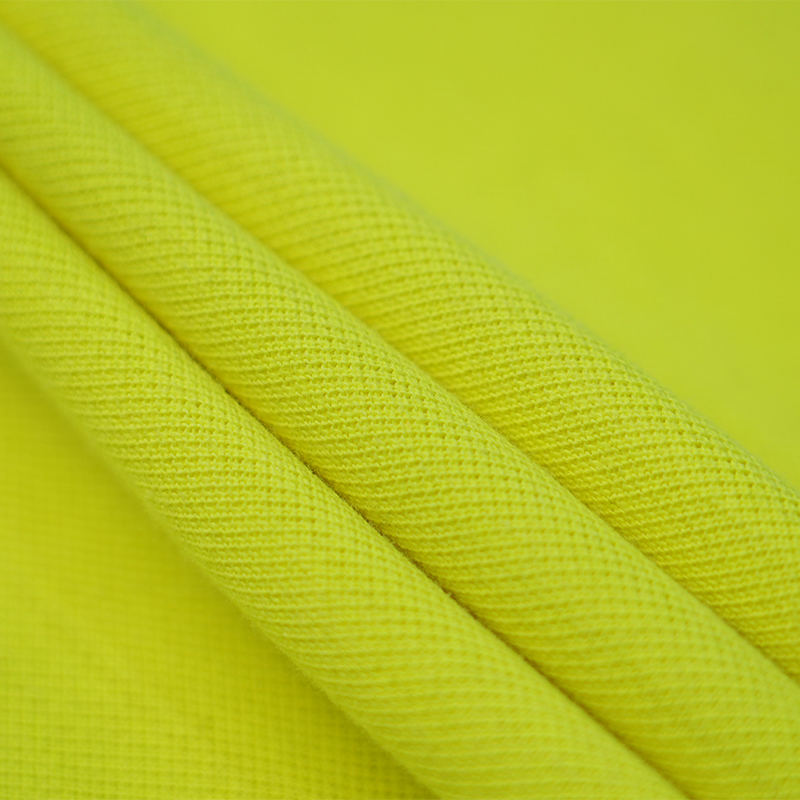
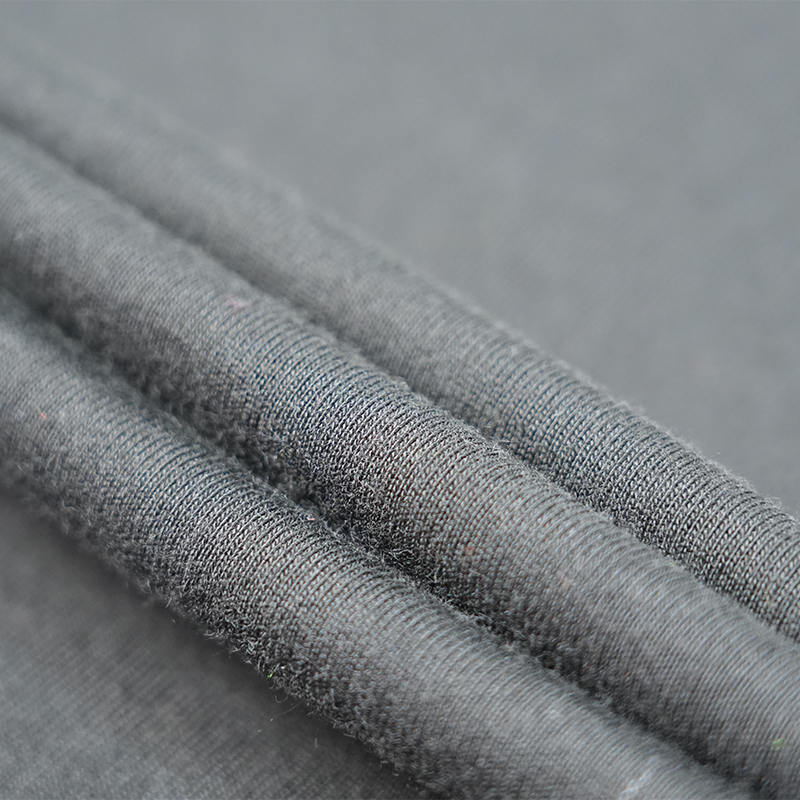
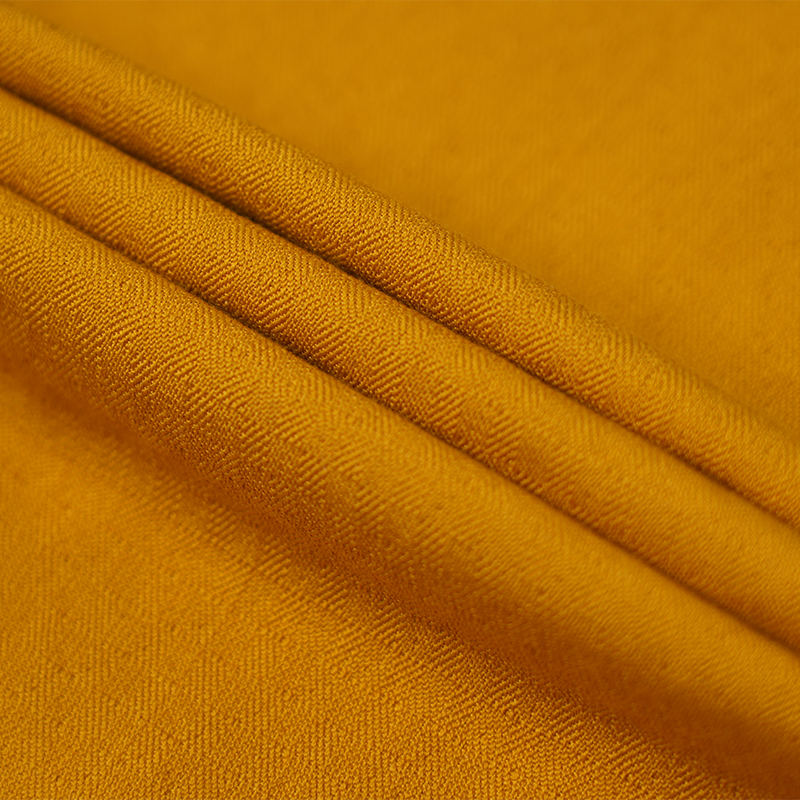
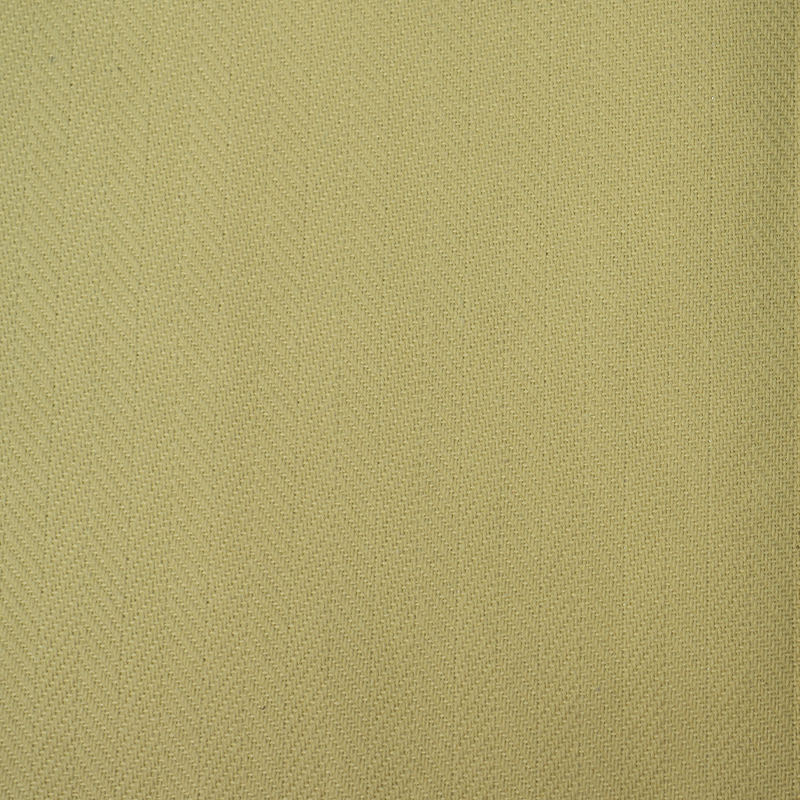
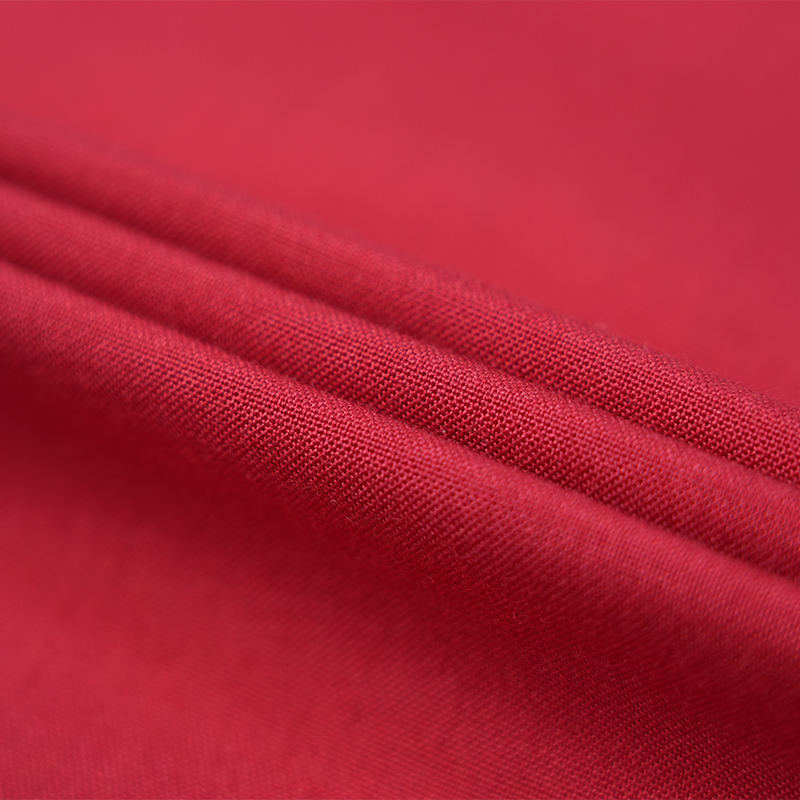
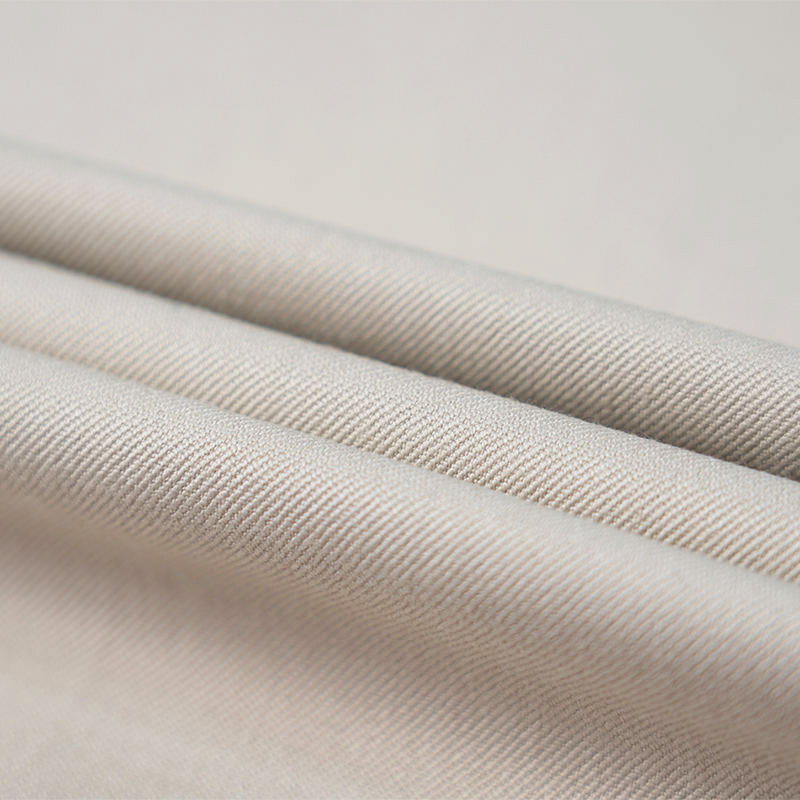
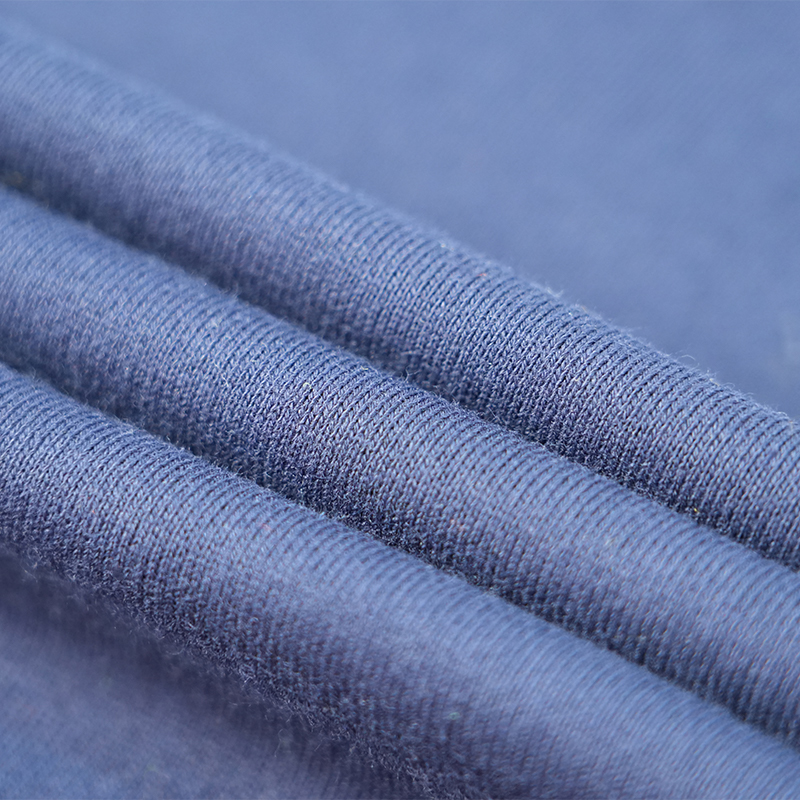
FR fabric for flash fire garments: woven, knitted and weft-stretch types
Material
Aramid, modacrylic, polyimide blended and elastic fibre blends
Performance
After-flame, char length and heat behaviour per test method; values available upon request
Comfort Options
FR knitted fabric (5 items) and FR weft-stretch fabric (1 item) on the site
Quality Control
Life cycle traceability and third-party tested products
OEM/ODM and MOQ
OEM and ODM supported; MOQ to be confirmed
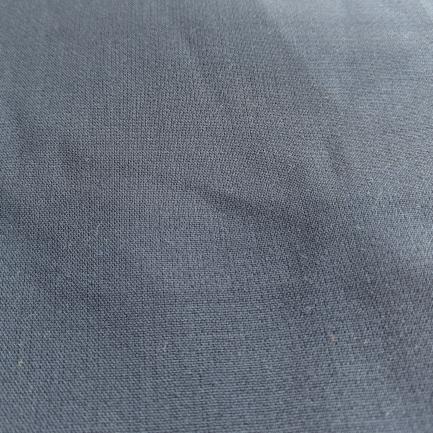
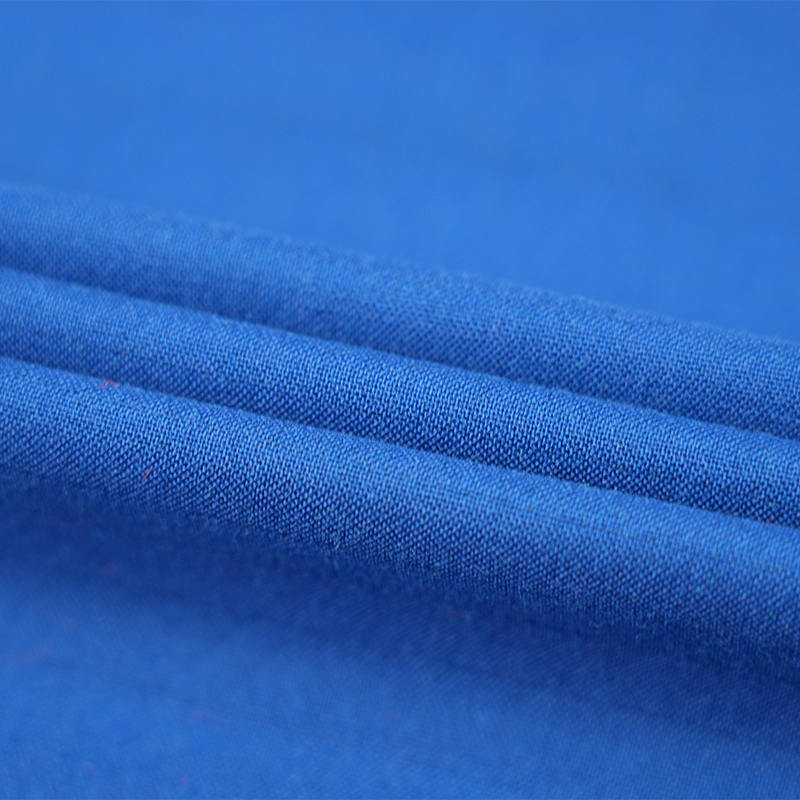
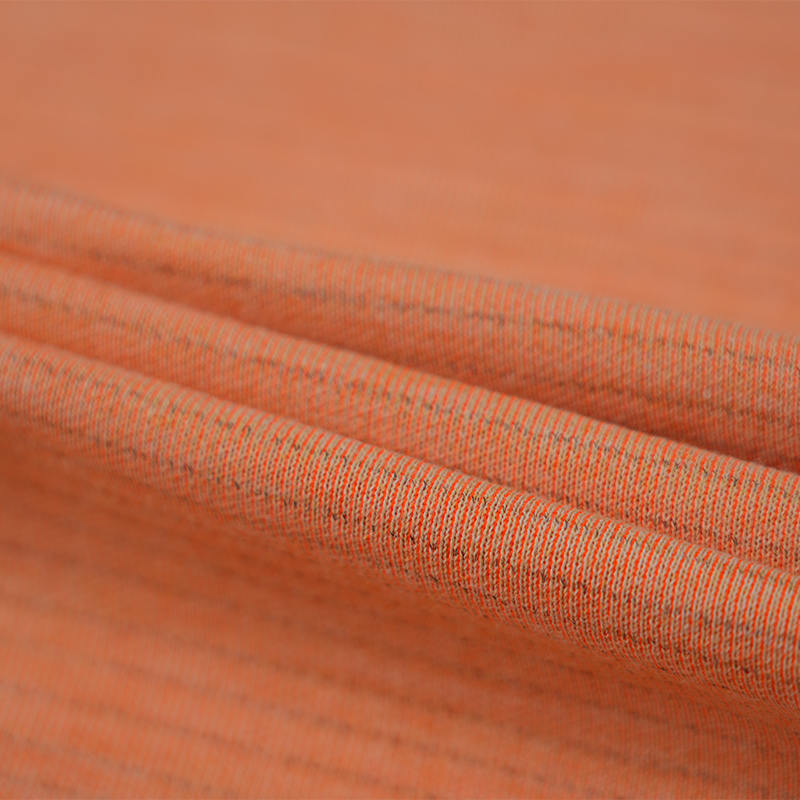
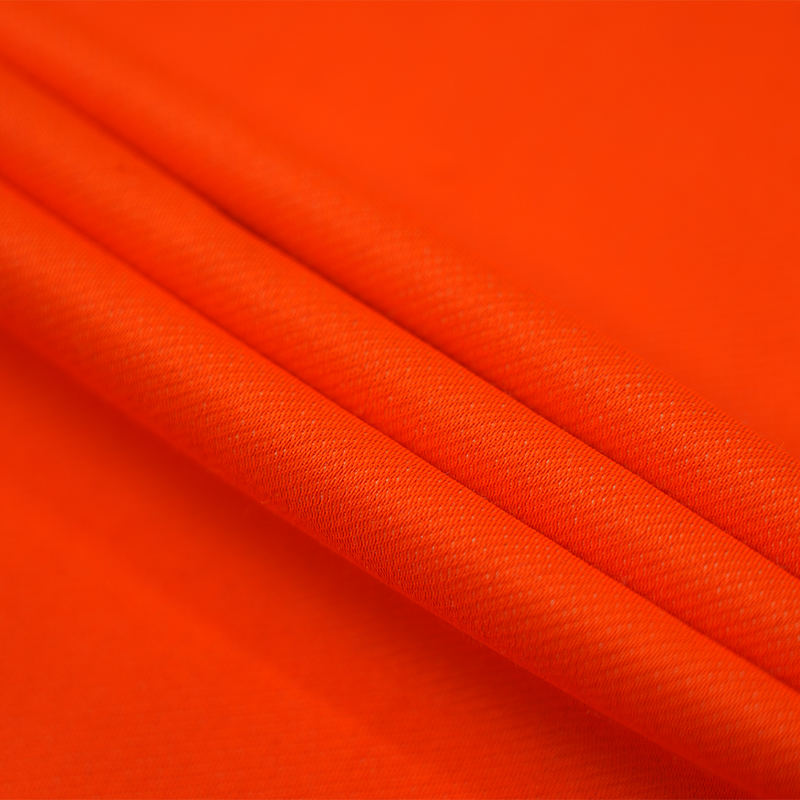
Specifications & Customization
The table summarises items a buyer checks for flash fire protective fabric. Numeric performance values come from the test reports of each code.
| Parameter | Specification | Buyer Note |
| Product Type | Flash fire protective FR fabric | Woven, knitted, stretch |
| Material | Aramid, modacrylic, polyimide blended, elastic fibre blends | Exact composition available upon request |
| Weave or Knit | Twill, ripstop, knitted, weft-stretch | Depends on code |
| Weight (g/m2) | Available upon request | Customizable |
| After-flame and Char Length | Available upon request | Per test report |
| Heat Shrinkage | Available upon request | Subject to product configuration |
| Related Standards | EN ISO 11612 and NFPA 2112 listed | Item reports available upon request |
| Added Functions | Anti-static, arc, metal splash, three-proof | Subject to actual requirements |
| Packaging | To Be Confirmed | Please contact us for details |
Customization Options
Material Customization
Aramid, modacrylic or polyimide blended bases.
Structure
Woven, knitted or weft-stretch.
Colour Options
Colour development for workwear programmes.
Functional Configurations
Add anti-static, arc or three-proof functions.
OEM and ODM Services
Own-design production or development support.
Packaging Customization
To be agreed per order.
Applications & Target Customers
Application Scenarios
| Industry / Application | Typical Use | Relevant Product Features |
| Refineries and petrochemical | Flash fire coveralls | Inherent FR fabrics |
| Chemical plants | Workwear near flammable materials | FR with three-proof options |
| Gas distribution | Field service clothing | FR knits for comfort |
| Power generation | Maintenance clothing | Multi-function FR |
| Steel and metallurgy | Heat exposed workwear | Aramid and polyimide blends |
Target Customers
Protective clothing brands
Need FR fabrics with flash fire documents.
Garment factories
Need dimensional stability and wide range.
Safety distributors
Need a basket of fabrics for different sites.
Industrial purchasers
Need uniform fabric for plant staff.
Suitable and Unsuitable Uses
Suitable Uses
Short duration flash fire protection garments
Work in petroleum and chemical plants
Programmes that need washing durability
Garments combining flash fire and other functions
Unsuitable Uses or Applications Requiring Additional Evaluation
Prolonged fire fighting needs firefighting grade layers
Molten metal exposure needs separate evaluation
Arc hazards need arc rated fabrics
Chemical splash barriers require chemical protective fabrics
Selection Guidance
Application requirements: Define flash fire exposure
Technical specifications: Compare char length and shrinkage
Working environment: Consider climate and washing
Budget and order quantity: Balance fibre cost and volume
Usage Notes
Incoming check: Inspect roll defects
Garment making: Pre-test shrinkage
Use environment: Wear complete FR layers
Storage: Keep dry
Maintenance: Avoid bleach and fabric softener
Damage: Retire burnt garments
Advantages
Several FR fibre systems
3H offers aramid, modacrylic, polyimide blended and elastic fibre fabrics. Buyers can compare systems within one supplier.
Buyer benefit: Single source for different flash fire price points.
Comfort-focused options
Five FR knitted and one weft-stretch item are listed, and knitted fabrics can be home washed at 60 degrees C. 3H's own buying guidance notes that uncomfortable protective clothing is more likely to be misused.
Buyer benefit: Improves wearer acceptance.
Inherent protection
3H explains that inherent FR constructions keep their properties through the garment life. Treated fabrics, by contrast, depend more on proper laundering to hold their performance.
Buyer benefit: Lower risk of performance loss with washing.
Added functions
Anti-static, arc, metal splash and three-proof functions can be added. Each combination should be tested on the chosen fabric code before approval.
Buyer benefit: One garment can cover mixed hazards.
OEM and ODM support
Both brand-owned fabric designs and supplier-led development are supported. This allows comfort options such as knit or stretch to be explored with a flash fire brief.
Buyer benefit: Brands can differentiate their FR line.
Documentation
Related products are tested by SGS, TUV, ITS and a national inspection centre. Item-level reports for the chosen fabric are available upon request.
Buyer benefit: Supports supplier approval.
Frequently Asked Questions
- Q: What makes a fabric suitable for flash fire clothing?
- A: It should resist ignition, self-extinguish and char without melting. Standards such as EN ISO 11612 and NFPA 2112 define test methods.
- Q: Should I choose inherent or treated FR fabric?
- A: Inherent fabrics keep protection through washing, while treated fabrics depend on the finish and care. 3H describes inherent constructions as the preferred route for high-risk use.
- Q: Do you have stretch or knitted FR fabric?
- A: Yes. The site lists 5 FR knitted items and 1 FR weft-stretch item.
- Q: Can I add anti-static or arc function?
- A: Yes, according to customer requirements.
- Q: Do you provide OEM and ODM?
- A: Yes. Both brand-owned fabric designs and supplier-led development are supported.
- Q: What are MOQ, sample policy and lead time?
- A: They vary with fibre system and construction, so please contact us with your fabric choice and expected volume.
Contact Us to Learn More
Send your hazard description, target standards and comfort expectations, and we will recommend flash fire fabric types with documents. E-mail: 3h01@3hsafe.com.
Hazard description
Target standards
Comfort needs
Estimated quantity