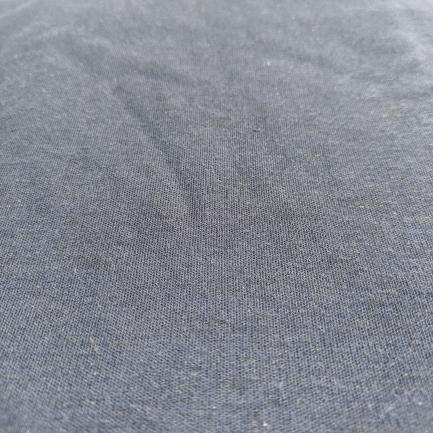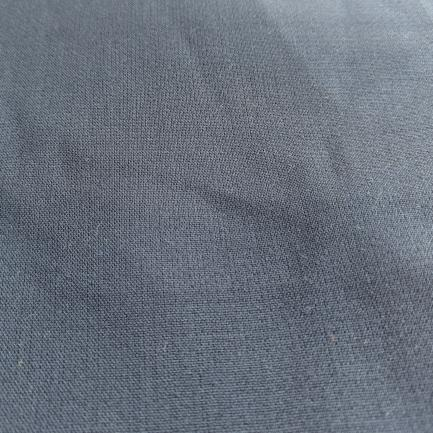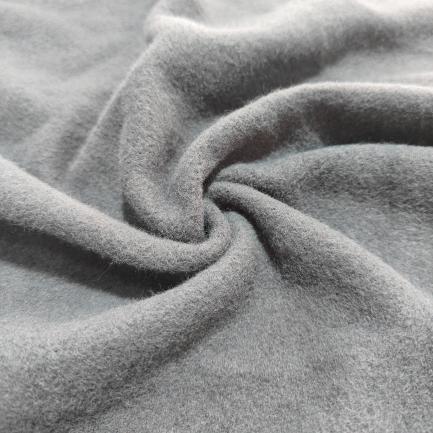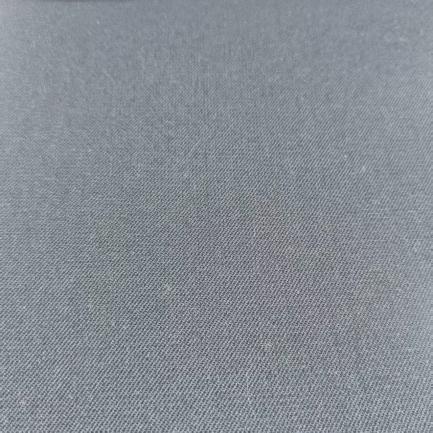
3H Safety Technology Co Limited.

Industrial Uniform Fabric Supplier

-- Steady & Reliable Manufacturer --
Product Introduction

An industrial uniform fabric supplier is the long-term source behind a workwear program: the company that supplies the fabric, controls its consistency over years of reorders and answers technical questions when a customer audit or tender arrives. For uniform makers and distributors, evaluating the supplier is as important as evaluating the fabric, especially when the garments must be flame retardant.

Shanghai 3H Safety Technology Co., Ltd. focuses on functional flame retardant fabrics under the 3H.Safeloya brand. Its supplier profile describes development and market activity in Shanghai and a production and testing center in Nantong, with a product range of aramid, modacrylic and blended fabrics in woven and knitted forms, plus functions such as arc protection, anti-static, molten metal splash, oil and water proofing and acid and alkali resistance.

When shortlisting an industrial uniform fabric supplier, buyers commonly check the breadth of the range, availability of test reports, customization ability, sample handling, shade consistency across lots, and communication on MOQ and lead time. Our current information on weight, width, MOQ, sample terms and lead time is provided per fabric on request, so that figures reflect the actual product and order.

We support custom fabric development, and OEM/ODM cooperation can be discussed by project. If you are comparing suppliers, send us your fabric list, standards and annual volume, and we will respond with suitable options and the documents we can provide.

Key Procurement Information
Supplier Type

Manufacturer and trading company of functional flame retardant fabrics, per supplier profile

Product Range

Aramid, modacrylic and blended FR fabrics, woven and knitted

Functions

Arc protection, anti-static, metal splash, oil and water proofing, acid and alkali resistance, hi-vis

Operations

Development in Shanghai; production and testing center in Nantong

Customization

Fabric development by project; color and function options

Documents

Test reports and certificate copies available upon request

MOQ

Available Upon Request

OEM/ODM Services

Can be discussed by project

Product Types & Buying Guide

Choosing a fabric supplier for an industrial uniform program is a risk decision as much as a product decision. The groups below show what we can supply and how to organize your request.

Product Types
Core FR Workwear Fabrics

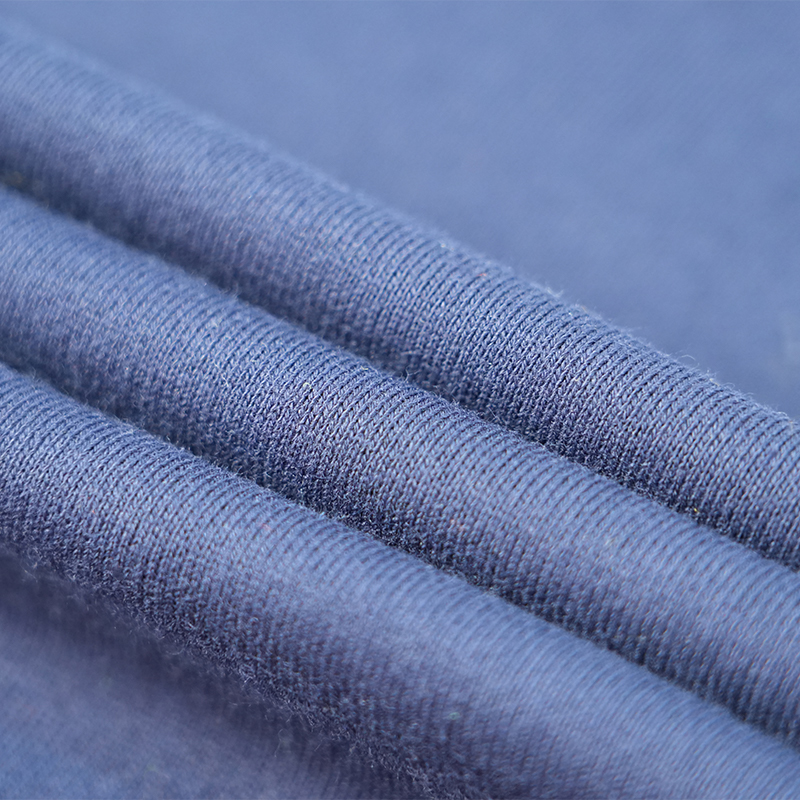
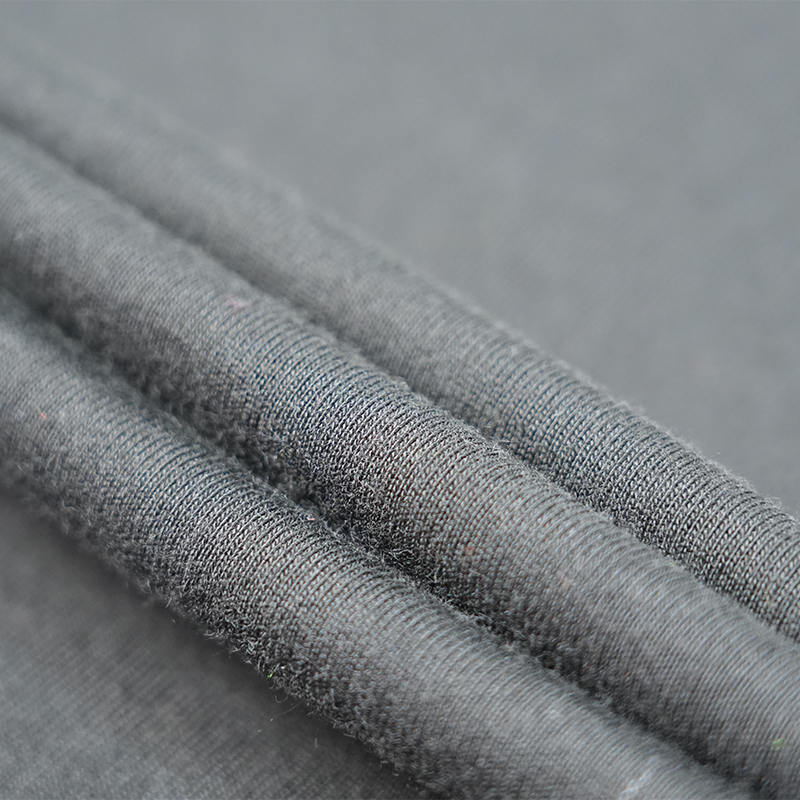
Flame retardant fabrics, including FR anti-static types referenced to EN 11612 and EN 1149, for the main body of a uniform program.

Typical use: Plant operators, maintenance staff, contractors

Hi-Vis and Knitted FR Fabrics

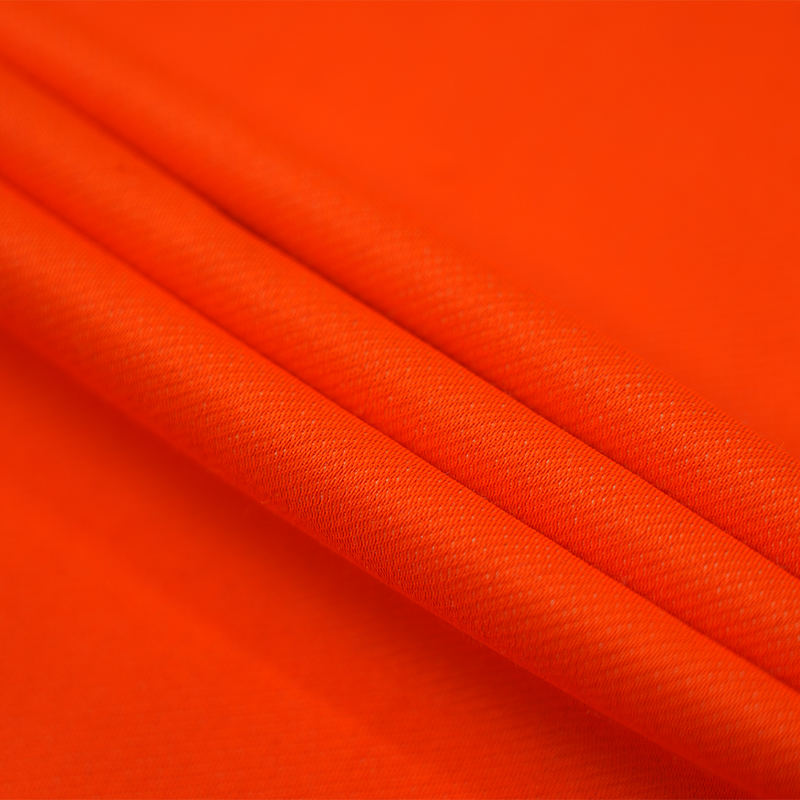
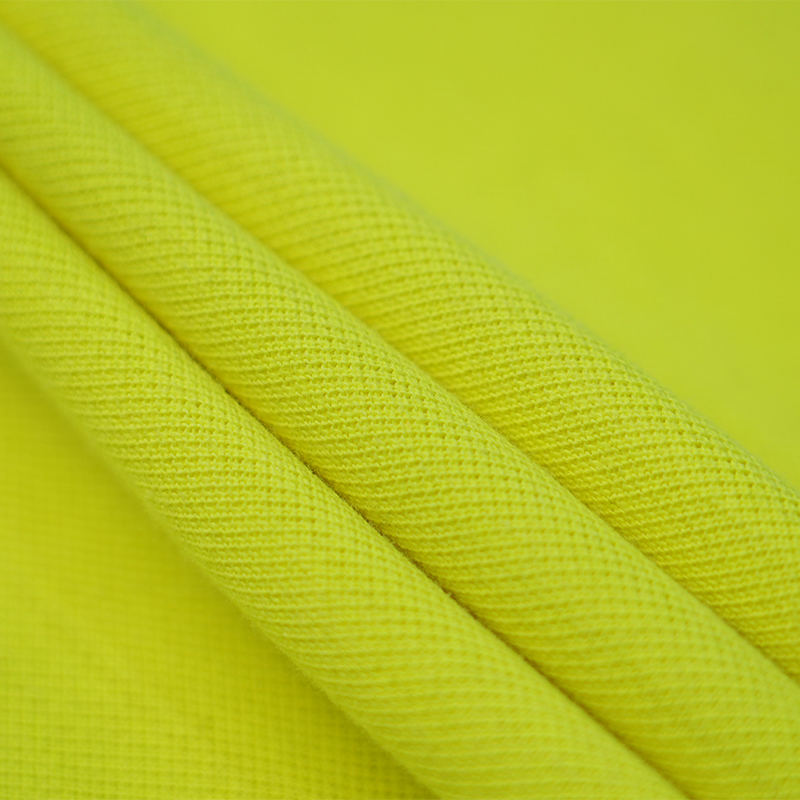
Flame retardant anti-static hi-vis fabrics in woven and knitted forms for visibility and comfort garments.

Typical use: Outdoor crews, polos, station wear

Specialty Hazard Fabrics

Arc protection fabrics (NFPA 2112, NFPA 70E, ASTM F1506), welding and metal splash fabric, and aramid fabric (EN 11612, EN 469, NFPA 2112).

Typical use: Electrical, welding, foundry and fire service roles

Key Features and Differences
Program role
Core fabrics cover most garments; specialty fabrics serve a smaller group of high-hazard roles.
Structure
Woven fabrics for outerwear and trousers; knitted fabrics for shirts and base garments.
Documentation
Specialty fabrics usually need fabric-specific reports; core fabrics need stable shade and wash performance.
Customization
Colors and functions can be discussed for each group.
Buying Considerations
Range breadth

Check that one supplier can cover core, hi-vis and specialty fabrics for your garments.

Documents

Ask which test reports and certificate copies are available for each fabric.

Shade consistency

Request how color is controlled across lots, since uniforms are reordered.

Customization

Check ability to adjust color, function and weight.

Communication

Test responsiveness on a real inquiry: standards, weight, MOQ and samples.

Operations

Understand which site handles development, production and testing.

Main Points for Buyers
1Send a precise fabric list rather than a general product request.
2Ask for reports per fabric, not for the range as a whole.
3Request shade control details before the first order.
4Clarify MOQ per fabric and per color.
5Compare responses on standards, not only on price.
Buying Guide
Step 1
Prepare a fabric brief. List garments, standards, functions, colors and annual volume.
Step 2
Request supplier information. Ask for fabric data, test reports and sample terms.
Step 3
Evaluate samples and documents. Check hand feel, shade and report coverage.
Step 4
Start with a trial order. Confirm packaging and delivery arrangements, then scale up.

Specifications & Customization

ParameterSpecificationBuyer Note
Supplier TypeManufacturer and trading company, per supplier profileDetails Available Upon Request
Brand3H.SafeloyaFunctional flame retardant fabrics
Product RangeAramid, modacrylic and blended FR fabricsConfirmed per fabric
Fabric StructureWoven and knittedPer garment role
FunctionsArc protection, anti-static, welding, molten metal splash, oil and water proofing, acid and alkali resistance, hi-visSubject to Product Configuration
Referenced StandardsEN 11612, EN 469, EN 1149, NFPA 2112, NFPA 70E, ASTM F1506As referenced in product listings
OperationsDevelopment and market in Shanghai; production and testing in NantongPer supplier profile
Weight (gsm) and WidthAvailable Upon RequestVaries by fabric
ColorCustomizableSubject to fabric and quantity
Test Reports and CertificatesAvailable Upon RequestState fabric and standard
Order TermsMOQ: Available Upon Request. Samples: Please Contact Us for Details. Lead time: To Be ConfirmedSubject to Actual Requirements
Customization Options
Fabric development by projectColor matchingFunction combinationWoven or knitted selectionFiber blend selectionPackaging by orderOEM/ODM cooperation

Customization is confirmed fabric by fabric. Send your uniform fabric brief and we will indicate which items can be developed, together with sample and document options.

Applications & Target Customers

1. Application Scenarios
Industry / ApplicationTypical UseRelevant Product Features
Petroleum and petrochemicalPlant and contractor uniformsFR anti-static fabrics
ElectricityUtility and substation uniformsArc protection and hi-vis fabrics
Steel and metallurgyPlant workwearAramid and metal splash fabrics
FirefightingDuty uniformsAramid and FR hi-vis fabrics
Coal mining, chemical and gas stationsOperational uniformsFlame retardant anti-static fabrics
2. Target Customers
Uniform Manufacturers

Seek a dependable fabric partner for multi-year programs.

Importers and Distributors

Need a supplier with range breadth and documents for local tenders.

Corporate Procurement Teams

Evaluate suppliers on consistency, reports and communication.

Brand Owners

Develop private-label FR uniform lines with custom functions.

3. Suitable and Unsuitable Uses
Suitable Uses
  • Multi-year uniform programs needing flame retardant fabrics
  • Buyers who need both core and specialty fabrics from one supplier
  • Projects that need custom color or function development
  • Distributors preparing documents for tenders
Unsuitable Uses or Applications Requiring Additional Evaluation
  • Non-flame-retardant uniform requirements, which fall outside our range
  • Finished garment purchasing without separate garment cooperation
  • Requirements for standards or levels not covered by available test reports
  • Very urgent orders where lead time is not yet confirmed
4. Selection Guidance
Application requirements

Describe roles, hazards and standards for each garment.

Technical specifications

Request weight, width, fiber and test data per fabric.

Performance requirements

Confirm which functions must be on the same fabric.

Budget and order quantity

Share total and per-color volumes to discuss terms.

5. Usage Notes
  • Check fabric rolls for defects and shade on receipt
  • Keep batch numbers linked to garment production records
  • Store rolls dry and away from direct sunlight
  • Test shrinkage and wash on a pilot garment
  • Follow the supplier's care guidance for finished garments
  • Retain test reports for customer audits

Advantages

01Range from core to specialty fabrics

Aramid, modacrylic and blended fabrics, woven and knitted, are available with several functions. One supplier can cover most garments in a program.

Basis: Supplier profile and product listings describe this range.
Buyer benefit: Fewer supplier relationships to manage.
02Defined development and testing roles

Development and market activity are based in Shanghai and production and testing in Nantong.

Basis: Supplier profile describes both sites.
Buyer benefit: Clearer contact for technical and production questions.
03Customization by project

Fabrics are developed to customer demand on a flame retardant base.

Basis: Supplier information lists customized services.
Buyer benefit: Your specification can drive the fabric.
04Standards-referenced products

Listings reference EN 11612, EN 469, EN 1149, NFPA 2112, NFPA 70E and ASTM F1506.

Basis: Product listings name these standards.
Buyer benefit: Easier tender and audit preparation.
05Industry experience

Petroleum, petrochemicals, chemical engineering, gas stations, electricity, coal mining, steel, metallurgy and firefighting are named fields.

Basis: Supplier profile names these industries.
Buyer benefit: Familiarity with sector documentation.
06Documents on request

Test reports and certificate copies are provided on request. Management system certificates are listed in public supplier directories.

Basis: ISO 9001, ISO 14001 and ISO 45001 appear on third-party supplier profiles; copies available upon request.
Buyer benefit: Supports supplier approval and audits.

Frequently Asked Questions

  • Q: What type of company is 3H Safety Technology?
  • A: Supplier directories describe it as a manufacturer and trading company of functional flame retardant fabrics, with development in Shanghai and production and testing in Nantong.
  • Q: Which fabrics can you supply for an industrial uniform program?
  • A: Flame retardant fabrics in woven and knitted forms, including FR anti-static, hi-vis, arc protection, welding and metal splash, and aramid fabrics.
  • Q: Do you support OEM/ODM or custom development?
  • A: Custom fabric development is available, and OEM/ODM cooperation can be discussed by project. Please contact us for details.
  • Q: Which documents can you provide?
  • A: Test reports and certificate copies can be provided on request. Please state the fabric and standard you need.
  • Q: What are MOQ, samples and lead time?
  • A: These are confirmed per fabric and color. Please contact us with your quantity for exact terms.
  • Q: Do you sell finished uniforms?
  • A: Our focus is fabric. If you need garment cooperation, please contact us for details.

Contact Us to Learn More

Looking for a flame retardant fabric partner for your uniform program? Send us your fabric brief, standards and volume, and we will reply with suitable options, samples and the documents we can provide.

To help us respond accurately, please include:

Garments and standards
Fabric structure and function
Color requirement
Annual and per-color volume
Documents and sample needs