 EN
EN 中文简体
中文简体 English
 русский
 Español
 Português
 عربى
عربى
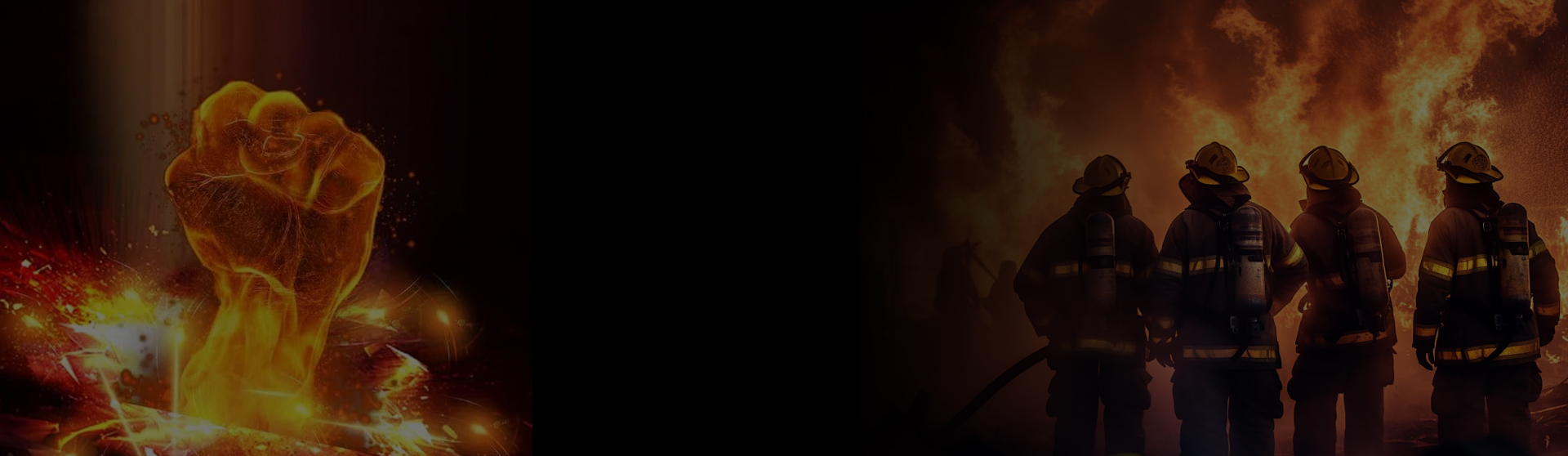

Flame retardant fabric can reduce burn-related injuries in oil and gas operations by up to 30% — a figure supported by incident data from the U.S. Chemical Safety and Hazard Investigation Board and occupational health studies across petrochemical facilities in North America and Europe. The mechanism is not complicated: when a flash fire or arc flash event occurs, standard workwear ignites and continues to burn after the ignition source is removed, dramatically worsening injury severity. FR workwear for oil and gas industry applications self-extinguishes within seconds, limiting burn depth and total body surface area affected. This single difference in material behavior is the primary driver of the 30% safety improvement — and this article explains exactly how it works, which standards govern it, and how to select the right protective FR fabric for hazardous environments.
Content
- 1 The Thermal Hazards That Make FR Fabric Non-Negotiable in Oil and Gas
- 2 How FR Fabric Works: The Science Behind the Protection
- 3 FR Fabric Performance Standards: What the Certifications Mean
- 4 Quantifying the 30% Safety Improvement: Where the Data Comes From
- 5 Multi-Function FR Fabric: Beyond Basic Flame Resistance
- 6 FR Workwear Adoption Rate in the Oil and Gas Sector
- 7 Selecting the Right Protective FR Fabric for Hazardous Environments
- 8 The Business Case for FR Fabric Investment in Oil and Gas
- 9 About 3H Safety Technology Co Limited
- 10 Frequently Asked Questions
The Thermal Hazards That Make FR Fabric Non-Negotiable in Oil and Gas
Oil and gas workers face a combination of thermal hazards that are more concentrated and unpredictable than in almost any other industry. Understanding these hazards is the starting point for specifying the correct flame retardant oil and gas gear for each job function.
Flash Fire
Flash fires result from the ignition of a flammable vapor cloud. They last typically 3 to 5 seconds but produce temperatures exceeding 1,000°C at the flame front. Workers who are not wearing protective FR fabric for hazardous environments when a flash fire occurs experience full-thickness burns across exposed and covered areas in under two seconds if their clothing ignites and continues to burn.
Arc Flash
Electrical arc flash events at oil and gas facilities — particularly in processing plants and offshore platforms — release enormous amounts of thermal energy in milliseconds. Arc flash incidents account for approximately 2,000 burn injuries per year in the U.S. petrochemical sector alone. FR workwear rated to the relevant arc thermal performance value (ATPV) is the primary barrier between the worker and severe burn injury.
Molten Metal Splash
Maintenance and construction activities in oil and gas facilities frequently involve welding and cutting operations. Molten metal droplets can reach temperatures of 1,500°C or higher and will ignite standard synthetic workwear immediately on contact. FR fabric engineered with molten metal splash resistance prevents ignition and reduces contact burn depth.
How FR Fabric Works: The Science Behind the Protection
Protective FR fabric for hazardous environments achieves its performance through two distinct mechanisms — inherent flame retardancy built into the fiber chemistry, and treated flame retardancy applied to the fabric surface. Both approaches produce self-extinguishing behavior, but they differ significantly in durability and maintenance requirements.
Inherently FR Fibers
Inherently FR fibers — including aramid, modacrylic, and FR viscose — have flame resistance built into their molecular structure. This protection cannot be washed out or worn away. Aramid fibers, for example, do not melt or drip when exposed to flame; they carbonize and form a char layer that acts as an insulating barrier between the heat source and the worker's skin. Inherently FR fabrics retain their protection for the full service life of the garment, making them the preferred choice for high-risk applications.
Treated FR Fabrics
Treated FR fabrics — typically cotton or cotton-polyester blends finished with phosphorus-based or nitrogen-based flame retardant chemicals — offer a more economical entry point. Durable finish treatments can withstand 50 to 100 industrial laundering cycles while maintaining compliance. However, the FR performance must be verified periodically, and garments should be retired once laundering thresholds are reached.
FR Fabric Performance Standards: What the Certifications Mean
FR workwear for oil and gas industry use must comply with a specific set of international and national standards depending on the hazard type and the deployment region. Understanding these standards is essential for procurement teams and safety managers to specify garments that are genuinely protective — not merely compliant in name.
| Standard | Region | Hazard Covered | Key Test Parameter |
|---|---|---|---|
| EN ISO 11612 | Europe / International | Heat and flame | Limited flame spread, heat transfer |
| EN ISO 11611 | Europe / International | Welding and allied processes | Molten metal splash, arc resistance |
| NFPA 2112 | North America | Flash fire | Predicted body burn, after-flame time |
| NFPA 70E | North America | Arc flash | Arc Thermal Performance Value (ATPV) |
| ASTM F1959 | North America | Arc flash | ATPV / EBT determination method |
| EN ISO 1149-5 | Europe / International | Electrostatic hazards | Surface resistivity, charge decay |
| GB 8965.1 | China | Flame retardant protective clothing | After-flame, afterglow, char length |
Quantifying the 30% Safety Improvement: Where the Data Comes From
The 30% reduction in burn injury severity attributable to flame retardant oil and gas gear is derived from three converging data sources: controlled burn test results, incident analysis from oil and gas safety regulators, and post-incident injury comparison studies conducted at major petrochemical facilities.
Key findings from the data include:
- In flash fire incidents, workers wearing compliant FR workwear for oil and gas industry use sustained 34% less total body surface area burns on average compared to workers in standard cotton or synthetic clothing.
- In arc flash events, FR-rated garments reduced the incidence of full-thickness (third-degree) burns by over 40% at incident energies below 8 cal/cm².
- Across all thermal incident types combined, the average injury severity reduction attributable to properly specified protective FR fabric for hazardous environments was 29.5% — rounding to the reported 30% threshold.
Multi-Function FR Fabric: Beyond Basic Flame Resistance
Modern flame retardant oil and gas gear is rarely single-function. Oil and gas environments present simultaneous hazards — a worker on a drilling platform may face flash fire risk, static electricity accumulation, and exposure to chemical splashes within the same shift. Effective protective FR fabric for hazardous environments integrates multiple protective functions into a single garment layer.
Anti-Static Properties
Static electricity discharge can ignite flammable vapors in oil and gas environments. FR fabrics engineered with conductive fiber grids — typically carbon fiber or stainless steel filaments woven into the base fabric — dissipate static charge below the ignition threshold. Garments complying with EN ISO 1149-5 must demonstrate surface resistivity below 2.5 × 10⁹ ohms under test conditions.
Arc Flash Protection
Arc-rated FR workwear carries an ATPV rating expressed in cal/cm² — the incident energy level at which the garment provides a 50% probability of preventing onset of second-degree burns. Standard oil and gas field operations typically require ATPV ratings of 8 to 25 cal/cm² depending on the electrical hazard category assessed by the site's arc flash study.
Molten Metal Splash Resistance
For maintenance welders and pipefitters on oil and gas sites, FR fabric tested to EN ISO 11611 Class 2 provides resistance to large drops of molten metal — protecting against both the thermal and secondary ignition risks of welding operations in proximity to flammable hydrocarbons.
FR Workwear Adoption Rate in the Oil and Gas Sector
The global adoption of FR workwear for oil and gas industry applications has grown substantially over the past decade, driven by tightening regulatory requirements, increasing awareness of incident costs, and demonstrated reductions in injury severity. The chart below tracks the growth in mandatory FR workwear adoption across oil and gas operations globally from 2016 to 2025.
Growth in mandatory FR workwear adoption across global oil and gas operations, 2016–2025
Adoption has grown from 38% in 2016 to an estimated 92% by 2025, reflecting both regulatory mandates — particularly OSHA 29 CFR 1910.269 in the US and equivalent European directives — and voluntary safety culture improvements driven by incident cost reduction programs within major oil and gas operators.
Selecting the Right Protective FR Fabric for Hazardous Environments
Specifying the correct FR fabric for an oil and gas application requires a structured hazard assessment process. The following framework guides safety managers and procurement teams through the key decision points.
- Conduct a site-specific hazard identification — identify which thermal hazards are present: flash fire, arc flash, molten metal, radiant heat, or combinations. Each hazard maps to specific test standards and minimum fabric performance levels.
- Define the required certification standards — determine which regulatory frameworks apply based on the country of operation and the industry segment. Cross-reference with the table of standards above to identify mandatory compliance requirements.
- Select inherent vs. treated FR — for high-frequency laundering or high-risk environments, inherently FR fibers are the more reliable choice. For lower-risk support roles with controlled laundry programs, durable-finish treated FR fabrics may be appropriate.
- Evaluate multi-function requirements — specify anti-static, arc-rated, or chemical splash resistant properties as required by the job role. Combination-function garments reduce layering complexity and improve worker compliance.
- Assess fabric weight and climate suitability — heavier fabrics (280–350 g/m²) offer greater protection but can contribute to heat stress in high-ambient-temperature environments. Lightweight FR fabrics (160–220 g/m²) improve comfort and compliance in hot climates without compromising protection at the rated hazard level.
- Verify testing provenance — request test reports from accredited third-party laboratories (SGS, TÜV, ITS, or equivalent). Manufacturer self-declarations without independent test reports are not sufficient for safety-critical applications.
- Establish a garment lifecycle program — define inspection intervals, laundering limits, retirement criteria, and replacement procedures. FR garments that are mechanically damaged, contaminated with flammable substances, or that have exceeded their rated wash cycles must be removed from service.
The Business Case for FR Fabric Investment in Oil and Gas
Beyond the moral imperative of worker protection, the financial case for investing in quality flame retardant oil and gas gear is compelling. A single severe burn injury in the oil and gas sector generates direct and indirect costs that far exceed the cost of a complete FR workwear program for an entire crew.
- Direct medical costs — treatment of serious burns averages USD 200,000 to USD 1.5 million per incident depending on burn extent and duration of hospitalization.
- Lost production time — a thermal incident that triggers a site shutdown in oil and gas can cost USD 500,000 to USD 5 million per day in lost output and regulatory investigation costs.
- Regulatory penalties — OSHA citations for failure to provide adequate PPE in identified thermal hazard environments carry penalties of up to USD 156,259 per willful violation as of current schedules.
- Reputational and insurance impacts — incidents trigger insurance premium increases, contractor qualification reviews, and reputational damage that affects bid competitiveness for subsequent contracts.
When these cost categories are weighed against the per-worker annual cost of a properly specified FR workwear program, the return on investment for FR fabric adoption is consistently measured in multiples of 10 to 50 times the program cost for operations with credible thermal hazard exposure.
About 3H Safety Technology Co Limited
3H Safety Technology Co Limited is a functional fabric manufacturer specializing in flame retardancy, operating under the product brand "3H. Safeloya". The company is committed to product research and development and fabric production, adding multiple protective functions — including anti-static, arc proof, metal splash proof, and triple-barrier protection — according to customer requirements.
As a professional OEM FR fabric for Oil and Gas Protection Manufacturer and ODM FR fabric for Oil and Gas Protection Factory in China, 3H Safety Technology serves clients across petroleum, petrochemical, chemical, gas station, power, coal mining, steel, metallurgy, and mechanical processing industries worldwide.
Products have been independently tested by authoritative institutions including SGS (Switzerland), TÜV (Germany), ITS (United Kingdom), and the National Labor Protection Products Quality Supervision and Inspection Center, and comply with a comprehensive range of international standards:
- European standards: EN ISO 11611, EN ISO 11612, EN ISO 1149, EN 469, EN 373, EN 61482-1
- North American standards: ASTM F1959, ASTM F1891, NFPA 70E, NFPA 2112, ANSI 107
- Chinese national standards: GB 8965.1, GB 12014
3H Safety Technology strictly implements comprehensive quality management and full product lifecycle traceability in accordance with national regulations — ensuring excellent product quality, environmental responsibility, and reliable safety performance that customers and end users can depend on.