 EN
EN 中文简体
中文简体 English
 русский
 Español
 Português
 عربى
عربى

Flame resistant (FR) fabric protects workers by self-extinguishing upon removal of an ignition source, limiting burn injury, and preventing clothing from becoming a secondary hazard. Unlike standard textiles that ignite and continue burning, FR fabric — whether inherently fire-resistant or treated with flame retardant chemistry — char-forms a protective barrier, buying critical seconds for a worker to escape a thermal event. That time difference, measured in fractions of a second, routinely determines the boundary between a minor burn and a life-altering injury.
The industries that rely on FR fabric span the full spectrum of industrial risk: petroleum refining, petrochemical processing, power generation, coal mining, steel and metallurgy, gas stations, and mechanical fabrication. In all of these environments, the clothing a worker wears is their final line of defense against flash fire, electric arc, molten metal splash, and radiant heat — hazards that can reach lethal intensities within milliseconds.
This article examines the science behind flame resistant fabric, the difference between inherent and treated FR materials, key industry standards, and how to match the right FR textile to your specific hazard environment — whether that is arc flash clothing for electrical switchgear work or oilfield FR clothing for petroleum site operations.
Content
- 1 What Makes a Fabric Truly Flame Resistant?
- 2 Inherent vs Treated FR Fabric: Which Is Right for Your Application?
- 3 Arc Flash Clothing and Electrical Safety Fabric: Understanding CAT Ratings
- 4 FR Fabric for Welding Protection: Metal Splash, Spatter, and Heat
- 5 Industrial FR Fabric Standards: What the Certifications Actually Mean
- 6 FR Fabric Performance Across Industrial Sectors: Petroleum, Power, and Metallurgy
- 7 How FR Fabric Properties Degrade — and How to Prevent It
- 8 Frequently Asked Questions About FR Fabric
What Makes a Fabric Truly Flame Resistant?
The term "flame resistant" describes a measurable material property: when exposed to a flame or ignition source, the fabric does not sustain combustion once the source is removed. This behavior is fundamentally different from being fireproof — no textile is truly indestructible under extreme heat — but it is precisely the self-extinguishing characteristic that saves lives in real industrial incidents.
FR protection is achieved through two distinct pathways. Inherently flame resistant fabrics — such as aramid (para-aramid and meta-aramid) and modacrylic blends — derive their fire resistance from the molecular structure of the fiber itself. These fibers do not require chemical treatment and retain their FR properties through repeated washing, aging, and mechanical stress. Treated FR fabrics apply flame retardant chemistry to natural or synthetic base fibers (commonly cotton or polyester blends), creating a durable but potentially wash-limited protective effect.
A practical question frequently asked is: is cotton FR, is polyester fire resistant, or is wool fire retardant? The answers matter to procurement teams. Untreated cotton is flammable — it ignites readily and burns continuously. However, FR cotton fabric treated with durable flame retardant chemistry achieves excellent protective performance while retaining the comfort and breathability cotton offers. Standard polyester is also flammable and can melt onto skin, compounding burn injuries. Wool has a naturally higher ignition temperature and tends to char rather than flame, making it inherently more resistant than cotton or polyester, though it does not meet modern industrial FR standards without additional treatment.
The Limiting Oxygen Index (LOI) chart above quantifies the flame resistance of different fiber types at a glance. The red dashed line at LOI 21% marks the ignition threshold in normal air — any material with an LOI above this value will self-extinguish when a flame source is removed under ambient conditions. Para-aramid, meta-aramid, and modacrylic blend fibers all score well above this threshold in the 28–31% range, confirming their inherently self-extinguishing behavior. Treated FR cotton achieves a competitive LOI of approximately 28%, demonstrating that properly engineered flame retardant treatments can deliver performance comparable to inherent fiber technology. Standard cotton (LOI 18%) and standard polyester (LOI 20%) both fall below the critical threshold, meaning they sustain combustion in normal air and pose active secondary fire hazards when worn in high-risk environments.
Inherent vs Treated FR Fabric: Which Is Right for Your Application?
The distinction between inherently flame resistant fabrics and chemically treated FR fabrics is one of the most important decisions in workwear specification. Both can meet international performance standards, but they differ in durability, comfort profile, laundering resilience, and suitability for specific hazard levels.
| Criterion | Inherent FR (Aramid / Modacrylic) | Treated FR (FR Cotton / Blends) |
|---|---|---|
| FR Durability | Permanent — built into fiber | Durable — tested to 50–100 washes |
| Thermal Protection | Very High (CAT2–CAT4) | Moderate–High (CAT1–CAT3) |
| Arc Flash Rating | High ATPV / higher CAT ratings | Lower ATPV / CAT1–CAT2 typical |
| Comfort / Breathability | Moderate (varies by blend) | High — cotton softness retained |
| Weight | Typically heavier (200–350 gsm) | Lighter options available (180–280 gsm) |
| Typical Applications | Welding, arc flash, military | Oil & gas, daily FR wear |
| Key Standards | EN ISO 11611, EN 61482-1, NFPA 70E | NFPA 2112, EN ISO 11612, GB 8965.1 |
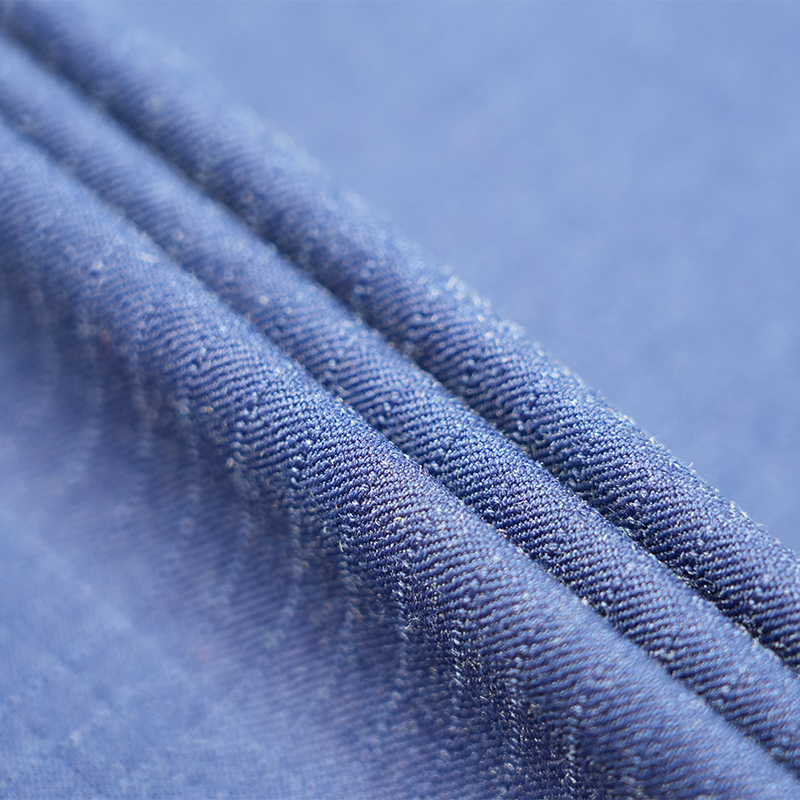
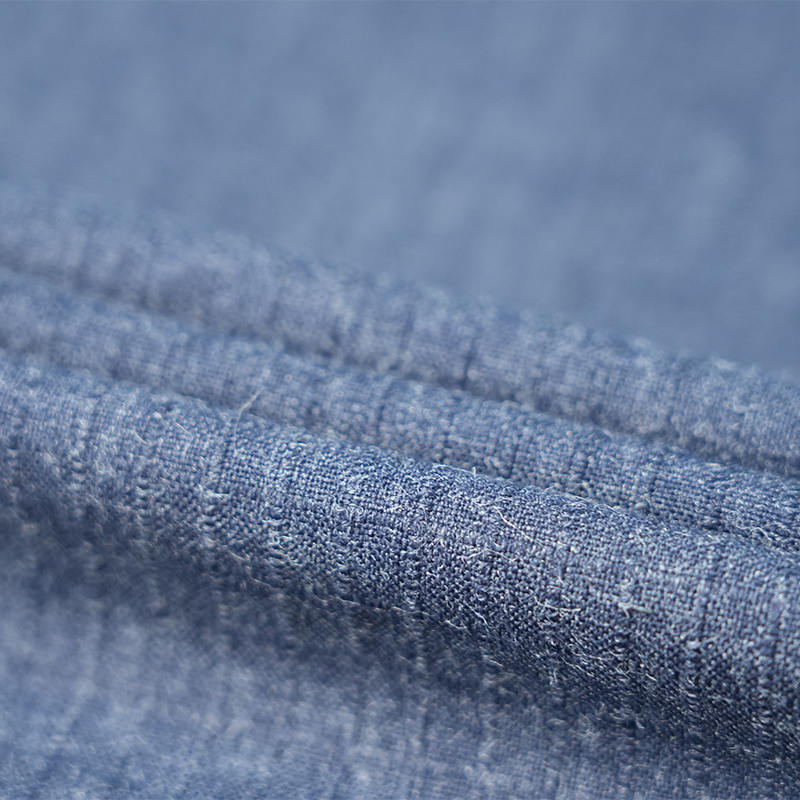
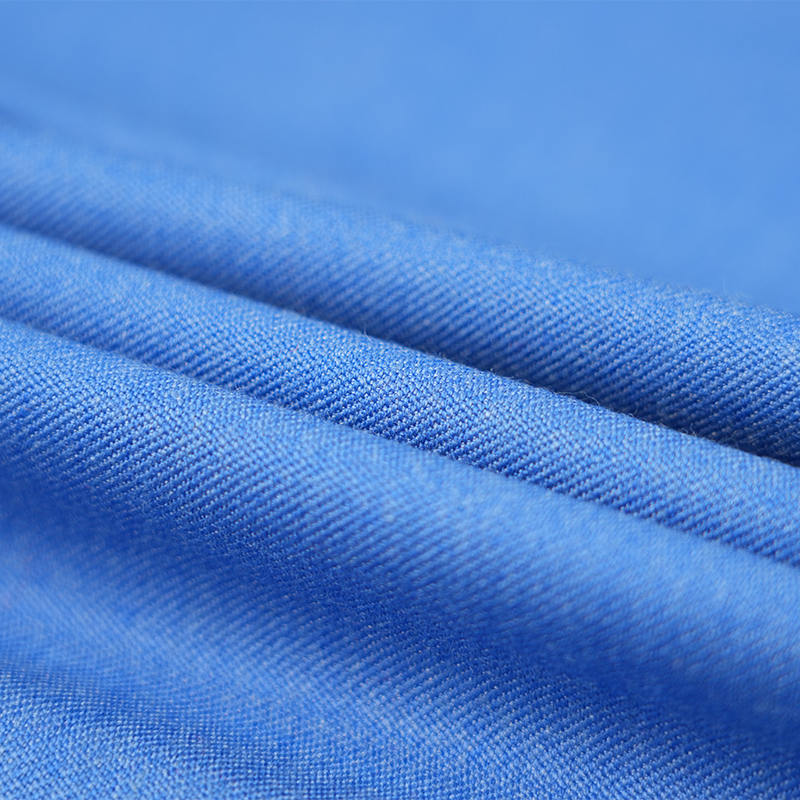
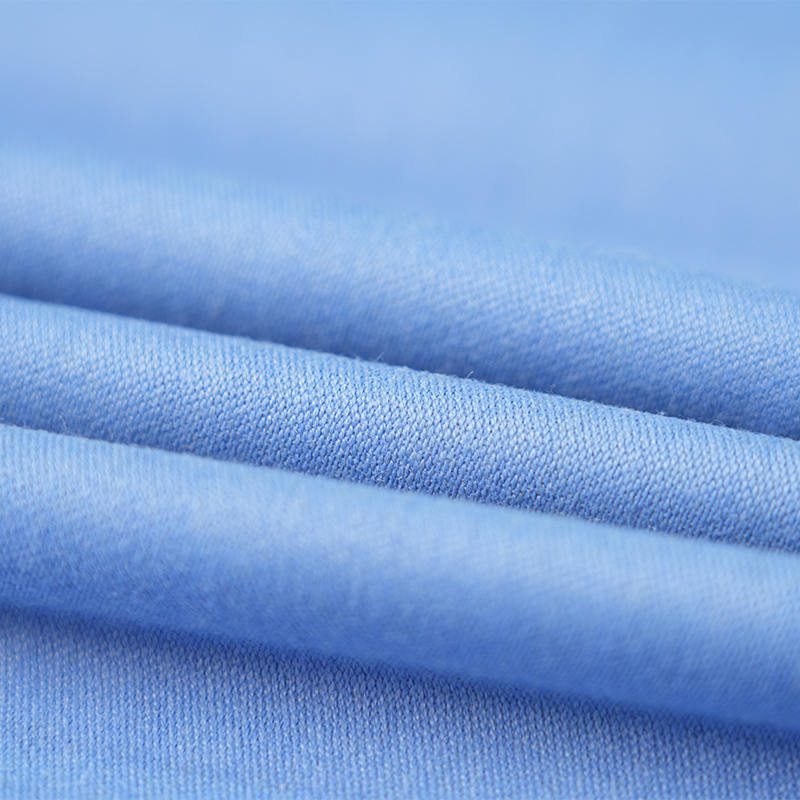
3H Safety Technology's product range spans both categories. The Aramid IIIA FR Fabric and Aramid blended FR Fabric deliver inherent, permanent flame resistance for the most demanding environments, while the Modacrylic blended FR Fabric combines inherent FR performance with a softer hand feel suited to daily-wear industrial applications. For applications requiring treated FR performance with excellent comfort, the welding protective series — AMT-T03, AMT-DD1, and AFT-H02 — offers tailored solutions verified to EN ISO 11611 and EN ISO 11612 standards.
Arc Flash Clothing and Electrical Safety Fabric: Understanding CAT Ratings
Electric arc flash is one of the most underestimated industrial hazards. An arc flash event releases energy in the form of intense heat, UV radiation, pressure waves, and molten metal spray — all within milliseconds. The thermal energy released by an arc flash can reach 35,000°F (19,400°C) at the arc point, far exceeding the capability of standard workwear to provide any meaningful protection.
The NFPA 70E and EN 61482-1 standards define arc flash protection in terms of Hazard Risk Categories (HRC/CAT) based on the incident energy level a worker may be exposed to. CAT2 FR fabric must withstand incident energy levels up to 8 cal/cm², while CAT4 FR fabric must provide protection against energies up to 40 cal/cm² — representing the highest category of arc flash hazard commonly encountered in industrial electrical work.
3H Safety Technology's electric arc protection FR fabric series is specifically engineered for these applications. The QFU-02 and QFU-04A Twill/Ripstop Electric Arc Protection FR fabrics are designed for lower-tier arc hazard environments, while the PFA-D12, PFA-D42, PFA-DJ2, PFA-D22, and PFA-DL2 series covers the full CAT rating spectrum with multiple weave constructions (twill, ripstop, plain) offering flexibility in drape, weight, and abrasion performance. All products in this series are tested to ASTM F1959, ASTM F1891, and EN 61482-1 standards.
The column chart above maps the four NFPA 70E arc flash hazard categories (CAT1–CAT4) to their minimum required ATPV values. CAT1 requires fabric capable of withstanding 4 cal/cm², while the step to CAT4 demands ten times that protection at 40 cal/cm² — illustrating the exponential increase in hazard energy across categories. This is why selecting the correct CAT rating is not a conservative rounding exercise but a critical safety calculation based on a proper arc flash hazard assessment. The 3H Safeloya arc protection fabric series covers all four categories with tested, certified products, ensuring that procurement teams can specify the right protection level without over- or under-engineering their PPE program. The diversity of weave constructions (twill, ripstop, plain, herringbone) across the range also allows specification teams to balance protection performance with garment comfort and durability.
How to Read an ATPV Rating on FR Fabric
- ATPV (Arc Thermal Performance Value) — the incident energy level at which there is a 50% probability that the fabric provides just enough protection to prevent the onset of a second-degree burn. Expressed in cal/cm².
- EBT (Energy Breakopen Threshold) — the incident energy at which the fabric breaks open (holes appear), potentially exposing skin. When EBT is lower than ATPV, EBT becomes the rated value.
- Always ensure the ATPV or EBT of the garment exceeds the calculated incident energy at the work location, with an appropriate safety margin built in.
- Multi-layer garment systems can achieve higher combined ATPV than single layers — relevant for CAT3 and CAT4 protection levels.
FR Fabric for Welding Protection: Metal Splash, Spatter, and Heat
Welding environments expose workers to a different threat profile than electrical or flash-fire hazards. Hot metal spatter, molten droplets, and intense radiant heat demand fabrics that not only resist ignition but also resist penetration by high-temperature metallic particles. A standard FR fabric may self-extinguish but still allow a molten droplet to burn through to skin — making the specific performance requirements for welding protective fabric distinct from those for arc flash or flash fire applications.
EN ISO 11611 is the primary European standard for welding protective clothing, defining two classes based on the welding technique and the degree of spatter and radiant heat exposure. Class 1 covers less hazardous processes like MIG welding with minimal spatter, while Class 2 addresses more demanding techniques including manual metal arc (MMA) and plasma cutting where larger molten droplets and higher radiant heat are generated.
The 3H Safety Technology welding protective fabric range — the AMT-T03 high performance FR welding protective fabric, AMT-DD1 Twill FR welding protective fabric, and AFT-H02 Sateen FR welding protective fabric — has been developed specifically for these requirements. Each construction choice (plain, twill, sateen) provides different performance characteristics: sateen weaves offer a tighter surface that resists spatter penetration, while twill constructions balance durability with drapability for garment manufacture. All three are verified to EN ISO 11611 and EN ISO 11612 through independent testing by authorities including SGS Switzerland and TUV Germany.
Industrial FR Fabric Standards: What the Certifications Actually Mean
The FR fabric market is governed by a complex web of international and national standards. For procurement and safety officers, understanding which standards apply to which hazard types is essential to specifying compliant, fit-for-purpose protective workwear fabric. The core standards referenced by 3H Safety Technology's certified products cover the principal industrial hazard categories:
| Standard | Hazard Type | Key Test Parameters | Industry Application |
|---|---|---|---|
| EN ISO 11611 | Welding & allied processes | Flame spread, spatter resistance | Metal fabrication, shipbuilding |
| EN ISO 11612 | Heat & flame | Convective, radiant, contact heat | Foundry, steel, glass |
| EN ISO 1149 | Electrostatic dissipation | Surface resistivity, charge decay | Petroleum, chemical, explosive zones |
| EN 61482-1 / ASTM F1959 | Electric arc flash | ATPV, EBT, arc rating | Power utilities, electrical maintenance |
| NFPA 2112 | Flash fire | Manikin burn prediction, char length | Oil & gas, petrochemical |
| NFPA 70E | Electrical safety (US) | CAT level, PPE selection framework | All electrical work environments |
| GB 8965.1 / GB 12014 | Chinese national FR standards | Flame retardancy, antistatic | All Chinese industrial sectors |
Independent third-party testing is the only reliable confirmation of standard compliance. 3H Safety Technology's products are verified through SGS Switzerland, TUV Germany, ITS UK, and China's National Labor Protection Products Quality Supervision and Inspection Center — covering both international export markets and domestic Chinese industrial supply chains. This testing breadth ensures that clients in petrochemical protective wear procurement, electrical safety fabric specification, or oilfield FR clothing programs can rely on documented, traceable compliance rather than self-declaration.
FR Fabric Performance Across Industrial Sectors: Petroleum, Power, and Metallurgy
Different industries demand different FR fabric performance profiles. The fire hazards in petroleum refining — flash fires from hydrocarbon ignition — require fabrics that minimize predicted body burn across a full-body exposure scenario, which is why NFPA 2112 manikin testing is the definitive benchmark for oilfield FR clothing and petrochemical protective wear. The hazard is brief but intense: a flash fire typically lasts 3 seconds, but thermal energy sufficient to cause fatal burns can be transferred in under one second.
Power generation and electrical maintenance work centers on arc flash as the primary risk. Here, the ATPV value of the arc flash clothing and the correct CAT2 or CAT4 FR fabric specification determines whether a worker survives an arc flash incident without serious burns. The incident energy of an arc flash depends on the system voltage, available fault current, and working distance — all factors that should be assessed before PPE is specified.
Steel, metallurgy, and foundry environments add a third dimension: molten metal splash. Here, fabrics must resist both ignition and the penetration of high-temperature droplets. The SSS-A02 Herringbone with Ripstop Military and Police Special Protective Fabric exemplifies a high-performance construction designed for demanding protective applications, where weave geometry, fiber selection, and finishing all contribute to a multi-hazard protection profile beyond simple flame resistance.
The radar chart contrasts the FR fabric performance demand profiles for two major industrial sectors. The petroleum and oilfield profile (gold polygon) places the highest demands on flash fire protection and antistatic performance — both critical given the combination of flammable hydrocarbon atmospheres and the need to prevent electrostatic ignition. Arc flash and radiant heat requirements are meaningful but secondary in this context. The power and electrical profile (blue dashed polygon) is oriented almost entirely around arc flash resistance, with a very high arc score and moderate flash fire and antistatic requirements. Metal splash is a minor concern in both sectors but dominant in steel and metallurgy, which would show its own distinct profile. This contrast illustrates why a single universal FR fabric specification is rarely optimal — the right FR fabric for oilfield FR clothing is not necessarily the right fabric for electrical safety fabric in a power utility context, even if both carry the same headline flame resistant rating.
How FR Fabric Properties Degrade — and How to Prevent It
Even the best FR fabric can lose its protective capability through improper care, contamination, or mechanical damage. Understanding the failure modes is as important as understanding the protective mechanisms, particularly for organizations managing large workwear programs across industrial sites.
Contamination is the single most common cause of FR property failure in treated fabrics. Petroleum, lubricating oils, and hydrocarbon residues absorbed into the fabric significantly increase its flammability, overriding the flame retardant chemistry. Fabrics contaminated with flammable liquids must never be worn in fire hazard environments — even if the base fabric meets all required standards in its clean state.
Laundering protocols matter significantly for treated FR fabrics. Incorrect wash temperatures, non-compatible detergents, or the use of fabric softeners and bleach can degrade flame retardant treatments and reduce protective performance over time. Inherently FR fabrics (aramid and modacrylic) are inherently more resilient to laundering since their FR property is in the fiber molecular structure rather than a surface treatment — but they still require proper care to maintain tensile strength, UV resistance, and overall garment integrity.
The line chart above tracks FR performance retention across up to 100 wash cycles for three scenarios. Inherently FR fabrics (gold line) show essentially flat retention across all 100 washes, retaining approximately 97% of their original FR performance — confirming their suitability for long-lifecycle workwear programs where consistent protection is paramount. Well-maintained treated FR fabrics (green dashed line) show moderate decline from 100% to approximately 75% at 100 washes under correct care protocols — still meeting most international standard requirements through typical garment service life. The red dotted line represents treated FR fabrics subjected to improper laundering (wrong detergents, high temperatures, bleach, fabric softeners) — showing a steep performance decline to just 30% retention by 100 washes. This dramatic degradation can render an ostensibly compliant garment dangerously inadequate in the field, which is why laundering protocols are a mandatory component of any responsible FR workwear program and why inherent FR fibers offer a structural advantage in operational settings where laundry process control is difficult.
FR Garment Care Best Practices
- Always follow the garment manufacturer's specific washing instructions — temperature, detergent type, and spin speed are all critical.
- Never use chlorine bleach, optical whitening agents, or fabric softeners on FR garments — these can degrade flame retardant chemistry.
- Inspect FR garments after each laundering for signs of fabric thinning, mechanical damage, or contamination that was not removed by washing.
- Remove any FR garment from service immediately if it becomes contaminated with flammable liquids that cannot be fully laundered out.
- Maintain a documented wash cycle log for treated FR garments to track when replacement is due based on the manufacturer's rated wash cycle limit.
Frequently Asked Questions About FR Fabric
Q1. What is the difference between flame resistant and fireproof fabric?
No fabric is truly fireproof — all materials will eventually ignite or degrade under sufficient heat exposure. Flame resistant (FR) fabric is precisely defined: it self-extinguishes when the ignition source is removed, does not melt onto skin, and provides a measurable level of thermal protection expressed in performance standards like ATPV or heat transfer index. Fireproof is a colloquial term that should not be used in technical specifications or PPE procurement — always reference tested FR ratings and applicable standards instead.
Q2. Is cotton FR fabric as protective as aramid?
Treated FR cotton fabric meets many international standards including NFPA 2112 and EN ISO 11612, making it appropriate for a wide range of industrial applications — particularly in petroleum and gas site environments where flash fire is the primary hazard. However, for higher-intensity hazards such as CAT3 and CAT4 arc flash, welding with significant metal spatter, or applications requiring permanent, wash-durable FR performance, inherent aramid or aramid blended FR fabric provides a higher protection ceiling and longer-term performance stability. The right choice depends on the specific hazard assessment.
Q3. How many times can a treated FR fabric be washed before it loses its protection?
Most quality treated FR fabrics are rated for 50–100 industrial wash cycles when care instructions are properly followed. This rating is established through standardized testing and should appear in the product technical data sheet. Inherently FR fabrics (aramid, modacrylic) do not have a wash cycle limit for their flame resistant property, though they still experience mechanical wear. Always check the manufacturer's specific rating and maintain a wash log for treated FR garments in your program.
Q4. What FR fabric is required for oilfield and petrochemical work?
For oilfield FR clothing and petrochemical protective wear, the key standard is NFPA 2112 (flash fire protection) combined with EN ISO 1149 for antistatic performance — essential in flammable atmosphere environments. Fabrics meeting these requirements include treated FR cotton, FR cotton/nylon blends, and modacrylic blends. 3H Safety Technology's Modacrylic blended FR Fabric and Aramid blended FR Fabric are both tested to these requirements and widely used in petroleum and petrochemical site applications globally.
Q5. What standards should arc flash clothing meet?
Arc flash clothing should be tested and rated to NFPA 70E (for US markets) and/or EN 61482-1 (for European and international markets), with an ATPV or EBT value that meets or exceeds the calculated incident energy at the work location. The fabric should carry a CAT rating (CAT1–CAT4) matched to the hazard risk category identified in the site's arc flash hazard assessment. For the most demanding environments, 3H Safety Technology's PFA series electric arc protection FR fabrics cover the full CAT range with ASTM F1959 and ASTM F1891 verified ratings.
Q6. Does 3H Safety Technology offer OEM/ODM FR fabric services?
Yes. 3H Safety Technology Co. Limited operates as a professional OEM Flame Resistant Fabric Supplier and ODM FR Fabric Company in China, supporting custom fabric specifications for workwear manufacturers, industrial PPE distributors, and direct corporate buyers. The company can add multiple functional properties — anti-static, arc proof, metal splash resistant, and three-proof (oil, water, stain) — according to client requirements, with full traceability and third-party certification documentation included.