 EN
EN 中文简体
中文简体 English
 русский
 Español
 Português
 عربى
عربى

Content
- 1 What to Look for When Choosing Flame Resistant Fabric for Industrial Workwear
- 2 Types of Flame Resistant Fabric: Inherent Versus Treated
- 3 How Flame Resistant Fabric Works
- 4 Key Properties to Compare Before Choosing FR Fabric
- 5 How Long Flame Resistant Fabric Lasts With Repeated Washing
- 6 Fabric Weight and Its Effect on Performance and Comfort
- 7 Comparing Fabric Types Across Practical Performance Dimensions
- 8 Arc Flash Fabric and Additional Protective Functions
- 9 Industries That Rely on Industrial Flame Resistant Fabric
- 10 Selecting Flame Resistant Fabric for Protective Clothing
- 11 Working With a Flame Resistant Fabric Manufacturer or Supplier
- 12 Care and Maintenance Guidance to Preserve Flame Resistant Performance
- 13 Inside a Flame Resistant Fabric Manufacturing Facility
- 14 Frequently Asked Questions About Flame Resistant Fabric
- 14.1 Q1. What Is Flame Resistant Fabric
- 14.2 Q2. What Is the Difference Between Flame Resistant and Flame Retardant Fabric
- 14.3 Q3. How Does Flame Resistant Fabric Work
- 14.4 Q4. Is Flame Resistant Fabric Fireproof
- 14.5 Q5. How Long Does Flame Resistant Fabric Last
- 14.6 Q6. Does Flame Resistant Fabric Lose Protection After Washing
- 14.7 Q7. What Is the Minimum Order Quantity for Flame Resistant Fabric
- 14.8 Q8. Do You Support OEM and ODM for Flame Resistant Fabric
What to Look for When Choosing Flame Resistant Fabric for Industrial Workwear
The most dependable Flame Resistant Fabric for industrial workwear generally brings together four things: a fiber structure that resists ignition on its own, performance that holds up through repeated industrial laundering, an arc protection level matched to the actual job risk, and a weight and weave that a worker can wear comfortably through a full shift. Buyers comparing FR Fabric options should weigh these four points together rather than choosing based on a single specification alone.
This guide walks through the main fabric types, how flame resistance actually works, what properties matter most for comparison, how performance holds up over time, and how to evaluate a flame resistant fabric manufacturer or supplier before placing an order for protective workwear.
Types of Flame Resistant Fabric: Inherent Versus Treated
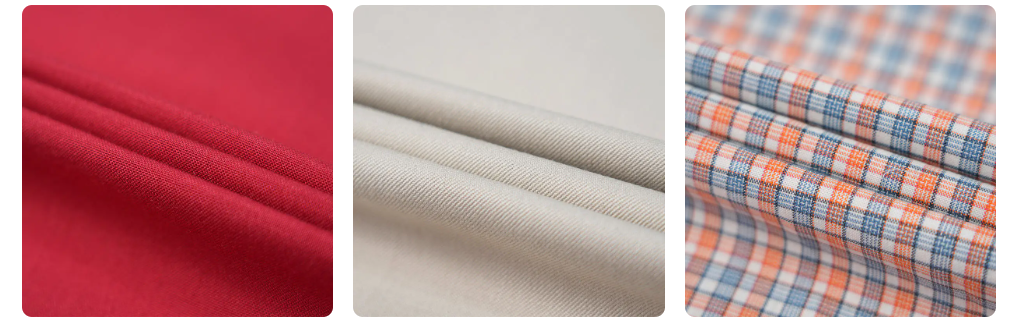
FR Fabric generally falls into three groups, and the difference between them affects how the fabric performs after months of heavy use and repeated washing.
Inherent Flame Resistant Fabric
Inherent flame resistant fabric is built from fibers that resist ignition as part of their chemical structure, rather than relying on a surface treatment. Because the resistance is part of the fiber itself, it generally does not wash out or wear away over the life of the garment.
Treated Flame Resistant Fabric
Treated FR fabric starts with a base fiber, often cotton, that is finished with a flame resistant chemical treatment. It typically feels closer to ordinary workwear fabric, though the treatment can gradually lose some effectiveness if the garment is washed with the wrong detergent or dried at excessive heat over many cycles.
Blended Flame Resistant Fabric
Blended fabric combines inherent fibers with treated or natural fibers, aiming to balance comfort, weight, and long term durability rather than maximizing any single property.
| Fabric Type | How Resistance Is Built In | Wash Durability | Common Use |
|---|---|---|---|
| Inherent FR Fabric | Built into fiber chemistry | Holds up over the garment lifespan | Industrial flame resistant fabric for heavy use |
| Treated FR Fabric | Chemical surface treatment | Can decline with improper laundering | General protective clothing |
| Blended FR Fabric | Mix of inherent and treated fibers | Generally steady with routine care | Balanced comfort and protection needs |
How Flame Resistant Fabric Works
Flame resistant fabric does not simply resist heat, it changes how the material reacts when exposed to an ignition source. Rather than continuing to burn, melt, or drip the way ordinary synthetic fabric can, FR Fabric slows ignition, self-extinguishes once the flame source is removed, and forms a char layer at the point of contact. That char layer acts as a barrier, limiting how much heat reaches the skin and reducing how quickly flame can spread across the surface of the garment.
This behavior is what separates flame resistant fabric from fabric that has simply been made harder to ignite. A garment that continues to smolder, melt onto the skin, or reignite after the source is removed does not offer the same practical protection during an actual flash fire or arc event.
Key Properties to Compare Before Choosing FR Fabric
Once the fabric type is narrowed down, the next comparison usually comes down to a handful of working properties: how long flame resistance holds up, how much arc protection the fabric provides, how comfortable and breathable it feels during long shifts, how well it survives repeated industrial washing, and how resistant it is to tearing on the job.
- Flame resistance durability determines how long the fabric keeps its protective behavior across the life of the garment.
- Arc protection level matters most for workers exposed to electrical equipment or switching operations.
- Comfort and breathability affect whether workers actually wear the garment correctly through a full shift.
- Wash durability reflects how the fabric holds up under repeated industrial laundering cycles.
- Tear strength affects how well the fabric resists damage from tools, edges, and general daily wear.
The chart below shows how these properties typically compare in buyer priority, scored on a relative scale of 0 to 10.
Relative buyer priority of core FR fabric properties, scored out of 10
How Long Flame Resistant Fabric Lasts With Repeated Washing
Wash cycles are one of the biggest factors affecting how long Flame Resistant Fabric keeps its original level of protection. Inherent fabric typically holds performance steady over hundreds of wash cycles, while treated fabric depends more heavily on correct laundering practices to avoid a gradual decline in protective performance.
The line chart below illustrates a typical performance retention pattern across increasing wash cycles when the fabric is cared for using appropriate laundering guidance.
Typical relative performance retention percentage across increasing wash cycles
Fabric Weight and Its Effect on Performance and Comfort
Fabric weight, usually measured in grams per square meter, shapes the balance between protection and comfort. A lighter fabric generally feels cooler and more breathable through a long shift, while a heavier fabric tends to add durability and can hold up better against abrasion and repeated wear in demanding environments.
Typical fabric weight ranges by FR fabric category, measured in grams per square meter
Comparing Fabric Types Across Practical Performance Dimensions
Choosing between inherent, treated, and blended flame resistant fabric usually means accepting a trade off somewhere. The radar chart below compares the three fabric types across five practical dimensions, each scored out of 10.
Inherent FR fabric (solid), treated FR fabric (dashed), blended FR fabric (dotted), scored out of 10
Arc Flash Fabric and Additional Protective Functions
Workers exposed to electrical equipment or switching operations generally need more than basic flame resistance, since an arc flash event releases intense heat in a very short burst. Arc flash fabric is engineered to limit how much of that heat energy passes through to the skin during an arc event, which is a different practical requirement than resisting a slower burning open flame.
Beyond core flame resistance, additional functions are often layered onto a base FR Fabric depending on the specific job environment. Anti-static treatment helps reduce the buildup of static charge in environments with combustible dust or vapor. Arc proof performance addresses electrical work specifically. Metal splash proof treatment helps the fabric shed molten metal droplets rather than letting them stick and burn through, which matters for welding and foundry work. Three proofing, referring to combined water, oil, and dust resistance, is often added for outdoor or heavy industrial environments where the fabric faces more than just heat exposure.
Industries That Rely on Industrial Flame Resistant Fabric
Industrial flame resistant fabric shows up across a wide range of working environments where heat, flame, or electrical risk is part of daily operations.
- Petroleum and petrochemical operations, where flash fire risk exists around processing and storage areas.
- General chemical processing environments, where exposure to reactive materials calls for consistent protective clothing.
- Gas stations and fuel handling sites, where static discharge and flame risk both come into play.
- Power generation and electrical work, where arc flash fabric becomes especially relevant.
- Coal mining, where combustible dust and confined spaces raise the stakes for reliable protection.
- Steel, metallurgy, and mechanical processing, where molten metal splash and constant heat exposure are part of the job.
Selecting Flame Resistant Fabric for Protective Clothing
The fabric itself is only part of the equation once it becomes a finished garment. Flame resistant fabric for protective clothing also depends on how the garment is constructed, since exposed metal zippers, loose cuffs, or gaps at the neckline can undermine otherwise solid fabric performance.
Full coverage design, reinforced seams that will not open under stress, and closures that avoid exposed metal near the skin all contribute to how well a finished garment performs during an actual incident, not just how the raw fabric performs on its own.
Working With a Flame Resistant Fabric Manufacturer or Supplier
Buyers comparing a flame resistant fabric manufacturer or flame resistant fabric supplier usually look at more than fabric samples alone. An FR fabric manufacturer that can walk through fiber sourcing, weaving consistency, and finishing processes generally gives a clearer picture of what a bulk order will look like once it arrives.
Two sourcing paths come up often for workwear brands and industrial buyers: working with a supplier on an OEM flame resistant fabric basis, where a buyer's own specifications and branding are applied to an existing fabric base, or requesting a fully custom development project built around a specific function or weight. Buyers looking at flame resistant fabric wholesale volumes typically ask about consistent dye lot matching and how fabric rolls are packed for shipping.
| Area | What to Review |
|---|---|
| Production capability | Weaving and finishing equipment, output volume, and typical lead time |
| Customization options | Availability of OEM specification matching or full ODM development |
| Additional functions | Whether anti-static, arc proof, or metal splash proof options are available |
| Communication | Response time and clarity during the sampling stage |
Care and Maintenance Guidance to Preserve Flame Resistant Performance
How a garment is washed and cared for has a direct effect on how long Flame Resistant Fabric keeps its protective performance. The list below covers common care points for FR workwear.
- Wash FR garments separately from ordinary workwear to avoid contamination from flammable residue such as oil or lint.
- Avoid fabric softener and starch, since both can leave a residue that interferes with flame resistant performance.
- Follow the recommended wash and dry temperature range to avoid unnecessary fiber stress over repeated cycles.
- Repair small tears or worn seams promptly rather than continuing to wear a damaged garment.
- Retire garments once fabric feels notably thinner or visibly worn, since reduced fabric integrity can affect protection.
Inside a Flame Resistant Fabric Manufacturing Facility
Understanding the operation behind a fabric roll helps explain why performance and consistency vary between suppliers. 3H Safety Technology Co Limited is a functional fabric manufacturer built around flame retardancy, producing under its own product brand, 3H Safeloya. The company focuses on fabric research, development, and production, adding functions such as anti-static, arc proof, metal splash proof, and three proofing based on customer requirements.
The company's fabric is used across a wide range of industries, including petroleum, petrochemical, chemical processing, gas stations, power generation, coal mining, steel, metallurgy, and mechanical processing. As a flame resistant fabric manufacturer supporting both OEM and ODM cooperation, 3H Safety Technology works with customers who bring their own design for production, as well as customers who need design and development support from the ground up, which reflects the kind of flexible sourcing relationship many workwear brands look for in a longer term fabric partner.
Frequently Asked Questions About Flame Resistant Fabric
Q1. What Is Flame Resistant Fabric
Flame resistant fabric is material engineered to resist ignition, self-extinguish once a flame source is removed, and form a protective char layer rather than melting or continuing to burn.
Q2. What Is the Difference Between Flame Resistant and Flame Retardant Fabric
Flame resistant generally describes fabric with resistance built into the fiber or a durable treatment, while flame retardant often refers more broadly to any finish that slows burning, which may or may not hold up as long over repeated use.
Q3. How Does Flame Resistant Fabric Work
It slows ignition, self-extinguishes once the flame source is removed, and chars at the point of contact instead of melting, which limits heat transfer and flame spread across the garment.
Q4. Is Flame Resistant Fabric Fireproof
Flame resistant fabric reduces ignition risk and limits how flame spreads and how much heat reaches the skin, but it is not immune to extreme or prolonged direct flame exposure.
Q5. How Long Does Flame Resistant Fabric Last
With proper care, inherent FR fabric typically remains protective for the working life of the garment, while treated fabric depends more on correct laundering to maintain performance over time.
Q6. Does Flame Resistant Fabric Lose Protection After Washing
Inherent fabric generally holds up well across hundreds of wash cycles, while treated fabric can gradually lose some effectiveness if washed with fabric softener, bleach, or excessive heat.
Q7. What Is the Minimum Order Quantity for Flame Resistant Fabric
Unconventional or customized fabric development typically requires a bulk minimum around 3000 meters, while regular stock fabric options are generally available in smaller quantities.
Q8. Do You Support OEM and ODM for Flame Resistant Fabric
Yes, both cooperation models are supported, covering customers who provide their own design for production as well as customers who need design and development support from the ground up.