 EN
EN 中文简体
中文简体 English
 русский
 Español
 Português
 عربى
عربى


Quick Answer: Electric arc protective fabric is a flame-resistant (FR) textile engineered to shield workers from the extreme thermal hazards of an arc flash. It works by self-extinguishing, blocking radiant heat, and preventing secondary burns from molten metal. Fabrics with an Arc Thermal Performance Value (ATPV) of 8 cal/cm² or higher are suitable for most electrical tasks, while heavy-duty operations require ATPV above 20 cal/cm². Properly selected and maintained, these fabrics reduce burn injury severity by over 80% in arc flash incidents.
Workers in the power generation, transmission, and distribution sectors face daily risks from electric arc explosions, which can reach temperatures of 20,000°C – four times hotter than the sun's surface. Electric arc protective fabric is the last line of defence between the worker and catastrophic injury. This article explains the science behind these materials, their performance ratings, and how to choose the right fabric for your workforce.
Content
- 1 How Does Electric Arc Protective Fabric Work?
- 2 Thermal Performance: Data-Driven Comparison
- 3 Durability and Washability: Maintaining Protection
- 4 International Standards and Testing Methods
- 5 Types of Electric Arc Protective Fabrics: A Radar Comparison
- 6 Selecting the Right Fabric for Your Industry
- 7 Why Quality Matters: The 3H Safety Technology Advantage
- 8 Frequently Asked Questions
How Does Electric Arc Protective Fabric Work?
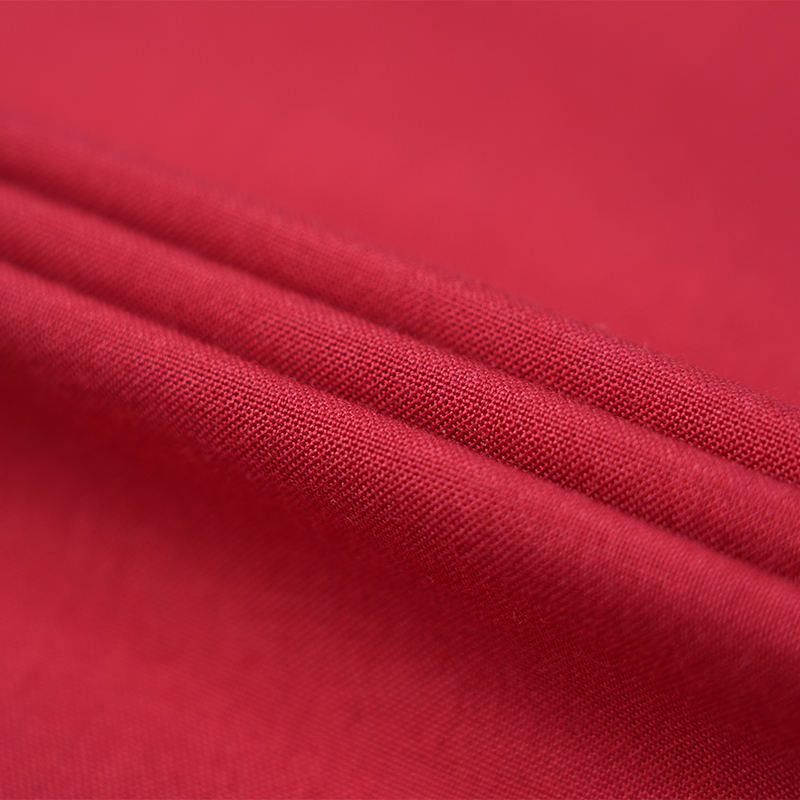
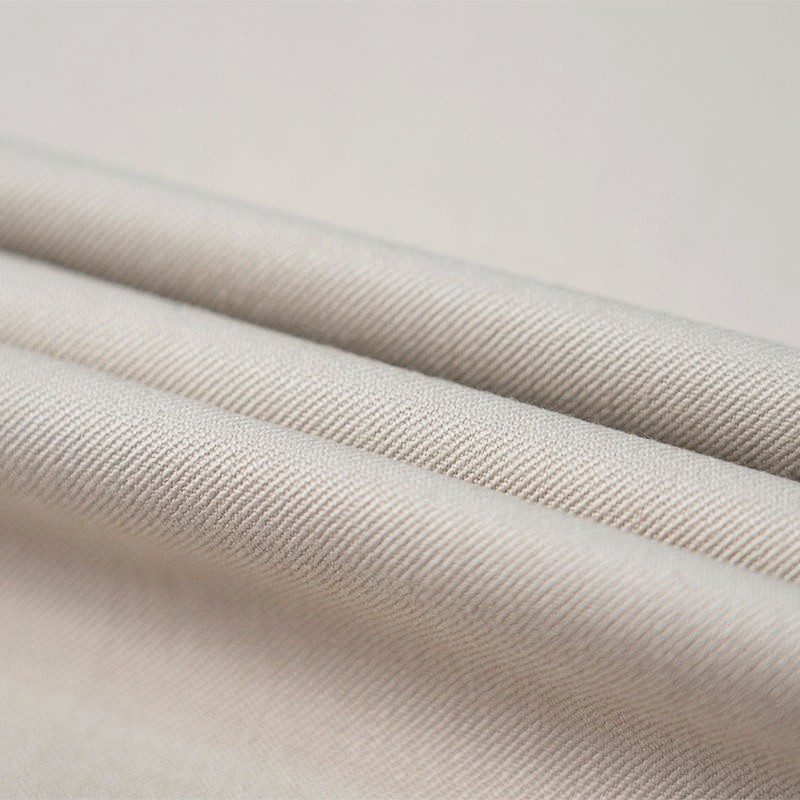
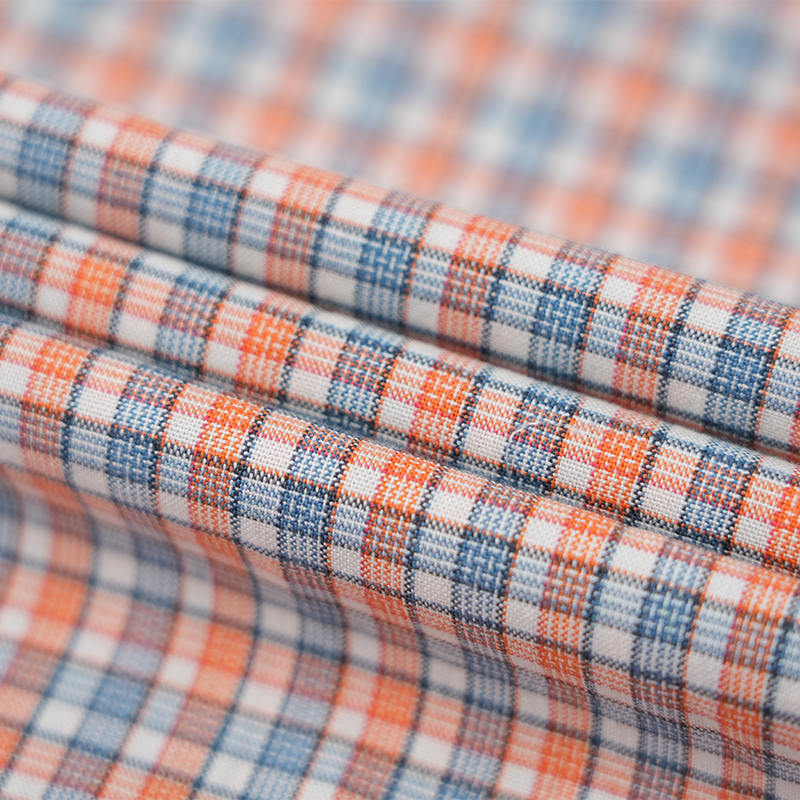
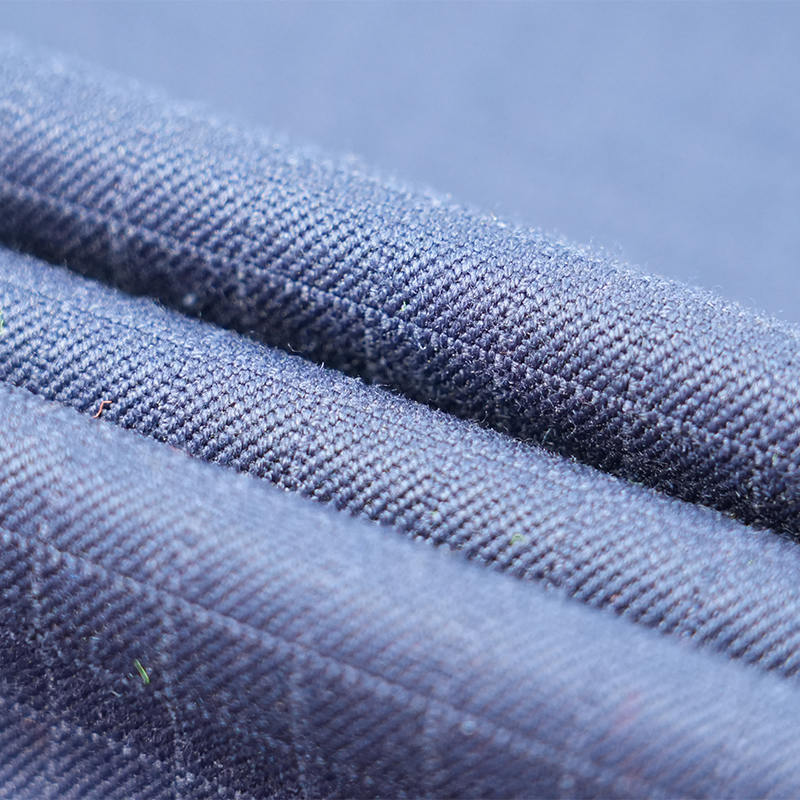
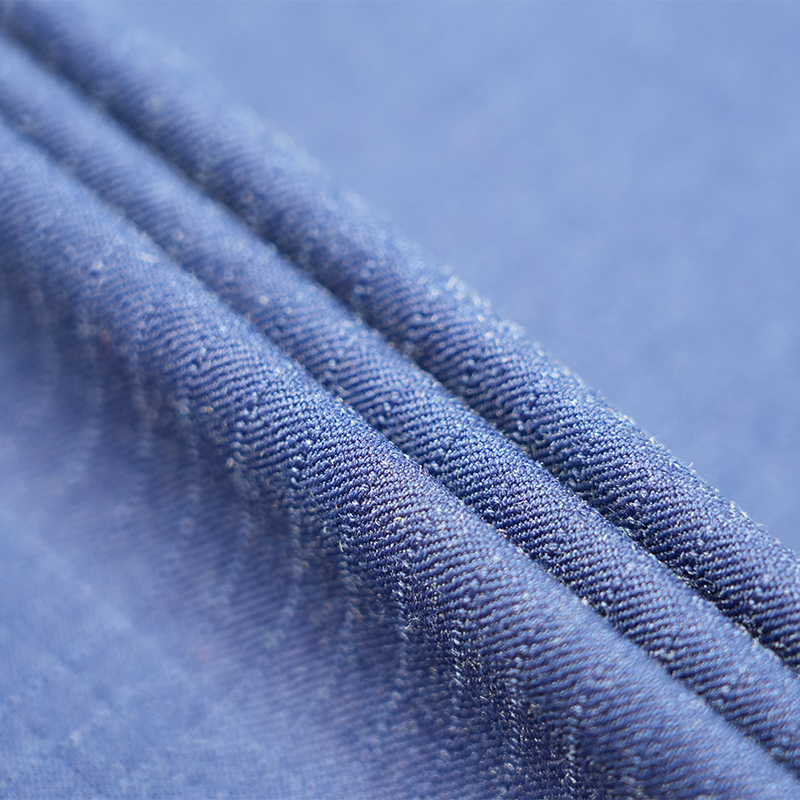
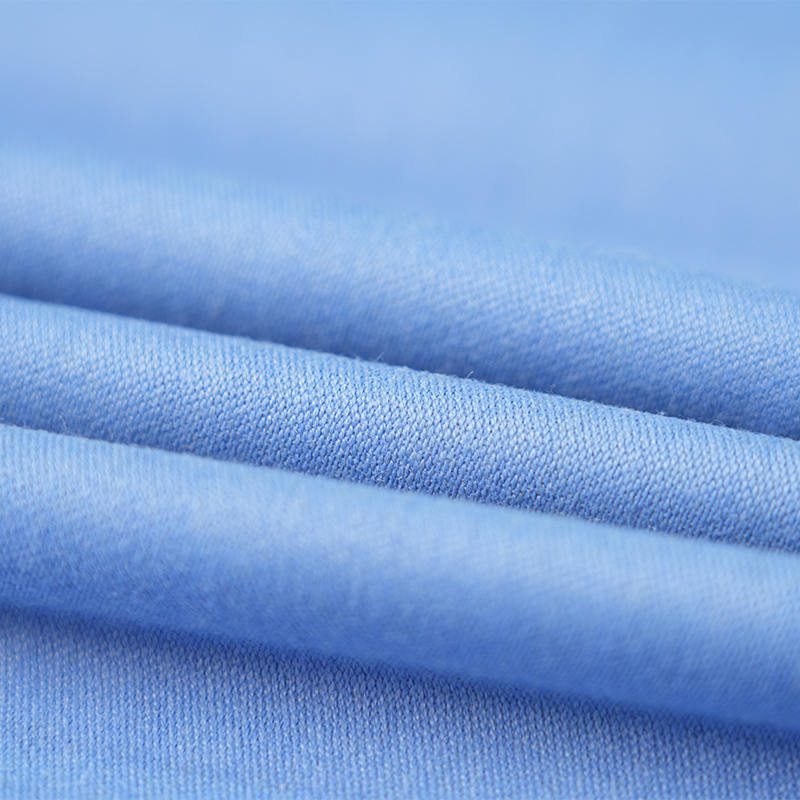
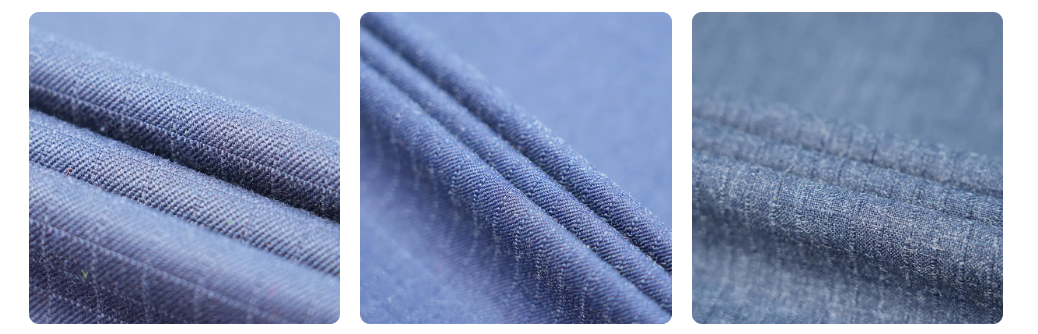
Electric arc protective fabric is constructed from inherently flame-resistant fibers such as meta-aramid, para-aramid, and polyamide-imide, or from treated cotton/nylon blends. When exposed to arc flash energy, the fabric charring process creates a barrier that reflects heat and prevents oxygen from feeding the flame. The fabric also expands and thickens to increase thermal insulation.
The protective performance is quantified by the Arc Thermal Performance Value (ATPV) – the amount of incident energy (cal/cm²) that would cause a 50% probability of second-degree burns. A higher ATPV means better protection. For most utility work, a minimum ATPV of 8 cal/cm² is required, but for high-risk tasks like live-line maintenance, 20+ cal/cm² is standard.
Thermal Performance: Data-Driven Comparison
Independent tests conducted by certified laboratories (e.g., SGS, TÜV) show that high-quality electric arc protective fabric can reduce the heat transfer rate by over 90% compared to standard clothing. The table below compares typical thermal properties of common FR fabrics.
In an open arc test (EN 61482-1-1), a fabric with an ATPV of 12 cal/cm² reduced the predicted body burn percentage from 60% (untreated cotton) to less than 5%. This translates to significantly lower injury severity and faster recovery times.
Durability and Washability: Maintaining Protection
One common concern is whether electric arc protective fabric loses its protective properties after repeated washing. Research by the National Fire Protection Association (NFPA) indicates that high-quality aramid-based fabrics retain over 95% of their ATPV after 100 industrial wash cycles. Treated cotton/nylon blends may degrade more quickly, losing up to 20% of their FR properties after 50 washes.
To maximize lifespan, follow manufacturer guidelines: wash with mild detergents, avoid bleach and fabric softeners, and air-dry or tumble-dry on low heat. Properly maintained, a garment made from electric arc protective fabric can last 3–5 years in regular use.
International Standards and Testing Methods
Electric arc protective fabric must pass rigorous testing to be certified for use. The most common standards include:
- EN 61482-1-2 (Box Test) – measures protection against electric arc in a confined box.
- EN 61482-1-1 (Open Arc Test) – evaluates performance under open arc conditions.
- ASTM F1959 – standard test method for arc rating of textile materials.
- NFPA 70E – standard for electrical safety in the workplace, specifying minimum ATPV levels.
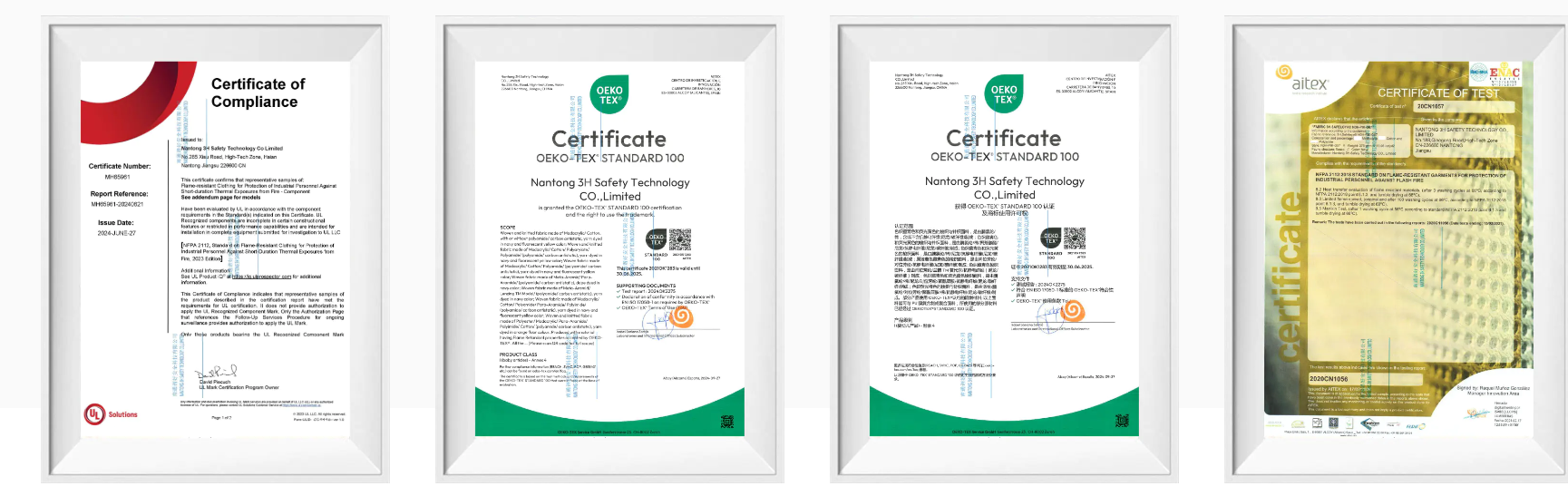
Reputable arc flash protective fabric manufacturer companies will have their products tested by independent bodies like SGS, TÜV, or UL. Always check the label for the ATPV and the relevant standard.
| Standard | Test Method | Key Metric | Application |
|---|---|---|---|
| EN 61482-1-2 | Box test (arc in enclosure) | Class 1 or 2 (based on energy) | European utility work |
| EN 61482-1-1 | Open arc test | ATPV (cal/cm²) | General industry |
| ASTM F1959 | Open arc test | ATPV / EBT | North America |
| NFPA 70E | Risk assessment based on ATPV | PPE category (1-4) | Electrical safety program |
Types of Electric Arc Protective Fabrics: A Radar Comparison
There are three main categories: aramid (meta/para), modacrylic/cotton blends, and treated cotton. Each offers a different balance of protection, comfort, durability, and cost. The radar chart below compares them across five critical dimensions.
Selecting the Right Fabric for Your Industry
Different work environments require different levels of protection. Here is a quick guide:
- Utility and transmission (high risk): Use aramid-based fabrics with ATPV ≥ 20 cal/cm², combined with multi-layer systems.
- Distribution and substation (medium risk): Aramid or high-quality modacrylic blends with ATPV 12–20 cal/cm².
- Industrial maintenance (low to medium): Treated cotton or modacrylic blends with ATPV 8–12 cal/cm².
- Oil & gas, chemical plants: FR fabrics with additional chemical resistance and anti-static properties.
When sourcing, look for a reliable electric arc resistant fabric wholesale supplier that offers custom arc resistant fabric options to match your specific hazard levels and comfort requirements. OEM flame resistant fabric providers can also tailor the fabric weight, color, and finishing treatments.
Why Quality Matters: The 3H Safety Technology Advantage
As a professional OEM arc flash protective fabric manufacturer and ODM electric arc protection FR fabric factory, 3H Safety Technology Co Limited (brand "3H.Safeloya") specializes in high-performance arc-resistant and flame-retardant textiles. Their fabrics are engineered for the power industry, providing excellent thermal protection against electric arcs in accordance with EN 61482-1-2 and EN 61482-1-1 standards.
All 3H products are tested by internationally recognized laboratories (SGS, TÜV, ITS) and comply with standards including EN ISO 11611, EN ISO 11612, EN 469, NFPA 70E, NFPA 2112, and GB 8965.1. Their fabrics are breathable, lightweight, and offer additional properties like anti-static and metal splash resistance, making them ideal for power, petrochemical, mining, and steel industries.
Frequently Asked Questions
For trusted electric arc protective fabric solutions, partner with a certified arc flash protective fabric manufacturer like 3H Safety Technology. Their extensive product range covers all hazard levels and complies with global standards. Contact them for industrial FR textile supplier inquiries and custom OEM projects.
3H Safety Technology Co Limited – professional China OEM arc flash protective fabric manufacturers and ODM electric arc protection FR fabric factory. We deliver high-performance FR textiles with anti-static, arc proof, and metal splash resistance. Our products are tested by SGS, TÜV, ITS, and comply with NFPA, EN, and GB standards. Serving power, petrochemical, mining, and steel industries worldwide.