 EN
EN 中文简体
中文简体 English
 русский
 Español
 Português
 عربى
عربى

Yes, High Visibility Flame Retardant Fabric is safe for industrial use when it meets applicable safety standards and is selected to match the specific hazard environment. Combining two critical protective functions — flame resistance and high-visibility color — FR Hi-Vis fabric is engineered for workers who face simultaneous risks of fire, electric arc, or flash fire alongside vehicle or machinery strike hazards. When certified to standards such as EN ISO 11612, NFPA 2112, and EN ISO 20471, this fabric provides verified, measurable protection validated through third-party laboratory testing, making it a well-established and trusted material in oil and gas, electrical utilities, construction, and road-working industries worldwide.
Content
- 1 What Is High Visibility Flame Retardant Fabric?
- 2 Key Safety Standards That Certify FR Hi-Vis Fabric
- 3 How FR Hi-Vis Fabric Is Constructed for Dual Protection
- 4 Industries That Rely on High Visibility Flame Retardant Fabric
- 5 Performance Data: What Certified FR Hi-Vis Fabric Must Demonstrate
- 6 Durability of FR and Hi-Vis Properties Over Garment Lifespan
- 7 Care and Maintenance Requirements to Preserve Safety Properties
- 8 How to Verify That FR Hi-Vis Fabric Meets Industrial Safety Requirements
- 9 Frequently Asked Questions
What Is High Visibility Flame Retardant Fabric?
High Visibility Flame Retardant Fabric is a specialized protective textile that integrates two independently engineered properties into a single construction. The term is not merely a label — it refers to fabrics that have been tested and certified for both functions simultaneously, not simply dyed in a bright color or treated with a basic flame-resistant finish.
The Two Core Properties Explained
- Flame retardancy: The fabric resists ignition, self-extinguishes when the ignition source is removed, and does not melt or drip onto skin. This is achieved through inherent fiber chemistry (such as modacrylic, aramid, or FR-treated cotton) rather than a surface coating that can wash away.
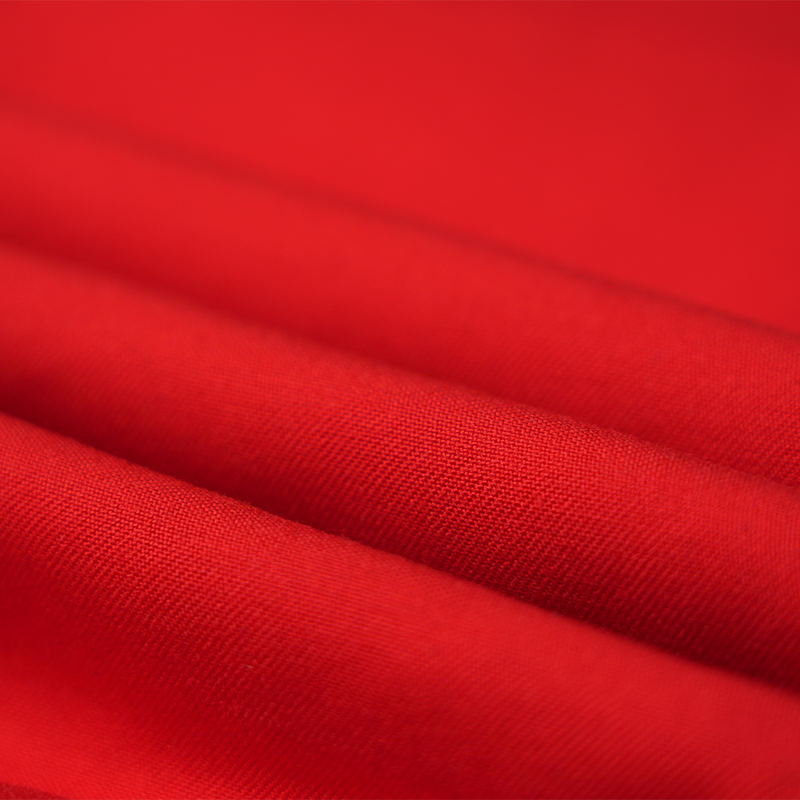
- High visibility: The fabric uses fluorescent base colors — typically fluorescent yellow-green, fluorescent orange-red, or fluorescent red — that dramatically increase daytime conspicuity. Retroreflective tape is added for night and low-light visibility, meeting defined minimum retroreflection performance levels.
The engineering challenge is that fluorescent dyes capable of producing certified hi-vis colors must survive repeated washing cycles without fading below the minimum colorimetric thresholds, while the flame-retardant properties of the base fabric must not be compromised by the dyeing or finishing process. Certified FR Hi-Vis fabric demonstrates both properties remain intact after a defined number of industrial wash cycles — typically 50 to 100 washes depending on the standard.
Key Safety Standards That Certify FR Hi-Vis Fabric
The safety profile of any High Visibility Flame Retardant Fabric is defined by the standards it is tested against. Understanding these standards is essential for procurement teams, safety managers, and workers selecting garments for specific industrial environments.
| Standard | Region | Protection Type | Key Requirement |
|---|---|---|---|
| EN ISO 11612 | Europe / International | Heat and flame | Limited flame spread, heat transfer resistance |
| NFPA 2112 | USA | Flash fire | Body burn prediction below 50% in manikin test |
| EN ISO 20471 | Europe / International | High visibility | Minimum fluorescent and retroreflective areas by class |
| ANSI/ISEA 107 | USA | High visibility | Performance class 1, 2, 3 by garment coverage area |
| IEC 61482-2 | Europe / International | Electric arc | Arc thermal performance value (ATPV) rating in cal/cm² |
| NFPA 70E | USA | Electric arc | PPE category selection by incident energy level |
Garments that carry dual certification — for example, simultaneously certified to EN ISO 11612 and EN ISO 20471 Class 2 or Class 3 — confirm that both the FR and hi-vis properties have been independently tested and meet defined minimum performance thresholds. This dual certification is the clearest indicator of genuine industrial safety suitability.
How FR Hi-Vis Fabric Is Constructed for Dual Protection
The method by which flame retardancy is built into the fabric determines how durable and reliable the protection is throughout the garment's service life. There are two fundamentally different approaches, and they are not equally safe for industrial use.
Inherently Flame-Resistant Fibers
Fabrics constructed from inherently FR fibers — such as modacrylic blends, para-aramid, meta-aramid (such as those meeting NFPA 2112), or FR viscose — carry flame resistance as a permanent property of the fiber's molecular structure. This protection cannot be washed out, abraded off, or degraded by sweat or contamination. The FR property remains consistent for the entire service life of the garment.
FR-Treated Cotton and Cellulosic Fabrics
Cotton-based FR Hi-Vis fabrics achieve flame resistance through a chemical treatment applied to the fiber or fabric. High-quality treatments, such as Proban or Pyrovatex, penetrate the fiber structure and form a durable bond that survives 50 or more industrial wash cycles when laundering protocols are followed correctly. Lower-grade topical treatments that sit on the fiber surface are not suitable for industrial PPE and should be identified and rejected during procurement.
Retroreflective Tape Integration
In FR Hi-Vis garments, retroreflective tape must itself be flame resistant or, at minimum, not compromise the FR performance of the base fabric when it burns. Retroreflective tape certified for use on FR garments is tested for compatibility with the base fabric under flame exposure conditions, ensuring it does not melt, drip, or increase the extent of burn injury.
Industries That Rely on High Visibility Flame Retardant Fabric
FR Hi-Vis fabric addresses a specific risk combination — thermal hazard plus visibility hazard — that is present in several major industrial sectors. Understanding where and why it is used reinforces confidence in its safety credentials.
Proportion of FR Hi-Vis garment use by industrial sector (estimated global demand distribution)
- Oil and gas: Workers face flash fire risk from hydrocarbon releases alongside vehicle and equipment traffic at large surface facilities. FR Hi-Vis coveralls and jackets are standard PPE on most upstream and midstream sites.
- Electrical utilities: Arc flash incidents can release thermal energy exceeding 40 cal/cm² at the worker's position. FR Hi-Vis fabric rated to IEC 61482-2 provides arc thermal protection while ensuring workers remain visible to operating machinery and vehicles.
- Road construction and maintenance: Workers adjacent to live traffic face vehicle strike risk (requiring hi-vis) while also using hot asphalt, cutting equipment, and proximity to fuel fires (requiring FR).
- Mining: Surface mining operations involve both flammable dust and gas hazards and high-traffic equipment areas where visibility is a survival factor.
Performance Data: What Certified FR Hi-Vis Fabric Must Demonstrate
The safety of High Visibility Flame Retardant Fabric is not a matter of claims — it is quantified through defined test methods. The following performance parameters are measured and must meet minimum thresholds for certification.
| Performance Parameter | Test Method | Minimum Acceptable Value | Relevant Standard |
|---|---|---|---|
| Flame spread (char length) | EN ISO 15025 | No flaming debris; char < 150 mm | EN ISO 11612 |
| After-flame time | EN ISO 15025 | ≤ 2 seconds | EN ISO 11612 |
| Predicted body burn (manikin test) | ASTM F1930 | < 50% body burn in 3-second flash | NFPA 2112 |
| Fluorescent background area | EN ISO 20471 colorimetry | 0.50 m² (Class 2), 0.80 m² (Class 3) | EN ISO 20471 |
| Retroreflective tape area | EN ISO 20471 | 0.13 m² (Class 2), 0.20 m² (Class 3) | EN ISO 20471 |
| Wash durability (FR retention) | ISO 6330 (domestic) / EN ISO 15797 (industrial) | FR properties maintained after 50+ cycles | EN ISO 11612 / NFPA 2112 |
Durability of FR and Hi-Vis Properties Over Garment Lifespan
A common concern with FR Hi-Vis fabric is whether both protective properties can be maintained simultaneously through repeated laundering and field use. Certified fabrics address this directly through wash-endurance testing.
Retention of FR and hi-vis performance (% of initial certified value) across wash cycles for inherent-FR and treated-FR fabrics
Inherently FR fibers maintain 100% of their flame-resistance throughout the garment's wash life since the protection is part of the fiber chemistry. Treated-FR certified fabrics retain FR properties above the minimum certification threshold for 50 or more industrial wash cycles when laundered according to the manufacturer's care label. Hi-vis colorimetric performance gradually declines with washing but must remain above the standard's minimum chromaticity coordinates throughout the garment's rated service life.
Garments should be retired from service when either the hi-vis color fades below visibility standard thresholds (verifiable with a colorimeter) or when the FR garment reaches its manufacturer-stated maximum wash cycle count.
Care and Maintenance Requirements to Preserve Safety Properties
Correct laundering practice is essential for maintaining the certified performance of FR Hi-Vis fabric. Incorrect washing can degrade both the flame-retardant treatment and the fluorescent color faster than the standard's rated wash cycle count.
- Use pH-neutral or FR-compatible detergents: Highly alkaline detergents can accelerate degradation of chemical FR treatments. Detergents containing bleach or optical brighteners must be avoided, as bleach attacks FR chemistry and optical brighteners add UV-fluorescent compounds that interfere with the measured chromaticity of hi-vis colors.
- Wash at the label-specified temperature: Most FR Hi-Vis garments are rated for washing at 60°C maximum. Higher temperatures accelerate fiber degradation and FR treatment loss in treated-FR fabrics.
- Do not dry clean: Dry cleaning solvents are incompatible with most FR chemical treatments and will remove the protection from treated-FR fabrics after a single treatment.
- Repair damaged retroreflective tape promptly: Peeling or damaged tape sections reduce the reflective area below the standard's minimum, rendering the garment non-compliant with the hi-vis standard even if the base fabric remains within specification.
- Inspect for contamination before each use: Hydrocarbon contamination (oil, grease, fuel) on FR garments dramatically reduces their flame-resistant performance. Heavily contaminated garments must be laundered before re-entry into a hazardous area.
How to Verify That FR Hi-Vis Fabric Meets Industrial Safety Requirements
Purchasing certified fabric is only the first step. Safety managers should implement a verification process to confirm that FR Hi-Vis fabric supplied to workers genuinely meets the claimed standards.
- Request the current third-party test reports from a recognized laboratory (SGS, Intertek, Bureau Veritas, or equivalent) for both the FR and hi-vis standards claimed on the care label
- Verify that the test report fabric specification (weight, fiber content, construction) matches the fabric actually supplied — substitute fabrics are a known risk in high-volume textile procurement
- Confirm the test report is current — FR fabric standards are revised periodically, and reports older than 3 to 5 years may reference superseded test methods
- Check that the hi-vis class stated matches the risk level of the work environment — Class 2 is appropriate for most road work, but Class 3 (highest coverage) is required for workers on high-speed roads or in very low-visibility conditions
- For arc flash applications, verify the ATPV rating in cal/cm² and confirm it meets or exceeds the incident energy level calculated for the specific electrical task