 EN
EN 中文简体
中文简体 English
 русский
 Español
 Português
 عربى
عربى


Content
- 1 The Direct Answer: What Defines a Top Electric Arc Protective Fabric Manufacturer in China
- 2 Understanding Electric Arc Protective Fabric and ATPV
- 3 Key Criteria for Evaluating an Arc Flash Fabric Manufacturer
- 4 ATPV Performance Comparison by Fabric Construction
- 5 Relationship Between Fabric Weight and Arc Protection
- 6 Certification Coverage Across International Standards
- 7 Comparing Fabric Types Across Practical Performance Dimensions
- 8 International Standards Reference Table
- 9 Industry Applications for Electric Arc Protective Fabric
- 10 Working With a Certified OEM and ODM Fabric Manufacturer
- 11 Frequently Asked Questions
- 11.1 Q1. What Is Electric Arc Protective Fabric?
- 11.2 Q2. What Is Arc Flash Clothing?
- 11.3 Q3. What Is Arc Rated Fabric?
- 11.4 Q4. What Is FR Fabric?
- 11.5 Q5. What Is the Difference Between FR and Arc Rated Fabric?
- 11.6 Q6. What Is Arc Thermal Performance Value (ATPV)?
- 11.7 Q7. What Is PPE Category for Arc Flash?
The Direct Answer: What Defines a Top Electric Arc Protective Fabric Manufacturer in China
A leading electric arc protective FR fabric manufacturer in China is defined by five measurable factors: independent third-party certification against standards such as EN 61482-1-2 and NFPA 70E, documented Arc Thermal Performance Value (ATPV) testing, in-house fiber and lamination technology, consistent full-batch quality traceability, and genuine OEM/ODM production flexibility for industry-specific requirements. Manufacturers that can demonstrate all five factors with test reports from recognized labs are generally the ones capable of supplying power, oil and gas, and heavy industrial clients at scale.
Rather than ranking specific company names, which can change year to year and vary by project scope, this guide breaks down the technical benchmarks that separate a reliable arc rated fabric supplier from a general textile trader. The data visualizations below compare ATPV performance across fabric weights, certification coverage, and multi-layer construction types, giving buyers a practical framework for evaluating any manufacturer against verifiable, testable criteria.
Understanding Electric Arc Protective Fabric and ATPV
Electric arc protective fabric is engineered to resist ignition and limit heat transfer during an arc flash event, which can generate temperatures exceeding 19,000 degrees Celsius in a fraction of a second. Unlike standard flame resistant fabric used for general fire hazards, arc rated fabric must be independently tested under either the Box Test (EN 61482-1-2) or the Open Arc Test (EN 61482-1-1) to receive a documented Arc Thermal Performance Value, commonly abbreviated as ATPV, measured in calories per square centimeter.
All FR fabric is expected to self-extinguish and resist continued burning, but not all FR fabric carries an arc rating. This distinction matters significantly for buyers in the power industry, since a fabric without a verified ATPV score should not be assumed to provide adequate arc flash protection, regardless of how it performs in a general flammability test. Reputable manufacturers publish ATPV figures alongside test lab names such as SGS, TUV, or ITS so that buyers can verify the data independently.
- ATPV (cal/cm2): the incident energy level at which a fabric provides a 50 percent probability of second-degree burn protection
- ELIM: a secondary threshold used when a fabric exhibits breakopen before reaching its calculated ATPV
- PPE Category: a classification system, commonly referenced in NFPA 70E, that matches incident energy exposure to required garment layers
- Anti-static performance: measured under EN 1149, relevant for reducing secondary electric shock risk in high-voltage environments
Key Criteria for Evaluating an Arc Flash Fabric Manufacturer
Certification and Independent Lab Testing
A dependable flame resistant fabric manufacturer should hold test reports from internationally recognized labs, covering standards such as EN ISO 11611, EN ISO 11612, EN 61482-1, ASTM F1959, ASTM F1891, NFPA 70E, and NFPA 2112. Buyers sourcing for regulated industries such as petrochemical or utility work should request the actual test report rather than relying on a summary claim, since certification scope can vary between fabric weights within the same product line.
Fiber Technology and Multi-Layer Construction
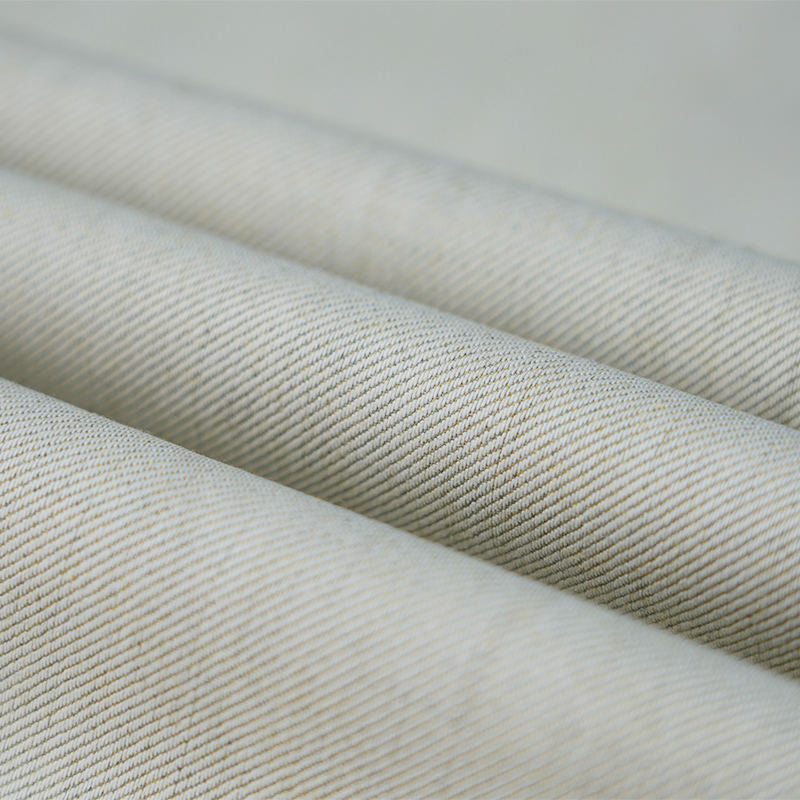
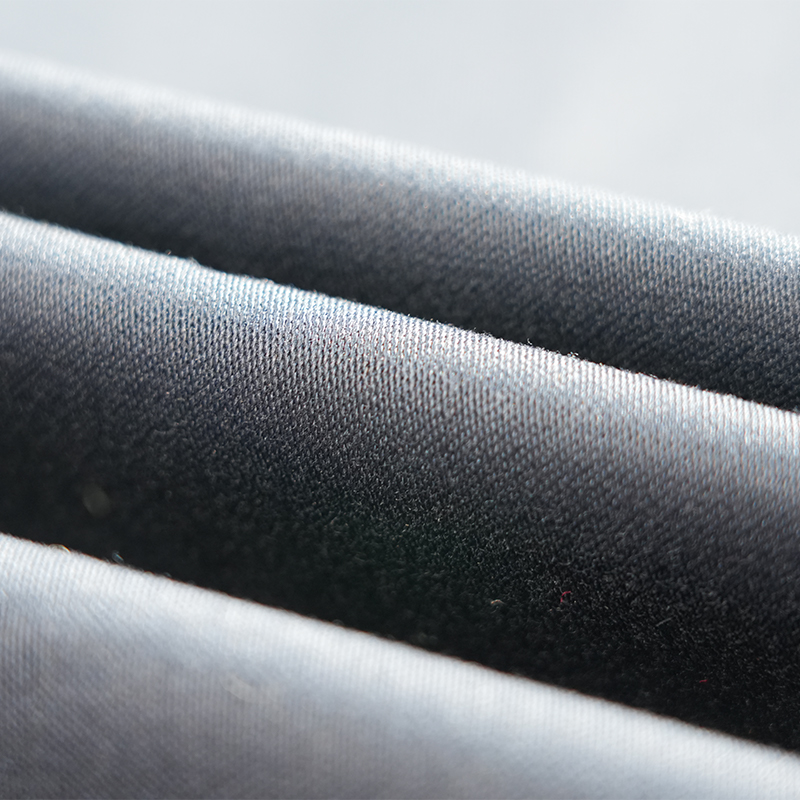
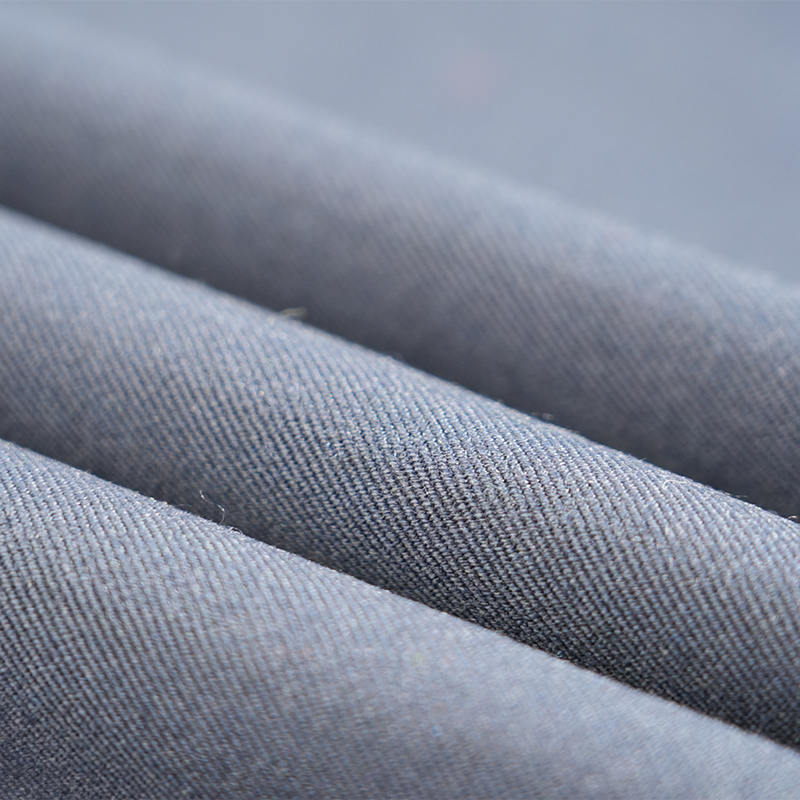
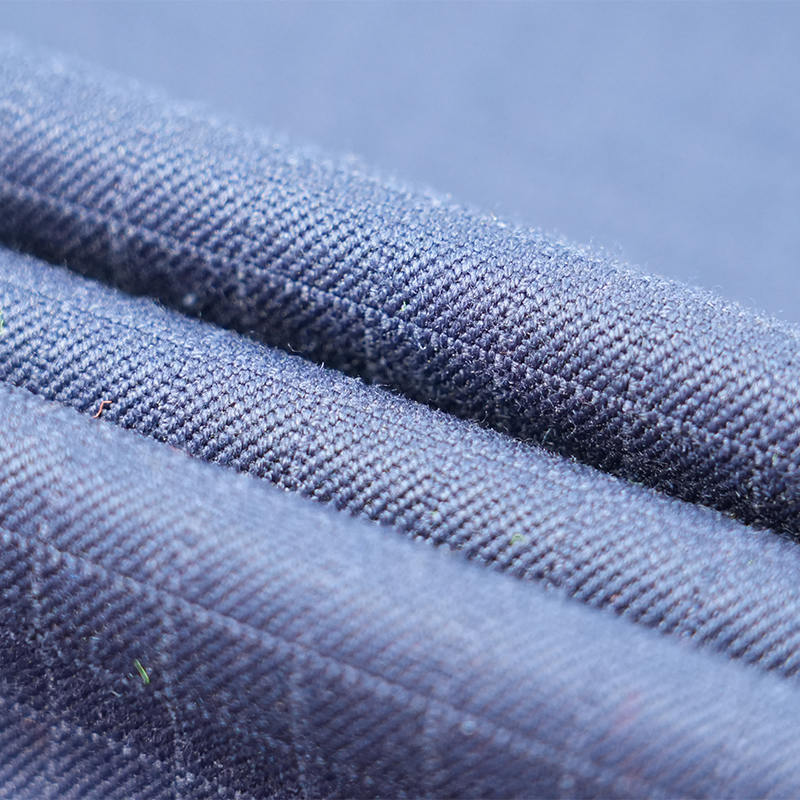
The base fiber blend and lamination process largely determine both ATPV performance and long-term durability. Multi-layer laminated constructions generally achieve higher ATPV ratings per unit weight compared to single-layer woven fabrics, though they can be heavier and less breathable, which is why manufacturers with in-house fiber and lamination research tend to offer a wider performance range across different weight classes.
Production Capacity and Quality Traceability
For industrial buyers placing recurring orders, batch-to-batch consistency is often more important than a single high-performing sample. A manufacturer with documented lifecycle traceability, meaning each fabric roll can be traced back to its raw material batch and test record, is generally better positioned to support large-scale procurement for petroleum, coal mining, steel, and metallurgy clients.
OEM and ODM Capability
Many industrial buyers require fabric with a specific combination of properties, such as anti-static plus metal splash protection plus arc resistance in a single three-proofing construction. An OEM FR fabric or OEM flame resistant fabric partner that can adjust fiber blend ratios, weight, color, and finishing to a customer's technical specification offers more long-term value than a supplier limited to a fixed catalog.
ATPV Performance Comparison by Fabric Construction
The bar chart below compares typical ATPV ranges across three common fabric construction types used in electric arc protective clothing: single-layer woven FR fabric, double-layer woven FR fabric, and multi-layer laminated arc fabric. These figures represent general industry testing ranges rather than a specific product line, and actual results always depend on fiber composition, weight, and finishing treatment.
As the chart illustrates, multi-layer laminated arc fabric typically achieves ATPV ratings between 30 and 40 cal/cm2, which is roughly three to four times higher than standard single-layer woven FR fabric. This performance gap is the primary reason high-voltage substation and grid maintenance work generally specifies multi-layer or laminated garments, while lower-risk tasks with reduced incident energy exposure can often be adequately covered with double-layer woven fabric at a lighter overall weight.
Relationship Between Fabric Weight and Arc Protection
The line chart below shows the general relationship between fabric weight, measured in grams per square meter (gsm), and ATPV rating across a common range of industrial arc protective fabrics. This relationship is not perfectly linear, since fiber type, weave density, and lamination method all influence the final result, but the overall upward trend is consistent across most tested product families.
The data indicates that ATPV rating generally increases alongside fabric weight, moving from roughly 8 cal/cm2 at 200gsm to over 35 cal/cm2 at 450gsm in laminated constructions. This is a useful reference point for buyers balancing protection level against wearer comfort, since heavier fabrics provide stronger arc protection but can reduce breathability during long shifts, which is why manufacturers increasingly focus on lightweight, breathable fiber blends that maintain ATPV performance at a lower gsm.
Certification Coverage Across International Standards
Certification breadth is one of the clearest indicators of a manufacturer's technical capability, since each standard requires separate testing procedures and documentation. The chart below compares the number of major international standards typically covered by three tiers of FR fabric suppliers: basic domestic-only suppliers, mid-tier exporters, and fully certified international manufacturers.
A fully certified international manufacturer typically maintains coverage across 10 to 12 recognized standards, spanning EN, ASTM, NFPA, ANSI, and Chinese GB standards simultaneously, while domestic-only suppliers may only hold two or three certifications relevant to local regulations. For buyers exporting protective clothing into multiple regions, working with a manufacturer that already carries broad certification coverage reduces the time and cost associated with re-testing fabric for each new market.
Comparing Fabric Types Across Practical Performance Dimensions
The radar chart below compares three common fabric categories, standard flame resistant fabric, arc rated single-layer fabric, and multi-layer arc protective fabric, across five practical dimensions: arc protection, flame resistance, breathability, anti-static performance, and durability. Each axis reflects a relative performance score based on general industry testing patterns.
The comparison shows that multi-layer arc protective fabric scores highest in arc protection, flame resistance, and durability, while standard FR fabric without an arc rating scores lowest across most categories except breathability, where lighter single-layer constructions generally perform better. This trade-off is a central consideration for procurement teams, since selecting the highest-protection fabric for every task can reduce worker comfort during long shifts in warm environments, making task-based risk assessment an important step before specifying fabric type.
International Standards Reference Table
The table below summarizes commonly referenced international and regional standards relevant to electric arc protective fabric and general protective clothing, along with their primary testing focus. Buyers should confirm which specific standards apply to their region and industry before finalizing a fabric specification.
| Standard | Region | Primary Focus |
|---|---|---|
| EN 61482-1-1 / -1-2 | Europe | Open Arc and Box Test for ATPV/ELIM rating |
| ASTM F1959 | United States | Arc rating test method for flame resistant materials |
| NFPA 70E | United States | Electrical safety in the workplace, PPE category guidance |
| EN ISO 11612 | Europe | Protection against heat and flame |
| EN 1149 | Europe | Anti-static and electrostatic dissipation properties |
| GB 8965.1 | China | Flame retardant protective clothing performance |
Industry Applications for Electric Arc Protective Fabric
Power industry workers face a combination of risks that few other industries encounter simultaneously, including electric arc explosions, high-temperature flames, radiant heat, and direct electric shock. This is why arc flash protective clothing fabric is engineered differently from general industrial workwear, with layered construction and anti-static treatment applied together rather than as separate add-ons.
- Power and utility work: grid maintenance, high-voltage equipment operation, and substation overhaul, where ATPV rating and anti-static properties are both critical
- Petroleum and petrochemical: flame resistance combined with chemical splash resistance for refinery and gas station environments
- Coal mining and steel processing: heavier fabric weights for metal splash and radiant heat protection during furnace-adjacent work
- Mechanical processing: lighter, more breathable arc rated fabric for tasks with lower incident energy exposure but frequent movement
Because 3H's FR fabrics are engineered with multi-layer laminating technology and tested against both EN 61482-1-1 and EN 61482-1-2, they are positioned to support long shifts in high-voltage environments while maintaining breathability, which addresses one of the most common trade-offs procurement teams face when specifying arc protective clothing for power industry personnel.
Working With a Certified OEM and ODM Fabric Manufacturer
3H Safety Technology Co Limited is a functional fabric manufacturer built around flame retardant technology, operating under its product brand 3H Safeloya. As a professional OEM ARC flash protective fabric manufacturer and ODM electric arc protection FR fabric factory in China, the company develops fabric with added anti-static, arc proof, metal splash proof, and three-proofing functions based on customer specifications, serving industries including petroleum, petrochemical, chemical, gas stations, power, coal mining, steel, metallurgy, and mechanical processing.
3H's products have been tested by internationally recognized institutions, including SGS in Switzerland, TUV in Germany, ITS in the United Kingdom, and the National Labor Protection Products Quality Supervision and Inspection Center, meeting requirements across EN ISO 11611, EN ISO 11612, EN ISO 1149, EN 469, EN 373, EN 61482-1, ASTM F1959, ASTM F1891, NFPA 70E, NFPA 2112, ANSI 107, GB 8965.1, and GB 12014. This breadth of certification places the company among the fully certified international tier referenced in the certification coverage chart above.
For buyers evaluating a China FR fabric factory or industrial fabric supplier for a custom project, key questions to ask include which specific ATPV values are documented for each fabric weight, which labs performed the testing, whether lifecycle traceability is available for each production batch, and how the company handles custom FR fabric requests that combine multiple protective functions. A manufacturer that fully implements product lifecycle traceability in accordance with national regulations, as 3H does, is generally better equipped to support long-term industrial contracts where consistent quality across every shipment is essential.
Frequently Asked Questions
Q1. What Is Electric Arc Protective Fabric?
Electric arc protective fabric is a textile engineered to resist ignition and limit heat transfer during an arc flash event, typically constructed with flame retardant fibers and, in higher-performance versions, multiple laminated layers to achieve a documented ATPV rating.
Q2. What Is Arc Flash Clothing?
Arc flash clothing refers to garments made from arc rated fabric, designed to reduce burn injury risk for workers exposed to electric arc events, commonly used in power, utility, and high-voltage maintenance work.
Q3. What Is Arc Rated Fabric?
Arc rated fabric is fabric that has undergone independent ATPV testing under standards such as EN 61482-1-2 or ASTM F1959, resulting in a documented performance value that indicates its protection level against arc flash incident energy.
Q4. What Is FR Fabric?
FR fabric, or flame resistant fabric, is textile treated or engineered to self-extinguish and resist continued burning after exposure to a flame source, though not all FR fabric carries a separate arc rating.
Q5. What Is the Difference Between FR and Arc Rated Fabric?
FR fabric is tested for general flame resistance, while arc rated fabric undergoes additional testing specifically for electric arc incident energy, resulting in a documented ATPV or ELIM value that FR-only fabric does not carry.
Q6. What Is Arc Thermal Performance Value (ATPV)?
ATPV is a measurement, expressed in calories per square centimeter, indicating the incident energy level at which a fabric provides a 50 percent probability of preventing a second-degree burn during an arc flash event.
Q7. What Is PPE Category for Arc Flash?
PPE category is a classification system, referenced in standards such as NFPA 70E, that matches a worker's expected incident energy exposure to a corresponding set of required garment layers and minimum ATPV rating.