 EN
EN 中文简体
中文简体 English
 русский
 Español
 Português
 عربى
عربى

The most important conclusion upfront: arc rated FR fabric is not optional personal protective equipment — it is the primary line of defense against life-threatening arc flash incidents in electrical work environments. Workers in power utilities, substations, and high-voltage maintenance operations face exposure to arc flash events that can release temperatures exceeding 19,000°C in milliseconds. The right arc flash protective fabric can mean the difference between a survivable incident and a fatal one. This article outlines the five most critical benefits, supported by data and practical context.
Content
- 1 What Is Arc Rated FR Fabric and Why Does It Matter
- 2 Benefit 1: Superior Thermal Protection Against Arc Flash Events
- 3 Benefit 2: Compliance with International Electrical Safety Standards
- 4 Benefit 3: Anti-Static Properties That Reduce Secondary Hazard Risk
- 5 Benefit 4: Comfort and Breathability for Extended Wear
- 6 Benefit 5: Long-Term Durability and Wash-Fast FR Performance
- 7 Selecting the Right Arc Rated FR Fabric for Your Application
- 8 About 3H Safety Technology Co Limited
- 9 Frequently Asked Questions
What Is Arc Rated FR Fabric and Why Does It Matter
Arc rated FR fabric — also called electric arc protection FR fabric or electrical safety FR textile — is a specialized material engineered to resist ignition, self-extinguish, and protect the wearer from the intense thermal energy released during an electrical arc flash event. Unlike standard flame-retardant workwear, arc rated fabrics are tested and certified under specific standards such as ASTM F1959, EN 61482-1-1, and EN 61482-1-2, which measure two critical protection values:
- ATPV (Arc Thermal Performance Value): The incident energy level at which there is a 50% probability that the fabric provides just enough protection to prevent the onset of a second-degree burn.
- EBT (Energy Breakopen Threshold): The energy level at which the fabric breaks open, exposing the wearer to direct thermal radiation.
According to the Electrical Safety Foundation International (ESFI), over 2,000 arc flash incidents are treated in US hospitals each year, with many resulting in permanent injury. In global power industry environments, the numbers are substantially higher. Properly specified arc flash protective fabric directly addresses this risk.
Benefit 1: Superior Thermal Protection Against Arc Flash Events
The primary function of arc rated FR fabric is thermal protection. When an arc flash occurs, it releases a burst of radiant and convective heat energy measured in calories per square centimeter (cal/cm²). Fabric with an ATPV rating of 8 cal/cm² or higher is required for even moderate-risk electrical tasks under NFPA 70E guidelines.
High-performance arc flash protective fabric achieves this through several mechanisms:
- Inherent flame-retardant fibers that do not melt or drip when exposed to arc-level heat — melting fabric causes severe secondary burns.
- Multi-layer laminating construction that slows heat transfer to the skin, buying critical seconds for evacuation.
- Char-forming behavior: the fabric carbonizes rather than combusting, creating an insulating layer that continues to protect after initial exposure.
Chart 1: Comparative ATPV ratings from untreated cotton to high-performance arc rated FR fabric
As shown above, untreated cotton carries zero arc protection and will ignite and continue burning, significantly increasing burn injury severity. High-performance arc rated FR fabric can achieve ratings of 40 cal/cm² or above in multi-layer configurations — sufficient for high-hazard substation and switchgear work.
Benefit 2: Compliance with International Electrical Safety Standards
Using certified arc flash protective fabric ensures compliance with the regulatory frameworks that govern electrical worker safety globally. Non-compliance exposes employers to significant legal liability and, more importantly, leaves workers unprotected. The key standards governing electrical safety FR textile include:
| Standard | Region | Test Method | Application |
|---|---|---|---|
| NFPA 70E | USA | ATPV / EBT | General electrical work |
| ASTM F1959 / F1891 | USA | Open arc / Rain test | Arc rated garment fabric |
| EN 61482-1-1 | Europe | Open arc (ELIM/ATPV) | Power utility workers |
| EN 61482-1-2 | Europe | Box test (Class 1 / Class 2) | Switchgear, substations |
| NFPA 2112 | USA | Flash fire exposure | Industrial FR garments |
| GB 8965.1 / GB 12014 | China | FR / Anti-static | Power, petrochemical |
Selecting an electric arc protection FR fabric that carries certification from accredited bodies such as SGS (Switzerland), TÜV (Germany), and ITS (UK) provides independent verification that the fabric performs as rated under controlled test conditions — not just under manufacturer claims.
Benefit 3: Anti-Static Properties That Reduce Secondary Hazard Risk
In power and petrochemical environments, electrostatic discharge (ESD) is a real secondary hazard. Standard synthetic workwear accumulates static charge that can ignite flammable vapors or trigger additional electrical incidents. Quality electrical safety FR textile integrates anti-static fiber technology that dissipates surface charge before it reaches dangerous thresholds.
Anti-static performance in arc rated FR fabric is governed by EN ISO 1149-5, which defines surface resistance thresholds. Fabrics meeting this standard maintain charge dissipation even after repeated industrial laundering — a critical durability requirement for practical workplace use.
The combined arc flash and anti-static protection in a single electrical safety FR textile eliminates the conflict between separate protective layers and simplifies hazard management for safety managers across grid maintenance, high-voltage equipment operation, and substation overhaul roles.
Benefit 4: Comfort and Breathability for Extended Wear
One of the most persistent objections to PPE adoption is discomfort — workers who find protective clothing restrictive or excessively hot are less likely to wear it consistently. Modern arc rated FR fabric addresses this directly through lightweight construction and moisture management engineering.
Key comfort properties found in advanced arc flash protective fabric include:
- Low basis weight: High-performance single-layer arc fabrics now achieve adequate ATPV ratings at fabric weights as low as 180–220 g/m², dramatically reducing garment heaviness compared to earlier-generation materials.
- Moisture-wicking construction: Engineered fiber blends transport perspiration away from the skin, maintaining thermal comfort during high-exertion tasks in hot environments.
- Mechanical flexibility: Stretch-woven arc rated FR fabric variants accommodate full range of motion, critical for maintenance tasks requiring physical agility.
- Thermal regulation: Open-weave FR structures allow air circulation without compromising the flame-retardant fiber matrix.
Research in occupational safety consistently shows that PPE compliance rates increase by 20–30% when workers rate the garment as comfortable. For organizations, this translates directly into reduced incident rates and lower workers' compensation costs.
Benefit 5: Long-Term Durability and Wash-Fast FR Performance
FR performance that degrades after repeated washing is a silent safety risk. Some fabric treatments — particularly topical chemical finishes — lose effectiveness after 20–30 industrial wash cycles. Arc rated FR fabric built on inherently flame-retardant fiber technology maintains its protection throughout the useful life of the garment, typically rated for 50–100 industrial washes.
Durability in electric arc protection FR fabric is evaluated across three dimensions:
| Durability Dimension | Test Standard | Inherent FR Performance | Treated FR Performance |
|---|---|---|---|
| FR Retention After 50 Washes | ISO 15797 | Maintained (inherent fiber) | Significantly reduced |
| Tensile Strength Retention | ISO 13934-1 | >85% after 50 washes | >80% after 50 washes |
| Color Fastness | ISO 105-C06 | Grade 4–5 | Grade 3–4 |
| Anti-Static Retention | EN ISO 1149-5 | Stable (conductive fiber) | Variable / degrading |
Chart 2: Inherent vs. treated arc rated FR fabric FR performance retention over 50 industrial wash cycles
The data clearly shows that treated FR fabric retains less than 40% of its original protection level after 50 industrial washes, while inherent arc rated FR fabric maintains over 96%. For organizations managing large workforces in high-risk electrical environments, inherent FR fabric is the only responsible long-term specification.
Selecting the Right Arc Rated FR Fabric for Your Application
Matching the arc flash protective fabric specification to the actual hazard level is essential. Over-specifying results in unnecessary weight and cost; under-specifying creates unacceptable risk. The NFPA 70E and EN 61482 standards both use an incident energy analysis framework to determine the required protection level for specific electrical tasks.
| Risk Level | Incident Energy | Minimum ATPV Required | Typical Application |
|---|---|---|---|
| PPE Category 1 | 1.2–4 cal/cm² | 4 cal/cm² | Panelboard inspection |
| PPE Category 2 | 4–12 cal/cm² | 8 cal/cm² | Switchgear operation |
| PPE Category 3 | 12–25 cal/cm² | 25 cal/cm² | High-voltage maintenance |
| PPE Category 4 | 25–40 cal/cm² | 40 cal/cm² | Substation overhaul |
Beyond ATPV, buyers of electric arc protection FR fabric should verify: fiber composition (inherent vs. treated), anti-static certification, laundry durability data, and third-party test reports from recognized certification bodies. Always request full test documentation, not just a product label.
About 3H Safety Technology Co Limited
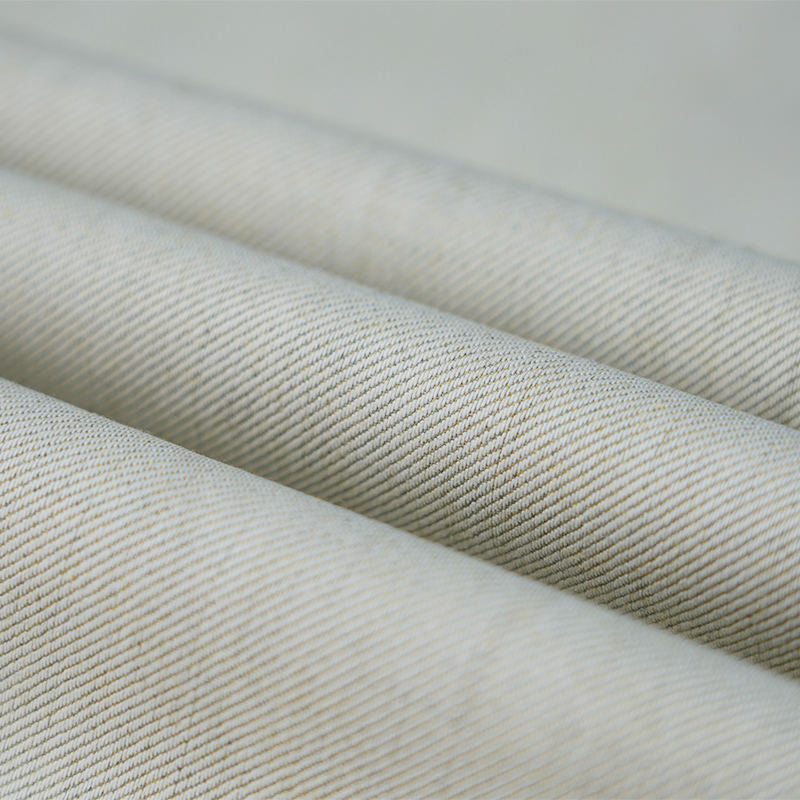
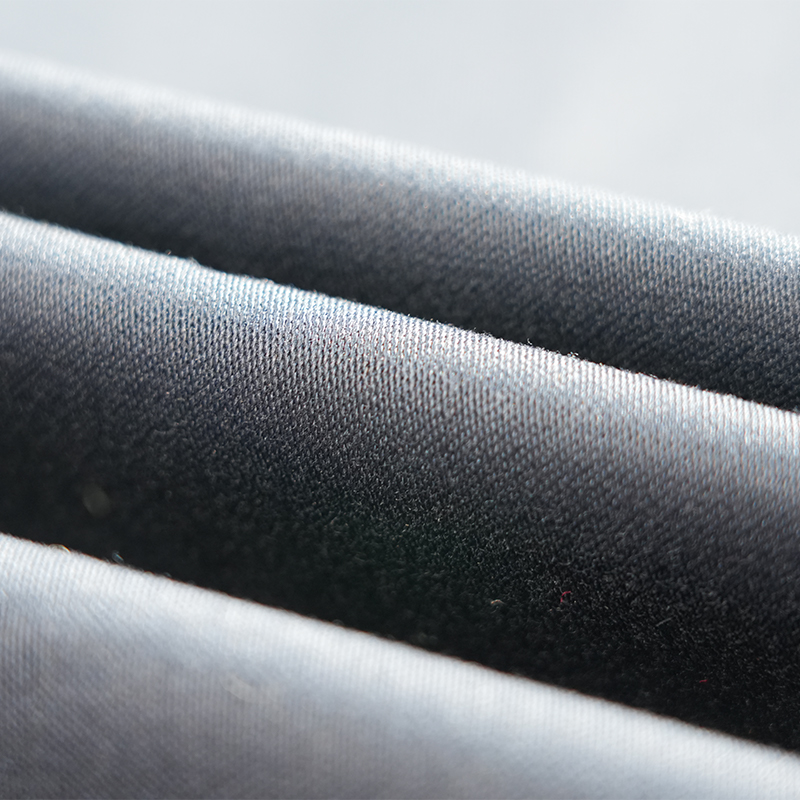
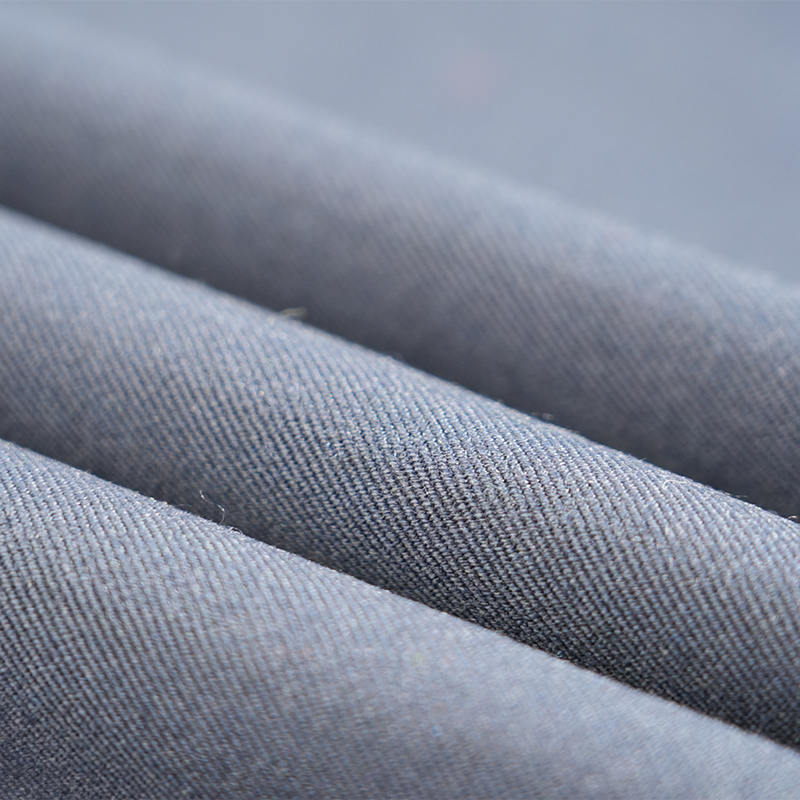
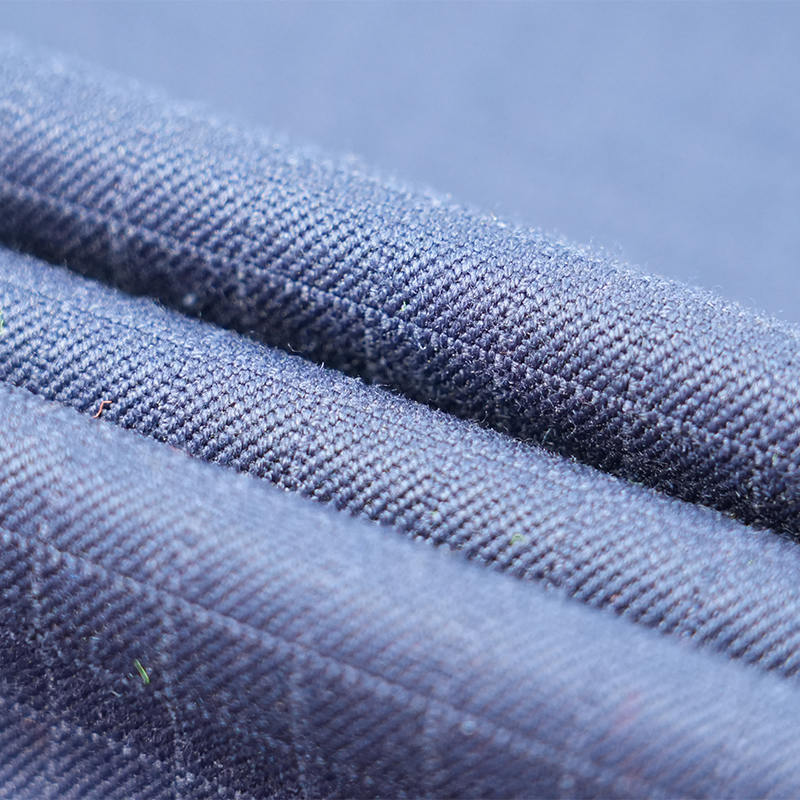
3H specializes in high-performance arc resistant flame retardant (FR) fabrics specifically tailored for the power industry, providing excellent arc protection and thermal protection to ensure the safety and comfort of power workers in high-voltage environments.
Power industry workers are often exposed to multiple safety risks such as electric arc explosions, high-temperature flames, intense radiant heat, and electric shocks. 3H's FR fabrics are made with advanced flame retardant fibers and multi-layer laminating technology, which provide excellent thermal protection against electric arcs (ATPV/ELIM) in accordance with EN 61482-1-2 (Box Test) and EN 61482-1-1 (Open Arc Test) standards. These fabrics not only protect against the high temperatures and flames caused by electric arcs — preventing burns and melt drips — but also have good anti-static properties, reducing the risk of secondary electric shocks. At the same time, 3H fabrics are breathable and lightweight, remaining comfortable and flexible even during long hours of work. They are suitable for high-risk environments such as grid maintenance, high-voltage equipment operation, and substation overhaul.
3H Safety Technology Co Limited is a functional fabric manufacturer based on flame retardancy, with the product brand "3H. Safeloya®". As a professional OEM arc flash protective fabric manufacturer and ODM electric arc protection FR fabric factory in China, products are widely used in petroleum, petrochemical, chemical, gas station, power, coal mining, steel, metallurgy, and mechanical processing industries. All related products have been tested by authoritative institutions including SGS (Switzerland), TÜV (Germany), ITS (UK), and the National Labor Protection Products Quality Supervision and Inspection Center, meeting the requirements of EN ISO 11611, EN ISO 11612, EN ISO 1149, EN 469, EN 373, EN 61482-1, ASTM F1959, ASTM F1891, NFPA 70E, NFPA 2112, ANSI 107, GB 8965.1, and GB 12014. The company strictly implements product lifecycle traceability and comprehensive quality management, achieving excellent product quality, environmental responsibility, and reliable hygiene standards.