 EN
 中文简体
 English
 русский
 Español
 Português
 عربى

NFPA 2112 Fabric
-- Steady & Reliable Manufacturer --
Product Introduction
NFPA 2112 fabric is flame resistant textile material used to make garments intended to protect industrial workers against flash fire. 3H Safety Technology Co Limited is a functional fabric manufacturer under the 3H Safeloya brand, and NFPA 2112 appears among the standards that its related products have been tested to meet, with an NFPA 2112 certificate shown on the company website.
The range draws on inherent FR constructions such as Aramid IIIA, aramid blended and modacrylic blended fabrics, which the site groups under its FR fabric for Oil & Gas Protection category. Weaves such as twill and ripstop are offered across the wider portfolio, and anti-static, arc protection, metal splash and three-proof functions can be added according to customer requirements.
Typical buyers are workwear brands, garment factories, importers, distributors and PPE project buyers who must document flash fire performance for their own garments. Key purchasing parameters include fibre composition, weight in g/m2, weave, colour, width, flame resistance after washing and the garment-level test plan. NFPA 2112 certifies finished garments, so fabric selection should be coordinated with the garment maker and certifier.
As an OEM and ODM supplier, 3H can produce to a customer's own design or support development from the start, and product life cycle traceability is maintained. MOQ, sample terms and lead time depend on the fabric and colour selected, so please contact us for details.
Product Type
Inherent FR woven fabric for flash fire garments, in aramid and modacrylic based constructions
Material
Aramid IIIA, aramid blended and modacrylic blended; other blends on request
Performance
Flame resistance and thermal protection data against NFPA 2112 test requirements; item values available upon request
Customization
Weave, weight, colour and added functions such as anti-static or arc protection, subject to actual requirements
Quality Control
Life cycle traceability; related products tested by SGS, TUV, ITS and the National Labor Protection Products Quality Supervision and Inspection Center
OEM/ODM and MOQ
OEM and ODM supported; MOQ and sample terms to be confirmed for each fabric
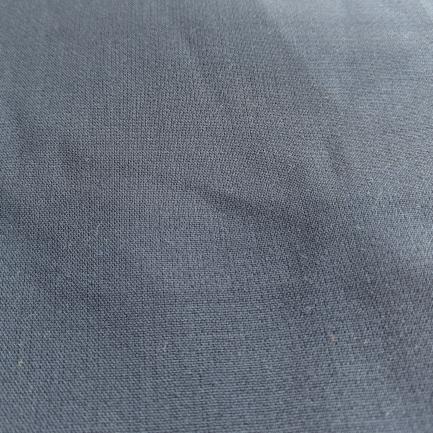
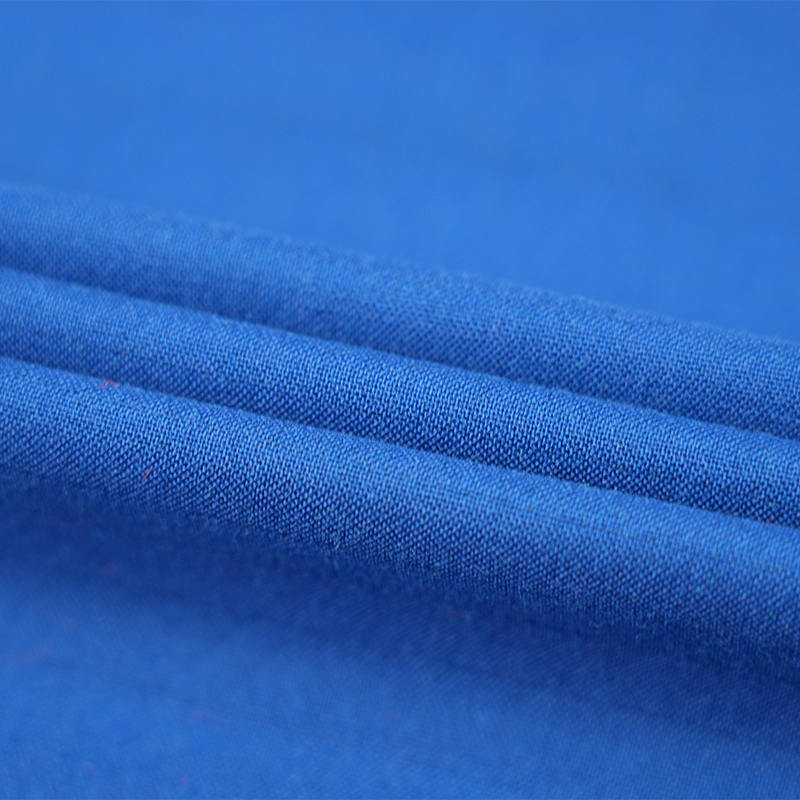
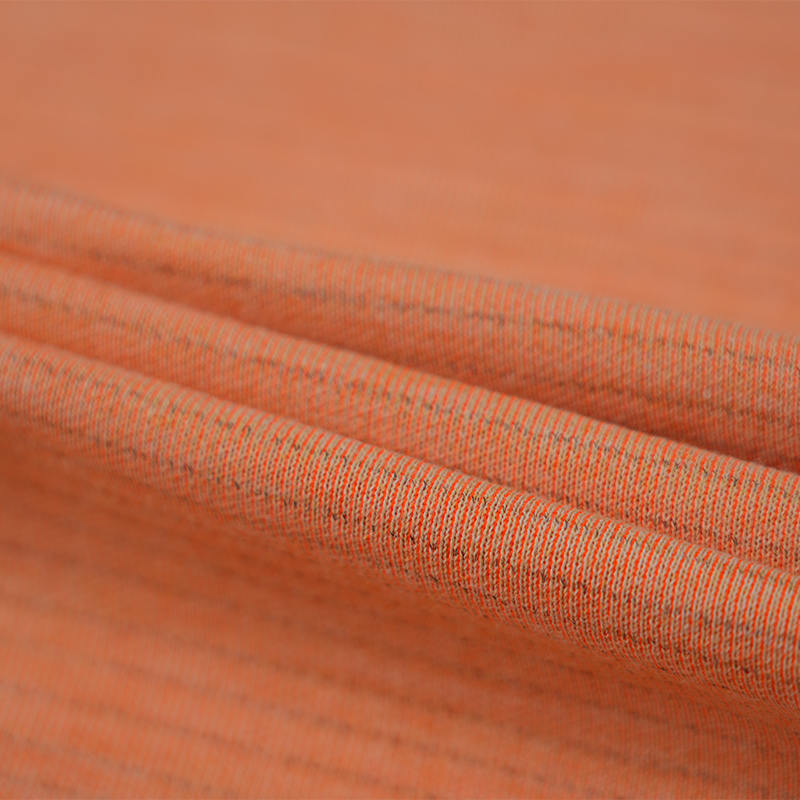
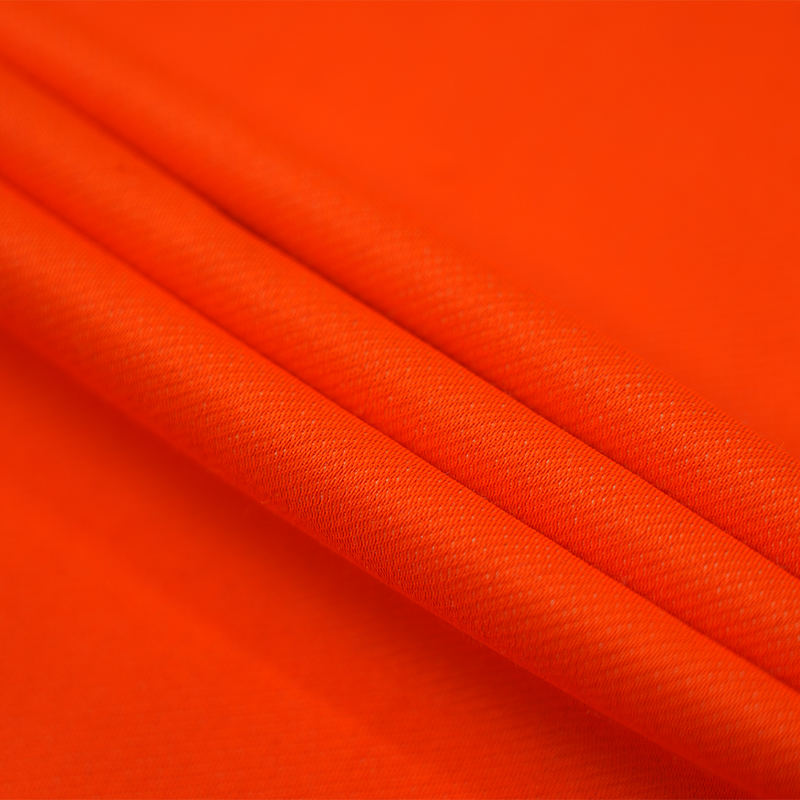
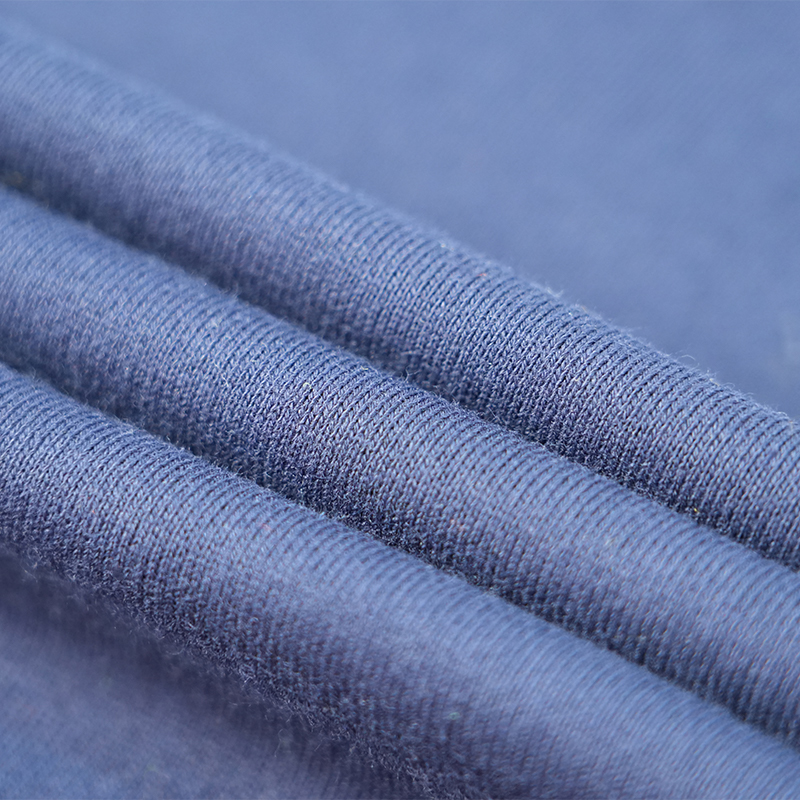
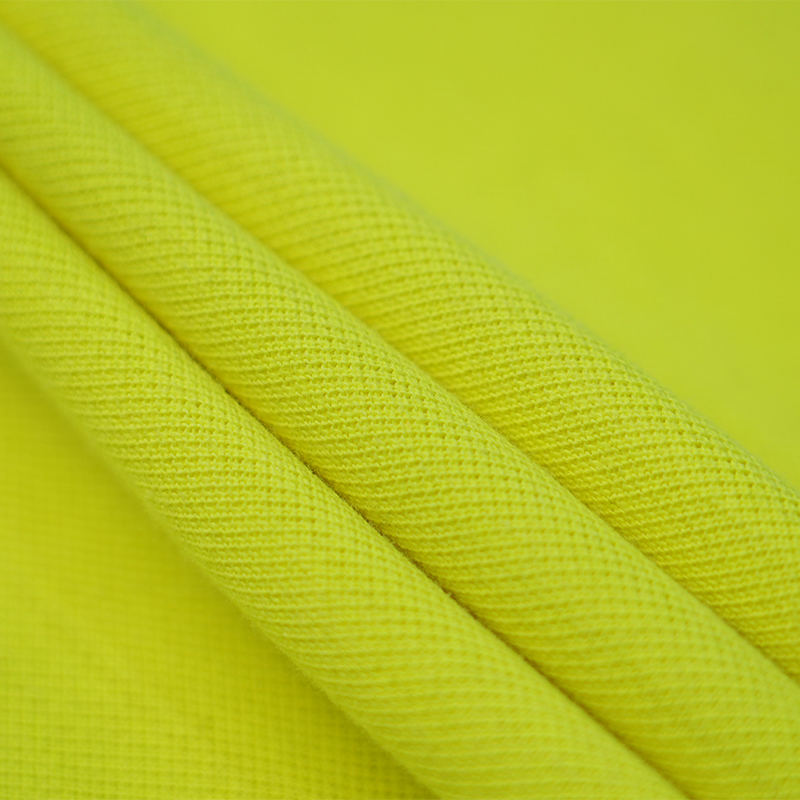
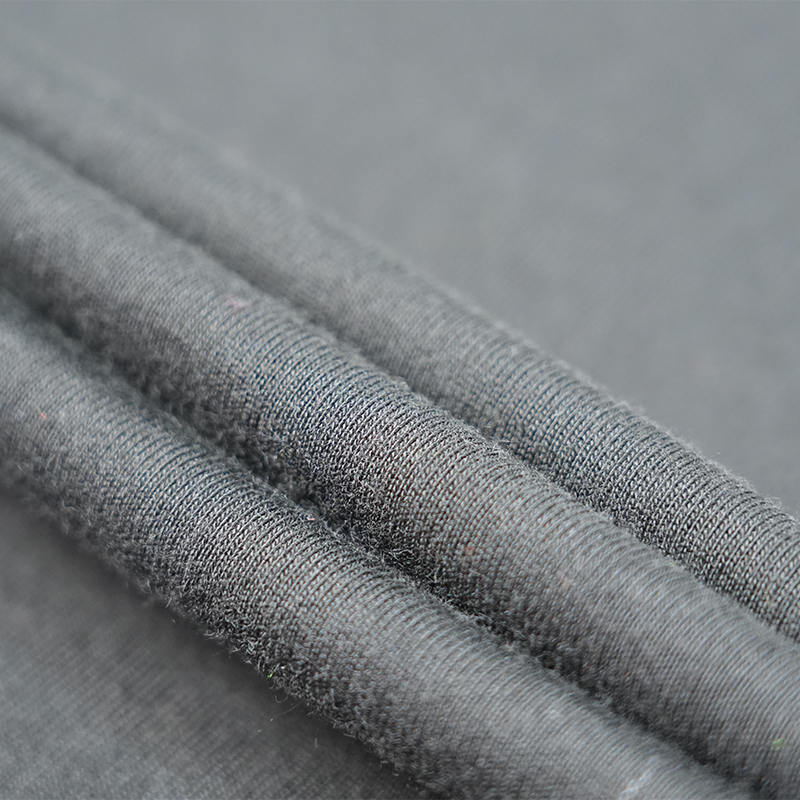
Specifications & Customization
The table lists the points buyers normally confirm for NFPA 2112 fabric. Figures not published on the 3H website are marked for confirmation rather than estimated.
| Parameter | Specification | Buyer Note |
| Product Type | Inherent FR woven fabric for flash fire garments | Garment certification is separate |
| Material | Aramid IIIA; aramid blended; modacrylic blended | Exact blend ratio available upon request |
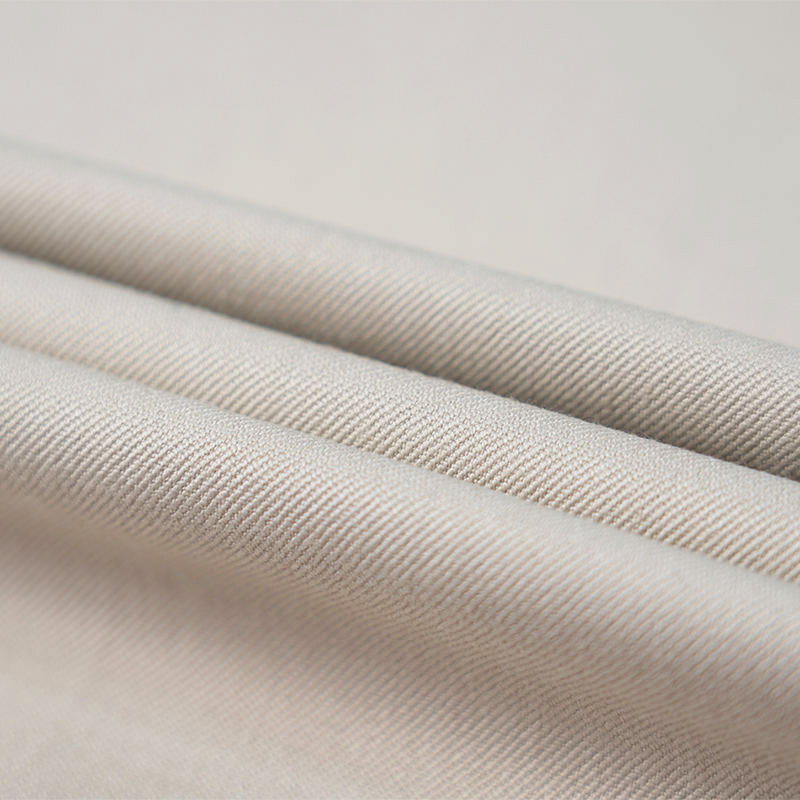
| Weave | Twill, ripstop and other constructions across the range | Subject to product configuration |
| Weight (g/m2) | Available upon request | Depends on fabric code |
| Width and Roll Length | Available upon request | Customizable |
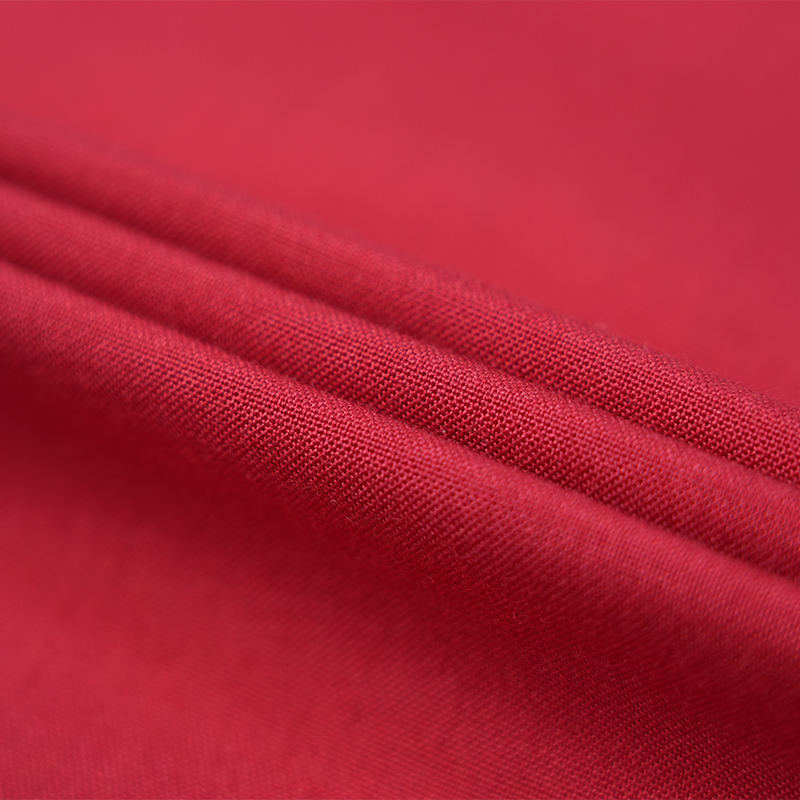
| Colour | Customizable | Shade approval by lab dip |
| Flash Fire Related Standards | NFPA 2112 listed among tested standards; EN ISO 11612 also listed | Item-level reports available upon request |
| Added Functions | Anti-static, arc protection, metal splash, three-proof | Subject to actual requirements |
| Packaging | To Be Confirmed | Roll packing for export available upon request |
Customization Options
Material Customization
Choose among aramid IIIA, aramid blended and modacrylic blended bases.
Weave and Weight
Twill or ripstop and different weights, subject to product configuration.
Colour Options
Colour development for workwear programmes.
Functional Configurations
Anti-static, arc, metal splash or three-proof functions can be added.
OEM and ODM Services
Production to your design or development support from the start.
Packaging Customization
Roll packing and labelling to be confirmed with your order.
Applications & Target Customers
Application Scenarios
| Industry / Application | Typical Use | Relevant Product Features |
| Oil and gas operations | Flash fire coveralls and shirts for drilling and refinery crews | Inherent FR constructions from the Oil & Gas category |
| Petrochemical plants | Daily workwear near process units | FR fabric with optional anti-static function |
| Chemical processing | Garments where flammable vapours may be present | FR with anti-static and three-proof options |
| Gas stations and fuel handling | Uniforms for fuel handling staff | FR workwear fabric in custom colours |
| Power and utilities | Workwear where flash fire and arc risk may coexist | Can be paired with arc protection fabric ranges |
Target Customers
Workwear brands
Need a fabric with documented flash fire data to support their own garment certification.
Garment factories
Need stable roll quality, width and shrinkage for cutting efficiency.
Importers and distributors
Need consistent supply of fabrics in popular colours for resale.
Project buyers
Need compliant fabric for tender-based uniform programmes in oil, gas and chemical sites.
Suitable and Unsuitable Uses
Suitable Uses
Flash fire garments for oil, gas and petrochemical workers
Workwear programmes that require NFPA 2112 aligned fabric
Programmes needing washing durability from inherent FR fibres
Multi-function garments that add anti-static or arc performance
Unsuitable Uses or Applications Requiring Additional Evaluation
Protection against arc flash needs fabric tested to arc standards; confirm separately
Chemical splash barrier suits need dedicated chemical protection fabric
Very high radiant heat or molten metal work needs additional evaluation
Markets that require a specific certificate scope need document checks first
Selection Guidance
Application requirements: Match the fabric to the hazard before choosing the fibre
Technical specifications: Compare weight, weave and test data for each code
Working environment: Consider climate, washing method and added functions
Budget and order quantity: Balance aramid versus blended options against volume
Usage Notes
Incoming check: Inspect shade, width and defects on each roll
Garment making: Pre-test shrinkage before cutting
Use environment: Check the garment is rated for the actual hazard
Storage: Keep rolls dry and away from direct sunlight
Maintenance: Follow the care label and avoid bleach and softener
Damage: Retire garments with burns or heavy wear
Advantages
Listed NFPA 2112 certificate
The 3H website shows an NFPA 2112 certificate and lists NFPA 2112 among tested standards. Buyers can ask for item-level documents for the fabric they choose.
Buyer benefit: Shortens the document review for garment certification planning.
Inherent FR fibre options
Aramid IIIA, aramid blended and modacrylic blended fabrics are grouped in the Oil & Gas category. Inherent FR fibres keep protection through laundering.
Buyer benefit: Reduces concern about protection fading in daily use.
Multi-function configuration
Anti-static, arc, metal splash and three-proof functions can be added to the base fabric on request. Functions are specified with the fabric order, so garment makers deal with one supplier for the combined requirement.
Buyer benefit: One fabric can cover several workplace hazards.
OEM and ODM support
3H works with customers who bring their own design and with those who need development from the start. A garment maker can therefore align construction and colour with an NFPA 2112 garment programme.
Buyer benefit: Fits established brands and new workwear lines alike.
Traceable production
Product life cycle traceability is implemented in line with national regulations, and rolls are meant to match the certified test sample. Buyers can therefore tie each bulk delivery back to the approved fabric code.
Buyer benefit: Gives confidence that bulk rolls reflect approved specifications.
Third-party testing
Related products are tested by SGS, TUV, ITS and a national protective products inspection centre. Reports for the exact fabric code can be requested before a garment programme is approved.
Buyer benefit: Provides independent data for supplier approval.
Frequently Asked Questions
- Q: Is NFPA 2112 a fabric certificate or a garment certificate?
- A: NFPA 2112 applies to flame resistant garments for flash fire protection. Fabric data supports the garment, so the garment maker normally carries the final certification. 3H can supply fabric documents on request.
- Q: Which fabrics do you offer for NFPA 2112 programmes?
- A: The site groups Aramid IIIA, aramid blended and modacrylic blended fabrics under its Oil & Gas category. Please contact us to confirm which code fits your target standard.
- Q: Can anti-static function be added?
- A: Yes. Anti-static, arc protection, metal splash and three-proof functions can be added to a base FR fabric according to customer requirements.
- Q: Do you accept OEM and ODM orders?
- A: Yes. 3H works with customers who bring their own design and with those who need development from the start.
- Q: What are the MOQ, sample policy and lead time?
- A: MOQ, sample terms and lead time depend on the fabric and colour and are not fixed on the website. Please contact us with your target code and quantity.
- Q: How can I verify test reports?
- A: Related products are tested by SGS, TUV, ITS and the National Labor Protection Products Quality Supervision and Inspection Center. Item-level reports are available upon request.
Contact Us to Learn More
Tell us the target garment standard, fabric weight and colour range, and we will help you shortlist NFPA 2112 fabric options. OEM and ODM projects are welcome. E-mail: 3h01@3hsafe.com.
Fabric type and weight
Target market and standard
Colour and width needs
Estimated order quantity