 EN
 中文简体
 English
 русский
 Español
 Português
 عربى

NFPA 70E Compliant Fabric
-- Steady & Reliable Manufacturer --
Product Introduction
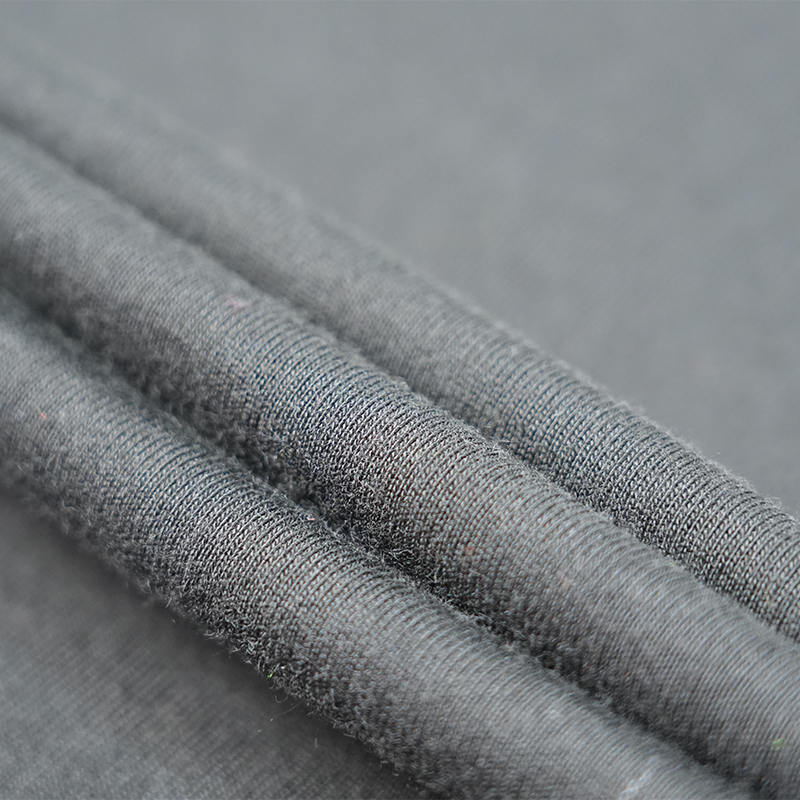
NFPA 70E compliant fabric usually means arc rated flame resistant material used for garments worn by electrical workers. NFPA 70E is a workplace electrical safety standard, so buyers normally look for fabric with an arc rating measured to ASTM F1959. 3H Safety Technology Co Limited manufactures functional FR fabric under the 3H Safeloya brand, and NFPA 70E and ASTM F1959 are listed among the standards that its related products have been tested to meet.
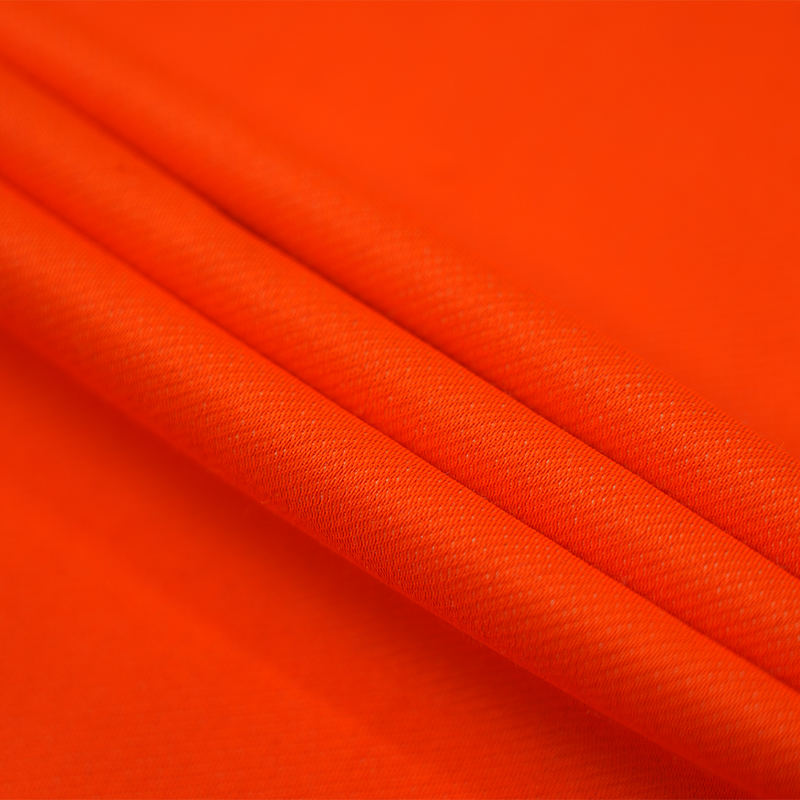
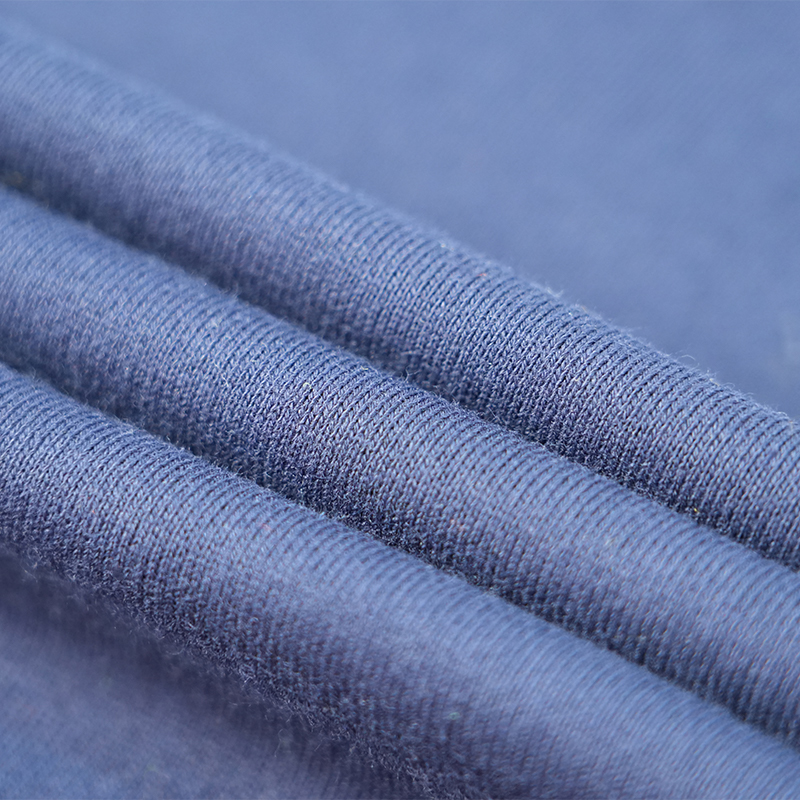
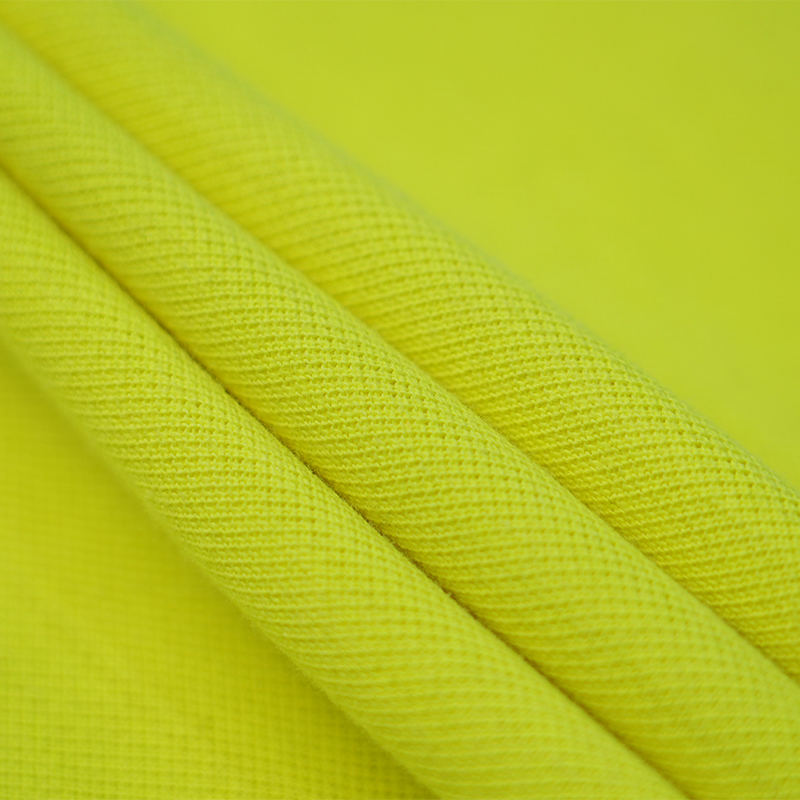
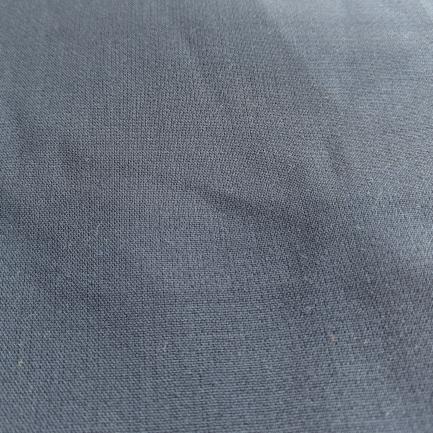
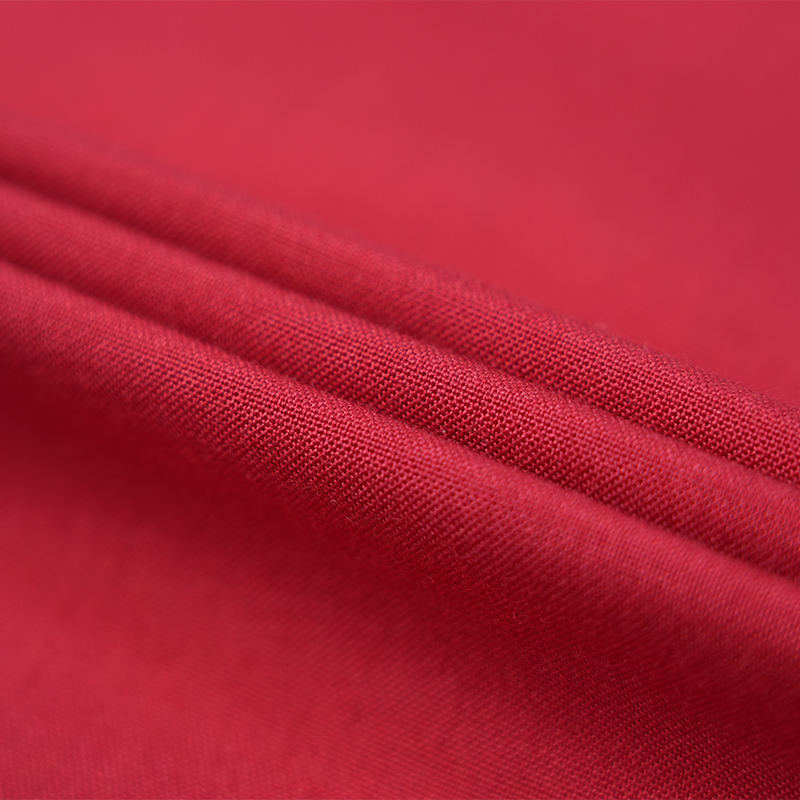
The website groups 13 items under its Electric Arc Protection FR fabric category, with codes such as QFU-02, QFU-04A, PFA-D12, PFA-D42, PFA-DJ2, PFA-D22 and PFA-DL2. Twill, plain and ripstop weaves appear across these items, and 3H also states that arc protection can be added as a function on request.
Buyers include electrical utilities, switchgear contractors, workwear brands and importers. Important parameters are the arc rating in cal/cm2, fabric weight, layering design, colour and flame resistance after washing. Arc rating values for each code are available upon request. For garment programmes, fabric choice should follow the arc hazard assessment, and many buyers also confirm that the fabric remains flame resistant after laundering. 3H can discuss weights and weaves suitable for shirts, trousers and coveralls once the target arc rating is known.
3H works as an OEM and ODM manufacturer and keeps product life cycle traceability. Sample terms, MOQ and lead time are to be confirmed for each code, so please contact us for details.
Product Type
Arc protection FR fabric for electrical workwear
Material
Inherent FR fibre blends; exact composition by fabric code
Performance
Arc rating (ATPV or EBT) per ASTM F1959; values available upon request
Product Structure
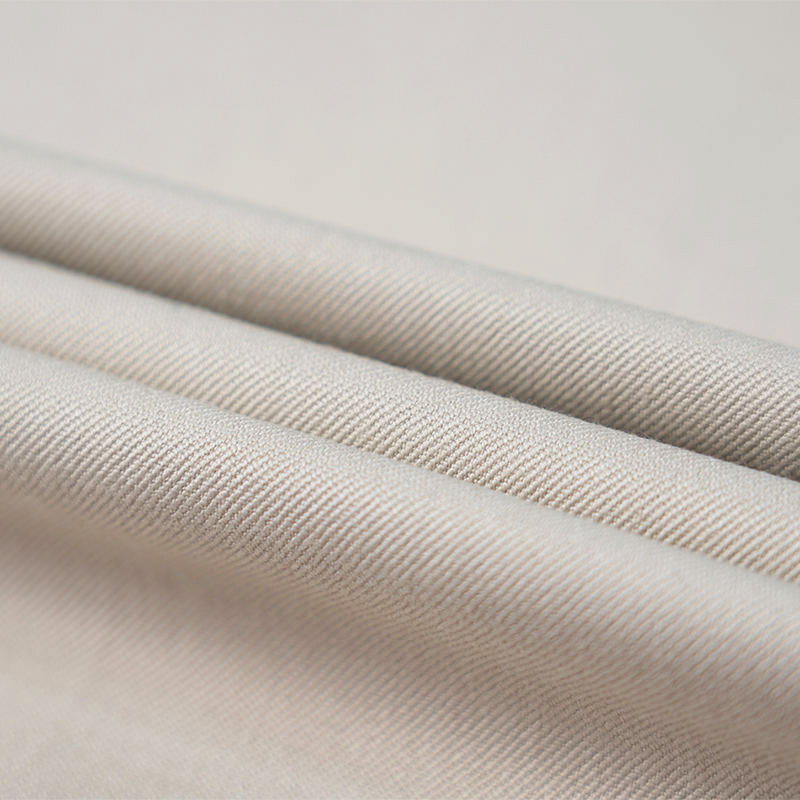
Twill, plain and ripstop weaves; multi-layer designs possible for higher energy levels
Quality Control
Life cycle traceability; testing by SGS, TUV, ITS and a national inspection centre
OEM/ODM and MOQ
OEM and ODM supported; MOQ and samples to be confirmed
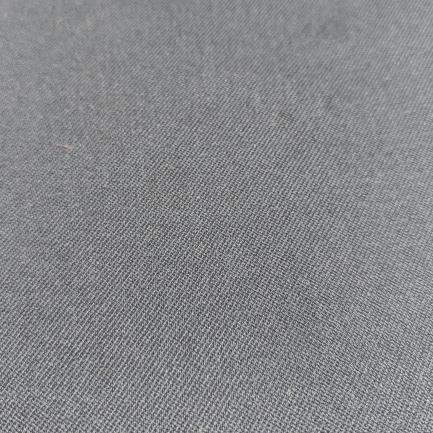
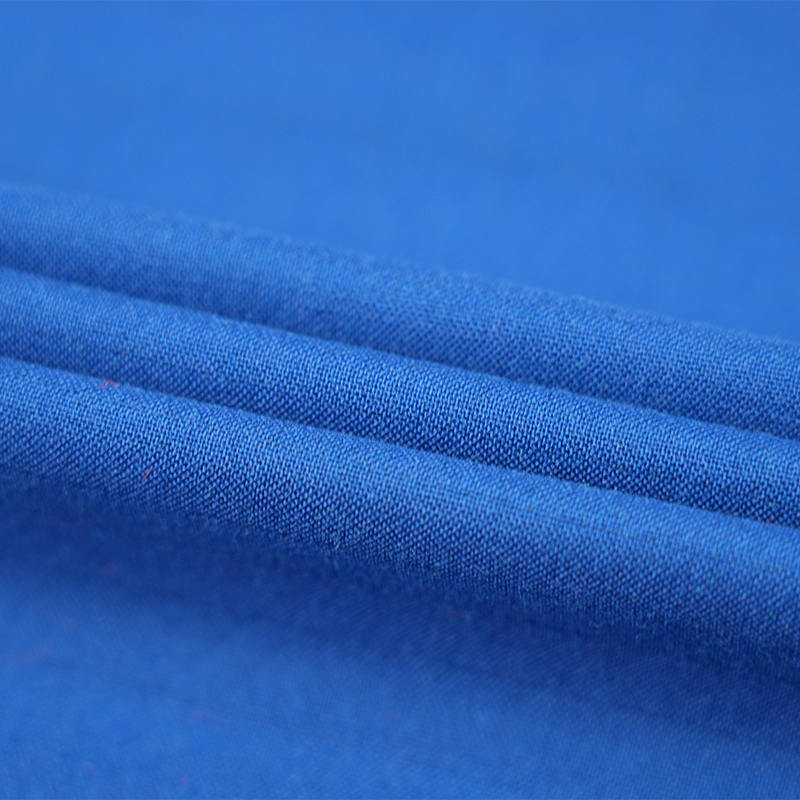
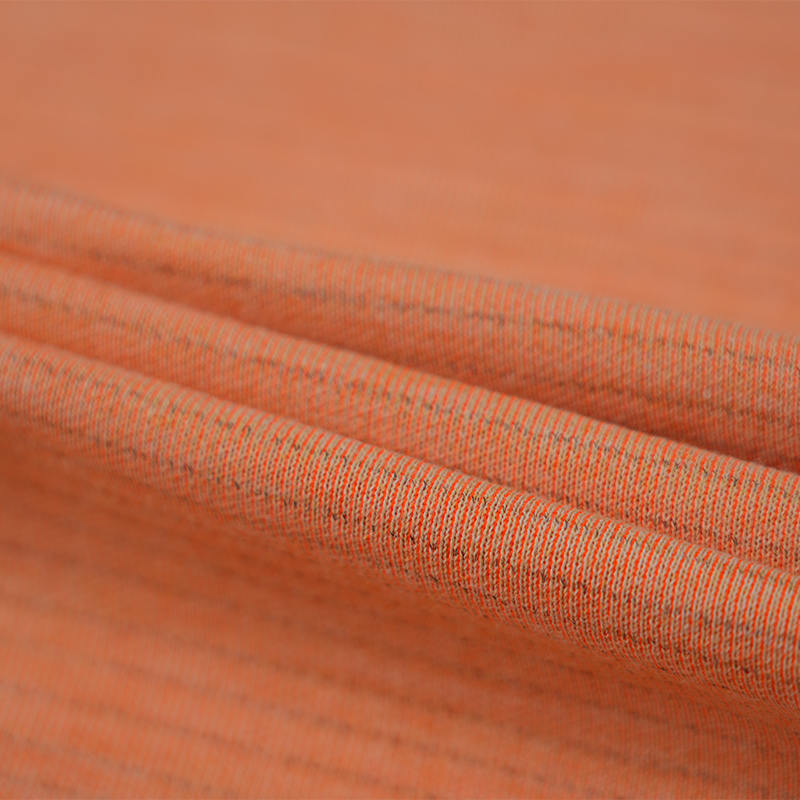
Specifications & Customization
Arc rating and weight are the most important entries and vary by code. We list only what is confirmed and mark other items for confirmation.
| Parameter | Specification | Buyer Note |
| Product Type | Electric arc protection FR fabric | 13 items in the category |
| Material | FR fibre blends | Composition available upon request |
| Weave | Twill; twill and ripstop; twill, plain and ripstop | Depends on code |
| Arc Rating (cal/cm2) | Available upon request | Tested to ASTM F1959 or EN 61482-1 |
| Weight (g/m2) | Available upon request | Depends on code |
| Related Standards | NFPA 70E, ASTM F1959, EN 61482-1 listed | Item reports available upon request |
| Added Functions | Anti-static and three-proof possible | Subject to actual requirements |
| Colour | Customizable | Shade approval to be confirmed |
| Packaging | To Be Confirmed | Please contact us for details |
Customization Options
Weight and Weave
Choose from twill, plain or ripstop codes.
Colour Options
Colour matching for utility uniform programmes.
Functional Configurations
Add anti-static or three-proof functions when the site requires them.
Structural Modifications
Layered fabric ideas can be discussed for higher energy levels.
OEM and ODM Services
Own-design production or development support.
Logo and Branding
Garment branding is handled at garment stage; label needs to be confirmed.
Applications & Target Customers
Application Scenarios
| Industry / Application | Typical Use | Relevant Product Features |
| Electric utilities | Live line and substation workwear | Arc protection FR fabric, durable weaves |
| Switchgear maintenance | Coveralls for panel work | Arc rated fabric with FR performance |
| Power generation | Plant maintenance clothing | FR fabric with anti-static option |
| Industrial electrical contractors | Project crews on industrial sites | Several arc codes by weight |
| Oil and gas electrical teams | Mixed flash fire and arc exposure | Combine arc and FR functions |
Target Customers
Electrical utilities
Need arc rated garments matched to risk assessment categories.
Workwear brands
Need arc fabrics with documents to support garment testing.
Distributors
Need a range of weights and colours for resale.
Contractors
Need cost-effective arc workwear for project crews.
Suitable and Unsuitable Uses
Suitable Uses
Arc rated shirts, pants and coveralls for electrical work
Programmes aligned with ASTM F1959 data
Garments that also need FR performance
Multi-layer designs for higher incident energy
Unsuitable Uses or Applications Requiring Additional Evaluation
Hazards above the fabric rating need extra layers or equipment
Hoods and face protection use separate components
Molten metal hazards need separate evaluation
Chemical splash environments need other materials
Selection Guidance
Application requirements: Start from incident energy
Technical specifications: Compare arc rating, weight and weave
Working environment: Consider heat, washing and layers
Budget and order quantity: Match codes to risk bands
Usage Notes
Incoming check: Check each roll against the approved code
Garment making: Use compatible threads and trims
Use environment: Wear complete arc rated layers
Storage: Keep dry and clean
Maintenance: Follow care instructions; check wear and damage
Replacement: Remove garments that are torn or contaminated
Advantages
Dedicated arc category
The 3H website lists 13 items in its Electric Arc Protection FR fabric category. Buyers can compare weaves and weights within one category.
Buyer benefit: Faster shortlisting for electrical programmes.
Standards coverage
NFPA 70E, ASTM F1959 and EN 61482-1 are listed among standards for related products, and an EN 61482 certificate is displayed. Item-level arc test data for each code is available upon request.
Buyer benefit: Supports document review for tenders.
Multi-function options
Anti-static and three-proof functions can be added to the base fabric when required. Each added function should be confirmed on the chosen code, because stacking functions can change the data.
Buyer benefit: Reduces the need for separate fabrics.
Weave range
Twill, plain and ripstop options are offered across the arc codes. The 13 items in the category give garment makers room to choose between weight and weave.
Buyer benefit: More choice of handle and durability.
OEM and ODM support
Fabric can be produced to a customer's design, or developed with 3H when the arc programme is new. Weight and weave can be discussed against the target arc rating.
Buyer benefit: Lets utility buyers keep their own garment specification.
Traceability
Life cycle traceability is part of 3H's quality management, with rolls intended to reflect the certified sample. For arc fabrics this links each delivery to the code that carries the test data.
Buyer benefit: Repeat orders stay consistent with approved arc data.
Frequently Asked Questions
- Q: Is there a fabric that is certified as NFPA 70E compliant?
- A: NFPA 70E is a workplace standard, so the fabric is usually described by its arc rating under ASTM F1959. We can supply arc test data for each code on request.
- Q: Which arc fabrics do you offer?
- A: The site lists QFU-02, QFU-04A, PFA-D12, PFA-D42, PFA-DJ2, PFA-D22 and PFA-DL2, among others. Please contact us to match a code to your incident energy.
- Q: What arc ratings do your fabrics have?
- A: Ratings differ by code and are available upon request with the test report.
- Q: Can the fabric also be anti-static?
- A: Yes, anti-static function can be added according to customer requirements.
- Q: Do you provide OEM and ODM services?
- A: Yes. Fabric can be produced to a customer's design, or developed with 3H when the arc programme is new.
- Q: What about MOQ and samples?
- A: MOQ, sample terms and lead time are to be confirmed per code. Please contact us for details.
Contact Us to Learn More
Share your arc hazard level, garment type and target market, and we will suggest arc protection fabric codes with supporting documents. E-mail: 3h01@3hsafe.com.
Incident energy level
Garment type
Weight and colour
Estimated quantity