3H Safety Technology Co Limited.

Protective Apparel Fabric

-- Steady & Reliable Manufacturer --
Product Introduction

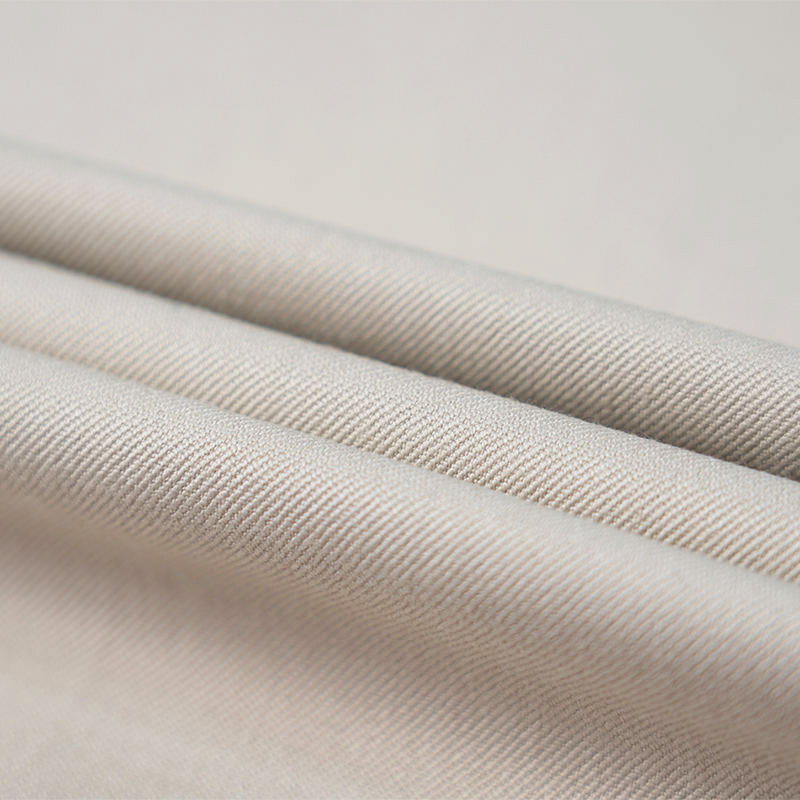
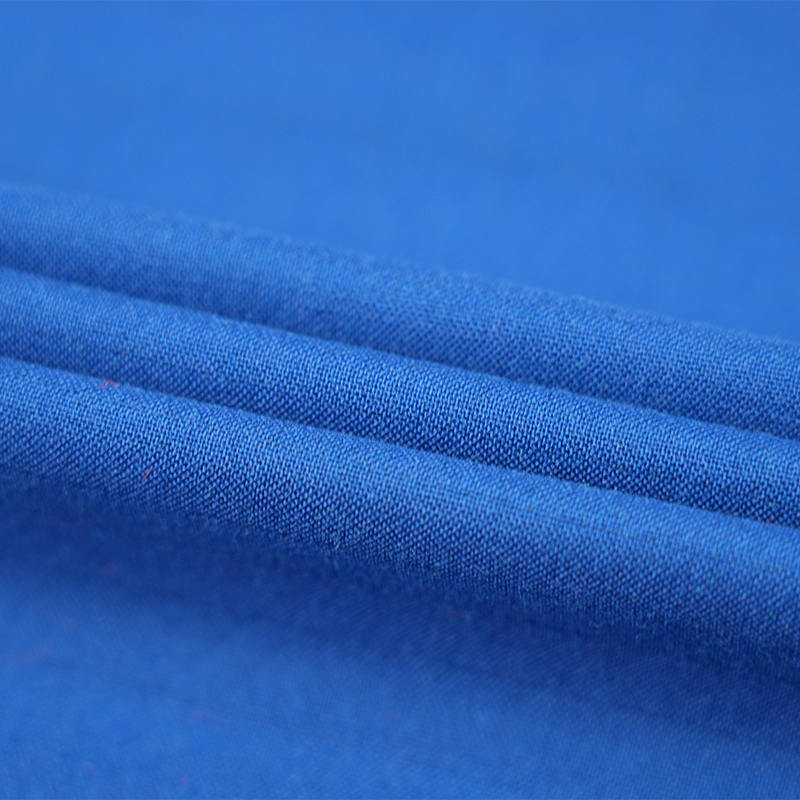
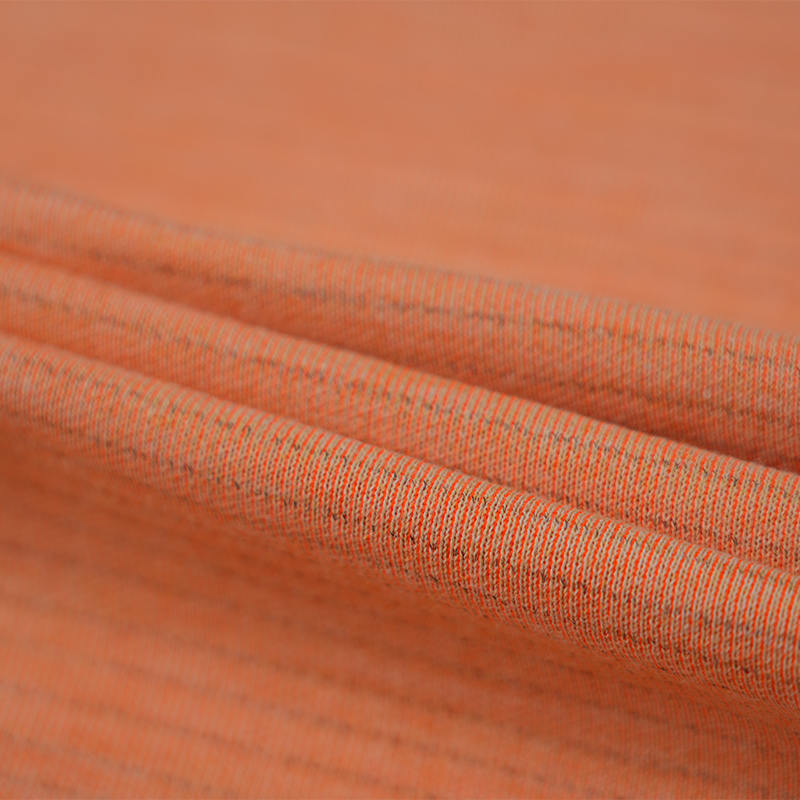
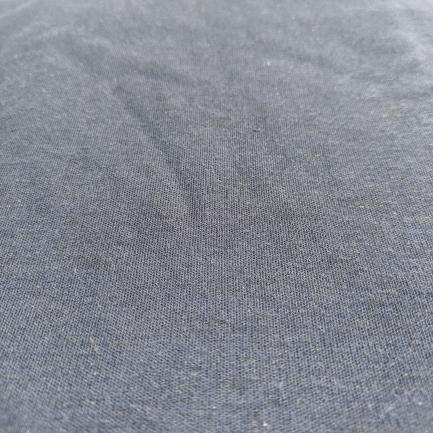
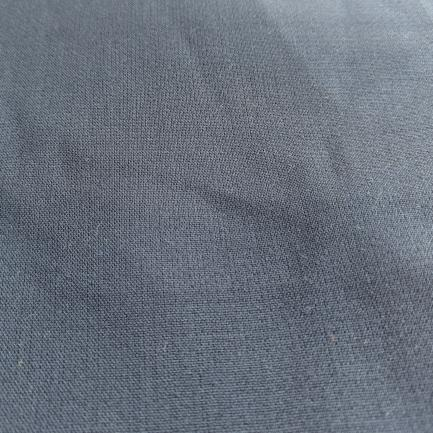
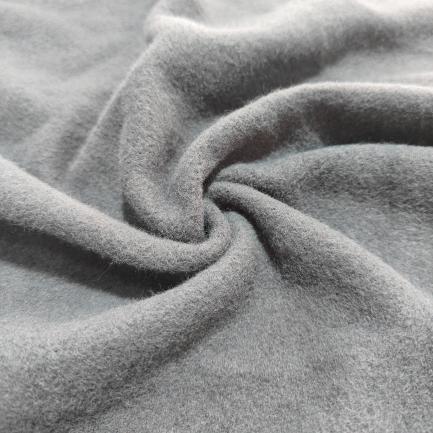
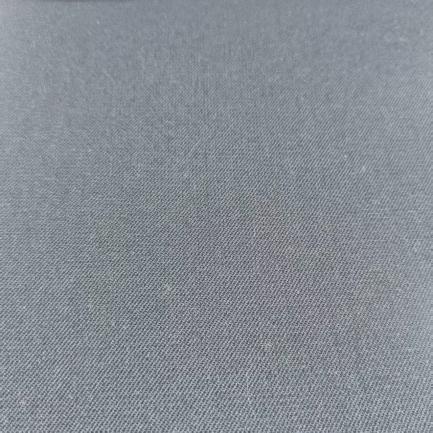
Protective apparel fabric is a broad term for textile materials engineered to shield wearers from specific workplace hazards, such as flame, heat, electric arc, static electricity or molten metal splash. Choosing the right one starts with the hazard, because a fabric designed for one risk may add little against another. Buyers include garment factories, safety brands, distributors and project purchasers.

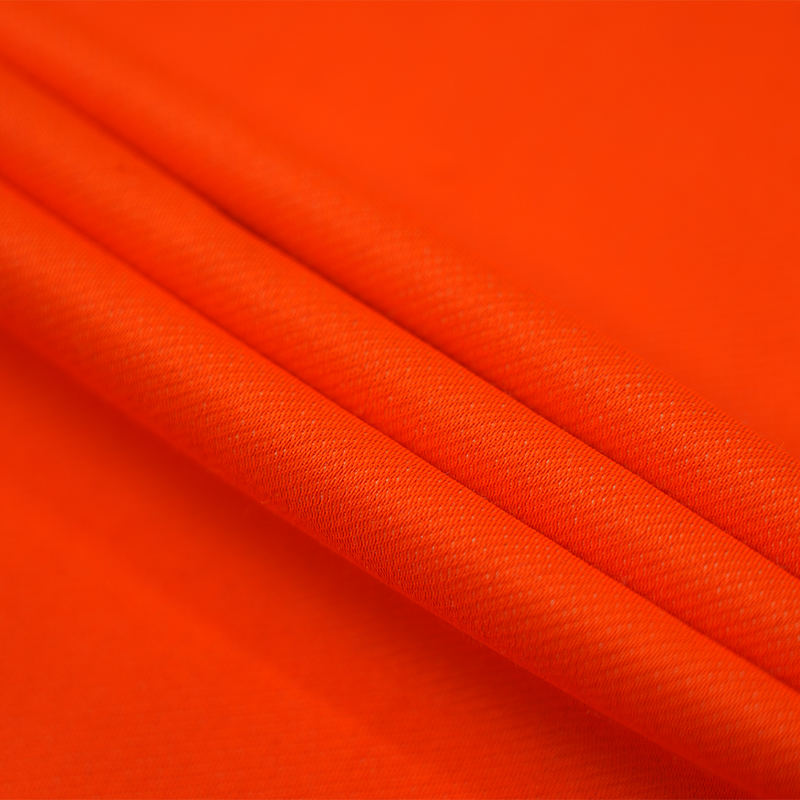
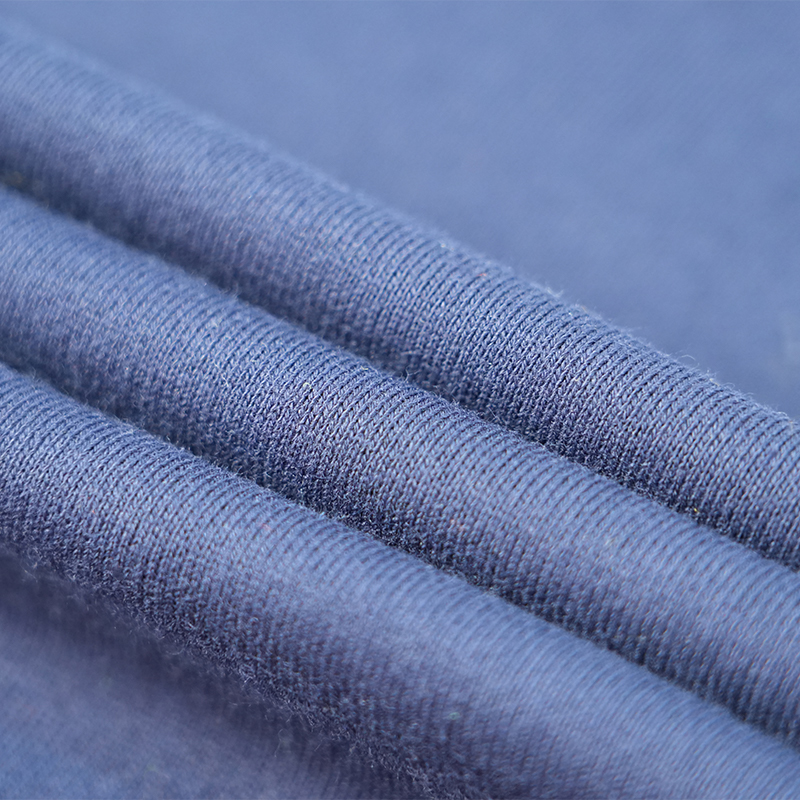
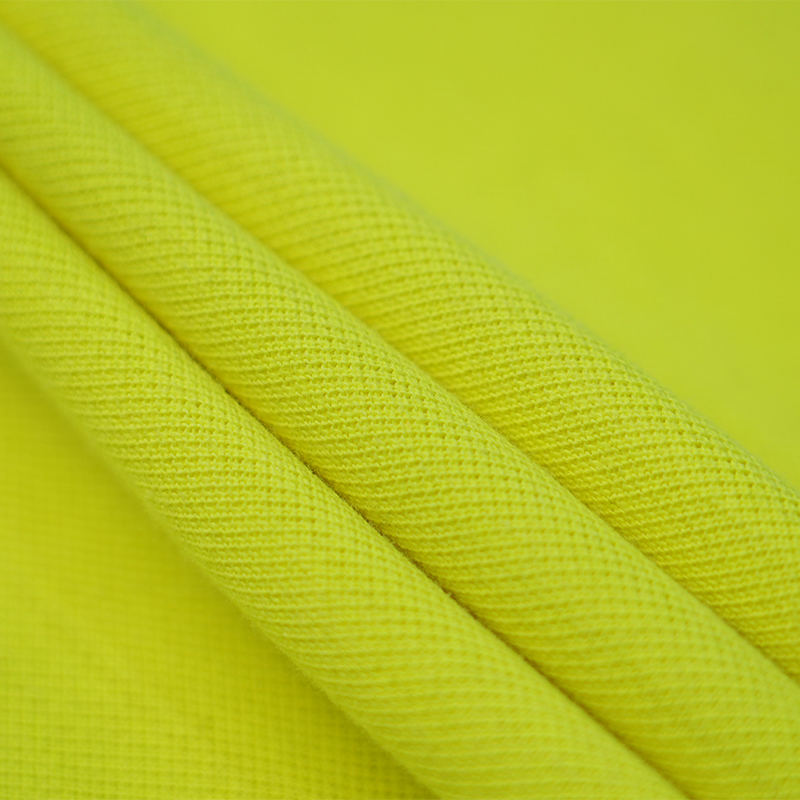
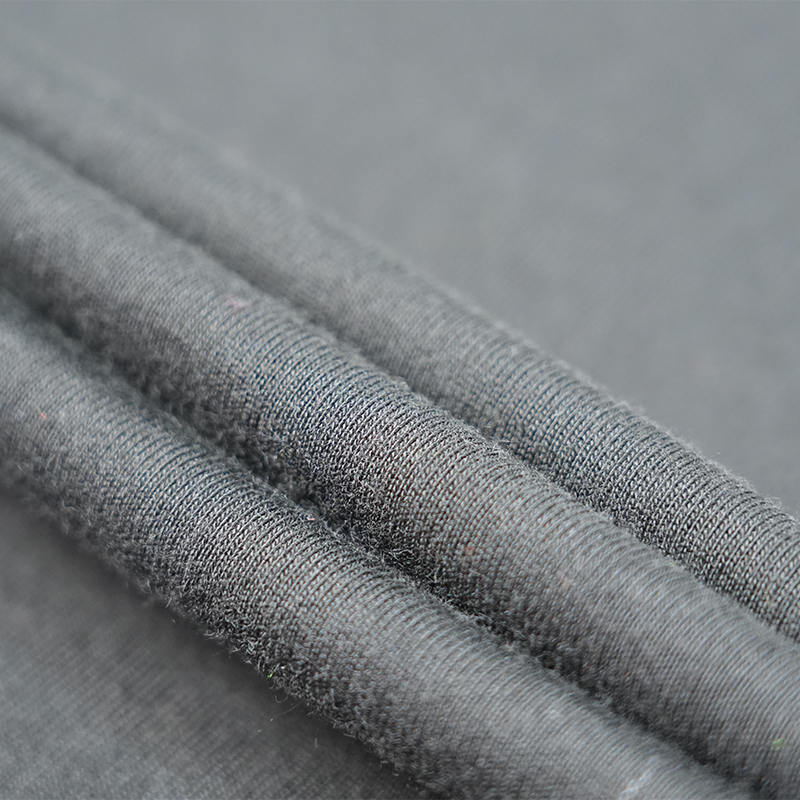
3H Safety Technology focuses on functional flame retardant fabrics under the 3H.Safeloya brand. Flame retardancy is the base, and additional functions are added to customer demand: arc protection, anti-static, molten metal splash, oil and water proofing, and acid and alkali resistance, with hi-vis color on selected fabrics. The portfolio uses aramid, modacrylic and blended fibers, and is offered in woven and knitted forms.

The industries named in our supplier profile include petroleum, petrochemicals, chemical engineering, gas stations, electricity, coal mining, steel, metallurgy and firefighting. For a general protective apparel fabric inquiry, the most useful information is the hazard list, target standard, garment type, weight range and color. Weight, width and test data are available upon request.

We develop products in Shanghai and handle production and testing in Nantong. Custom fabric development is available, and OEM/ODM cooperation, samples and MOQ can be discussed according to your project.

Key Procurement Information
Product Type

Aramid FR, arc protection, anti-static, welding and metal splash, hi-vis and knitted fabrics

Material

Aramid, modacrylic and blended flame retardant fibers

Performance

Flame resistance plus added functions such as arc, anti-static and metal splash

Product Structure

Woven and knitted constructions

Customization

Functional configuration, color and fabric development by project

Quality Control

Production and testing center in Nantong; reports on request

MOQ

Available Upon Request

OEM/ODM Services

Can be discussed by project

Product Types & Buying Guide

This overview maps our protective apparel fabrics to the hazards they address. Use it to find the right fabric group before narrowing down by industry.

Product Types
Aramid Flame Retardant Fabric

Aramid fabric referenced to EN 11612, EN 469 and NFPA 2112 for workwear, firefighter and military PPE.

Typical use: Multi-hazard and firefighter garments

Arc Protection FR Fabric

Flame retardant fabric with arc protection referenced to NFPA 2112, NFPA 70E and ASTM F1506.

Typical use: Electrical and utility garments

FR Anti-Static Fabric

Flame retardant anti-static fabric referenced to EN 11612 and EN 1149.

Typical use: Oil, gas, chemical and general industry

Welding and Metal Splash Fabric

Flame retardant, anti-static fabric with welding protection and molten metal splash function.

Typical use: Welding, foundry and steel work

Hi-Vis and Knitted FR Fabric

Flame retardant anti-static hi-vis fabric in woven and knitted forms.

Typical use: Outdoor crews, station wear and base garments

Key Features and Differences
Hazard focus
Each fabric group is built around one main hazard; added functions are layered on the flame retardant base.
Fiber basis
Aramid, modacrylic and blends differ in thermal performance, hand feel and price.
Structure
Woven fabrics suit shells and coveralls; knitted fabrics suit polos, base layers and stretch garments.
Visibility
Hi-vis fabrics are offered on selected types and are confirmed at garment level.
Buying Considerations
Hazard list

List every hazard in the work area, not only the main one.

Standard and market

State EN, NFPA or ASTM requirements for the destination market.

Fiber and comfort

Compare fibers for heat, hand feel and wash behavior.

Weight and structure

Match woven or knitted structure to garment type.

Additional functions

Add anti-static, oil and water proofing or acid and alkali resistance only when required.

Documentation

Ask for reports for each fabric, not one report for the whole range.

Main Points for Buyers
1Start from the hazard, not from fabric names.
2Ask which functions are tested together on the same fabric.
3Confirm whether a function is built into the fabric or added by finishing.
4Compare woven and knitted options for each garment.
5Request fabric-specific test reports.
Buying Guide
Step 1
List hazards and standards. Note flame, heat, arc, static, splash, oil or chemical exposure and the standards required.
Step 2
Match fabric groups. Use the type comparison to narrow to one or two groups.
Step 3
Ask for samples and reports. Receive swatches with documents for the shortlisted fabrics.
Step 4
Agree custom needs. Confirm color, function combination and packaging before a trial order.

Specifications & Customization

ParameterSpecificationBuyer Note
Product TypeAramid FR; arc protection; FR anti-static; welding and metal splash; hi-vis; knitted FRSelect by hazard
Base MaterialAramid, modacrylic and blended flame retardant fibersConfirmed per fabric
Fabric StructureWoven and knittedDepends on garment type
Referenced StandardsEN 11612, EN 469, EN 1149, NFPA 2112, NFPA 70E, ASTM F1506As referenced in product listings
Additional FunctionsArc protection, anti-static, welding, metal splash, oil and water proofing, acid and alkali resistanceSubject to Product Configuration
Weight (gsm)Available Upon RequestVaries by fabric
WidthAvailable Upon RequestConfirm for cutting layout
ColorCustomizable; hi-vis on selected fabricsConfirm per fabric
Test ReportsAvailable Upon RequestSpecify standard and function
PackagingAvailable Upon RequestCustomizable by order
Order TermsMOQ: Available Upon Request. Samples: Please Contact Us for Details. Lead time: To Be ConfirmedSubject to Actual Requirements
Customization Options
Function combination by projectFiber blend selectionColor and hi-vis optionsWoven or knitted selectionOil and water proofingAcid and alkali resistancePackaging by order

Not every function can be combined on every fabric. Send your hazard list and we will confirm which combinations are available, with samples and documents.

Applications & Target Customers

1. Application Scenarios
Industry / ApplicationTypical UseRelevant Product Features
Petroleum and petrochemicalOperations and maintenance garmentsFR anti-static; oil and water proofing options
Chemical engineeringProcess area garmentsFR with acid and alkali resistance, subject to requirement
ElectricityUtility and substation garmentsArc protection and hi-vis options
Steel and metallurgyFurnace and casting area garmentsMetal splash and aramid fabrics
FirefightingDuty and rescue garmentsAramid fabric referenced to EN 469
Coal mining and gas stationsOperational workwearFlame retardant and anti-static fabrics
2. Target Customers
Garment Manufacturers

Source a range of protective fabrics for different customers from one supplier.

Safety Brand Owners

Develop private-label protective lines with custom functions.

Importers and Distributors

Need a catalog covering several hazards with documentation.

Project Buyers

Require fabrics tied to named standards and reports.

3. Suitable and Unsuitable Uses
Suitable Uses
  • Garments for flame, arc, static, metal splash or heat hazards
  • Workwear programs covering several industries or sites
  • Private-label protective apparel using customized functions
  • Tender projects that cite EN, NFPA or ASTM references
Unsuitable Uses or Applications Requiring Additional Evaluation
  • Hazards not covered by the chosen function, such as chemical liquid immersion
  • Applications needing validated multi-layer systems or certified finished garments
  • Environments where required levels exceed the tested values
  • Use with non-flame-retardant underlayers or trims
4. Selection Guidance
Application requirements

List hazards, standards and garment types.

Technical specifications

Compare fiber, weight and test evidence.

Working environment

Consider climate, laundering and wear intensity.

Budget and order quantity

Share volume to discuss terms for each fabric.

5. Usage Notes
  • Inspect fabrics and garments for defects before use
  • Follow care label instructions strictly
  • Avoid unapproved bleaches and softeners
  • Do not combine with melting synthetic underlayers
  • Replace damaged garments promptly
  • Store clean, dry and away from solvents

Advantages

01Wide functional range on a flame retardant base

Arc, anti-static, metal splash, oil and water proofing and acid and alkali functions can be added to customer demand. One supplier can address several hazards.

Basis: Supplier information lists these additional functions.
Buyer benefit: Fewer suppliers to qualify.
02Several fiber families

Aramid, modacrylic and blends are in the portfolio. Fabrics can be compared across fiber types for performance and cost.

Basis: Supplier profile lists aramid, modacrylic and blended fabrics.
Buyer benefit: Better fit between hazard and budget.
03Woven and knitted forms

Both structures are produced, so garments from shells to base layers can be sourced together.

Basis: Listings include woven and knitted fabrics.
Buyer benefit: Simpler sourcing for uniform sets.
04Industry coverage

Petroleum, petrochemicals, chemical engineering, gas stations, electricity, coal mining, steel, metallurgy and firefighting are named as served fields.

Basis: Supplier profile names these industries.
Buyer benefit: Experience with typical documentation needs.
05Production and testing at Nantong

Product development is in Shanghai, with production and testing in Nantong.

Basis: Supplier profile states this arrangement.
Buyer benefit: Clear responsibility from development to test.
06Customization by project

Functional fabrics are developed according to customer demand.

Basis: Supplier information lists customized services.
Buyer benefit: Fabrics follow your specification.

Frequently Asked Questions

  • Q: What kinds of protective apparel fabric do you supply?
  • A: Our range is flame retardant fabric with added functions such as arc protection, anti-static, welding and metal splash, plus hi-vis and knitted types.
  • Q: Which standards do your fabrics reference?
  • A: Listings reference EN 11612, EN 469, EN 1149, NFPA 2112, NFPA 70E and ASTM F1506 depending on the fabric. Compliance is confirmed per fabric.
  • Q: Can several functions be combined in one fabric?
  • A: Some combinations are offered. Please send your hazard list for confirmation.
  • Q: Do you supply aramid fabrics?
  • A: Yes. Aramid fabrics are part of the range alongside modacrylic and blends.
  • Q: What are MOQ and lead time?
  • A: These vary by fabric and customization. Please contact us for confirmed terms.
  • Q: Do you offer custom development?
  • A: Yes, functional fabrics are developed to customer demand. Please contact us for details.

Contact Us to Learn More

Whatever your hazard list looks like, send it to us with the standard and garment types. We will propose fabric groups, samples and the documents needed for your approval.

To help us respond accurately, please include:

Hazards and target standard
Garment type
Fiber or structure preference
Quantity per fabric
Sample and report needs