3H Safety Technology Co Limited.

FR Garment Fabric for Industrial Workers

-- Steady & Reliable Manufacturer --
Product Introduction

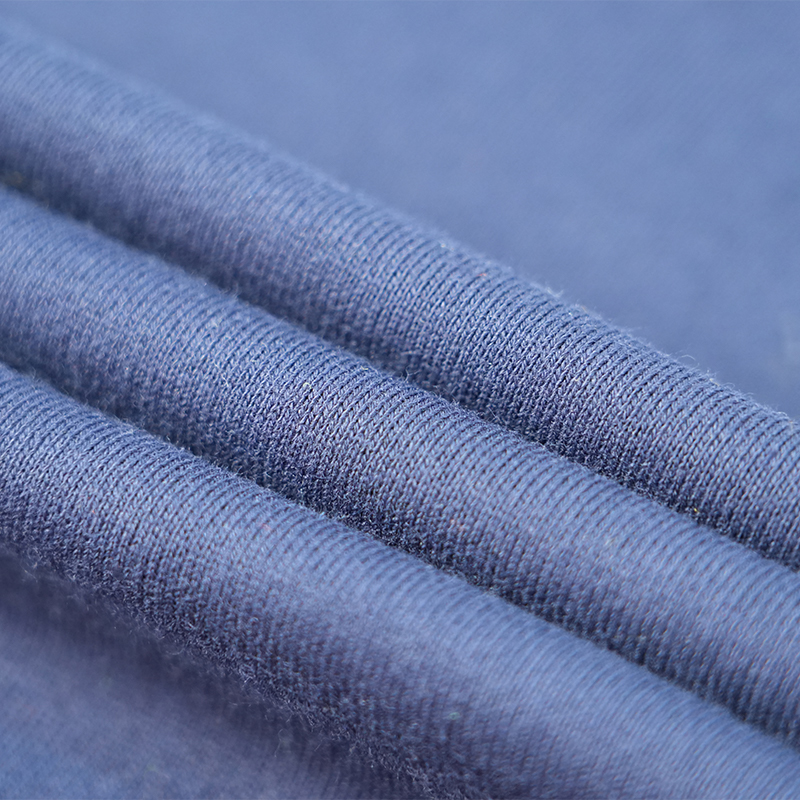
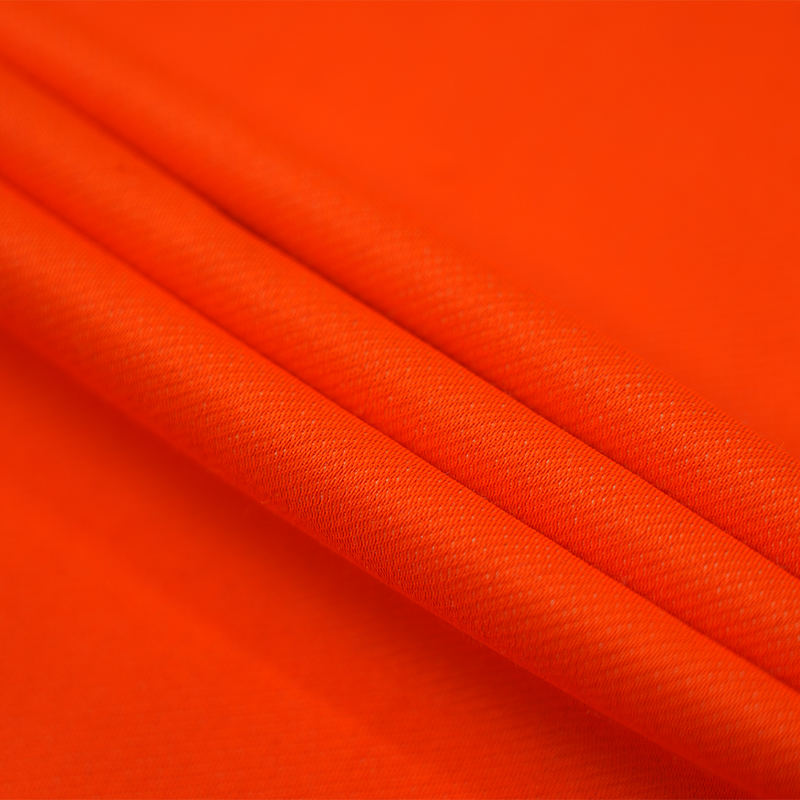
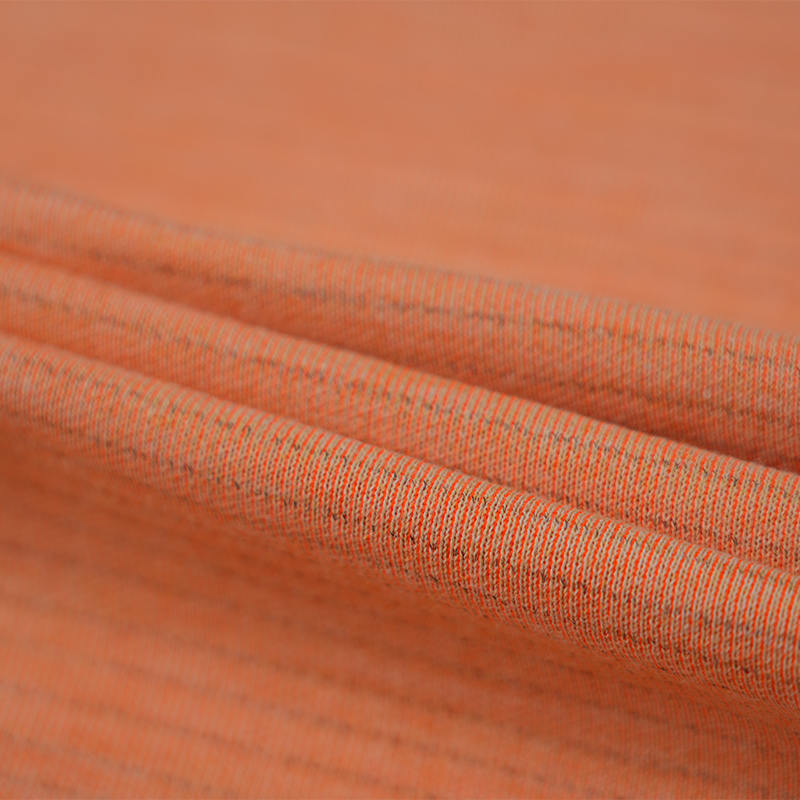
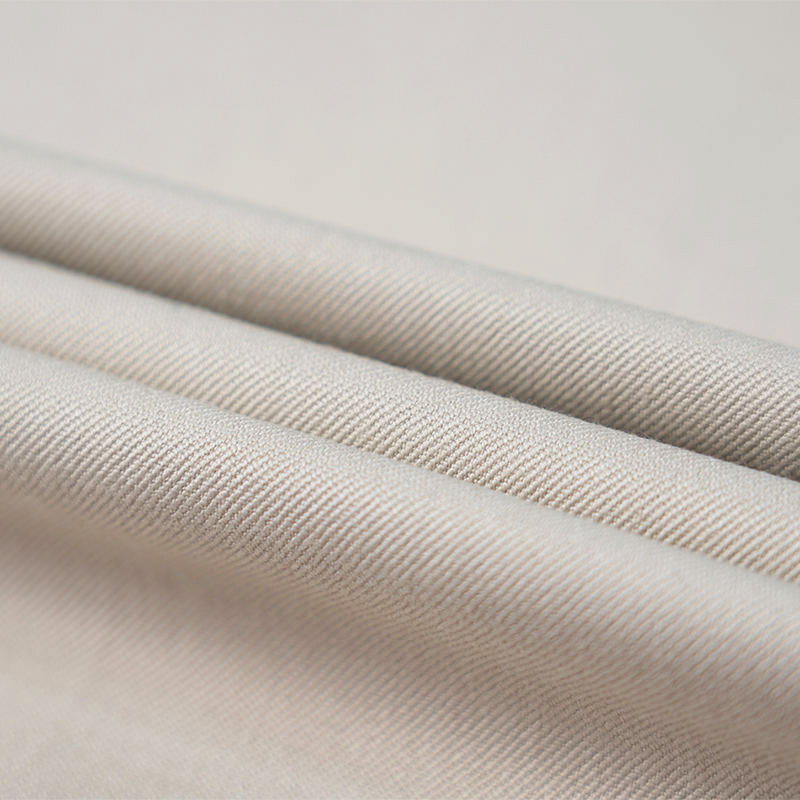
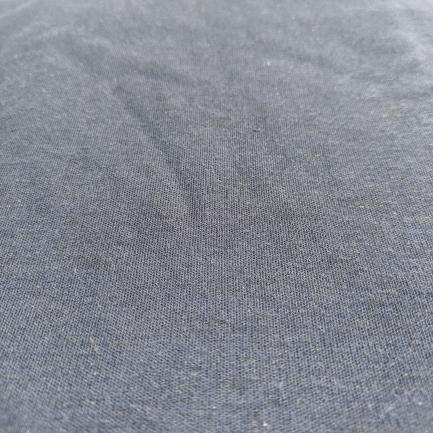
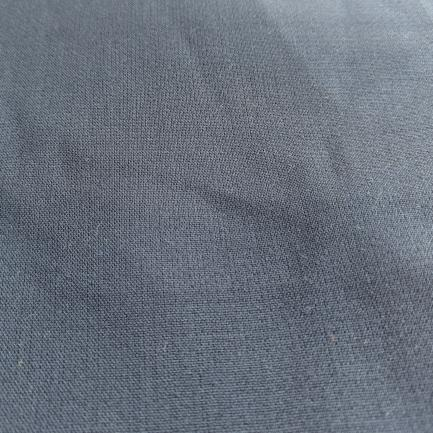
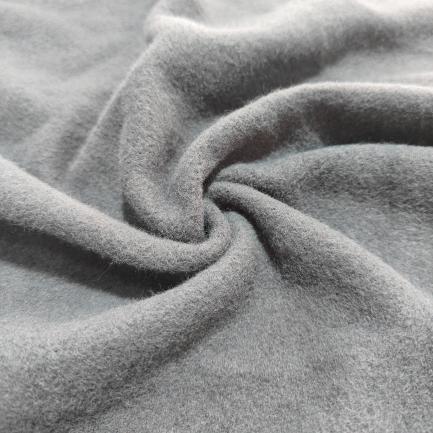
FR garment fabric for industrial workers is flame retardant fabric chosen for everyday garments in factories, plants and field sites, where the main need is dependable protection together with wearer comfort over long shifts. Unlike specialized thermal fabrics, these fabrics are purchased in volume for uniform programs, so shade consistency, washing durability and supply continuity matter as much as the flame performance.

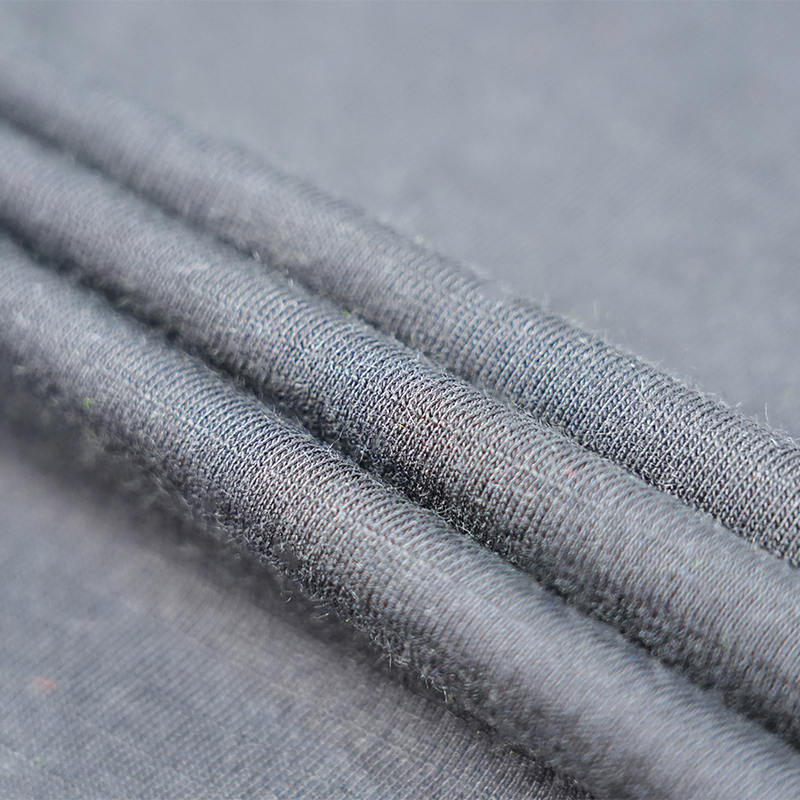
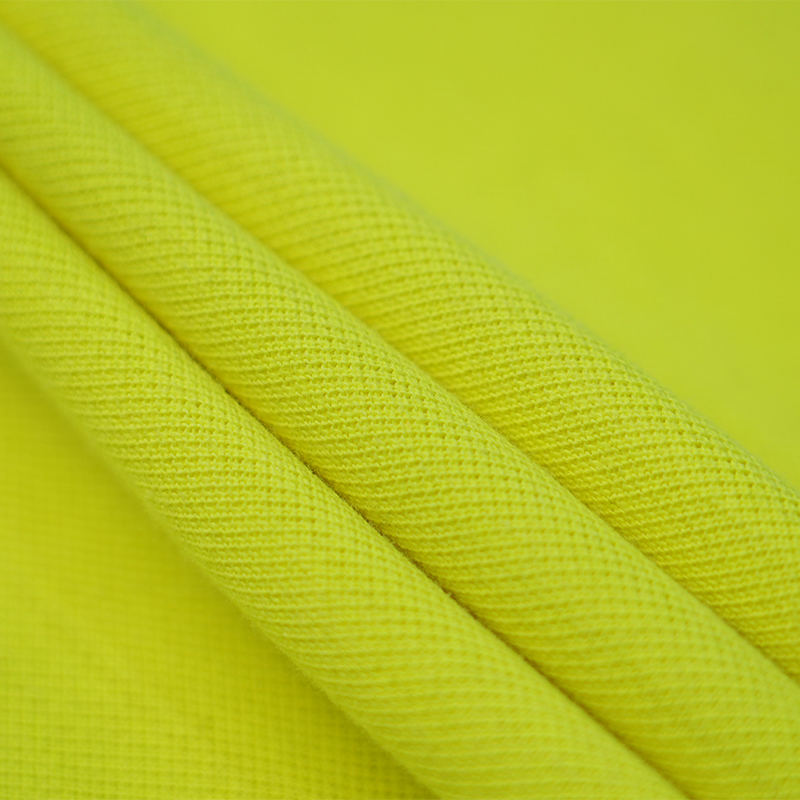
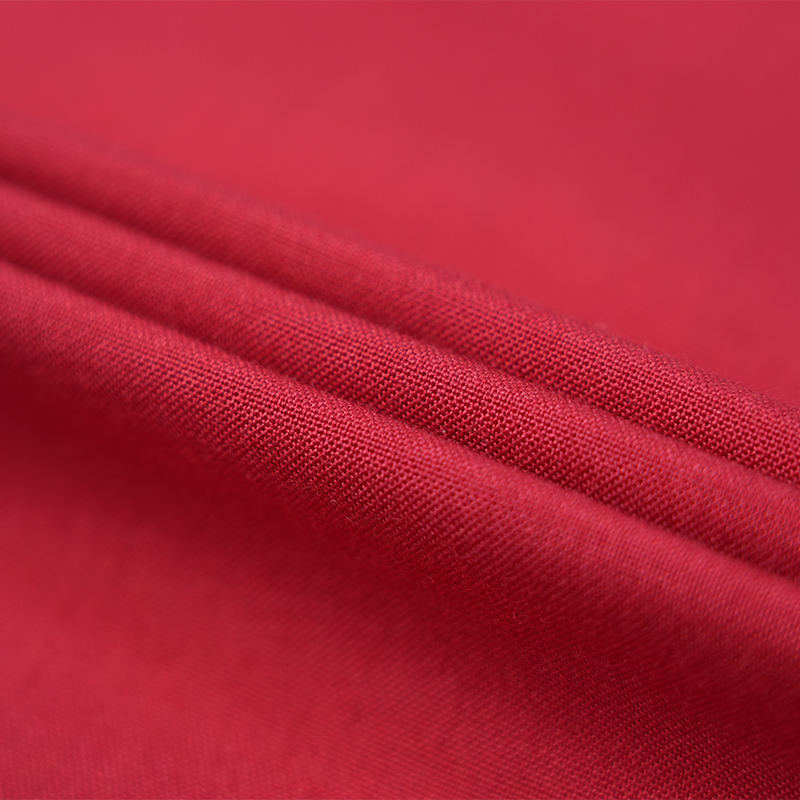
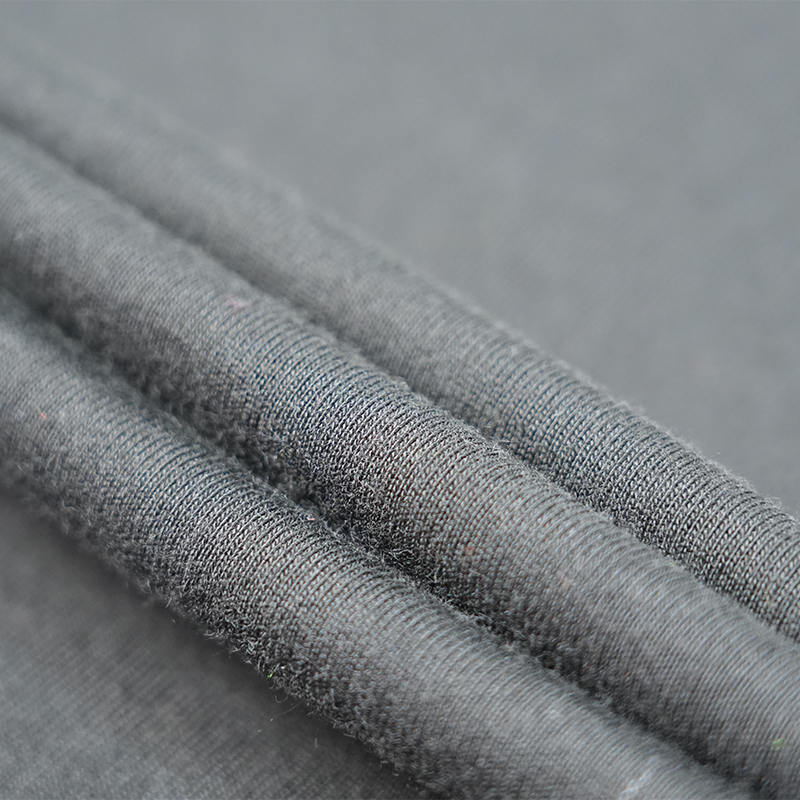
3H Safety Technology develops functional flame retardant fabrics under the 3H.Safeloya brand in woven and knitted forms. The range includes FR and anti-static fabric referenced to EN 11612 and EN 1149, FR arc protection hi-vis fabric, knitted FR anti-static hi-vis fabric, and FR anti-static welding protection fabric for workwear, with aramid options for heavier duty.

Garment makers and uniform buyers compare fiber type, weight, hand feel, color range, shrinkage, wash durability and the documents each customer requires. A mixed workforce often needs several fabrics: sturdy woven fabric for trousers and jackets and knitted fabric for polos and base garments. Weight, width and test data are available upon request.

Development is in Shanghai and production and testing in Nantong. We support custom development, and OEM/ODM cooperation, samples and MOQ can be discussed after we understand your workforce, garments and annual volume.

Key Procurement Information
Product Type

FR anti-static woven, arc hi-vis woven, knitted FR anti-static hi-vis, welding FR fabric

Material

Aramid, modacrylic and blended flame retardant fibers

Performance

Flame resistance with anti-static, arc, welding or hi-vis function by fabric

Product Structure

Woven for shells and trousers; knitted for polos and base garments

Customization

Color, hi-vis and function by project

Quality Control

Production and testing in Nantong; reports on request

MOQ

Available Upon Request

OEM/ODM Services

Can be discussed by project

Product Types & Buying Guide

Everyday FR garments need a balance of protection and comfort. The groups below show how our fabrics map to common garments in an industrial uniform set.

Product Types
Woven FR Anti-Static Fabric (EN 11612 / EN 1149)

Flame retardant fabric with anti-static function for jackets, shirts and trousers.

Typical use: General industrial and maintenance garments

Woven FR Arc Protection Hi-Vis Fabric

Flame retardant fabric with arc protection and hi-vis color for outdoor and electrical crews.

Typical use: Utility and roadside work

Knitted FR Anti-Static Hi-Vis Fabric

Knitted flame retardant fabric with anti-static and hi-vis function for lighter, stretchier garments.

Typical use: Polo shirts, T-shirts and base layers

FR Welding Protection Fabric

Flame retardant anti-static fabric with welding protection for workwear.

Typical use: Welders and fabrication staff

Key Features and Differences
Garment role
Woven fabrics suit outerwear and trousers; knitted fabrics suit shirts and under garments.
Function
Anti-static, arc, hi-vis and welding functions target different tasks within the same workforce.
Comfort
Knitted fabrics generally give more stretch and softer hand feel than heavier woven shells.
Fiber basis
Aramid fabrics are chosen for heavier duty; blends are compared on cost and comfort.
Buying Considerations
Garment mix

List all garments to be made and choose structures for each.

Comfort and climate

Compare weight and structure for hot or cold working conditions.

Wash durability

Ask for post-wash data and shade stability.

Shade consistency

Reorders over years require stable shade control.

Standards and functions

Match anti-static, arc or hi-vis requirements to roles.

Order planning

Confirm MOQ, sampling and lead time per fabric.

Main Points for Buyers
1Choose different fabrics for outerwear and base garments.
2Ask for post-wash data before approving a fabric.
3Plan hi-vis and standard shades separately.
4Write reorder shade tolerance into the contract.
5Confirm functions are available on the same fabric.
Buying Guide
Step 1
List garments and tasks. Define garments, tasks and standards per role.
Step 2
Match fabrics to roles. Select woven and knitted fabrics for each garment.
Step 3
Sample and wash-test. Request swatches and test comfort and washing.
Step 4
Approve and order. Fix specification and place a trial order.

Specifications & Customization

ParameterSpecificationBuyer Note
Product TypeWoven FR anti-static; woven FR arc hi-vis; knitted FR anti-static hi-vis; FR weldingSelect per garment
Base MaterialAramid, modacrylic and blended flame retardant fibersConfirmed per fabric
Fabric StructureWoven and knittedPer garment role
Referenced StandardsEN 11612, EN 1149, NFPA 70E, ASTM F1506As referenced in product listings
Additional FunctionsAnti-static, hi-vis, arc protection, welding protectionSubject to Product Configuration
Weight (gsm)Available Upon RequestVaries by fabric
WidthAvailable Upon RequestConfirm for cutting layout
ShrinkageAvailable Upon RequestAsk for post-wash data
ColorCustomizable; hi-vis shades on selected fabricsConfirm per fabric
Test ReportsAvailable Upon RequestState standard needed
Order TermsMOQ: Available Upon Request. Samples: Please Contact Us for Details. Lead time: To Be ConfirmedSubject to Actual Requirements
Customization Options
Corporate color matchingHi-vis shade optionsWoven or knitted selectionFunction combinationWeight selectionPackaging by order

Send your garment list, colors and annual volume, and we will propose a coordinated set of flame retardant fabrics with samples.

Applications & Target Customers

1. Application Scenarios
Industry / ApplicationTypical UseRelevant Product Features
Petroleum and chemical plantsOperator uniformsFR anti-static fabric
Electric utilitiesField and maintenance garmentsArc hi-vis fabric
Steel and metallurgyPlant workwearFR and aramid fabrics
Welding and fabricationShop floor garmentsFR welding protection fabric
Coal mining and gas stationsOperational uniformsFlame retardant anti-static fabric
2. Target Customers
Uniform Manufacturers

Need a coordinated set of woven and knitted fabrics.

Industrial Distributors

Serve plants and contractors with documented fabrics.

Corporate Procurement Teams

Buy for multi-site workforces with consistent shade needs.

Safety Brand Owners

Develop FR garment lines with custom color.

3. Suitable and Unsuitable Uses
Suitable Uses
  • Everyday FR garments for industrial workers
  • Uniform programs combining shells, shirts and trousers
  • Hi-vis FR garments for outdoor crews
  • Welding and fabrication workwear using protection fabric
Unsuitable Uses or Applications Requiring Additional Evaluation
  • Exposure beyond the performance in the test report
  • Tasks requiring specialized heat or chemical protective garments
  • Use with non-flame-retardant underlayers
  • Sites with extra electrostatic rules requiring further evaluation
4. Selection Guidance
Application requirements

List tasks, garments and standards.

Working environment

Consider climate, laundering and wear.

Performance requirements

Choose functions per role.

Budget and order quantity

Share volume to compare fabrics and terms.

5. Usage Notes
  • Inspect garments for wear and damage regularly
  • Wash following the care label
  • Avoid unapproved bleaches and softeners
  • Do not wear over melting synthetic underwear
  • Replace worn garments promptly
  • Store clean and dry

Advantages

01Woven and knitted from one range

Both structures are produced, which allows shells, shirts and base garments to come from one supplier.

Basis: Listings include woven and knitted FR fabrics.
Buyer benefit: One source for a coordinated uniform set.
02Multi-function options

Anti-static, arc, welding and hi-vis functions are available on a flame retardant base.

Basis: Supplier information lists these functions.
Buyer benefit: Uniforms can be tailored to each role.
03Aramid for heavier duty

Aramid fabric is available where tasks are heavier.

Basis: Listing names EN 11612, EN 469, NFPA 2112.
Buyer benefit: Heavier-duty roles stay in the same range.
04Industrial coverage

Petroleum, chemical, electricity, coal mining, steel and gas stations are named industries.

Basis: Supplier profile lists these fields.
Buyer benefit: Fits multi-industry workforces.
05Production and testing at Nantong

Production and testing are done in Nantong.

Basis: Supplier profile states this.
Buyer benefit: Stable lots for reorders.
06Customization by project

Color, function and weight can be discussed.

Basis: Supplier information lists customization.
Buyer benefit: Fabric follows your uniform standard.

Frequently Asked Questions

  • Q: Which fabric is best for everyday industrial garments?
  • A: A flame retardant anti-static woven fabric is a common choice. The best option depends on tasks, climate and standards, so please share these.
  • Q: Do you offer knitted FR fabrics?
  • A: Yes. Knitted flame retardant anti-static hi-vis fabric is available.
  • Q: Can you match our corporate colors?
  • A: Color is customizable, subject to fabric and quantity.
  • Q: Which standards do your everyday FR fabrics reference?
  • A: Listings reference EN 11612, EN 1149, NFPA 70E and ASTM F1506 depending on the fabric.
  • Q: What MOQ and sample terms apply to everyday FR fabrics?
  • A: These vary by fabric. Please contact us.
  • Q: Can you support reorders with stable shade?
  • A: Shade control is discussed during sampling; please share tolerance requirements.

Contact Us to Learn More

Send us your garment list, tasks, color needs and volume. We will propose a set of flame retardant fabrics with samples and documents.

To help us respond accurately, please include:

Garment list and tasks
Standards and functions
Color or hi-vis needs
Annual volume
Sample needs