 EN
 中文简体
 English
 русский
 Español
 Português
 عربى

Industrial Protective Clothing Material
-- Steady & Reliable Manufacturer --
Product Introduction
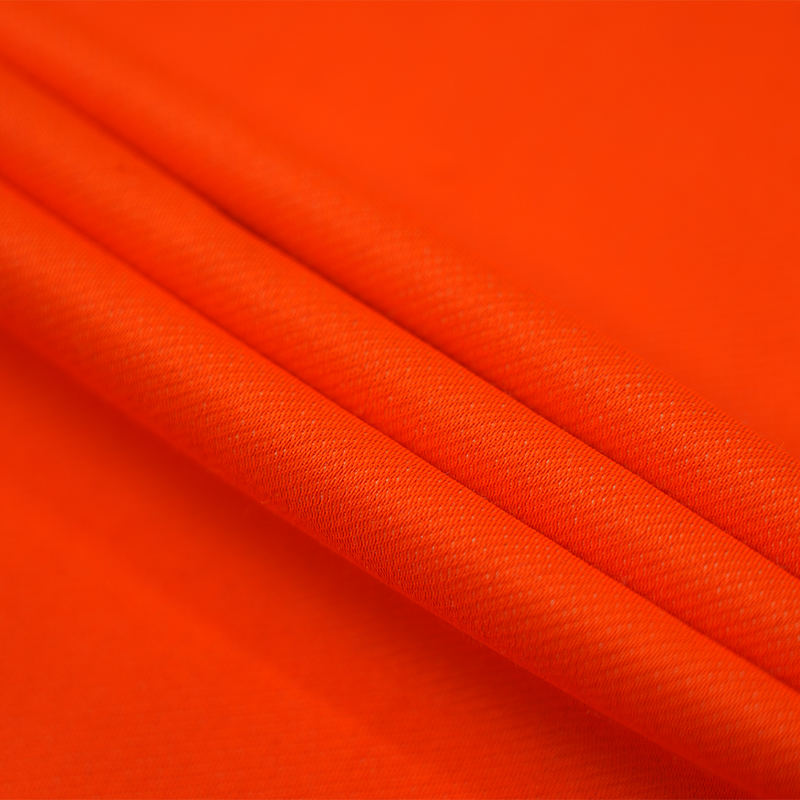
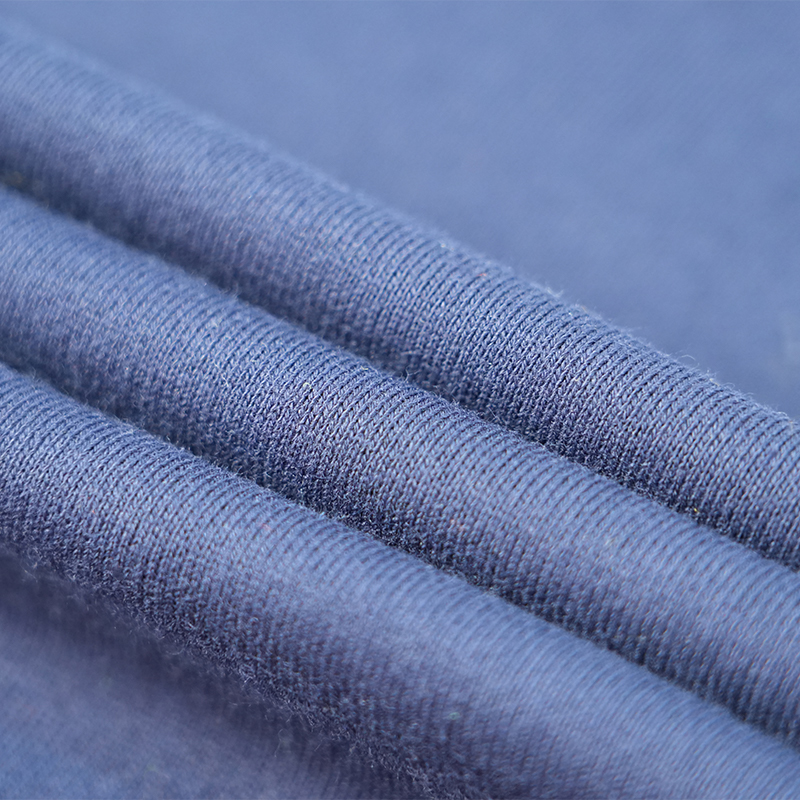
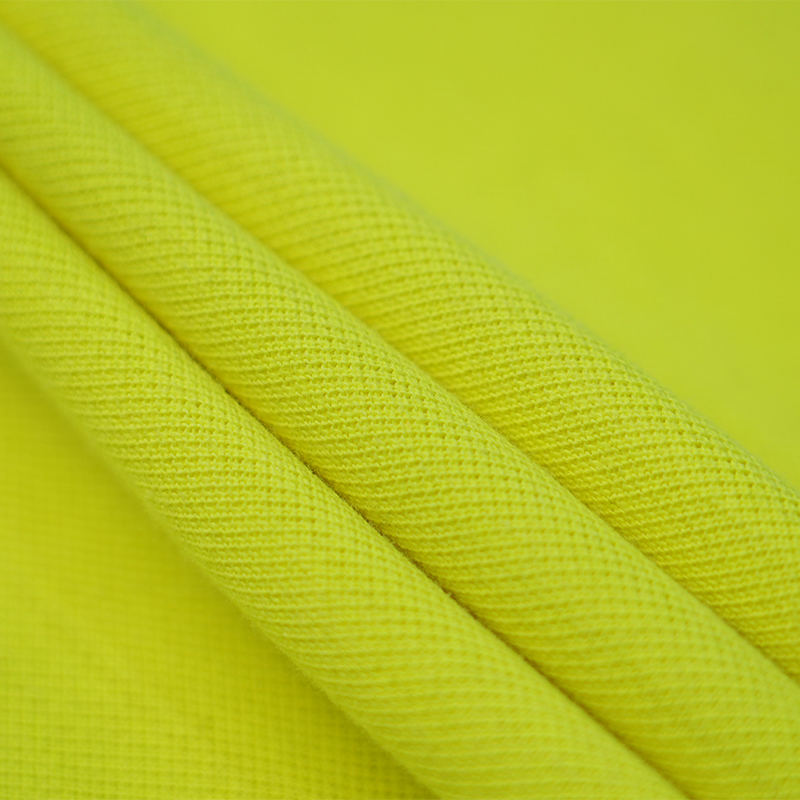
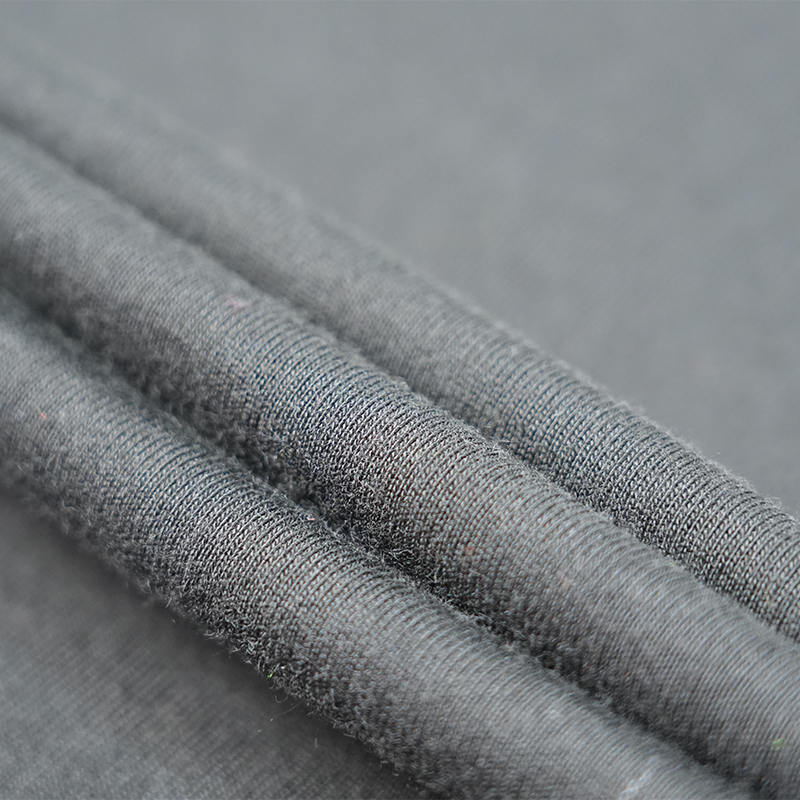
Industrial protective clothing material covers the fabrics used to make garments for workers exposed to fire, heat, arc, molten metal, static and other workplace hazards. 3H Safety Technology Co Limited is a functional fabric manufacturer based on flame retardancy under the 3H Safeloya brand, and its website organises the range by application field and by fabric material.
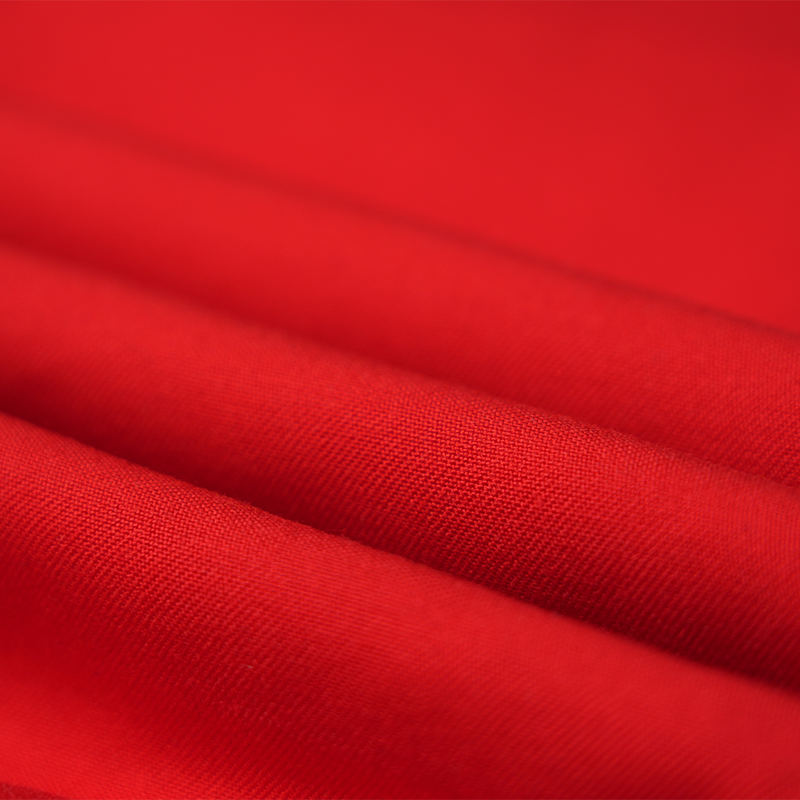
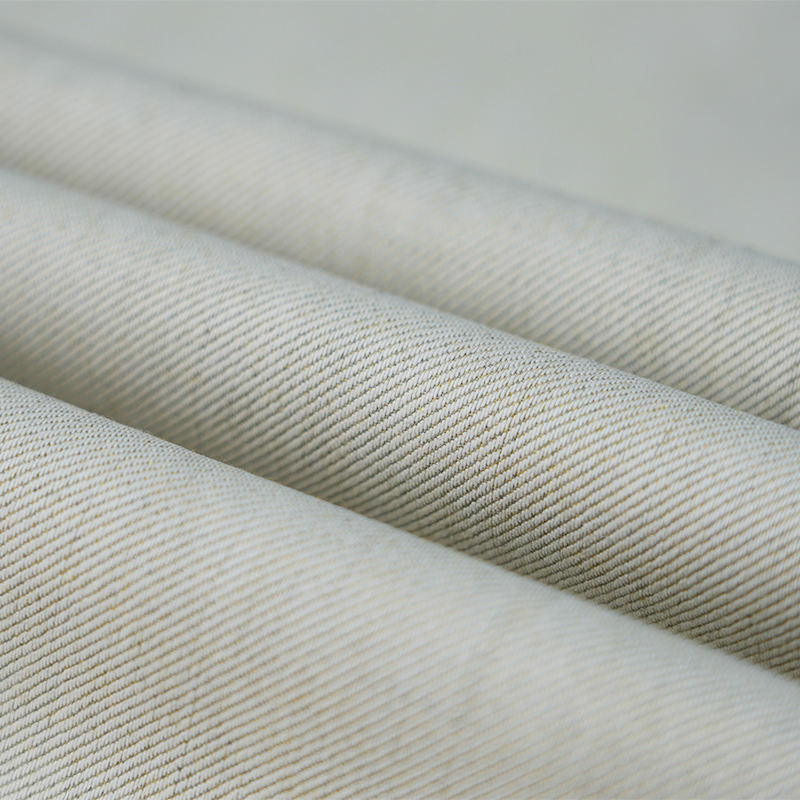
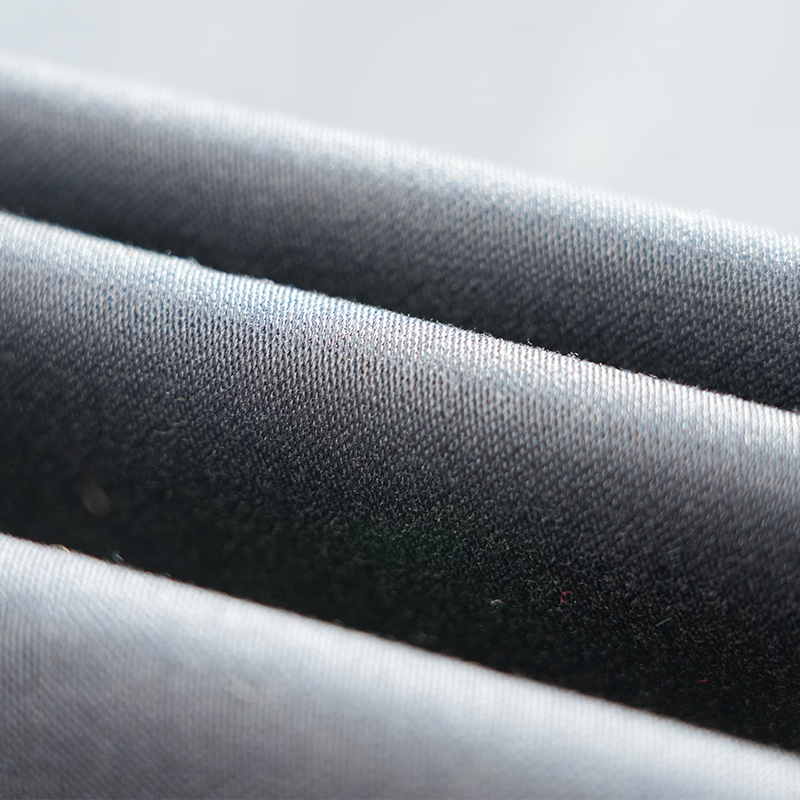
By application field, the website lists categories for oil and gas, welding and machinery, molten metal splash, electric arc protection, military and police, firefighting and rescue, FR knitted, FR hi-vis and FR weft-stretch fabrics. By material, it lists Aramid 3A, aramid blended, modacrylic and cotton, modacrylic blended, polyimide blended, elastic fibre and other new material blends.
This overview suits importers, distributors, workwear brands and project buyers who need a map of the range before choosing specific fabrics. Typical checks include fibre system, weight, weave, colour, standards documents and wash durability. Related products are tested by SGS, TUV, ITS and the National Labor Protection Products Quality Supervision and Inspection Center. Because the range is broad, we recommend naming the main hazard, the market and the target garment in your first inquiry. 3H can then point you to the right application category and material group, and send swatches and available documents for the fabrics on your shortlist.
3H provides OEM and ODM services and maintains product life cycle traceability. MOQ, samples and lead time are to be confirmed per fabric, so please contact us for details.
Product Type
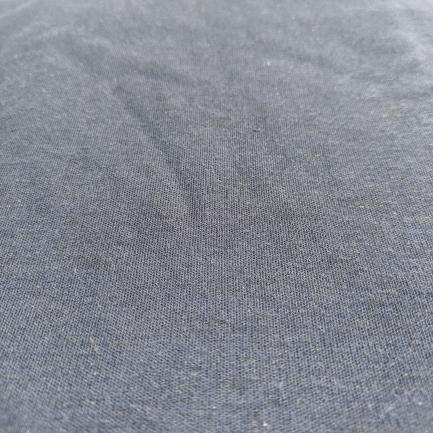
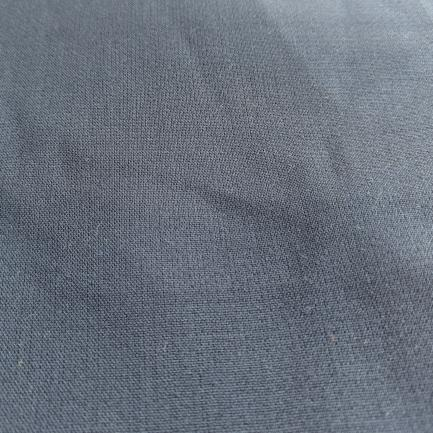
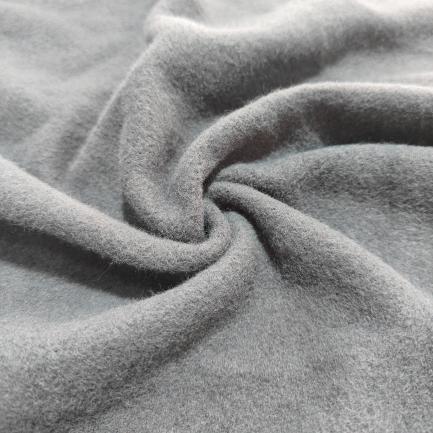
Functional FR fabrics for industrial protective clothing
Material
Aramid, modacrylic, cotton blends, polyimide blends and elastic fibre blends
Range Structure
9 application categories and 7 material categories on the website
Added Functions
Anti-static, arc, metal splash and three-proof
Quality Control
Life cycle traceability; third-party tested products
OEM/ODM and MOQ
OEM and ODM supported; MOQ to be confirmed
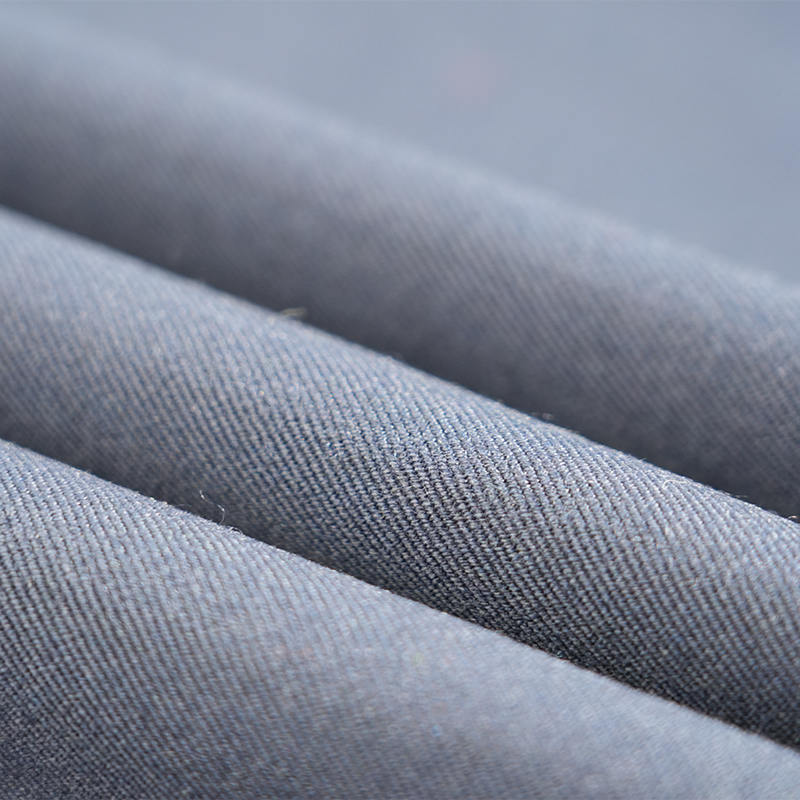
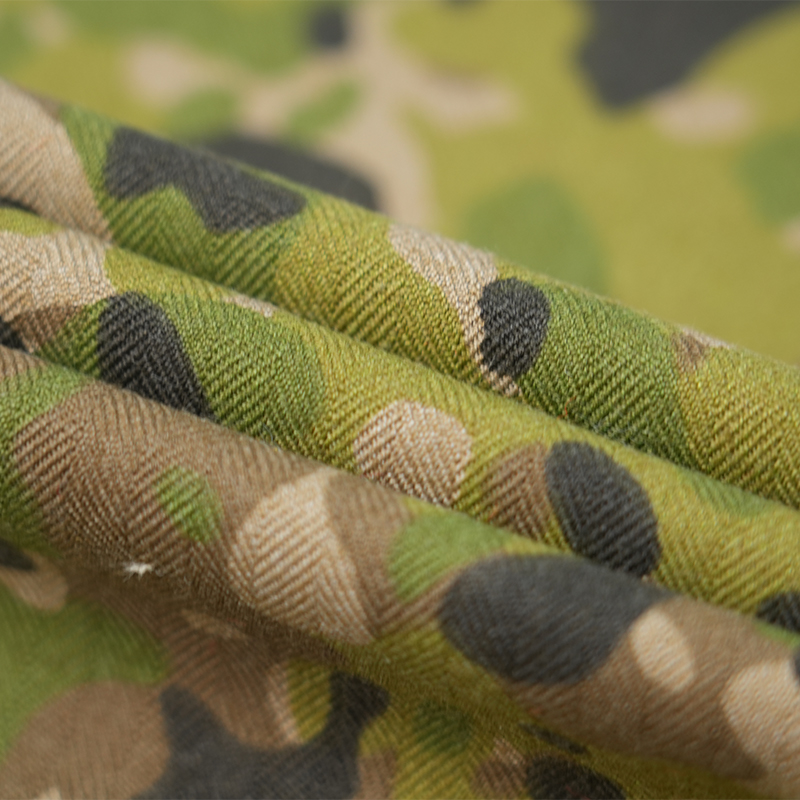
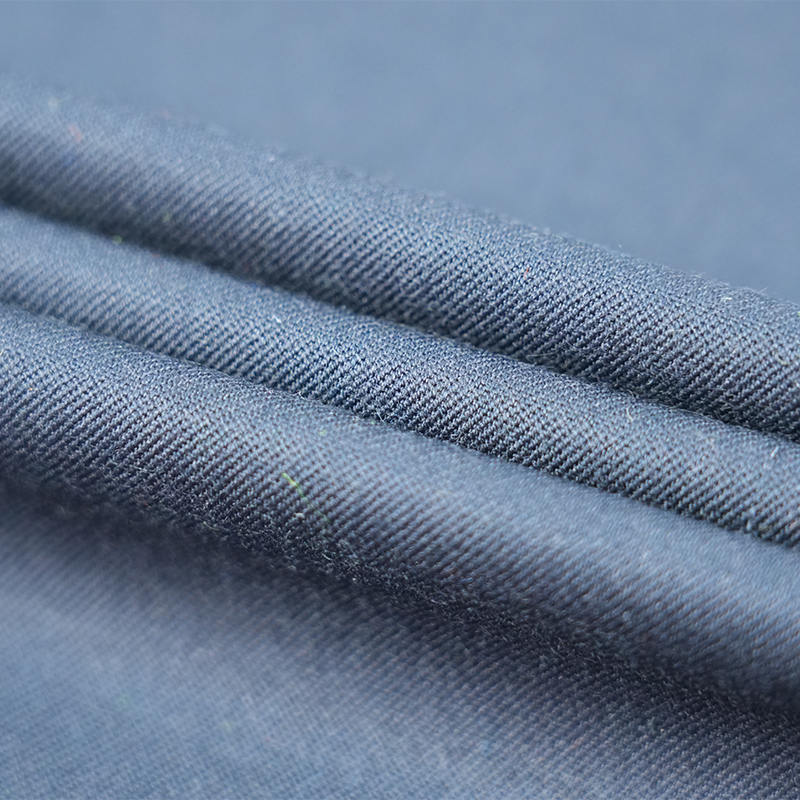
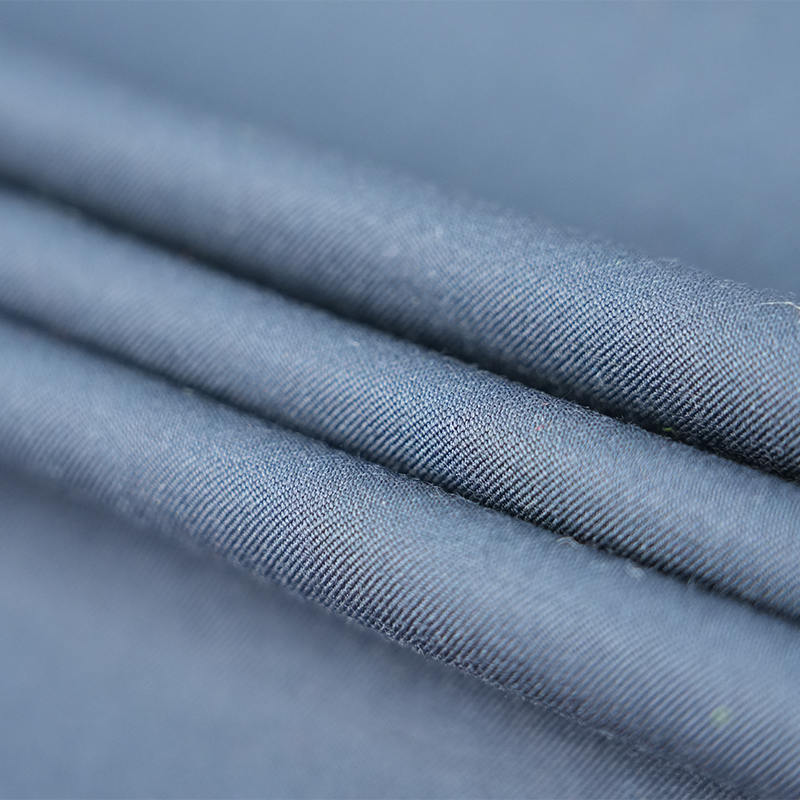
Specifications & Customization
This overview table summarises the range; details for each fabric come from its own product page and test documents.
| Parameter | Specification | Buyer Note |
| Product Type | Functional FR fabrics for protective clothing | Brand: 3H Safeloya |
| Application Categories | Oil and gas; welding and machinery; molten metal; electric arc; military and police; firefighting and rescue; knitted; hi-vis; weft-stretch | 9 categories listed |
| Material Categories | Aramid 3A; aramid blended; modacrylic and cotton; modacrylic blended; polyimide blended; elastic fibre; other new blends | 7 categories listed |
| Listed Standards | EN ISO 11611, EN ISO 11612, EN ISO 1149, EN 469, EN 373, EN 61482-1, ASTM F1959, ASTM F1891, NFPA 70E, NFPA 2112, ANSI 107, GB 8965.1, GB 12014 | Item reports available upon request |
| Weight (g/m2) | Available upon request | Depends on code |
| Colour | Customizable | Shade approval to be confirmed |
| Added Functions | Anti-static, arc, metal splash, three-proof | Subject to actual requirements |
| Packaging | To Be Confirmed | Please contact us for details |
Customization Options
Material Customization
Choose among the seven fibre families.
Functional Configurations
Add anti-static, arc, metal splash or three-proof.
Structure Options
Woven, knitted or weft-stretch.
Colour Options
Colour development for programmes.
OEM and ODM Services
Own-design production or development support.
Packaging Customization
To be agreed per order.
Applications & Target Customers
Application Scenarios
| Industry / Application | Typical Use | Relevant Product Features |
| Oil, gas and petrochemical | Flash fire workwear | Oil and gas fabrics |
| Power and utilities | Arc protective clothing | Electric arc fabrics |
| Welding and machinery | Welding garments | Welding protective fabrics |
| Steel and metallurgy | Molten metal exposed workwear | Metal splash fabrics |
| Fire, rescue, military and police | Special protective uniforms | Aramid and ripstop fabrics |
Target Customers
Importers and distributors
Need a broad range under one supplier.
Workwear brands
Need fabrics with documents for each hazard.
Project buyers
Need compliant fabrics for tenders.
OEM garment makers
Need consistent rolls for cutting.
Suitable and Unsuitable Uses
Suitable Uses
Industrial workwear programmes across several hazards
Brand collections needing multiple FR fabric grades
Distributors building a protective textile catalogue
Projects needing anti-static or arc functions
Unsuitable Uses or Applications Requiring Additional Evaluation
Hazards not covered by FR fabrics, such as gas-tight chemical suits
Specialist extreme heat uses need evaluation
Markets with special approvals need document checks
Any use without matching the fabric to the exact hazard
Selection Guidance
Application requirements: Choose the category by hazard
Technical specifications: Compare fibre, weight and weave
Working environment: Consider climate and washing
Budget and order quantity: Balance grade and volume
Usage Notes
Incoming check: Inspect shade and defects
Garment making: Test shrinkage
Use environment: Match garment to hazard
Storage: Keep dry
Maintenance: Follow care label
Damage: Retire damaged garments
Advantages
Range organised by use
The website sorts fabrics by 9 application fields and 7 material groups. Buyers can navigate by hazard or fibre.
Buyer benefit: Reduces time to shortlist.
Wide standards list
Thirteen standards, including EN ISO 11612, NFPA 2112 and EN 61482-1, are listed for related products. Item-level reports for the chosen code are available upon request.
Buyer benefit: Supports supplier approval.
Third-party testing
SGS, TUV, ITS and a national inspection centre have tested related products. Institutions named on the website include SGS, TUV, ITS and the National Labor Protection Products Quality Supervision and Inspection Center.
Buyer benefit: Independent evidence.
Added functions
Anti-static, arc, metal splash and three-proof can be added. Combinations should be confirmed with us per fabric code.
Buyer benefit: Covers combined hazards.
OEM and ODM support
Own-design production and development support apply across the whole range. A brand can build a multi-hazard collection from one supplier.
Buyer benefit: Simplifies sourcing for broad catalogues.
Traceability
Life cycle traceability follows each product, and third-party testing has been carried out on related products. Buyers across categories can ask for documents by fabric code.
Buyer benefit: One documentation approach across the range.
Frequently Asked Questions
- Q: What types of protective fabric do you make?
- A: Flame retardant functional fabrics for oil and gas, welding, molten metal, arc, military, firefighting, knitted, hi-vis and weft-stretch uses.
- Q: Which fibres are available?
- A: Aramid 3A, aramid blends, modacrylic and cotton, modacrylic blends, polyimide blends, elastic fibre blends and other new blends.
- Q: Which standards are referenced?
- A: EN ISO 11611, EN ISO 11612, EN ISO 1149, EN 469, EN 373, EN 61482-1, ASTM F1959, ASTM F1891, NFPA 70E, NFPA 2112, ANSI 107, GB 8965.1 and GB 12014 are listed. Item reports are available upon request.
- Q: Can you add extra functions?
- A: Yes. Anti-static, arc, metal splash and three-proof functions can be added.
- Q: Do you provide OEM and ODM?
- A: Yes. Own-design production and development support apply across the whole range.
- Q: What are MOQ and lead time?
- A: They are set per fabric, not for the whole range. Please contact us for details on the codes you shortlist.
Contact Us to Learn More
Send your hazards, garment types and target markets, and we will map them to the right fabric categories. E-mail: 3h01@3hsafe.com.
Main hazards
Garment types
Target market
Estimated quantity