 EN
EN 中文简体
中文简体 English
 русский
 Español
 Português
 عربى
عربى

Workplaces exposed to electrical hazards face a sobering reality: arc flash incidents can release energy exceeding 40 calories per square centimeter in milliseconds, causing severe burns or fatalities. The solution that consistently makes the greatest measurable difference is equipping workers with garments made from Electric Arc Protection FR fabric. Research and industry data confirm that properly specified arc-rated workwear can reduce the severity of burn injuries by up to 60% compared to standard clothing, which can ignite and dramatically worsen outcomes. This article explains why FR fabric works, how to choose the right specification, and what standards to look for.
Whether you are a safety manager sourcing workwear for an electrical utility, a procurement officer in the petrochemical sector, or a site supervisor evaluating PPE compliance, this guide gives you the practical knowledge to make informed decisions.
Content
- 1 What Makes Electric Arc Protection FR Fabric Different From Ordinary Flame-Resistant Textiles
- 2 The Science Behind Arc Rated FR Fabric For Workwear: Fiber Types and Their Performance
- 3 How Electric Arc Resistant Protective Textile Reduces Injury Severity: The Data
- 4 Key International Standards for Flame Resistant Arc Flash Clothing Fabric
- 5 Selecting the Right Arc Flash Protective Fabric for Your Industry and Risk Level
- 6 Multi-Hazard Protection: Beyond Basic Arc Rating
- 7 Garment Care and Laundering: Maintaining Arc Protection Over Time
- 8 About 3H Safety Technology Co., Limited
- 9 Frequently Asked Questions
What Makes Electric Arc Protection FR Fabric Different From Ordinary Flame-Resistant Textiles
Not all flame-resistant fabrics provide arc flash protection, and this distinction is critical. Ordinary FR fabrics are designed to self-extinguish when a flame source is removed — they prevent garments from continuing to burn. Arc Flash Protective Fabric, by contrast, must also withstand the intense radiant and convective heat energy released during an electric arc event, which is fundamentally different from an open flame.
The key metric for arc-rated fabric is the Arc Thermal Performance Value (ATPV), measured in cal/cm². This value represents the incident energy at which the fabric has a 50% probability of preventing a second-degree burn. A higher ATPV means greater protection. For example, a fabric rated at 8 cal/cm² is appropriate for low-risk electrical tasks, while high-voltage switchgear work may require 40 cal/cm² or above.
Core Properties That Define Arc-Rated FR Fabric
- Thermal stability: The fabric must not melt, drip, or ignite when exposed to arc flash energy.
- Char formation: On exposure to heat, quality arc-rated textiles form a protective char layer that insulates the skin from continued heat transfer.
- Breakopen resistance: The fabric must not rupture or open under arc flash thermal stress, as breakopen exposes skin directly to the heat source.
- Durability of protection: FR and arc protection properties must be inherent or durable enough to withstand repeated industrial laundering without significant degradation.
The Science Behind Arc Rated FR Fabric For Workwear: Fiber Types and Their Performance
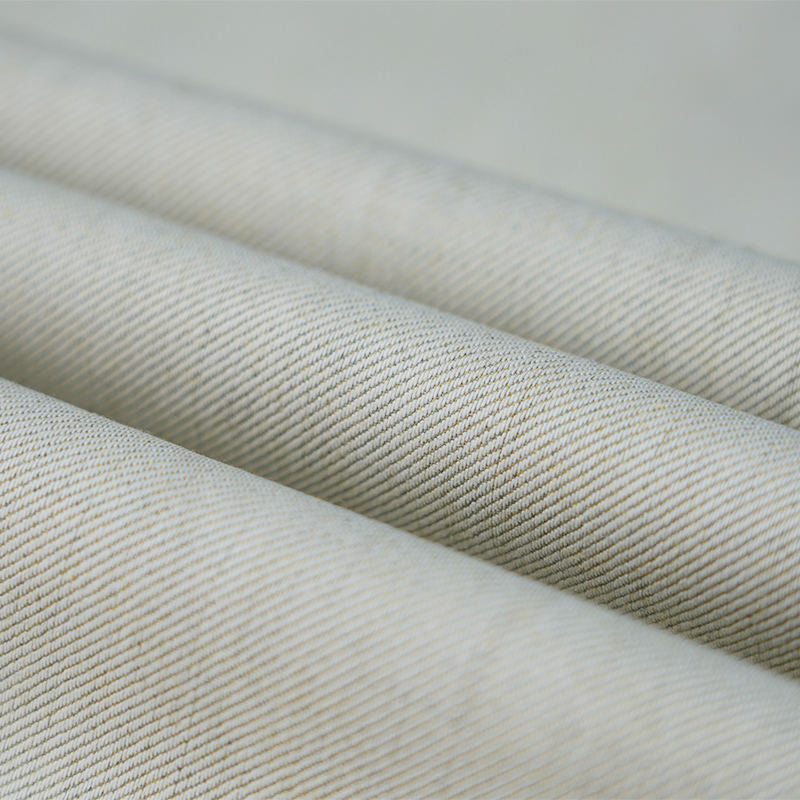
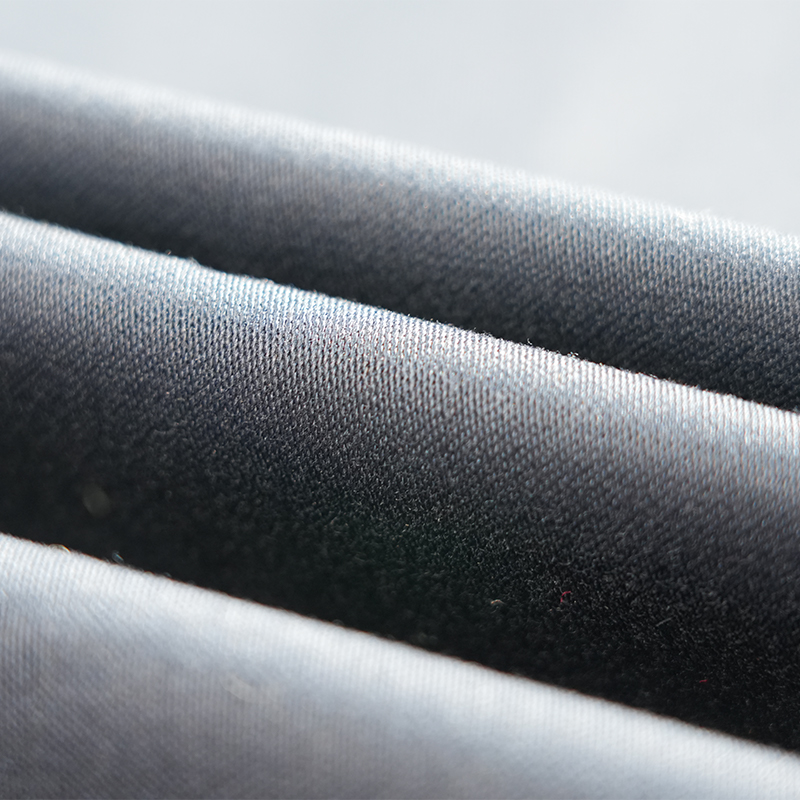
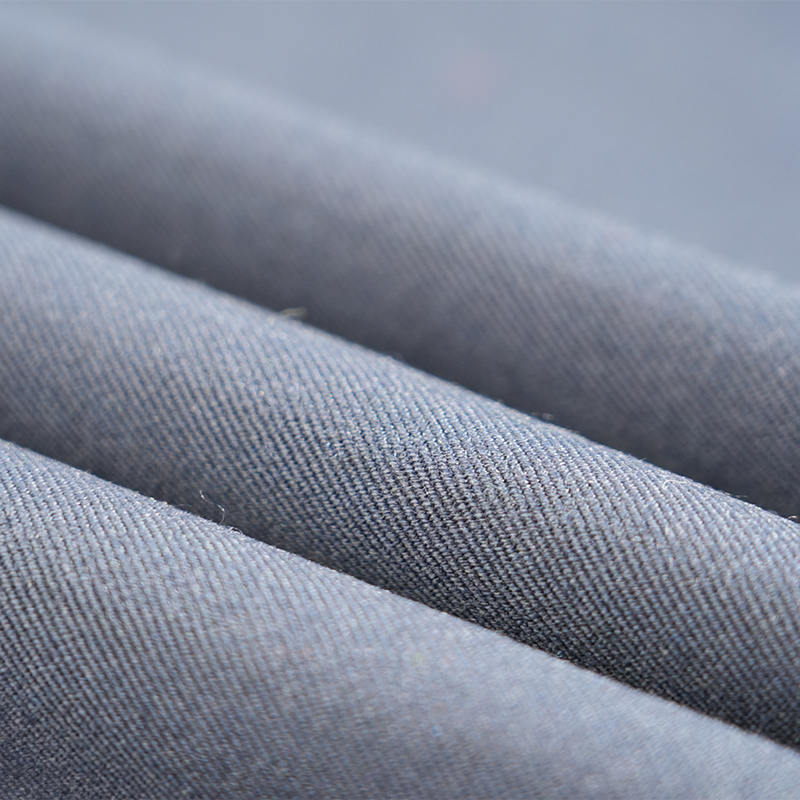
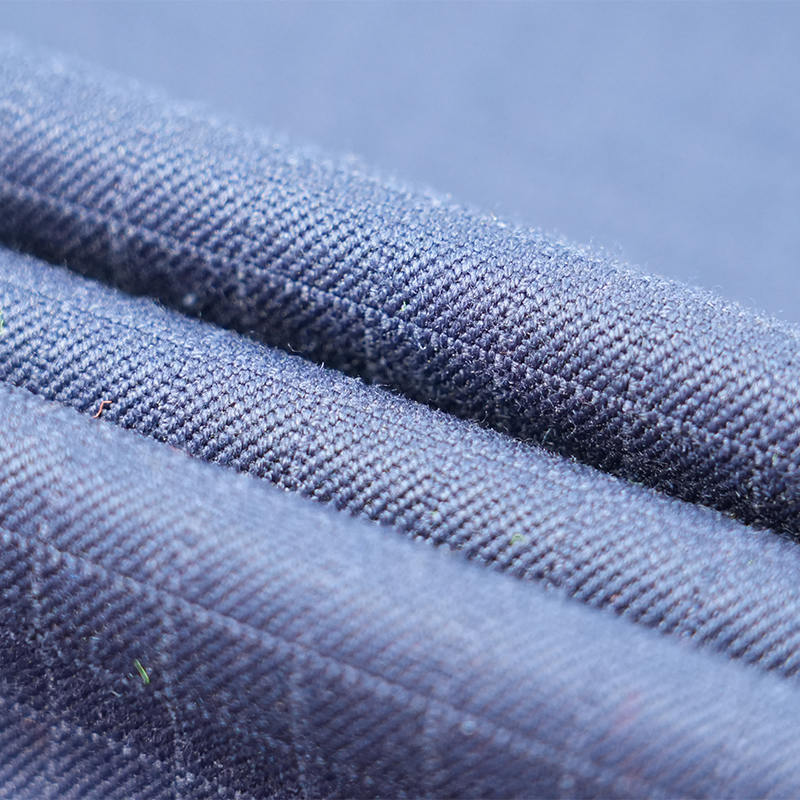
The foundation of any Arc Rated FR Fabric For Workwear is its fiber composition. Different fiber systems offer different balances of protection, comfort, durability, and weight. Understanding these trade-offs helps procurement teams and safety engineers specify the right fabric for each job role.
| Fiber System | Typical ATPV Range | Key Advantage | Consideration |
|---|---|---|---|
| Modacrylic / Cotton Blend | 6–12 cal/cm² | Comfort, softness, daily wear | Moderate arc rating |
| FR Cotton (treated) | 5–10 cal/cm² | Breathability, lower cost | Protection may diminish after 50+ washes |
| Inherent FR (e.g., meta-aramid) | 10–40+ cal/cm² | Durable protection, no degradation | Higher fabric weight |
| Multi-fiber Inherent Blend | 20–60+ cal/cm² | High ATPV, layering capability | Premium specification |
Inherent FR fibers — where flame resistance is a permanent property of the fiber molecule itself — offer the most reliable long-term protection. Treated FR fabrics can be effective when new but require verification that protection levels are maintained throughout the garment's service life.
How Electric Arc Resistant Protective Textile Reduces Injury Severity: The Data
The 60% improvement in worker safety attributed to Electric Arc Resistant Protective Textile is rooted in burn injury prevention data. Standard flammable clothing — polyester, nylon, or untreated cotton — ignites and continues burning after an arc flash, dramatically increasing total burn surface area. Arc-rated FR garments self-extinguish and form a protective thermal barrier.
According to the National Fire Protection Association (NFPA), burns covering more than 40% of body surface area are often fatal. Arc flash incidents in standard clothing can cause full-thickness burns over large body surface areas within fractions of a second. The same incident energy with arc-rated FR clothing typically results in superficial or partial-thickness burns on a significantly smaller surface area — a difference that directly determines survival and recovery outcomes.
Estimated Burn Surface Area (%) by Clothing Type at Same Arc Flash Exposure
Illustrative estimates based on arc flash injury research and NFPA 70E incident data.
Key International Standards for Flame Resistant Arc Flash Clothing Fabric
Selecting Flame Resistant Arc Flash Clothing Fabric that meets recognized international standards is not merely a compliance exercise — it is the only reliable way to verify that a fabric's protection claims are independently validated. Different regions operate under different standard frameworks, and quality suppliers certify their fabrics against multiple systems to serve global markets.
North American Standards (NFPA / ASTM)
- NFPA 70E: Standard for Electrical Safety in the Workplace. Defines arc flash hazard analysis methodology and PPE category requirements by incident energy level.
- NFPA 2112: Standard on Flame-Resistant Clothing for Protection of Industrial Personnel Against Short-Duration Thermal Exposures from Fire.
- ASTM F1959: Test method for determining the ATPV of materials for clothing.
- ASTM F1891: Standard for arc and flame-resistant rainwear.
European Standards (EN / ISO)
- EN 61482-1 / IEC 61482-1: Protective clothing against thermal hazards of an electric arc — defines test methods and performance classes (APC 1 and APC 2).
- EN ISO 11611: Protective clothing for use in welding and allied processes.
- EN ISO 11612: Protective clothing against heat and flame — covers multiple performance levels for convective heat, radiant heat, molten metal splash, and contact heat.
- EN ISO 1149: Protective clothing — electrostatic properties, critical for environments where static discharge could trigger ignition.
Chinese National Standards
- GB 8965.1: Protective clothing — flame-retardant protective apparel.
- GB 12014: Protective clothing — antistatic clothing standard.
Always request third-party test reports from accredited laboratories — not just supplier declarations — when evaluating any Electric Arc Protection FR fabric for your workforce.
Selecting the Right Arc Flash Protective Fabric for Your Industry and Risk Level
Matching fabric specification to actual job hazard exposure is the foundation of an effective arc flash PPE program. Over-specifying adds unnecessary cost and discomfort; under-specifying leaves workers inadequately protected. The starting point is always a site-specific arc flash hazard analysis that quantifies incident energy at each work task.
| PPE Category | Min. ATPV Required | Typical Work Tasks | Common Industries |
|---|---|---|---|
| Category 1 | 4 cal/cm² | Inspecting open panels at low voltage | Facilities, light manufacturing |
| Category 2 | 8 cal/cm² | Work on 480V switchgear | Power, petrochemical |
| Category 3 | 25 cal/cm² | Medium-voltage equipment work | Utilities, steel, coal mining |
| Category 4 | 40 cal/cm² | High-voltage switchgear, substations | Transmission utilities, metallurgy |
In industries such as petroleum, chemical processing, and coal mining, workers frequently face multiple simultaneous hazards — arc flash combined with flash fire risk, metal splash, or static discharge. In these environments, specifying a multi-functional Electric Arc Resistant Protective Textile that combines arc rating with anti-static, molten metal splash, and flame resistance properties is not just preferable — it is essential.
Multi-Hazard Protection: Beyond Basic Arc Rating
Workers in sectors like steel, metallurgy, petroleum, and chemical processing are rarely exposed to just one hazard. An effective Arc Rated FR Fabric For Workwear program must account for the full risk profile of each job role.
Key Combined Protection Properties
- Anti-static (EN ISO 1149 / GB 12014): Prevents electrostatic charge accumulation, critical in petrochemical and gas station environments where static discharge can trigger ignition of vapors.
- Molten metal splash resistance (EN ISO 11612 / EN 373): Required in steel, metallurgy, and foundry applications where molten metal droplets pose a burn risk independent of arc flash.
- Flash fire protection (NFPA 2112 / EN ISO 11612): Essential for workers in petroleum refining, chemical processing, and gas distribution, where flammable vapor clouds present flash fire hazards.
- Water and chemical repellency (three-proofing finish): Protects garment integrity and wearer comfort in outdoor or process environments where exposure to liquids is common.
- High visibility options (ANSI 107): In roadside utility work or mining environments, arc-rated fabric combined with retroreflective tape meets both arc flash and visibility requirements in a single garment.
Industry Adoption of Multi-Function Arc FR Fabric (% of companies surveyed, 2019–2024)
Based on industry safety procurement trend data; illustrative representation.
Garment Care and Laundering: Maintaining Arc Protection Over Time
Even the highest-quality Flame Resistant Arc Flash Clothing Fabric will underperform if garments are improperly maintained. Incorrect laundering is one of the most common reasons arc-rated workwear fails to deliver its rated protection in the field.
- Never use chlorine bleach on FR garments — it degrades FR fiber chemistry and can remove finishes applied to treated fabrics.
- Avoid fabric softeners — they coat fibers and can temporarily impair flame-resistant performance.
- Wash at recommended temperatures — typically 40°C to 60°C for most FR fabrics; high-temperature washing can affect fabric structure.
- Remove contaminated garments from service immediately — oil, grease, and flammable chemical contamination must be fully removed before the garment is worn, as these substances can ignite and negate arc protection.
- Inspect for damage regularly — holes, tears, and worn areas reduce both arc protection and flame resistance. Damaged garments should be removed from service and replaced.
- Follow manufacturer wash cycle limits for treated FR fabrics — most are rated for 50 to 100 wash cycles before re-testing or replacement is recommended.
About 3H Safety Technology Co., Limited
3H Safety Technology Co., Limited is a functional fabric manufacturer based on flame retardancy, with the company's product brand "3H. Safeloya®". The company is committed to product research and development and fabric production, adding multiple functions such as anti-static, arc proof, metal splash proof, and three-proofing according to customer needs.
As a professional OEM Arc Flash Protective Fabric manufacturer and ODM Electric Arc Protection FR Fabric factory in China, 3H Safety Technology serves a wide range of industries including petroleum, petrochemical, chemical, gas stations, power generation, coal mining, steel, metallurgy, and mechanical processing.
Related products have been tested and certified by authoritative institutions including SGS (Switzerland), TUV (Germany), ITS (UK), and the National Labor Protection Products Quality Supervision and Inspection Center. Products meet the requirements of major domestic and international standards including EN ISO 11611, EN ISO 11612, EN ISO 1149, EN 469, EN 373, EN 61482-1, ASTM F1959, ASTM F1891, NFPA 70E, NFPA 2112, ANSI 107, GB 8965.1, and GB 12014.
The company strictly requires comprehensive quality management and fully implements product lifecycle traceability in accordance with national regulations, achieving excellent product quality, environmental protection, and reliable hygiene standards — giving customers and users complete confidence in every meter of fabric supplied.
Frequently Asked Questions
Q1: What is the difference between FR fabric and Arc Flash Protective Fabric?
All arc-rated fabrics are FR (flame resistant), but not all FR fabrics are arc-rated. Standard FR fabric is tested for flame resistance only — it self-extinguishes. Arc Flash Protective Fabric is additionally tested against the radiant and convective energy of an electric arc event and assigned an ATPV rating (cal/cm²). Always verify ATPV certification for electrical work environments.
Q2: How many wash cycles can Arc Rated FR Fabric For Workwear withstand?
Inherent FR fabrics (where protection is built into the fiber) maintain their protection throughout the garment's entire service life regardless of wash count. Treated FR fabrics are typically certified for 50 to 100 industrial wash cycles; beyond this, re-testing is recommended. Always follow the garment manufacturer's care label and washing instructions.
Q3: Can Electric Arc Resistant Protective Textile also provide anti-static protection?
Yes. Multi-function fabrics can combine arc flash protection with anti-static properties meeting EN ISO 1149 or GB 12014 standards. This combination is especially important in petroleum, chemical, and gas station environments where electrostatic discharge could trigger ignition of flammable vapors alongside electrical arc hazards.
Q4: What ATPV rating do I need for working on medium-voltage electrical equipment?
Medium-voltage tasks typically fall into NFPA 70E PPE Category 3 or 4, requiring a minimum ATPV of 25 to 40 cal/cm². However, the exact requirement depends on a site-specific arc flash hazard analysis. Incident energy levels vary significantly with equipment configuration, fault current levels, and working distance. Always conduct or obtain a qualified arc flash study before specifying PPE.
Q5: Does Flame Resistant Arc Flash Clothing Fabric meet both NFPA and EN standards simultaneously?
Yes, it is possible for a single fabric to be certified under both North American (NFPA 70E, ASTM F1959) and European (EN 61482-1, EN ISO 11612) standards, provided it has been independently tested against each standard. Reputable manufacturers supply test reports for each certification. For international projects or multinational operations, specifying dual-standard certified fabric ensures compliance across jurisdictions.
Q6: How should contaminated arc-rated workwear be handled?
Garments contaminated with flammable liquids, oils, or greases must be immediately removed from service and not worn until fully decontaminated. Flammable substance contamination on FR fabric significantly reduces or eliminates arc protection — the contaminant itself can ignite and sustain combustion regardless of the fabric's FR properties. Follow the manufacturer's decontamination protocol or replace the garment if contamination cannot be fully removed.