 EN
EN 中文简体
中文简体 English
 русский
 Español
 Português
 عربى
عربى


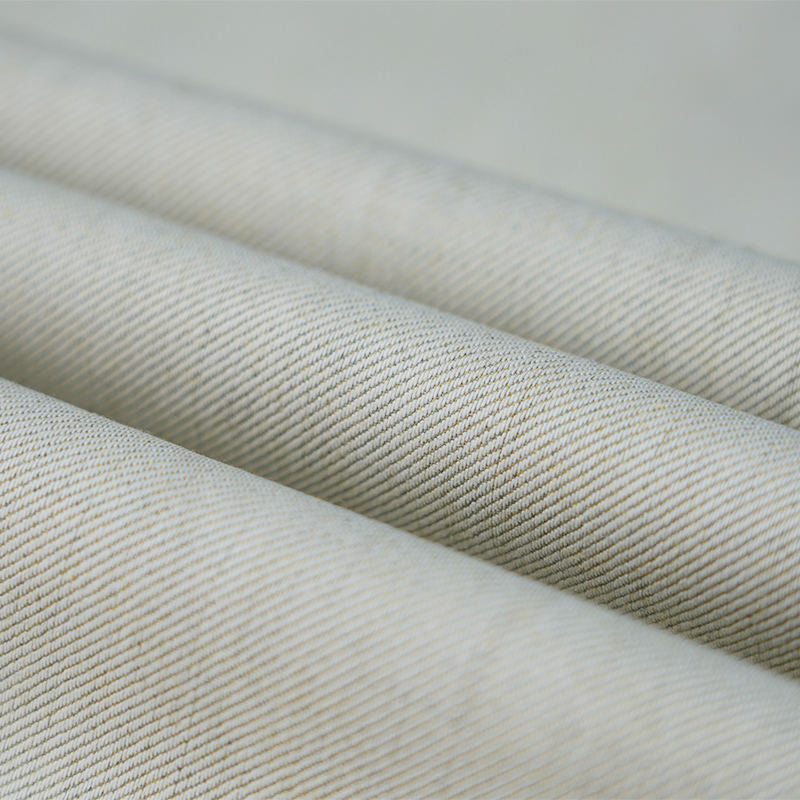
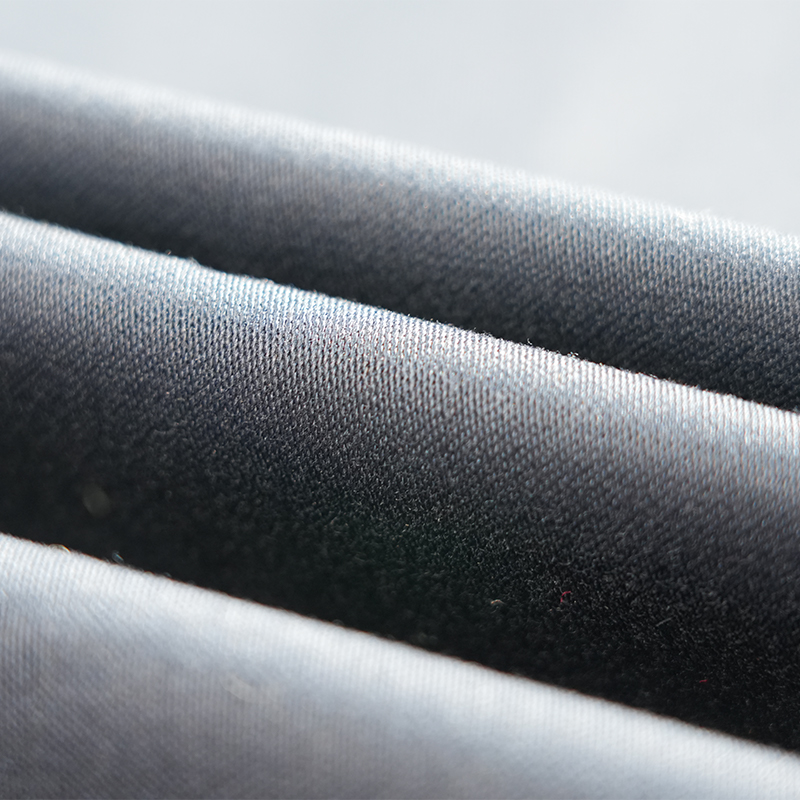
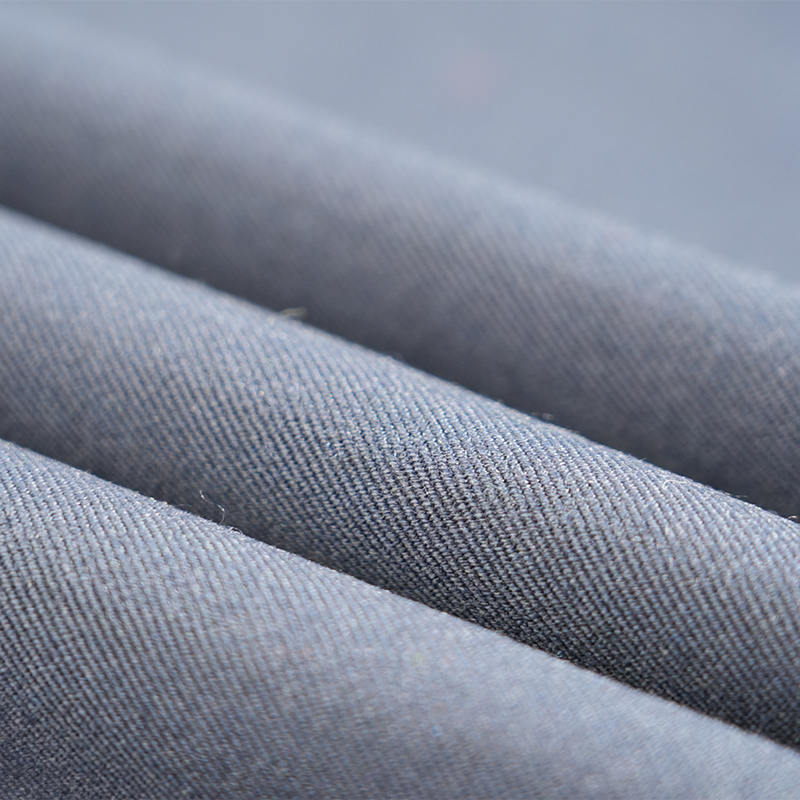
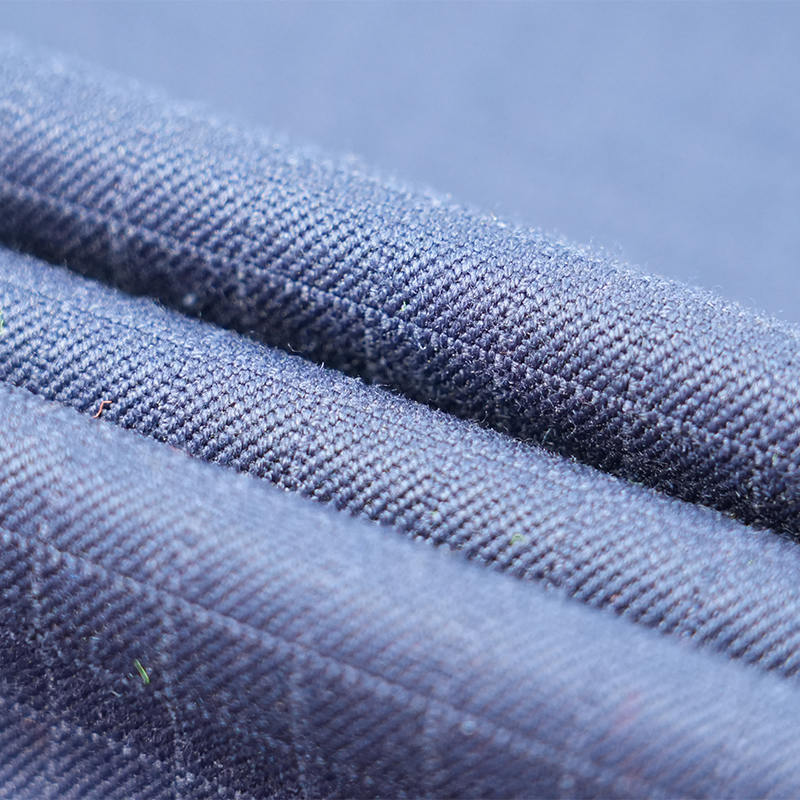
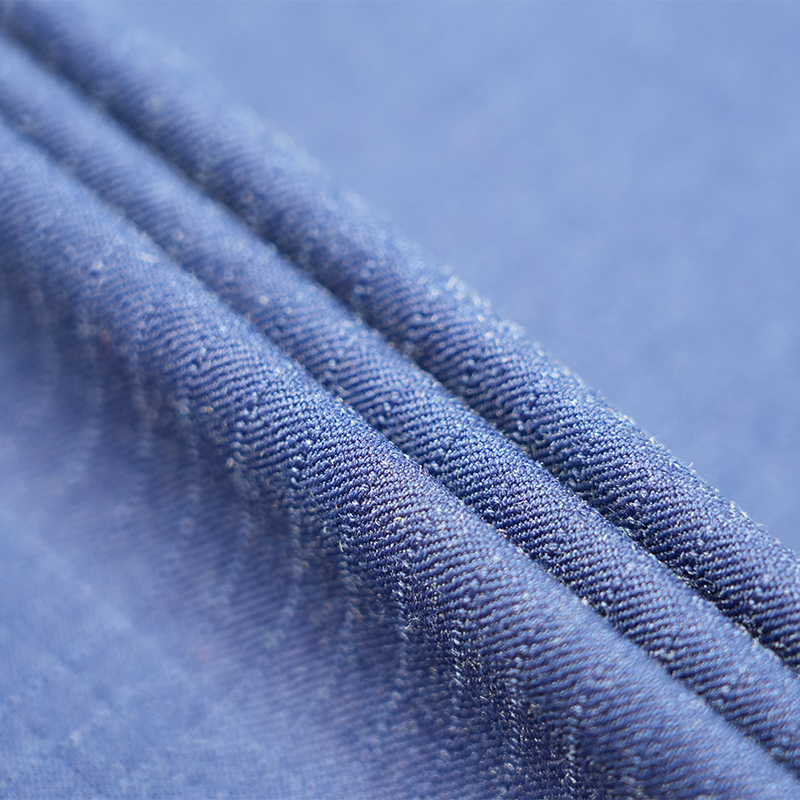
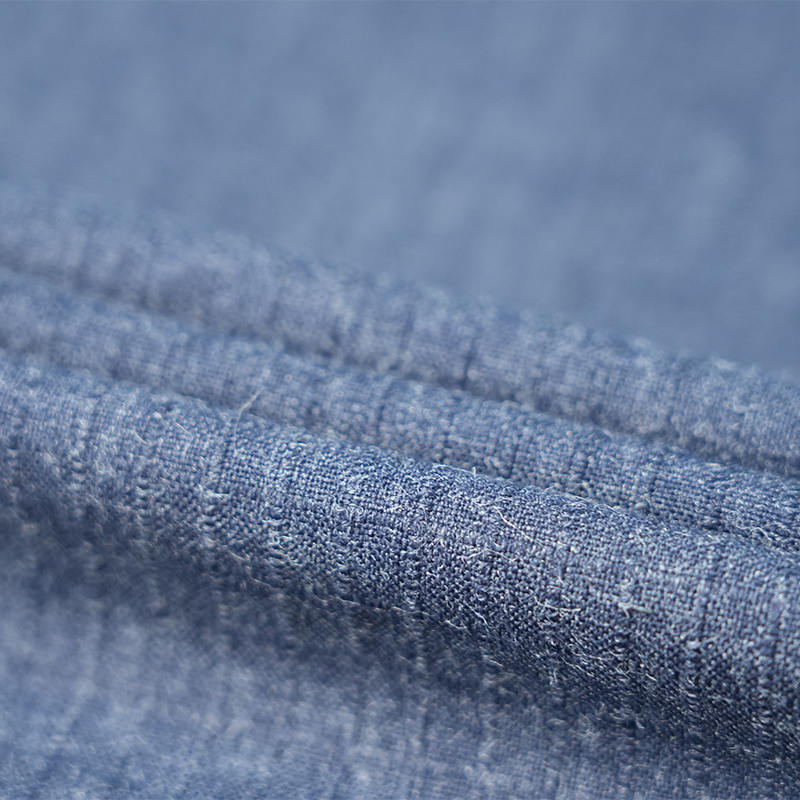
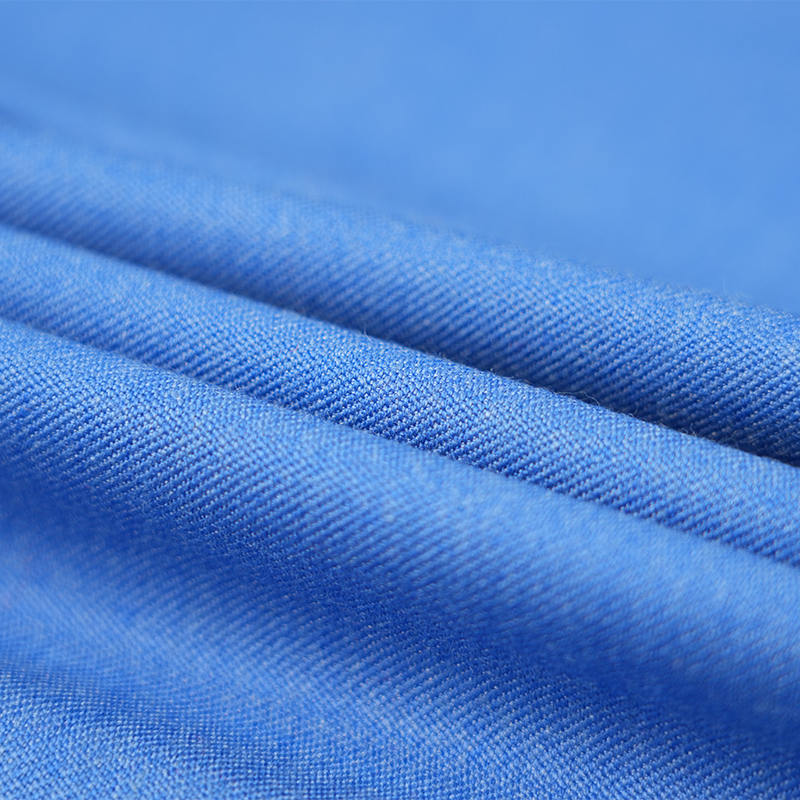
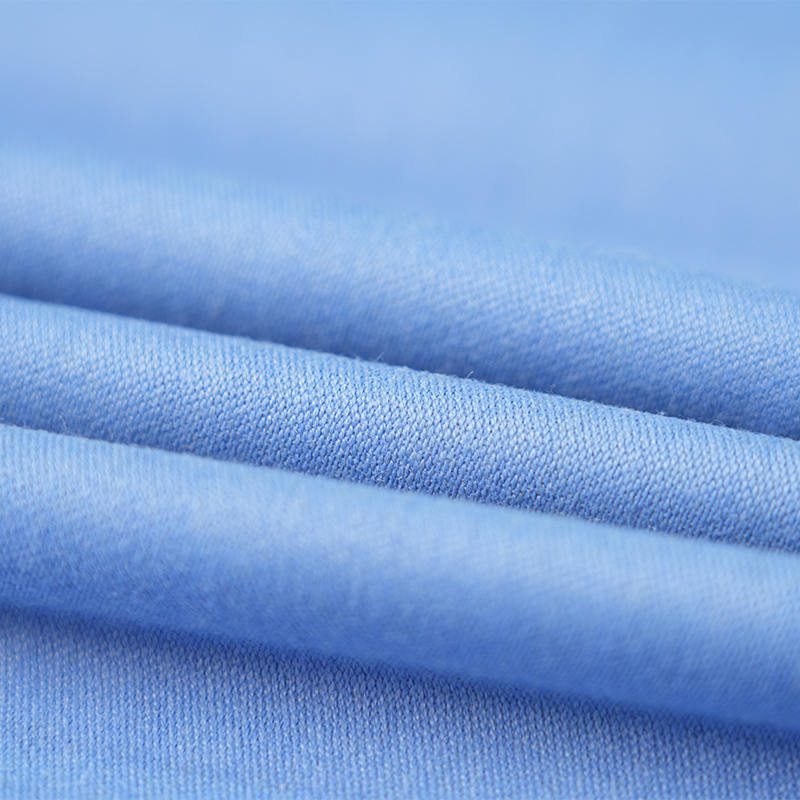
In high-temperature and high-risk working environments such as metal processing, welding, and casting, metal splash protective fabric is widely used as an important safety protection material in various industrial settings. It not only effectively prevents molten metal splashes from harming operators but also provides companies with more efficient safety protection, reducing the occurrence of accidents.
1. Hazards and Necessity of Metal Splashes
During welding, casting, and other operations, molten metal splashes are a common safety hazard. The splashed metal particles are extremely hot and can cause serious injuries such as burns and scalds upon contact with the skin, or even trigger fires. Furthermore, long-term exposure to metal splashes can have adverse effects on the health of operators, such as respiratory problems or skin diseases.
Therefore, to ensure the safety of operators, metal splash protective fabric has become an indispensable safety measure. Its main function is to isolate high-temperature metal splashes and prevent them from causing direct harm to the human body. Proper use of high-quality protective fabric can significantly improve workplace safety and protect the health of workers.
2. Characteristics of Metal Splash Protective Fabric
When choosing suitable metal splash protective fabric, it is necessary to understand its main characteristics and functions. Generally, flame-retardant molten metal splash protective fabric should have the following characteristics:
High-temperature resistance: The protective fabric needs to withstand high-temperature metal splashes, preventing burning or fire when molten metal comes into contact with the fabric surface.
Flame retardancy: The material must have good flame retardancy to effectively prevent the spread of burning metal particles.
Abrasion resistance: Due to the often rough working environment, the protective fabric also needs to have strong abrasion resistance to prevent a decrease in protective performance due to wear and tear.
Softness and comfort: The protective fabric should not only have protective capabilities but also a certain degree of softness to ensure comfort during wear and reduce discomfort for workers during work.
Chemical resistance: Some high-temperature metal splashing operations may be accompanied by chemical reactions, so the protective fabric should have a certain degree of chemical corrosion resistance.
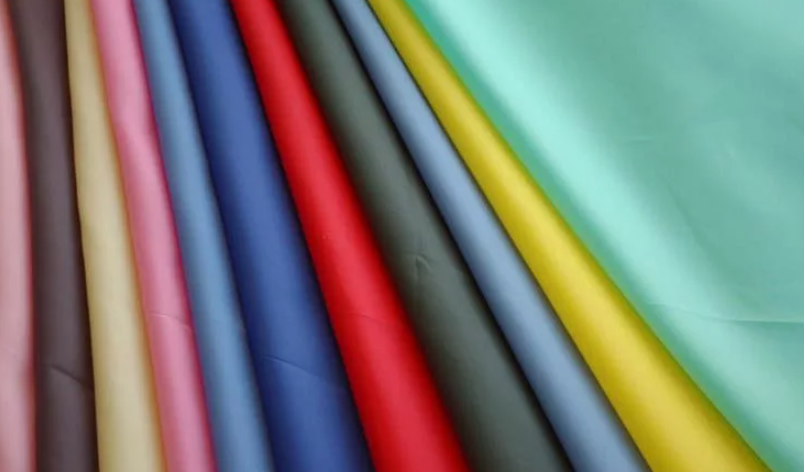
3. How to Use Metal Splash Protective Fabric Correctly
Correct use of metal splash protective fabric is key to ensuring safety. The following are several effective methods for using metal splash protection fabric:
(1) Wearing comprehensive protective equipment
For personnel engaged in high-temperature operations such as welding and casting, wearing comprehensive protective equipment is crucial. In addition to protective clothing, metal splash protection fabric is commonly used in the manufacture of protective gloves, aprons, sleeves, face shields, and other equipment. Complete protective gear can fully cover the operator's skin, effectively preventing injuries caused by metal splashes.
Welding protective clothing: Ensure that the welding protective clothing completely covers the operator's body, especially the chest, arms, and back, which are prone to splashes.
Protective gloves and face shields: Hands and face are at high risk of exposure, so it is necessary to wear heat-resistant and metal splash-resistant gloves and face shields.
(2) Checking and maintaining the integrity of the protective fabric
Metal splash protection fabric may gradually wear out during use due to frequent friction or high-temperature environments. Therefore, regular inspection and maintenance of the protective fabric's integrity are essential. Worn-out protective fabric cannot effectively protect the operator and needs to be replaced or repaired promptly.
Regular inspection: Check the protective fabric for signs of damage, loose threads, or high-temperature damage. If any problems are found, replace or repair them promptly.
Cleaning and maintenance: Clean the protective fabric regularly according to the manufacturer's recommendations to avoid the impact of stains, metal residues, etc., on the material's performance.
(3) Choosing a suitable workplace layout
In addition to wearing metal splash protection fabric, the layout of the work environment is equally important. Ensuring good ventilation in the work area and reasonably arranging protective facilities can effectively reduce the risk of splashes.
Using protective barriers: Install protective barriers in high-temperature work areas to prevent splashing metal particles from spreading to other areas.
Cleaning splash areas: Regularly clean metal splash residue from the workplace to maintain a clean environment and help reduce the occurrence of accidental injuries.
(4) Training employees on safe operating procedures
In addition to hardware facilities, employee safety awareness is also crucial. Conduct regular safety training to ensure that every employee can correctly use metal splash protection fabric and master the relevant safety operating procedures. Training content should include:
How to correctly wear protective clothing and other personal protective equipment;
How to assess the damage to the protective fabric;
How to handle emergencies caused by splashing metal.
4. Applications of Metal Splash Protection Fabric
Metal splash protection fabric is not only suitable for the welding industry but also widely used in casting, heat processing, and other industries. In these high-temperature working environments, the protective fabric effectively protects workers from molten metal injuries.
Welding Industry: In welding operations, molten metal splashes are one of the most common safety hazards. Metal splash protection fabric effectively prevents burns caused by metal splashes.
Casting Industry: During the casting process, high-temperature molten metal splashes are also a significant safety issue. The protective fabric effectively blocks these molten metals, protecting the safety of workers.
Heat Processing Industry: In heat treatment and heat processing, high-temperature metal splashes can lead to accidental injuries. Using appropriate metal splash protection fabric can greatly reduce these risks.
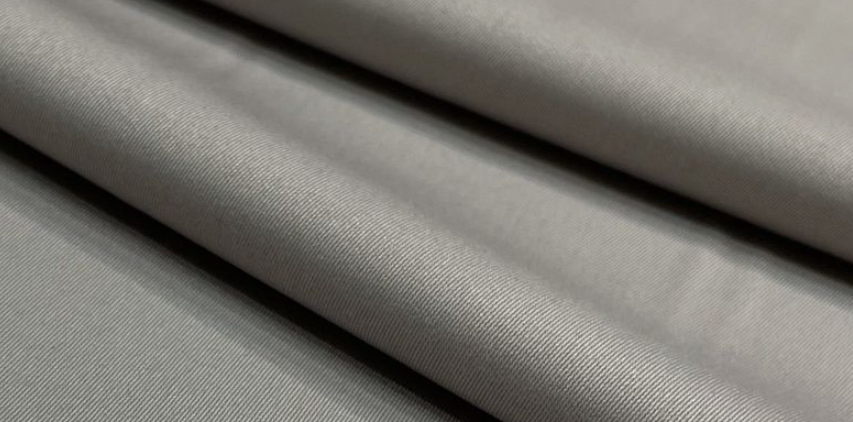
Metal splash protection fabric plays a crucial role in high-temperature working environments. By correctly selecting and using protective fabric, injuries caused by metal splashes can be significantly reduced, ensuring the safety and health of workers. In addition, regular inspection of the protective fabric's integrity, proper workplace layout, and employee training are all important measures to improve workplace safety. Only by comprehensively implementing these measures can we better ensure safety in high-temperature operations and prevent potential risks.