 EN
EN 中文简体
中文简体 English
 русский
 Español
 Português
 عربى
عربى

Flame Retardant Fabrics For Different Fields OEM & ODM
PRODUCT CLASSIFICATION

Embracing Innovative Technology for a Secure Future
Suppliers Of Flame Retardant Fabrics For Different Fields
-
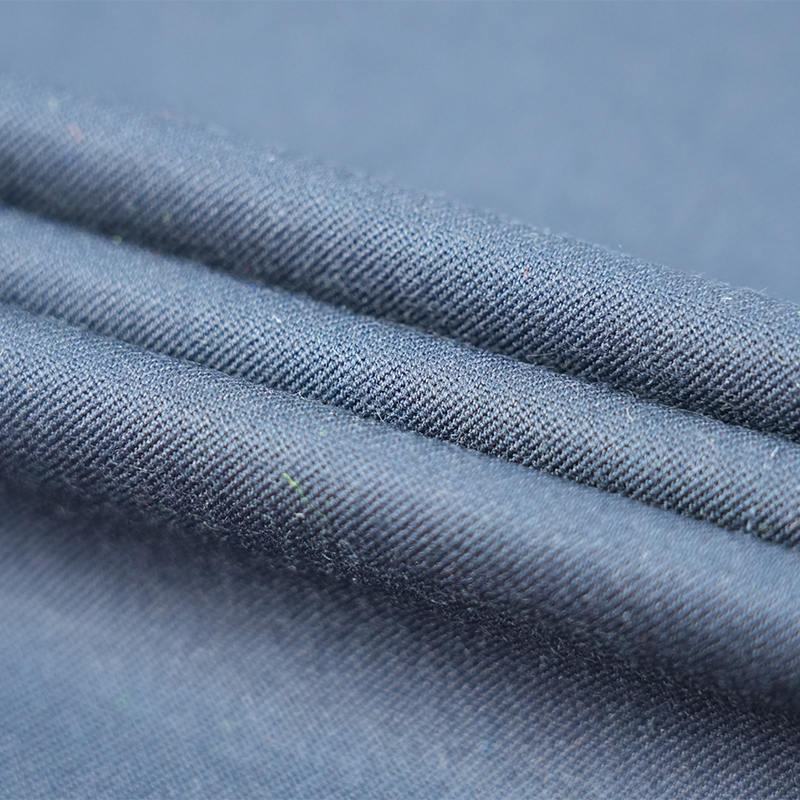
SSS-AD1 Twill Military and police special protective fabrics
-
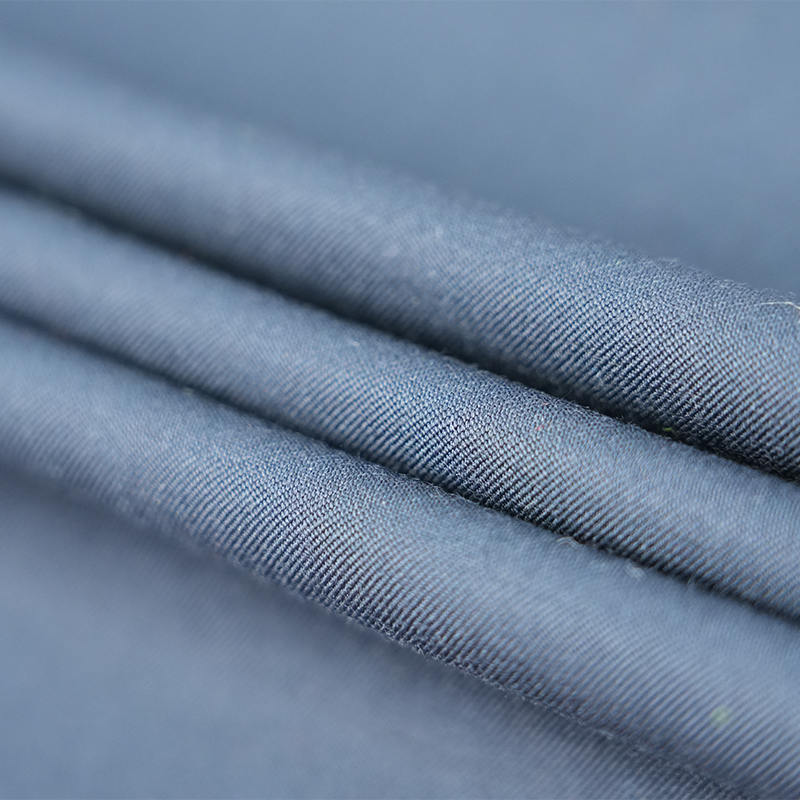
SSS-AD3 Twill Military and police special protective fabrics
-
-

-
-
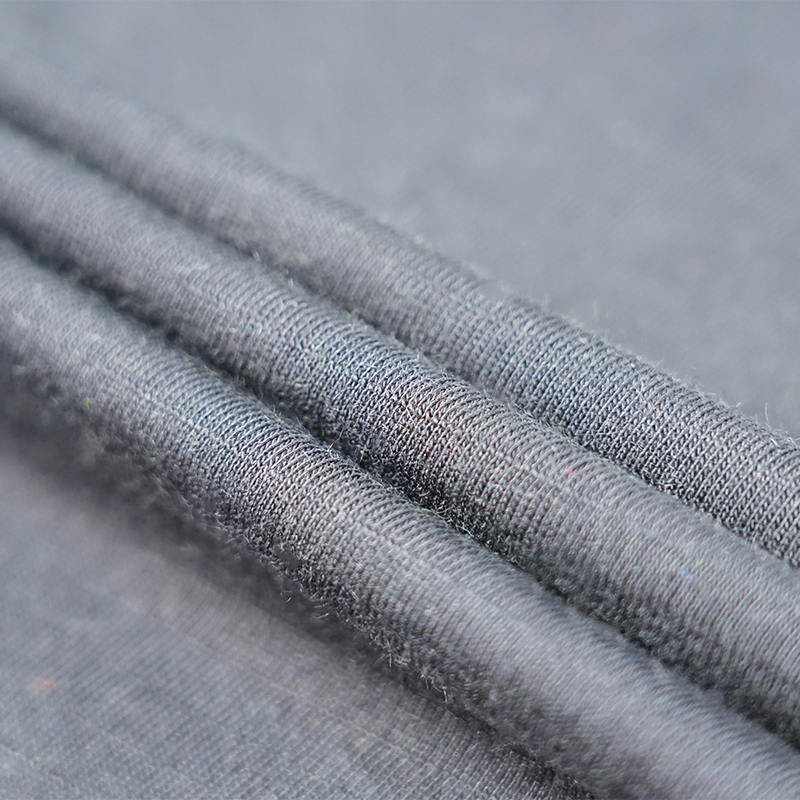
-
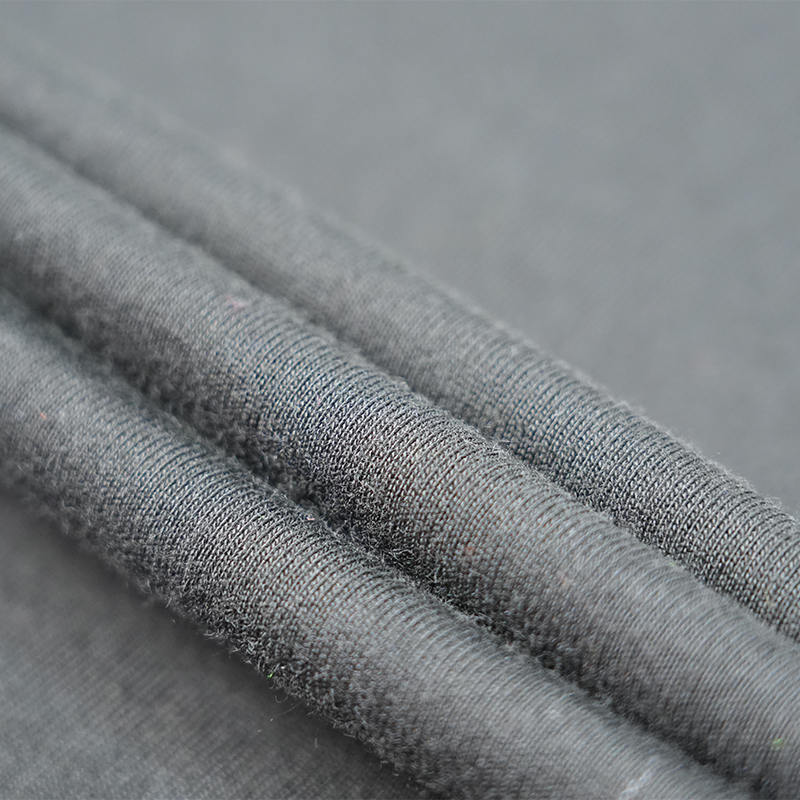
-
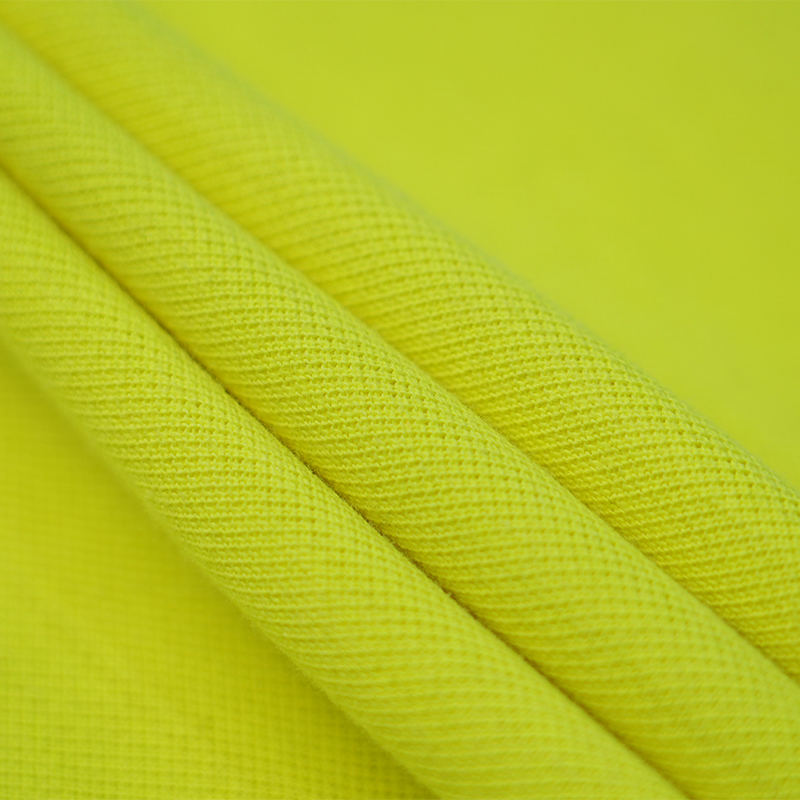
-
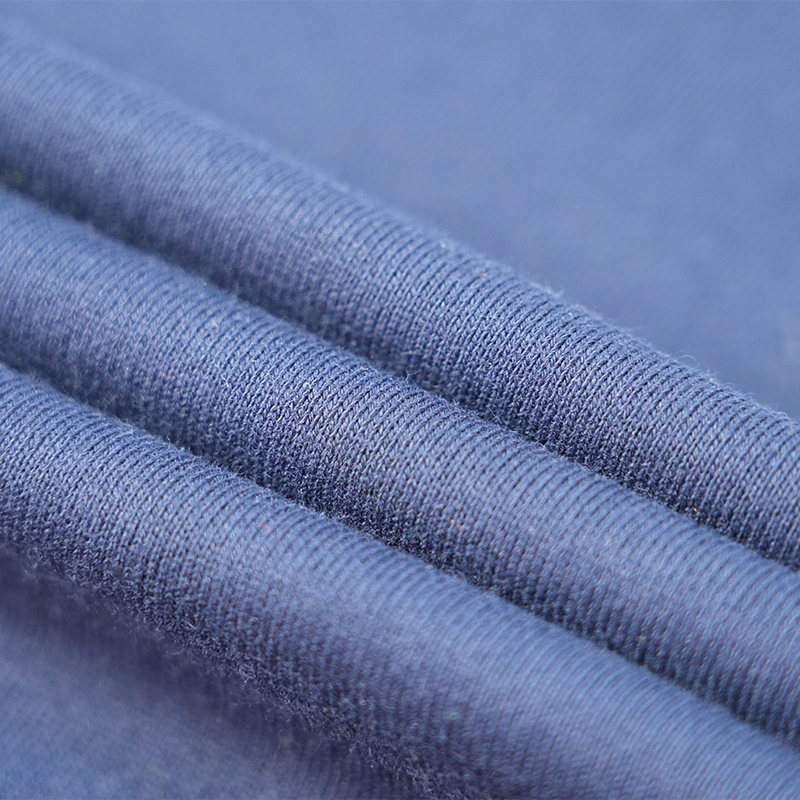
-
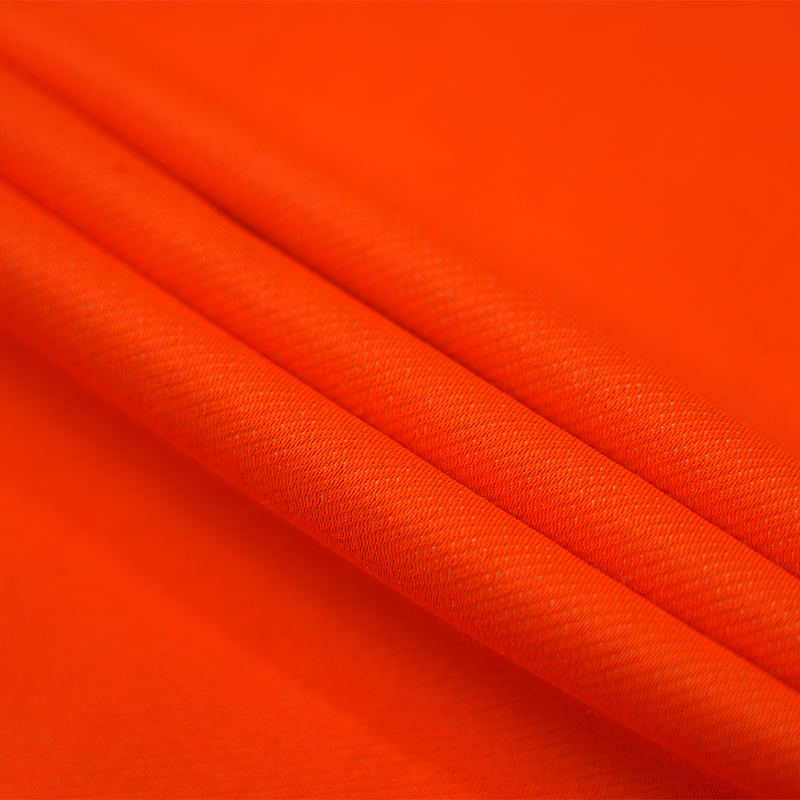
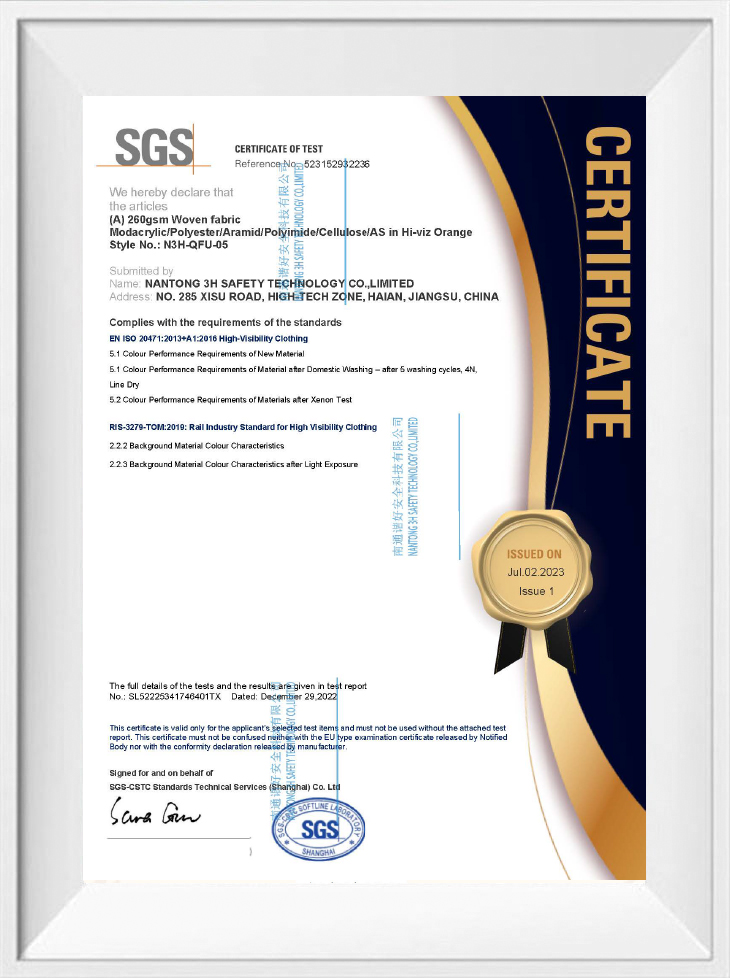
QFU-05 Modacrylic/Polyester/Cellulose/Super fiber/Anti-static FR Hi-Vis Fabric
-
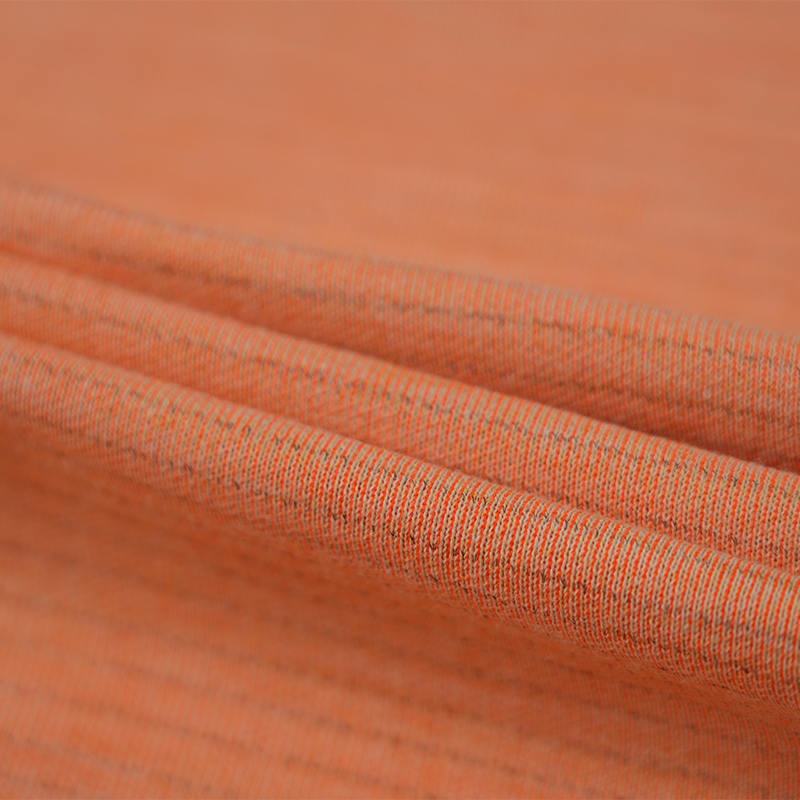
PIK-SM11 Modacrylic/Polyester/Cellulose/Super fiber FR Hi-Vis Fabric
-
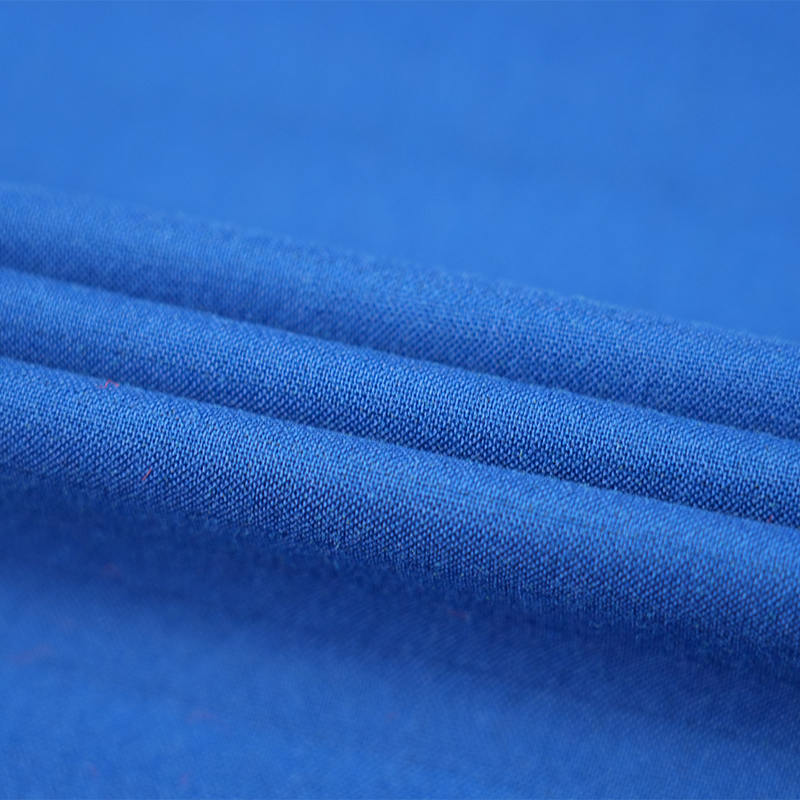
-

-

-
About Us
CUSTOMIZED FLAME RETARDANT
FABRICS MANUFACTURER
FABRICS MANUFACTURER
-
 0+
0+Enterprise establishment
-
 0+
0+Employees

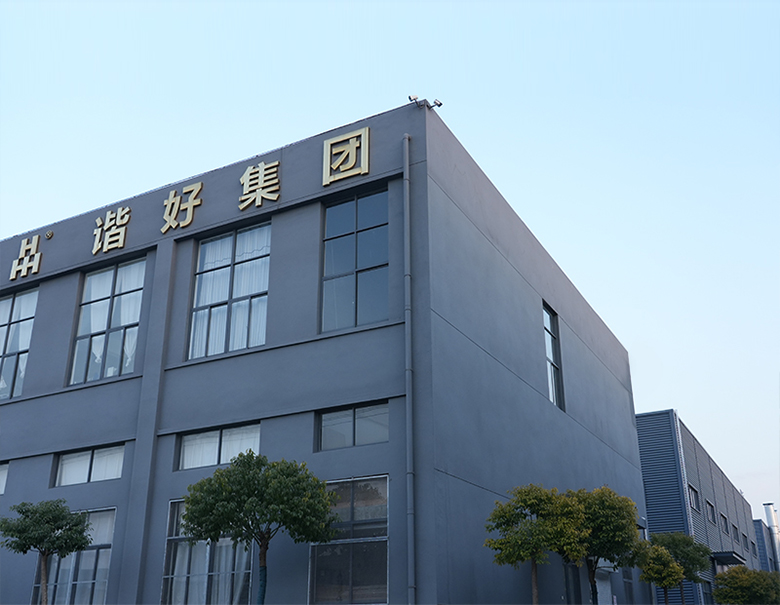
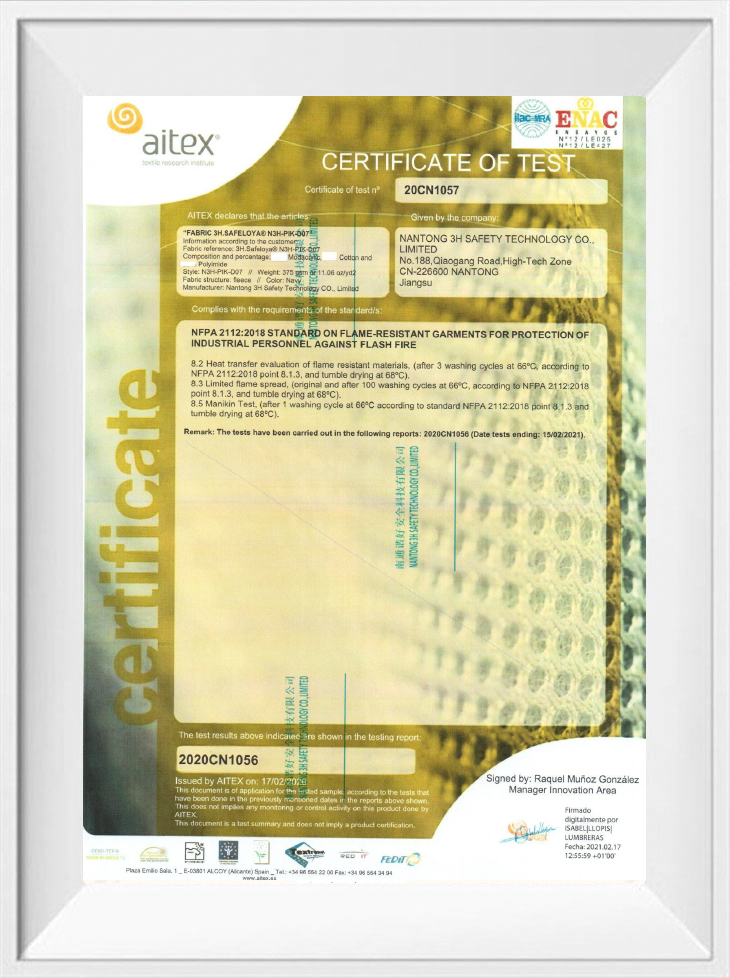
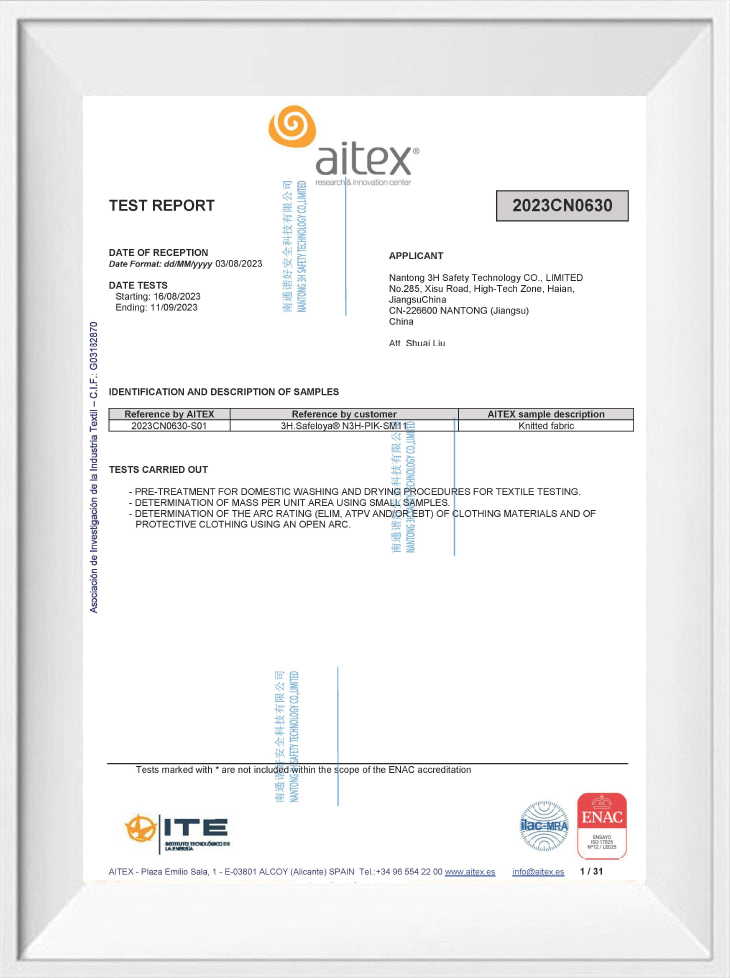
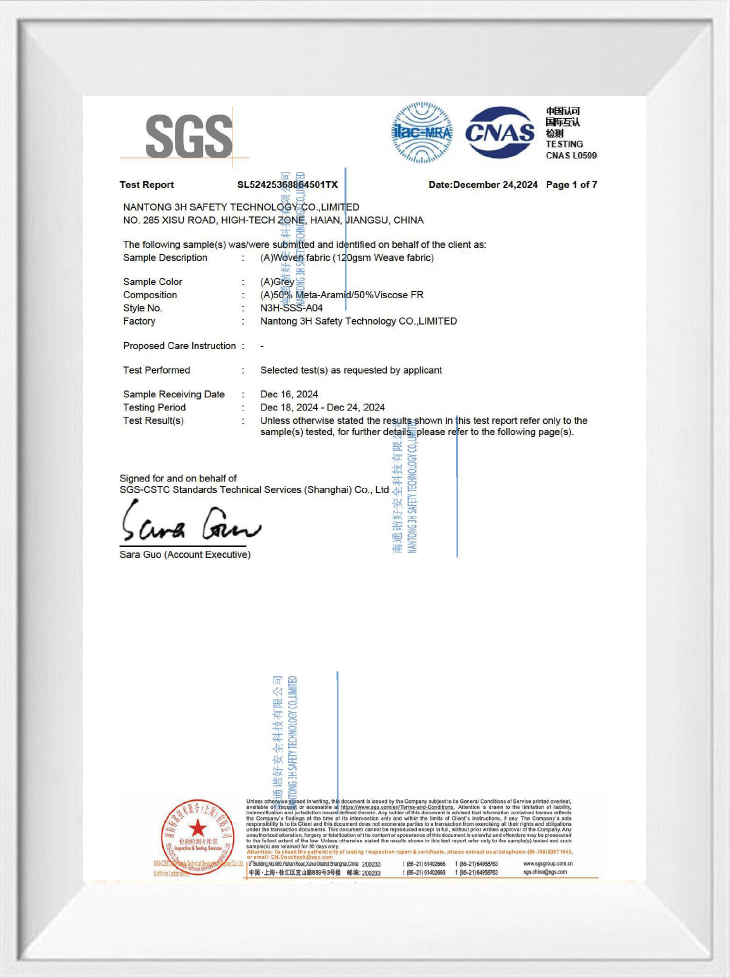
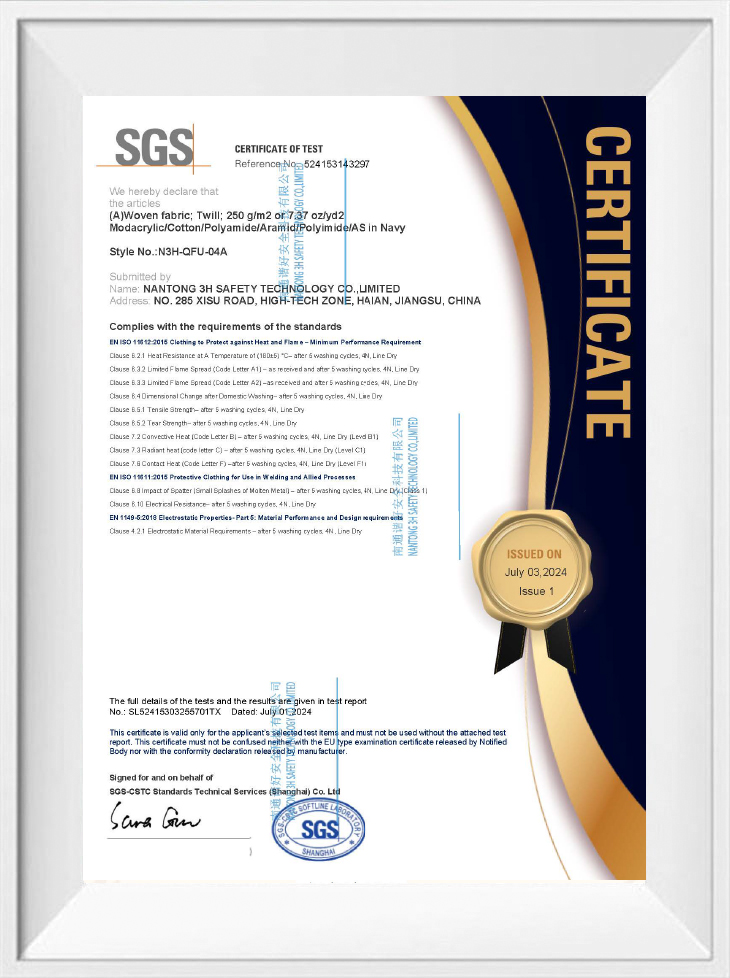
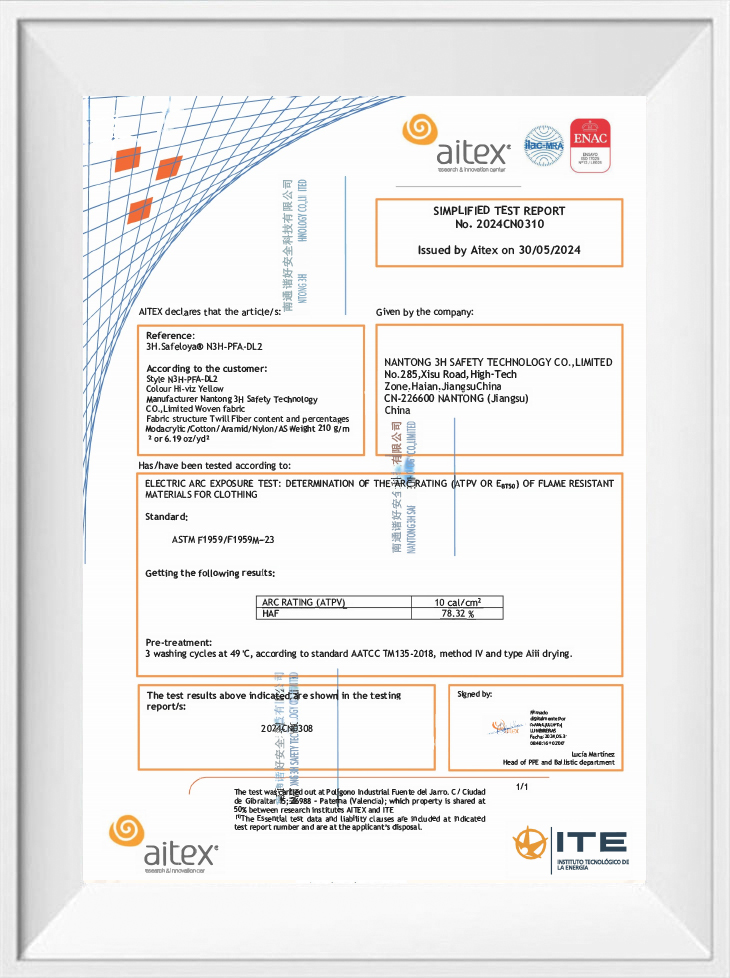
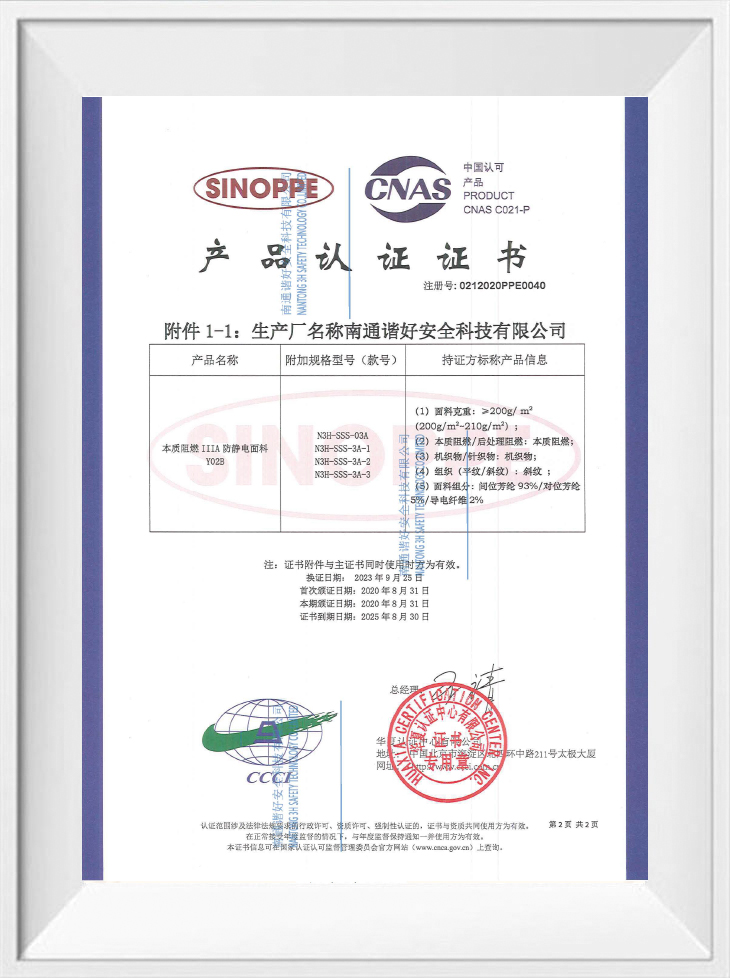
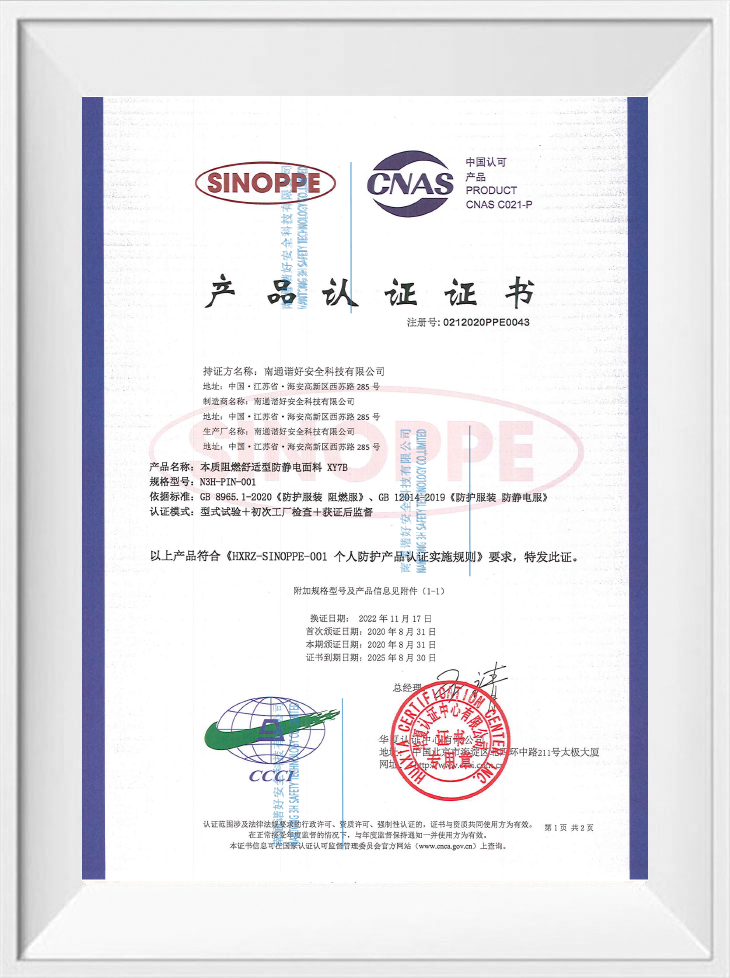
3H Safety Technology Co Limited is a functional fabric manufacturer based on flame retardancy, with the company's product brand "3H. Safeloya" ®". The company is committed to product research and development and fabric production, and adds multiple functions such as anti-static, arc proof, metal splash proof, and three proofing according to customer needs. As a professional OEM Suppliers Of Flame Retardant Fabrics For Different Fields and ODM Company Of Flame Retardant Fabrics For Different Fields in China, The product is widely used in various industries such as petroleum, petrochemical, chemical, gas station, power, coal mining, steel, metallurgy, and mechanical processing. The related products have been tested by authoritative testing institutions such as SGS in Switzerland, TUV in Germany, ITS in the UK, and the National Labor Protection Products Quality Supervision and Inspection Center, and have meet the requirements of domestic and international standards, including EN ISO 11611, EN ISO 11612, EN ISO 1149, EN 469, EN 373, EN 61482-1, ASTM F1959, ASTM F1891, NFPA 70E, NFPA 2112, ANSI 107, GB 8965.1, and GB 12014.
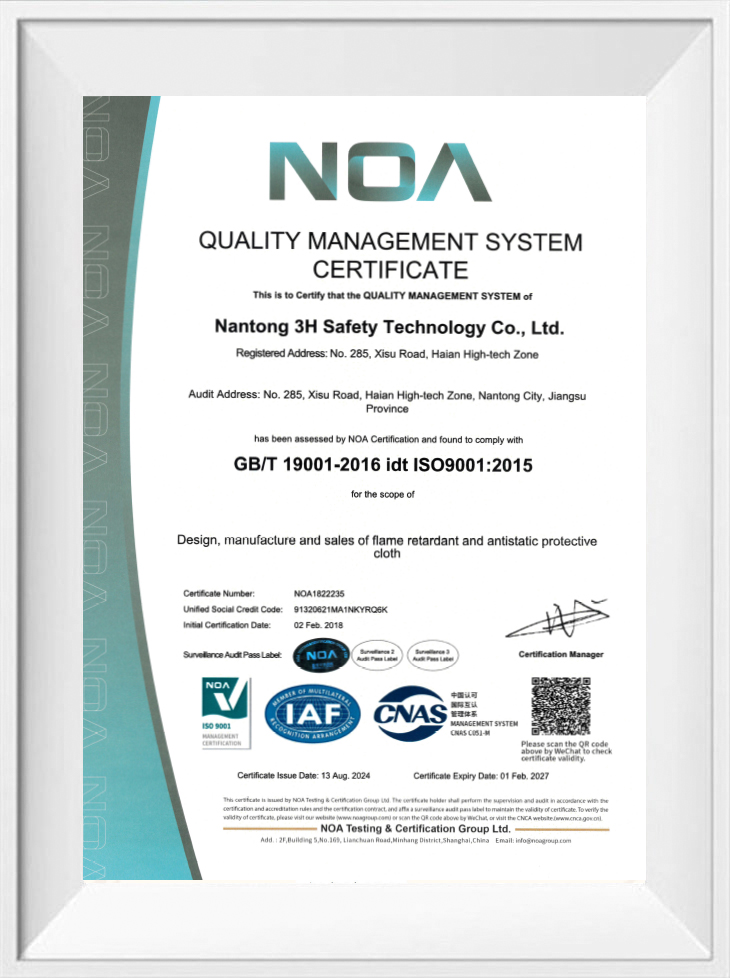
The company strictly requires comprehensive quality management, fully implements product lifecycle traceability in accordance with national regulations, achieves excellent product quality, environmental protection, and reliable hygiene, allowing customers and users to rest assured.
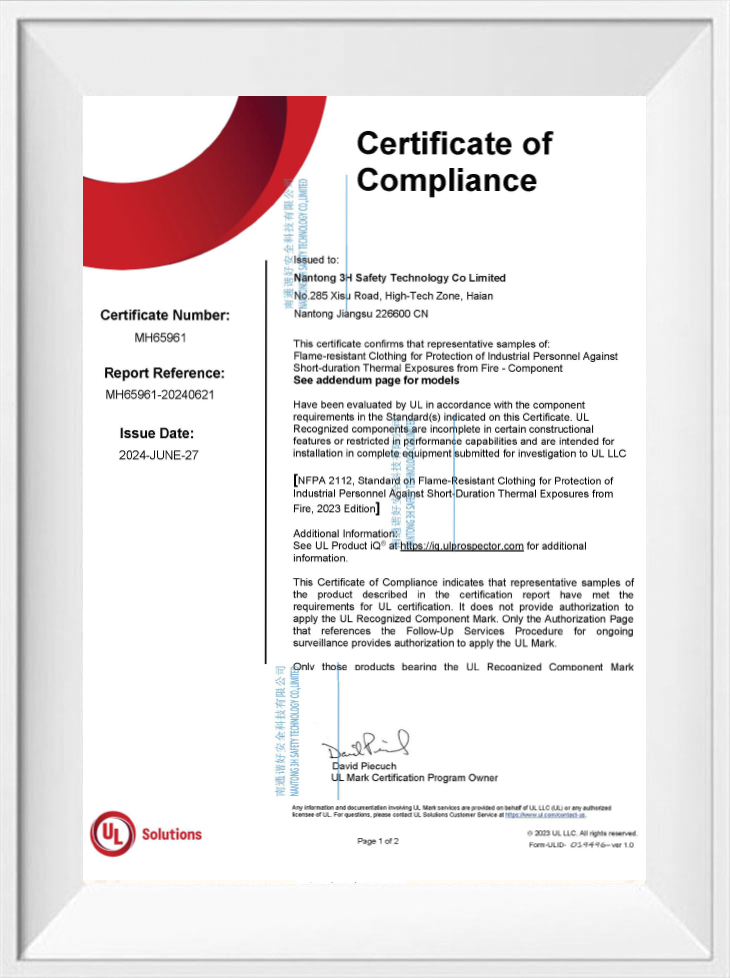
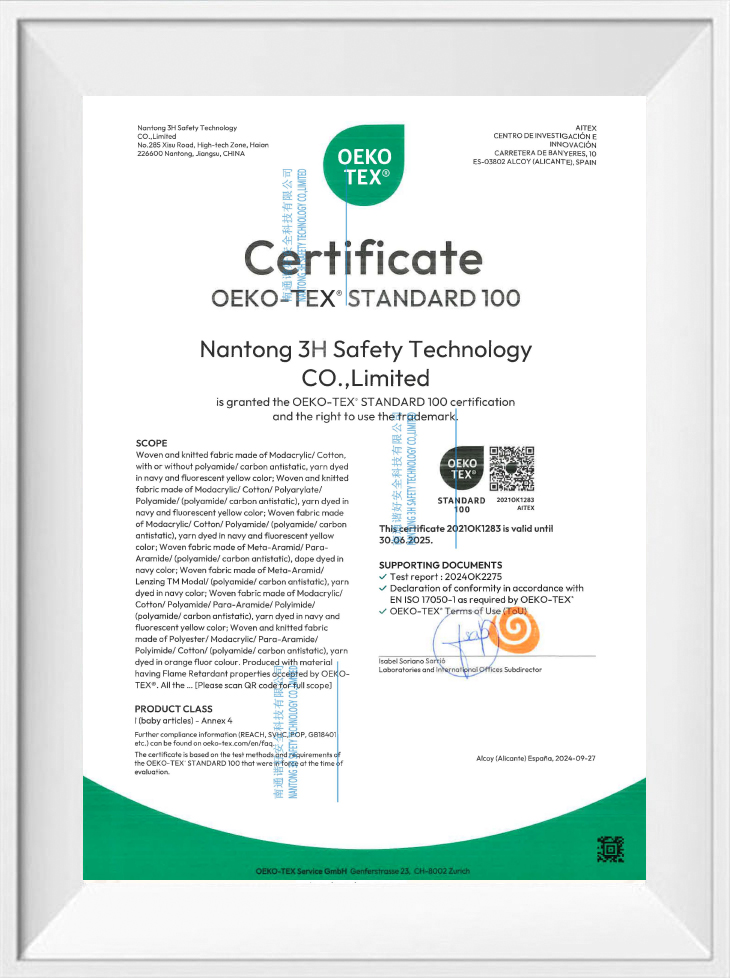
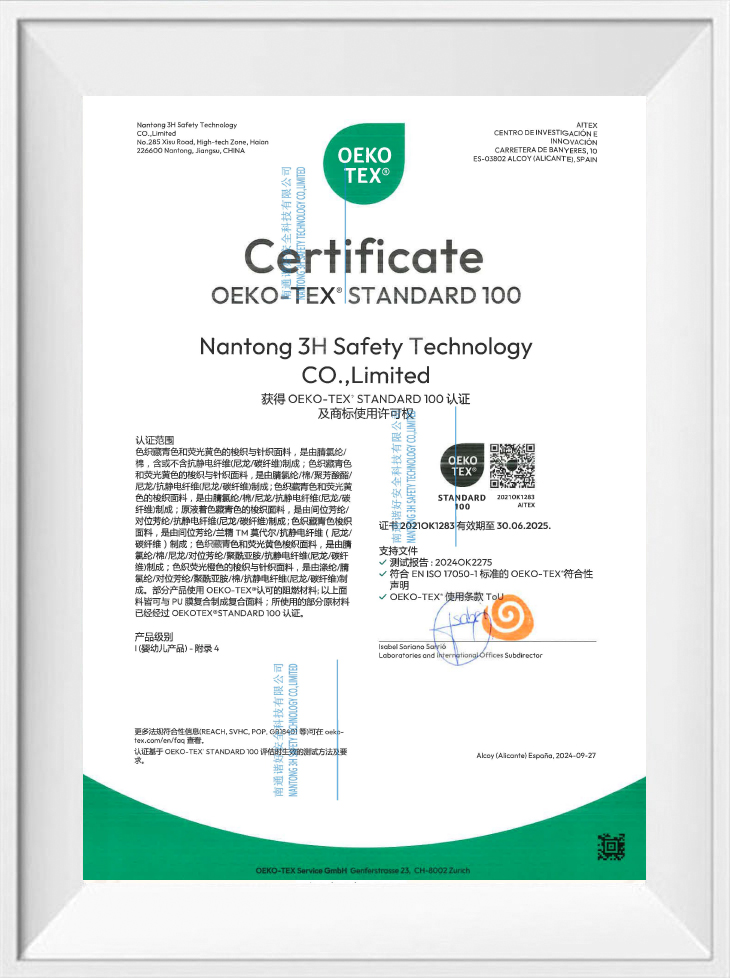
-
2026-09-18A loading-rack operator at a fuel terminal pulls a standard PVC rain jacket over an arc-rated coverall when the weather turns. The rain stays out. Th...
-
2026-09-16An electrical maintenance supervisor reviews the PPE list for an upcoming panel repair. The arc-rated coveralls in the locker room carry labels readi...
-
2026-09-09NFPA 2112 Meaning: What It Actually Means for FR Clothing NFPA 2112 governs flame-resistant clothing for industrial personnel who may face short-dura...
-
2026-09-02At 4:52 p.m., a pressure valve on a gas separation unit fails. The flash fire lasts less than three seconds, but in that window a worker's survival d...
Classification by application field Industry knowledge
1. Why Different Fields Require Different Flame Retardant Fabrics
Flame retardant fabric is not a single, uniform product. A fabric designed for oil rig workers facing flash fire risk performs a very different job than one designed for electricians facing arc flash exposure. Each field carries its own combination of heat, flame, static, or splash hazards, which means fabric selection needs to start with the specific working environment rather than a generic flame resistance rating alone.
3H Safety Technology Co Limited is a functional fabric manufacturer built around flame retardancy as its core specialty, offering products under the brand 3H Safeloya. The company focuses on continuous fabric research and production, adding functions such as anti-static, arc protection, metal splash protection, and three-proofing performance based on the requirements of each industry it serves.
2. Petroleum and Petrochemical Industry Applications
(1) Flash Fire Protection Needs
Workers on drilling platforms and refinery sites face sudden flash fire risk from vapor ignition. Fabric used here must self-extinguish within seconds and avoid melting onto skin, since flash fire events often last only a few seconds but reach extremely high temperatures.
(2) Anti-Static Requirements
Because flammable vapors are common around fuel handling areas, fabric used in petroleum and gas station settings frequently combines flame resistance with anti-static properties to prevent static discharge from becoming an ignition source.
3. Power and Electrical Industry Applications
Electrical workers face arc flash incidents that can release intense thermal energy in a fraction of a second. Arc rated flame retardant fabric is engineered to limit heat transfer to the skin during such an event, giving workers additional protection time compared with untreated clothing. This category of fabric is tested specifically for arc thermal performance rather than open flame exposure alone.
4. Steel, Metallurgy, and Mechanical Processing Applications
(1) Molten Metal Splash Resistance
Steel and metallurgy workers regularly face molten metal splash risk during casting and processing work. Fabric for this field needs a surface structure that causes molten droplets to roll off rather than adhere and burn through the material.
(2) Abrasion and Heat Resistance Balance
Mechanical processing environments often combine heat exposure with physical abrasion from equipment and tools, so fabric in this field is generally built with reinforced weave density alongside standard flame retardant treatment.
5. Coal Mining and Chemical Processing Applications
Coal mining environments introduce combustible dust risk alongside confined space conditions, while chemical processing plants often involve exposure to corrosive substances in addition to flame hazards. Fabric serving these fields frequently incorporates three-proofing functions, covering resistance to water, oil, and dust, alongside core flame retardant performance.
| Industry Field | Primary Hazard | Key Fabric Function Needed |
|---|---|---|
| Petroleum and Gas Stations | Flash fire, vapor ignition | Flame resistance plus anti-static |
| Power and Electrical | Arc flash | Arc rated protection |
| Steel and Metallurgy | Molten metal splash | Metal splash resistance |
| Coal Mining | Combustible dust, confined space | Three-proofing plus flame resistance |
| Chemical Processing | Chemical exposure, flame | Chemical splash resistance plus flame resistance |
6. Matching Fabric Selection to Field-Specific Risk
Selecting flame retardant fabric for a specific field generally follows a logical sequence:
- Identify the dominant hazard present in daily operations, such as flash fire, arc flash, or molten metal splash.
- Determine whether secondary hazards exist, such as static buildup or chemical exposure.
- Select a base flame retardant fabric that meets the primary hazard requirement.
- Add supplementary functions, such as anti-static or three-proofing, to address secondary risks.
- Confirm comfort and durability suit the physical demands of the specific job role.
As a professional OEM Flame Resistant Fabric Supplier and ODM FR Fabric Company in China, 3H Safety Technology Co Limited works directly with customers across these fields to match fabric construction to the specific combination of hazards each workplace presents.
7. Frequently Asked Questions
Q1: Does every field need the same type of flame retardant fabric
No, each field faces a different combination of hazards, so fabric construction and added functions vary depending on whether the primary risk is flash fire, arc flash, or molten metal splash.
Q2: Can one fabric cover multiple hazards at once
Yes, many fabrics combine flame retardant performance with anti-static, arc protection, or splash resistance functions to address workplaces where more than one hazard is present.
Q3: Why do power industry workers need arc rated fabric specifically
Arc flash events release extremely high thermal energy in a very short time, so fabric for this field is tested specifically for arc thermal performance rather than general flame exposure alone.
Q4: What makes metal splash resistant fabric different from standard FR fabric
Metal splash resistant fabric has a surface structure designed to cause molten metal droplets to roll off rather than stick and burn through the material, which standard flame retardant fabric may not provide on its own.
Q5: Is three-proofing fabric only used in coal mining
Three-proofing fabric, which resists water, oil, and dust, is also useful in chemical processing and other environments where flame resistance alone does not address every hazard present.
Q6: How should a company choose the right FR fabric supplier for its field
A company should look for a supplier capable of customizing fabric functions to its specific hazard profile, rather than offering a single generic flame retardant product across all industries.

CONTACT US
- Add:No. 285 Xisu Road, High tech Zone,
Hai'an City, Jiangsu Province - Tel:+86 15802151456(Mr Xu)/+86 13917381026(Mr An)
- E-mail:3h01@3hsafe.com
3h02@3hsafe.com
LATEST UPDATES
BE THE FIRST TO KNOW
For exclusive deals and latest offers, sign up by entering your email address below.
QUICK LINKS

