3H Safety Technology Co Limited.

Thermal Protective Clothing Material

-- Steady & Reliable Manufacturer --
Product Introduction

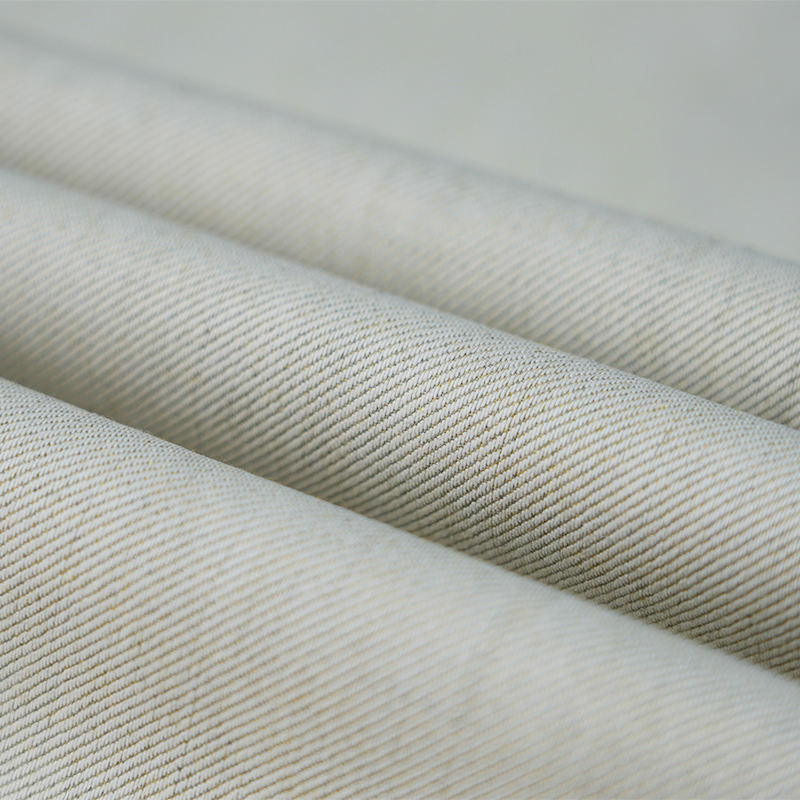
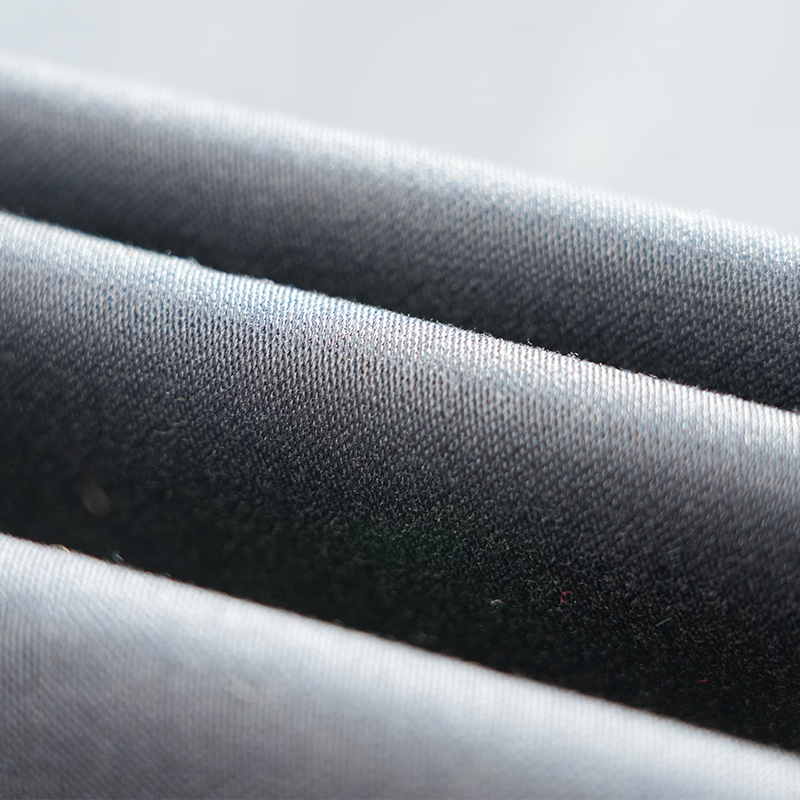
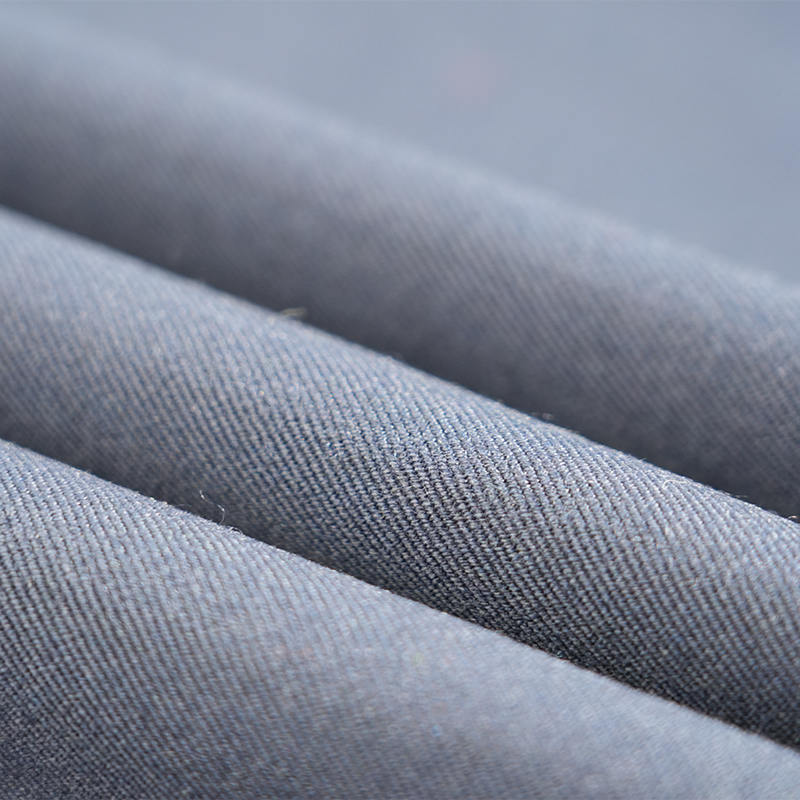
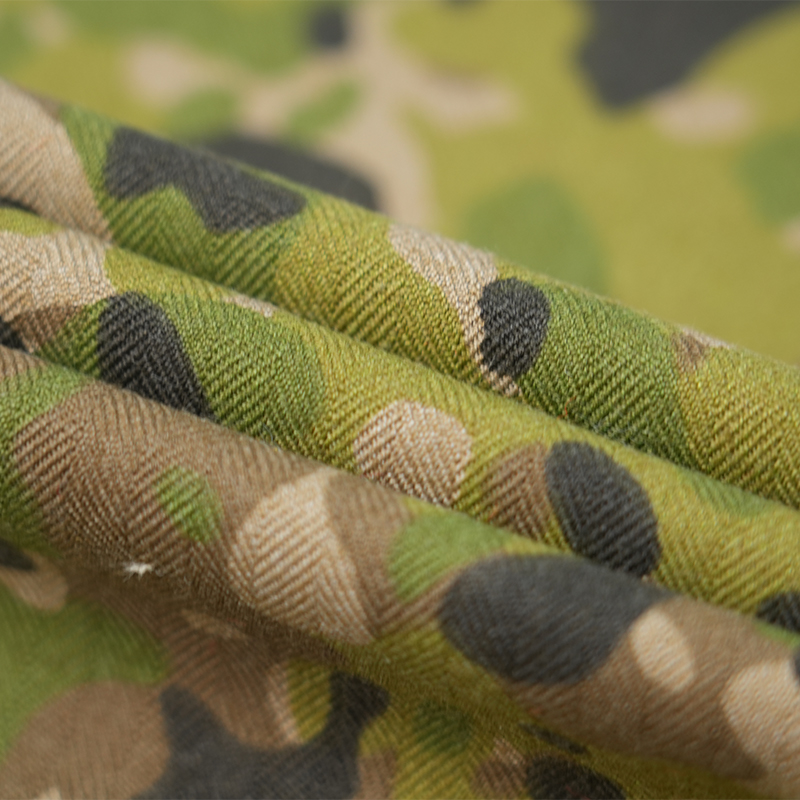
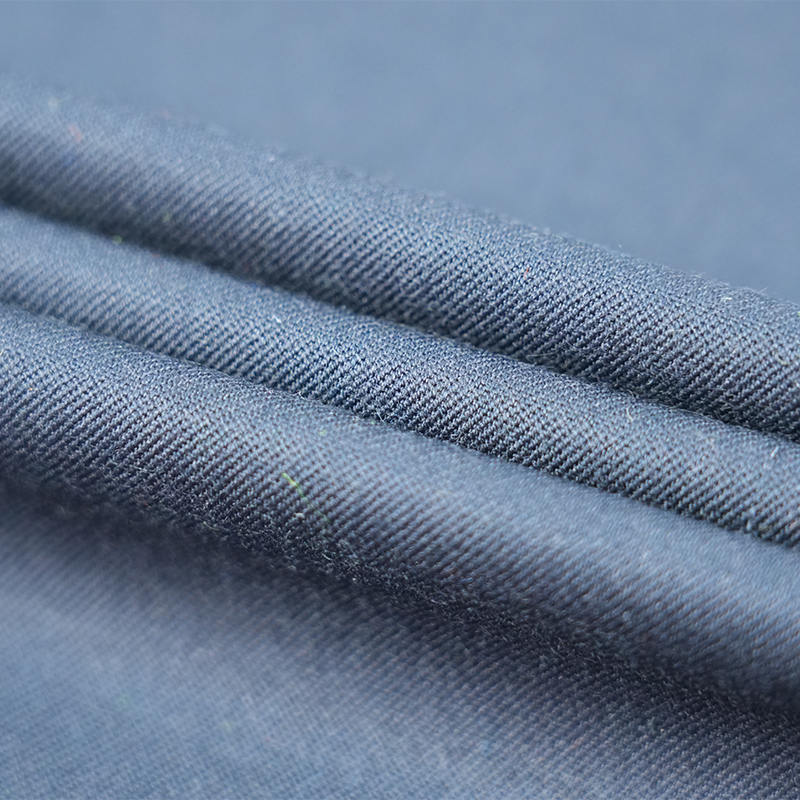
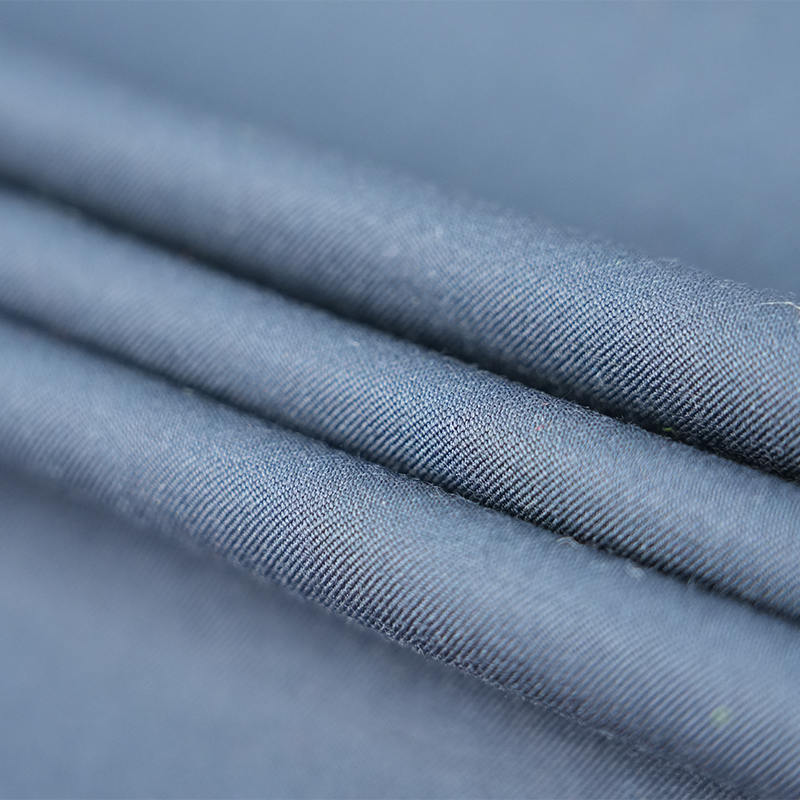
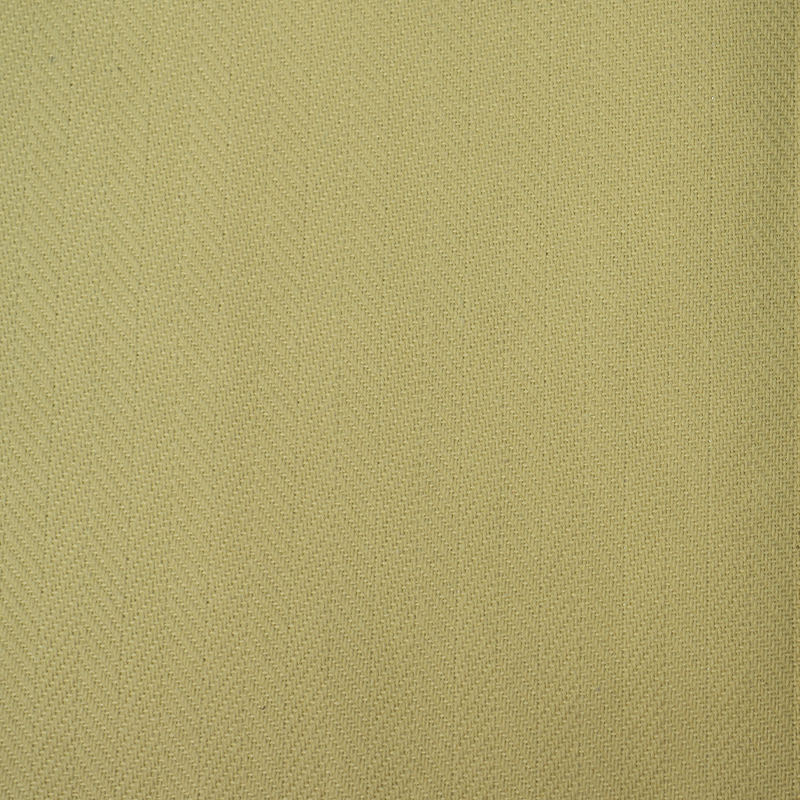
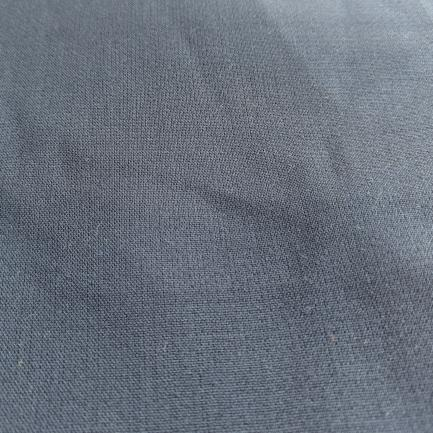
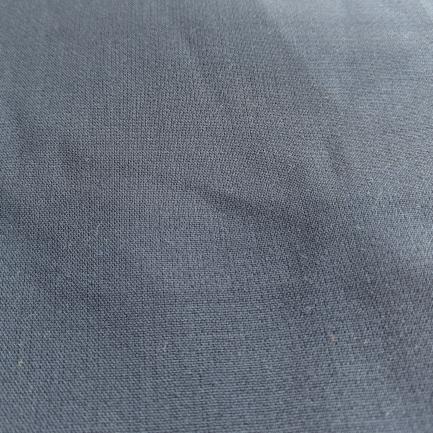
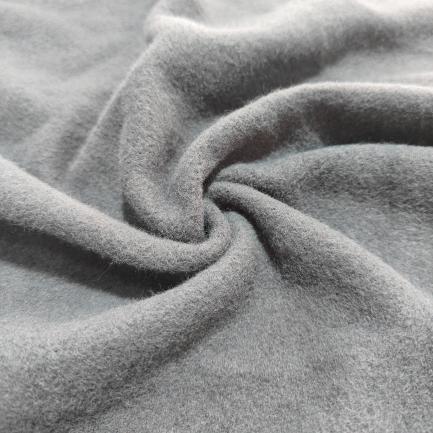
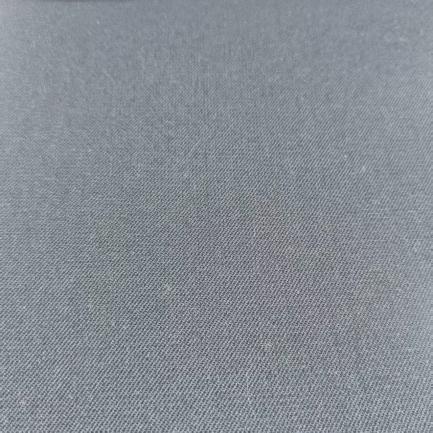
Thermal protective clothing material covers fabrics designed to limit heat transfer to the wearer from flame, radiant heat, contact heat and hot particles. Different tasks stress these in different proportions, so the first buying question is which heat modes apply and how long the exposure lasts. Typical buyers include garment makers, safety distributors and industrial project buyers.

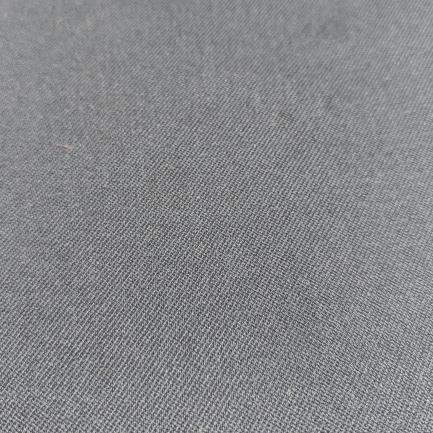
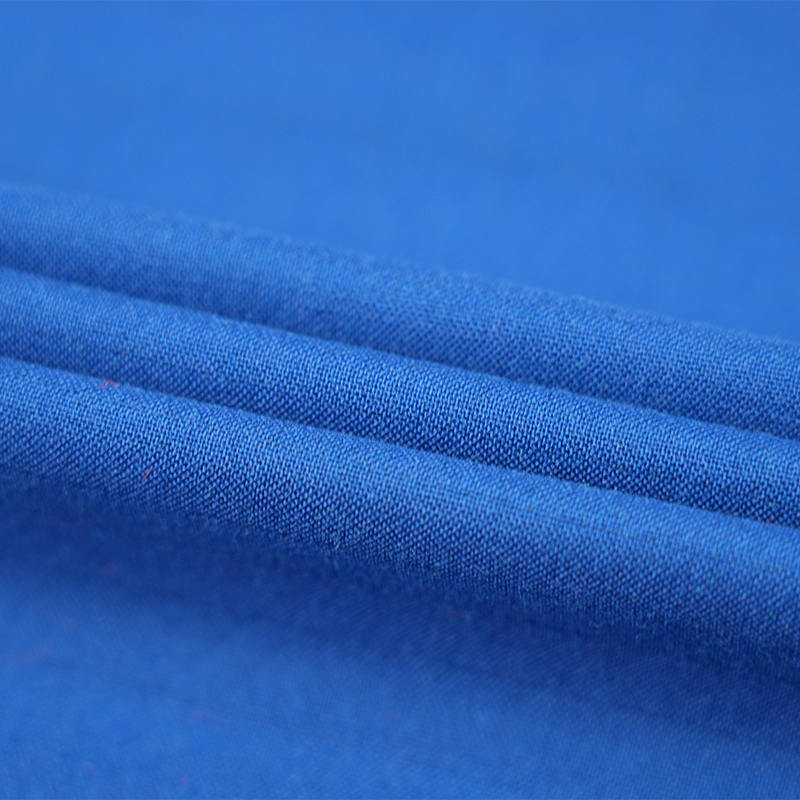
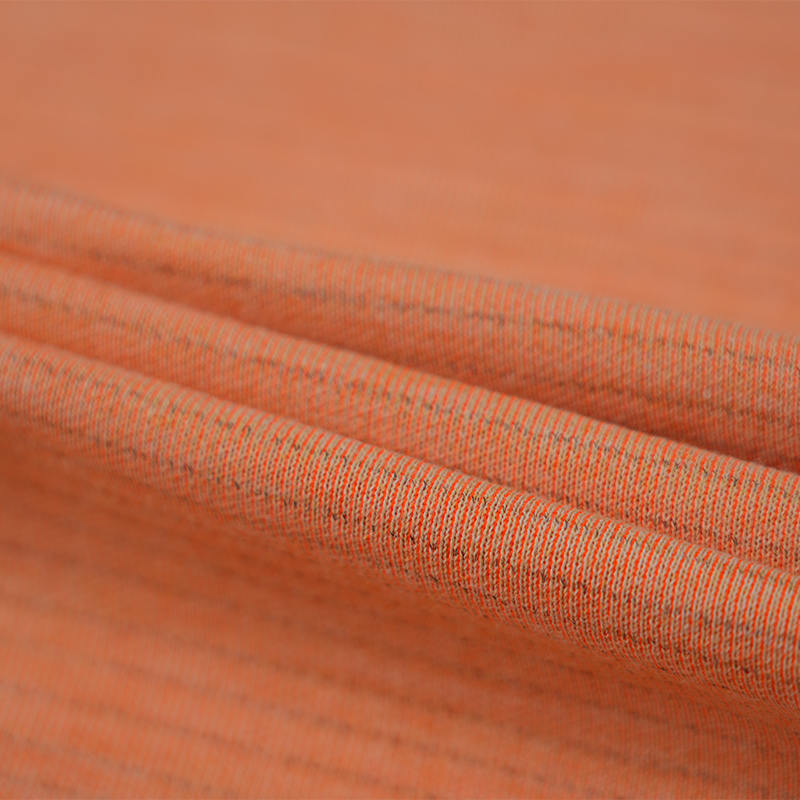
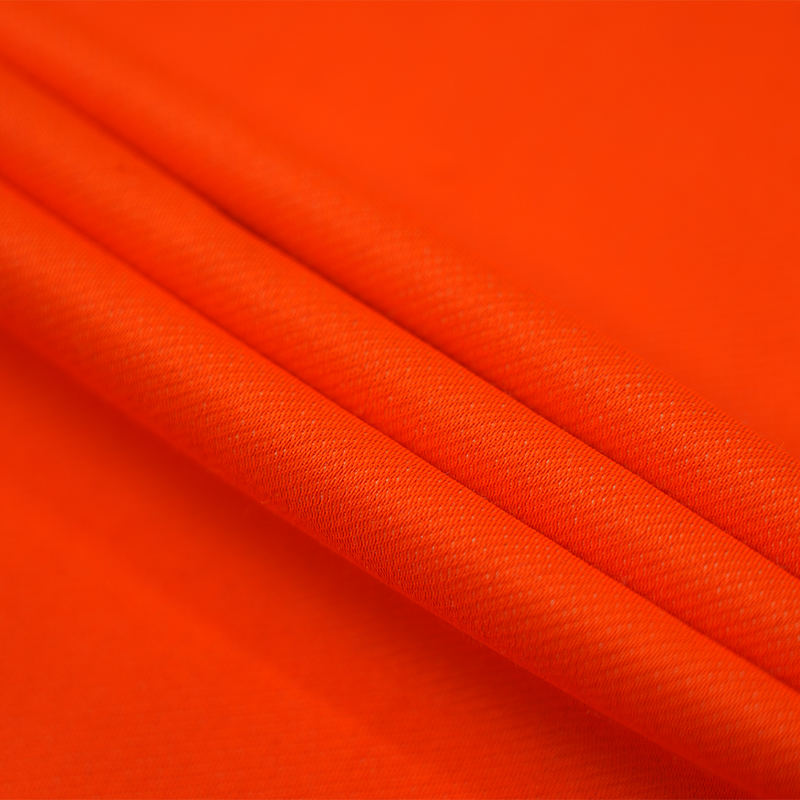
3H Safety Technology lists an aramid flame retardant fabric referenced to EN 11612, EN 469 and NFPA 2112, a fabric with anti-static, welding protection and molten metal splash function, and flame retardant fabrics with arc protection. EN 11612 groups heat and flame performance into codes for limited flame spread, convective heat, radiant heat, molten metal splash and contact heat, so reports are best compared by code.

Buyers usually weigh fiber type, fabric weight, thermal performance evidence, shrinkage and the garment layering plan. Thermal performance is a property of the finished clothing system as well as the fabric, so test reports should be read in that context. Weight, width and performance data are available upon request.

Development is based in Shanghai and production and testing in Nantong. We support custom development, and OEM/ODM cooperation, samples and MOQ can be discussed after we know your target code, garment layer and volume.

Key Procurement Information
Product Type

Aramid FR fabric, welding and metal splash fabric, arc protection FR fabric

Material

Aramid and blended flame retardant fibers

Performance

Heat and flame performance codes per EN 11612 and related standards, issued with reports

Product Structure

Woven fabrics; knitted options subject to specification

Customization

Weight, color and function by project

Quality Control

Production and testing in Nantong; reports on request

MOQ

Available Upon Request

OEM/ODM Services

Can be discussed by project

Product Types & Buying Guide

Thermal protection is not one property. The groups below indicate which heat exposure each fabric type is meant to address, to help you ask for the right test codes.

Product Types
Aramid FR Fabric

Aramid flame retardant fabric referenced to EN 11612, EN 469 and NFPA 2112 for combined heat and flame exposure.

Typical use: High-heat industrial and fire service garments

Welding and Metal Splash Fabric

Flame retardant anti-static fabric with welding protection and molten metal splash function.

Typical use: Welding, casting and hot particle exposure

Arc Protection FR Fabric

Flame retardant fabric with arc protection referenced to NFPA 70E and ASTM F1506 for electrical thermal hazards.

Typical use: Electrical thermal hazards

Key Features and Differences
Heat mode
Flame spread, convective heat, radiant heat, molten metal splash and contact heat are separate performance areas.
Fiber basis
Aramid fibers are inherently flame resistant and hold structure under heat; blends differ in hand feel and cost.
Weight
Heavier fabrics generally slow heat transfer but increase heat stress for the wearer.
System context
Thermal protection also depends on layers, air gaps and garment fit.
Buying Considerations
Heat modes

List flame, radiant, contact or molten metal exposure and typical durations.

Standard and code

State EN 11612 codes or other required performance classes.

Weight and heat stress

Balance protection against the wearer's heat load.

Layer plan

Define whether the fabric is outer shell or part of a system.

Wash durability

Ask for performance after laundering cycles.

Quantity

Share volume early for MOQ and sampling.

Main Points for Buyers
1Ask for performance by code, not a general heat rating.
2Separate radiant, contact and splash exposure in your request.
3Read test reports in the context of the garment layer.
4Balance fabric weight against heat stress.
5Check wash durability of reported results.
Buying Guide
Step 1
Identify heat modes. Document flame, radiant, contact and splash exposure and their durations.
Step 2
Select fabric type. Use the comparison to choose aramid, splash or arc fabrics.
Step 3
Review reports. Compare test reports by code and layer.
Step 4
Pilot and approve. Run wear trials and then place a trial order.

Specifications & Customization

ParameterSpecificationBuyer Note
Product TypeAramid FR; welding and metal splash; arc protection FRSelect by heat mode
Base MaterialAramid and blended flame retardant fibersConfirmed per fabric
Fabric StructureWoven; knitted subject to specificationConfirm per fabric
Referenced StandardsEN 11612, EN 469, NFPA 2112, NFPA 70E, ASTM F1506As referenced in product listings
EN 11612 CodesAvailable Upon RequestReported per fabric
Weight (gsm)Available Upon RequestVaries by fabric
WidthAvailable Upon RequestConfirm for cutting layout
Additional FunctionsAnti-static, hi-vis, arc protection, metal splashSubject to Product Configuration
ColorCustomizableSubject to fabric and quantity
Test ReportsAvailable Upon RequestState codes needed
Order TermsMOQ: Available Upon Request. Samples: Please Contact Us for Details. Lead time: To Be ConfirmedSubject to Actual Requirements
Customization Options
Weight selectionAramid or blended choiceColor optionsAnti-static add-onArc or splash functionPackaging by order

Please share the heat modes, exposure time and garment layer so that we can suggest fabrics. Details on customization are confirmed per request.

Applications & Target Customers

1. Application Scenarios
Industry / ApplicationTypical UseRelevant Product Features
Steel and metallurgyHot area garmentsAramid and metal splash fabrics
Welding and fabricationHot particle and spark exposureWelding protection function
Fire and rescueDuty and industrial brigade garmentsAramid fabric referenced to EN 469
Petroleum and petrochemicalFlash fire exposureFabric referenced to NFPA 2112
Electrical utilitiesArc thermal hazardsArc protection FR fabric
2. Target Customers
Garment Manufacturers

Need fabrics with test evidence by performance code.

Industrial Safety Distributors

Serve plants with documented thermal fabrics.

Project Buyers

Source for tenders that name heat and flame standards.

Brand Owners

Develop thermal protective lines with custom colors.

3. Suitable and Unsuitable Uses
Suitable Uses
  • Garments for flame, radiant heat and hot particle exposure within tested limits
  • Outer shells of thermal protective clothing systems
  • High-heat industrial workwear using aramid fabrics
  • Programs that cite EN 11612 performance codes
Unsuitable Uses or Applications Requiring Additional Evaluation
  • Exposure above the tested performance level of the fabric
  • Applications requiring aluminized reflective or fully encapsulating garments
  • Use without a documented layer plan
  • Use with non-flame-retardant underlayers
4. Selection Guidance
Application requirements

State heat modes, exposure time and standards.

Technical specifications

Compare fiber, weight and codes.

Working environment

Consider ambient heat and wear duration.

Budget and order quantity

Share quantity for terms.

5. Usage Notes
  • Inspect garments for burns, thin areas and seam failure
  • Do not use garments that have been exposed to major heat events
  • Wash according to the care label
  • Avoid contamination with oils
  • Replace worn items promptly
  • Store dry and away from heat sources

Advantages

01Aramid fabric with several references

Aramid fabric is referenced to EN 11612, EN 469 and NFPA 2112 in product listings.

Basis: Product listing names these standards.
Buyer benefit: Easy to cite in thermal protective tenders.
02Metal splash and welding function

A flame retardant fabric with anti-static, welding protection and molten metal splash function is listed.

Basis: Listing: FR, anti-static, welding protection, molten metal splash fabric.
Buyer benefit: Covers hot particle and splash exposure.
03Arc thermal hazard fabrics

Arc protection fabrics referenced to NFPA 70E and ASTM F1506 are available.

Basis: Listing names these standards.
Buyer benefit: Covers electrical thermal hazards.
04Report-based specification

Test reports can be provided per fabric so that performance codes are compared directly.

Basis: Reports available upon request.
Buyer benefit: Faster technical comparison.
05Production and testing at Nantong

Production and testing are handled in Nantong.

Basis: Supplier profile states this.
Buyer benefit: Closer control of lots.
06Customization by project

Weight, color and function can be discussed.

Basis: Supplier information lists customization.
Buyer benefit: Fits your system design.

Frequently Asked Questions

  • Q: Which standards are referenced for heat and flame?
  • A: Listings reference EN 11612, EN 469 and NFPA 2112 for the aramid fabric. Performance codes are reported per fabric.
  • Q: What heat modes does EN 11612 cover?
  • A: It includes limited flame spread, convective heat, radiant heat, molten metal splash and contact heat. Reports show the codes achieved by each fabric.
  • Q: Do you have aramid fabrics?
  • A: Yes. Aramid flame retardant fabric is part of the range.
  • Q: Can I get a fabric for welding heat?
  • A: A flame retardant anti-static fabric with welding protection and molten metal splash function is listed.
  • Q: How are MOQ and samples handled for thermal fabrics?
  • A: These depend on fabric and customization. Please contact us.
  • Q: Is a fabric alone enough for thermal protection?
  • A: No. Garment design and layers also affect protection, so please share your layer plan.

Contact Us to Learn More

Tell us the heat modes, exposure time and standard. We will propose thermal protective fabrics, samples and test documents.

To help us respond accurately, please include:

Heat modes and exposure time
Standard and codes needed
Garment layer
Weight and color preference
Quantity