3H Safety Technology Co Limited.

Arc Flash Clothing Material

-- Steady & Reliable Manufacturer --
Product Introduction

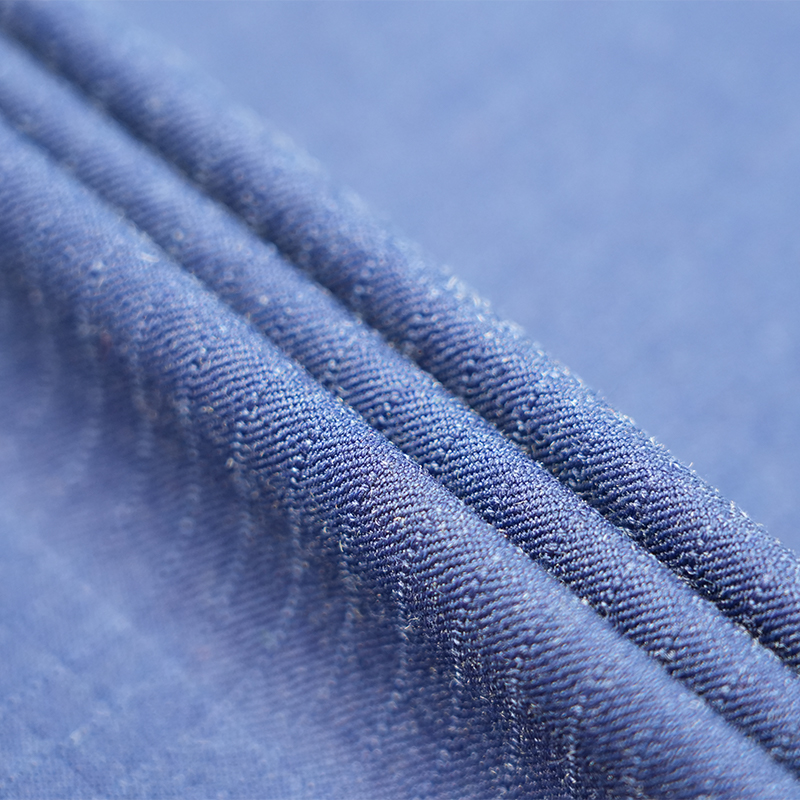
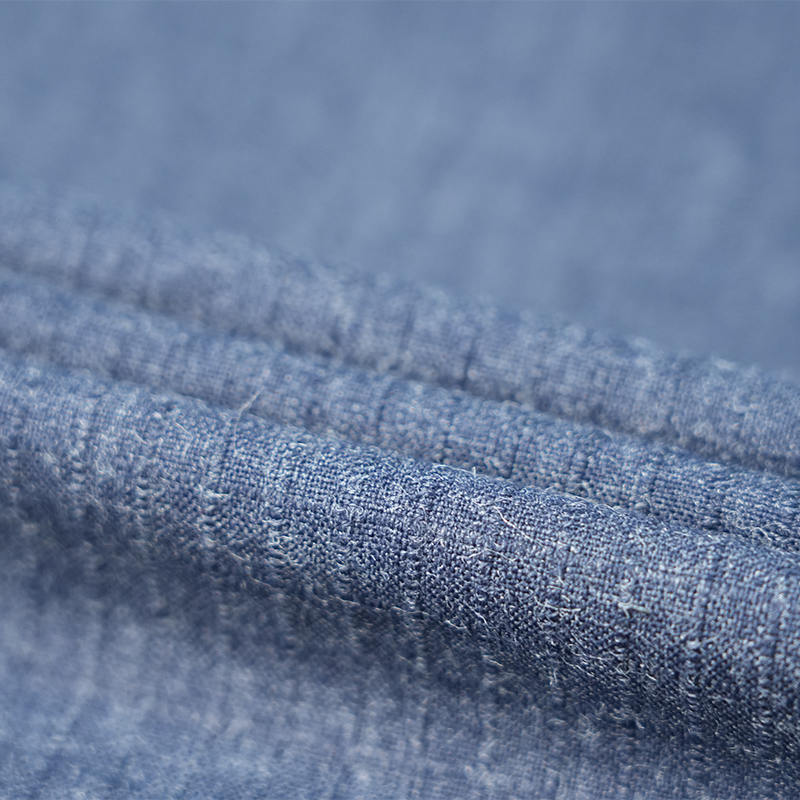
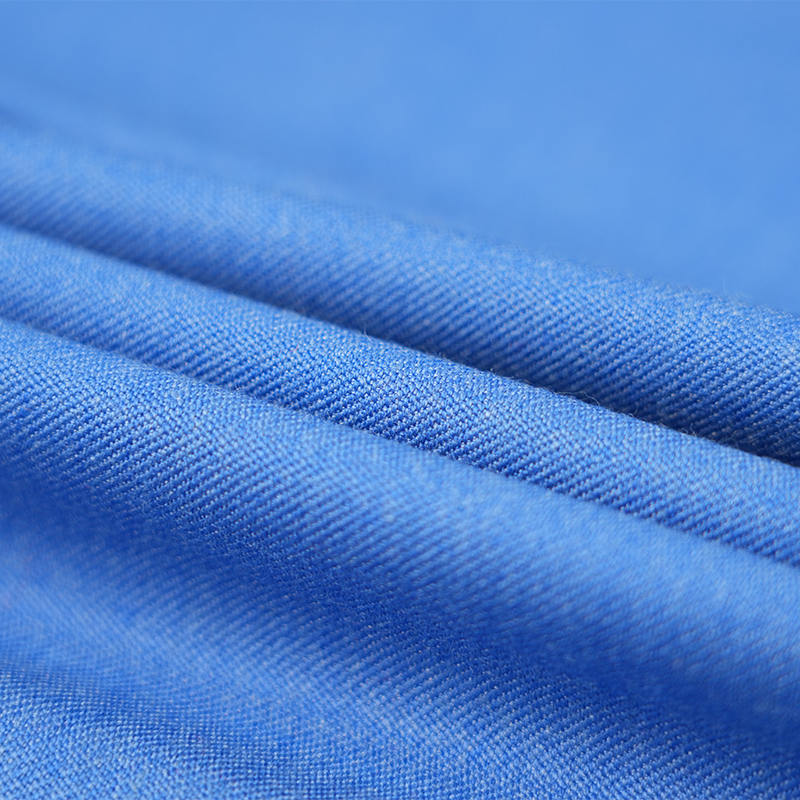
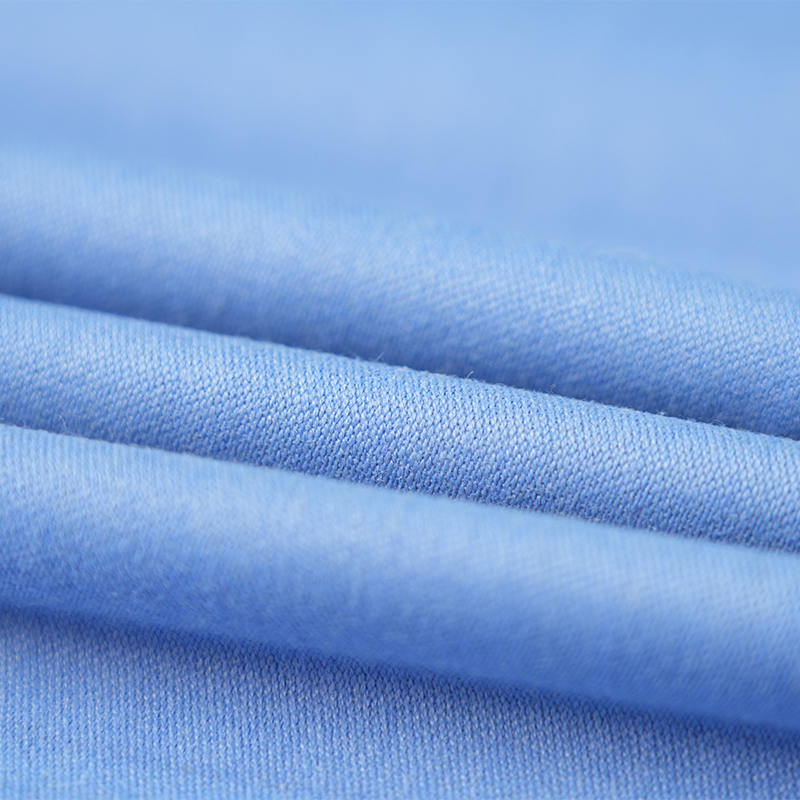
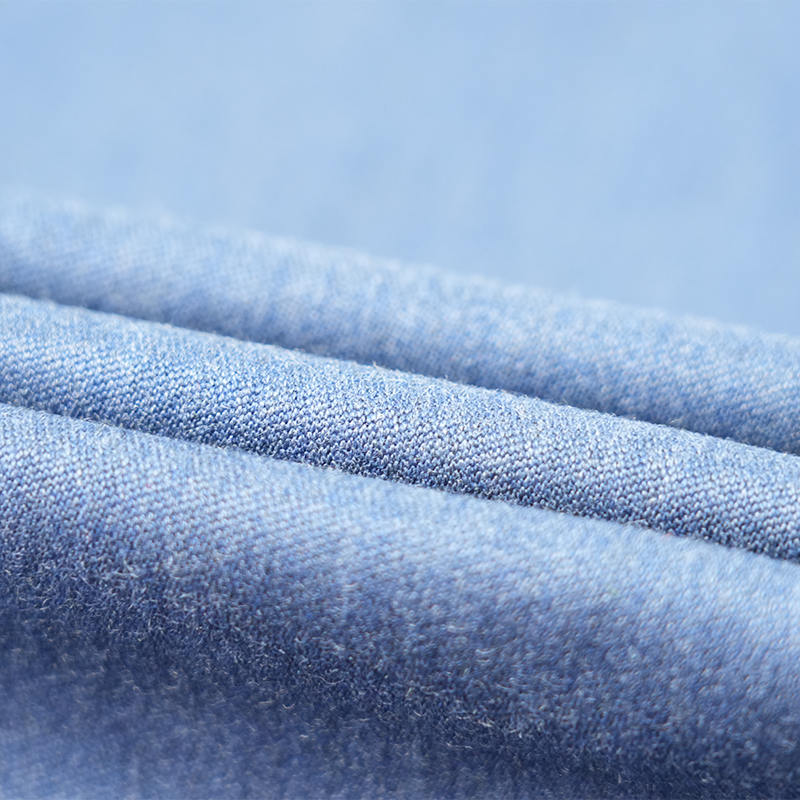
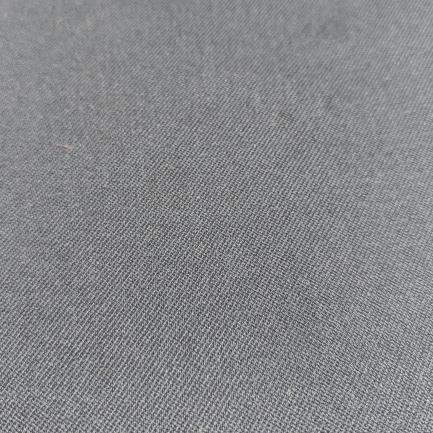
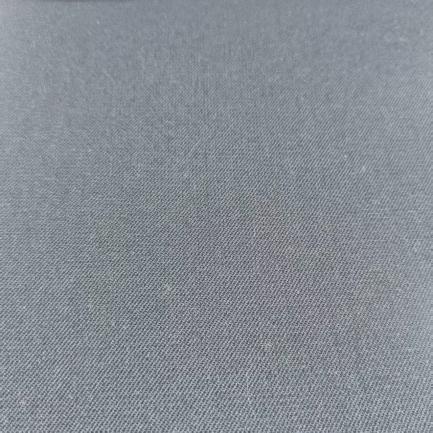
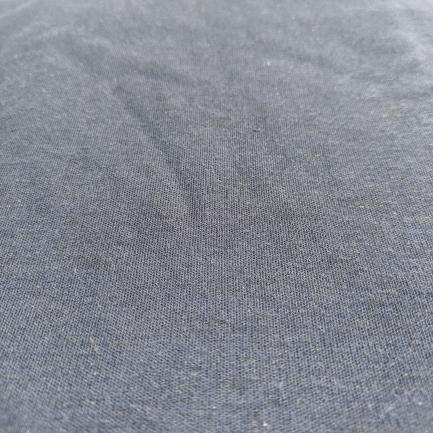
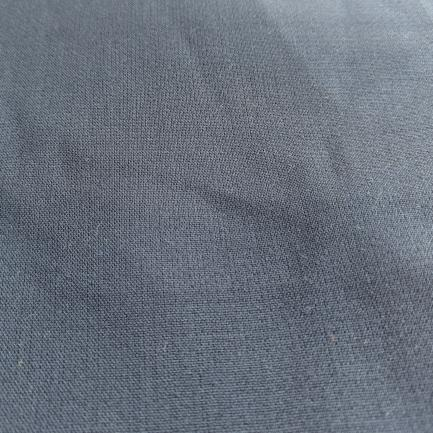
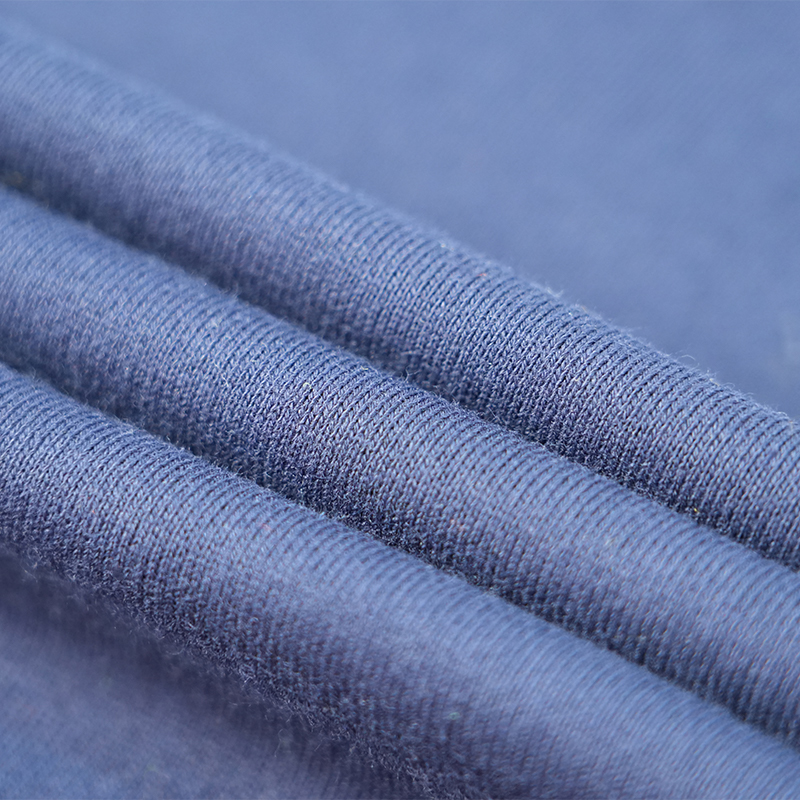
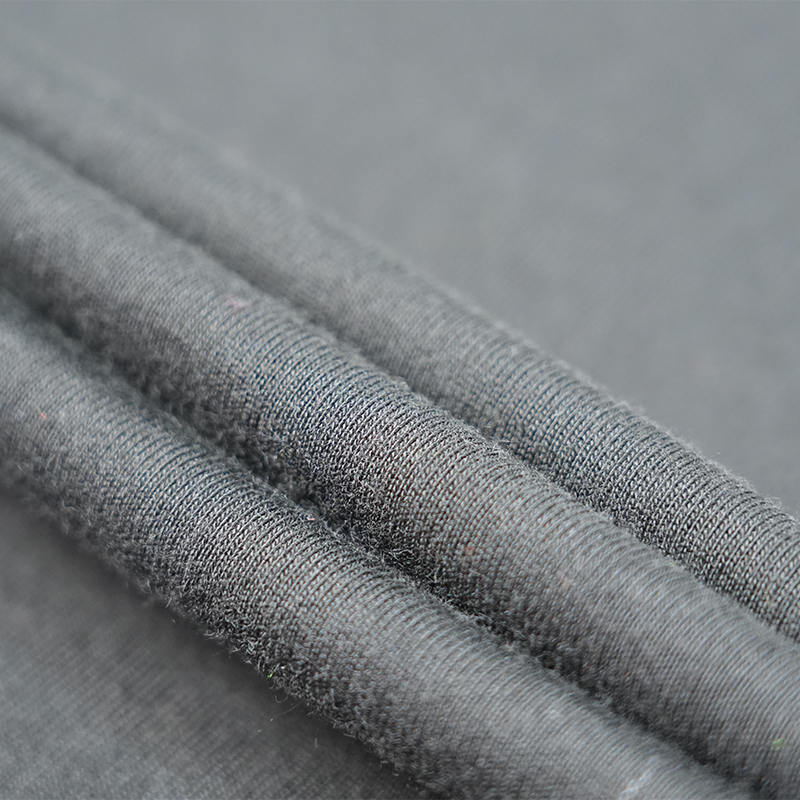
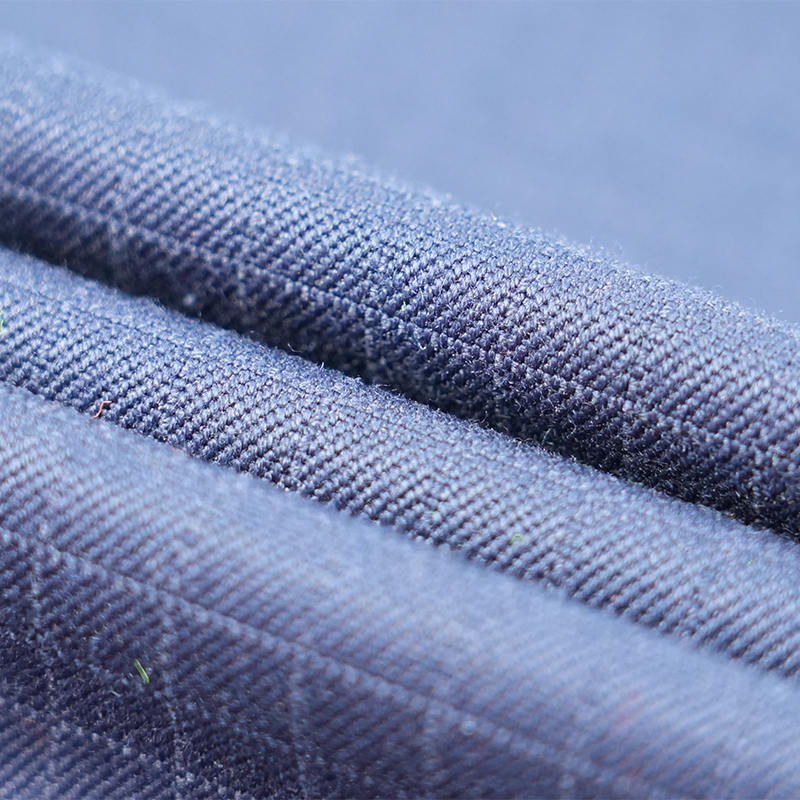
Arc flash clothing material is flame retardant protective fabric designed to be cut and sewn into garments for workers exposed to electric arc hazards, where a fault can release intense heat and light within a fraction of a second. For garment manufacturers, safety-wear brands and PPE distributors, the fabric is the first technical decision because it sets the arc protection potential, comfort, durability and compliance path of the finished garment.

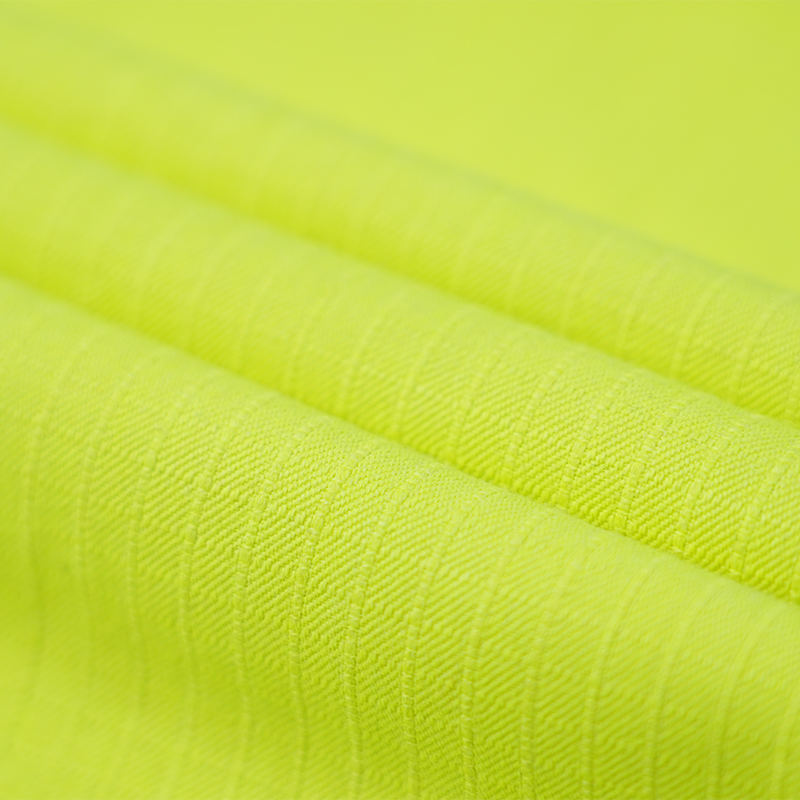
3H Safety Technology develops functional flame retardant fabrics under the 3H.Safeloya brand, and arc protection is one of the additional functions built on its flame retardant base. Our arc-related listings include fabrics referenced to NFPA 2112, NFPA 70E and ASTM F1506, flame retardant arc protection fabric with high-visibility color, and an aramid fabric referenced to EN 11612, EN 469 and NFPA 2112 for multi-hazard garments.

When sourcing arc flash clothing material, buyers usually compare the arc rating (ATPV or EBT, measured under ASTM F1959), fabric weight, fiber blend, wash durability, shade and test report coverage. Because the rating depends on both the fabric and the garment layering system, specific values are issued with the relevant test report. Weight, width and rating data are available upon request for each fabric.

Product development is based in Shanghai, with the Nantong site serving as the production and testing center. We support custom fabric development, and OEM/ODM cooperation, samples and MOQ can be discussed once we know your target standard, weight range and annual volume.

Key Procurement Information
Product Type

Arc-rated flame retardant fabric, arc protection with hi-vis, aramid multi-hazard fabric

Material

Aramid, modacrylic and blended FR fibers; fiber content subject to the selected fabric

Performance

Arc rating (ATPV or EBT) and flame resistance per applicable standard, issued with test reports

Product Structure

Woven shell fabrics; knitted options subject to specification

Customization

Fabric development, color and functional configuration by project

Quality Control

Production and testing center in Nantong; test reports available upon request

MOQ

Available Upon Request; depends on fabric and customization

OEM/ODM Services

Can be discussed by project; please contact us for details

Product Types & Buying Guide

Arc flash fabrics are specified by hazard level, not by appearance. Use this guide to compare the fabric groups in our arc-related range and to prepare a precise inquiry.

Product Types
Arc-Rated FR Fabric (NFPA 2112 / NFPA 70E / ASTM F1506)

Flame retardant fabric with arc protection, referenced to these standards in our product listings. Suited to shirts, trousers and coveralls where an arc hazard is defined.

Typical use: Electrical maintenance, substations, utilities

Arc Protection with High-Visibility

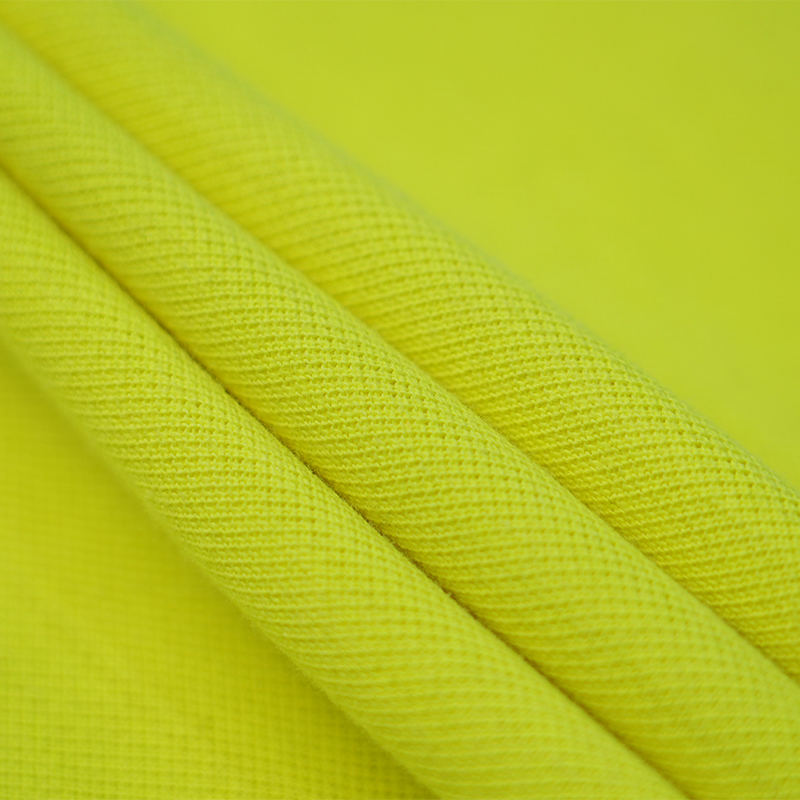
Flame retardant arc protection fabric offered with hi-vis color, so one fabric covers arc risk and visibility requirements.

Typical use: Utility line crews, outdoor power infrastructure

Aramid Multi-Hazard Fabric

Aramid-based flame retardant fabric referenced to EN 11612, EN 469 and NFPA 2112. Considered when arc risk overlaps with flash fire or heat exposure.

Typical use: Mixed-hazard electrical and industrial garments

Key Features and Differences
Fiber basis
Aramid fabrics are inherently flame resistant; blended constructions differ in hand feel, weight and price. Final fiber content is confirmed per fabric.
Arc performance
Expressed as ATPV or EBT in cal/cm2 under ASTM F1959. Garment-level performance also depends on layering and construction.
Visibility
Standard shade versus hi-vis shade. Hi-vis compliance, including color and reflective tape, is verified at garment level.
Added functions
An arc-only specification may not need anti-static or metal splash functions. Add them only where the work environment requires.
Buying Considerations
Target standard and rating

State the standard (for example NFPA 70E, ASTM F1506 or IEC 61482-1-2) and the required arc rating before requesting quotations.

Fabric weight

Heavier fabrics tend to offer higher ratings per layer but reduce comfort in warm climates. Request weight and rating together.

Fiber and shade

Aramid and blended fabrics differ in color range and hand feel. Confirm shade requirements, including hi-vis, at the start.

Wash durability

Ask for test data after the number of launderings your end users will apply, not only new-fabric results.

Garment components

Sewing thread, zippers, labels and reflective tape must also be flame resistant or they can undermine the garment.

Order quantity and documents

Confirm MOQ, sample length and the test reports needed for your customer's approval before production planning.

Main Points for Buyers
1Ask for the arc rating value, not a general arc resistant statement.
2Match the fabric to the standard your garment will be certified to.
3Check that hi-vis and arc functions are verified on the same fabric.
4Request post-wash test data for your expected laundering cycles.
5Confirm trims and thread are flame resistant before sampling.
Buying Guide
Step 1
Define the hazard. Write down the standard, required arc rating, climate and garment types from your hazard assessment.
Step 2
Shortlist fabric groups. Choose between arc-rated, arc plus hi-vis, or aramid multi-hazard fabric using the comparison above.
Step 3
Request samples and reports. Ask for swatches with weight, width, fiber content and test reports for the shortlisted fabrics.
Step 4
Confirm customization and trial order. Agree color, finishing and packaging details, then place a trial order before bulk quantities.

Specifications & Customization

ParameterSpecificationBuyer Note
Product TypeArc-rated FR fabric; arc protection hi-vis fabric; aramid multi-hazard fabricSubject to selected fabric
Base MaterialAramid, modacrylic and blended flame retardant fibersFiber content confirmed per fabric
Fabric StructureWoven shell fabrics; knitted options subject to specificationConfirm for arc-rated use
Referenced StandardsNFPA 2112, NFPA 70E, ASTM F1506; EN 11612 and EN 469 for the aramid fabricAs referenced in product listings; compliance per test report
Arc Rating (ATPV / EBT)Available Upon RequestIssued with the test report
Weight (gsm)Available Upon RequestVaries by fabric
WidthAvailable Upon RequestConfirm for cutting layout
Additional FunctionsAnti-static, hi-vis and other functional configurationsSubject to Product Configuration
ColorCustomizable; hi-vis shades availableConfirm per fabric
Test ReportsAvailable Upon RequestState the standard when requesting
PackagingAvailable Upon RequestCustomizable by order
Order TermsMOQ: Available Upon Request. Samples: Please Contact Us for Details. Lead time: To Be ConfirmedSubject to Actual Requirements
Customization Options
Fabric development by projectColor and shade matchingHi-vis configurationAnti-static add-onFiber blend selectionPackaging by order

Customization items are confirmed per fabric and quantity. Send your target standard, weight range, color and volume, and we will confirm what can be developed together with samples and test documents.

Applications & Target Customers

1. Application Scenarios
Industry / ApplicationTypical UseRelevant Product Features
Electric power utilitiesMaintenance and line work garmentsArc protection on a flame retardant base; hi-vis option for outdoor crews
Substation and switchgear maintenanceShirts, trousers, coverallsArc-rated fabric referenced to NFPA 70E and ASTM F1506
Industrial plant electrical teamsIn-plant electricians and maintenance staffFR with anti-static configuration, subject to product configuration
Oil, gas and petrochemical sitesGarments where arc risk and flash fire overlapAramid fabric referenced to EN 11612 and NFPA 2112
Coal mining electrical crewsElectrical maintenance underground and on surfaceFR fabric; suitability subject to site requirements
2. Target Customers
Garment Manufacturers

Need rated fabric with stable supply, documented test reports and consistent width and shade across lots.

PPE Brand Owners

Look for custom colors and functions that fit an existing arc-rated garment line.

Importers and Distributors

Compare fabric groups and documentation to serve local utility and industrial buyers.

Project Buyers

Tender-driven purchasers who require a named standard, test report and batch traceability.

3. Suitable and Unsuitable Uses
Suitable Uses
  • Garments for workers with an arc hazard defined by a risk assessment
  • Outer layers of an arc-rated clothing system
  • Shirts, trousers and coveralls for electrical maintenance
  • Projects requiring arc protection together with hi-vis visibility
Unsuitable Uses or Applications Requiring Additional Evaluation
  • Incident energy above the tested rating of the chosen fabric; needs a multilayer system or arc suit design
  • Head, hand and foot protection, which require separate PPE
  • Explosive atmospheres needing specific electrostatic compliance; confirm anti-static requirements
  • Use with non-flame-retardant underlayers or trims that can melt
4. Selection Guidance
Application requirements

List the arc rating, standard and garment types needed by the end user.

Technical specifications

Compare weight, fiber blend and test report coverage between candidate fabrics.

Working environment

Consider climate, outdoor exposure and laundering method for the garment.

Budget and order quantity

Share target volume so MOQ, sampling and pricing can be discussed together.

5. Usage Notes
  • Inspect garments for holes, tears and contamination before each use
  • Keep all closures fastened and sleeves down during work
  • Avoid underlayers made of melting synthetic fibers
  • Follow the care label; avoid bleach unless approved for the fabric
  • Retire damaged or heavily soiled garments
  • Store dry and away from solvents and direct heat

Advantages

01Arc protection on a flame retardant base

The arc function is built on a flame retardant fabric rather than added as a separate layer. This gives garment makers a single fabric to specify for flame and arc requirements.

Basis: Product listings reference NFPA 2112, NFPA 70E and ASTM F1506 for arc protection fabrics.
Buyer benefit: Shortens standard matching and reduces fabric components to qualify.
02Arc protection combined with hi-vis

An arc protection fabric with hi-vis color is part of the range. Crews working near traffic or in low light can be covered without a separate visibility layer.

Basis: A flame retardant, arc protection, hi-vis fabric for workwear and safety coveralls is listed in our range.
Buyer benefit: One fabric can serve both arc and visibility requirements in tenders.
03Aramid option for mixed hazards

An aramid fabric is available for jobs where arc risk overlaps with flash fire or heat. It is referenced to several standards at once.

Basis: The listing references EN 11612, EN 469 and NFPA 2112.
Buyer benefit: Fewer fabric changes when one garment must serve several hazards.
04Development and testing under one group

Product development is handled in Shanghai, while Nantong serves as the production and testing center. Technical questions and test arrangements stay within one company.

Basis: Supplier profile describes Shanghai as development center and Nantong as production and testing center.
Buyer benefit: Faster technical feedback and clearer batch responsibility.
05Fabric development by project

Functional fabrics are developed on a flame retardant base according to customer demand. Color and function can be discussed before sampling.

Basis: Supplier information lists arc protection, anti-static, metal splash, oil and water proofing and acid and alkali resistance as additional functions.
Buyer benefit: Lets you tune a fabric to a tender or brand specification.
06Documentation for compliance review

Test reports and certificate copies are provided on request. Management system certificates are listed in public supplier directories.

Basis: ISO 9001, ISO 14001 and ISO 45001 appear on third-party supplier profiles; copies available upon request.
Buyer benefit: Supports customer audits and approval files.

Frequently Asked Questions

  • Q: What arc rating can your fabrics reach?
  • A: The rating depends on the fabric, weight and layering. Values are stated in the test report, usually as ATPV or EBT under ASTM F1959. Send your required level and we will suggest candidate fabrics.
  • Q: Which standards are referenced for your arc flash fabrics?
  • A: Our listings reference NFPA 2112, NFPA 70E and ASTM F1506 for arc protection fabrics, and EN 11612, EN 469 and NFPA 2112 for the aramid fabric. Compliance for a specific fabric is confirmed by its test report.
  • Q: Can arc protection be combined with hi-vis color?
  • A: Yes. A flame retardant arc protection hi-vis fabric is part of our range. Shade and class requirements should be confirmed at garment level.
  • Q: Do you supply woven and knitted fabrics?
  • A: Both structures are produced across our range. Woven fabrics are typical for arc-rated shells; availability of knitted options for an arc specification should be confirmed per request.
  • Q: What are the MOQ and lead time?
  • A: MOQ and lead time depend on the fabric, color and customization. Please contact us with your target quantity and we will confirm both.
  • Q: Can I request samples and test reports?
  • A: Yes. Please contact us with the fabric group, standard and intended use, and we will arrange swatches and the matching test documents.
  • Q: Do you make finished garments?
  • A: Our focus is protective fabric. If you need garment cooperation, please contact us for details.

Contact Us to Learn More

Share your target standard, arc rating and garment type, and our team will recommend suitable arc flash fabrics, sample options and documents. We work with garment makers, brand owners and distributors on both stock and custom requirements.

To help us respond accurately, please include:

Target standard and arc rating
Fabric weight range
Color or hi-vis requirement
Annual or project quantity
Sample and test report needs